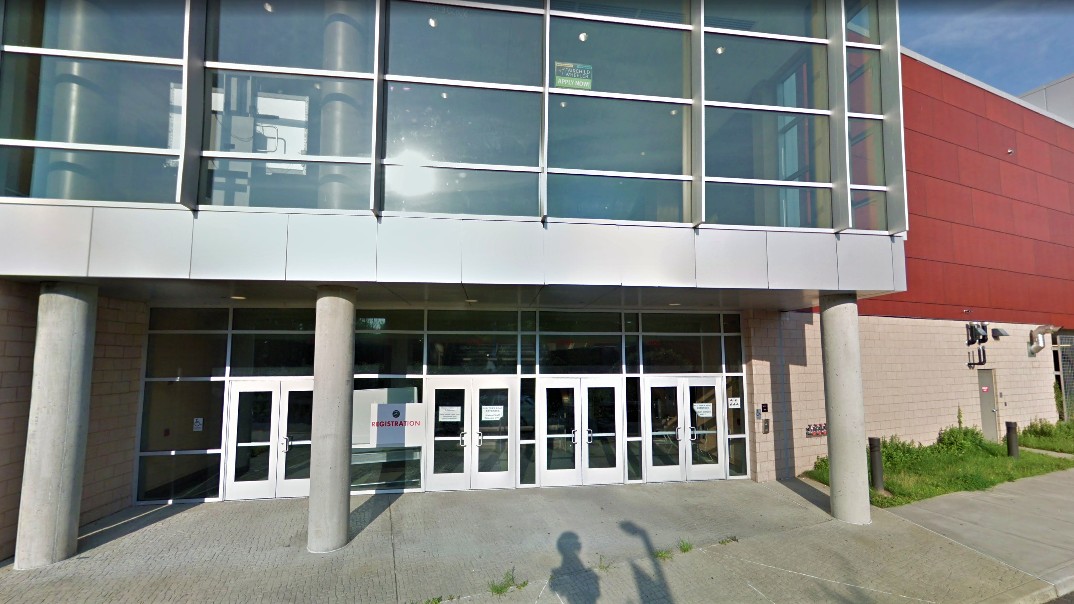
New Era Rehabilitation Center
Bridgeport, CT
06606

Accredited drug rehab centers available across Connecticut.
Sliding-scale payments, financial aid, low-cost programs, and local nonprofits.
Medicare, Medicaid, TRICARE, plus local private health insurance coverage.




 Filter
| Name | Address | Description | Treatment | Insurance | Thumbnail |
|---|---|---|---|---|---|
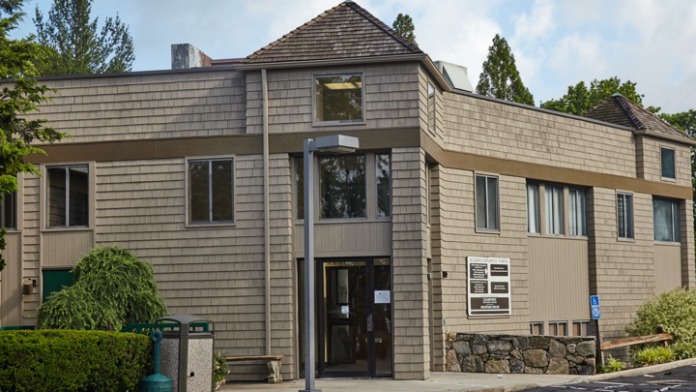
Retreat Premier Addiction Treatment Center | 915 Ella T Grasso Blvd | Retreat Behavioral Health was an upscale mental health and addiction treatment center in New Haven, Connecticut. They provided adults with inpatient treatment that ... more details › | Treatment Programs Insurance Detox Drug rehab in Connecticut typically starts with detox. This is the process of ridding your body of all addictive substances. This happens under supervision, so medical staff can treat withdrawal symptoms and help you through the process. Inpatient Inpatient drug rehab in Connecticut is the most intensive level of care for addiction treatment. Upon admission, they engage in extensive psychotherapy, receive recovery-focused life skills training, and participate in evidence-based complementary therapies, such as meditation, massage, acupuncture, and/or animal, creative arts, recreational, and experiential therapy. PHP A partial hospitalization program (PHP) is a type of outpatient treatment program in Connecticut that combines the benefits of an inpatient program with those of an outpatient program. While in a PHP, you spend several hours multiple times a week undergoing treatment for drug or alcohol addiction, then you can return home. Outpatient Many individuals turn to outpatient rehab in Connecticut after they complete an inpatient program. This treatment is less intensive and usually involves attending several counseling sessions per week and attending a support group such as NA or AA. Outpatient rehab may be short or long-term, depending on the needs of the individual. Dual Diagnosis When you have a co-occurring disorder, you have both a substance abuse disorder and a mental health disorder. Dual diagnosis in Connecticut specializes in treating both conditions simultaneously, which is crucial for successful recovery. Aftercare Once you’ve completed rehab treatment, you must learn how to manage stress and life challenges without relapsing. Aftercare rehab in Connecticut is designed to provide the support you need for this process. It may include financial, educational, career, social, and mental support. Many people remain in this care for a year after initial recovery. Sober Living Sober living in Connecticut offers an interim step for the first few months of your recovery journey. It involves living in a supervised, sober residence that has structured rules and required 12-step meetings. Typical house rules include no drugs or alcohol, random drug tests, and involvement in work, school, or an outpatient rehab program. Intervention For those looking to get a loved one started on a path toward recovery, intervention services in Connecticut can prove invaluable. Professional intervention specialists can help you facilitate an intervention, access resources to develop a treatment plan, and assist with admittance to drug rehab in Connecticut. +6 | Treatment Programs Insurance Medicaid If you qualify for Medicaid coverage, it will often cover most - if not all - the costs associated with alcohol and drug rehab in Connecticut. There are certain qualifications you must meet in order to be eligible for insurance through Medicaid. Tricare Administered by the Department of Defense, TRICARE offers comprehensive military health insurance plans for active and retired military members and their families. Similar to PPO programs offered by private insurance companies, TRICARE covers multiple levels of care for addiction treatment, including detox, inpatient rehab, and outpatient services. Private Private insurance is one of the best ways to lower the cost of alcohol and drug rehab in Connecticut. Keep in mind, however, that coverage rates and other treatment details will differ, depending on your insurance carrier and policy. Be sure to verify your coverage details before entering a treatment program. Payment If you are under- or uninsured, self-pay options can help keep your out-of-pocket costs at an affordable level for alcohol or drug rehab in Connecticut. +2 | |
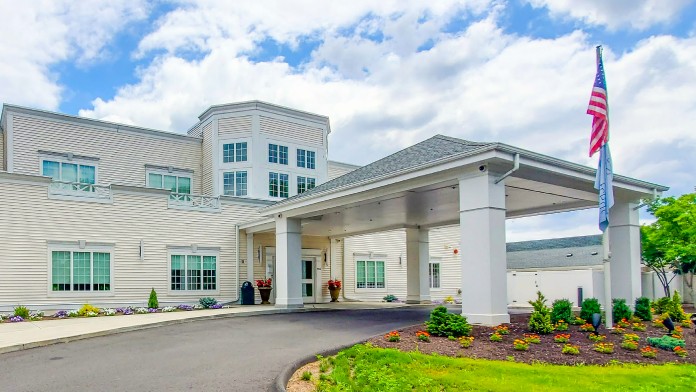
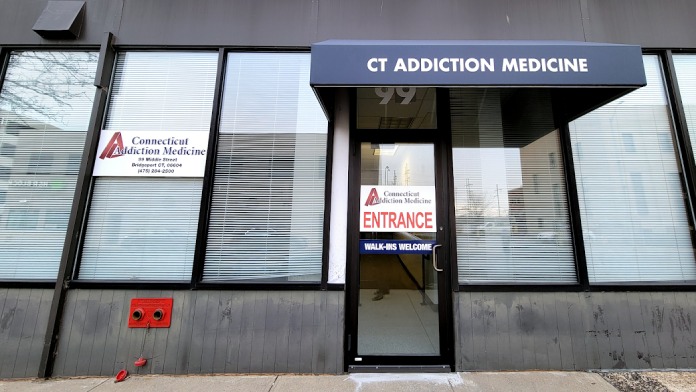
Connecticut Addiction Medicine, LLC | 99 Middle St | Connecticut Addiction Medicine, LLC is an outpatient addiction treatment provider in Bridgeport, Connecticut, offering evidence-based care for substance use disorders ... more details › | Treatment Programs Insurance Detox Drug rehab in Connecticut typically starts with detox. This is the process of ridding your body of all addictive substances. This happens under supervision, so medical staff can treat withdrawal symptoms and help you through the process. Inpatient Inpatient drug rehab in Connecticut is the most intensive level of care for addiction treatment. Upon admission, they engage in extensive psychotherapy, receive recovery-focused life skills training, and participate in evidence-based complementary therapies, such as meditation, massage, acupuncture, and/or animal, creative arts, recreational, and experiential therapy. | Treatment Programs Insurance Medicaid If you qualify for Medicaid coverage, it will often cover most - if not all - the costs associated with alcohol and drug rehab in Connecticut. There are certain qualifications you must meet in order to be eligible for insurance through Medicaid. Medicare If you qualify for insurance coverage through Medicare, your policy will help pay for alcohol and drug rehab in Delaware. Your coverage amount ultimately depends on various factors, like whether you are seeking inpatient care or an outpatient treatment program. Be sure to verify your coverage details before you start rehab. Private Private insurance is one of the best ways to lower the cost of alcohol and drug rehab in Connecticut. Keep in mind, however, that coverage rates and other treatment details will differ, depending on your insurance carrier and policy. Be sure to verify your coverage details before entering a treatment program. Payment If you are under- or uninsured, self-pay options can help keep your out-of-pocket costs at an affordable level for alcohol or drug rehab in Connecticut. +2 | |
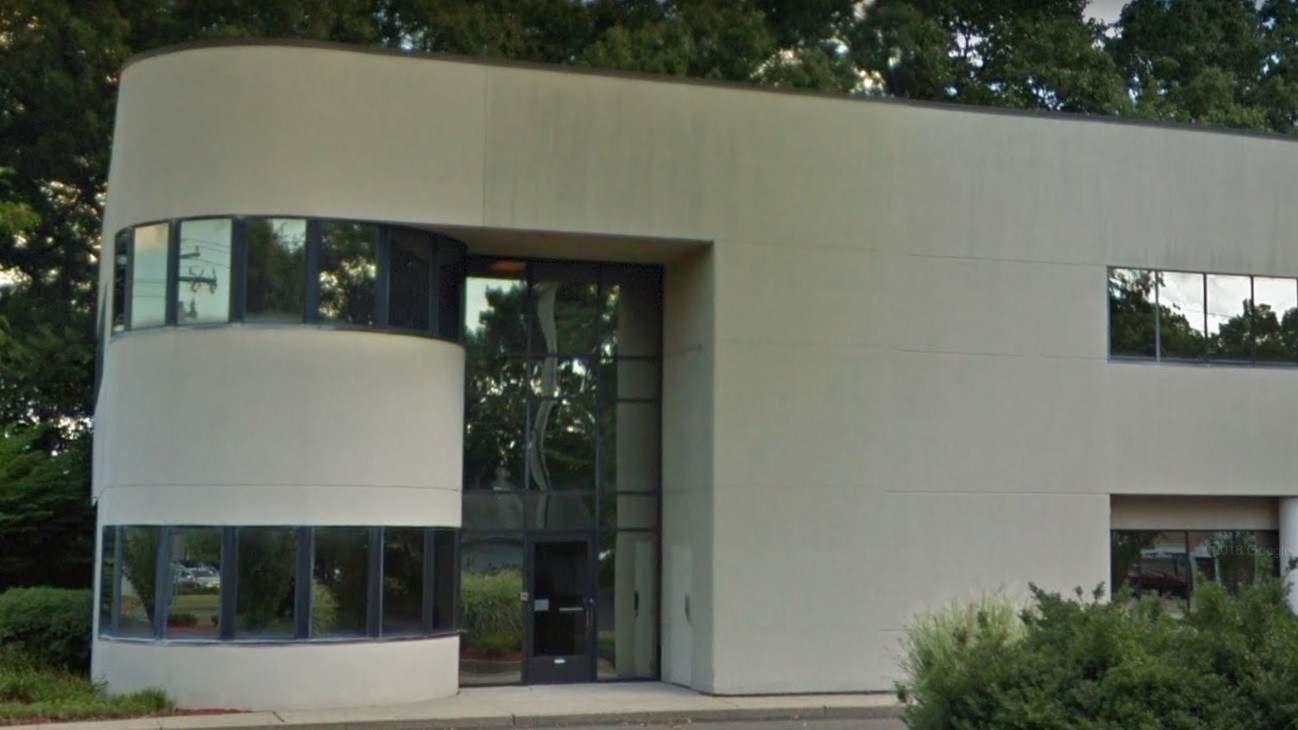
Recovery Services of Connecticut – Drug and Alcohol RehabRecovery Services of Connecticut – Drug and Alcohol Rehab | 71 Bradley Rd | Recovery Services of Connecticut is a state licensed, Joint Commission accredited drug and alcohol rehab in Madison, Connecticut, offering personalized, evidence based ... more details › | Treatment Programs Insurance Detox Drug rehab in Connecticut typically starts with detox. This is the process of ridding your body of all addictive substances. This happens under supervision, so medical staff can treat withdrawal symptoms and help you through the process. Inpatient Inpatient drug rehab in Connecticut is the most intensive level of care for addiction treatment. Upon admission, they engage in extensive psychotherapy, receive recovery-focused life skills training, and participate in evidence-based complementary therapies, such as meditation, massage, acupuncture, and/or animal, creative arts, recreational, and experiential therapy. Outpatient Many individuals turn to outpatient rehab in Connecticut after they complete an inpatient program. This treatment is less intensive and usually involves attending several counseling sessions per week and attending a support group such as NA or AA. Outpatient rehab may be short or long-term, depending on the needs of the individual. Intervention For those looking to get a loved one started on a path toward recovery, intervention services in Connecticut can prove invaluable. Professional intervention specialists can help you facilitate an intervention, access resources to develop a treatment plan, and assist with admittance to drug rehab in Connecticut. +2 | Treatment Programs Insurance Medicaid If you qualify for Medicaid coverage, it will often cover most - if not all - the costs associated with alcohol and drug rehab in Connecticut. There are certain qualifications you must meet in order to be eligible for insurance through Medicaid. Tricare Administered by the Department of Defense, TRICARE offers comprehensive military health insurance plans for active and retired military members and their families. Similar to PPO programs offered by private insurance companies, TRICARE covers multiple levels of care for addiction treatment, including detox, inpatient rehab, and outpatient services. Private Private insurance is one of the best ways to lower the cost of alcohol and drug rehab in Connecticut. Keep in mind, however, that coverage rates and other treatment details will differ, depending on your insurance carrier and policy. Be sure to verify your coverage details before entering a treatment program. Payment If you are under- or uninsured, self-pay options can help keep your out-of-pocket costs at an affordable level for alcohol or drug rehab in Connecticut. +2 | |
Turnbridge | 189 Orange Street | Turnbridge is a behavioral healthcare and dual diagnosis provider in New Haven, Connecticut specializing in addiction and mental health treatment for adolescents and ... more details › | Treatment Programs Insurance Detox Drug rehab in Connecticut typically starts with detox. This is the process of ridding your body of all addictive substances. This happens under supervision, so medical staff can treat withdrawal symptoms and help you through the process. Inpatient Inpatient drug rehab in Connecticut is the most intensive level of care for addiction treatment. Upon admission, they engage in extensive psychotherapy, receive recovery-focused life skills training, and participate in evidence-based complementary therapies, such as meditation, massage, acupuncture, and/or animal, creative arts, recreational, and experiential therapy. Outpatient Many individuals turn to outpatient rehab in Connecticut after they complete an inpatient program. This treatment is less intensive and usually involves attending several counseling sessions per week and attending a support group such as NA or AA. Outpatient rehab may be short or long-term, depending on the needs of the individual. Dual Diagnosis When you have a co-occurring disorder, you have both a substance abuse disorder and a mental health disorder. Dual diagnosis in Connecticut specializes in treating both conditions simultaneously, which is crucial for successful recovery. Aftercare Once you’ve completed rehab treatment, you must learn how to manage stress and life challenges without relapsing. Aftercare rehab in Connecticut is designed to provide the support you need for this process. It may include financial, educational, career, social, and mental support. Many people remain in this care for a year after initial recovery. Sober Living Sober living in Connecticut offers an interim step for the first few months of your recovery journey. It involves living in a supervised, sober residence that has structured rules and required 12-step meetings. Typical house rules include no drugs or alcohol, random drug tests, and involvement in work, school, or an outpatient rehab program. Intervention For those looking to get a loved one started on a path toward recovery, intervention services in Connecticut can prove invaluable. Professional intervention specialists can help you facilitate an intervention, access resources to develop a treatment plan, and assist with admittance to drug rehab in Connecticut. +5 | Treatment Programs Insurance Financial Aid For those who need some financial assistance to help cover the costs of alcohol and drug rehab in Connecticut, financial aid is often a good option due to the myriad of choices and options. For example, these methods can include rehab scholarships, receiving treatment through a non-profit program, and certain grants. Private Private insurance is one of the best ways to lower the cost of alcohol and drug rehab in Connecticut. Keep in mind, however, that coverage rates and other treatment details will differ, depending on your insurance carrier and policy. Be sure to verify your coverage details before entering a treatment program. Payment If you are under- or uninsured, self-pay options can help keep your out-of-pocket costs at an affordable level for alcohol or drug rehab in Connecticut. +1 | |
Hartford HealthCare Rehabilitation Network | 1025 Silas Deane Highway | Hartford Healthcare Rehabilitation Network provides physical, occupational and speech therapy throughout Connecticut. Their center located in Wethersfield specializes ... more details › | Treatment Programs Insurance Inpatient Inpatient drug rehab in Connecticut is the most intensive level of care for addiction treatment. Upon admission, they engage in extensive psychotherapy, receive recovery-focused life skills training, and participate in evidence-based complementary therapies, such as meditation, massage, acupuncture, and/or animal, creative arts, recreational, and experiential therapy. | Treatment Programs Insurance | |
Silver Hill Hospital | 208 Valley Road | Silver Hill Hospital is a private, non-profit psychiatric and addiction treatment center in New Canaan, Connecticut, specializing in dual-diagnosis care for adults and ... more details › | Treatment Programs Insurance Detox Drug rehab in Connecticut typically starts with detox. This is the process of ridding your body of all addictive substances. This happens under supervision, so medical staff can treat withdrawal symptoms and help you through the process. Inpatient Inpatient drug rehab in Connecticut is the most intensive level of care for addiction treatment. Upon admission, they engage in extensive psychotherapy, receive recovery-focused life skills training, and participate in evidence-based complementary therapies, such as meditation, massage, acupuncture, and/or animal, creative arts, recreational, and experiential therapy. PHP A partial hospitalization program (PHP) is a type of outpatient treatment program in Connecticut that combines the benefits of an inpatient program with those of an outpatient program. While in a PHP, you spend several hours multiple times a week undergoing treatment for drug or alcohol addiction, then you can return home. Outpatient Many individuals turn to outpatient rehab in Connecticut after they complete an inpatient program. This treatment is less intensive and usually involves attending several counseling sessions per week and attending a support group such as NA or AA. Outpatient rehab may be short or long-term, depending on the needs of the individual. Dual Diagnosis When you have a co-occurring disorder, you have both a substance abuse disorder and a mental health disorder. Dual diagnosis in Connecticut specializes in treating both conditions simultaneously, which is crucial for successful recovery. Aftercare Once you’ve completed rehab treatment, you must learn how to manage stress and life challenges without relapsing. Aftercare rehab in Connecticut is designed to provide the support you need for this process. It may include financial, educational, career, social, and mental support. Many people remain in this care for a year after initial recovery. Sober Living Sober living in Connecticut offers an interim step for the first few months of your recovery journey. It involves living in a supervised, sober residence that has structured rules and required 12-step meetings. Typical house rules include no drugs or alcohol, random drug tests, and involvement in work, school, or an outpatient rehab program. +5 | Treatment Programs Insurance Medicaid If you qualify for Medicaid coverage, it will often cover most - if not all - the costs associated with alcohol and drug rehab in Connecticut. There are certain qualifications you must meet in order to be eligible for insurance through Medicaid. Medicare If you qualify for insurance coverage through Medicare, your policy will help pay for alcohol and drug rehab in Delaware. Your coverage amount ultimately depends on various factors, like whether you are seeking inpatient care or an outpatient treatment program. Be sure to verify your coverage details before you start rehab. Financial Aid For those who need some financial assistance to help cover the costs of alcohol and drug rehab in Connecticut, financial aid is often a good option due to the myriad of choices and options. For example, these methods can include rehab scholarships, receiving treatment through a non-profit program, and certain grants. Tricare Administered by the Department of Defense, TRICARE offers comprehensive military health insurance plans for active and retired military members and their families. Similar to PPO programs offered by private insurance companies, TRICARE covers multiple levels of care for addiction treatment, including detox, inpatient rehab, and outpatient services. Private Private insurance is one of the best ways to lower the cost of alcohol and drug rehab in Connecticut. Keep in mind, however, that coverage rates and other treatment details will differ, depending on your insurance carrier and policy. Be sure to verify your coverage details before entering a treatment program. Payment If you are under- or uninsured, self-pay options can help keep your out-of-pocket costs at an affordable level for alcohol or drug rehab in Connecticut. +4 | |
Cornell Scott – Hill Health Center of 400 Columbus Ave New Haven, CT | 400 Columbus Avenue | Cornell Scott Hill Health Center, located in New Haven, Connecticut, is an outpatient mental health and addiction recovery facility for adults. Their levels of care ... more details › | Treatment Programs Insurance Detox Drug rehab in Connecticut typically starts with detox. This is the process of ridding your body of all addictive substances. This happens under supervision, so medical staff can treat withdrawal symptoms and help you through the process. PHP A partial hospitalization program (PHP) is a type of outpatient treatment program in Connecticut that combines the benefits of an inpatient program with those of an outpatient program. While in a PHP, you spend several hours multiple times a week undergoing treatment for drug or alcohol addiction, then you can return home. Outpatient Many individuals turn to outpatient rehab in Connecticut after they complete an inpatient program. This treatment is less intensive and usually involves attending several counseling sessions per week and attending a support group such as NA or AA. Outpatient rehab may be short or long-term, depending on the needs of the individual. Dual Diagnosis When you have a co-occurring disorder, you have both a substance abuse disorder and a mental health disorder. Dual diagnosis in Connecticut specializes in treating both conditions simultaneously, which is crucial for successful recovery. Aftercare Once you’ve completed rehab treatment, you must learn how to manage stress and life challenges without relapsing. Aftercare rehab in Connecticut is designed to provide the support you need for this process. It may include financial, educational, career, social, and mental support. Many people remain in this care for a year after initial recovery. +3 | Treatment Programs Insurance Medicaid If you qualify for Medicaid coverage, it will often cover most - if not all - the costs associated with alcohol and drug rehab in Connecticut. There are certain qualifications you must meet in order to be eligible for insurance through Medicaid. Medicare If you qualify for insurance coverage through Medicare, your policy will help pay for alcohol and drug rehab in Delaware. Your coverage amount ultimately depends on various factors, like whether you are seeking inpatient care or an outpatient treatment program. Be sure to verify your coverage details before you start rehab. Financial Aid For those who need some financial assistance to help cover the costs of alcohol and drug rehab in Connecticut, financial aid is often a good option due to the myriad of choices and options. For example, these methods can include rehab scholarships, receiving treatment through a non-profit program, and certain grants. Private Private insurance is one of the best ways to lower the cost of alcohol and drug rehab in Connecticut. Keep in mind, however, that coverage rates and other treatment details will differ, depending on your insurance carrier and policy. Be sure to verify your coverage details before entering a treatment program. Payment If you are under- or uninsured, self-pay options can help keep your out-of-pocket costs at an affordable level for alcohol or drug rehab in Connecticut. +3 | |
Mountainside Treatment Center | 187 South Canaan Road | The Mountainside Treatment Center is located in Canaan, Connecticut. The organization is LegitScript certified and accredited by The Joint Commission and CARF. Through ... more details › | Treatment Programs Insurance Detox Drug rehab in Connecticut typically starts with detox. This is the process of ridding your body of all addictive substances. This happens under supervision, so medical staff can treat withdrawal symptoms and help you through the process. Inpatient Inpatient drug rehab in Connecticut is the most intensive level of care for addiction treatment. Upon admission, they engage in extensive psychotherapy, receive recovery-focused life skills training, and participate in evidence-based complementary therapies, such as meditation, massage, acupuncture, and/or animal, creative arts, recreational, and experiential therapy. Outpatient Many individuals turn to outpatient rehab in Connecticut after they complete an inpatient program. This treatment is less intensive and usually involves attending several counseling sessions per week and attending a support group such as NA or AA. Outpatient rehab may be short or long-term, depending on the needs of the individual. Dual Diagnosis When you have a co-occurring disorder, you have both a substance abuse disorder and a mental health disorder. Dual diagnosis in Connecticut specializes in treating both conditions simultaneously, which is crucial for successful recovery. Aftercare Once you’ve completed rehab treatment, you must learn how to manage stress and life challenges without relapsing. Aftercare rehab in Connecticut is designed to provide the support you need for this process. It may include financial, educational, career, social, and mental support. Many people remain in this care for a year after initial recovery. Sober Living Sober living in Connecticut offers an interim step for the first few months of your recovery journey. It involves living in a supervised, sober residence that has structured rules and required 12-step meetings. Typical house rules include no drugs or alcohol, random drug tests, and involvement in work, school, or an outpatient rehab program. Intervention For those looking to get a loved one started on a path toward recovery, intervention services in Connecticut can prove invaluable. Professional intervention specialists can help you facilitate an intervention, access resources to develop a treatment plan, and assist with admittance to drug rehab in Connecticut. +5 | Treatment Programs Insurance Medicaid If you qualify for Medicaid coverage, it will often cover most - if not all - the costs associated with alcohol and drug rehab in Connecticut. There are certain qualifications you must meet in order to be eligible for insurance through Medicaid. Medicare If you qualify for insurance coverage through Medicare, your policy will help pay for alcohol and drug rehab in Delaware. Your coverage amount ultimately depends on various factors, like whether you are seeking inpatient care or an outpatient treatment program. Be sure to verify your coverage details before you start rehab. Financial Aid For those who are underinsured or uninsured, paying the total cost of a rehab program up front is not feasible. Fortunately, many alcohol and drug rehabs make financing available to potential clients through private loans, in-house payment plans, or partner lenders. You can choose a finance package that lets you start treatment immediately and pay for it later. Private Private insurance is one of the best ways to lower the cost of alcohol and drug rehab in Connecticut. Keep in mind, however, that coverage rates and other treatment details will differ, depending on your insurance carrier and policy. Be sure to verify your coverage details before entering a treatment program. Payment If you are under- or uninsured, self-pay options can help keep your out-of-pocket costs at an affordable level for alcohol or drug rehab in Connecticut. +3 | |
Connecticut Center for Recovery | 177 West Putnam Avenue | Center for Recovery is a dual diagnosis addiction treatment center located in Greenwich, Connecticut, providing behavioral healthcare for adults. This drug rehab ... more details › | Treatment Programs Insurance Detox Drug rehab in Connecticut typically starts with detox. This is the process of ridding your body of all addictive substances. This happens under supervision, so medical staff can treat withdrawal symptoms and help you through the process. PHP A partial hospitalization program (PHP) is a type of outpatient treatment program in Connecticut that combines the benefits of an inpatient program with those of an outpatient program. While in a PHP, you spend several hours multiple times a week undergoing treatment for drug or alcohol addiction, then you can return home. Outpatient Many individuals turn to outpatient rehab in Connecticut after they complete an inpatient program. This treatment is less intensive and usually involves attending several counseling sessions per week and attending a support group such as NA or AA. Outpatient rehab may be short or long-term, depending on the needs of the individual. Dual Diagnosis When you have a co-occurring disorder, you have both a substance abuse disorder and a mental health disorder. Dual diagnosis in Connecticut specializes in treating both conditions simultaneously, which is crucial for successful recovery. +2 | Treatment Programs Insurance Private Private insurance is one of the best ways to lower the cost of alcohol and drug rehab in Connecticut. Keep in mind, however, that coverage rates and other treatment details will differ, depending on your insurance carrier and policy. Be sure to verify your coverage details before entering a treatment program. Payment If you are under- or uninsured, self-pay options can help keep your out-of-pocket costs at an affordable level for alcohol or drug rehab in Connecticut. | |
Aware Recovery Care | 556 Washington Avenue | Aware Recovery Care is located in North Haven, Connecticut. This is a drug rehab organization that offers compassionate and flexible care to men and women who need ... more details › | Treatment Programs Insurance Detox Drug rehab in Connecticut typically starts with detox. This is the process of ridding your body of all addictive substances. This happens under supervision, so medical staff can treat withdrawal symptoms and help you through the process. Inpatient Inpatient drug rehab in Connecticut is the most intensive level of care for addiction treatment. Upon admission, they engage in extensive psychotherapy, receive recovery-focused life skills training, and participate in evidence-based complementary therapies, such as meditation, massage, acupuncture, and/or animal, creative arts, recreational, and experiential therapy. Outpatient Many individuals turn to outpatient rehab in Connecticut after they complete an inpatient program. This treatment is less intensive and usually involves attending several counseling sessions per week and attending a support group such as NA or AA. Outpatient rehab may be short or long-term, depending on the needs of the individual. Dual Diagnosis When you have a co-occurring disorder, you have both a substance abuse disorder and a mental health disorder. Dual diagnosis in Connecticut specializes in treating both conditions simultaneously, which is crucial for successful recovery. Intervention For those looking to get a loved one started on a path toward recovery, intervention services in Connecticut can prove invaluable. Professional intervention specialists can help you facilitate an intervention, access resources to develop a treatment plan, and assist with admittance to drug rehab in Connecticut. +3 | Treatment Programs Insurance Private Private insurance is one of the best ways to lower the cost of alcohol and drug rehab in Connecticut. Keep in mind, however, that coverage rates and other treatment details will differ, depending on your insurance carrier and policy. Be sure to verify your coverage details before entering a treatment program. Payment If you are under- or uninsured, self-pay options can help keep your out-of-pocket costs at an affordable level for alcohol or drug rehab in Connecticut. | |
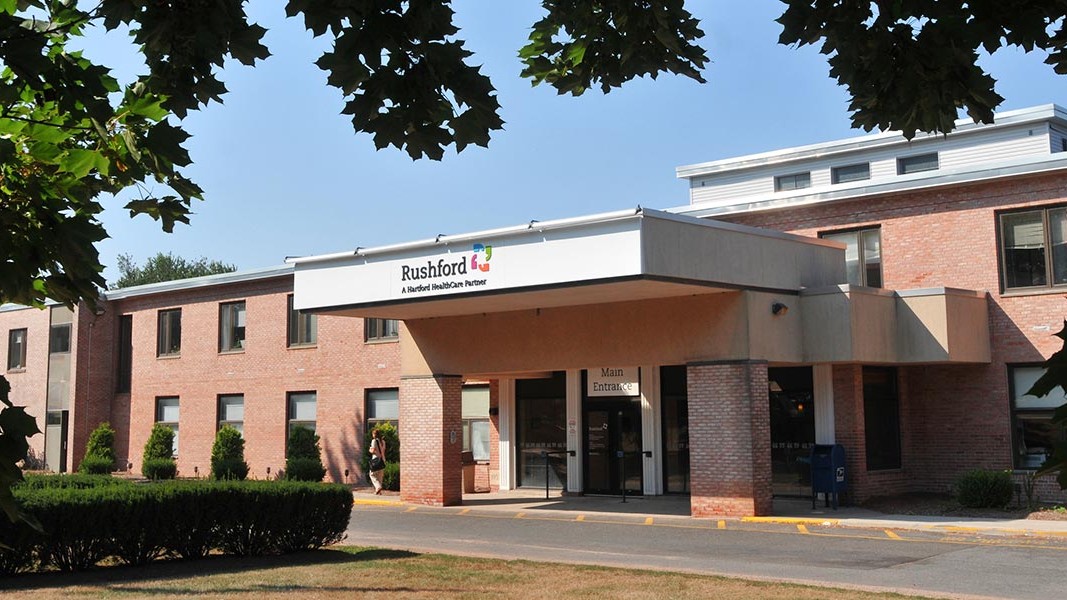
Rushford | 883 Paddock Avenue | Rushford is a Hartford HealthCare behavioral health treatment center in Meriden, Connecticut specializing in substance use disorder treatment and co-occurring mental ... more details › | Treatment Programs Insurance Detox Drug rehab in Connecticut typically starts with detox. This is the process of ridding your body of all addictive substances. This happens under supervision, so medical staff can treat withdrawal symptoms and help you through the process. Inpatient Inpatient drug rehab in Connecticut is the most intensive level of care for addiction treatment. Upon admission, they engage in extensive psychotherapy, receive recovery-focused life skills training, and participate in evidence-based complementary therapies, such as meditation, massage, acupuncture, and/or animal, creative arts, recreational, and experiential therapy. PHP A partial hospitalization program (PHP) is a type of outpatient treatment program in Connecticut that combines the benefits of an inpatient program with those of an outpatient program. While in a PHP, you spend several hours multiple times a week undergoing treatment for drug or alcohol addiction, then you can return home. Outpatient Many individuals turn to outpatient rehab in Connecticut after they complete an inpatient program. This treatment is less intensive and usually involves attending several counseling sessions per week and attending a support group such as NA or AA. Outpatient rehab may be short or long-term, depending on the needs of the individual. Dual Diagnosis When you have a co-occurring disorder, you have both a substance abuse disorder and a mental health disorder. Dual diagnosis in Connecticut specializes in treating both conditions simultaneously, which is crucial for successful recovery. +3 | Treatment Programs Insurance Medicaid If you qualify for Medicaid coverage, it will often cover most - if not all - the costs associated with alcohol and drug rehab in Connecticut. There are certain qualifications you must meet in order to be eligible for insurance through Medicaid. Medicare If you qualify for insurance coverage through Medicare, your policy will help pay for alcohol and drug rehab in Delaware. Your coverage amount ultimately depends on various factors, like whether you are seeking inpatient care or an outpatient treatment program. Be sure to verify your coverage details before you start rehab. Private Private insurance is one of the best ways to lower the cost of alcohol and drug rehab in Connecticut. Keep in mind, however, that coverage rates and other treatment details will differ, depending on your insurance carrier and policy. Be sure to verify your coverage details before entering a treatment program. Payment If you are under- or uninsured, self-pay options can help keep your out-of-pocket costs at an affordable level for alcohol or drug rehab in Connecticut. +2 | |
Adult and Teen Challenge Connecticut | 39 N Moodus Rd | The Connecticut Men’s Center is a branch of Adult and Teen Challenge, located in Moodus, Connecticut. It offers a 10-12 month residential faith-based training ... more details › | Treatment Programs Insurance Inpatient Inpatient drug rehab in Connecticut is the most intensive level of care for addiction treatment. Upon admission, they engage in extensive psychotherapy, receive recovery-focused life skills training, and participate in evidence-based complementary therapies, such as meditation, massage, acupuncture, and/or animal, creative arts, recreational, and experiential therapy. Outpatient Many individuals turn to outpatient rehab in Connecticut after they complete an inpatient program. This treatment is less intensive and usually involves attending several counseling sessions per week and attending a support group such as NA or AA. Outpatient rehab may be short or long-term, depending on the needs of the individual. Dual Diagnosis When you have a co-occurring disorder, you have both a substance abuse disorder and a mental health disorder. Dual diagnosis in Connecticut specializes in treating both conditions simultaneously, which is crucial for successful recovery. Aftercare Once you’ve completed rehab treatment, you must learn how to manage stress and life challenges without relapsing. Aftercare rehab in Connecticut is designed to provide the support you need for this process. It may include financial, educational, career, social, and mental support. Many people remain in this care for a year after initial recovery. +2 | Treatment Programs Insurance Payment If you are under- or uninsured, self-pay options can help keep your out-of-pocket costs at an affordable level for alcohol or drug rehab in Connecticut. | |
New Era Rehabilitation Center | 4675 Main St, | New Era Rehabilitation Center is a Bridgeport, Connecticut outpatient provider specializing in opioid treatment and medication assisted treatment as well as ... more details › | Treatment Programs Insurance Detox Drug rehab in Connecticut typically starts with detox. This is the process of ridding your body of all addictive substances. This happens under supervision, so medical staff can treat withdrawal symptoms and help you through the process. Outpatient Many individuals turn to outpatient rehab in Connecticut after they complete an inpatient program. This treatment is less intensive and usually involves attending several counseling sessions per week and attending a support group such as NA or AA. Outpatient rehab may be short or long-term, depending on the needs of the individual. Dual Diagnosis When you have a co-occurring disorder, you have both a substance abuse disorder and a mental health disorder. Dual diagnosis in Connecticut specializes in treating both conditions simultaneously, which is crucial for successful recovery. Aftercare Once you’ve completed rehab treatment, you must learn how to manage stress and life challenges without relapsing. Aftercare rehab in Connecticut is designed to provide the support you need for this process. It may include financial, educational, career, social, and mental support. Many people remain in this care for a year after initial recovery. +2 | Treatment Programs Insurance Medicaid If you qualify for Medicaid coverage, it will often cover most - if not all - the costs associated with alcohol and drug rehab in Connecticut. There are certain qualifications you must meet in order to be eligible for insurance through Medicaid. Medicare If you qualify for insurance coverage through Medicare, your policy will help pay for alcohol and drug rehab in Delaware. Your coverage amount ultimately depends on various factors, like whether you are seeking inpatient care or an outpatient treatment program. Be sure to verify your coverage details before you start rehab. Financial Aid For those who need some financial assistance to help cover the costs of alcohol and drug rehab in Connecticut, financial aid is often a good option due to the myriad of choices and options. For example, these methods can include rehab scholarships, receiving treatment through a non-profit program, and certain grants. Private Private insurance is one of the best ways to lower the cost of alcohol and drug rehab in Connecticut. Keep in mind, however, that coverage rates and other treatment details will differ, depending on your insurance carrier and policy. Be sure to verify your coverage details before entering a treatment program. Payment If you are under- or uninsured, self-pay options can help keep your out-of-pocket costs at an affordable level for alcohol or drug rehab in Connecticut. +3 | |
Connecticut Counseling Centers, Inc. | 60 Beaver Brook Road | Connecticut Counseling Centers, Inc. is a nonprofit addiction treatment center in Danbury, Connecticut offering licensed outpatient substance use and mental health ... more details › | Treatment Programs Insurance Detox Drug rehab in Connecticut typically starts with detox. This is the process of ridding your body of all addictive substances. This happens under supervision, so medical staff can treat withdrawal symptoms and help you through the process. Outpatient Many individuals turn to outpatient rehab in Connecticut after they complete an inpatient program. This treatment is less intensive and usually involves attending several counseling sessions per week and attending a support group such as NA or AA. Outpatient rehab may be short or long-term, depending on the needs of the individual. Dual Diagnosis When you have a co-occurring disorder, you have both a substance abuse disorder and a mental health disorder. Dual diagnosis in Connecticut specializes in treating both conditions simultaneously, which is crucial for successful recovery. +1 | Treatment Programs Insurance Medicaid If you qualify for Medicaid coverage, it will often cover most - if not all - the costs associated with alcohol and drug rehab in Connecticut. There are certain qualifications you must meet in order to be eligible for insurance through Medicaid. Financial Aid For those who need some financial assistance to help cover the costs of alcohol and drug rehab in Connecticut, financial aid is often a good option due to the myriad of choices and options. For example, these methods can include rehab scholarships, receiving treatment through a non-profit program, and certain grants. Private Private insurance is one of the best ways to lower the cost of alcohol and drug rehab in Connecticut. Keep in mind, however, that coverage rates and other treatment details will differ, depending on your insurance carrier and policy. Be sure to verify your coverage details before entering a treatment program. Payment If you are under- or uninsured, self-pay options can help keep your out-of-pocket costs at an affordable level for alcohol or drug rehab in Connecticut. +2 | |
Turnbridge Westport | 162 Kings Hwy N | In downtown Westport, Turnbridge Westport is an addiction treatment center where licensed clinicians ... more details › | Treatment Programs Insurance Detox Drug rehab in Connecticut typically starts with detox. This is the process of ridding your body of all addictive substances. This happens under supervision, so medical staff can treat withdrawal symptoms and help you through the process. Outpatient Many individuals turn to outpatient rehab in Connecticut after they complete an inpatient program. This treatment is less intensive and usually involves attending several counseling sessions per week and attending a support group such as NA or AA. Outpatient rehab may be short or long-term, depending on the needs of the individual. Dual Diagnosis When you have a co-occurring disorder, you have both a substance abuse disorder and a mental health disorder. Dual diagnosis in Connecticut specializes in treating both conditions simultaneously, which is crucial for successful recovery. Aftercare Once you’ve completed rehab treatment, you must learn how to manage stress and life challenges without relapsing. Aftercare rehab in Connecticut is designed to provide the support you need for this process. It may include financial, educational, career, social, and mental support. Many people remain in this care for a year after initial recovery. +2 | Treatment Programs Insurance Medicaid If you qualify for Medicaid coverage, it will often cover most - if not all - the costs associated with alcohol and drug rehab in Connecticut. There are certain qualifications you must meet in order to be eligible for insurance through Medicaid. Financial Aid Siding scale payment plans help to make it possible for many people to attend alcohol and drug rehab in Connecticut. With payment plans based on your income and assets, you're asked to pay no more than what you can reasonably afford. Private Private insurance is one of the best ways to lower the cost of alcohol and drug rehab in Connecticut. Keep in mind, however, that coverage rates and other treatment details will differ, depending on your insurance carrier and policy. Be sure to verify your coverage details before entering a treatment program. Payment If you are under- or uninsured, self-pay options can help keep your out-of-pocket costs at an affordable level for alcohol or drug rehab in Connecticut. +2 | |
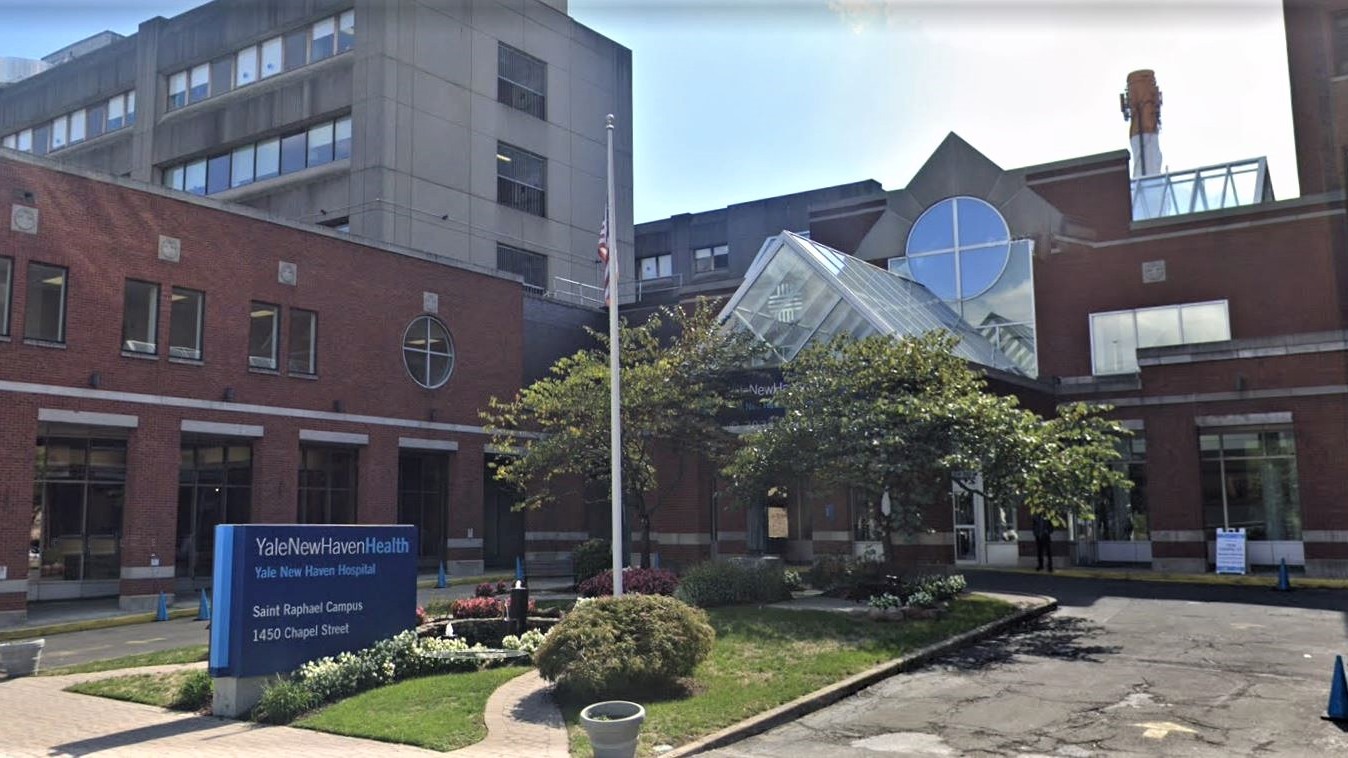
Yale New Haven Hospital Saint Raphael Campus | 1450 Chapel Street | Yale New Haven Hospital Saint Raphael Campus is a behavioral health and substance use treatment provider in New Haven, Connecticut, offering psychiatric and ... more details › | Treatment Programs Insurance Detox Drug rehab in Connecticut typically starts with detox. This is the process of ridding your body of all addictive substances. This happens under supervision, so medical staff can treat withdrawal symptoms and help you through the process. Inpatient Inpatient drug rehab in Connecticut is the most intensive level of care for addiction treatment. Upon admission, they engage in extensive psychotherapy, receive recovery-focused life skills training, and participate in evidence-based complementary therapies, such as meditation, massage, acupuncture, and/or animal, creative arts, recreational, and experiential therapy. Outpatient Many individuals turn to outpatient rehab in Connecticut after they complete an inpatient program. This treatment is less intensive and usually involves attending several counseling sessions per week and attending a support group such as NA or AA. Outpatient rehab may be short or long-term, depending on the needs of the individual. Dual Diagnosis When you have a co-occurring disorder, you have both a substance abuse disorder and a mental health disorder. Dual diagnosis in Connecticut specializes in treating both conditions simultaneously, which is crucial for successful recovery. Sober Living Sober living in Connecticut offers an interim step for the first few months of your recovery journey. It involves living in a supervised, sober residence that has structured rules and required 12-step meetings. Typical house rules include no drugs or alcohol, random drug tests, and involvement in work, school, or an outpatient rehab program. Intervention For those looking to get a loved one started on a path toward recovery, intervention services in Connecticut can prove invaluable. Professional intervention specialists can help you facilitate an intervention, access resources to develop a treatment plan, and assist with admittance to drug rehab in Connecticut. +4 | Treatment Programs Insurance Medicaid If you qualify for Medicaid coverage, it will often cover most - if not all - the costs associated with alcohol and drug rehab in Connecticut. There are certain qualifications you must meet in order to be eligible for insurance through Medicaid. Medicare If you qualify for insurance coverage through Medicare, your policy will help pay for alcohol and drug rehab in Delaware. Your coverage amount ultimately depends on various factors, like whether you are seeking inpatient care or an outpatient treatment program. Be sure to verify your coverage details before you start rehab. Financial Aid For those who need some financial assistance to help cover the costs of alcohol and drug rehab in Connecticut, financial aid is often a good option due to the myriad of choices and options. For example, these methods can include rehab scholarships, receiving treatment through a non-profit program, and certain grants. Tricare Administered by the Department of Defense, TRICARE offers comprehensive military health insurance plans for active and retired military members and their families. Similar to PPO programs offered by private insurance companies, TRICARE covers multiple levels of care for addiction treatment, including detox, inpatient rehab, and outpatient services. Private Private insurance is one of the best ways to lower the cost of alcohol and drug rehab in Connecticut. Keep in mind, however, that coverage rates and other treatment details will differ, depending on your insurance carrier and policy. Be sure to verify your coverage details before entering a treatment program. Payment If you are under- or uninsured, self-pay options can help keep your out-of-pocket costs at an affordable level for alcohol or drug rehab in Connecticut. +4 | |
High Watch Recovery Center | 62 Carter Rd | Treatment Programs Insurance Detox Drug rehab in Connecticut typically starts with detox. This is the process of ridding your body of all addictive substances. This happens under supervision, so medical staff can treat withdrawal symptoms and help you through the process. Inpatient Inpatient drug rehab in Connecticut is the most intensive level of care for addiction treatment. Upon admission, they engage in extensive psychotherapy, receive recovery-focused life skills training, and participate in evidence-based complementary therapies, such as meditation, massage, acupuncture, and/or animal, creative arts, recreational, and experiential therapy. PHP A partial hospitalization program (PHP) is a type of outpatient treatment program in Connecticut that combines the benefits of an inpatient program with those of an outpatient program. While in a PHP, you spend several hours multiple times a week undergoing treatment for drug or alcohol addiction, then you can return home. Outpatient Many individuals turn to outpatient rehab in Connecticut after they complete an inpatient program. This treatment is less intensive and usually involves attending several counseling sessions per week and attending a support group such as NA or AA. Outpatient rehab may be short or long-term, depending on the needs of the individual. Dual Diagnosis When you have a co-occurring disorder, you have both a substance abuse disorder and a mental health disorder. Dual diagnosis in Connecticut specializes in treating both conditions simultaneously, which is crucial for successful recovery. Aftercare Once you’ve completed rehab treatment, you must learn how to manage stress and life challenges without relapsing. Aftercare rehab in Connecticut is designed to provide the support you need for this process. It may include financial, educational, career, social, and mental support. Many people remain in this care for a year after initial recovery. Sober Living Sober living in Connecticut offers an interim step for the first few months of your recovery journey. It involves living in a supervised, sober residence that has structured rules and required 12-step meetings. Typical house rules include no drugs or alcohol, random drug tests, and involvement in work, school, or an outpatient rehab program. Intervention For those looking to get a loved one started on a path toward recovery, intervention services in Connecticut can prove invaluable. Professional intervention specialists can help you facilitate an intervention, access resources to develop a treatment plan, and assist with admittance to drug rehab in Connecticut. +6 | Treatment Programs Insurance Financial Aid For those who need some financial assistance to help cover the costs of alcohol and drug rehab in Connecticut, financial aid is often a good option due to the myriad of choices and options. For example, these methods can include rehab scholarships, receiving treatment through a non-profit program, and certain grants. Private Private insurance is one of the best ways to lower the cost of alcohol and drug rehab in Connecticut. Keep in mind, however, that coverage rates and other treatment details will differ, depending on your insurance carrier and policy. Be sure to verify your coverage details before entering a treatment program. Payment If you are under- or uninsured, self-pay options can help keep your out-of-pocket costs at an affordable level for alcohol or drug rehab in Connecticut. +1 | ||
Wheeler Health – Hartford Family Health & Wellness Center | 43 Woodland St | Wheeler Health Family and Wellness Center, located in Hartford, Connecticut, is a community health facility providing a full continuum of behavioral health and medical ... more details › | Treatment Programs Insurance Outpatient Many individuals turn to outpatient rehab in Connecticut after they complete an inpatient program. This treatment is less intensive and usually involves attending several counseling sessions per week and attending a support group such as NA or AA. Outpatient rehab may be short or long-term, depending on the needs of the individual. | Treatment Programs Insurance Private Private insurance is one of the best ways to lower the cost of alcohol and drug rehab in Connecticut. Keep in mind, however, that coverage rates and other treatment details will differ, depending on your insurance carrier and policy. Be sure to verify your coverage details before entering a treatment program. Payment If you are under- or uninsured, self-pay options can help keep your out-of-pocket costs at an affordable level for alcohol or drug rehab in Connecticut. | |
Newport Academy | 64 Double Hill Rd | Newport Academy is a dual diagnosis treatment center for substance use and mental health disorders in Bethlehem, Connecticut. Programs serve teens and young adults ... more details › | Treatment Programs Insurance Inpatient Inpatient drug rehab in Connecticut is the most intensive level of care for addiction treatment. Upon admission, they engage in extensive psychotherapy, receive recovery-focused life skills training, and participate in evidence-based complementary therapies, such as meditation, massage, acupuncture, and/or animal, creative arts, recreational, and experiential therapy. PHP A partial hospitalization program (PHP) is a type of outpatient treatment program in Connecticut that combines the benefits of an inpatient program with those of an outpatient program. While in a PHP, you spend several hours multiple times a week undergoing treatment for drug or alcohol addiction, then you can return home. Outpatient Many individuals turn to outpatient rehab in Connecticut after they complete an inpatient program. This treatment is less intensive and usually involves attending several counseling sessions per week and attending a support group such as NA or AA. Outpatient rehab may be short or long-term, depending on the needs of the individual. Dual Diagnosis When you have a co-occurring disorder, you have both a substance abuse disorder and a mental health disorder. Dual diagnosis in Connecticut specializes in treating both conditions simultaneously, which is crucial for successful recovery. Aftercare Once you’ve completed rehab treatment, you must learn how to manage stress and life challenges without relapsing. Aftercare rehab in Connecticut is designed to provide the support you need for this process. It may include financial, educational, career, social, and mental support. Many people remain in this care for a year after initial recovery. +3 | Treatment Programs Insurance Private Private insurance is one of the best ways to lower the cost of alcohol and drug rehab in Connecticut. Keep in mind, however, that coverage rates and other treatment details will differ, depending on your insurance carrier and policy. Be sure to verify your coverage details before entering a treatment program. Payment If you are under- or uninsured, self-pay options can help keep your out-of-pocket costs at an affordable level for alcohol or drug rehab in Connecticut. | |
First Step Detox | 425 Grant St | First Step Detox is located in Bridgeport Connecticut. This is a no frills detox facility that serves adults who need support for their addiction use disorder. While ... more details › | Treatment Programs Insurance Detox Drug rehab in Connecticut typically starts with detox. This is the process of ridding your body of all addictive substances. This happens under supervision, so medical staff can treat withdrawal symptoms and help you through the process. Inpatient Inpatient drug rehab in Connecticut is the most intensive level of care for addiction treatment. Upon admission, they engage in extensive psychotherapy, receive recovery-focused life skills training, and participate in evidence-based complementary therapies, such as meditation, massage, acupuncture, and/or animal, creative arts, recreational, and experiential therapy. Outpatient Many individuals turn to outpatient rehab in Connecticut after they complete an inpatient program. This treatment is less intensive and usually involves attending several counseling sessions per week and attending a support group such as NA or AA. Outpatient rehab may be short or long-term, depending on the needs of the individual. Aftercare Once you’ve completed rehab treatment, you must learn how to manage stress and life challenges without relapsing. Aftercare rehab in Connecticut is designed to provide the support you need for this process. It may include financial, educational, career, social, and mental support. Many people remain in this care for a year after initial recovery. Intervention For those looking to get a loved one started on a path toward recovery, intervention services in Connecticut can prove invaluable. Professional intervention specialists can help you facilitate an intervention, access resources to develop a treatment plan, and assist with admittance to drug rehab in Connecticut. +3 | Treatment Programs Insurance Private Private insurance is one of the best ways to lower the cost of alcohol and drug rehab in Connecticut. Keep in mind, however, that coverage rates and other treatment details will differ, depending on your insurance carrier and policy. Be sure to verify your coverage details before entering a treatment program. Payment If you are under- or uninsured, self-pay options can help keep your out-of-pocket costs at an affordable level for alcohol or drug rehab in Connecticut. | |
SCADD, Inc | 37 Camp Mooween Rd | SCADD: Proven Pathways to Recovery is located in Norwich, Connecticut. This is a drug and rehab treatment facility that serves men and women with residential ... more details › | Treatment Programs Insurance Detox Drug rehab in Connecticut typically starts with detox. This is the process of ridding your body of all addictive substances. This happens under supervision, so medical staff can treat withdrawal symptoms and help you through the process. Inpatient Inpatient drug rehab in Connecticut is the most intensive level of care for addiction treatment. Upon admission, they engage in extensive psychotherapy, receive recovery-focused life skills training, and participate in evidence-based complementary therapies, such as meditation, massage, acupuncture, and/or animal, creative arts, recreational, and experiential therapy. Outpatient Many individuals turn to outpatient rehab in Connecticut after they complete an inpatient program. This treatment is less intensive and usually involves attending several counseling sessions per week and attending a support group such as NA or AA. Outpatient rehab may be short or long-term, depending on the needs of the individual. Intervention For those looking to get a loved one started on a path toward recovery, intervention services in Connecticut can prove invaluable. Professional intervention specialists can help you facilitate an intervention, access resources to develop a treatment plan, and assist with admittance to drug rehab in Connecticut. +2 | Treatment Programs Insurance Medicaid If you qualify for Medicaid coverage, it will often cover most - if not all - the costs associated with alcohol and drug rehab in Connecticut. There are certain qualifications you must meet in order to be eligible for insurance through Medicaid. Private Private insurance is one of the best ways to lower the cost of alcohol and drug rehab in Connecticut. Keep in mind, however, that coverage rates and other treatment details will differ, depending on your insurance carrier and policy. Be sure to verify your coverage details before entering a treatment program. Payment If you are under- or uninsured, self-pay options can help keep your out-of-pocket costs at an affordable level for alcohol or drug rehab in Connecticut. +1 |
 800-783-0593
 Sponsored
