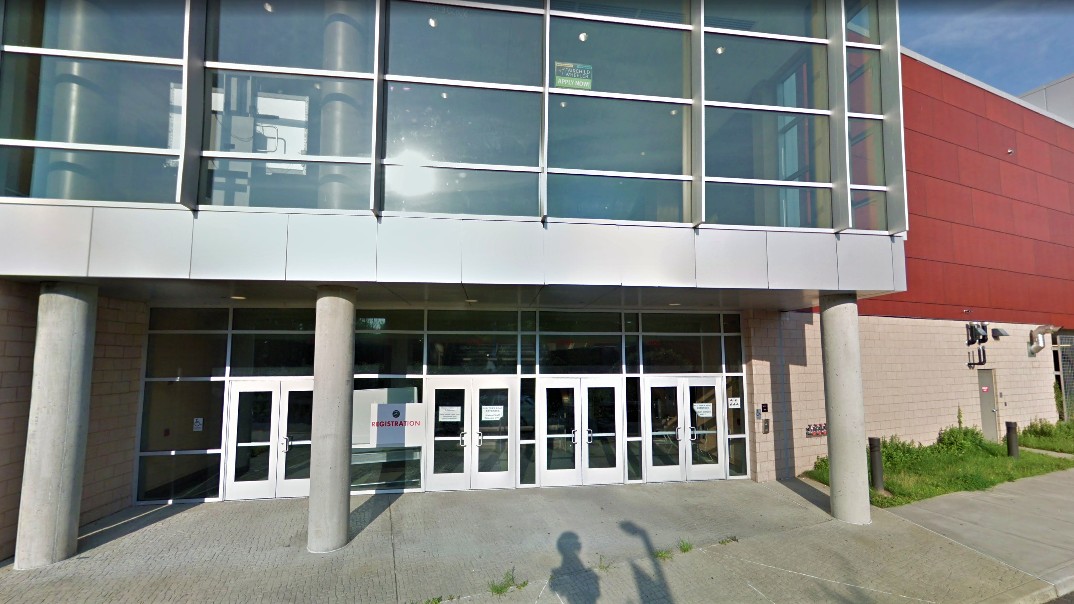
New Era Rehabilitation Center
Bridgeport, CT
06606

Accredited drug rehab centers available across Sharon.
Sliding-scale payments, financial aid, low-cost programs, and local nonprofits.
Medicare, Medicaid, TRICARE, plus local private health insurance coverage.




 Filter
| Name | Address | Description | Treatment | Insurance | Thumbnail |
|---|---|---|---|---|---|
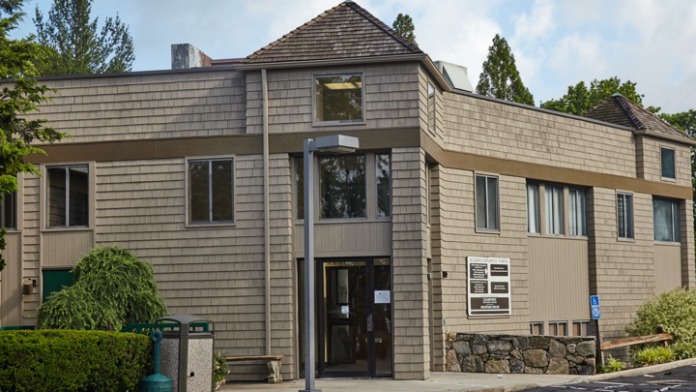
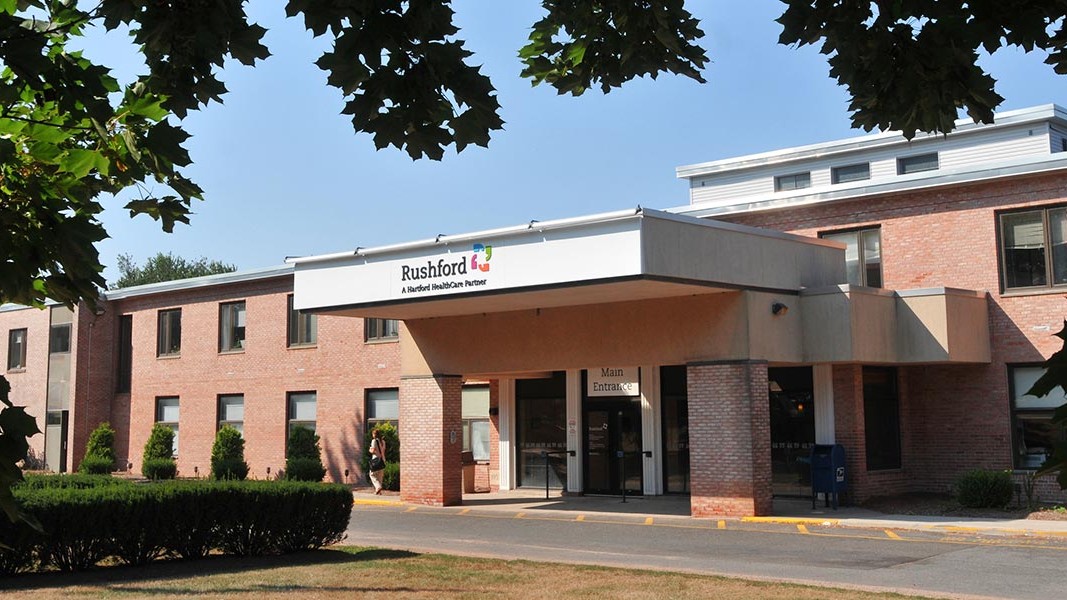
High Watch Recovery Center | 62 Carter Rd | Treatment Programs Insurance Detox Drug rehab in Connecticut typically starts with detox. This is the process of ridding your body of all addictive substances. This happens under supervision, so medical staff can treat withdrawal symptoms and help you through the process. Inpatient Inpatient drug rehab in Connecticut is the most intensive level of care for addiction treatment. Upon admission, they engage in extensive psychotherapy, receive recovery-focused life skills training, and participate in evidence-based complementary therapies, such as meditation, massage, acupuncture, and/or animal, creative arts, recreational, and experiential therapy. PHP A partial hospitalization program (PHP) is a type of outpatient treatment program in Connecticut that combines the benefits of an inpatient program with those of an outpatient program. While in a PHP, you spend several hours multiple times a week undergoing treatment for drug or alcohol addiction, then you can return home. Outpatient Many individuals turn to outpatient rehab in Connecticut after they complete an inpatient program. This treatment is less intensive and usually involves attending several counseling sessions per week and attending a support group such as NA or AA. Outpatient rehab may be short or long-term, depending on the needs of the individual. Dual Diagnosis When you have a co-occurring disorder, you have both a substance abuse disorder and a mental health disorder. Dual diagnosis in Connecticut specializes in treating both conditions simultaneously, which is crucial for successful recovery. Aftercare Once you’ve completed rehab treatment, you must learn how to manage stress and life challenges without relapsing. Aftercare rehab in Connecticut is designed to provide the support you need for this process. It may include financial, educational, career, social, and mental support. Many people remain in this care for a year after initial recovery. Sober Living Sober living in Connecticut offers an interim step for the first few months of your recovery journey. It involves living in a supervised, sober residence that has structured rules and required 12-step meetings. Typical house rules include no drugs or alcohol, random drug tests, and involvement in work, school, or an outpatient rehab program. Intervention For those looking to get a loved one started on a path toward recovery, intervention services in Connecticut can prove invaluable. Professional intervention specialists can help you facilitate an intervention, access resources to develop a treatment plan, and assist with admittance to drug rehab in Connecticut. +6 | Treatment Programs Insurance Financial Aid For those who need some financial assistance to help cover the costs of alcohol and drug rehab in Connecticut, financial aid is often a good option due to the myriad of choices and options. For example, these methods can include rehab scholarships, receiving treatment through a non-profit program, and certain grants. Private Private insurance is one of the best ways to lower the cost of alcohol and drug rehab in Connecticut. Keep in mind, however, that coverage rates and other treatment details will differ, depending on your insurance carrier and policy. Be sure to verify your coverage details before entering a treatment program. Payment If you are under- or uninsured, self-pay options can help keep your out-of-pocket costs at an affordable level for alcohol or drug rehab in Connecticut. +1 | ||
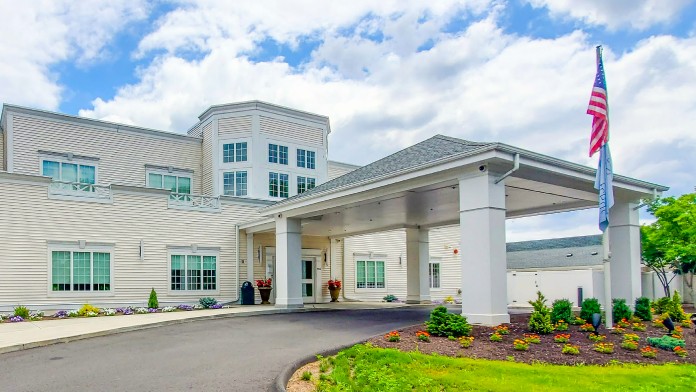
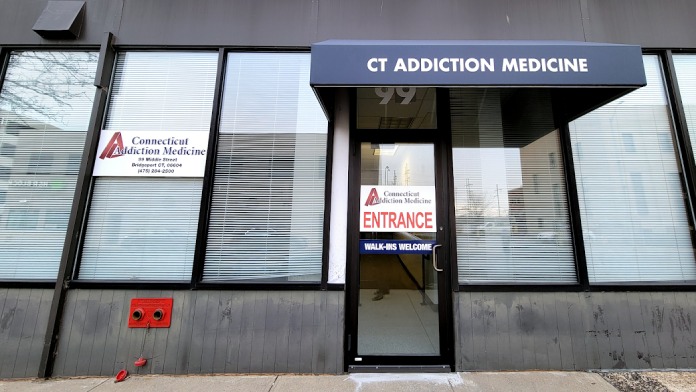
MCCA Trinity Glen Kent Long Term Residential Treatment for Women | 62 Kent Cornwall Road | MCCA Trinity Glen Women's Program is a women-only residential addiction treatment center in Kent, Connecticut. I've learned this program focuses on serving ... more details › | Treatment Programs Insurance Detox Drug rehab in Connecticut typically starts with detox. This is the process of ridding your body of all addictive substances. This happens under supervision, so medical staff can treat withdrawal symptoms and help you through the process. Inpatient Inpatient drug rehab in Connecticut is the most intensive level of care for addiction treatment. Upon admission, they engage in extensive psychotherapy, receive recovery-focused life skills training, and participate in evidence-based complementary therapies, such as meditation, massage, acupuncture, and/or animal, creative arts, recreational, and experiential therapy. Outpatient Many individuals turn to outpatient rehab in Connecticut after they complete an inpatient program. This treatment is less intensive and usually involves attending several counseling sessions per week and attending a support group such as NA or AA. Outpatient rehab may be short or long-term, depending on the needs of the individual. Aftercare Once you’ve completed rehab treatment, you must learn how to manage stress and life challenges without relapsing. Aftercare rehab in Connecticut is designed to provide the support you need for this process. It may include financial, educational, career, social, and mental support. Many people remain in this care for a year after initial recovery. Sober Living Sober living in Connecticut offers an interim step for the first few months of your recovery journey. It involves living in a supervised, sober residence that has structured rules and required 12-step meetings. Typical house rules include no drugs or alcohol, random drug tests, and involvement in work, school, or an outpatient rehab program. Intervention For those looking to get a loved one started on a path toward recovery, intervention services in Connecticut can prove invaluable. Professional intervention specialists can help you facilitate an intervention, access resources to develop a treatment plan, and assist with admittance to drug rehab in Connecticut. +4 | Treatment Programs Insurance Medicaid If you qualify for Medicaid coverage, it will often cover most - if not all - the costs associated with alcohol and drug rehab in Connecticut. There are certain qualifications you must meet in order to be eligible for insurance through Medicaid. Private Private insurance is one of the best ways to lower the cost of alcohol and drug rehab in Connecticut. Keep in mind, however, that coverage rates and other treatment details will differ, depending on your insurance carrier and policy. Be sure to verify your coverage details before entering a treatment program. Payment If you are under- or uninsured, self-pay options can help keep your out-of-pocket costs at an affordable level for alcohol or drug rehab in Connecticut. +1 | |
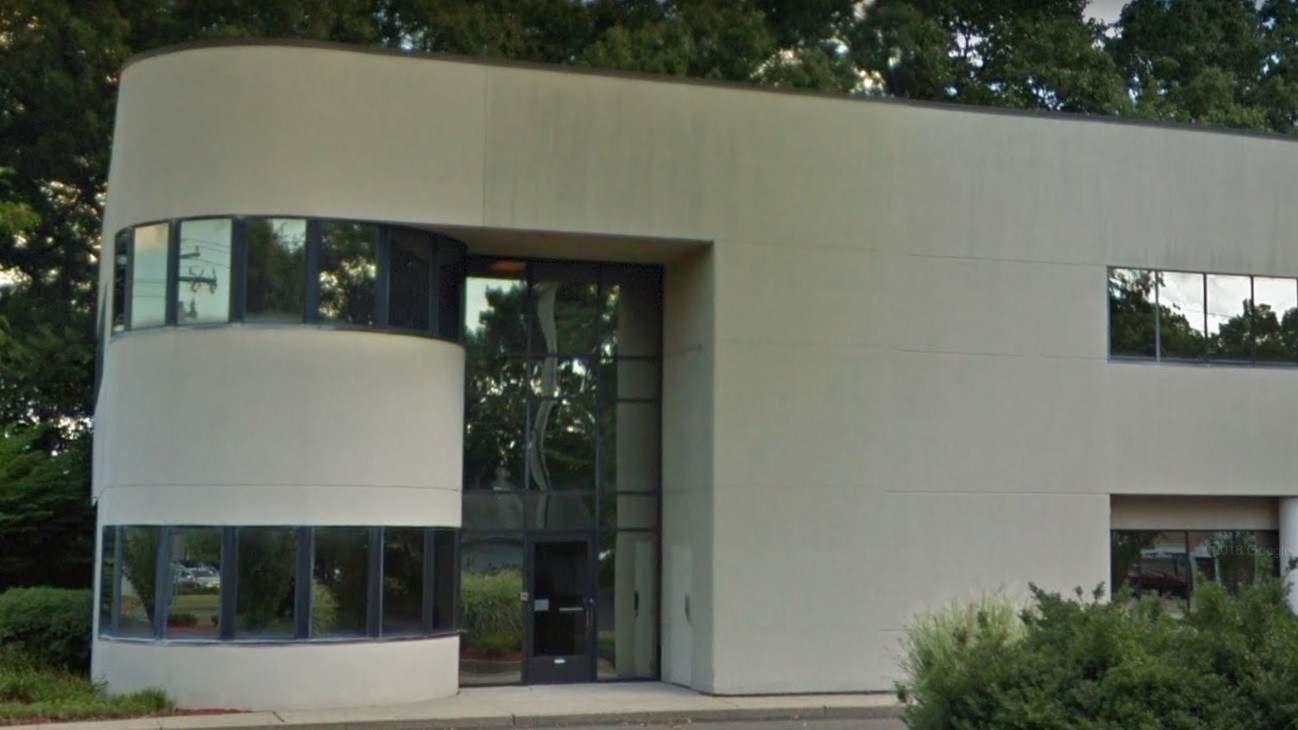
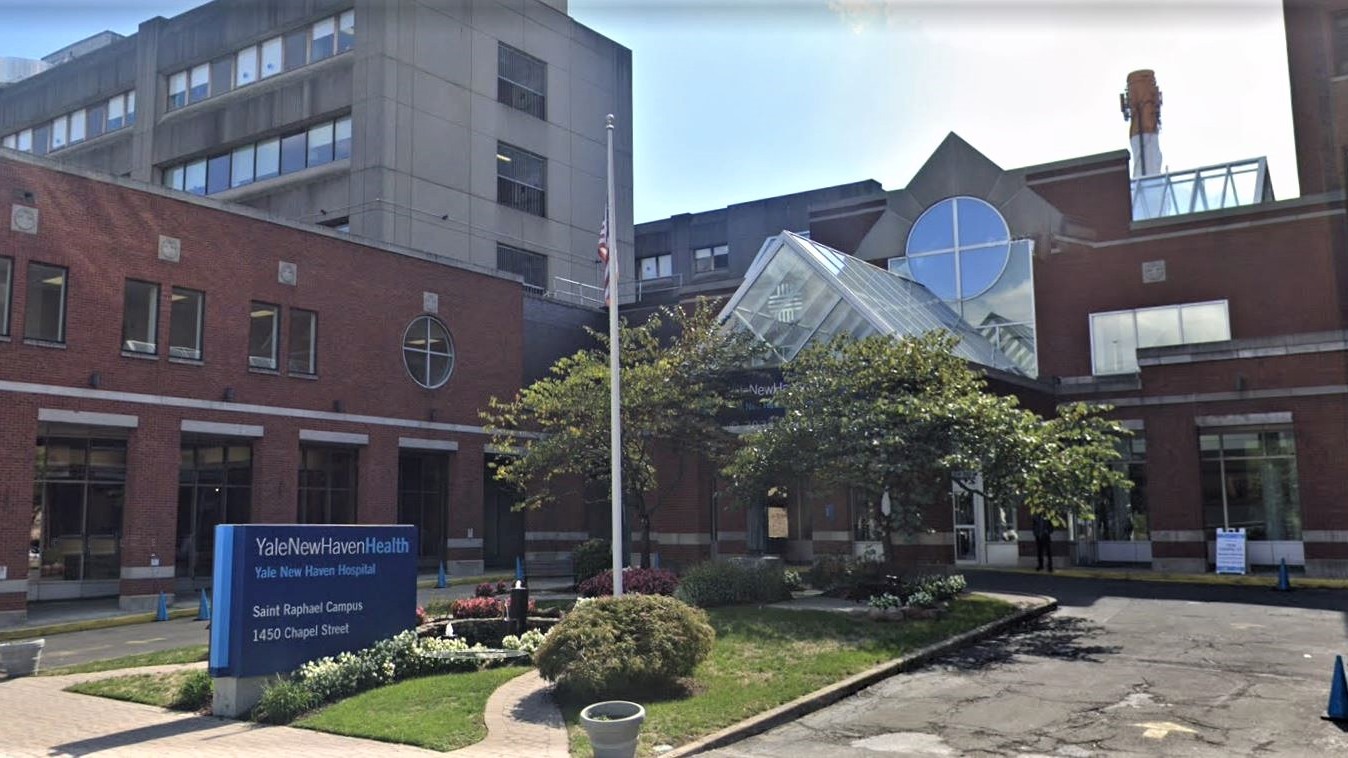
Mountainside Treatment Center | 187 South Canaan Road | The Mountainside Treatment Center is located in Canaan, Connecticut. The organization is LegitScript certified and accredited by The Joint Commission and CARF. Through ... more details › | Treatment Programs Insurance Detox Drug rehab in Connecticut typically starts with detox. This is the process of ridding your body of all addictive substances. This happens under supervision, so medical staff can treat withdrawal symptoms and help you through the process. Inpatient Inpatient drug rehab in Connecticut is the most intensive level of care for addiction treatment. Upon admission, they engage in extensive psychotherapy, receive recovery-focused life skills training, and participate in evidence-based complementary therapies, such as meditation, massage, acupuncture, and/or animal, creative arts, recreational, and experiential therapy. Outpatient Many individuals turn to outpatient rehab in Connecticut after they complete an inpatient program. This treatment is less intensive and usually involves attending several counseling sessions per week and attending a support group such as NA or AA. Outpatient rehab may be short or long-term, depending on the needs of the individual. Dual Diagnosis When you have a co-occurring disorder, you have both a substance abuse disorder and a mental health disorder. Dual diagnosis in Connecticut specializes in treating both conditions simultaneously, which is crucial for successful recovery. Aftercare Once you’ve completed rehab treatment, you must learn how to manage stress and life challenges without relapsing. Aftercare rehab in Connecticut is designed to provide the support you need for this process. It may include financial, educational, career, social, and mental support. Many people remain in this care for a year after initial recovery. Sober Living Sober living in Connecticut offers an interim step for the first few months of your recovery journey. It involves living in a supervised, sober residence that has structured rules and required 12-step meetings. Typical house rules include no drugs or alcohol, random drug tests, and involvement in work, school, or an outpatient rehab program. Intervention For those looking to get a loved one started on a path toward recovery, intervention services in Connecticut can prove invaluable. Professional intervention specialists can help you facilitate an intervention, access resources to develop a treatment plan, and assist with admittance to drug rehab in Connecticut. +5 | Treatment Programs Insurance Medicaid If you qualify for Medicaid coverage, it will often cover most - if not all - the costs associated with alcohol and drug rehab in Connecticut. There are certain qualifications you must meet in order to be eligible for insurance through Medicaid. Medicare If you qualify for insurance coverage through Medicare, your policy will help pay for alcohol and drug rehab in Delaware. Your coverage amount ultimately depends on various factors, like whether you are seeking inpatient care or an outpatient treatment program. Be sure to verify your coverage details before you start rehab. Financial Aid For those who are underinsured or uninsured, paying the total cost of a rehab program up front is not feasible. Fortunately, many alcohol and drug rehabs make financing available to potential clients through private loans, in-house payment plans, or partner lenders. You can choose a finance package that lets you start treatment immediately and pay for it later. Private Private insurance is one of the best ways to lower the cost of alcohol and drug rehab in Connecticut. Keep in mind, however, that coverage rates and other treatment details will differ, depending on your insurance carrier and policy. Be sure to verify your coverage details before entering a treatment program. Payment If you are under- or uninsured, self-pay options can help keep your out-of-pocket costs at an affordable level for alcohol or drug rehab in Connecticut. +3 | |
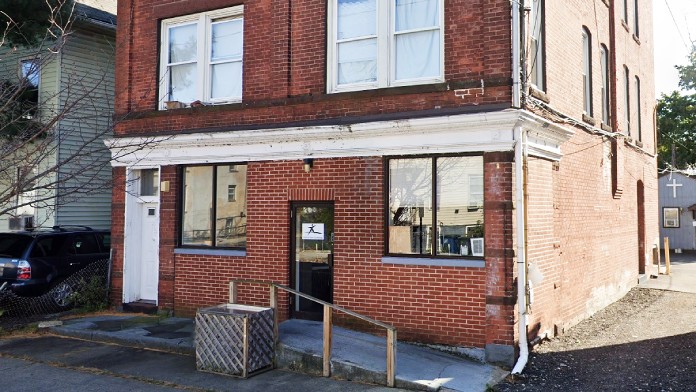
Newport Academy | 64 Double Hill Rd | Newport Academy is a dual diagnosis treatment center for substance use and mental health disorders in Bethlehem, Connecticut. Programs serve teens and young adults ... more details › | Treatment Programs Insurance Inpatient Inpatient drug rehab in Connecticut is the most intensive level of care for addiction treatment. Upon admission, they engage in extensive psychotherapy, receive recovery-focused life skills training, and participate in evidence-based complementary therapies, such as meditation, massage, acupuncture, and/or animal, creative arts, recreational, and experiential therapy. PHP A partial hospitalization program (PHP) is a type of outpatient treatment program in Connecticut that combines the benefits of an inpatient program with those of an outpatient program. While in a PHP, you spend several hours multiple times a week undergoing treatment for drug or alcohol addiction, then you can return home. Outpatient Many individuals turn to outpatient rehab in Connecticut after they complete an inpatient program. This treatment is less intensive and usually involves attending several counseling sessions per week and attending a support group such as NA or AA. Outpatient rehab may be short or long-term, depending on the needs of the individual. Dual Diagnosis When you have a co-occurring disorder, you have both a substance abuse disorder and a mental health disorder. Dual diagnosis in Connecticut specializes in treating both conditions simultaneously, which is crucial for successful recovery. Aftercare Once you’ve completed rehab treatment, you must learn how to manage stress and life challenges without relapsing. Aftercare rehab in Connecticut is designed to provide the support you need for this process. It may include financial, educational, career, social, and mental support. Many people remain in this care for a year after initial recovery. +3 | Treatment Programs Insurance Private Private insurance is one of the best ways to lower the cost of alcohol and drug rehab in Connecticut. Keep in mind, however, that coverage rates and other treatment details will differ, depending on your insurance carrier and policy. Be sure to verify your coverage details before entering a treatment program. Payment If you are under- or uninsured, self-pay options can help keep your out-of-pocket costs at an affordable level for alcohol or drug rehab in Connecticut. | |
New Milford Hospital Behavioral Health Services | 23 Poplar Street | Nuvaunce Health’s Behavioral Outpatient Clinic is in New Milford, Connecticut. They’re now part of the Northwell network. It’s dedicated to helping you recover ... more details › | Treatment Programs Insurance Outpatient Many individuals turn to outpatient rehab in Connecticut after they complete an inpatient program. This treatment is less intensive and usually involves attending several counseling sessions per week and attending a support group such as NA or AA. Outpatient rehab may be short or long-term, depending on the needs of the individual. Dual Diagnosis When you have a co-occurring disorder, you have both a substance abuse disorder and a mental health disorder. Dual diagnosis in Connecticut specializes in treating both conditions simultaneously, which is crucial for successful recovery. Aftercare Once you’ve completed rehab treatment, you must learn how to manage stress and life challenges without relapsing. Aftercare rehab in Connecticut is designed to provide the support you need for this process. It may include financial, educational, career, social, and mental support. Many people remain in this care for a year after initial recovery. +1 | Treatment Programs Insurance Medicaid If you qualify for Medicaid coverage, it will often cover most - if not all - the costs associated with alcohol and drug rehab in Connecticut. There are certain qualifications you must meet in order to be eligible for insurance through Medicaid. Medicare If you qualify for insurance coverage through Medicare, your policy will help pay for alcohol and drug rehab in Delaware. Your coverage amount ultimately depends on various factors, like whether you are seeking inpatient care or an outpatient treatment program. Be sure to verify your coverage details before you start rehab. Financial Aid For those who need some financial assistance to help cover the costs of alcohol and drug rehab in Connecticut, financial aid is often a good option due to the myriad of choices and options. For example, these methods can include rehab scholarships, receiving treatment through a non-profit program, and certain grants. Tricare Administered by the Department of Defense, TRICARE offers comprehensive military health insurance plans for active and retired military members and their families. Similar to PPO programs offered by private insurance companies, TRICARE covers multiple levels of care for addiction treatment, including detox, inpatient rehab, and outpatient services. Private Private insurance is one of the best ways to lower the cost of alcohol and drug rehab in Connecticut. Keep in mind, however, that coverage rates and other treatment details will differ, depending on your insurance carrier and policy. Be sure to verify your coverage details before entering a treatment program. Payment If you are under- or uninsured, self-pay options can help keep your out-of-pocket costs at an affordable level for alcohol or drug rehab in Connecticut. +4 | |
Bristol Health Counseling Center | 420 North Main Street | Bristol Health Counseling Center provides behavioral health in Connecticut offering counseling, therapy, medication management and addiction-recovery support. ... more details › | Treatment Programs Insurance Detox Drug rehab in Connecticut typically starts with detox. This is the process of ridding your body of all addictive substances. This happens under supervision, so medical staff can treat withdrawal symptoms and help you through the process. Outpatient Many individuals turn to outpatient rehab in Connecticut after they complete an inpatient program. This treatment is less intensive and usually involves attending several counseling sessions per week and attending a support group such as NA or AA. Outpatient rehab may be short or long-term, depending on the needs of the individual. Dual Diagnosis When you have a co-occurring disorder, you have both a substance abuse disorder and a mental health disorder. Dual diagnosis in Connecticut specializes in treating both conditions simultaneously, which is crucial for successful recovery. Aftercare Once you’ve completed rehab treatment, you must learn how to manage stress and life challenges without relapsing. Aftercare rehab in Connecticut is designed to provide the support you need for this process. It may include financial, educational, career, social, and mental support. Many people remain in this care for a year after initial recovery. +2 | Treatment Programs Insurance Medicaid If you qualify for Medicaid coverage, it will often cover most - if not all - the costs associated with alcohol and drug rehab in Connecticut. There are certain qualifications you must meet in order to be eligible for insurance through Medicaid. Medicare If you qualify for insurance coverage through Medicare, your policy will help pay for alcohol and drug rehab in Delaware. Your coverage amount ultimately depends on various factors, like whether you are seeking inpatient care or an outpatient treatment program. Be sure to verify your coverage details before you start rehab. Financial Aid For those who need some financial assistance to help cover the costs of alcohol and drug rehab in Connecticut, financial aid is often a good option due to the myriad of choices and options. For example, these methods can include rehab scholarships, receiving treatment through a non-profit program, and certain grants. Tricare Administered by the Department of Defense, TRICARE offers comprehensive military health insurance plans for active and retired military members and their families. Similar to PPO programs offered by private insurance companies, TRICARE covers multiple levels of care for addiction treatment, including detox, inpatient rehab, and outpatient services. Private Private insurance is one of the best ways to lower the cost of alcohol and drug rehab in Connecticut. Keep in mind, however, that coverage rates and other treatment details will differ, depending on your insurance carrier and policy. Be sure to verify your coverage details before entering a treatment program. Payment If you are under- or uninsured, self-pay options can help keep your out-of-pocket costs at an affordable level for alcohol or drug rehab in Connecticut. +4 | |
Family Intervention Center | 51 Lakeside Blvd E | Family Intervention Center is an outpatient addiction treatment center in Waterbury, Connecticut that serves individuals, couples and families affected by substance ... more details › | Treatment Programs Insurance Outpatient Many individuals turn to outpatient rehab in Connecticut after they complete an inpatient program. This treatment is less intensive and usually involves attending several counseling sessions per week and attending a support group such as NA or AA. Outpatient rehab may be short or long-term, depending on the needs of the individual. Dual Diagnosis When you have a co-occurring disorder, you have both a substance abuse disorder and a mental health disorder. Dual diagnosis in Connecticut specializes in treating both conditions simultaneously, which is crucial for successful recovery. Aftercare Once you’ve completed rehab treatment, you must learn how to manage stress and life challenges without relapsing. Aftercare rehab in Connecticut is designed to provide the support you need for this process. It may include financial, educational, career, social, and mental support. Many people remain in this care for a year after initial recovery. Intervention For those looking to get a loved one started on a path toward recovery, intervention services in Connecticut can prove invaluable. Professional intervention specialists can help you facilitate an intervention, access resources to develop a treatment plan, and assist with admittance to drug rehab in Connecticut. +2 | Treatment Programs Insurance Medicaid If you qualify for Medicaid coverage, it will often cover most - if not all - the costs associated with alcohol and drug rehab in Connecticut. There are certain qualifications you must meet in order to be eligible for insurance through Medicaid. Medicare If you qualify for insurance coverage through Medicare, your policy will help pay for alcohol and drug rehab in Delaware. Your coverage amount ultimately depends on various factors, like whether you are seeking inpatient care or an outpatient treatment program. Be sure to verify your coverage details before you start rehab. Financial Aid For those who need some financial assistance to help cover the costs of alcohol and drug rehab in Connecticut, financial aid is often a good option due to the myriad of choices and options. For example, these methods can include rehab scholarships, receiving treatment through a non-profit program, and certain grants. Employee Employee Assistance Programs (EAP) are a suite of job-based benefits and services designed to support the overall physical, mental, and emotional wellbeing of employees and their families. These often include programs related to addiction education and prevention, medical and mental health assessments, individual and family counseling, and referrals for higher-intensity mental health care or addiction treatment, the costs of which may be covered in whole or in part by EAP benefits. Tricare Administered by the Department of Defense, TRICARE offers comprehensive military health insurance plans for active and retired military members and their families. Similar to PPO programs offered by private insurance companies, TRICARE covers multiple levels of care for addiction treatment, including detox, inpatient rehab, and outpatient services. Private Private insurance is one of the best ways to lower the cost of alcohol and drug rehab in Connecticut. Keep in mind, however, that coverage rates and other treatment details will differ, depending on your insurance carrier and policy. Be sure to verify your coverage details before entering a treatment program. Payment If you are under- or uninsured, self-pay options can help keep your out-of-pocket costs at an affordable level for alcohol or drug rehab in Connecticut. +5 | |
Renaissance West | 466 West Main Street | Renaissance West is a residential substance use treatment provider in Waterbury, Connecticut that's operated by the nonprofit Connecticut Renaissance. As the ... more details › | Treatment Programs Insurance Detox Drug rehab in Connecticut typically starts with detox. This is the process of ridding your body of all addictive substances. This happens under supervision, so medical staff can treat withdrawal symptoms and help you through the process. Inpatient Inpatient drug rehab in Connecticut is the most intensive level of care for addiction treatment. Upon admission, they engage in extensive psychotherapy, receive recovery-focused life skills training, and participate in evidence-based complementary therapies, such as meditation, massage, acupuncture, and/or animal, creative arts, recreational, and experiential therapy. Dual Diagnosis When you have a co-occurring disorder, you have both a substance abuse disorder and a mental health disorder. Dual diagnosis in Connecticut specializes in treating both conditions simultaneously, which is crucial for successful recovery. Aftercare Once you’ve completed rehab treatment, you must learn how to manage stress and life challenges without relapsing. Aftercare rehab in Connecticut is designed to provide the support you need for this process. It may include financial, educational, career, social, and mental support. Many people remain in this care for a year after initial recovery. Sober Living Sober living in Connecticut offers an interim step for the first few months of your recovery journey. It involves living in a supervised, sober residence that has structured rules and required 12-step meetings. Typical house rules include no drugs or alcohol, random drug tests, and involvement in work, school, or an outpatient rehab program. Intervention For those looking to get a loved one started on a path toward recovery, intervention services in Connecticut can prove invaluable. Professional intervention specialists can help you facilitate an intervention, access resources to develop a treatment plan, and assist with admittance to drug rehab in Connecticut. +4 | Treatment Programs Insurance Medicaid If you qualify for Medicaid coverage, it will often cover most - if not all - the costs associated with alcohol and drug rehab in Connecticut. There are certain qualifications you must meet in order to be eligible for insurance through Medicaid. Medicare If you qualify for insurance coverage through Medicare, your policy will help pay for alcohol and drug rehab in Delaware. Your coverage amount ultimately depends on various factors, like whether you are seeking inpatient care or an outpatient treatment program. Be sure to verify your coverage details before you start rehab. Financial Aid Siding scale payment plans help to make it possible for many people to attend alcohol and drug rehab in Connecticut. With payment plans based on your income and assets, you're asked to pay no more than what you can reasonably afford. Private Private insurance is one of the best ways to lower the cost of alcohol and drug rehab in Connecticut. Keep in mind, however, that coverage rates and other treatment details will differ, depending on your insurance carrier and policy. Be sure to verify your coverage details before entering a treatment program. Payment If you are under- or uninsured, self-pay options can help keep your out-of-pocket costs at an affordable level for alcohol or drug rehab in Connecticut. +3 | |
MCCA – Waterbury Outpatient Clinic | 34 Murray Street | MCCA is the Midwestern Connecticut Council on Alcoholism and they have an outpatient clinic in Waterbury, Connecticut. Despite their name, they actually treat drug ... more details › | Treatment Programs Insurance Detox Drug rehab in Connecticut typically starts with detox. This is the process of ridding your body of all addictive substances. This happens under supervision, so medical staff can treat withdrawal symptoms and help you through the process. Outpatient Many individuals turn to outpatient rehab in Connecticut after they complete an inpatient program. This treatment is less intensive and usually involves attending several counseling sessions per week and attending a support group such as NA or AA. Outpatient rehab may be short or long-term, depending on the needs of the individual. Dual Diagnosis When you have a co-occurring disorder, you have both a substance abuse disorder and a mental health disorder. Dual diagnosis in Connecticut specializes in treating both conditions simultaneously, which is crucial for successful recovery. Aftercare Once you’ve completed rehab treatment, you must learn how to manage stress and life challenges without relapsing. Aftercare rehab in Connecticut is designed to provide the support you need for this process. It may include financial, educational, career, social, and mental support. Many people remain in this care for a year after initial recovery. Intervention For those looking to get a loved one started on a path toward recovery, intervention services in Connecticut can prove invaluable. Professional intervention specialists can help you facilitate an intervention, access resources to develop a treatment plan, and assist with admittance to drug rehab in Connecticut. +3 | Treatment Programs Insurance Medicaid If you qualify for Medicaid coverage, it will often cover most - if not all - the costs associated with alcohol and drug rehab in Connecticut. There are certain qualifications you must meet in order to be eligible for insurance through Medicaid. Tricare Administered by the Department of Defense, TRICARE offers comprehensive military health insurance plans for active and retired military members and their families. Similar to PPO programs offered by private insurance companies, TRICARE covers multiple levels of care for addiction treatment, including detox, inpatient rehab, and outpatient services. Private Private insurance is one of the best ways to lower the cost of alcohol and drug rehab in Connecticut. Keep in mind, however, that coverage rates and other treatment details will differ, depending on your insurance carrier and policy. Be sure to verify your coverage details before entering a treatment program. Payment If you are under- or uninsured, self-pay options can help keep your out-of-pocket costs at an affordable level for alcohol or drug rehab in Connecticut. +2 | |
CT Renaissance – McAuliffe Center for Co-Occurring Disorders | 70 Central Avenue | In Waterbury, Connecticut, Connecticut Renaissance is a network of local rehab centers for drug and alcohol addiction. Their location on Central Avenue in Waterbury is ... more details › | Treatment Programs Insurance Detox Drug rehab in Connecticut typically starts with detox. This is the process of ridding your body of all addictive substances. This happens under supervision, so medical staff can treat withdrawal symptoms and help you through the process. Inpatient Inpatient drug rehab in Connecticut is the most intensive level of care for addiction treatment. Upon admission, they engage in extensive psychotherapy, receive recovery-focused life skills training, and participate in evidence-based complementary therapies, such as meditation, massage, acupuncture, and/or animal, creative arts, recreational, and experiential therapy. Dual Diagnosis When you have a co-occurring disorder, you have both a substance abuse disorder and a mental health disorder. Dual diagnosis in Connecticut specializes in treating both conditions simultaneously, which is crucial for successful recovery. Aftercare Once you’ve completed rehab treatment, you must learn how to manage stress and life challenges without relapsing. Aftercare rehab in Connecticut is designed to provide the support you need for this process. It may include financial, educational, career, social, and mental support. Many people remain in this care for a year after initial recovery. Intervention For those looking to get a loved one started on a path toward recovery, intervention services in Connecticut can prove invaluable. Professional intervention specialists can help you facilitate an intervention, access resources to develop a treatment plan, and assist with admittance to drug rehab in Connecticut. +3 | Treatment Programs Insurance Medicaid If you qualify for Medicaid coverage, it will often cover most - if not all - the costs associated with alcohol and drug rehab in Connecticut. There are certain qualifications you must meet in order to be eligible for insurance through Medicaid. Medicare If you qualify for insurance coverage through Medicare, your policy will help pay for alcohol and drug rehab in Delaware. Your coverage amount ultimately depends on various factors, like whether you are seeking inpatient care or an outpatient treatment program. Be sure to verify your coverage details before you start rehab. Financial Aid For those who need some financial assistance to help cover the costs of alcohol and drug rehab in Connecticut, financial aid is often a good option due to the myriad of choices and options. For example, these methods can include rehab scholarships, receiving treatment through a non-profit program, and certain grants. Private Private insurance is one of the best ways to lower the cost of alcohol and drug rehab in Connecticut. Keep in mind, however, that coverage rates and other treatment details will differ, depending on your insurance carrier and policy. Be sure to verify your coverage details before entering a treatment program. Payment If you are under- or uninsured, self-pay options can help keep your out-of-pocket costs at an affordable level for alcohol or drug rehab in Connecticut. +3 | |
StayWell Health Center | 80 Phoenix Ave | Since they started back in 1972, StayWell Health Center has offered drug misuse programs and mental health services for adults. They’re located in Waterbury, ... more details › | Treatment Programs Insurance Detox Drug rehab in Connecticut typically starts with detox. This is the process of ridding your body of all addictive substances. This happens under supervision, so medical staff can treat withdrawal symptoms and help you through the process. Inpatient Inpatient drug rehab in Connecticut is the most intensive level of care for addiction treatment. Upon admission, they engage in extensive psychotherapy, receive recovery-focused life skills training, and participate in evidence-based complementary therapies, such as meditation, massage, acupuncture, and/or animal, creative arts, recreational, and experiential therapy. Outpatient Many individuals turn to outpatient rehab in Connecticut after they complete an inpatient program. This treatment is less intensive and usually involves attending several counseling sessions per week and attending a support group such as NA or AA. Outpatient rehab may be short or long-term, depending on the needs of the individual. +1 | Treatment Programs Insurance Medicaid If you qualify for Medicaid coverage, it will often cover most - if not all - the costs associated with alcohol and drug rehab in Connecticut. There are certain qualifications you must meet in order to be eligible for insurance through Medicaid. Medicare If you qualify for insurance coverage through Medicare, your policy will help pay for alcohol and drug rehab in Delaware. Your coverage amount ultimately depends on various factors, like whether you are seeking inpatient care or an outpatient treatment program. Be sure to verify your coverage details before you start rehab. Financial Aid Siding scale payment plans help to make it possible for many people to attend alcohol and drug rehab in Connecticut. With payment plans based on your income and assets, you're asked to pay no more than what you can reasonably afford. Private Private insurance is one of the best ways to lower the cost of alcohol and drug rehab in Connecticut. Keep in mind, however, that coverage rates and other treatment details will differ, depending on your insurance carrier and policy. Be sure to verify your coverage details before entering a treatment program. Payment If you are under- or uninsured, self-pay options can help keep your out-of-pocket costs at an affordable level for alcohol or drug rehab in Connecticut. +3 | |
Wellmore Behavioral Health Wellness For A Lifetime | 141 East Main Street | Wellmore Behavioral Health has a site located in Waterbury, Connecticut. This is a therapeutic recovery shelter that serves men aged 18 and over. They provide a range ... more details › | Treatment Programs Insurance Detox Drug rehab in Connecticut typically starts with detox. This is the process of ridding your body of all addictive substances. This happens under supervision, so medical staff can treat withdrawal symptoms and help you through the process. Inpatient Inpatient drug rehab in Connecticut is the most intensive level of care for addiction treatment. Upon admission, they engage in extensive psychotherapy, receive recovery-focused life skills training, and participate in evidence-based complementary therapies, such as meditation, massage, acupuncture, and/or animal, creative arts, recreational, and experiential therapy. Outpatient Many individuals turn to outpatient rehab in Connecticut after they complete an inpatient program. This treatment is less intensive and usually involves attending several counseling sessions per week and attending a support group such as NA or AA. Outpatient rehab may be short or long-term, depending on the needs of the individual. Dual Diagnosis When you have a co-occurring disorder, you have both a substance abuse disorder and a mental health disorder. Dual diagnosis in Connecticut specializes in treating both conditions simultaneously, which is crucial for successful recovery. Aftercare Once you’ve completed rehab treatment, you must learn how to manage stress and life challenges without relapsing. Aftercare rehab in Connecticut is designed to provide the support you need for this process. It may include financial, educational, career, social, and mental support. Many people remain in this care for a year after initial recovery. Sober Living Sober living in Connecticut offers an interim step for the first few months of your recovery journey. It involves living in a supervised, sober residence that has structured rules and required 12-step meetings. Typical house rules include no drugs or alcohol, random drug tests, and involvement in work, school, or an outpatient rehab program. +4 | Treatment Programs Insurance Medicaid If you qualify for Medicaid coverage, it will often cover most - if not all - the costs associated with alcohol and drug rehab in Connecticut. There are certain qualifications you must meet in order to be eligible for insurance through Medicaid. Medicare If you qualify for insurance coverage through Medicare, your policy will help pay for alcohol and drug rehab in Delaware. Your coverage amount ultimately depends on various factors, like whether you are seeking inpatient care or an outpatient treatment program. Be sure to verify your coverage details before you start rehab. Private Private insurance is one of the best ways to lower the cost of alcohol and drug rehab in Connecticut. Keep in mind, however, that coverage rates and other treatment details will differ, depending on your insurance carrier and policy. Be sure to verify your coverage details before entering a treatment program. Payment If you are under- or uninsured, self-pay options can help keep your out-of-pocket costs at an affordable level for alcohol or drug rehab in Connecticut. +2 | |
Wellmore Drug & Alcohol Treatment Mental Health and Primary Care Services | 402 East Main Street | Located in Waterbury, Connecticut is Wellmore Behavioral Health Waterbury Outpatient Behavioral Health Services. This location is a comprehensive care facility that ... more details › | Treatment Programs Insurance Detox Drug rehab in Connecticut typically starts with detox. This is the process of ridding your body of all addictive substances. This happens under supervision, so medical staff can treat withdrawal symptoms and help you through the process. Outpatient Many individuals turn to outpatient rehab in Connecticut after they complete an inpatient program. This treatment is less intensive and usually involves attending several counseling sessions per week and attending a support group such as NA or AA. Outpatient rehab may be short or long-term, depending on the needs of the individual. Dual Diagnosis When you have a co-occurring disorder, you have both a substance abuse disorder and a mental health disorder. Dual diagnosis in Connecticut specializes in treating both conditions simultaneously, which is crucial for successful recovery. Aftercare Once you’ve completed rehab treatment, you must learn how to manage stress and life challenges without relapsing. Aftercare rehab in Connecticut is designed to provide the support you need for this process. It may include financial, educational, career, social, and mental support. Many people remain in this care for a year after initial recovery. Intervention For those looking to get a loved one started on a path toward recovery, intervention services in Connecticut can prove invaluable. Professional intervention specialists can help you facilitate an intervention, access resources to develop a treatment plan, and assist with admittance to drug rehab in Connecticut. +3 | Treatment Programs Insurance Medicaid If you qualify for Medicaid coverage, it will often cover most - if not all - the costs associated with alcohol and drug rehab in Connecticut. There are certain qualifications you must meet in order to be eligible for insurance through Medicaid. Medicare If you qualify for insurance coverage through Medicare, your policy will help pay for alcohol and drug rehab in Delaware. Your coverage amount ultimately depends on various factors, like whether you are seeking inpatient care or an outpatient treatment program. Be sure to verify your coverage details before you start rehab. Financial Aid For those who need some financial assistance to help cover the costs of alcohol and drug rehab in Connecticut, financial aid is often a good option due to the myriad of choices and options. For example, these methods can include rehab scholarships, receiving treatment through a non-profit program, and certain grants. Tricare Administered by the Department of Defense, TRICARE offers comprehensive military health insurance plans for active and retired military members and their families. Similar to PPO programs offered by private insurance companies, TRICARE covers multiple levels of care for addiction treatment, including detox, inpatient rehab, and outpatient services. Private Private insurance is one of the best ways to lower the cost of alcohol and drug rehab in Connecticut. Keep in mind, however, that coverage rates and other treatment details will differ, depending on your insurance carrier and policy. Be sure to verify your coverage details before entering a treatment program. Payment If you are under- or uninsured, self-pay options can help keep your out-of-pocket costs at an affordable level for alcohol or drug rehab in Connecticut. +4 | |
Connecticut Counseling Centers, Inc. | 60 Beaver Brook Road | Connecticut Counseling Centers, Inc. is a nonprofit addiction treatment center in Danbury, Connecticut offering licensed outpatient substance use and mental health ... more details › | Treatment Programs Insurance Detox Drug rehab in Connecticut typically starts with detox. This is the process of ridding your body of all addictive substances. This happens under supervision, so medical staff can treat withdrawal symptoms and help you through the process. Outpatient Many individuals turn to outpatient rehab in Connecticut after they complete an inpatient program. This treatment is less intensive and usually involves attending several counseling sessions per week and attending a support group such as NA or AA. Outpatient rehab may be short or long-term, depending on the needs of the individual. Dual Diagnosis When you have a co-occurring disorder, you have both a substance abuse disorder and a mental health disorder. Dual diagnosis in Connecticut specializes in treating both conditions simultaneously, which is crucial for successful recovery. +1 | Treatment Programs Insurance Medicaid If you qualify for Medicaid coverage, it will often cover most - if not all - the costs associated with alcohol and drug rehab in Connecticut. There are certain qualifications you must meet in order to be eligible for insurance through Medicaid. Financial Aid For those who need some financial assistance to help cover the costs of alcohol and drug rehab in Connecticut, financial aid is often a good option due to the myriad of choices and options. For example, these methods can include rehab scholarships, receiving treatment through a non-profit program, and certain grants. Private Private insurance is one of the best ways to lower the cost of alcohol and drug rehab in Connecticut. Keep in mind, however, that coverage rates and other treatment details will differ, depending on your insurance carrier and policy. Be sure to verify your coverage details before entering a treatment program. Payment If you are under- or uninsured, self-pay options can help keep your out-of-pocket costs at an affordable level for alcohol or drug rehab in Connecticut. +2 | |
BlueSky Behavioral Health | 52 Federal Rd | Blue Sky Behavioral Health in Danbury, Connecticut, offers treatment for mental health and co-occurring substance use disorders. They are CARF accredited. The ... more details › | Treatment Programs Insurance PHP A partial hospitalization program (PHP) is a type of outpatient treatment program in Connecticut that combines the benefits of an inpatient program with those of an outpatient program. While in a PHP, you spend several hours multiple times a week undergoing treatment for drug or alcohol addiction, then you can return home. Outpatient Many individuals turn to outpatient rehab in Connecticut after they complete an inpatient program. This treatment is less intensive and usually involves attending several counseling sessions per week and attending a support group such as NA or AA. Outpatient rehab may be short or long-term, depending on the needs of the individual. Dual Diagnosis When you have a co-occurring disorder, you have both a substance abuse disorder and a mental health disorder. Dual diagnosis in Connecticut specializes in treating both conditions simultaneously, which is crucial for successful recovery. +1 | Treatment Programs Insurance Private Private insurance is one of the best ways to lower the cost of alcohol and drug rehab in Connecticut. Keep in mind, however, that coverage rates and other treatment details will differ, depending on your insurance carrier and policy. Be sure to verify your coverage details before entering a treatment program. Payment If you are under- or uninsured, self-pay options can help keep your out-of-pocket costs at an affordable level for alcohol or drug rehab in Connecticut. |
 800-783-0593
 Sponsored
