
High Watch Recovery Center
 Sponsored

About High Watch Recovery Center
Medical detox comes first at High Watch Recovery Center, a nonprofit addiction treatment center in Kent, Connecticut. It typically runs three to seven days, with physicians and nursing staff monitoring guests around the clock.
From there, guests move on to residential treatment and partial hospitalization, then into intensive outpatient work or sober living. The program follows the 12-step model of recovery alongside clinical care.
Insurance and Self-Pay in Kent
If health insurance is how you’re paying, High Watch takes Anthem Blue Cross Blue Shield in network and also works with Cigna, Aetna and United Healthcare. In-network status usually leaves you with a smaller share of the bill.
And if you’re uninsured or have limited coverage, the team can talk with you about self-pay options and other resources.
Intensive Outpatient Across the Country
High Watch’s intensive outpatient program is clinician-led and covers addiction and mental health care for guests across the country. Plus, each track runs three days a week, so the rest of your week stays open for work or family.
The campus in Kent covers 300 acres in the Litchfield Hills. High Watch dates to 1939 and has direct ties to AA, a peer-support fellowship.
Amenities
Private drug rehab provides a comfortable, secure environment that allows you to focus on doing the work to get your life back on track. Benefits include a higher staff-to-client ratio, increased one-on-one time with therapists and healthcare providers, private rooms for clients, and customized forms of therapy.
Residential drug rehab provides the comforts of home with the therapeutic support needed to successfully recover. Benefits of an inpatient program include increased safety, a higher success rate, and the time and distance given to focus on recovery. Residential drug rehabs are often the preferred method of treatment, as they can be tailored to meet specific needs, offer focused therapeutic care, and provide the necessary tools to sustain recovery.
Recreational therapy uniquely combines therapeutic interventions with an activity, like horse-riding, hiking, wilderness therapy, basketball, tennis, or a full workout. Benefits of recreational therapy include providing a healthy way to work through the emotions of recovery, learning to build and maintain relationships, improving communication skills, and building self-esteem.
Yoga and meditation are great activities to support your recovery process during alcohol or drug rehab. These therapies have been around for centuries, and they are an effective way to improve well-being. Combining addiction treatment, yoga, and meditation can reduce cravings, improve sleep, relieve anxiety and depression, provide stress relief, promote relaxation, support emotional healing, and improve energy levels.
Art and music are mediums that connect with our feelings, making them a great recovery tool during addiction treatment. Studies show that combining art/music and drug rehab can have a greater therapeutic impact than drug rehab alone, as you’re able to access parts of your brain and body that you may not have access to during traditional talk therapy. Benefits of art/music therapy include lowering stress and anxiety, promoting healthy neurochemicals, and providing stress relief.
Treatment centers with a yoga studio offer a special form of holistic therapy during the recovery process. Yoga boosts mindfulness, a sense of calm, and healthy reflection during drug rehab via breathing exercises, stretching, and a progression of specific postures.
Transportation services are designed to ensure your addiction treatment begins and ends successfully by offering free transportation to the rehab facility, to and from your appointments during rehab, and back home upon program completion.
Hiking is a great way to relieve stress, get perspective, navigate challenges, connect with nature, and improve your health - all essential components of sustaining long-term recovery. Studies also show that the body releases endorphins during physical activities like hiking. These endorphins improve mood and act as a natural pain reliever.
In order to maintain a sense of autonomy, many private rehab facilities offer clients the ability to choose their own private rooms. The privacy and personal space ensure that the recovery process is as comfortable as possible.
When paired with cognitive-behavioral therapy, exercise can be an effective tool for overcoming addiction. Drug rehabs with a gym offer clients healthy ways to increase energy levels, balance the body’s stress hormone levels, and aid in the brain’s healing process.
There are many pathways to recovery and some journeys take a more labor-intensive approach, by attending a farm-based drug rehab. Farm life has many parallels with recovery: it requires constant tending, nurturing, and creating the conditions necessary to thrive. The benefits of a farm program include learning new skills, building a recovery community, peer support, and contributing to a greater ecosystem.
Addiction Treatment Programs
If you are looking for a young adult program in Connecticut, many options are available. Programs include inpatient, partial hospitalization programs (PHP), intensive outpatient programs (IOP), outpatient, aftercare, and dual diagnosis.
Residents must be 18 or older, which makes the campus an adult program for every resident.
Alcohol rehab in Connecticut is not a one-size-fits-all solution. That’s why a variety of programs and treatment methods are available to meet you where you are. Through personalized treatment, alcohol rehab is designed to help you achieve sobriety and maintain long-term recovery from alcohol use disorder.
Men who finish at least 28 days of residential care can move into The Hilltop, the partial hospitalization program built for them.
Women often find it easier to work through their addiction issues in women’s rehab in Connecticut. Surrounded by other women who understand their struggles, they can feel free to share openly and find support.
When you attend opioid rehab in Connecticut, you’re provided with the tools that are necessary to break free from opioid addiction. Treatment offers accountability, structure, and a sense of community. Methods typically include medication assisted treatment, individual therapy, and group counseling.
In Connecticut, cognitive behavioral therapy helps individuals identify impulsive thoughts and feelings of fear and self-doubt. It equips them to manage these negative thoughts and feelings without the use of substances.
Drug rehab in Connecticut provides the professional support that is often necessary to break free from drug dependency. With proper treatment, individuals can make changes that restore balance and health to their lives and achieve long-term recovery.
For seniors who have long-term addiction struggles and for those who have developed a substance use disorder later in life, elderly rehab in Connecticut is available. Treatment focuses on the unique needs of this stage of life.
Animal & equine therapy are evidence-based complementary therapies drawing on the emotional, psychological, and physiological benefits of regular contact with animals. Addiction recovery programs may incorporate the care of therapy dogs, cats, horses, and other animals into their treatment model to support clients’ development of recovery-focused life skills, including personal responsibility, time management, and empathy. Contact with therapy animals may reduce stress, enhance mood, decrease depression and anxiety, and increase clients’ self-esteem and sense of wellbeing.
12-Step Programs are among the most popular and proven addiction recovery programs in the world. They are predicated on a lifelong recovery model that prioritizes whole-person healing and integrates the physical, psychological, emotional, social, and spiritual aspects of recovery. Programs are free, anonymous, open to the public, and community-based and are centered on group support, one-on-one peer coaching, and recovery education.
EMDR Therapy is a neurobiological treatment modality used to address trauma disorders and related mental and behavioral health challenges. Short for eye movement desensitization and reprocessing, EMDR is designed to help clients cope with distressing memories and emotions, including fear, sadness, and anger. EMDR may help clients in addiction recovery manage the psychological and emotional triggers that contribute to substance misuse and/or addiction relapse.
Levels of Care
Many individuals turn to outpatient rehab in Connecticut after they complete an inpatient program. This treatment is less intensive and usually involves attending several counseling sessions per week and attending a support group such as NA or AA. Outpatient rehab may be short or long-term, depending on the needs of the individual.
When you have a co-occurring disorder, you have both a substance abuse disorder and a mental health disorder. Dual diagnosis in Connecticut specializes in treating both conditions simultaneously, which is crucial for successful recovery.
Once you’ve completed rehab treatment, you must learn how to manage stress and life challenges without relapsing. Aftercare rehab in Connecticut is designed to provide the support you need for this process. It may include financial, educational, career, social, and mental support. Many people remain in this care for a year after initial recovery.
Guests move straight into residential addiction treatment on the same 300 acre campus in Kent, with no second location to travel to.
Medically supervised detox has a purpose built building on the 300 acre Kent campus, and it usually lasts three to seven days.
Hope House is the recovery residence on the Kent campus, where the structure of treatment gives way to the independence of everyday life.
For those looking to get a loved one started on a path toward recovery, intervention services in Connecticut can prove invaluable. Professional intervention specialists can help you facilitate an intervention, access resources to develop a treatment plan, and assist with admittance to drug rehab in Connecticut.
The Hilltop is the partial hospitalization program for men past 28 days of residential care, meeting daily from ten until four in the afternoon.
Intensive outpatient care delivers clinician led addiction and mental health treatment in a structured format to guests across the country.
Accreditations
Accepted Insurance



Contact Information


 Sponsored
Jenise Alvarez is a stay at home mom to her two children, a dog and a cat. She received her associate’s degree in pre-law. Originally from South Florida, she now resides with her family in the metro Atlanta area. Jenise and her husband also own their own small business producing microgreens to local restaurants and distributors.
Peter W.Y. Lee is a historian specializing in American Cold War history. He has published widely on youth culture and the social impact of popular culture throughout the twentieth century and how the public has approached culture as a means of coping with the challenges that accompany changing times.
Rehabs.org regularly reviews this listing for accuracy but changes may occur between updates. For the most up-to-date information, please contact High Watch Recovery Center.
Nearby Treatment Centers
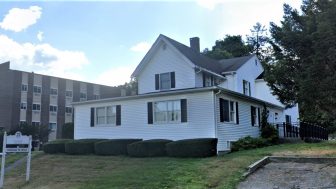
23 Poplar Street
New Milford, CT 06776

64 Double Hill Rd
Bethlehem, CT 06751
62 Kent Cornwall Road
Kent, CT 06757
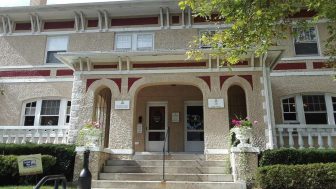
58 High Street, Torrington, CT 06790
Popular Connecticut Cities
More Cities View Other Connecticut CitiesFAQs
Does High Watch Recovery Center take insurance for addiction treatment?
Yes. Anthem Blue Cross Blue Shield is the in-network plan, and Cigna, Aetna and United Healthcare are accepted as well. For guests without insurance or with limited coverage, the team can talk through self pay options and the resources available.
What levels of care are offered on the Kent campus?
Detox and residential treatment are both offered. The Hilltop partial hospitalization program takes men past 28 days of residential care, intensive outpatient care is offered, and Hope House is the recovery residence on campus. Co-occurring disorders care runs alongside addiction treatment.
Who is eligible for treatment at High Watch?
Adults 18 and older. The Hilltop partial hospitalization program serves men after 28 days or more of residential care, and medical and healthcare workers have a specialized program of their own.
How long does detox last at High Watch?
Three to seven days is typical for medical detox. Men who finish at least 28 days of residential care can move into The Hilltop, where clinical hours run from ten in the morning until four in the afternoon.
