The Better Way Program
Washington, Washington DC
20019

Accredited drug rehab centers available across Washington DC.
Sliding-scale payments, financial aid, low-cost programs, and local nonprofits.
Medicare, Medicaid, TRICARE, plus local private health insurance coverage.
 Filter
| Name | Address | Description | Treatment | Insurance | Thumbnail |
|---|---|---|---|---|---|
Family and Medical Counseling Service Inc | 2041 Martin Luther King Junior Avenue Southeast | Family and Medical Counseling Services is a nonprofit organization based in Washington DC, specializing in behavioral and mental health issues, including drug rehab ... more details › | Treatment Programs Insurance Outpatient Outpatient rehabs in Washington DC enable clients to receive addiction recovery services while continuing to live at home. They are ideal for clients who are medically stable, including those stepping down from inpatient care and/or those with mild to moderate addiction disorder not requiring hospitalization. Outpatient rehabs offer a wide range of treatment intensities determined by clients’ needs, including high-intensity partial hospitalization and intensive outpatient programs (PHP/IOP) and moderate-intensity general outpatient programs (OP). Dual Diagnosis Dual diagnosis care in Washington DC is a specialized, multi-pronged approach to addiction recovery tailored to the unique care needs of persons with co-occurring addiction and mental illness. Dual diagnosis care is predicated on the assumption that lasting recovery can only be achieved if the underlying mental health conditions that contribute to or exacerbate the addiction are also addressed. The dual diagnosis care model typically integrates extensive psychotherapy, recovery education, and pharmacotherapy, if appropriate. | Treatment Programs Insurance Medicaid If you qualify, DC Medicaid can help pay for some or all of the costs of addiction rehab treatment in Washington, DC. Whether you need detox, inpatient care, or outpatient treatment, contact your insurer for more information about what centers are covered by your plan. Financial Aid Financial aid can help you afford the price of addiction rehab treatment in Washington, DC, so that you can start a new life. You may be able to get grants, scholarships, or help from non-profit organizations to pay for rehab. Your insurance plan can help pay some or all of the cost as well. Private Private insurance is one of the easiest ways to pay for rehab treatment in Washington, DC. Health insurance plans are required by law to cover mental health and substance use treatment, so check with your insurer to see what centers are in your plan’s network. You may still have some costs, such as deductibles, co-pays, or coinsurance. Payment Self-pay options for Washington, DC, rehabs make it easier for you to choose the type of care you need most. You aren’t limited by your insurance plan’s network or limits on care. Self-pay, also known as private pay, allows you to go to the rehab you’re most comfortable with and get the help you need. +2 | |
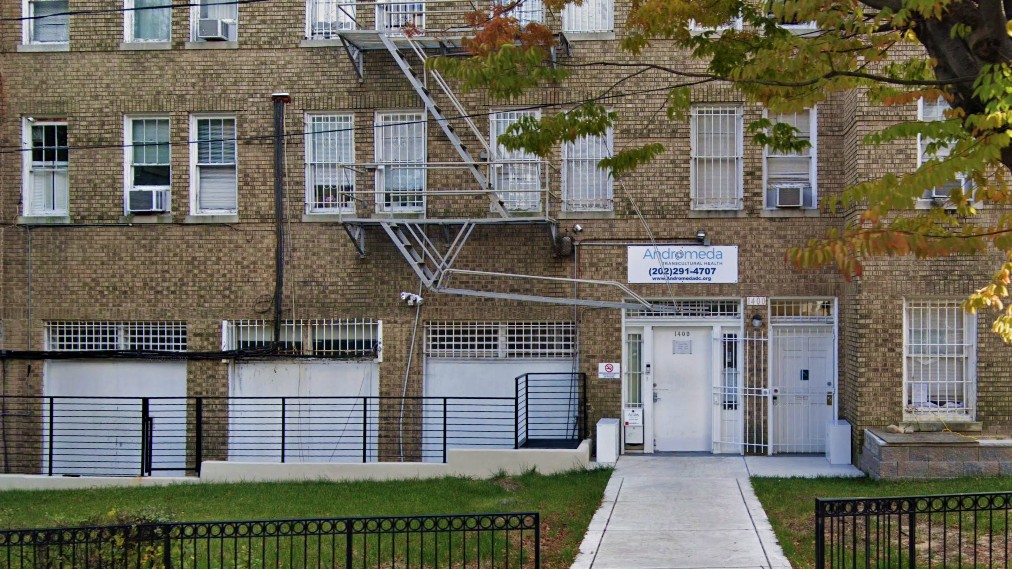
Andromeda Transcultural Health | 1400 Decatur Street Northwest | Andromeda Transcultural Health provided outpatient substance use and mental health counseling in Washington, DC. Programs were tailored to Spanish speaking people and ... more details › | Treatment Programs Insurance Detox Detox treatment in Washington DC is designed to rid the client’s body of alcohol and/or drugs in a safe and supportive environment. Medical detox involves intensive clinical supervision in either an inpatient or outpatient setting and may include the prescribing of FDA-approved medications to ease withdrawal symptoms and prevent potentially serious complications. Social detox is a process of managing substance withdrawal without medical intervention and typically includes mental health support, rest, and therapeutic nutrition and hydration. Outpatient Outpatient rehabs in Washington DC enable clients to receive addiction recovery services while continuing to live at home. They are ideal for clients who are medically stable, including those stepping down from inpatient care and/or those with mild to moderate addiction disorder not requiring hospitalization. Outpatient rehabs offer a wide range of treatment intensities determined by clients’ needs, including high-intensity partial hospitalization and intensive outpatient programs (PHP/IOP) and moderate-intensity general outpatient programs (OP). Dual Diagnosis Dual diagnosis care in Washington DC is a specialized, multi-pronged approach to addiction recovery tailored to the unique care needs of persons with co-occurring addiction and mental illness. Dual diagnosis care is predicated on the assumption that lasting recovery can only be achieved if the underlying mental health conditions that contribute to or exacerbate the addiction are also addressed. The dual diagnosis care model typically integrates extensive psychotherapy, recovery education, and pharmacotherapy, if appropriate. Aftercare In Washington DC, aftercare support is designed to provide a complete continuum of care for clients who have completed formal addiction treatment. Aftercare support is intended to reduce clients’ risk of relapse through a range of services tailored to clients’ evolving needs. Aftercare programs may include alumni support groups, ongoing recovery education, housing and employment assistance, 12 Step Program facilitation, vocational training and career counseling, and referrals for continuing care and other services. +2 | Treatment Programs Insurance Medicaid If you qualify, DC Medicaid can help pay for some or all of the costs of addiction rehab treatment in Washington, DC. Whether you need detox, inpatient care, or outpatient treatment, contact your insurer for more information about what centers are covered by your plan. Medicare If you qualify for Medicare, your insurance plan can help pay some or all of the costs of addiction treatment in Washington, DC Whether you have Original Medicare or a Medicare Advantage plan, you may be able to get inpatient and/or outpatient rehab treatment affordably with help from your insurance. Financial Aid Financial aid can help you afford the price of addiction rehab treatment in Washington, DC, so that you can start a new life. You may be able to get grants, scholarships, or help from non-profit organizations to pay for rehab. Your insurance plan can help pay some or all of the cost as well. Tricare Administered by the Department of Defense, TRICARE offers comprehensive military health insurance plans for active and retired military members and their families. Similar to PPO programs offered by private insurance companies, TRICARE covers multiple levels of care for addiction treatment, including detox, inpatient rehab, and outpatient services. Private Private insurance is one of the easiest ways to pay for rehab treatment in Washington, DC. Health insurance plans are required by law to cover mental health and substance use treatment, so check with your insurer to see what centers are in your plan’s network. You may still have some costs, such as deductibles, co-pays, or coinsurance. Payment Self-pay options for Washington, DC, rehabs make it easier for you to choose the type of care you need most. You aren’t limited by your insurance plan’s network or limits on care. Self-pay, also known as private pay, allows you to go to the rehab you’re most comfortable with and get the help you need. +4 | |
Samaritan Inns | 2523 14th Street Northwest | Samaritan Inns exists to help the homeless, at-risk and most vulnerable people of Washington DC by providing faith-based residential addiction treatment. With ... more details › | Treatment Programs Insurance Detox Detox treatment in Washington DC is designed to rid the client’s body of alcohol and/or drugs in a safe and supportive environment. Medical detox involves intensive clinical supervision in either an inpatient or outpatient setting and may include the prescribing of FDA-approved medications to ease withdrawal symptoms and prevent potentially serious complications. Social detox is a process of managing substance withdrawal without medical intervention and typically includes mental health support, rest, and therapeutic nutrition and hydration. Inpatient Inpatient rehabs in Washington DC provide the highest levels of care for clients in early recovery and/or those at an elevated risk of relapse. Inpatient rehab enables clients to reside onsite and focus exclusively on their recovery in a highly structured and supportive environment featuring robust supervision. Typical inpatient services include psychotherapy, recovery-focused life skills training, and complementary therapies; medical detox may also be provided. Dual Diagnosis Dual diagnosis care in Washington DC is a specialized, multi-pronged approach to addiction recovery tailored to the unique care needs of persons with co-occurring addiction and mental illness. Dual diagnosis care is predicated on the assumption that lasting recovery can only be achieved if the underlying mental health conditions that contribute to or exacerbate the addiction are also addressed. The dual diagnosis care model typically integrates extensive psychotherapy, recovery education, and pharmacotherapy, if appropriate. Aftercare In Washington DC, aftercare support is designed to provide a complete continuum of care for clients who have completed formal addiction treatment. Aftercare support is intended to reduce clients’ risk of relapse through a range of services tailored to clients’ evolving needs. Aftercare programs may include alumni support groups, ongoing recovery education, housing and employment assistance, 12 Step Program facilitation, vocational training and career counseling, and referrals for continuing care and other services. Sober Living After you finish an addiction treatment program, what’s next? Sober living in Washington, DC, allows you to practice your new skills and build a substance-free lifestyle in a safe, secure, and sober environment. Over time, you’ll get help securing independent living arrangements and maintaining sobriety long-term. +3 | Treatment Programs Insurance Medicaid If you qualify, DC Medicaid can help pay for some or all of the costs of addiction rehab treatment in Washington, DC. Whether you need detox, inpatient care, or outpatient treatment, contact your insurer for more information about what centers are covered by your plan. Financial Aid Financial aid can help you afford the price of addiction rehab treatment in Washington, DC, so that you can start a new life. You may be able to get grants, scholarships, or help from non-profit organizations to pay for rehab. Your insurance plan can help pay some or all of the cost as well. | |
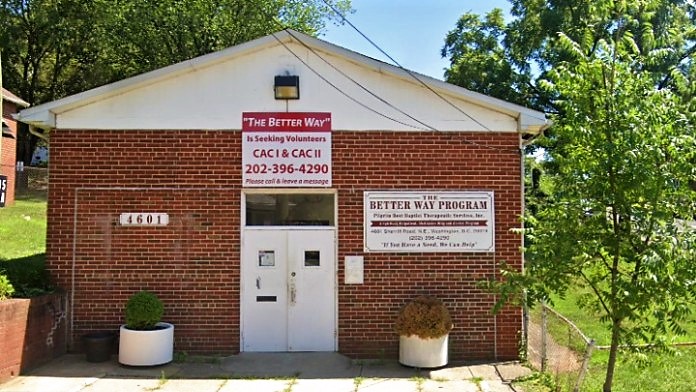
The Better Way Program | 4601 Sheriff Rd NE | The Better Way Program in Washington DC is a nonprofit organization specializing in offering drug rehab and alcohol addiction treatment. Outpatient support is ... more details › | Treatment Programs Insurance Detox Detox treatment in Washington DC is designed to rid the client’s body of alcohol and/or drugs in a safe and supportive environment. Medical detox involves intensive clinical supervision in either an inpatient or outpatient setting and may include the prescribing of FDA-approved medications to ease withdrawal symptoms and prevent potentially serious complications. Social detox is a process of managing substance withdrawal without medical intervention and typically includes mental health support, rest, and therapeutic nutrition and hydration. Inpatient Inpatient rehabs in Washington DC provide the highest levels of care for clients in early recovery and/or those at an elevated risk of relapse. Inpatient rehab enables clients to reside onsite and focus exclusively on their recovery in a highly structured and supportive environment featuring robust supervision. Typical inpatient services include psychotherapy, recovery-focused life skills training, and complementary therapies; medical detox may also be provided. Outpatient Outpatient rehabs in Washington DC enable clients to receive addiction recovery services while continuing to live at home. They are ideal for clients who are medically stable, including those stepping down from inpatient care and/or those with mild to moderate addiction disorder not requiring hospitalization. Outpatient rehabs offer a wide range of treatment intensities determined by clients’ needs, including high-intensity partial hospitalization and intensive outpatient programs (PHP/IOP) and moderate-intensity general outpatient programs (OP). +1 | Treatment Programs Insurance Medicaid If you qualify, DC Medicaid can help pay for some or all of the costs of addiction rehab treatment in Washington, DC. Whether you need detox, inpatient care, or outpatient treatment, contact your insurer for more information about what centers are covered by your plan. Financial Aid Financial aid can help you afford the price of addiction rehab treatment in Washington, DC, so that you can start a new life. You may be able to get grants, scholarships, or help from non-profit organizations to pay for rehab. Your insurance plan can help pay some or all of the cost as well. Private Private insurance is one of the easiest ways to pay for rehab treatment in Washington, DC. Health insurance plans are required by law to cover mental health and substance use treatment, so check with your insurer to see what centers are in your plan’s network. You may still have some costs, such as deductibles, co-pays, or coinsurance. Payment Self-pay options for Washington, DC, rehabs make it easier for you to choose the type of care you need most. You aren’t limited by your insurance plan’s network or limits on care. Self-pay, also known as private pay, allows you to go to the rehab you’re most comfortable with and get the help you need. +2 | |
Rap Inc | 1949 4th Street Northeast | The Regional Addiction Prevention’s (RAP) Residential and Outpatient Treatment Facility is a non-profit chemical dependency and co-occurring mental health disorder ... more details › | Treatment Programs Insurance Inpatient Inpatient rehabs in Washington DC provide the highest levels of care for clients in early recovery and/or those at an elevated risk of relapse. Inpatient rehab enables clients to reside onsite and focus exclusively on their recovery in a highly structured and supportive environment featuring robust supervision. Typical inpatient services include psychotherapy, recovery-focused life skills training, and complementary therapies; medical detox may also be provided. Outpatient Outpatient rehabs in Washington DC enable clients to receive addiction recovery services while continuing to live at home. They are ideal for clients who are medically stable, including those stepping down from inpatient care and/or those with mild to moderate addiction disorder not requiring hospitalization. Outpatient rehabs offer a wide range of treatment intensities determined by clients’ needs, including high-intensity partial hospitalization and intensive outpatient programs (PHP/IOP) and moderate-intensity general outpatient programs (OP). Dual Diagnosis Dual diagnosis care in Washington DC is a specialized, multi-pronged approach to addiction recovery tailored to the unique care needs of persons with co-occurring addiction and mental illness. Dual diagnosis care is predicated on the assumption that lasting recovery can only be achieved if the underlying mental health conditions that contribute to or exacerbate the addiction are also addressed. The dual diagnosis care model typically integrates extensive psychotherapy, recovery education, and pharmacotherapy, if appropriate. Aftercare In Washington DC, aftercare support is designed to provide a complete continuum of care for clients who have completed formal addiction treatment. Aftercare support is intended to reduce clients’ risk of relapse through a range of services tailored to clients’ evolving needs. Aftercare programs may include alumni support groups, ongoing recovery education, housing and employment assistance, 12 Step Program facilitation, vocational training and career counseling, and referrals for continuing care and other services. +2 | Treatment Programs Insurance Medicaid If you qualify, DC Medicaid can help pay for some or all of the costs of addiction rehab treatment in Washington, DC. Whether you need detox, inpatient care, or outpatient treatment, contact your insurer for more information about what centers are covered by your plan. Financial Aid Financial aid can help you afford the price of addiction rehab treatment in Washington, DC, so that you can start a new life. You may be able to get grants, scholarships, or help from non-profit organizations to pay for rehab. Your insurance plan can help pay some or all of the cost as well. | |
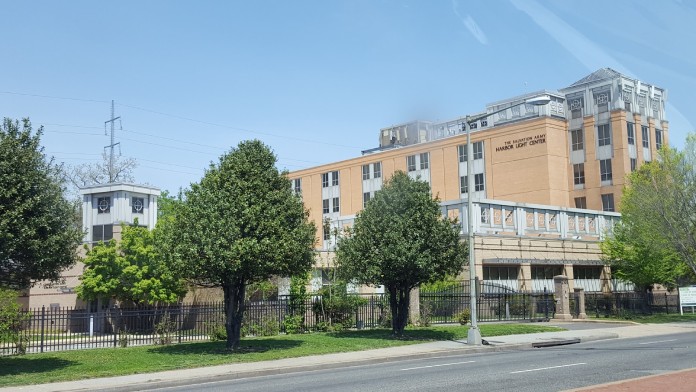
Salvation Army Harbor Light Center | 2100 New York Ave NE | The Salvation Army Harbor Light Center was located in Washington, DC. This facility has since closed. When they were in operation, they provided compassionate care to ... more details › | Treatment Programs Insurance Inpatient Inpatient rehabs in Washington DC provide the highest levels of care for clients in early recovery and/or those at an elevated risk of relapse. Inpatient rehab enables clients to reside onsite and focus exclusively on their recovery in a highly structured and supportive environment featuring robust supervision. Typical inpatient services include psychotherapy, recovery-focused life skills training, and complementary therapies; medical detox may also be provided. Outpatient Outpatient rehabs in Washington DC enable clients to receive addiction recovery services while continuing to live at home. They are ideal for clients who are medically stable, including those stepping down from inpatient care and/or those with mild to moderate addiction disorder not requiring hospitalization. Outpatient rehabs offer a wide range of treatment intensities determined by clients’ needs, including high-intensity partial hospitalization and intensive outpatient programs (PHP/IOP) and moderate-intensity general outpatient programs (OP). Sober Living After you finish an addiction treatment program, what’s next? Sober living in Washington, DC, allows you to practice your new skills and build a substance-free lifestyle in a safe, secure, and sober environment. Over time, you’ll get help securing independent living arrangements and maintaining sobriety long-term. +1 | Treatment Programs Insurance Private Private insurance is one of the easiest ways to pay for rehab treatment in Washington, DC. Health insurance plans are required by law to cover mental health and substance use treatment, so check with your insurer to see what centers are in your plan’s network. You may still have some costs, such as deductibles, co-pays, or coinsurance. Payment Self-pay options for Washington, DC, rehabs make it easier for you to choose the type of care you need most. You aren’t limited by your insurance plan’s network or limits on care. Self-pay, also known as private pay, allows you to go to the rehab you’re most comfortable with and get the help you need. | |
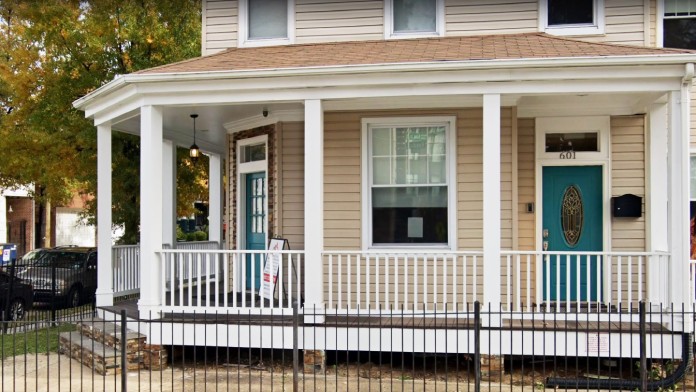
Federal City Recovery Services | 601 Raleigh Place Southeast | Federal City Recovery Services, located in Washington DC provides outpatient services for individuals seeking healing from substance use disorders (SUD). With a focus ... more details › | Treatment Programs Insurance Detox Detox treatment in Washington DC is designed to rid the client’s body of alcohol and/or drugs in a safe and supportive environment. Medical detox involves intensive clinical supervision in either an inpatient or outpatient setting and may include the prescribing of FDA-approved medications to ease withdrawal symptoms and prevent potentially serious complications. Social detox is a process of managing substance withdrawal without medical intervention and typically includes mental health support, rest, and therapeutic nutrition and hydration. Inpatient Inpatient rehabs in Washington DC provide the highest levels of care for clients in early recovery and/or those at an elevated risk of relapse. Inpatient rehab enables clients to reside onsite and focus exclusively on their recovery in a highly structured and supportive environment featuring robust supervision. Typical inpatient services include psychotherapy, recovery-focused life skills training, and complementary therapies; medical detox may also be provided. Dual Diagnosis Dual diagnosis care in Washington DC is a specialized, multi-pronged approach to addiction recovery tailored to the unique care needs of persons with co-occurring addiction and mental illness. Dual diagnosis care is predicated on the assumption that lasting recovery can only be achieved if the underlying mental health conditions that contribute to or exacerbate the addiction are also addressed. The dual diagnosis care model typically integrates extensive psychotherapy, recovery education, and pharmacotherapy, if appropriate. Sober Living After you finish an addiction treatment program, what’s next? Sober living in Washington, DC, allows you to practice your new skills and build a substance-free lifestyle in a safe, secure, and sober environment. Over time, you’ll get help securing independent living arrangements and maintaining sobriety long-term. +2 | Treatment Programs Insurance Medicaid If you qualify, DC Medicaid can help pay for some or all of the costs of addiction rehab treatment in Washington, DC. Whether you need detox, inpatient care, or outpatient treatment, contact your insurer for more information about what centers are covered by your plan. Medicare If you qualify for Medicare, your insurance plan can help pay some or all of the costs of addiction treatment in Washington, DC Whether you have Original Medicare or a Medicare Advantage plan, you may be able to get inpatient and/or outpatient rehab treatment affordably with help from your insurance. Financial Aid Financial aid can help you afford the price of addiction rehab treatment in Washington, DC, so that you can start a new life. You may be able to get grants, scholarships, or help from non-profit organizations to pay for rehab. Your insurance plan can help pay some or all of the cost as well. Tricare Administered by the Department of Defense, TRICARE offers comprehensive military health insurance plans for active and retired military members and their families. Similar to PPO programs offered by private insurance companies, TRICARE covers multiple levels of care for addiction treatment, including detox, inpatient rehab, and outpatient services. +2 | |
Life Stride, Inc. | 3005 Bladensburg Road Northeast | If you’re looking for office-based addiction treatment in Washington DC, you’ll find Life Stride near Fort Lincoln Park. Drugs and alcohol can affect every area of ... more details › | Treatment Programs Insurance Outpatient Outpatient rehabs in Washington DC enable clients to receive addiction recovery services while continuing to live at home. They are ideal for clients who are medically stable, including those stepping down from inpatient care and/or those with mild to moderate addiction disorder not requiring hospitalization. Outpatient rehabs offer a wide range of treatment intensities determined by clients’ needs, including high-intensity partial hospitalization and intensive outpatient programs (PHP/IOP) and moderate-intensity general outpatient programs (OP). Dual Diagnosis Dual diagnosis care in Washington DC is a specialized, multi-pronged approach to addiction recovery tailored to the unique care needs of persons with co-occurring addiction and mental illness. Dual diagnosis care is predicated on the assumption that lasting recovery can only be achieved if the underlying mental health conditions that contribute to or exacerbate the addiction are also addressed. The dual diagnosis care model typically integrates extensive psychotherapy, recovery education, and pharmacotherapy, if appropriate. | Treatment Programs Insurance Medicaid If you qualify, DC Medicaid can help pay for some or all of the costs of addiction rehab treatment in Washington, DC. Whether you need detox, inpatient care, or outpatient treatment, contact your insurer for more information about what centers are covered by your plan. Medicare If you qualify for Medicare, your insurance plan can help pay some or all of the costs of addiction treatment in Washington, DC Whether you have Original Medicare or a Medicare Advantage plan, you may be able to get inpatient and/or outpatient rehab treatment affordably with help from your insurance. Financial Aid Financial aid can help you afford the price of addiction rehab treatment in Washington, DC, so that you can start a new life. You may be able to get grants, scholarships, or help from non-profit organizations to pay for rehab. Your insurance plan can help pay some or all of the cost as well. Tricare Administered by the Department of Defense, TRICARE offers comprehensive military health insurance plans for active and retired military members and their families. Similar to PPO programs offered by private insurance companies, TRICARE covers multiple levels of care for addiction treatment, including detox, inpatient rehab, and outpatient services. Private Private insurance is one of the easiest ways to pay for rehab treatment in Washington, DC. Health insurance plans are required by law to cover mental health and substance use treatment, so check with your insurer to see what centers are in your plan’s network. You may still have some costs, such as deductibles, co-pays, or coinsurance. Payment Self-pay options for Washington, DC, rehabs make it easier for you to choose the type of care you need most. You aren’t limited by your insurance plan’s network or limits on care. Self-pay, also known as private pay, allows you to go to the rehab you’re most comfortable with and get the help you need. +4 | |
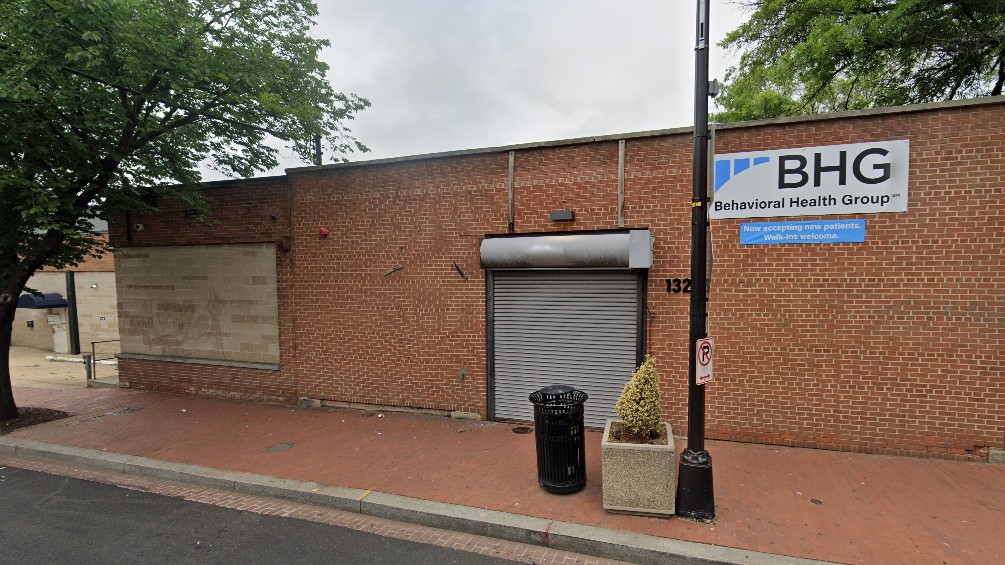
BHG Washington DC Treatment Center | 1320 Marion Barry Ave SE | BHG Treatment Center in Southeast Washington helps adults across the greater DC metro area. The center combines medically supervised methadone treatment with ... more details › | Treatment Programs Insurance Detox Detox treatment in Washington DC is designed to rid the client’s body of alcohol and/or drugs in a safe and supportive environment. Medical detox involves intensive clinical supervision in either an inpatient or outpatient setting and may include the prescribing of FDA-approved medications to ease withdrawal symptoms and prevent potentially serious complications. Social detox is a process of managing substance withdrawal without medical intervention and typically includes mental health support, rest, and therapeutic nutrition and hydration. Outpatient Outpatient rehabs in Washington DC enable clients to receive addiction recovery services while continuing to live at home. They are ideal for clients who are medically stable, including those stepping down from inpatient care and/or those with mild to moderate addiction disorder not requiring hospitalization. Outpatient rehabs offer a wide range of treatment intensities determined by clients’ needs, including high-intensity partial hospitalization and intensive outpatient programs (PHP/IOP) and moderate-intensity general outpatient programs (OP). Dual Diagnosis Dual diagnosis care in Washington DC is a specialized, multi-pronged approach to addiction recovery tailored to the unique care needs of persons with co-occurring addiction and mental illness. Dual diagnosis care is predicated on the assumption that lasting recovery can only be achieved if the underlying mental health conditions that contribute to or exacerbate the addiction are also addressed. The dual diagnosis care model typically integrates extensive psychotherapy, recovery education, and pharmacotherapy, if appropriate. +1 | Treatment Programs Insurance Medicaid If you qualify, DC Medicaid can help pay for some or all of the costs of addiction rehab treatment in Washington, DC. Whether you need detox, inpatient care, or outpatient treatment, contact your insurer for more information about what centers are covered by your plan. Medicare If you qualify for Medicare, your insurance plan can help pay some or all of the costs of addiction treatment in Washington, DC Whether you have Original Medicare or a Medicare Advantage plan, you may be able to get inpatient and/or outpatient rehab treatment affordably with help from your insurance. Private Private insurance is one of the easiest ways to pay for rehab treatment in Washington, DC. Health insurance plans are required by law to cover mental health and substance use treatment, so check with your insurer to see what centers are in your plan’s network. You may still have some costs, such as deductibles, co-pays, or coinsurance. Payment Self-pay options for Washington, DC, rehabs make it easier for you to choose the type of care you need most. You aren’t limited by your insurance plan’s network or limits on care. Self-pay, also known as private pay, allows you to go to the rehab you’re most comfortable with and get the help you need. +2 | |
Kolmac Integrated Behavioral Health | 1025 Vermont Ave NW | The Kolmac Outpatient Recovery Centers located in Washington, DC, focus on helping adults 18 and older with a flexible recovery schedule for substance addiction and ... more details › | Treatment Programs Insurance Detox Detox treatment in Washington DC is designed to rid the client’s body of alcohol and/or drugs in a safe and supportive environment. Medical detox involves intensive clinical supervision in either an inpatient or outpatient setting and may include the prescribing of FDA-approved medications to ease withdrawal symptoms and prevent potentially serious complications. Social detox is a process of managing substance withdrawal without medical intervention and typically includes mental health support, rest, and therapeutic nutrition and hydration. Outpatient Outpatient rehabs in Washington DC enable clients to receive addiction recovery services while continuing to live at home. They are ideal for clients who are medically stable, including those stepping down from inpatient care and/or those with mild to moderate addiction disorder not requiring hospitalization. Outpatient rehabs offer a wide range of treatment intensities determined by clients’ needs, including high-intensity partial hospitalization and intensive outpatient programs (PHP/IOP) and moderate-intensity general outpatient programs (OP). Aftercare In Washington DC, aftercare support is designed to provide a complete continuum of care for clients who have completed formal addiction treatment. Aftercare support is intended to reduce clients’ risk of relapse through a range of services tailored to clients’ evolving needs. Aftercare programs may include alumni support groups, ongoing recovery education, housing and employment assistance, 12 Step Program facilitation, vocational training and career counseling, and referrals for continuing care and other services. +1 | Treatment Programs Insurance Private Private insurance is one of the easiest ways to pay for rehab treatment in Washington, DC. Health insurance plans are required by law to cover mental health and substance use treatment, so check with your insurer to see what centers are in your plan’s network. You may still have some costs, such as deductibles, co-pays, or coinsurance. Payment Self-pay options for Washington, DC, rehabs make it easier for you to choose the type of care you need most. You aren’t limited by your insurance plan’s network or limits on care. Self-pay, also known as private pay, allows you to go to the rehab you’re most comfortable with and get the help you need. | |
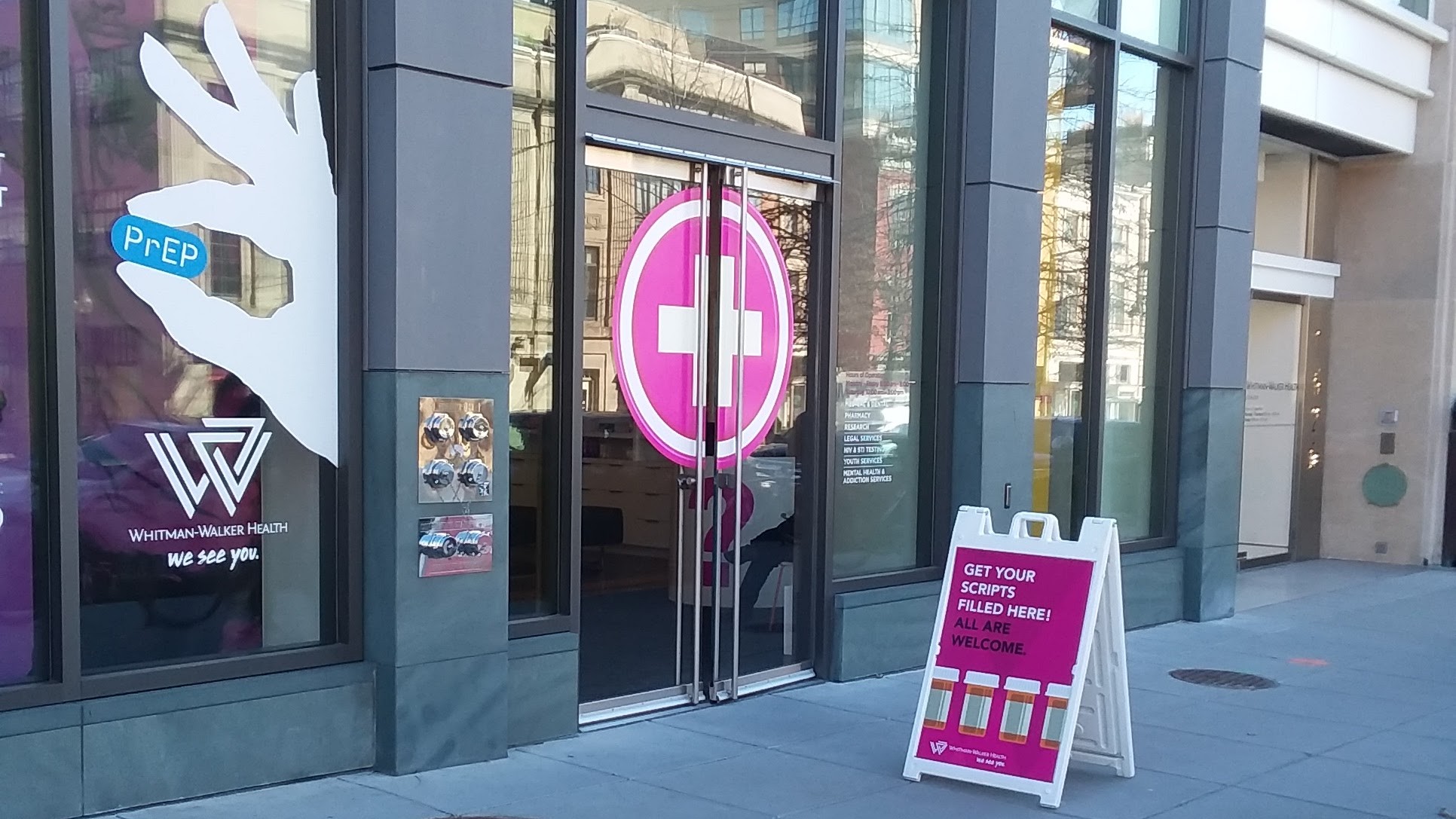
Whitman-Walker Health at 1525 | 1525 14th Street Northwest | Whitman Walker Health is located in Washington DC. They offer behavioral health services to address and treat co-occurring mental health and substance use disorders ... more details › | Treatment Programs Insurance Detox Detox treatment in Washington DC is designed to rid the client’s body of alcohol and/or drugs in a safe and supportive environment. Medical detox involves intensive clinical supervision in either an inpatient or outpatient setting and may include the prescribing of FDA-approved medications to ease withdrawal symptoms and prevent potentially serious complications. Social detox is a process of managing substance withdrawal without medical intervention and typically includes mental health support, rest, and therapeutic nutrition and hydration. Outpatient Outpatient rehabs in Washington DC enable clients to receive addiction recovery services while continuing to live at home. They are ideal for clients who are medically stable, including those stepping down from inpatient care and/or those with mild to moderate addiction disorder not requiring hospitalization. Outpatient rehabs offer a wide range of treatment intensities determined by clients’ needs, including high-intensity partial hospitalization and intensive outpatient programs (PHP/IOP) and moderate-intensity general outpatient programs (OP). Dual Diagnosis Dual diagnosis care in Washington DC is a specialized, multi-pronged approach to addiction recovery tailored to the unique care needs of persons with co-occurring addiction and mental illness. Dual diagnosis care is predicated on the assumption that lasting recovery can only be achieved if the underlying mental health conditions that contribute to or exacerbate the addiction are also addressed. The dual diagnosis care model typically integrates extensive psychotherapy, recovery education, and pharmacotherapy, if appropriate. +1 | Treatment Programs Insurance Medicaid If you qualify, DC Medicaid can help pay for some or all of the costs of addiction rehab treatment in Washington, DC. Whether you need detox, inpatient care, or outpatient treatment, contact your insurer for more information about what centers are covered by your plan. Medicare If you qualify for Medicare, your insurance plan can help pay some or all of the costs of addiction treatment in Washington, DC Whether you have Original Medicare or a Medicare Advantage plan, you may be able to get inpatient and/or outpatient rehab treatment affordably with help from your insurance. Financial Aid Financial aid can help you afford the price of addiction rehab treatment in Washington, DC, so that you can start a new life. You may be able to get grants, scholarships, or help from non-profit organizations to pay for rehab. Your insurance plan can help pay some or all of the cost as well. Tricare Administered by the Department of Defense, TRICARE offers comprehensive military health insurance plans for active and retired military members and their families. Similar to PPO programs offered by private insurance companies, TRICARE covers multiple levels of care for addiction treatment, including detox, inpatient rehab, and outpatient services. Private Private insurance is one of the easiest ways to pay for rehab treatment in Washington, DC. Health insurance plans are required by law to cover mental health and substance use treatment, so check with your insurer to see what centers are in your plan’s network. You may still have some costs, such as deductibles, co-pays, or coinsurance. Payment Self-pay options for Washington, DC, rehabs make it easier for you to choose the type of care you need most. You aren’t limited by your insurance plan’s network or limits on care. Self-pay, also known as private pay, allows you to go to the rehab you’re most comfortable with and get the help you need. +4 | |
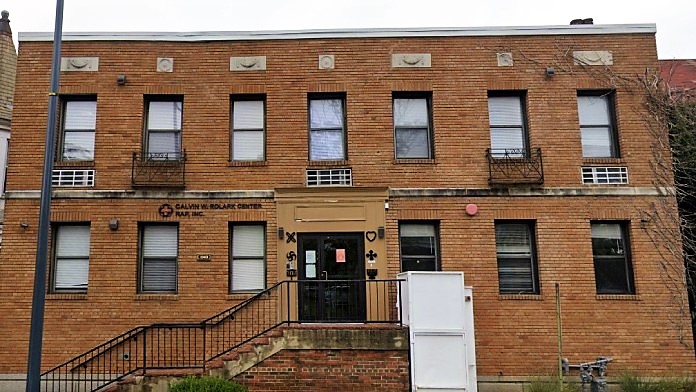
RAP OUTPATIENT SUD TREATMENT | 1949 4th St NE | Formerly known as The Calvin Rolark Center, Gaudenzia RAP is an alcohol addiction and drug rehab center located in Washington DC. Levels of care include detoxification ... more details › | Treatment Programs Insurance Detox Detox treatment in Washington DC is designed to rid the client’s body of alcohol and/or drugs in a safe and supportive environment. Medical detox involves intensive clinical supervision in either an inpatient or outpatient setting and may include the prescribing of FDA-approved medications to ease withdrawal symptoms and prevent potentially serious complications. Social detox is a process of managing substance withdrawal without medical intervention and typically includes mental health support, rest, and therapeutic nutrition and hydration. Inpatient Inpatient rehabs in Washington DC provide the highest levels of care for clients in early recovery and/or those at an elevated risk of relapse. Inpatient rehab enables clients to reside onsite and focus exclusively on their recovery in a highly structured and supportive environment featuring robust supervision. Typical inpatient services include psychotherapy, recovery-focused life skills training, and complementary therapies; medical detox may also be provided. Outpatient Outpatient rehabs in Washington DC enable clients to receive addiction recovery services while continuing to live at home. They are ideal for clients who are medically stable, including those stepping down from inpatient care and/or those with mild to moderate addiction disorder not requiring hospitalization. Outpatient rehabs offer a wide range of treatment intensities determined by clients’ needs, including high-intensity partial hospitalization and intensive outpatient programs (PHP/IOP) and moderate-intensity general outpatient programs (OP). Dual Diagnosis Dual diagnosis care in Washington DC is a specialized, multi-pronged approach to addiction recovery tailored to the unique care needs of persons with co-occurring addiction and mental illness. Dual diagnosis care is predicated on the assumption that lasting recovery can only be achieved if the underlying mental health conditions that contribute to or exacerbate the addiction are also addressed. The dual diagnosis care model typically integrates extensive psychotherapy, recovery education, and pharmacotherapy, if appropriate. +2 | Treatment Programs Insurance Private Private insurance is one of the easiest ways to pay for rehab treatment in Washington, DC. Health insurance plans are required by law to cover mental health and substance use treatment, so check with your insurer to see what centers are in your plan’s network. You may still have some costs, such as deductibles, co-pays, or coinsurance. Payment Self-pay options for Washington, DC, rehabs make it easier for you to choose the type of care you need most. You aren’t limited by your insurance plan’s network or limits on care. Self-pay, also known as private pay, allows you to go to the rehab you’re most comfortable with and get the help you need. | |
Clean & Sober Street | 425 2nd Street Northwest | Clean and Sober Streets is a CARF accredited adult residential substance use treatment program in Washington, DC and serves men and women who are motivated to pursue ... more details › | Treatment Programs Insurance Inpatient Inpatient rehabs in Washington DC provide the highest levels of care for clients in early recovery and/or those at an elevated risk of relapse. Inpatient rehab enables clients to reside onsite and focus exclusively on their recovery in a highly structured and supportive environment featuring robust supervision. Typical inpatient services include psychotherapy, recovery-focused life skills training, and complementary therapies; medical detox may also be provided. Outpatient Outpatient rehabs in Washington DC enable clients to receive addiction recovery services while continuing to live at home. They are ideal for clients who are medically stable, including those stepping down from inpatient care and/or those with mild to moderate addiction disorder not requiring hospitalization. Outpatient rehabs offer a wide range of treatment intensities determined by clients’ needs, including high-intensity partial hospitalization and intensive outpatient programs (PHP/IOP) and moderate-intensity general outpatient programs (OP). | Treatment Programs Insurance Medicaid If you qualify, DC Medicaid can help pay for some or all of the costs of addiction rehab treatment in Washington, DC. Whether you need detox, inpatient care, or outpatient treatment, contact your insurer for more information about what centers are covered by your plan. Financial Aid Financial aid can help you afford the price of addiction rehab treatment in Washington, DC, so that you can start a new life. You may be able to get grants, scholarships, or help from non-profit organizations to pay for rehab. Your insurance plan can help pay some or all of the cost as well. Private Private insurance is one of the easiest ways to pay for rehab treatment in Washington, DC. Health insurance plans are required by law to cover mental health and substance use treatment, so check with your insurer to see what centers are in your plan’s network. You may still have some costs, such as deductibles, co-pays, or coinsurance. Payment Self-pay options for Washington, DC, rehabs make it easier for you to choose the type of care you need most. You aren’t limited by your insurance plan’s network or limits on care. Self-pay, also known as private pay, allows you to go to the rehab you’re most comfortable with and get the help you need. +2 | |
MedStar Health: Outpatient Behavioral Health at MedStar Washington Hospital Center | 216 Michigan Avenue Northeast | Treatment Programs Insurance Inpatient Inpatient rehabs in Washington DC provide the highest levels of care for clients in early recovery and/or those at an elevated risk of relapse. Inpatient rehab enables clients to reside onsite and focus exclusively on their recovery in a highly structured and supportive environment featuring robust supervision. Typical inpatient services include psychotherapy, recovery-focused life skills training, and complementary therapies; medical detox may also be provided. Outpatient Outpatient rehabs in Washington DC enable clients to receive addiction recovery services while continuing to live at home. They are ideal for clients who are medically stable, including those stepping down from inpatient care and/or those with mild to moderate addiction disorder not requiring hospitalization. Outpatient rehabs offer a wide range of treatment intensities determined by clients’ needs, including high-intensity partial hospitalization and intensive outpatient programs (PHP/IOP) and moderate-intensity general outpatient programs (OP). Dual Diagnosis Dual diagnosis care in Washington DC is a specialized, multi-pronged approach to addiction recovery tailored to the unique care needs of persons with co-occurring addiction and mental illness. Dual diagnosis care is predicated on the assumption that lasting recovery can only be achieved if the underlying mental health conditions that contribute to or exacerbate the addiction are also addressed. The dual diagnosis care model typically integrates extensive psychotherapy, recovery education, and pharmacotherapy, if appropriate. Aftercare In Washington DC, aftercare support is designed to provide a complete continuum of care for clients who have completed formal addiction treatment. Aftercare support is intended to reduce clients’ risk of relapse through a range of services tailored to clients’ evolving needs. Aftercare programs may include alumni support groups, ongoing recovery education, housing and employment assistance, 12 Step Program facilitation, vocational training and career counseling, and referrals for continuing care and other services. +2 | Treatment Programs Insurance Private Private insurance is one of the easiest ways to pay for rehab treatment in Washington, DC. Health insurance plans are required by law to cover mental health and substance use treatment, so check with your insurer to see what centers are in your plan’s network. You may still have some costs, such as deductibles, co-pays, or coinsurance. Payment Self-pay options for Washington, DC, rehabs make it easier for you to choose the type of care you need most. You aren’t limited by your insurance plan’s network or limits on care. Self-pay, also known as private pay, allows you to go to the rehab you’re most comfortable with and get the help you need. | ||
Aquila Recovery Clinic | 5101 Wisconsin Ave | Aquila Recovery Clinic, located in Washington, Washington DC, provides outpatient and intensive outpatient treatments to support adults experiencing substance use ... more details › | Treatment Programs Insurance Outpatient Outpatient rehabs in Washington DC enable clients to receive addiction recovery services while continuing to live at home. They are ideal for clients who are medically stable, including those stepping down from inpatient care and/or those with mild to moderate addiction disorder not requiring hospitalization. Outpatient rehabs offer a wide range of treatment intensities determined by clients’ needs, including high-intensity partial hospitalization and intensive outpatient programs (PHP/IOP) and moderate-intensity general outpatient programs (OP). Dual Diagnosis Dual diagnosis care in Washington DC is a specialized, multi-pronged approach to addiction recovery tailored to the unique care needs of persons with co-occurring addiction and mental illness. Dual diagnosis care is predicated on the assumption that lasting recovery can only be achieved if the underlying mental health conditions that contribute to or exacerbate the addiction are also addressed. The dual diagnosis care model typically integrates extensive psychotherapy, recovery education, and pharmacotherapy, if appropriate. | Treatment Programs Insurance Private Private insurance is one of the easiest ways to pay for rehab treatment in Washington, DC. Health insurance plans are required by law to cover mental health and substance use treatment, so check with your insurer to see what centers are in your plan’s network. You may still have some costs, such as deductibles, co-pays, or coinsurance. Payment Self-pay options for Washington, DC, rehabs make it easier for you to choose the type of care you need most. You aren’t limited by your insurance plan’s network or limits on care. Self-pay, also known as private pay, allows you to go to the rehab you’re most comfortable with and get the help you need. | |
The Palisades House Men’s Sober Living | 1638 R St NW | Located in the DuPont Circle neighborhood of Washington D.C, Palisades House Men’s Sober Living is a transitional living house. This facility offers sober living and ... more details › | Treatment Programs Insurance Inpatient Inpatient rehabs in Washington DC provide the highest levels of care for clients in early recovery and/or those at an elevated risk of relapse. Inpatient rehab enables clients to reside onsite and focus exclusively on their recovery in a highly structured and supportive environment featuring robust supervision. Typical inpatient services include psychotherapy, recovery-focused life skills training, and complementary therapies; medical detox may also be provided. Sober Living After you finish an addiction treatment program, what’s next? Sober living in Washington, DC, allows you to practice your new skills and build a substance-free lifestyle in a safe, secure, and sober environment. Over time, you’ll get help securing independent living arrangements and maintaining sobriety long-term. | Treatment Programs Insurance Private Private insurance is one of the easiest ways to pay for rehab treatment in Washington, DC. Health insurance plans are required by law to cover mental health and substance use treatment, so check with your insurer to see what centers are in your plan’s network. You may still have some costs, such as deductibles, co-pays, or coinsurance. Payment Self-pay options for Washington, DC, rehabs make it easier for you to choose the type of care you need most. You aren’t limited by your insurance plan’s network or limits on care. Self-pay, also known as private pay, allows you to go to the rehab you’re most comfortable with and get the help you need. | |
Addiction Prevention & Recovery Administration | 64 New York Ave NW | The Addiction Prevention & Recovery Administration is a child and youth focused drug prevention center. They share premises with the DC Health and Wellness Center in ... more details › | Treatment Programs Insurance Detox Detox treatment in Washington DC is designed to rid the client’s body of alcohol and/or drugs in a safe and supportive environment. Medical detox involves intensive clinical supervision in either an inpatient or outpatient setting and may include the prescribing of FDA-approved medications to ease withdrawal symptoms and prevent potentially serious complications. Social detox is a process of managing substance withdrawal without medical intervention and typically includes mental health support, rest, and therapeutic nutrition and hydration. Inpatient Inpatient rehabs in Washington DC provide the highest levels of care for clients in early recovery and/or those at an elevated risk of relapse. Inpatient rehab enables clients to reside onsite and focus exclusively on their recovery in a highly structured and supportive environment featuring robust supervision. Typical inpatient services include psychotherapy, recovery-focused life skills training, and complementary therapies; medical detox may also be provided. Outpatient Outpatient rehabs in Washington DC enable clients to receive addiction recovery services while continuing to live at home. They are ideal for clients who are medically stable, including those stepping down from inpatient care and/or those with mild to moderate addiction disorder not requiring hospitalization. Outpatient rehabs offer a wide range of treatment intensities determined by clients’ needs, including high-intensity partial hospitalization and intensive outpatient programs (PHP/IOP) and moderate-intensity general outpatient programs (OP). +1 | Treatment Programs Insurance Private Private insurance is one of the easiest ways to pay for rehab treatment in Washington, DC. Health insurance plans are required by law to cover mental health and substance use treatment, so check with your insurer to see what centers are in your plan’s network. You may still have some costs, such as deductibles, co-pays, or coinsurance. Payment Self-pay options for Washington, DC, rehabs make it easier for you to choose the type of care you need most. You aren’t limited by your insurance plan’s network or limits on care. Self-pay, also known as private pay, allows you to go to the rehab you’re most comfortable with and get the help you need. | |
Clarvida | 3341 Benning Road Northeast | Clarvida is a community-based behavioral health and substance use treatment provider in Washington, D.C. offering outpatient care that reaches clients where they ... more details › | Treatment Programs Insurance Outpatient Outpatient rehabs in Washington DC enable clients to receive addiction recovery services while continuing to live at home. They are ideal for clients who are medically stable, including those stepping down from inpatient care and/or those with mild to moderate addiction disorder not requiring hospitalization. Outpatient rehabs offer a wide range of treatment intensities determined by clients’ needs, including high-intensity partial hospitalization and intensive outpatient programs (PHP/IOP) and moderate-intensity general outpatient programs (OP). Dual Diagnosis Dual diagnosis care in Washington DC is a specialized, multi-pronged approach to addiction recovery tailored to the unique care needs of persons with co-occurring addiction and mental illness. Dual diagnosis care is predicated on the assumption that lasting recovery can only be achieved if the underlying mental health conditions that contribute to or exacerbate the addiction are also addressed. The dual diagnosis care model typically integrates extensive psychotherapy, recovery education, and pharmacotherapy, if appropriate. | Treatment Programs Insurance Medicaid If you qualify, DC Medicaid can help pay for some or all of the costs of addiction rehab treatment in Washington, DC. Whether you need detox, inpatient care, or outpatient treatment, contact your insurer for more information about what centers are covered by your plan. Financial Aid Financial aid can help you afford the price of addiction rehab treatment in Washington, DC, so that you can start a new life. You may be able to get grants, scholarships, or help from non-profit organizations to pay for rehab. Your insurance plan can help pay some or all of the cost as well. Private Private insurance is one of the easiest ways to pay for rehab treatment in Washington, DC. Health insurance plans are required by law to cover mental health and substance use treatment, so check with your insurer to see what centers are in your plan’s network. You may still have some costs, such as deductibles, co-pays, or coinsurance. Payment Self-pay options for Washington, DC, rehabs make it easier for you to choose the type of care you need most. You aren’t limited by your insurance plan’s network or limits on care. Self-pay, also known as private pay, allows you to go to the rehab you’re most comfortable with and get the help you need. +2 |
 800-783-0593
 Sponsored