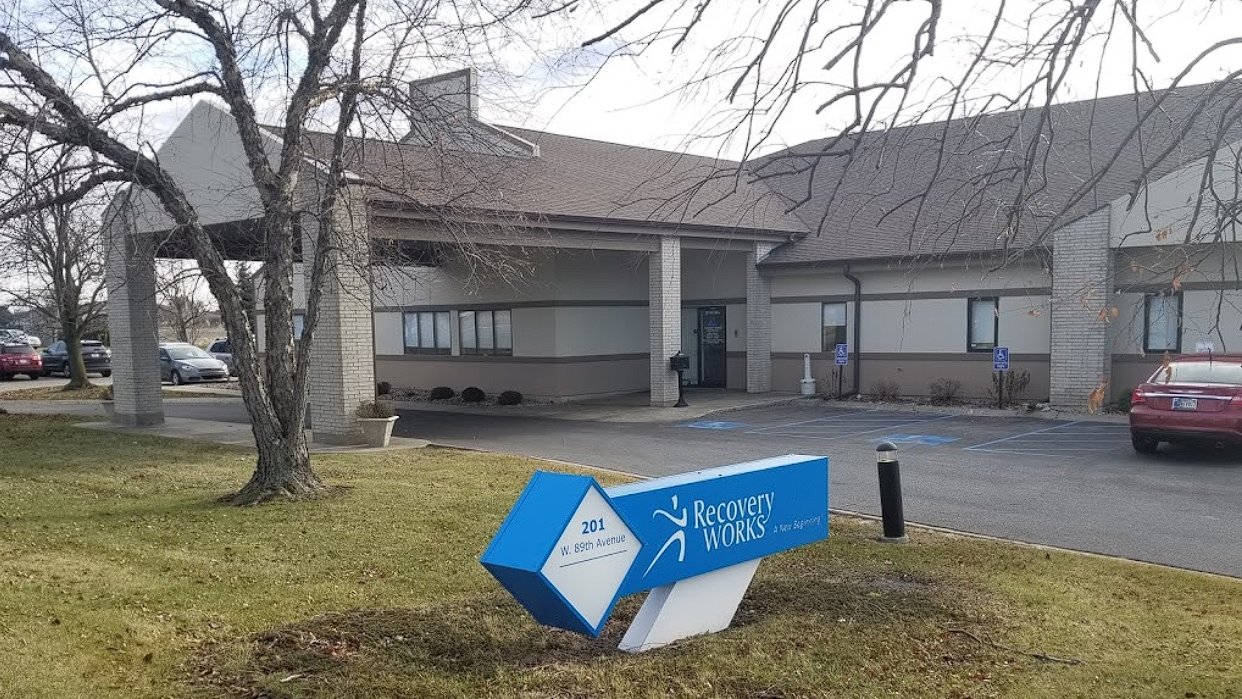
Recovery Works Merrillville
Merrillville, IN
46410

Accredited drug rehab centers available across Portland.
Sliding-scale payments, financial aid, low-cost programs, and local nonprofits.
Medicare, Medicaid, TRICARE, plus local private health insurance coverage.
 Filter
| Name | Address | Description | Treatment | Insurance | Thumbnail |
|---|---|---|---|---|---|
Meridian Services | 931 W Water St, | Meridian Services provides a wide range of physical, behavioral, and social services to children, adolescents and adults throughout Indiana. The clinic on West Water ... more details › | Treatment Programs Insurance Outpatient Indiana outpatient rehab focuses on providing tools necessary to stay sober. This involves several weekly counseling sessions and involvement in at least one support group, such as NA or AA, for several weeks or months. During that time, you’ll learn how to replace unhealthy habits with healthy ones and prevent relapse. Dual Diagnosis Dual diagnosis in Indiana treats co-occurring disorders, meaning it addresses both your mental health and recovery needs. A multidisciplinary team of psychiatrists and addiction experts work together to ensure all aspects of your mental and physical health are treated. Intervention Intervention services in Indiana can help you convince your loved one to get the treatment they need. Professionals are available to provide pre-intervention counseling to family members, facilitate an intervention, and assist with the development of a treatment plan. +1 | Treatment Programs Insurance Medicaid If you're eligible for Medicaid (called Indiana Medicaid/Hoosier Healthwise), you can use your coverage to help pay for alcohol and drug rehab in Indiana. In most cases, Medicaid will cover most or all of the costs of treatment, including rehab. Medicare If eligible, Medicare can be used to cover the cost of alcohol and drug rehab in Indiana. The amount of coverage it provides depends on many things, so it’s a good idea to contact your provider and get specific details. Financial Aid If you need financial assistance to help pay for alcohol and drug rehab in Indiana, you may be eligible for financial aid. Financial assistance options include grants, scholarships, non-profit programs, personal funding, and health insurance programs to help you manage the expense of substance abuse treatment. Tricare Administered by the Department of Defense, TRICARE offers comprehensive military health insurance plans for active and retired military members and their families. Similar to PPO programs offered by private insurance companies, TRICARE covers multiple levels of care for addiction treatment, including detox, inpatient rehab, and outpatient services. Private If you have private rehab insurance, you may be able to use your coverage to pay for some or all of your treatment in Indiana. Your insurance policy determines the amount of coverage, and you may be left with some out-of-pocket costs like a co-payment, or co-insurance. Check with your insurer for more information. Payment For those entering alcohol or drug rehab in Indiana, self-pay options are a common method of paying for treatment. Examples of private pay include paying in cash, using a credit card, or taking out a personal loan. +4 | |
Praxis of Fort Wayne by Landmark Recovery | 1529 W Lancaster St | Praxis of Fort Wayne by Landmark Recovery is located in Fort Wayne, Indiana. They offer mental health and drug recovery services to women who’re ready to begin ... more details › | Treatment Programs Insurance Detox Detox in Indiana involves 24/7 professional care while substances are cleansed from your body. Medications are often given to alleviate withdrawal symptoms during this time. The process varies in length, depending on your history of dependency and the type of drug. Inpatient During inpatient reahb, you live at the treatment facility and participate in several forms of therapy throughout each day. You also engage in forms of psychotherapy, which usually includes group and family therapy as well as individual counseling. Many programs also offer holistic treatment and recovery-focused life skills training. Outpatient Indiana outpatient rehab focuses on providing tools necessary to stay sober. This involves several weekly counseling sessions and involvement in at least one support group, such as NA or AA, for several weeks or months. During that time, you’ll learn how to replace unhealthy habits with healthy ones and prevent relapse. +1 | Treatment Programs Insurance Private If you have private rehab insurance, you may be able to use your coverage to pay for some or all of your treatment in Indiana. Your insurance policy determines the amount of coverage, and you may be left with some out-of-pocket costs like a co-payment, or co-insurance. Check with your insurer for more information. Payment For those entering alcohol or drug rehab in Indiana, self-pay options are a common method of paying for treatment. Examples of private pay include paying in cash, using a credit card, or taking out a personal loan. | |
Centerstone | 831 Dillon Dr | Centerstone is a dual diagnosis drug and alcohol rehab, serving adults, children and families, veterans, and active duty personnel. Centerstone offers inpatient ... more details › | Treatment Programs Insurance Outpatient Indiana outpatient rehab focuses on providing tools necessary to stay sober. This involves several weekly counseling sessions and involvement in at least one support group, such as NA or AA, for several weeks or months. During that time, you’ll learn how to replace unhealthy habits with healthy ones and prevent relapse. Dual Diagnosis Dual diagnosis in Indiana treats co-occurring disorders, meaning it addresses both your mental health and recovery needs. A multidisciplinary team of psychiatrists and addiction experts work together to ensure all aspects of your mental and physical health are treated. Aftercare The moment your initial treatment ends, aftercare rehab in Indiana begins. Multiple aftercare resources are available to help you confidently re-enter life and maintain sobriety. This support may last for a year or more, providing assistance with counseling, job coaching, budgeting assistance, and other life skills. Intervention Intervention services in Indiana can help you convince your loved one to get the treatment they need. Professionals are available to provide pre-intervention counseling to family members, facilitate an intervention, and assist with the development of a treatment plan. +2 | Treatment Programs Insurance Medicaid If you're eligible for Medicaid (called Indiana Medicaid/Hoosier Healthwise), you can use your coverage to help pay for alcohol and drug rehab in Indiana. In most cases, Medicaid will cover most or all of the costs of treatment, including rehab. Medicare If eligible, Medicare can be used to cover the cost of alcohol and drug rehab in Indiana. The amount of coverage it provides depends on many things, so it’s a good idea to contact your provider and get specific details. Financial Aid If you need financial assistance to help pay for alcohol and drug rehab in Indiana, you may be eligible for financial aid. Financial assistance options include grants, scholarships, non-profit programs, personal funding, and health insurance programs to help you manage the expense of substance abuse treatment. Tricare Administered by the Department of Defense, TRICARE offers comprehensive military health insurance plans for active and retired military members and their families. Similar to PPO programs offered by private insurance companies, TRICARE covers multiple levels of care for addiction treatment, including detox, inpatient rehab, and outpatient services. Private If you have private rehab insurance, you may be able to use your coverage to pay for some or all of your treatment in Indiana. Your insurance policy determines the amount of coverage, and you may be left with some out-of-pocket costs like a co-payment, or co-insurance. Check with your insurer for more information. Payment For those entering alcohol or drug rehab in Indiana, self-pay options are a common method of paying for treatment. Examples of private pay include paying in cash, using a credit card, or taking out a personal loan. +4 | |
Recovery Works Cambridge City | 2060 State Road 1 North | Indiana’s Pinnacle Treatment Center in Cambridge City is an accredited facility that provides residential addiction treatment. Support is available to adults aged ... more details › | Treatment Programs Insurance Detox Detox in Indiana involves 24/7 professional care while substances are cleansed from your body. Medications are often given to alleviate withdrawal symptoms during this time. The process varies in length, depending on your history of dependency and the type of drug. Inpatient During inpatient reahb, you live at the treatment facility and participate in several forms of therapy throughout each day. You also engage in forms of psychotherapy, which usually includes group and family therapy as well as individual counseling. Many programs also offer holistic treatment and recovery-focused life skills training. Dual Diagnosis Dual diagnosis in Indiana treats co-occurring disorders, meaning it addresses both your mental health and recovery needs. A multidisciplinary team of psychiatrists and addiction experts work together to ensure all aspects of your mental and physical health are treated. Aftercare The moment your initial treatment ends, aftercare rehab in Indiana begins. Multiple aftercare resources are available to help you confidently re-enter life and maintain sobriety. This support may last for a year or more, providing assistance with counseling, job coaching, budgeting assistance, and other life skills. Intervention Intervention services in Indiana can help you convince your loved one to get the treatment they need. Professionals are available to provide pre-intervention counseling to family members, facilitate an intervention, and assist with the development of a treatment plan. +3 | Treatment Programs Insurance Private If you have private rehab insurance, you may be able to use your coverage to pay for some or all of your treatment in Indiana. Your insurance policy determines the amount of coverage, and you may be left with some out-of-pocket costs like a co-payment, or co-insurance. Check with your insurer for more information. Payment For those entering alcohol or drug rehab in Indiana, self-pay options are a common method of paying for treatment. Examples of private pay include paying in cash, using a credit card, or taking out a personal loan. | |
Richmond Comprehensive Treatment Center | 4265 S A St | Richmond Comprehensive Treatment Center is an outpatient MAT program in Richmond, Indiana. I like their comprehensive services. The center treats addiction to ... more details › | Treatment Programs Insurance Detox Detox in Indiana involves 24/7 professional care while substances are cleansed from your body. Medications are often given to alleviate withdrawal symptoms during this time. The process varies in length, depending on your history of dependency and the type of drug. Inpatient During inpatient reahb, you live at the treatment facility and participate in several forms of therapy throughout each day. You also engage in forms of psychotherapy, which usually includes group and family therapy as well as individual counseling. Many programs also offer holistic treatment and recovery-focused life skills training. Outpatient Indiana outpatient rehab focuses on providing tools necessary to stay sober. This involves several weekly counseling sessions and involvement in at least one support group, such as NA or AA, for several weeks or months. During that time, you’ll learn how to replace unhealthy habits with healthy ones and prevent relapse. Dual Diagnosis Dual diagnosis in Indiana treats co-occurring disorders, meaning it addresses both your mental health and recovery needs. A multidisciplinary team of psychiatrists and addiction experts work together to ensure all aspects of your mental and physical health are treated. +2 | Treatment Programs Insurance Medicaid If you're eligible for Medicaid (called Indiana Medicaid/Hoosier Healthwise), you can use your coverage to help pay for alcohol and drug rehab in Indiana. In most cases, Medicaid will cover most or all of the costs of treatment, including rehab. Medicare If eligible, Medicare can be used to cover the cost of alcohol and drug rehab in Indiana. The amount of coverage it provides depends on many things, so it’s a good idea to contact your provider and get specific details. Private If you have private rehab insurance, you may be able to use your coverage to pay for some or all of your treatment in Indiana. Your insurance policy determines the amount of coverage, and you may be left with some out-of-pocket costs like a co-payment, or co-insurance. Check with your insurer for more information. Payment For those entering alcohol or drug rehab in Indiana, self-pay options are a common method of paying for treatment. Examples of private pay include paying in cash, using a credit card, or taking out a personal loan. +2 | |
Bridges of Hope Treatment Center | 2200 Madison Square | Bridges of Hope Treatment Center is an addiction treatment provider in Anderson, Indiana, offering outpatient and intensive outpatient programs alongside sober living ... more details › | Treatment Programs Insurance Detox Detox in Indiana involves 24/7 professional care while substances are cleansed from your body. Medications are often given to alleviate withdrawal symptoms during this time. The process varies in length, depending on your history of dependency and the type of drug. Inpatient During inpatient reahb, you live at the treatment facility and participate in several forms of therapy throughout each day. You also engage in forms of psychotherapy, which usually includes group and family therapy as well as individual counseling. Many programs also offer holistic treatment and recovery-focused life skills training. PHP While in a partial hospitalization program (PHP), you receive treatment similar to an inpatient program, but you’re able to live at home during non-treatment times. PHPs often serve as a step between inpatient and outpatient drug rehab in Indiana. Outpatient Indiana outpatient rehab focuses on providing tools necessary to stay sober. This involves several weekly counseling sessions and involvement in at least one support group, such as NA or AA, for several weeks or months. During that time, you’ll learn how to replace unhealthy habits with healthy ones and prevent relapse. Dual Diagnosis Dual diagnosis in Indiana treats co-occurring disorders, meaning it addresses both your mental health and recovery needs. A multidisciplinary team of psychiatrists and addiction experts work together to ensure all aspects of your mental and physical health are treated. Aftercare The moment your initial treatment ends, aftercare rehab in Indiana begins. Multiple aftercare resources are available to help you confidently re-enter life and maintain sobriety. This support may last for a year or more, providing assistance with counseling, job coaching, budgeting assistance, and other life skills. Sober Living Sober living in Indiana often acts as a bridge between rehab and independent living. In this setting, you’ll start applying the things you learned in rehab to begin living a sober lifestyle. Because the first few months can be your most vulnerable, the sober living house will provide structure to help you maintain sobriety. +5 | Treatment Programs Insurance Financial Aid For those who are underinsured or uninsured, paying the total cost of a rehab program up front is not feasible. Fortunately, many alcohol and drug rehabs make financing available to potential clients through private loans, in-house payment plans, or partner lenders. You can choose a finance package that lets you start treatment immediately and pay for it later. Tricare Administered by the Department of Defense, TRICARE offers comprehensive military health insurance plans for active and retired military members and their families. Similar to PPO programs offered by private insurance companies, TRICARE covers multiple levels of care for addiction treatment, including detox, inpatient rehab, and outpatient services. Private If you have private rehab insurance, you may be able to use your coverage to pay for some or all of your treatment in Indiana. Your insurance policy determines the amount of coverage, and you may be left with some out-of-pocket costs like a co-payment, or co-insurance. Check with your insurer for more information. Payment For those entering alcohol or drug rehab in Indiana, self-pay options are a common method of paying for treatment. Examples of private pay include paying in cash, using a credit card, or taking out a personal loan. +2 | |
Aspire Indiana Health – DeHaven | 2020 Brown Street | Aspire Indiana Health – DeHaven is an outpatient substance use treatment program in Anderson, Indiana. They offer behavioral health and addiction services for ... more details › | Treatment Programs Insurance Detox Detox in Indiana involves 24/7 professional care while substances are cleansed from your body. Medications are often given to alleviate withdrawal symptoms during this time. The process varies in length, depending on your history of dependency and the type of drug. Outpatient Indiana outpatient rehab focuses on providing tools necessary to stay sober. This involves several weekly counseling sessions and involvement in at least one support group, such as NA or AA, for several weeks or months. During that time, you’ll learn how to replace unhealthy habits with healthy ones and prevent relapse. Dual Diagnosis Dual diagnosis in Indiana treats co-occurring disorders, meaning it addresses both your mental health and recovery needs. A multidisciplinary team of psychiatrists and addiction experts work together to ensure all aspects of your mental and physical health are treated. Intervention Intervention services in Indiana can help you convince your loved one to get the treatment they need. Professionals are available to provide pre-intervention counseling to family members, facilitate an intervention, and assist with the development of a treatment plan. +2 | Treatment Programs Insurance Medicaid If you're eligible for Medicaid (called Indiana Medicaid/Hoosier Healthwise), you can use your coverage to help pay for alcohol and drug rehab in Indiana. In most cases, Medicaid will cover most or all of the costs of treatment, including rehab. Medicare If eligible, Medicare can be used to cover the cost of alcohol and drug rehab in Indiana. The amount of coverage it provides depends on many things, so it’s a good idea to contact your provider and get specific details. Financial Aid If you need financial assistance to help pay for alcohol and drug rehab in Indiana, you may be eligible for financial aid. Financial assistance options include grants, scholarships, non-profit programs, personal funding, and health insurance programs to help you manage the expense of substance abuse treatment. Tricare Administered by the Department of Defense, TRICARE offers comprehensive military health insurance plans for active and retired military members and their families. Similar to PPO programs offered by private insurance companies, TRICARE covers multiple levels of care for addiction treatment, including detox, inpatient rehab, and outpatient services. Private If you have private rehab insurance, you may be able to use your coverage to pay for some or all of your treatment in Indiana. Your insurance policy determines the amount of coverage, and you may be left with some out-of-pocket costs like a co-payment, or co-insurance. Check with your insurer for more information. Payment For those entering alcohol or drug rehab in Indiana, self-pay options are a common method of paying for treatment. Examples of private pay include paying in cash, using a credit card, or taking out a personal loan. +4 | |
Aspire Indiana Health – Hoak | 2009 Brown St | Aspire Indiana Health – Hoak is an outpatient addiction treatment center in Anderson, Indiana offering integrated behavioral health and substance use disorder ... more details › | Treatment Programs Insurance Detox Detox in Indiana involves 24/7 professional care while substances are cleansed from your body. Medications are often given to alleviate withdrawal symptoms during this time. The process varies in length, depending on your history of dependency and the type of drug. Inpatient During inpatient reahb, you live at the treatment facility and participate in several forms of therapy throughout each day. You also engage in forms of psychotherapy, which usually includes group and family therapy as well as individual counseling. Many programs also offer holistic treatment and recovery-focused life skills training. Outpatient Indiana outpatient rehab focuses on providing tools necessary to stay sober. This involves several weekly counseling sessions and involvement in at least one support group, such as NA or AA, for several weeks or months. During that time, you’ll learn how to replace unhealthy habits with healthy ones and prevent relapse. Dual Diagnosis Dual diagnosis in Indiana treats co-occurring disorders, meaning it addresses both your mental health and recovery needs. A multidisciplinary team of psychiatrists and addiction experts work together to ensure all aspects of your mental and physical health are treated. Sober Living Sober living in Indiana often acts as a bridge between rehab and independent living. In this setting, you’ll start applying the things you learned in rehab to begin living a sober lifestyle. Because the first few months can be your most vulnerable, the sober living house will provide structure to help you maintain sobriety. +3 | Treatment Programs Insurance Medicaid If you're eligible for Medicaid (called Indiana Medicaid/Hoosier Healthwise), you can use your coverage to help pay for alcohol and drug rehab in Indiana. In most cases, Medicaid will cover most or all of the costs of treatment, including rehab. Medicare If eligible, Medicare can be used to cover the cost of alcohol and drug rehab in Indiana. The amount of coverage it provides depends on many things, so it’s a good idea to contact your provider and get specific details. Financial Aid If you need financial assistance to help pay for alcohol and drug rehab in Indiana, you may be eligible for financial aid. Financial assistance options include grants, scholarships, non-profit programs, personal funding, and health insurance programs to help you manage the expense of substance abuse treatment. Tricare Administered by the Department of Defense, TRICARE offers comprehensive military health insurance plans for active and retired military members and their families. Similar to PPO programs offered by private insurance companies, TRICARE covers multiple levels of care for addiction treatment, including detox, inpatient rehab, and outpatient services. Private If you have private rehab insurance, you may be able to use your coverage to pay for some or all of your treatment in Indiana. Your insurance policy determines the amount of coverage, and you may be left with some out-of-pocket costs like a co-payment, or co-insurance. Check with your insurer for more information. Payment For those entering alcohol or drug rehab in Indiana, self-pay options are a common method of paying for treatment. Examples of private pay include paying in cash, using a credit card, or taking out a personal loan. +4 | |
Avenues Recovery Center: Drug & Alcohol Rehab In Fort Wayne | 2626 Fairfield Ave | Avenues Recovery Center is a modern addiction treatment center in Fort Wayne, Indiana offering a healing environment for individuals facing substance use disorders. ... more details › | Treatment Programs Insurance Detox Detox in Indiana involves 24/7 professional care while substances are cleansed from your body. Medications are often given to alleviate withdrawal symptoms during this time. The process varies in length, depending on your history of dependency and the type of drug. Inpatient During inpatient reahb, you live at the treatment facility and participate in several forms of therapy throughout each day. You also engage in forms of psychotherapy, which usually includes group and family therapy as well as individual counseling. Many programs also offer holistic treatment and recovery-focused life skills training. PHP While in a partial hospitalization program (PHP), you receive treatment similar to an inpatient program, but you’re able to live at home during non-treatment times. PHPs often serve as a step between inpatient and outpatient drug rehab in Indiana. Outpatient Indiana outpatient rehab focuses on providing tools necessary to stay sober. This involves several weekly counseling sessions and involvement in at least one support group, such as NA or AA, for several weeks or months. During that time, you’ll learn how to replace unhealthy habits with healthy ones and prevent relapse. Dual Diagnosis Dual diagnosis in Indiana treats co-occurring disorders, meaning it addresses both your mental health and recovery needs. A multidisciplinary team of psychiatrists and addiction experts work together to ensure all aspects of your mental and physical health are treated. Sober Living Sober living in Indiana often acts as a bridge between rehab and independent living. In this setting, you’ll start applying the things you learned in rehab to begin living a sober lifestyle. Because the first few months can be your most vulnerable, the sober living house will provide structure to help you maintain sobriety. Intervention Intervention services in Indiana can help you convince your loved one to get the treatment they need. Professionals are available to provide pre-intervention counseling to family members, facilitate an intervention, and assist with the development of a treatment plan. +5 | Treatment Programs Insurance Private If you have private rehab insurance, you may be able to use your coverage to pay for some or all of your treatment in Indiana. Your insurance policy determines the amount of coverage, and you may be left with some out-of-pocket costs like a co-payment, or co-insurance. Check with your insurer for more information. Payment For those entering alcohol or drug rehab in Indiana, self-pay options are a common method of paying for treatment. Examples of private pay include paying in cash, using a credit card, or taking out a personal loan. | |
Select Medical Rehabilitation Hospital at Lutheran Hospital | 7970 West Jefferson Boulevard, Fort Wayne, IN 46804 | Treatment Programs Insurance Detox Detox in Indiana involves 24/7 professional care while substances are cleansed from your body. Medications are often given to alleviate withdrawal symptoms during this time. The process varies in length, depending on your history of dependency and the type of drug. Inpatient During inpatient reahb, you live at the treatment facility and participate in several forms of therapy throughout each day. You also engage in forms of psychotherapy, which usually includes group and family therapy as well as individual counseling. Many programs also offer holistic treatment and recovery-focused life skills training. Outpatient Indiana outpatient rehab focuses on providing tools necessary to stay sober. This involves several weekly counseling sessions and involvement in at least one support group, such as NA or AA, for several weeks or months. During that time, you’ll learn how to replace unhealthy habits with healthy ones and prevent relapse. +1 | Treatment Programs Insurance Private If you have private rehab insurance, you may be able to use your coverage to pay for some or all of your treatment in Indiana. Your insurance policy determines the amount of coverage, and you may be left with some out-of-pocket costs like a co-payment, or co-insurance. Check with your insurer for more information. Payment For those entering alcohol or drug rehab in Indiana, self-pay options are a common method of paying for treatment. Examples of private pay include paying in cash, using a credit card, or taking out a personal loan. | ||
Lutheran Social Services of Indiana | 333 E Lewis St | Located in Fort Wayne, Indiana, Lutheran Social Services offers alcohol and drug rehab services to men and women. Programs include outpatient treatment and medication ... more details › | Treatment Programs Insurance Detox Detox in Indiana involves 24/7 professional care while substances are cleansed from your body. Medications are often given to alleviate withdrawal symptoms during this time. The process varies in length, depending on your history of dependency and the type of drug. Inpatient During inpatient reahb, you live at the treatment facility and participate in several forms of therapy throughout each day. You also engage in forms of psychotherapy, which usually includes group and family therapy as well as individual counseling. Many programs also offer holistic treatment and recovery-focused life skills training. Outpatient Indiana outpatient rehab focuses on providing tools necessary to stay sober. This involves several weekly counseling sessions and involvement in at least one support group, such as NA or AA, for several weeks or months. During that time, you’ll learn how to replace unhealthy habits with healthy ones and prevent relapse. Intervention Intervention services in Indiana can help you convince your loved one to get the treatment they need. Professionals are available to provide pre-intervention counseling to family members, facilitate an intervention, and assist with the development of a treatment plan. +2 | Treatment Programs Insurance Private If you have private rehab insurance, you may be able to use your coverage to pay for some or all of your treatment in Indiana. Your insurance policy determines the amount of coverage, and you may be left with some out-of-pocket costs like a co-payment, or co-insurance. Check with your insurer for more information. Payment For those entering alcohol or drug rehab in Indiana, self-pay options are a common method of paying for treatment. Examples of private pay include paying in cash, using a credit card, or taking out a personal loan. | |
The Thirteen Step House Inc | 1317 W Washington Blvd | If you’re looking for a sober living home for men in Fort Wayne, Indiana, you’ll find The Thirteen Step House near St. Marys River. You’ll follow the 12 step ... more details › | Treatment Programs Insurance Outpatient Indiana outpatient rehab focuses on providing tools necessary to stay sober. This involves several weekly counseling sessions and involvement in at least one support group, such as NA or AA, for several weeks or months. During that time, you’ll learn how to replace unhealthy habits with healthy ones and prevent relapse. Sober Living Sober living in Indiana often acts as a bridge between rehab and independent living. In this setting, you’ll start applying the things you learned in rehab to begin living a sober lifestyle. Because the first few months can be your most vulnerable, the sober living house will provide structure to help you maintain sobriety. Intervention Intervention services in Indiana can help you convince your loved one to get the treatment they need. Professionals are available to provide pre-intervention counseling to family members, facilitate an intervention, and assist with the development of a treatment plan. +1 | Treatment Programs Insurance Private If you have private rehab insurance, you may be able to use your coverage to pay for some or all of your treatment in Indiana. Your insurance policy determines the amount of coverage, and you may be left with some out-of-pocket costs like a co-payment, or co-insurance. Check with your insurer for more information. Payment For those entering alcohol or drug rehab in Indiana, self-pay options are a common method of paying for treatment. Examples of private pay include paying in cash, using a credit card, or taking out a personal loan. | |
Phoenix Associates | 2200 Lake Avenue | Phoenix Associates is an outpatient substance use and mental health treatment provider in Fort Wayne, Indiana, offering counseling for individuals, couples and ... more details › | Treatment Programs Insurance Outpatient Indiana outpatient rehab focuses on providing tools necessary to stay sober. This involves several weekly counseling sessions and involvement in at least one support group, such as NA or AA, for several weeks or months. During that time, you’ll learn how to replace unhealthy habits with healthy ones and prevent relapse. Dual Diagnosis Dual diagnosis in Indiana treats co-occurring disorders, meaning it addresses both your mental health and recovery needs. A multidisciplinary team of psychiatrists and addiction experts work together to ensure all aspects of your mental and physical health are treated. Aftercare The moment your initial treatment ends, aftercare rehab in Indiana begins. Multiple aftercare resources are available to help you confidently re-enter life and maintain sobriety. This support may last for a year or more, providing assistance with counseling, job coaching, budgeting assistance, and other life skills. +1 | Treatment Programs Insurance Medicaid If you're eligible for Medicaid (called Indiana Medicaid/Hoosier Healthwise), you can use your coverage to help pay for alcohol and drug rehab in Indiana. In most cases, Medicaid will cover most or all of the costs of treatment, including rehab. Medicare If eligible, Medicare can be used to cover the cost of alcohol and drug rehab in Indiana. The amount of coverage it provides depends on many things, so it’s a good idea to contact your provider and get specific details. Private If you have private rehab insurance, you may be able to use your coverage to pay for some or all of your treatment in Indiana. Your insurance policy determines the amount of coverage, and you may be left with some out-of-pocket costs like a co-payment, or co-insurance. Check with your insurer for more information. Payment For those entering alcohol or drug rehab in Indiana, self-pay options are a common method of paying for treatment. Examples of private pay include paying in cash, using a credit card, or taking out a personal loan. +2 | |
Parkview Behavioral Health Institute | 1720 Beacon Street | The Parkview Behavioral Health Institute offers a wide range of inpatient and outpatient services to those living with mental health disorders, including substance use ... more details › | Treatment Programs Insurance Inpatient During inpatient reahb, you live at the treatment facility and participate in several forms of therapy throughout each day. You also engage in forms of psychotherapy, which usually includes group and family therapy as well as individual counseling. Many programs also offer holistic treatment and recovery-focused life skills training. Outpatient Indiana outpatient rehab focuses on providing tools necessary to stay sober. This involves several weekly counseling sessions and involvement in at least one support group, such as NA or AA, for several weeks or months. During that time, you’ll learn how to replace unhealthy habits with healthy ones and prevent relapse. Dual Diagnosis Dual diagnosis in Indiana treats co-occurring disorders, meaning it addresses both your mental health and recovery needs. A multidisciplinary team of psychiatrists and addiction experts work together to ensure all aspects of your mental and physical health are treated. Aftercare The moment your initial treatment ends, aftercare rehab in Indiana begins. Multiple aftercare resources are available to help you confidently re-enter life and maintain sobriety. This support may last for a year or more, providing assistance with counseling, job coaching, budgeting assistance, and other life skills. Intervention Intervention services in Indiana can help you convince your loved one to get the treatment they need. Professionals are available to provide pre-intervention counseling to family members, facilitate an intervention, and assist with the development of a treatment plan. +3 | Treatment Programs Insurance Medicaid If you're eligible for Medicaid (called Indiana Medicaid/Hoosier Healthwise), you can use your coverage to help pay for alcohol and drug rehab in Indiana. In most cases, Medicaid will cover most or all of the costs of treatment, including rehab. Medicare If eligible, Medicare can be used to cover the cost of alcohol and drug rehab in Indiana. The amount of coverage it provides depends on many things, so it’s a good idea to contact your provider and get specific details. Private If you have private rehab insurance, you may be able to use your coverage to pay for some or all of your treatment in Indiana. Your insurance policy determines the amount of coverage, and you may be left with some out-of-pocket costs like a co-payment, or co-insurance. Check with your insurer for more information. Payment For those entering alcohol or drug rehab in Indiana, self-pay options are a common method of paying for treatment. Examples of private pay include paying in cash, using a credit card, or taking out a personal loan. +2 | |
Shepherd’s House | 519 Tennessee Ave | Providing care and housing for veterans in Fort Wayne, Indiana, Shepherd’s House is a sober living home. Using faith based Christian principles and scripture, ... more details › | Treatment Programs Insurance Outpatient Indiana outpatient rehab focuses on providing tools necessary to stay sober. This involves several weekly counseling sessions and involvement in at least one support group, such as NA or AA, for several weeks or months. During that time, you’ll learn how to replace unhealthy habits with healthy ones and prevent relapse. Sober Living Sober living in Indiana often acts as a bridge between rehab and independent living. In this setting, you’ll start applying the things you learned in rehab to begin living a sober lifestyle. Because the first few months can be your most vulnerable, the sober living house will provide structure to help you maintain sobriety. Intervention Intervention services in Indiana can help you convince your loved one to get the treatment they need. Professionals are available to provide pre-intervention counseling to family members, facilitate an intervention, and assist with the development of a treatment plan. +1 | Treatment Programs Insurance Private If you have private rehab insurance, you may be able to use your coverage to pay for some or all of your treatment in Indiana. Your insurance policy determines the amount of coverage, and you may be left with some out-of-pocket costs like a co-payment, or co-insurance. Check with your insurer for more information. Payment For those entering alcohol or drug rehab in Indiana, self-pay options are a common method of paying for treatment. Examples of private pay include paying in cash, using a credit card, or taking out a personal loan. |
 800-783-0593
 Sponsored
