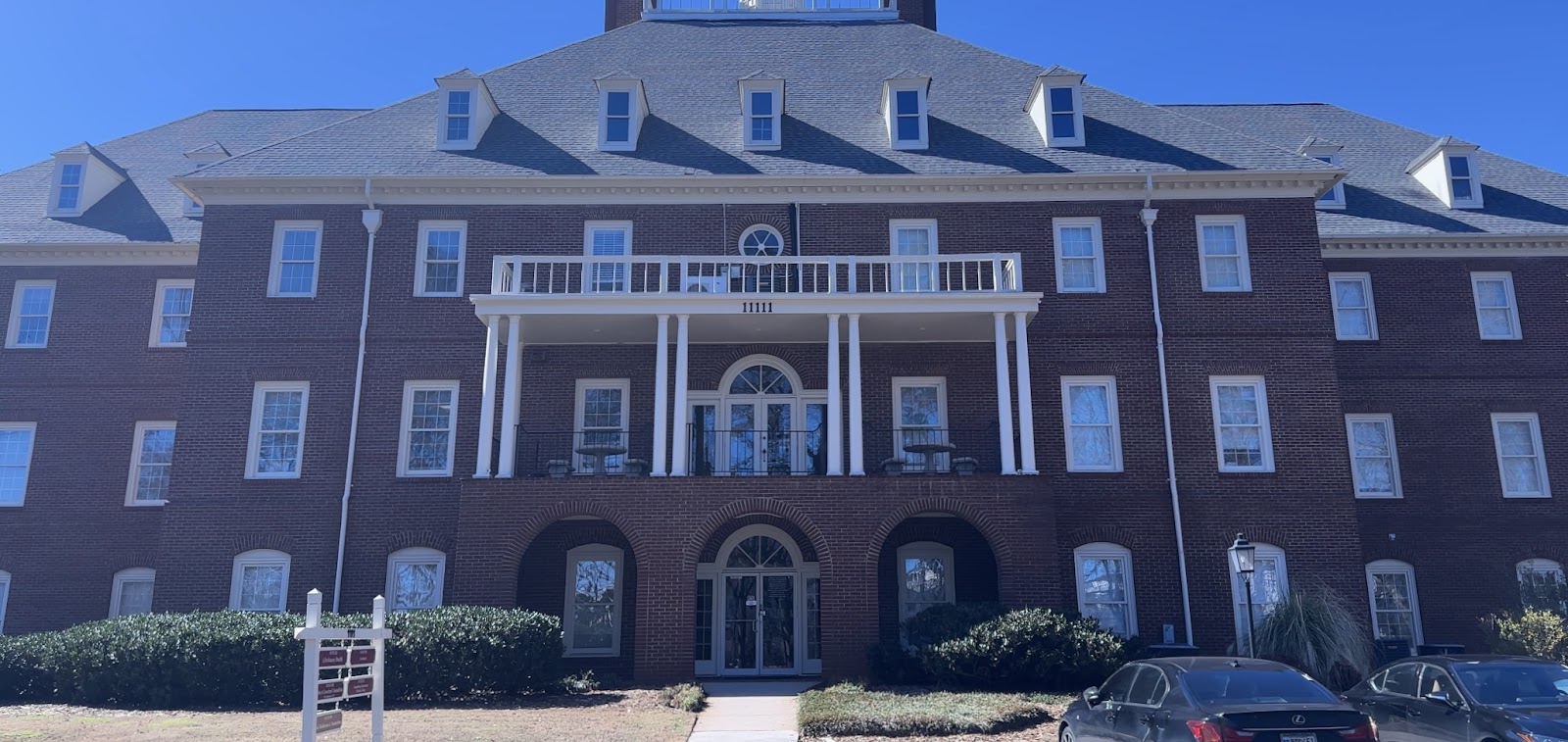

Accredited drug rehab centers available across Decatur.
Sliding-scale payments, financial aid, low-cost programs, and local nonprofits.
Medicare, Medicaid, TRICARE, plus local private health insurance coverage.
 Filter
| Name | Address | Description | Treatment | Insurance | Thumbnail |
|---|---|---|---|---|---|
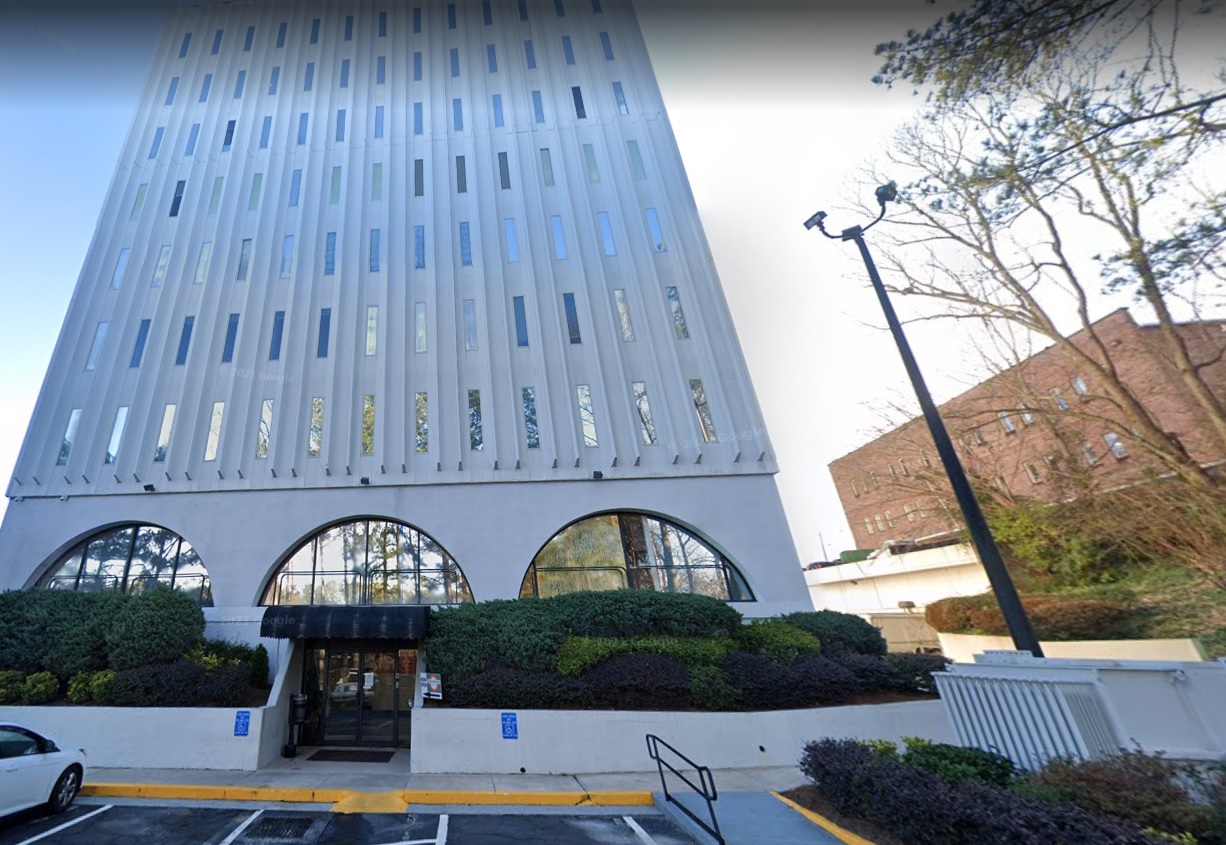
Joseph Maxwell Cleland Atlanta VA Medical Center | 1670 Clairmont Rd | The Joseph Maxwell Cleland Atlanta VA Medical Center is a comprehensive healthcare facility in Decatur, Georgia that's dedicated to serving Veterans in the Atlanta ... more details › | Treatment Programs Insurance Detox Alcohol and drug rehab in Georgia starts with detox. You’ll be under 24/7 supervision, while medical personnel provide care and medication to alleviate withdrawal symptoms. Over a period of about a week, all addictive substances will be cleansed from your body. PHP A form of outpatient drug rehab in Georgia known as a partial hospitalization program (PHP) allows you to participate in treatment activities during the day and return home at night. It's structured to meet your needs and often involves treatment methods similar to inpatient rehab. Outpatient For those with a moderate addiction, outpatient rehab in Georgia is often appropriate. This involves attending individual and group counseling sessions each week. Outpatient treatment may continue long-term if needed, until you are ready for the next stage of your recovery journey. Dual Diagnosis Both substance abuse and mental health disorders cause brain imbalances, so they often feed off each other. Treatment for dual diagnosis in Georgia provides access to addiction and mental health specialists, to effectively treat both conditions at once. Aftercare Georgia aftercare rehab helps you navigate sober living after treatment. As you re-enter life, you’ll have support to help you face challenges and avoid relapse. Most people need aftercare for several months, and it’s common to remain in aftercare for a year or more. Sober Living Sober living in Georgia provides a drug-free environment where you can learn to live a sober lifestyle. You’ll receive peer support while taking on responsibilities for household bills and chores and adhering to strict house rules. This structured setting can be helpful during your first few months after rehab treatment. Intervention Drug rehab in Georgia often starts with intervention services. Staff intervention specialists serve as a valuable point of contact for family members, helping with the planning and execution of interventions and following up with key resources and guidance on getting someone on the right path to recovery. +5 | Treatment Programs Insurance Financial Aid Recieivng financial aid can often make all the difference in being able to afford a drug rehab in Georgia. In most cases, you'll need to apply for financial aid opportunities and continue checking in with the providers for an update on your application status. Funds in the form of grants, rehab scholoarships, and treatment beds via non-profit organizations are all examples of financial aid. Tricare Administered by the Department of Defense, TRICARE offers comprehensive military health insurance plans for active and retired military members and their families. Similar to PPO programs offered by private insurance companies, TRICARE covers multiple levels of care for addiction treatment, including detox, inpatient rehab, and outpatient services. Private Private insurance coverage will help pay for a large portion of alcohol and drug reahb in Georgia. In many cases, insurance providers will even cover the entire cost of addicton treatment. Be sure to verify the details with your insurance provider. Payment If you don't have health insurance or your policy doesn't cover a bulk of the costs for alcohol and drug rehab in Georgia, self-pay options can help. Also known as private pay, these methods mean you are paying for treatment out-of-pocket via options like personal loans, medical loans, credit cards, fundraisers, and so on. +2 | |
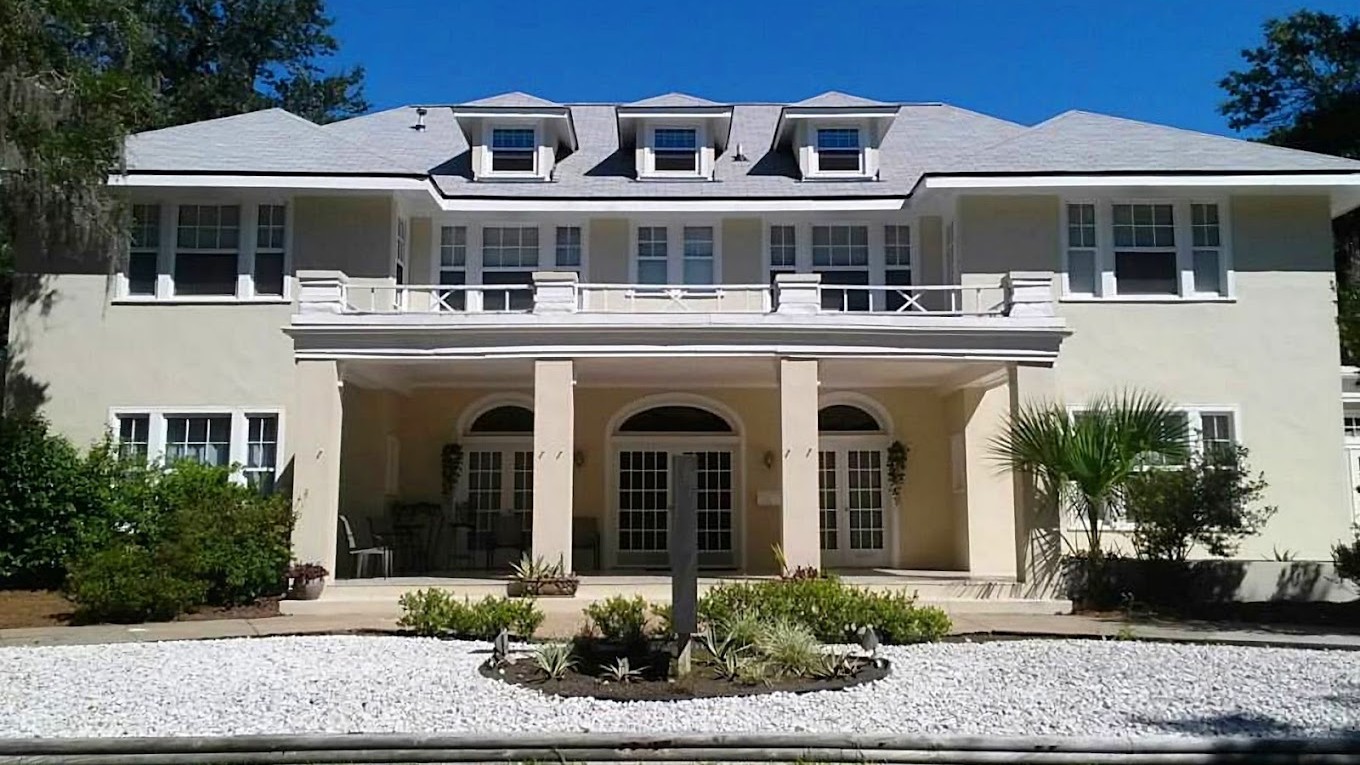
Alliance Recovery Center | 1116 E Ponce de Leon Ave | Alliance Recovery Center Decatur is a drug rehab servicing adults. Located in Decatur, Georgia Alliance Recovery Center specializes in outpatient programs and ... more details › | Treatment Programs Insurance Detox Alcohol and drug rehab in Georgia starts with detox. You’ll be under 24/7 supervision, while medical personnel provide care and medication to alleviate withdrawal symptoms. Over a period of about a week, all addictive substances will be cleansed from your body. Outpatient For those with a moderate addiction, outpatient rehab in Georgia is often appropriate. This involves attending individual and group counseling sessions each week. Outpatient treatment may continue long-term if needed, until you are ready for the next stage of your recovery journey. | Treatment Programs Insurance Private Private insurance coverage will help pay for a large portion of alcohol and drug reahb in Georgia. In many cases, insurance providers will even cover the entire cost of addicton treatment. Be sure to verify the details with your insurance provider. Payment If you don't have health insurance or your policy doesn't cover a bulk of the costs for alcohol and drug rehab in Georgia, self-pay options can help. Also known as private pay, these methods mean you are paying for treatment out-of-pocket via options like personal loans, medical loans, credit cards, fundraisers, and so on. | |
Georgia Regional Hospital | 3073 Panthersville Road | Georgia Regional Hospital of Atlanta is a mental health facility in Decatur, Georgia. This state-operated space provides comprehensive psychiatric care for ... more details › | Treatment Programs Insurance Inpatient Upon entering an inpatient rehab in Georgia, you will reside at the treatment center for the duration of your program. While there, you'll participate in individual, group, and family therapy sessions, and you may receive medication and additional holistic therapies. Dual Diagnosis Both substance abuse and mental health disorders cause brain imbalances, so they often feed off each other. Treatment for dual diagnosis in Georgia provides access to addiction and mental health specialists, to effectively treat both conditions at once. Aftercare Georgia aftercare rehab helps you navigate sober living after treatment. As you re-enter life, you’ll have support to help you face challenges and avoid relapse. Most people need aftercare for several months, and it’s common to remain in aftercare for a year or more. +1 | Treatment Programs Insurance Medicaid If you meet the qualifications and qualify for Medicaid insurance coverage, these plans usually cover most - if not all - costs associated with alcohol and drug rehab in Georgia. Medicare Though the qualifications for Medicare are very specific, those who are eligible for coverage can use their plans to significantly reduce the overall costs of alcohol and drug rehab in Georgia. Tricare Administered by the Department of Defense, TRICARE offers comprehensive military health insurance plans for active and retired military members and their families. Similar to PPO programs offered by private insurance companies, TRICARE covers multiple levels of care for addiction treatment, including detox, inpatient rehab, and outpatient services. Private Private insurance coverage will help pay for a large portion of alcohol and drug reahb in Georgia. In many cases, insurance providers will even cover the entire cost of addicton treatment. Be sure to verify the details with your insurance provider. Payment If you don't have health insurance or your policy doesn't cover a bulk of the costs for alcohol and drug rehab in Georgia, self-pay options can help. Also known as private pay, these methods mean you are paying for treatment out-of-pocket via options like personal loans, medical loans, credit cards, fundraisers, and so on. +3 | |
Recovery Consultants of Atlanta Community Health Medical Clinic | 4229 Snapfinger Woods Dr | Located in Decatur, Georgia, is the Recovery Consultants of Atlanta Recovery Community Health Medical Clinic. This is a community focused healthcare provider that ... more details › | Treatment Programs Insurance Outpatient For those with a moderate addiction, outpatient rehab in Georgia is often appropriate. This involves attending individual and group counseling sessions each week. Outpatient treatment may continue long-term if needed, until you are ready for the next stage of your recovery journey. Dual Diagnosis Both substance abuse and mental health disorders cause brain imbalances, so they often feed off each other. Treatment for dual diagnosis in Georgia provides access to addiction and mental health specialists, to effectively treat both conditions at once. Sober Living Sober living in Georgia provides a drug-free environment where you can learn to live a sober lifestyle. You’ll receive peer support while taking on responsibilities for household bills and chores and adhering to strict house rules. This structured setting can be helpful during your first few months after rehab treatment. +1 | Treatment Programs Insurance Medicaid If you meet the qualifications and qualify for Medicaid insurance coverage, these plans usually cover most - if not all - costs associated with alcohol and drug rehab in Georgia. Medicare Though the qualifications for Medicare are very specific, those who are eligible for coverage can use their plans to significantly reduce the overall costs of alcohol and drug rehab in Georgia. Financial Aid Sliding scale payment plans are generally offered by an alcohol or drug rehab in Georgia, providing you meet the program's qualifications. Repayment amounts and frequency of payments are based on your income and assets. Private Private insurance coverage will help pay for a large portion of alcohol and drug reahb in Georgia. In many cases, insurance providers will even cover the entire cost of addicton treatment. Be sure to verify the details with your insurance provider. +2 | |
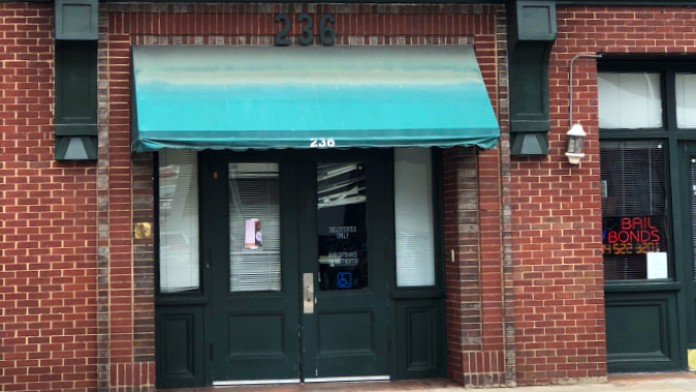
Positive Impact Health Centers | 523 Church St | The Decatur office of the Positive Impact Health Center offers addiction and recovery services in Decatur, Georgia. The organization is CARF-accredited and they are ... more details › | Treatment Programs Insurance Detox Alcohol and drug rehab in Georgia starts with detox. You’ll be under 24/7 supervision, while medical personnel provide care and medication to alleviate withdrawal symptoms. Over a period of about a week, all addictive substances will be cleansed from your body. Outpatient For those with a moderate addiction, outpatient rehab in Georgia is often appropriate. This involves attending individual and group counseling sessions each week. Outpatient treatment may continue long-term if needed, until you are ready for the next stage of your recovery journey. Dual Diagnosis Both substance abuse and mental health disorders cause brain imbalances, so they often feed off each other. Treatment for dual diagnosis in Georgia provides access to addiction and mental health specialists, to effectively treat both conditions at once. Sober Living Sober living in Georgia provides a drug-free environment where you can learn to live a sober lifestyle. You’ll receive peer support while taking on responsibilities for household bills and chores and adhering to strict house rules. This structured setting can be helpful during your first few months after rehab treatment. Intervention Drug rehab in Georgia often starts with intervention services. Staff intervention specialists serve as a valuable point of contact for family members, helping with the planning and execution of interventions and following up with key resources and guidance on getting someone on the right path to recovery. +3 | Treatment Programs Insurance Medicaid If you meet the qualifications and qualify for Medicaid insurance coverage, these plans usually cover most - if not all - costs associated with alcohol and drug rehab in Georgia. Financial Aid Recieivng financial aid can often make all the difference in being able to afford a drug rehab in Georgia. In most cases, you'll need to apply for financial aid opportunities and continue checking in with the providers for an update on your application status. Funds in the form of grants, rehab scholoarships, and treatment beds via non-profit organizations are all examples of financial aid. Private Private insurance coverage will help pay for a large portion of alcohol and drug reahb in Georgia. In many cases, insurance providers will even cover the entire cost of addicton treatment. Be sure to verify the details with your insurance provider. Payment If you don't have health insurance or your policy doesn't cover a bulk of the costs for alcohol and drug rehab in Georgia, self-pay options can help. Also known as private pay, these methods mean you are paying for treatment out-of-pocket via options like personal loans, medical loans, credit cards, fundraisers, and so on. +2 | |
Men And Women For Human Excellence Inc. | 1026 Holcombe Rd | Men and Women for Human Excellence (MWFHE) has two locations. One is in Philadelphia, Pennsylvania and the other is in Decatur, Georgia. In Decatur, MWFHE provides ... more details › | Treatment Programs Insurance Outpatient For those with a moderate addiction, outpatient rehab in Georgia is often appropriate. This involves attending individual and group counseling sessions each week. Outpatient treatment may continue long-term if needed, until you are ready for the next stage of your recovery journey. Dual Diagnosis Both substance abuse and mental health disorders cause brain imbalances, so they often feed off each other. Treatment for dual diagnosis in Georgia provides access to addiction and mental health specialists, to effectively treat both conditions at once. Aftercare Georgia aftercare rehab helps you navigate sober living after treatment. As you re-enter life, you’ll have support to help you face challenges and avoid relapse. Most people need aftercare for several months, and it’s common to remain in aftercare for a year or more. Sober Living Sober living in Georgia provides a drug-free environment where you can learn to live a sober lifestyle. You’ll receive peer support while taking on responsibilities for household bills and chores and adhering to strict house rules. This structured setting can be helpful during your first few months after rehab treatment. Intervention Drug rehab in Georgia often starts with intervention services. Staff intervention specialists serve as a valuable point of contact for family members, helping with the planning and execution of interventions and following up with key resources and guidance on getting someone on the right path to recovery. +3 | Treatment Programs Insurance Medicaid If you meet the qualifications and qualify for Medicaid insurance coverage, these plans usually cover most - if not all - costs associated with alcohol and drug rehab in Georgia. Medicare Though the qualifications for Medicare are very specific, those who are eligible for coverage can use their plans to significantly reduce the overall costs of alcohol and drug rehab in Georgia. Financial Aid Recieivng financial aid can often make all the difference in being able to afford a drug rehab in Georgia. In most cases, you'll need to apply for financial aid opportunities and continue checking in with the providers for an update on your application status. Funds in the form of grants, rehab scholoarships, and treatment beds via non-profit organizations are all examples of financial aid. Private Private insurance coverage will help pay for a large portion of alcohol and drug reahb in Georgia. In many cases, insurance providers will even cover the entire cost of addicton treatment. Be sure to verify the details with your insurance provider. Payment If you don't have health insurance or your policy doesn't cover a bulk of the costs for alcohol and drug rehab in Georgia, self-pay options can help. Also known as private pay, these methods mean you are paying for treatment out-of-pocket via options like personal loans, medical loans, credit cards, fundraisers, and so on. +3 | |
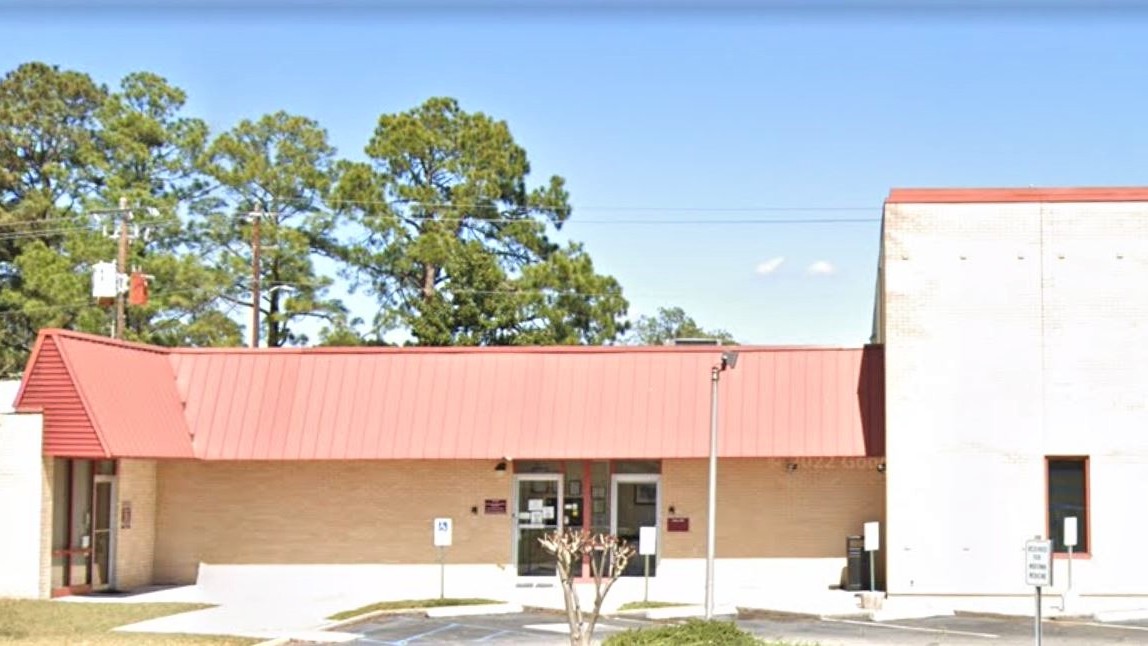
DeKalb County Mental Health | 455 Winn Way | Claratel DeKalb Addiction Clinic, also called DeKalb County Mental Health, is a substance use treatment program in Decatur, Georgia with the larger Claratel Behavioral ... more details › | Treatment Programs Insurance Outpatient For those with a moderate addiction, outpatient rehab in Georgia is often appropriate. This involves attending individual and group counseling sessions each week. Outpatient treatment may continue long-term if needed, until you are ready for the next stage of your recovery journey. | Treatment Programs Insurance Medicaid If you meet the qualifications and qualify for Medicaid insurance coverage, these plans usually cover most - if not all - costs associated with alcohol and drug rehab in Georgia. Medicare Though the qualifications for Medicare are very specific, those who are eligible for coverage can use their plans to significantly reduce the overall costs of alcohol and drug rehab in Georgia. Private Private insurance coverage will help pay for a large portion of alcohol and drug reahb in Georgia. In many cases, insurance providers will even cover the entire cost of addicton treatment. Be sure to verify the details with your insurance provider. Payment If you don't have health insurance or your policy doesn't cover a bulk of the costs for alcohol and drug rehab in Georgia, self-pay options can help. Also known as private pay, these methods mean you are paying for treatment out-of-pocket via options like personal loans, medical loans, credit cards, fundraisers, and so on. +2 | |
Newport Integrated Behavioral Healthcare, Inc. | 1810 Moseri Rd | Newport Integrated Behavioral Health in Decatur, Georgia, is a private psychiatric and behavioral health center that offers accessible addiction treatment services. ... more details › | Treatment Programs Insurance Detox Alcohol and drug rehab in Georgia starts with detox. You’ll be under 24/7 supervision, while medical personnel provide care and medication to alleviate withdrawal symptoms. Over a period of about a week, all addictive substances will be cleansed from your body. Inpatient Upon entering an inpatient rehab in Georgia, you will reside at the treatment center for the duration of your program. While there, you'll participate in individual, group, and family therapy sessions, and you may receive medication and additional holistic therapies. Outpatient For those with a moderate addiction, outpatient rehab in Georgia is often appropriate. This involves attending individual and group counseling sessions each week. Outpatient treatment may continue long-term if needed, until you are ready for the next stage of your recovery journey. Dual Diagnosis Both substance abuse and mental health disorders cause brain imbalances, so they often feed off each other. Treatment for dual diagnosis in Georgia provides access to addiction and mental health specialists, to effectively treat both conditions at once. Aftercare Georgia aftercare rehab helps you navigate sober living after treatment. As you re-enter life, you’ll have support to help you face challenges and avoid relapse. Most people need aftercare for several months, and it’s common to remain in aftercare for a year or more. Intervention Drug rehab in Georgia often starts with intervention services. Staff intervention specialists serve as a valuable point of contact for family members, helping with the planning and execution of interventions and following up with key resources and guidance on getting someone on the right path to recovery. +4 | Treatment Programs Insurance Medicaid If you meet the qualifications and qualify for Medicaid insurance coverage, these plans usually cover most - if not all - costs associated with alcohol and drug rehab in Georgia. Medicare Though the qualifications for Medicare are very specific, those who are eligible for coverage can use their plans to significantly reduce the overall costs of alcohol and drug rehab in Georgia. Financial Aid Recieivng financial aid can often make all the difference in being able to afford a drug rehab in Georgia. In most cases, you'll need to apply for financial aid opportunities and continue checking in with the providers for an update on your application status. Funds in the form of grants, rehab scholoarships, and treatment beds via non-profit organizations are all examples of financial aid. Tricare Administered by the Department of Defense, TRICARE offers comprehensive military health insurance plans for active and retired military members and their families. Similar to PPO programs offered by private insurance companies, TRICARE covers multiple levels of care for addiction treatment, including detox, inpatient rehab, and outpatient services. Private Private insurance coverage will help pay for a large portion of alcohol and drug reahb in Georgia. In many cases, insurance providers will even cover the entire cost of addicton treatment. Be sure to verify the details with your insurance provider. Payment If you don't have health insurance or your policy doesn't cover a bulk of the costs for alcohol and drug rehab in Georgia, self-pay options can help. Also known as private pay, these methods mean you are paying for treatment out-of-pocket via options like personal loans, medical loans, credit cards, fundraisers, and so on. +4 | |
Renaissance Counseling | 125 Clairemont Ave | Renaissance Counseling provides substance use and mental health services for a wide range of clients in Decatur, Georgia. The program supports teens, adults and ... more details › | Treatment Programs Insurance Outpatient For those with a moderate addiction, outpatient rehab in Georgia is often appropriate. This involves attending individual and group counseling sessions each week. Outpatient treatment may continue long-term if needed, until you are ready for the next stage of your recovery journey. Dual Diagnosis Both substance abuse and mental health disorders cause brain imbalances, so they often feed off each other. Treatment for dual diagnosis in Georgia provides access to addiction and mental health specialists, to effectively treat both conditions at once. | Treatment Programs Insurance Medicaid If you meet the qualifications and qualify for Medicaid insurance coverage, these plans usually cover most - if not all - costs associated with alcohol and drug rehab in Georgia. | |
The Children and Teenagers Foundation, Inc. | 4151 Memorial Dr | When your child is hurting, whether it’s emotional struggles, trauma or substance use, it can feel like there’s nowhere to turn .The Children and Teenagers ... more details › | Treatment Programs Insurance Outpatient For those with a moderate addiction, outpatient rehab in Georgia is often appropriate. This involves attending individual and group counseling sessions each week. Outpatient treatment may continue long-term if needed, until you are ready for the next stage of your recovery journey. Dual Diagnosis Both substance abuse and mental health disorders cause brain imbalances, so they often feed off each other. Treatment for dual diagnosis in Georgia provides access to addiction and mental health specialists, to effectively treat both conditions at once. | Treatment Programs Insurance Medicaid If you meet the qualifications and qualify for Medicaid insurance coverage, these plans usually cover most - if not all - costs associated with alcohol and drug rehab in Georgia. Financial Aid Sliding scale payment plans are generally offered by an alcohol or drug rehab in Georgia, providing you meet the program's qualifications. Repayment amounts and frequency of payments are based on your income and assets. Private Private insurance coverage will help pay for a large portion of alcohol and drug reahb in Georgia. In many cases, insurance providers will even cover the entire cost of addicton treatment. Be sure to verify the details with your insurance provider. Payment If you don't have health insurance or your policy doesn't cover a bulk of the costs for alcohol and drug rehab in Georgia, self-pay options can help. Also known as private pay, these methods mean you are paying for treatment out-of-pocket via options like personal loans, medical loans, credit cards, fundraisers, and so on. +2 | |
Breakthru House, Inc | 1866 Eastfield St | Breakthru House is a nonprofit residential drug treatment facility for women. Their facility is situated in southern DeKalb County in Decatur, Georgia. The campus ... more details › | Treatment Programs Insurance Inpatient Upon entering an inpatient rehab in Georgia, you will reside at the treatment center for the duration of your program. While there, you'll participate in individual, group, and family therapy sessions, and you may receive medication and additional holistic therapies. Dual Diagnosis Both substance abuse and mental health disorders cause brain imbalances, so they often feed off each other. Treatment for dual diagnosis in Georgia provides access to addiction and mental health specialists, to effectively treat both conditions at once. Aftercare Georgia aftercare rehab helps you navigate sober living after treatment. As you re-enter life, you’ll have support to help you face challenges and avoid relapse. Most people need aftercare for several months, and it’s common to remain in aftercare for a year or more. Sober Living Sober living in Georgia provides a drug-free environment where you can learn to live a sober lifestyle. You’ll receive peer support while taking on responsibilities for household bills and chores and adhering to strict house rules. This structured setting can be helpful during your first few months after rehab treatment. +2 | Treatment Programs Insurance Financial Aid For those who are underinsured or uninsured, paying the total cost of a rehab program up front is not feasible. Fortunately, many alcohol and drug rehabs make financing available to potential clients through private loans, in-house payment plans, or partner lenders. You can choose a finance package that lets you start treatment immediately and pay for it later. Payment If you don't have health insurance or your policy doesn't cover a bulk of the costs for alcohol and drug rehab in Georgia, self-pay options can help. Also known as private pay, these methods mean you are paying for treatment out-of-pocket via options like personal loans, medical loans, credit cards, fundraisers, and so on. | |
CaringWorks, Inc. | 2785 Lawrenceville Hwy | Caring Works Hope House, located in Decatur, Georgia, is a helpful resource for substance use addiction. Their mission is to reduce homelessness and empower you by ... more details › | Treatment Programs Insurance Inpatient Upon entering an inpatient rehab in Georgia, you will reside at the treatment center for the duration of your program. While there, you'll participate in individual, group, and family therapy sessions, and you may receive medication and additional holistic therapies. Dual Diagnosis Both substance abuse and mental health disorders cause brain imbalances, so they often feed off each other. Treatment for dual diagnosis in Georgia provides access to addiction and mental health specialists, to effectively treat both conditions at once. Sober Living Sober living in Georgia provides a drug-free environment where you can learn to live a sober lifestyle. You’ll receive peer support while taking on responsibilities for household bills and chores and adhering to strict house rules. This structured setting can be helpful during your first few months after rehab treatment. +1 | Treatment Programs Insurance Free Most states offer free alcohol and drug rehabs through public mental health and addiction treatment centers. These centers often provide detox, intensive outpatient programs (IOPs), residential treatment, partial hospitalization programs (PHPs), and support groups. You must meet certain requirements in order to qualify for free alcohol and drug rehabs, such as lack of income and insurance. | |
Winn Way Mental Health Center | 445 Winn Way | Claratel Winn Way Mental Health Center is located in Decatur, Georgia. This is a medical facility that provides comprehensive care to adults and adolescents. They ... more details › | Treatment Programs Insurance Detox Alcohol and drug rehab in Georgia starts with detox. You’ll be under 24/7 supervision, while medical personnel provide care and medication to alleviate withdrawal symptoms. Over a period of about a week, all addictive substances will be cleansed from your body. Inpatient Upon entering an inpatient rehab in Georgia, you will reside at the treatment center for the duration of your program. While there, you'll participate in individual, group, and family therapy sessions, and you may receive medication and additional holistic therapies. Outpatient For those with a moderate addiction, outpatient rehab in Georgia is often appropriate. This involves attending individual and group counseling sessions each week. Outpatient treatment may continue long-term if needed, until you are ready for the next stage of your recovery journey. Dual Diagnosis Both substance abuse and mental health disorders cause brain imbalances, so they often feed off each other. Treatment for dual diagnosis in Georgia provides access to addiction and mental health specialists, to effectively treat both conditions at once. Sober Living Sober living in Georgia provides a drug-free environment where you can learn to live a sober lifestyle. You’ll receive peer support while taking on responsibilities for household bills and chores and adhering to strict house rules. This structured setting can be helpful during your first few months after rehab treatment. Intervention Drug rehab in Georgia often starts with intervention services. Staff intervention specialists serve as a valuable point of contact for family members, helping with the planning and execution of interventions and following up with key resources and guidance on getting someone on the right path to recovery. +4 | Treatment Programs Insurance Medicaid If you meet the qualifications and qualify for Medicaid insurance coverage, these plans usually cover most - if not all - costs associated with alcohol and drug rehab in Georgia. Medicare Though the qualifications for Medicare are very specific, those who are eligible for coverage can use their plans to significantly reduce the overall costs of alcohol and drug rehab in Georgia. Financial Aid For those who are underinsured or uninsured, paying the total cost of a rehab program up front is not feasible. Fortunately, many alcohol and drug rehabs make financing available to potential clients through private loans, in-house payment plans, or partner lenders. You can choose a finance package that lets you start treatment immediately and pay for it later. Private Private insurance coverage will help pay for a large portion of alcohol and drug reahb in Georgia. In many cases, insurance providers will even cover the entire cost of addicton treatment. Be sure to verify the details with your insurance provider. Payment If you don't have health insurance or your policy doesn't cover a bulk of the costs for alcohol and drug rehab in Georgia, self-pay options can help. Also known as private pay, these methods mean you are paying for treatment out-of-pocket via options like personal loans, medical loans, credit cards, fundraisers, and so on. +3 | |
Georgia health partners | 5280 Snapfinger Park Dr | Georgia Health Partners offers mental health services using a qualified team of mental health professionals. They have experience with substance use disorders and ... more details › | Treatment Programs Insurance Outpatient For those with a moderate addiction, outpatient rehab in Georgia is often appropriate. This involves attending individual and group counseling sessions each week. Outpatient treatment may continue long-term if needed, until you are ready for the next stage of your recovery journey. Dual Diagnosis Both substance abuse and mental health disorders cause brain imbalances, so they often feed off each other. Treatment for dual diagnosis in Georgia provides access to addiction and mental health specialists, to effectively treat both conditions at once. Intervention Drug rehab in Georgia often starts with intervention services. Staff intervention specialists serve as a valuable point of contact for family members, helping with the planning and execution of interventions and following up with key resources and guidance on getting someone on the right path to recovery. +1 | Treatment Programs Insurance Medicaid If you meet the qualifications and qualify for Medicaid insurance coverage, these plans usually cover most - if not all - costs associated with alcohol and drug rehab in Georgia. Financial Aid Recieivng financial aid can often make all the difference in being able to afford a drug rehab in Georgia. In most cases, you'll need to apply for financial aid opportunities and continue checking in with the providers for an update on your application status. Funds in the form of grants, rehab scholoarships, and treatment beds via non-profit organizations are all examples of financial aid. Payment If you don't have health insurance or your policy doesn't cover a bulk of the costs for alcohol and drug rehab in Georgia, self-pay options can help. Also known as private pay, these methods mean you are paying for treatment out-of-pocket via options like personal loans, medical loans, credit cards, fundraisers, and so on. +1 | |
Claratel Behavioral Health (formerly DeKalb CSB) | 3110 Clifton Springs Rd | Located in Decatur, Georgia, Claratel Clifton Springs treats substance abuse and mental health conditions. The goal is to assist you with lifelong sobriety through ... more details › | Treatment Programs Insurance Inpatient Upon entering an inpatient rehab in Georgia, you will reside at the treatment center for the duration of your program. While there, you'll participate in individual, group, and family therapy sessions, and you may receive medication and additional holistic therapies. Outpatient For those with a moderate addiction, outpatient rehab in Georgia is often appropriate. This involves attending individual and group counseling sessions each week. Outpatient treatment may continue long-term if needed, until you are ready for the next stage of your recovery journey. Dual Diagnosis Both substance abuse and mental health disorders cause brain imbalances, so they often feed off each other. Treatment for dual diagnosis in Georgia provides access to addiction and mental health specialists, to effectively treat both conditions at once. Intervention Drug rehab in Georgia often starts with intervention services. Staff intervention specialists serve as a valuable point of contact for family members, helping with the planning and execution of interventions and following up with key resources and guidance on getting someone on the right path to recovery. +2 | Treatment Programs Insurance Medicaid If you meet the qualifications and qualify for Medicaid insurance coverage, these plans usually cover most - if not all - costs associated with alcohol and drug rehab in Georgia. Medicare Though the qualifications for Medicare are very specific, those who are eligible for coverage can use their plans to significantly reduce the overall costs of alcohol and drug rehab in Georgia. Financial Aid Recieivng financial aid can often make all the difference in being able to afford a drug rehab in Georgia. In most cases, you'll need to apply for financial aid opportunities and continue checking in with the providers for an update on your application status. Funds in the form of grants, rehab scholoarships, and treatment beds via non-profit organizations are all examples of financial aid. Private Private insurance coverage will help pay for a large portion of alcohol and drug reahb in Georgia. In many cases, insurance providers will even cover the entire cost of addicton treatment. Be sure to verify the details with your insurance provider. Payment If you don't have health insurance or your policy doesn't cover a bulk of the costs for alcohol and drug rehab in Georgia, self-pay options can help. Also known as private pay, these methods mean you are paying for treatment out-of-pocket via options like personal loans, medical loans, credit cards, fundraisers, and so on. +3 |
 800-783-0593
 Sponsored
