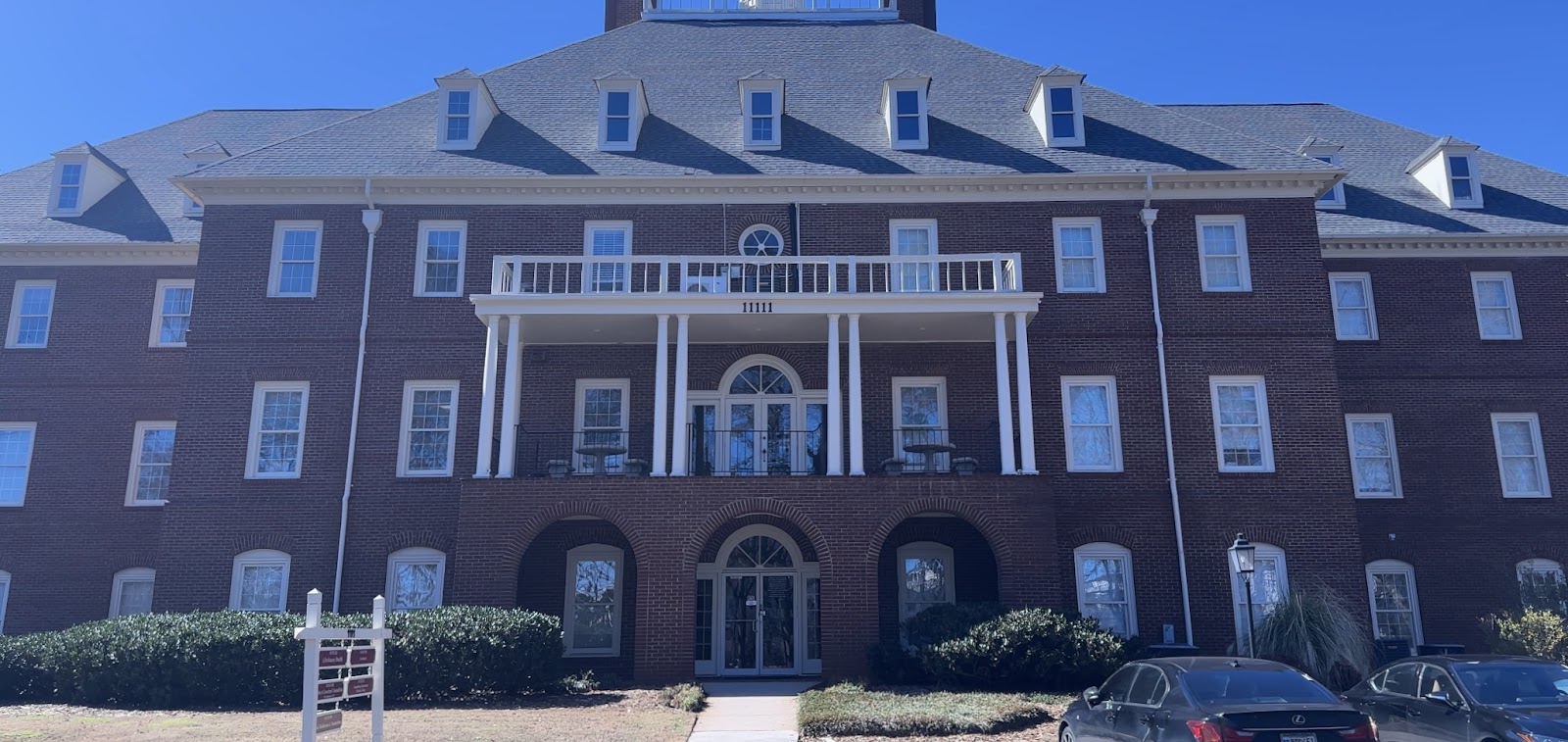

Accredited drug rehab centers available across Dalton.
Sliding-scale payments, financial aid, low-cost programs, and local nonprofits.
Medicare, Medicaid, TRICARE, plus local private health insurance coverage.
 Filter
| Name | Address | Description | Treatment | Insurance | Thumbnail |
|---|---|---|---|---|---|
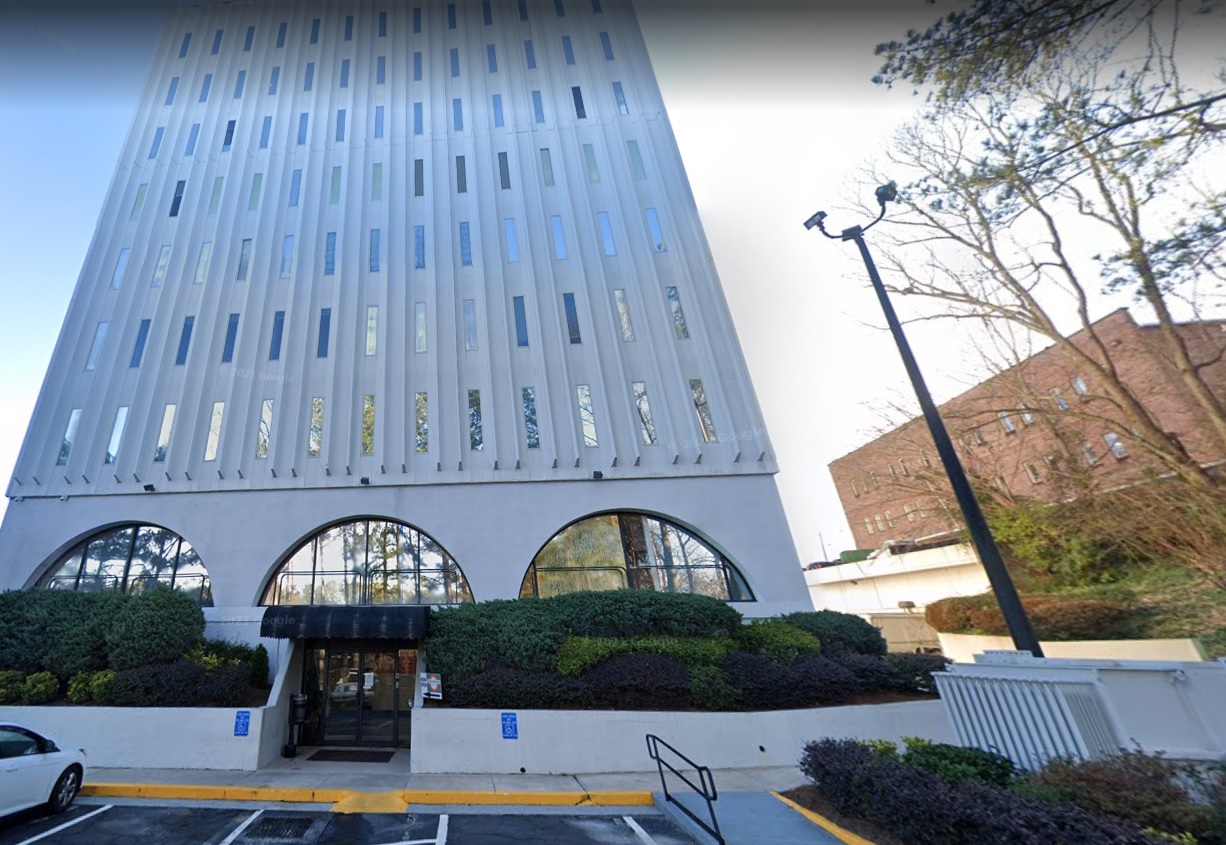
Georgia HOPE | 1414 Dug Gap Road | Georgia HOPE Dalton is located in Dalton, Georgia. They provide a range of services to adults, adolescents, and their families. If you’re struggling with a ... more details › | Treatment Programs Insurance Outpatient For those with a moderate addiction, outpatient rehab in Georgia is often appropriate. This involves attending individual and group counseling sessions each week. Outpatient treatment may continue long-term if needed, until you are ready for the next stage of your recovery journey. Dual Diagnosis Both substance abuse and mental health disorders cause brain imbalances, so they often feed off each other. Treatment for dual diagnosis in Georgia provides access to addiction and mental health specialists, to effectively treat both conditions at once. Aftercare Georgia aftercare rehab helps you navigate sober living after treatment. As you re-enter life, you’ll have support to help you face challenges and avoid relapse. Most people need aftercare for several months, and it’s common to remain in aftercare for a year or more. Intervention Drug rehab in Georgia often starts with intervention services. Staff intervention specialists serve as a valuable point of contact for family members, helping with the planning and execution of interventions and following up with key resources and guidance on getting someone on the right path to recovery. +2 | Treatment Programs Insurance Medicaid If you meet the qualifications and qualify for Medicaid insurance coverage, these plans usually cover most - if not all - costs associated with alcohol and drug rehab in Georgia. Medicare Though the qualifications for Medicare are very specific, those who are eligible for coverage can use their plans to significantly reduce the overall costs of alcohol and drug rehab in Georgia. Financial Aid Recieivng financial aid can often make all the difference in being able to afford a drug rehab in Georgia. In most cases, you'll need to apply for financial aid opportunities and continue checking in with the providers for an update on your application status. Funds in the form of grants, rehab scholoarships, and treatment beds via non-profit organizations are all examples of financial aid. Private Private insurance coverage will help pay for a large portion of alcohol and drug reahb in Georgia. In many cases, insurance providers will even cover the entire cost of addicton treatment. Be sure to verify the details with your insurance provider. Payment If you don't have health insurance or your policy doesn't cover a bulk of the costs for alcohol and drug rehab in Georgia, self-pay options can help. Also known as private pay, these methods mean you are paying for treatment out-of-pocket via options like personal loans, medical loans, credit cards, fundraisers, and so on. +3 | |
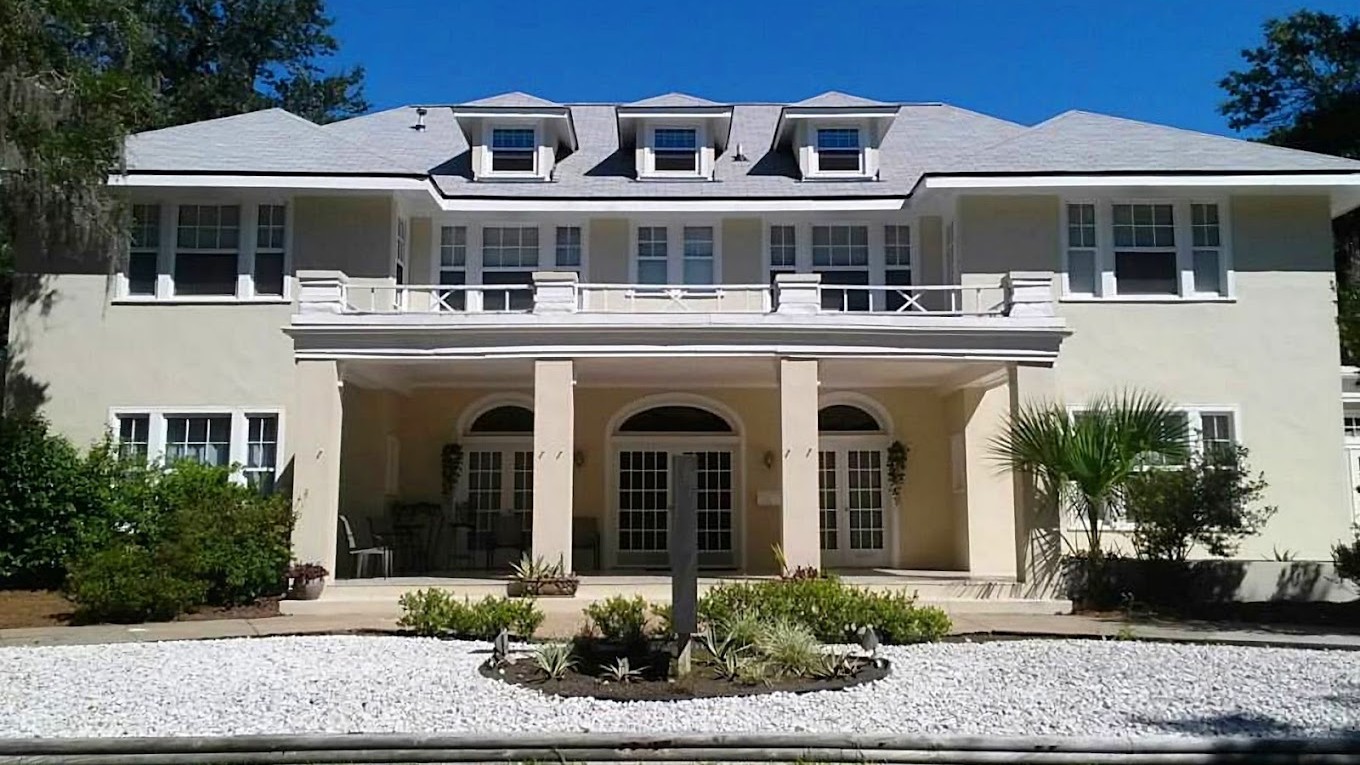
Providence Recovery Place | 711 South Hamilton Street | Province Recovery Place by Providence Ministries provides adults with affordable addiction recovery in Dalton, Georgia. This center features shelter for up to a total ... more details › | Treatment Programs Insurance Inpatient Upon entering an inpatient rehab in Georgia, you will reside at the treatment center for the duration of your program. While there, you'll participate in individual, group, and family therapy sessions, and you may receive medication and additional holistic therapies. Outpatient For those with a moderate addiction, outpatient rehab in Georgia is often appropriate. This involves attending individual and group counseling sessions each week. Outpatient treatment may continue long-term if needed, until you are ready for the next stage of your recovery journey. Dual Diagnosis Both substance abuse and mental health disorders cause brain imbalances, so they often feed off each other. Treatment for dual diagnosis in Georgia provides access to addiction and mental health specialists, to effectively treat both conditions at once. Aftercare Georgia aftercare rehab helps you navigate sober living after treatment. As you re-enter life, you’ll have support to help you face challenges and avoid relapse. Most people need aftercare for several months, and it’s common to remain in aftercare for a year or more. Sober Living Sober living in Georgia provides a drug-free environment where you can learn to live a sober lifestyle. You’ll receive peer support while taking on responsibilities for household bills and chores and adhering to strict house rules. This structured setting can be helpful during your first few months after rehab treatment. Intervention Drug rehab in Georgia often starts with intervention services. Staff intervention specialists serve as a valuable point of contact for family members, helping with the planning and execution of interventions and following up with key resources and guidance on getting someone on the right path to recovery. +4 | Treatment Programs Insurance Financial Aid For those who are underinsured or uninsured, paying the total cost of a rehab program up front is not feasible. Fortunately, many alcohol and drug rehabs make financing available to potential clients through private loans, in-house payment plans, or partner lenders. You can choose a finance package that lets you start treatment immediately and pay for it later. Payment If you don't have health insurance or your policy doesn't cover a bulk of the costs for alcohol and drug rehab in Georgia, self-pay options can help. Also known as private pay, these methods mean you are paying for treatment out-of-pocket via options like personal loans, medical loans, credit cards, fundraisers, and so on. | |
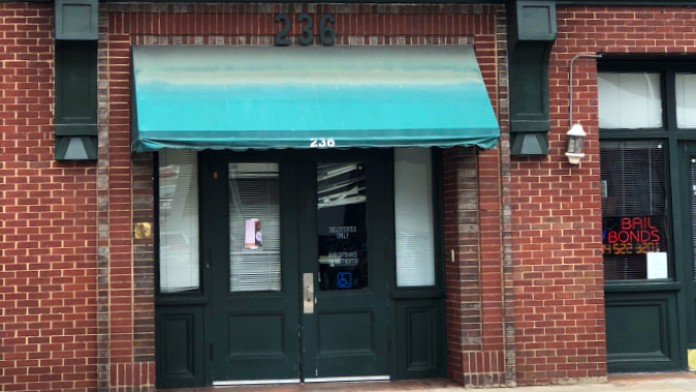
Hamilton Physician Group – Behavioral Health | 1109 Burleyson Rd | Hamilton Medical Center Westcott Behavioral Health is an outpatient clinic in Dalton, Georgia. As part of the Vitruvian Health and Hamilton Health Care System the ... more details › | Treatment Programs Insurance Inpatient Upon entering an inpatient rehab in Georgia, you will reside at the treatment center for the duration of your program. While there, you'll participate in individual, group, and family therapy sessions, and you may receive medication and additional holistic therapies. Outpatient For those with a moderate addiction, outpatient rehab in Georgia is often appropriate. This involves attending individual and group counseling sessions each week. Outpatient treatment may continue long-term if needed, until you are ready for the next stage of your recovery journey. Dual Diagnosis Both substance abuse and mental health disorders cause brain imbalances, so they often feed off each other. Treatment for dual diagnosis in Georgia provides access to addiction and mental health specialists, to effectively treat both conditions at once. +1 | Treatment Programs Insurance Medicaid If you meet the qualifications and qualify for Medicaid insurance coverage, these plans usually cover most - if not all - costs associated with alcohol and drug rehab in Georgia. Medicare Though the qualifications for Medicare are very specific, those who are eligible for coverage can use their plans to significantly reduce the overall costs of alcohol and drug rehab in Georgia. Financial Aid Recieivng financial aid can often make all the difference in being able to afford a drug rehab in Georgia. In most cases, you'll need to apply for financial aid opportunities and continue checking in with the providers for an update on your application status. Funds in the form of grants, rehab scholoarships, and treatment beds via non-profit organizations are all examples of financial aid. Tricare Administered by the Department of Defense, TRICARE offers comprehensive military health insurance plans for active and retired military members and their families. Similar to PPO programs offered by private insurance companies, TRICARE covers multiple levels of care for addiction treatment, including detox, inpatient rehab, and outpatient services. Private Private insurance coverage will help pay for a large portion of alcohol and drug reahb in Georgia. In many cases, insurance providers will even cover the entire cost of addicton treatment. Be sure to verify the details with your insurance provider. Payment If you don't have health insurance or your policy doesn't cover a bulk of the costs for alcohol and drug rehab in Georgia, self-pay options can help. Also known as private pay, these methods mean you are paying for treatment out-of-pocket via options like personal loans, medical loans, credit cards, fundraisers, and so on. +4 | |
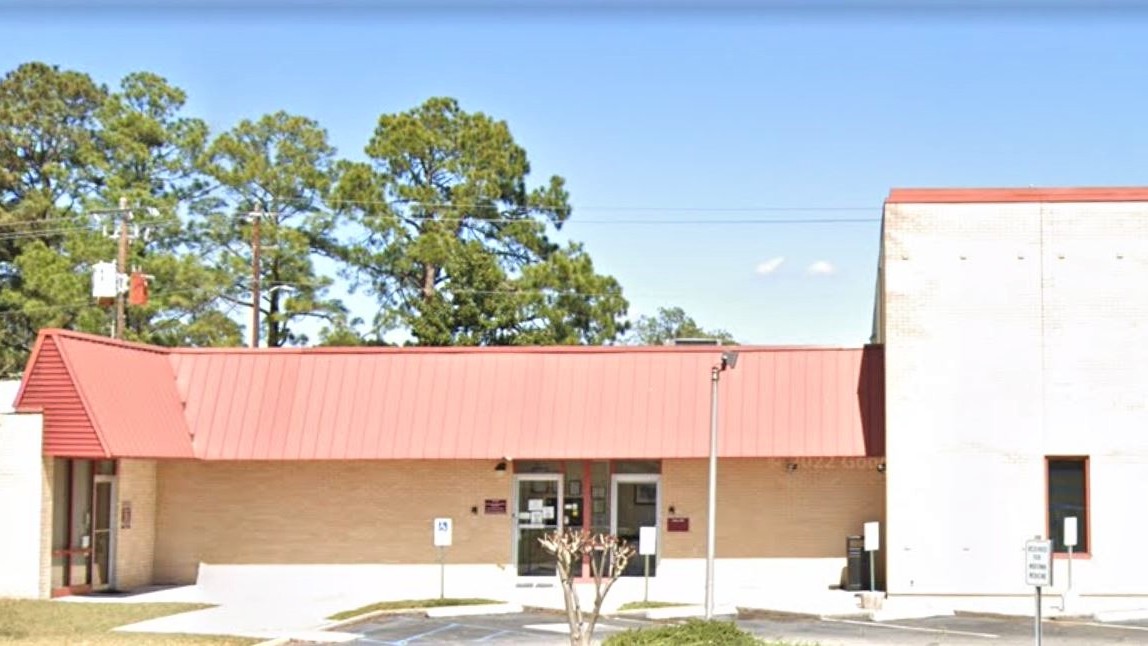
Carter Hope Center | 506 East Hawthorne Street | Since they started way back as an AA meeting house in 1998, Carter Hope has been a nonprofit. You’ll find ‘em in a serene setting out Dalton, Georgia. They've ... more details › | Treatment Programs Insurance Inpatient Upon entering an inpatient rehab in Georgia, you will reside at the treatment center for the duration of your program. While there, you'll participate in individual, group, and family therapy sessions, and you may receive medication and additional holistic therapies. Outpatient For those with a moderate addiction, outpatient rehab in Georgia is often appropriate. This involves attending individual and group counseling sessions each week. Outpatient treatment may continue long-term if needed, until you are ready for the next stage of your recovery journey. Aftercare Georgia aftercare rehab helps you navigate sober living after treatment. As you re-enter life, you’ll have support to help you face challenges and avoid relapse. Most people need aftercare for several months, and it’s common to remain in aftercare for a year or more. Sober Living Sober living in Georgia provides a drug-free environment where you can learn to live a sober lifestyle. You’ll receive peer support while taking on responsibilities for household bills and chores and adhering to strict house rules. This structured setting can be helpful during your first few months after rehab treatment. Intervention Drug rehab in Georgia often starts with intervention services. Staff intervention specialists serve as a valuable point of contact for family members, helping with the planning and execution of interventions and following up with key resources and guidance on getting someone on the right path to recovery. +3 | Treatment Programs Insurance Financial Aid Rather than pay for an entire treatment program at once, you can pay for substance abuse counseling per session. Rates for therapy sessions vary by treatment provider and generally range from $130-$200. Typical forms of payment accepted include insurance, credit, debit, and cash. Payment If you don't have health insurance or your policy doesn't cover a bulk of the costs for alcohol and drug rehab in Georgia, self-pay options can help. Also known as private pay, these methods mean you are paying for treatment out-of-pocket via options like personal loans, medical loans, credit cards, fundraisers, and so on. | |
Highland Rivers Health | 900 Shugart Road | The Whitfield Recovery and Wellness Center offers a continuum of dual diagnosis care for adults and minors with mental health and substance use disorders. They accept ... more details › | Treatment Programs Insurance Detox Alcohol and drug rehab in Georgia starts with detox. You’ll be under 24/7 supervision, while medical personnel provide care and medication to alleviate withdrawal symptoms. Over a period of about a week, all addictive substances will be cleansed from your body. Inpatient Upon entering an inpatient rehab in Georgia, you will reside at the treatment center for the duration of your program. While there, you'll participate in individual, group, and family therapy sessions, and you may receive medication and additional holistic therapies. Outpatient For those with a moderate addiction, outpatient rehab in Georgia is often appropriate. This involves attending individual and group counseling sessions each week. Outpatient treatment may continue long-term if needed, until you are ready for the next stage of your recovery journey. Dual Diagnosis Both substance abuse and mental health disorders cause brain imbalances, so they often feed off each other. Treatment for dual diagnosis in Georgia provides access to addiction and mental health specialists, to effectively treat both conditions at once. +2 | Treatment Programs Insurance Medicaid If you meet the qualifications and qualify for Medicaid insurance coverage, these plans usually cover most - if not all - costs associated with alcohol and drug rehab in Georgia. Medicare Though the qualifications for Medicare are very specific, those who are eligible for coverage can use their plans to significantly reduce the overall costs of alcohol and drug rehab in Georgia. Financial Aid Sliding scale payment plans are generally offered by an alcohol or drug rehab in Georgia, providing you meet the program's qualifications. Repayment amounts and frequency of payments are based on your income and assets. Tricare Administered by the Department of Defense, TRICARE offers comprehensive military health insurance plans for active and retired military members and their families. Similar to PPO programs offered by private insurance companies, TRICARE covers multiple levels of care for addiction treatment, including detox, inpatient rehab, and outpatient services. Private Private insurance coverage will help pay for a large portion of alcohol and drug reahb in Georgia. In many cases, insurance providers will even cover the entire cost of addicton treatment. Be sure to verify the details with your insurance provider. Payment If you don't have health insurance or your policy doesn't cover a bulk of the costs for alcohol and drug rehab in Georgia, self-pay options can help. Also known as private pay, these methods mean you are paying for treatment out-of-pocket via options like personal loans, medical loans, credit cards, fundraisers, and so on. +4 | |
Georgia HOPE | 1414 Dug Gap Road | Georgia HOPE Dalton is located in Dalton, Georgia. They provide a range of services to adults, adolescents, and their families. If you’re struggling with a ... more details › | Treatment Programs Insurance Outpatient For those with a moderate addiction, outpatient rehab in Georgia is often appropriate. This involves attending individual and group counseling sessions each week. Outpatient treatment may continue long-term if needed, until you are ready for the next stage of your recovery journey. Dual Diagnosis Both substance abuse and mental health disorders cause brain imbalances, so they often feed off each other. Treatment for dual diagnosis in Georgia provides access to addiction and mental health specialists, to effectively treat both conditions at once. Aftercare Georgia aftercare rehab helps you navigate sober living after treatment. As you re-enter life, you’ll have support to help you face challenges and avoid relapse. Most people need aftercare for several months, and it’s common to remain in aftercare for a year or more. Intervention Drug rehab in Georgia often starts with intervention services. Staff intervention specialists serve as a valuable point of contact for family members, helping with the planning and execution of interventions and following up with key resources and guidance on getting someone on the right path to recovery. +2 | Treatment Programs Insurance Medicaid If you meet the qualifications and qualify for Medicaid insurance coverage, these plans usually cover most - if not all - costs associated with alcohol and drug rehab in Georgia. Medicare Though the qualifications for Medicare are very specific, those who are eligible for coverage can use their plans to significantly reduce the overall costs of alcohol and drug rehab in Georgia. Financial Aid Recieivng financial aid can often make all the difference in being able to afford a drug rehab in Georgia. In most cases, you'll need to apply for financial aid opportunities and continue checking in with the providers for an update on your application status. Funds in the form of grants, rehab scholoarships, and treatment beds via non-profit organizations are all examples of financial aid. Private Private insurance coverage will help pay for a large portion of alcohol and drug reahb in Georgia. In many cases, insurance providers will even cover the entire cost of addicton treatment. Be sure to verify the details with your insurance provider. Payment If you don't have health insurance or your policy doesn't cover a bulk of the costs for alcohol and drug rehab in Georgia, self-pay options can help. Also known as private pay, these methods mean you are paying for treatment out-of-pocket via options like personal loans, medical loans, credit cards, fundraisers, and so on. +3 | |
Crossroads Treatment Center of Ringgold, GA | 4083 Cloud Springs Rd | Crossroads Treatment Center of Ringgold, Georgia is an accredited addiction recovery center specializing in medication assisted treatment. Care is available to adults ... more details › | Treatment Programs Insurance Detox Alcohol and drug rehab in Georgia starts with detox. You’ll be under 24/7 supervision, while medical personnel provide care and medication to alleviate withdrawal symptoms. Over a period of about a week, all addictive substances will be cleansed from your body. Inpatient Upon entering an inpatient rehab in Georgia, you will reside at the treatment center for the duration of your program. While there, you'll participate in individual, group, and family therapy sessions, and you may receive medication and additional holistic therapies. Outpatient For those with a moderate addiction, outpatient rehab in Georgia is often appropriate. This involves attending individual and group counseling sessions each week. Outpatient treatment may continue long-term if needed, until you are ready for the next stage of your recovery journey. Dual Diagnosis Both substance abuse and mental health disorders cause brain imbalances, so they often feed off each other. Treatment for dual diagnosis in Georgia provides access to addiction and mental health specialists, to effectively treat both conditions at once. Aftercare Georgia aftercare rehab helps you navigate sober living after treatment. As you re-enter life, you’ll have support to help you face challenges and avoid relapse. Most people need aftercare for several months, and it’s common to remain in aftercare for a year or more. Intervention Drug rehab in Georgia often starts with intervention services. Staff intervention specialists serve as a valuable point of contact for family members, helping with the planning and execution of interventions and following up with key resources and guidance on getting someone on the right path to recovery. +4 | Treatment Programs Insurance Medicaid If you meet the qualifications and qualify for Medicaid insurance coverage, these plans usually cover most - if not all - costs associated with alcohol and drug rehab in Georgia. Medicare Though the qualifications for Medicare are very specific, those who are eligible for coverage can use their plans to significantly reduce the overall costs of alcohol and drug rehab in Georgia. Tricare Administered by the Department of Defense, TRICARE offers comprehensive military health insurance plans for active and retired military members and their families. Similar to PPO programs offered by private insurance companies, TRICARE covers multiple levels of care for addiction treatment, including detox, inpatient rehab, and outpatient services. Private Private insurance coverage will help pay for a large portion of alcohol and drug reahb in Georgia. In many cases, insurance providers will even cover the entire cost of addicton treatment. Be sure to verify the details with your insurance provider. Payment If you don't have health insurance or your policy doesn't cover a bulk of the costs for alcohol and drug rehab in Georgia, self-pay options can help. Also known as private pay, these methods mean you are paying for treatment out-of-pocket via options like personal loans, medical loans, credit cards, fundraisers, and so on. +3 | |
New Season Treatment Center – NW Georgia | 2007 Old Lafayette Road | New Season Treatment Center – NW Georgia is an outpatient opioid addiction treatment center in Fort Oglethorpe, Georgia serving patients across Northwest Georgia and ... more details › | Treatment Programs Insurance Detox Alcohol and drug rehab in Georgia starts with detox. You’ll be under 24/7 supervision, while medical personnel provide care and medication to alleviate withdrawal symptoms. Over a period of about a week, all addictive substances will be cleansed from your body. Inpatient Upon entering an inpatient rehab in Georgia, you will reside at the treatment center for the duration of your program. While there, you'll participate in individual, group, and family therapy sessions, and you may receive medication and additional holistic therapies. Outpatient For those with a moderate addiction, outpatient rehab in Georgia is often appropriate. This involves attending individual and group counseling sessions each week. Outpatient treatment may continue long-term if needed, until you are ready for the next stage of your recovery journey. Intervention Drug rehab in Georgia often starts with intervention services. Staff intervention specialists serve as a valuable point of contact for family members, helping with the planning and execution of interventions and following up with key resources and guidance on getting someone on the right path to recovery. +2 | Treatment Programs Insurance Medicaid If you meet the qualifications and qualify for Medicaid insurance coverage, these plans usually cover most - if not all - costs associated with alcohol and drug rehab in Georgia. Medicare Though the qualifications for Medicare are very specific, those who are eligible for coverage can use their plans to significantly reduce the overall costs of alcohol and drug rehab in Georgia. Financial Aid Recieivng financial aid can often make all the difference in being able to afford a drug rehab in Georgia. In most cases, you'll need to apply for financial aid opportunities and continue checking in with the providers for an update on your application status. Funds in the form of grants, rehab scholoarships, and treatment beds via non-profit organizations are all examples of financial aid. Private Private insurance coverage will help pay for a large portion of alcohol and drug reahb in Georgia. In many cases, insurance providers will even cover the entire cost of addicton treatment. Be sure to verify the details with your insurance provider. Payment If you don't have health insurance or your policy doesn't cover a bulk of the costs for alcohol and drug rehab in Georgia, self-pay options can help. Also known as private pay, these methods mean you are paying for treatment out-of-pocket via options like personal loans, medical loans, credit cards, fundraisers, and so on. +3 | |
Highland Rivers Gilmer Recovery and Wellness Center | 1179 Progress Road | Highland Rivers Behavioral Health offers a range of services throughout Georgia. The Gilmer County outpatient clinic is in Ellijay, Georgia and provides treatment for ... more details › | Treatment Programs Insurance Outpatient For those with a moderate addiction, outpatient rehab in Georgia is often appropriate. This involves attending individual and group counseling sessions each week. Outpatient treatment may continue long-term if needed, until you are ready for the next stage of your recovery journey. Dual Diagnosis Both substance abuse and mental health disorders cause brain imbalances, so they often feed off each other. Treatment for dual diagnosis in Georgia provides access to addiction and mental health specialists, to effectively treat both conditions at once. Intervention Drug rehab in Georgia often starts with intervention services. Staff intervention specialists serve as a valuable point of contact for family members, helping with the planning and execution of interventions and following up with key resources and guidance on getting someone on the right path to recovery. +1 | Treatment Programs Insurance Medicaid If you meet the qualifications and qualify for Medicaid insurance coverage, these plans usually cover most - if not all - costs associated with alcohol and drug rehab in Georgia. Medicare Though the qualifications for Medicare are very specific, those who are eligible for coverage can use their plans to significantly reduce the overall costs of alcohol and drug rehab in Georgia. Tricare Administered by the Department of Defense, TRICARE offers comprehensive military health insurance plans for active and retired military members and their families. Similar to PPO programs offered by private insurance companies, TRICARE covers multiple levels of care for addiction treatment, including detox, inpatient rehab, and outpatient services. Private Private insurance coverage will help pay for a large portion of alcohol and drug reahb in Georgia. In many cases, insurance providers will even cover the entire cost of addicton treatment. Be sure to verify the details with your insurance provider. Payment If you don't have health insurance or your policy doesn't cover a bulk of the costs for alcohol and drug rehab in Georgia, self-pay options can help. Also known as private pay, these methods mean you are paying for treatment out-of-pocket via options like personal loans, medical loans, credit cards, fundraisers, and so on. +3 | |
Higland Rivers Rome Crisis Stabilization Unit | 1 Woodbine Ave NW | Highland Rivers Health Crisis Stabilization and Detoxification Floyd Crisis Unit (HRHC) located in Rome, Georgia is operated by one of Georgia’s largest healthcare ... more details › | Treatment Programs Insurance Detox Alcohol and drug rehab in Georgia starts with detox. You’ll be under 24/7 supervision, while medical personnel provide care and medication to alleviate withdrawal symptoms. Over a period of about a week, all addictive substances will be cleansed from your body. Outpatient For those with a moderate addiction, outpatient rehab in Georgia is often appropriate. This involves attending individual and group counseling sessions each week. Outpatient treatment may continue long-term if needed, until you are ready for the next stage of your recovery journey. Dual Diagnosis Both substance abuse and mental health disorders cause brain imbalances, so they often feed off each other. Treatment for dual diagnosis in Georgia provides access to addiction and mental health specialists, to effectively treat both conditions at once. Aftercare Georgia aftercare rehab helps you navigate sober living after treatment. As you re-enter life, you’ll have support to help you face challenges and avoid relapse. Most people need aftercare for several months, and it’s common to remain in aftercare for a year or more. Intervention Drug rehab in Georgia often starts with intervention services. Staff intervention specialists serve as a valuable point of contact for family members, helping with the planning and execution of interventions and following up with key resources and guidance on getting someone on the right path to recovery. +3 | Treatment Programs Insurance Medicaid If you meet the qualifications and qualify for Medicaid insurance coverage, these plans usually cover most - if not all - costs associated with alcohol and drug rehab in Georgia. Medicare Though the qualifications for Medicare are very specific, those who are eligible for coverage can use their plans to significantly reduce the overall costs of alcohol and drug rehab in Georgia. Financial Aid Sliding scale payment plans are generally offered by an alcohol or drug rehab in Georgia, providing you meet the program's qualifications. Repayment amounts and frequency of payments are based on your income and assets. Private Private insurance coverage will help pay for a large portion of alcohol and drug reahb in Georgia. In many cases, insurance providers will even cover the entire cost of addicton treatment. Be sure to verify the details with your insurance provider. Payment If you don't have health insurance or your policy doesn't cover a bulk of the costs for alcohol and drug rehab in Georgia, self-pay options can help. Also known as private pay, these methods mean you are paying for treatment out-of-pocket via options like personal loans, medical loans, credit cards, fundraisers, and so on. +3 | |
Highland Rivers Health Behavioral Health at Pickens | 323 Roland Road | Highland Rivers Health Pickens Recovery and Wellness Center in Jasper, Georgia provides accredited mental and behavioral health treatment to those in need. Support is ... more details › | Treatment Programs Insurance Outpatient For those with a moderate addiction, outpatient rehab in Georgia is often appropriate. This involves attending individual and group counseling sessions each week. Outpatient treatment may continue long-term if needed, until you are ready for the next stage of your recovery journey. Dual Diagnosis Both substance abuse and mental health disorders cause brain imbalances, so they often feed off each other. Treatment for dual diagnosis in Georgia provides access to addiction and mental health specialists, to effectively treat both conditions at once. | Treatment Programs Insurance Medicaid If you meet the qualifications and qualify for Medicaid insurance coverage, these plans usually cover most - if not all - costs associated with alcohol and drug rehab in Georgia. Medicare Though the qualifications for Medicare are very specific, those who are eligible for coverage can use their plans to significantly reduce the overall costs of alcohol and drug rehab in Georgia. Tricare Administered by the Department of Defense, TRICARE offers comprehensive military health insurance plans for active and retired military members and their families. Similar to PPO programs offered by private insurance companies, TRICARE covers multiple levels of care for addiction treatment, including detox, inpatient rehab, and outpatient services. Private Private insurance coverage will help pay for a large portion of alcohol and drug reahb in Georgia. In many cases, insurance providers will even cover the entire cost of addicton treatment. Be sure to verify the details with your insurance provider. Payment If you don't have health insurance or your policy doesn't cover a bulk of the costs for alcohol and drug rehab in Georgia, self-pay options can help. Also known as private pay, these methods mean you are paying for treatment out-of-pocket via options like personal loans, medical loans, credit cards, fundraisers, and so on. +3 | |
New Horizons Treatment Center | 36 Chateau Dr SE | New Horizons Treatment Center in Rome, Georgia, provides individuals with opioid substance abuse treatment in a flexible outpatient setting. They know that addiction ... more details › | Treatment Programs Insurance Detox Alcohol and drug rehab in Georgia starts with detox. You’ll be under 24/7 supervision, while medical personnel provide care and medication to alleviate withdrawal symptoms. Over a period of about a week, all addictive substances will be cleansed from your body. Outpatient For those with a moderate addiction, outpatient rehab in Georgia is often appropriate. This involves attending individual and group counseling sessions each week. Outpatient treatment may continue long-term if needed, until you are ready for the next stage of your recovery journey. Dual Diagnosis Both substance abuse and mental health disorders cause brain imbalances, so they often feed off each other. Treatment for dual diagnosis in Georgia provides access to addiction and mental health specialists, to effectively treat both conditions at once. Aftercare Georgia aftercare rehab helps you navigate sober living after treatment. As you re-enter life, you’ll have support to help you face challenges and avoid relapse. Most people need aftercare for several months, and it’s common to remain in aftercare for a year or more. Intervention Drug rehab in Georgia often starts with intervention services. Staff intervention specialists serve as a valuable point of contact for family members, helping with the planning and execution of interventions and following up with key resources and guidance on getting someone on the right path to recovery. +3 | Treatment Programs Insurance Private Private insurance coverage will help pay for a large portion of alcohol and drug reahb in Georgia. In many cases, insurance providers will even cover the entire cost of addicton treatment. Be sure to verify the details with your insurance provider. Payment If you don't have health insurance or your policy doesn't cover a bulk of the costs for alcohol and drug rehab in Georgia, self-pay options can help. Also known as private pay, these methods mean you are paying for treatment out-of-pocket via options like personal loans, medical loans, credit cards, fundraisers, and so on. | |
Willowbrooke at Tanner Cartersville – Closed | 958 Joe Frank Harris Parkway Southeast | Willowbrooke at Tanner Cartersville supported people living in northwest Georgia with substance use and mental health services. Cartersville is just north of Atlanta ... more details › | Treatment Programs Insurance Detox Alcohol and drug rehab in Georgia starts with detox. You’ll be under 24/7 supervision, while medical personnel provide care and medication to alleviate withdrawal symptoms. Over a period of about a week, all addictive substances will be cleansed from your body. Inpatient Upon entering an inpatient rehab in Georgia, you will reside at the treatment center for the duration of your program. While there, you'll participate in individual, group, and family therapy sessions, and you may receive medication and additional holistic therapies. PHP A form of outpatient drug rehab in Georgia known as a partial hospitalization program (PHP) allows you to participate in treatment activities during the day and return home at night. It's structured to meet your needs and often involves treatment methods similar to inpatient rehab. Outpatient For those with a moderate addiction, outpatient rehab in Georgia is often appropriate. This involves attending individual and group counseling sessions each week. Outpatient treatment may continue long-term if needed, until you are ready for the next stage of your recovery journey. Dual Diagnosis Both substance abuse and mental health disorders cause brain imbalances, so they often feed off each other. Treatment for dual diagnosis in Georgia provides access to addiction and mental health specialists, to effectively treat both conditions at once. Aftercare Georgia aftercare rehab helps you navigate sober living after treatment. As you re-enter life, you’ll have support to help you face challenges and avoid relapse. Most people need aftercare for several months, and it’s common to remain in aftercare for a year or more. +4 | Treatment Programs Insurance Medicaid If you meet the qualifications and qualify for Medicaid insurance coverage, these plans usually cover most - if not all - costs associated with alcohol and drug rehab in Georgia. Medicare Though the qualifications for Medicare are very specific, those who are eligible for coverage can use their plans to significantly reduce the overall costs of alcohol and drug rehab in Georgia. Financial Aid Recieivng financial aid can often make all the difference in being able to afford a drug rehab in Georgia. In most cases, you'll need to apply for financial aid opportunities and continue checking in with the providers for an update on your application status. Funds in the form of grants, rehab scholoarships, and treatment beds via non-profit organizations are all examples of financial aid. Tricare Administered by the Department of Defense, TRICARE offers comprehensive military health insurance plans for active and retired military members and their families. Similar to PPO programs offered by private insurance companies, TRICARE covers multiple levels of care for addiction treatment, including detox, inpatient rehab, and outpatient services. Private Private insurance coverage will help pay for a large portion of alcohol and drug reahb in Georgia. In many cases, insurance providers will even cover the entire cost of addicton treatment. Be sure to verify the details with your insurance provider. Payment If you don't have health insurance or your policy doesn't cover a bulk of the costs for alcohol and drug rehab in Georgia, self-pay options can help. Also known as private pay, these methods mean you are paying for treatment out-of-pocket via options like personal loans, medical loans, credit cards, fundraisers, and so on. +4 | |
The Roc Clubhouse | 1 Goodyear Avenue | Based in Cartersville, Georgia, Highland Rivers Behavioral Health’s The ROC Clubhouse is an accredited organization specializing in mental health, addiction ... more details › | Treatment Programs Insurance Detox Alcohol and drug rehab in Georgia starts with detox. You’ll be under 24/7 supervision, while medical personnel provide care and medication to alleviate withdrawal symptoms. Over a period of about a week, all addictive substances will be cleansed from your body. Outpatient For those with a moderate addiction, outpatient rehab in Georgia is often appropriate. This involves attending individual and group counseling sessions each week. Outpatient treatment may continue long-term if needed, until you are ready for the next stage of your recovery journey. Dual Diagnosis Both substance abuse and mental health disorders cause brain imbalances, so they often feed off each other. Treatment for dual diagnosis in Georgia provides access to addiction and mental health specialists, to effectively treat both conditions at once. +1 | Treatment Programs Insurance Medicaid If you meet the qualifications and qualify for Medicaid insurance coverage, these plans usually cover most - if not all - costs associated with alcohol and drug rehab in Georgia. Medicare Though the qualifications for Medicare are very specific, those who are eligible for coverage can use their plans to significantly reduce the overall costs of alcohol and drug rehab in Georgia. Private Private insurance coverage will help pay for a large portion of alcohol and drug reahb in Georgia. In many cases, insurance providers will even cover the entire cost of addicton treatment. Be sure to verify the details with your insurance provider. Payment If you don't have health insurance or your policy doesn't cover a bulk of the costs for alcohol and drug rehab in Georgia, self-pay options can help. Also known as private pay, these methods mean you are paying for treatment out-of-pocket via options like personal loans, medical loans, credit cards, fundraisers, and so on. +2 | |
Highland Rivers Behavioral Health at Bartow | 650 Joe Frank Harris Parkway Southeast | The Bartow Recovery and Wellness Center is located in Cartersville, Georgia, and is part of Highland Rivers Behavioral Health. They provide adult men and women with ... more details › | Treatment Programs Insurance Detox Alcohol and drug rehab in Georgia starts with detox. You’ll be under 24/7 supervision, while medical personnel provide care and medication to alleviate withdrawal symptoms. Over a period of about a week, all addictive substances will be cleansed from your body. Outpatient For those with a moderate addiction, outpatient rehab in Georgia is often appropriate. This involves attending individual and group counseling sessions each week. Outpatient treatment may continue long-term if needed, until you are ready for the next stage of your recovery journey. Dual Diagnosis Both substance abuse and mental health disorders cause brain imbalances, so they often feed off each other. Treatment for dual diagnosis in Georgia provides access to addiction and mental health specialists, to effectively treat both conditions at once. +1 | Treatment Programs Insurance Medicaid If you meet the qualifications and qualify for Medicaid insurance coverage, these plans usually cover most - if not all - costs associated with alcohol and drug rehab in Georgia. Medicare Though the qualifications for Medicare are very specific, those who are eligible for coverage can use their plans to significantly reduce the overall costs of alcohol and drug rehab in Georgia. Financial Aid Recieivng financial aid can often make all the difference in being able to afford a drug rehab in Georgia. In most cases, you'll need to apply for financial aid opportunities and continue checking in with the providers for an update on your application status. Funds in the form of grants, rehab scholoarships, and treatment beds via non-profit organizations are all examples of financial aid. Tricare Administered by the Department of Defense, TRICARE offers comprehensive military health insurance plans for active and retired military members and their families. Similar to PPO programs offered by private insurance companies, TRICARE covers multiple levels of care for addiction treatment, including detox, inpatient rehab, and outpatient services. Private Private insurance coverage will help pay for a large portion of alcohol and drug reahb in Georgia. In many cases, insurance providers will even cover the entire cost of addicton treatment. Be sure to verify the details with your insurance provider. Payment If you don't have health insurance or your policy doesn't cover a bulk of the costs for alcohol and drug rehab in Georgia, self-pay options can help. Also known as private pay, these methods mean you are paying for treatment out-of-pocket via options like personal loans, medical loans, credit cards, fundraisers, and so on. +4 |
 800-783-0593
 Sponsored
