
 Sponsored
Rehabs.org Fall 2027 College Scholarship




What is a rehab scholarship?
A rehab scholarship is when the drug or alcohol treatment program waives either a portion of its costs (partial scholarship) or up to 100% of its treatment costs (full scholarship) for applicants in need. Rehab grant funds, on the other hand, are issued directly to addiction treatment and mental health programs, then disseminated among clients. Mandated by Congress, these noncompetitive grant funds make it possible for many programs to offer financial aid. As is the case with most assistance programs, there are stipulations for funding.
What scholarships/grants are available to help you access addiction treatment?
Here are some important details about rehab scholarships:
- Rehab facilities set aside a certain amount of income each year to offer scholarships. Financial aid is offered until all the allotted money is used.
- Rehab scholarships are generally needs-based. That means aid is only offered to those who are under- or uninsured and have no other financial means or assets to pay for treatment.
- For additional funding support, rehab scholarships can be combined with private insurance, Medicare, or Medicaid if those plans do not cover 100% of treatment costs.
- Not every rehab program offers scholarships. That means you’ll need to do some online research, create a list of rehabs in your area, then call each facility to ask if they offer scholarships.
How to apply for drug and alcohol rehab scholarships?
Finding a rehab scholarship doesn’t need to be difficult. Start by browsing our treatment directory and making a list of programs that suit your needs. Next, call each facility on your list and ask if they offer rehab scholarships.
For rehabs that offer scholarships, ask for details on their application process. Some programs have an intake manager who can take your information and application over the phone, some allow you to apply online, and some require you to apply in person.
A few things to keep in mind:
- Be prepared to explain your personal story and why you need financial assistance to access addiction treatment services.
- Gather and be prepared to share personal and financial documents (i.e., proof of income, checking and savings account balances, monthly expenses, proof of insurance coverage, etc.)
- Understand that competition for rehab scholarships is fierce; that means you may have to submit numerous applications before getting a positive response.
Who offers scholarships for people seeking recovery?
- Individual rehabs are independently run and commonly provide scholarships to cover the cost of one of their programs. The scholarship amount depends on the treatment center and available funds.
- Corporations (both for-profit and nonprofit) that own and operate rehab facilities sometimes offer treatment scholarships to cover the cost of their programs.
- Nonprofit organizations, including religious rehab facilities, often offer scholarships for those admitted to their treatment programs. Providing free or affordable treatment is typically their focus.
$2,250 in Scholarships for College Students to Be Awarded
At Rehabs.org, we believe nothing should stand in the way of recovery. That’s why we created the industry’s most comprehensive online addiction resource, offering a library of educational content, information on addiction treatment programs, and access to a wealth of free recovery assets.
Recognizing the obvious disparities associated with addiction and overdose fatalities, Rehabs.org decided to launch a free scholarship contest for college students. By providing financial assistance to help pay for books, tuition, or daily expenses, we hope to encourage more students to develop a passion for raising awareness about the risks and dangers associated with addiction.
Rehabs.org strives to provide equal opportunities to people of all backgrounds, and we are proud to support students in their unique educational journeys.
How To Enter
- Review Eligibility: Before entering the contest, review the Terms/Conditions requirements and the rules and regulations below to make sure you qualify.
- Complete Application: Complete the contest application form below providing all required information.
- Submit: Once your essay is written, save as a Word Doc or PDF and submit with your scholarship contest application.


Essay Topic And Guidelines
Essay must be submitted with the application, which should include the author’s name, address, phone number, email address, college (including the date of graduation), and student ID number.
- All entries must be typed, double-spaced, and saved as a Word Doc or PDF.
- Do not add pictures or graphics
- Essays that do not meet the word count requirement will be eliminated. (The essay title or added references / footnotes do not contribute to the total word count.)
- A contestant’s teacher, counselor, or parent may check the essay for punctuation, grammar, and/or spelling, but the essay MUST BE the original work of the student making the submission.
- Contestants will be judged based solely on their essay.
USING YOUR OWN WORDS, PLEASE ANSWER THE FOLLOWING QUESTIONS IN 500-700 WORDS:
As with many types of healthcare, addiction treatment often has a cost barrier – many people who need treatment cannot afford the care that would benefit them most. To help serve these people who might otherwise “fall through the cracks,” some organizations offer free addiction treatment by using a work therapy model. In these organizations, participants do work without pay in exchange for free residential treatment. What are the merits and potential drawbacks of this work therapy model? Do you believe these can be an effective part of the recovery landscape, and if so, what can be done to help these programs to be as beneficial as possible?
Rules And Regulations
- Essay must be the original work of the contestant. Plagiarism will automatically disqualify your entry.
- Contest awards and decisions are final unless an entrant is disqualified.
- Essay submissions that do not meet the requirements (listed above) or sent after the application deadline will not be considered.
- Essay award winners grant Rehabs.org the right to use their essay content in connection with this contest, marketing efforts, and publication of the essay, as well as the right to use the winners’ names and/or identifying information to promote the contest.
- Rehabs.org will read and judge each eligible essay submitted on time; essays submitted after the deadline will not be accepted or read.
- Contest prizes (scholarship award monies) can be revoked after awards are given if entrants are discovered to be ineligible or found to have broken contest rules.
- Rehabs.org reserves the right to change submission deadline to an earlier deadline if application submissions greatly exceed the number projected. Prospective applicants should enter as early as possible.
- Should Rehabs.org have to change any contest rules, we will notify participants via email. If participants are dissatisfied with changes, they may retract their submission.
- All federal, state, and local charges or taxes on prizes must be paid by award winners.
- Essay submissions for this contest become property of Rehabs.org to be used and reproduced.
"*" indicates required fields

Fall 2026 College Scholarship Winners

Emily Payamps
(Click to view essay)
Rooted Recovery
Healing does not always begin in a counseling office or in a rehab center. Sometimes it begins with placing your hand in the soil, noticing the rhythm of your breath, and realizing that even after a difficult season, something can still grow. Throughout my own journey of recovery and personal growth, I have discovered that spending time outdoors and caring for plants became one of the few places where I felt fully present. Nature offered a sense of grounding that helped quiet the loud mind. Because of this experience, I believe a rehabilitation program should incorporate a trauma-informed eco-wellness model that combines traditional counseling with horticulture therapy and structured experiences in nature.
Research consistently shows that many individuals struggling with substance use disorders have experienced trauma. While traditional individual and group counseling provides essential support, trauma affects the body as much as the mind. People recovering from addiction often remain under chronic stress, making it difficult to fully engage in highly standardized treatment approaches alone. Nature asks nothing of us. It does not judge our past or define us by our mistakes. Instead, it offers a calm, predictable environment where a nervous system can begin to regulate. These experiences allow individuals to become more receptive to the coping skills and self-reflection developed in counseling.
Horticulture therapy extends these benefits by transforming healing into something tangible. For example, caring for a seed requires consistency, patience and hope. Watching a plant continue to grow despite setbacks mirrors the recovery process itself. Gardening also creates healthy daily routines and is rooted in visible rewards for consistent effort. For someone rebuilding their life after addiction, nurturing something living can restore confidence and a sense of responsibility to renew that individual’s sense of purpose. Unlike addiction, which often offers instant gratification followed by long-term consequences, horticulture teaches delayed gratification and reinforces that meaningful growth takes time. These lessons can strengthen the resilience and self-discipline needed to maintain a long-term recovery.
One reason this approach particularly resonates with me is its accessibility. Nature exists in nearly every community whether through local parks, community gardens, green spaces or neighborhood planting initiatives. Rehabilitation centers would not need expensive technology to implement these programs.
By partnering with trauma-informed professionals and local environmental organizations, rehabs could create sustainable opportunities for healing that continue long after treatment ends. Addiction often narrows a person’s world until survival becomes the only priority. Community gardens and outdoor wellness programs give individuals opportunities to build healthy habits, collaborate with others and rediscover purpose outside of treatment.
Nature has the ability to expand a person’s world. It reminds us that we belong to something larger than our pain. Recovery should not only teach people how to avoid substances; it should help them rediscover places, passions, and communities where they feel like they belong. As a future clinical mental health counselor, I hope to advocate for more trauma-informed initiatives that recognize healing as both psychological and environmental.
We often ask people in recovery to build a new life, yet we rarely change the environment in which healing takes place. By integrating eco-wellness and horticulture therapy into rehabilitation programs, patients gain practical opportunities to engage with responsibility and take on healthy daily habits alongside traditional counseling.

Kennedy Lee
(Click to view essay)
The Case for Nature Therapy in Addiction Recovery
Rehab programs have long relied on individual and group counseling as the twin pillars of addiction treatment, and for good reason: talking through trauma, triggers, and behavioral patterns with trained professionals remains foundational to lasting recovery. Yet addiction is not purely a psychological phenomenon. It is physical, emotional, and deeply relational, woven into how a person inhabits their body and connects to the world around them.
That complexity demands a broader toolkit. Of the many alternative approaches gaining traction, nature therapy, also known as ecotherapy or green therapy, deserves far greater adoption across rehab facilities nationwide. Nature therapy encompasses structured therapeutic activities conducted outdoors: guided wilderness walks, horticultural therapy, animal-assisted programs, and immersive retreats in natural settings. It may sound informal compared to evidence-based clinical models, but a growing body of research supports its effectiveness.
Studies have shown that time in natural environments measurably reduces cortisol levels, lowers blood pressure, and activates the parasympathetic nervous system, the biological counterweight to the chronic stress response that drives so much addictive behavior. For individuals whose nervous systems have been dysregulated by years of substance use, this physiological reset is not a luxury. It is a therapeutic necessity.
Beyond biology, nature therapy addresses something traditional counseling can struggle to reach: the embodied experience of being alive. Many people in recovery have spent years disconnected from their physical selves, numbing sensation through substances rather than feeling it. Sitting with a therapist and articulating that disconnection is valuable. But walking barefoot on soil, tending a garden, or caring for an animal creates a direct, immediate experience of presence that talk therapy cannot fully replicate. These encounters gently rebuild a person’s capacity to tolerate sensation, find calm without chemical assistance, and experience moments of genuine pleasure, skills absolutely essential to sustaining sobriety.
Nature therapy also addresses the profound isolation that accompanies addiction. Group counseling builds community within the clinical setting, but ecotherapy places individuals within something larger than any human relationship: the natural world itself. For many clients, this rekindles a sense of wonder, purpose, and belonging that addiction had eroded. Participants in horticultural therapy frequently report that nurturing a living plant, watching it grow in response to their care, provides a sense of agency and meaning that reinforces their commitment to their own recovery.
The reason alternative treatments like nature therapy must be integrated alongside traditional methods, rather than offered as optional supplements, is simple: addiction is multidimensional, and no single approach reaches every dimension. Counseling reshapes thought patterns and addresses trauma narratively. Medication assisted treatment stabilizes brain chemistry. But neither fully heals the fractured relationship a person in recovery has with their own body, their capacity for joy, or their sense of connection to the living world. Nature therapy works where these gaps exist. Rehab facilities often operate under financial pressure and default to the most clinically defensible, reimbursable treatments.
But the measure of a recovery program is not efficiency. It is the durability of the lives it helps rebuild. Integrating nature therapy into standard protocols is not a concession to trend. It is an acknowledgment that healing the whole person requires reaching beyond four walls.
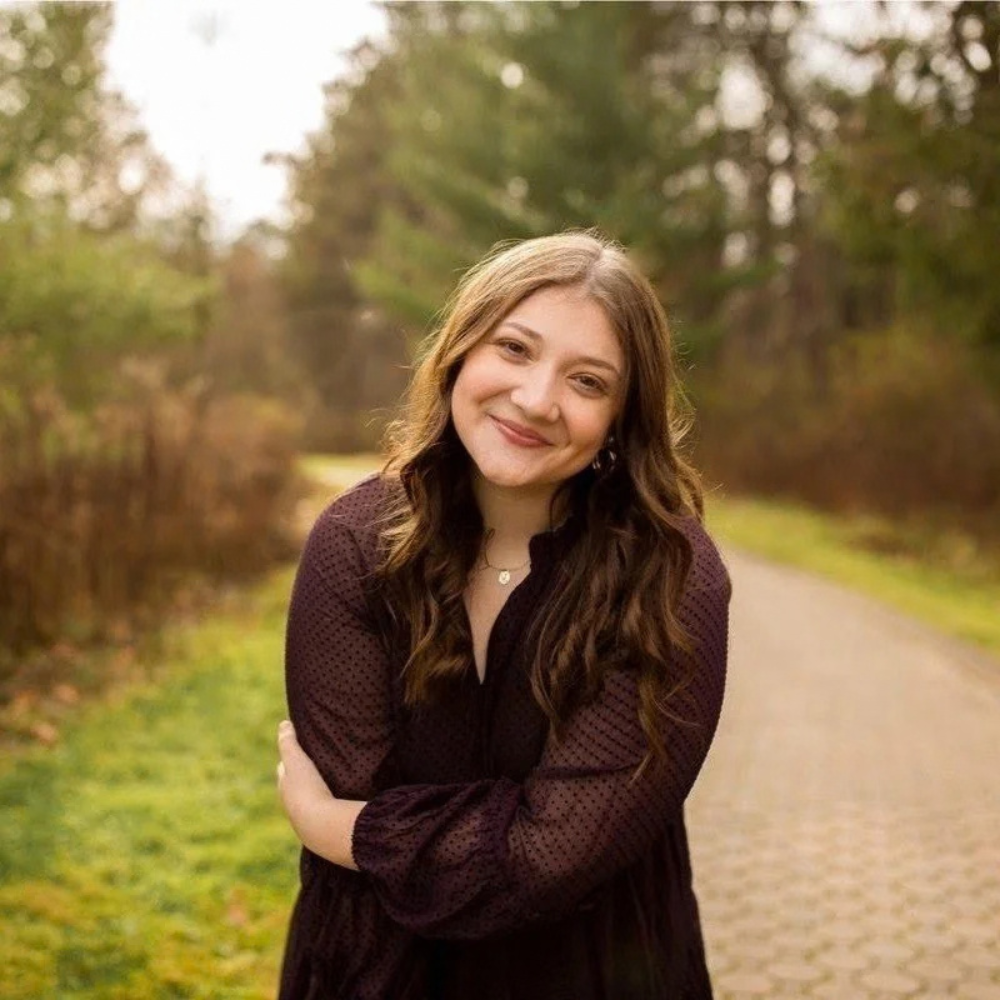
Hailey Reedy
(Click to view essay)
Recovery is never a one-size-fits-all journey. People respond differently to different approaches. Traditional treatment methods such as individual and group counseling provide essential support for individuals overcoming addiction; the recovery process requires more than just addressing the physical symptoms of substance abuse. Addiction affects a person’s emotions, relationships, confidence, and sense of identity.
As a result, rehabilitation programs should continue to expand holistic approaches to treatment in collaboration with traditional treatment methods. The combination of approaches should treat the whole person. One alternative treatment that would aid in this and that more rehabilitation facilities should include is music therapy. Music therapy uses music-based activities, guided by trained professionals, to help individuals in rehabilitation facilities manage stress, express emotions, rebuild connections, and develop healthy coping skills rather than turning to substances to treat those issues.
Music can be viewed as entertainment and seems too simple to aid in the complexities that addiction comes with, but music holds power. This power amplifies the ability to reach people in ways that traditional conversation and counseling may not be able to accomplish. For many individuals in recovery, putting difficult experiences into words can be challenging. Music provides another way to communicate that may be difficult to express through traditional conversation.
One of the greatest challenges that individuals face during recovery is identifying healthier strategies to cope with stress and express emotions without turning to substances. Music therapy allows a healthier coping strategy through a variety of outlets, including songwriting, reflective listening, learning an instrument, and other listening exercises. Music therapy is especially valuable because it allows individuals to participate in their recovery differently.
Traditional counseling encourages those in recovery to open up and discuss deeply personal parts of their journey. Although this discussion is important, not everyone feels comfortable immediately sharing their thoughts aloud. A person may struggle with opening up because they aren’t sure how to put their emotions into their own words. However, a song, beat, or lyric may help them better explain how they are feeling. Music can act as a bridge between emotions and expression, allowing individuals to heal at their own pace. In general, music can bring a sense of creativity, confidence, and in some instances, connection.
A huge part of recovery is rebuilding a meaningful life. Many entering rehabilitation facilities have experienced or are experiencing isolation and a loss of purpose. Music can foster feelings that combat those negative experiences. By engaging with a positive activity, individuals can reclaim part of their identity and remember that their addiction does not define them. They are people with passions, talents, and the ability to grow and change.
Combining traditional individual and group counseling with alternative approaches allows rehabilitation programs to personalize every person’s recovery journey. Each journey is unique; what works for one person may not work for the next. Some individuals may find healing. Rehabilitation facilities should provide different tools that allow individuals to discover methods that best support their personal growth and long-term recovery. It is important to give those in recovery control over their own recovery, allowing them to have a vested interest in their own healing process.
Fall 2025 College Scholarship Winners

Taylor Burrus
(Click to view essay)
One Thing for Everything
“Addiction is giving up everything for one thing…”
This, along with several other inspirational quotes, decorated the hospital I stayed in during recovery. I remember feeling such hate toward that specific quote — as if it was blaming me, not just for my addiction, but for all the opportunities for help that I was too high, too prideful, and too ashamed to take. I felt intense anger toward my parents in particular, as if they had thrown me into a jail cell to wither away — as if they didn’t care about the withdrawal symptoms, the agonizing headaches, brain zaps, and the nausea that made it hard to function. I thought they wanted me gone.
It wasn’t until years later that I stepped out of my own shoes and imagined myself in theirs.
I now vividly remember the night I nearly lost everything — more specifically, I remember their faces, the panicked expressions they both wore. They were never handed a handbook on how to raise me, let alone handle me at my worst. Yet, I blamed them.
That was seven years ago. Recently, I spoke with my mother — my biggest supporter through it all. We talked about the hospital and the experience I had, and I realized something startling: I had never asked how any of it affected them. When I finally did, she became visibly shaken, as if she had gone through just as much pain as I had. She took a deep breath and said quietly, “I’m sorry, kid.” Laughing it off, I told her it was warranted — for all the mess and trouble I caused. But she looked up at me with a melancholy expression and said, “I didn’t know what else to do.”
That hit me like a brick.
I began to think back to all the times I had taken their help for granted — but worse were the things I hadn’t even noticed. I wasn’t allowed to sleep with my door closed, which I saw then as an invasion of privacy. I now see it wasn’t. My dad kept it open so he could check on me without waking me. I realized I had never seen him go to bed. When I asked him about it, he said, “I had to be up — in case you needed to talk or felt the urge to use.”
My mom would text me constantly throughout the day, checking in, asking if I needed anything — even a pack of gum to help keep cravings down. Until that conversation, I hadn’t recognized these gestures for what they were: acts of love, acts of support.
During our talk, she asked if I had ever wished they’d done anything differently. At the time, I didn’t know what to say — so I just shook my head and changed the subject. But looking back, I do think that earlier intervention might have helped. Families can’t fix everything, but they can save lives by acting sooner.
I believe that if parents, siblings, and close friends learn to look for signs — like a noticeable drop in mood, withdrawal from activities, disinterest in hobbies, or external signs like weight loss, hair thinning, unexplained marks or bruises, and persistent insomnia — they may be able to catch addiction in its early stages. That’s when it’s most treatable. What they shouldn’t do is corner or accuse the person, as that can lead to anger, shutdown, or even violence. I know this firsthand.
Professional help is crucial for someone fighting an active addiction — but it should be framed as help, not punishment. I believe the best approach is tough love — not abandonment, not ultimatums, but support with clear boundaries. That means deciding what you can and cannot tolerate. The person suffering is already enduring a mental health crisis, and they need stability around them.
Support might mean pulling a teenager out of a school where they’re surrounded by enablers. It could mean urging someone to leave an abusive or enabling partner. Or it might mean helping them get treatment at a reputable facility. Whatever the step, the goal is the same: give them the space and tools to heal.
Sometimes, the most powerful thing you can do is listen. Ask questions. Build trust. Watch for red flags. And if you’re not in the place to dive into a heavy conversation, even a small gesture can matter. A kind message. An inspirational quote. My mom still sends me those — which is how I found out that the quote from the hospital had a second part:
“Addiction is giving up everything for one thing; recovery is giving up one thing for everything.”
Getting help, getting clean, and rebuilding is possible. I know this firsthand. The path isn’t linear — it’s long, bumpy, and sometimes lonely — but recovery is worth it. For the person using, and for everyone who gets to see them come back to life.

Cassandra Hoy
(Click to view essay)
What It Really Takes To Support A Loved One Through Addiction
It’s often said that the most difficult step in addiction recovery is the first one. For my mother, that step came after years of struggle, over three decades of living with substance use disorder. By the time she finally found long-term recovery at age 52, I had already turned 18 and lived much of my childhood in the long shadow of her addiction. Her journey wasn’t linear. She went to treatment multiple times, once when I was 12, again at 14, and finally achieved sobriety when I was 18. Each time, we hoped it would be the one that changed everything. But recovery doesn’t work on hope alone. It requires patience, resilience, and, perhaps most crucially, a kind of support that empowers rather than pressures.
Through those years, my sisters and I tried everything. We begged. We cried. We yelled. We staged emotional interventions and ultimatums. We were desperate to save our mother, but more than that, we were desperate to save ourselves from the fear, the chaos, and the heartbreak of watching her self-destruct. Eventually, we learned something no child ever wants to accept… you cannot force someone to recover. They have to want it. Addiction is not just a behavioral problem, it’s a brain disorder, altering decision-making, distorting values, and hijacking priorities. Until the person living with addiction truly desires change, outside pressure often only deepens their shame.
So we did what we could. We set boundaries, not as punishment, but as self-preservation. We made hard choices to step away when her behavior was harmful. We stopped trying to fix things for her, even when that meant watching her struggle through the consequences of financial instability, legal issues, and isolation. It was painful. But in that space, she began to feel the true weight of her addiction, and more importantly, she began to see a path forward. And not one that we paved for her, but one she could choose to walk for herself.
When that moment finally came, our role shifted. We didn’t drag her to recovery, we met her at the door. Instead of focusing on fear and what she might lose, we helped her focus on what she could gain. We made the idea of sobriety less about shame and more about hope. For my mother, that hope became her grandchildren. She now calls them her “redemption”, a word that carries deep meaning for all of us. They symbolize not just a second chance at life, but at legacy.
Family and loved ones play a complicated but vital role in addiction recovery. We are not saviors, but we can be safety nets. We cannot choose recovery for someone else, but we can make the choice feel less terrifying. That means creating space for honesty without judgment, and setting boundaries that protect without abandoning. And being ready to support, not control, when they finally make that first move.
Perhaps most importantly, friends and family must remember that recovery is not a singular event, it is a lifelong process. Support doesn’t end with checking into treatment. It involves rebuilding trust, learning new communication skills, and staying open to vulnerability. My mother and I now have the kind of relationship I once thought was impossible. We talk openly about her addiction and the toll it took. We’ve both healed through that honestly, and it’s strengthened our connection in ways that years of pretending never could.
The journey to recovery begins with one step, but that step is rarely taken alone. Whether through quiet presence, consistent boundaries, or unwavering hope, family can be the saving grace. We are not the reason they walk the path, but we can be the reason they believe it’s worth it.
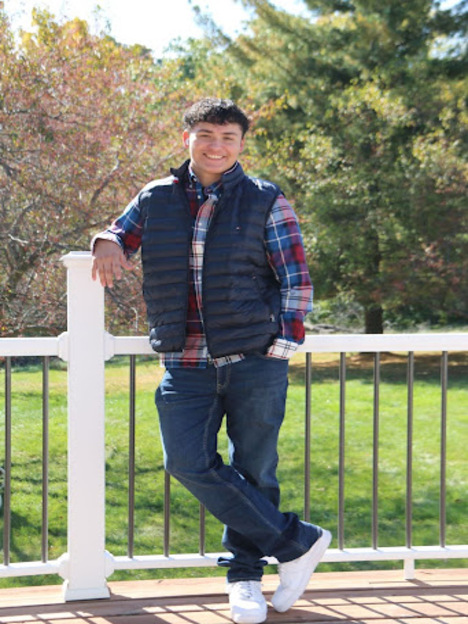
Aiden Anderson
(Click to view essay)
The Role of Family and Loved Ones in Supporting Addiction Recovery
Addiction recovery is a journey that begins with a single, often incredibly difficult step: the decision to seek help. While that step ultimately belongs to the person struggling with addiction, family and loved ones can play a powerful role in encouraging and supporting that decision. Often, it’s the people closest to the individual who recognize the problem long before the addict is ready to admit it. These relationships can either become enabling or empowering, depending on how they are handled.
In my own family, I have witnessed both the heartbreak of addiction and the difficult decisions that come with loving someone who is struggling. My dad’s side of the family includes many individuals who are addicted to drugs. When I was growing up, my parents made the conscious decision to set firm boundaries and keep me away from that environment. They chose distance and protection over exposure. It was their way of breaking the cycle and giving me a healthier future.
On my mom’s side, the experience has been different but equally powerful. Only one family member—my uncle—is addicted. My mother has always handled his situation with compassion, but also with tough love. My grandparents are pastors, and both my parents are teachers—community leaders and role models. My mother even contacted the show Intervention in hopes that it could help my uncle. The producers began the process, but after observing him, they said they had never seen a case so severe. His paranoia made filming impossible, and the show pulled back. They told my mom she could apply again later, once he was in a more stable state.
Heartbroken, my mom asked the expert what she could do. The advice was clear but devastating: Do not be his life jacket. She was told not to rescue him from the consequences of his addiction—not even when he was homeless, starving, or calling late at night in desperation. The only support she was advised to give was emotional and spiritual. So, that’s what she did. She prays for him, talks to him when he calls, and lets him know he is loved—but she refuses to shield him from the consequences of his choices.
It’s been about eight years since that intervention attempt, and finally, my uncle is in rehab. He has been there for over six months now. My mom’s voice has always been in his life, reminding him, “Do it for you, not me.” And I believe she is right. Recovery cannot be forced. It must come from the person’s own desire to change.
Families and friends must walk a fine line: offering love and emotional support without enabling destructive behavior. That may mean saying no when someone asks for money, a place to stay, or a way out of a situation their addiction has caused. It also means being honest, even when the truth is hard to hear. Addiction thrives in secrecy and denial; honesty is one of the first lights that can start to break that darkness.
At the same time, we can be examples of healthy living. When our loved ones see us pursuing goals, building stable relationships, and living with integrity, it creates a standard they may one day want for themselves. We can also share stories of hope—people who have overcome addiction and rebuilt their lives. That kind of inspiration matters.
Finally, spiritual support can be powerful. Prayer, encouragement, and simply being present without enabling are all ways to stand with someone without trying to control their choices. Addiction is a battle, and though we can’t fight it for our loved ones, we can fight with them in ways that matter.
In the end, our role is not to rescue—but to walk beside, to speak truth, to model healthy choices, and to believe in the possibility of change. We can love, guide, and support, but we cannot make the decision for them. The old saying is true: in the end, only they can save themselves.
Spring 2024 College Scholarship Winners

Victoria McFadden
(Click to view essay)
When you see someone you love at rock bottom, where you can look them in the eyes and it’s like talking to another person, when you believe them when they say they are getting better or are working on it, and there’s nothing you can do except believe them because you really want to; that is the burden placed on loved ones of someone struggling with substance abuse. As a society, we have progressed to believing that substance abuse is a disease and that rehabilitation is the answer instead of jail time. However, with that same progression loved ones are now forced to reconcile with the fact that there is no “bad” guy except the substance, that the one who causes you so much pain and suffering is also a mere victim. That causes pain and suffering with nowhere to place that anger, because who can you get angry at, everyone in this circumstance is a victim.
Loved ones will know that unique feeling of loneliness and powerlessness, where no matter how many times they beg and cry, why were they not enough to help? This psychological toll decimates them physically and mentally.
No matter what step in the progress of battling substance abuse, loved ones are placed in an extremely difficult situation, where societal expectations say loved ones need to be by those with substance use disorder’s side because they have a disease, yet internally the same individuals suffer this battle within themselves. While these loved ones are not the ones addicted they experience the impacts of substance use disorder. Regardless of whether the individual suffering from substance use disorder is alive, their loved ones grieve the person they once were. Loved ones and families no longer have the person they once loved instead they must grasp onto the straws of what’s remaining. Loved ones can no longer claim selfishness, because addiction is a disease, and those with it are victims of the situation.
Loved ones lose the person they fell in love with. Their brother or sister is no longer that person, but instead someone you no longer can trust. Loved ones must grapple with the loss of someone who is still alive, while also the feeling of fear knowing they are out there in a world you can no longer protect them in. Substance use disorder affects everyone not just the user, we see this exemplified throughout history. Drug epidemics such as the Crack Epidemic, decimated the Black community; Harlem, NY where I was born and raised never recovered.
To those indirectly affected, anger sits in your heart. You ask questions of why? But you cannot show this anger because if they are brave enough to get help, then that is a battle where you must push away your feelings and help them. After all, you love them, and you hope this time it works. Addiction does not just affect the user, it sends a shockwave to everyone surrounding the user. Families and friends notice when the user no longer has the same crease when they smile, or tone of laughter; we notice that glare in their eye knowing they are using again. Loved ones have a pit of despair in their stomach knowing no matter what they say, they are powerless against the substance the user finds so enticing. For loved ones, who constantly compare themselves to the substance, forcing them to ask the question of what makes that substance more enticing than our love?
Loved ones face a silent battle, that they are powerless against. No matter what, those loved ones will forever remember that those they love can be gone in the blink of an eye.
Victoria McFadden
Boston College
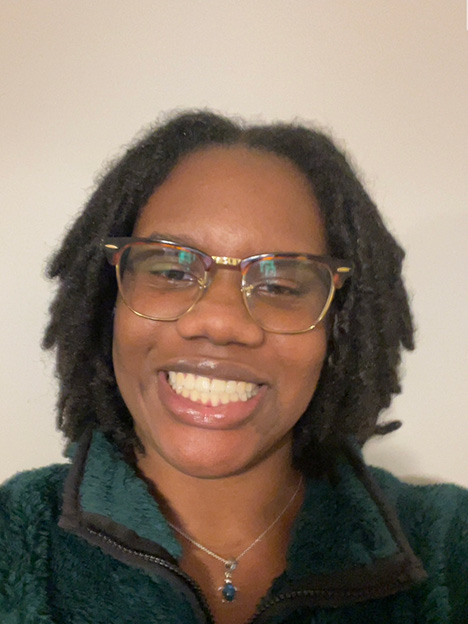
Kyla Williams
(Click to view essay)
Addiction Destroyed Me
They say that the spotlight shines on those who are addicted. A lot of the
time I feel misplaced for my strong will to be sober, and it feels like a hundred eyes pierce me when I’ve admitted to having no interest in doing drugs. I never had an interest. People would commend me for being one of the few in the world, but I wouldn’t feel entirely grateful for my fear of addiction. I regret to admit that my only misfortune with not wanting to try drugs is simply that I’m terrified of turning into the woman I wanted to love me the most.
I remember the first time wondering why my mother didn’t love me. It took many years of evolving from the wretched pain of a confused child to a disappointed adult. Even now I wonder why it was so hard to choose a child over a quickly drained bottle. I would pick myself apart, wondering if I could find satiating qualities like the ones she found in cheap wine and rum. My confidence dissipated quicker than my ability to believe the constant lies I had been fed throughout my life. Ultimately, I grew up feeling unwanted by the world.
We continue to shine the spotlight on those who are addicted to drugs, but what about those who are addicted to trying to gain their attention? The lost kids, stricken lovers, and parents. Addicted people tend to be oblivious to the source of their light, that it shines from the bleeding hearts of unconditional love. My heart fills with sadness as I recall the threads of addiction that restrained me as a person, because not only did I fall victim to loving someone with an active addiction but I also witnessed the pain of a strong figure in my life loving someone with an addiction.
It’s a marvel how seemingly the strongest people in the world can fall apart when giving themselves to someone else. It is frightful how easily a person can unravel when trying their best to hold someone up. Daily, I watched my grandmother love her husband despite his faults. My grandmother smiled through belittlement, unappreciation, and physical abuse. I marveled at how the strongest person in the world, to me, was falling apart because she relentlessly gave herself to an alcoholic, as she had done many times in the past.
As human beings, when do we begin to ask ourselves: at what cost? At what cost will we continue to abuse substances when it tears us apart in every aspect of life? What are we truly willing to lose? My grandmother who was greatly respected for her selflessness had suddenly lost all respect for the same thing. I wondered if she ever felt depressed and fell into a darkened hole when noticing that the people who were once in her corner started to slowly dissipate.
Do we ever really realize that people who love someone who is addicted are not far from the symptoms of addiction themselves? When we fight hard for someone to get better, wishing and hoping that your love will be enough- when do we come to the conclusion that the person who is addicted will only change when they are ready? Just like how we will have to make the conscious decision to protect ourselves from the familiar stabs of heartbreak, it seems to me that the process of recovering from this type of trauma is aligned with recovering from addiction itself.
When it comes to the impact of those who are experiencing the trauma of a loved one being addicted, we have to remember that trauma is a long term effect. Many people will live their lives having to repair the pain they endured. Some people will go through cycles of encountering many different addicted people in their lives. Some people will fall into addiction themselves.
Maybe it’s time to let the spotlight shine on those who are in the dark.
Kyla Williams
Colorado Technical University
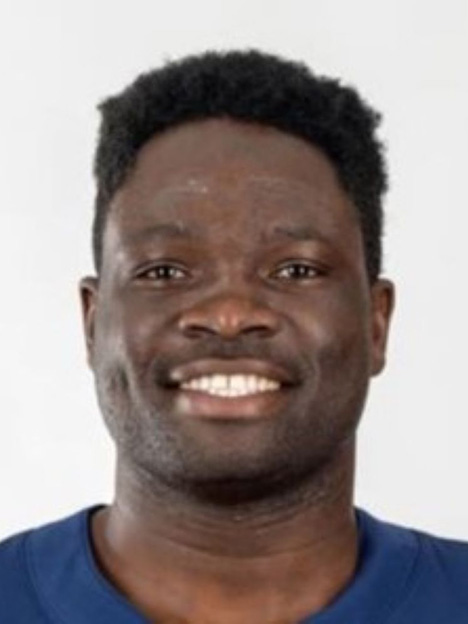
Moses Chukwuemenam Okpala
(Click to view essay)
The Ripple Effect of Addiction: A Family’s Journey to Recovery
Addiction can really mess up people’s lives, and my family has seen it up close. This essay is about how addiction affects not just the person using drugs but also their family and loved ones. It’s a story of how we faced a tough situation, found hope, and turned things around.
My sister got caught up in a dangerous world of drugs during her last years of high school and early college. She didn’t stick to one bad drug; she always wanted to get high and have fun with her friends.
As she got more into drugs, it caused a lot of problems in our family. She would argue with our parents all the time, and they were scared she might overdose or even die. It got so bad that our parents had health problems, too.
My sister’s life changed because of her addiction. She acted differently, hung out with strange people, and even moved out of our family home. Her friends asked me if she was okay because of the strange things she posted on social media. It felt like I didn’t even know her anymore.
The worst moment was when we got a call from the hospital. My sister had overdosed, and it was a close call. That’s when my dad said she had to go to rehab. She didn’t want to go, so she ran away. Our family was really struggling, and people felt sorry for us. My dad had to be really strict. He grounded her and said she couldn’t leave the house without telling us where she was going. It was tough love because we wanted to save her.
One night, my sister was so desperate to see a boy she wanted to do drugs with. She tried to sneak out through her bedroom window on the top floor. She jumped off the roof, hoping to land on her feet, but she got hurt really badly. It was a crazy moment, but it turned her life around.
After that accident, my sister decided to change. She finished her rehab and hasn’t used drugs since. Her recovery gave us hope.
This scholarship opportunity excites me because it provides a chance to share my family’s story and highlight the profound impact of addiction on not only the person struggling with it but also their loved ones. Our story is a testament to the strength of the human spirit and the power of recovery. It is a reminder that addiction doesn’t just affect the individual; it ripples through the lives of those who love them, leaving a lasting imprint. Rehabs.org’s mission to provide equal opportunities to people from all backgrounds resonates deeply with me. I hope that by sharing my family’s experience, we can shed light on the importance of raising awareness about the risks and dangers associated with addiction, and encourage more students of color to take on this critical mission. Addiction doesn’t discriminate, and the journey to recovery is not easy. Still, with determination, love, and support, there is hope for a brighter future—a future where families can heal and thrive once more.
Fall 2023 College Scholarship Winners

Brooke DiLuzio
(Click to view essay)
Resilience Amidst Tragedy: My Journey Through Substance Abuse and Hope
At the dawn of 2020, my world was rocked by the devastating loss of my husband to drug abuse. This tragedy was the stark backdrop against which I came to understand the grave implications of substance misuse and the urgent need to educate young people on resisting its allure.
In the aftermath of my husband’s demise, I reflected on the factors that might have led him down this lethal path. From my observations, I identified three significant triggers of substance misuse among young people, mirroring those that had affected my husband: psychological distress, societal influences, and curiosity.
My husband, like many young individuals, grappled with psychological distress. The burdens of past abuse, career prospects, and personal insecurities gnawed at his mental peace. In his search for solace, he found a deceptive comfort in drugs, which provided temporary relief but aggravated the root cause of his distress over time.
Environmental influences also played a part. The world we live in often fosters a culture where substance use is normalized, or even romanticized, creating an illusion of escape or rebellion. My husband was not immune to this perception, which led him to underestimate the long-term consequences of his choices.
Lastly, curiosity and a lack of understanding about the devastating effects of substance misuse pushed him further into the clutches of addiction. A narrative commonly portrayed in media and popular culture fuels this curiosity, romanticizing substance use while obscuring its destructive implications.
Experiencing the consequences of these factors firsthand spurred me to think about strategies for teaching young people to resist such pressures. I realized that the first step must be an educational approach that does not merely instill fear but fosters understanding. Comprehensive education about the health, social, and legal repercussions of substance misuse should become an integral part of school curriculums, making young people aware of the potential dangers they face.
In the face of peer pressure, young individuals need to be equipped with the skills to confidently say ‘no’. Role-playing exercises in schools can be an effective tool to help students rehearse these scenarios. I believe that it’s also crucial to reassure them that distancing themselves from peers who encourage detrimental behavior is not just acceptable but commendable.
To combat the psychological distress that often drives young people towards substance abuse, we must create a supportive environment in homes and schools. Establishing open dialogues about mental health and promoting healthy coping mechanisms can significantly reduce the allure of drugs and alcohol. I wish such resources had been available to my husband during his formative years.
Finally, fostering interests and talents through extracurricular activities can offer a healthier way to cope with stress and provide an enriching alternative to substance misuse. Engagement in such activities would have offered my husband the joy and relief he sought in drugs.
In the wake of my husband’s passing, I have found strength in my resolve to be part of the solution. Through education, dialogue, and promotion of healthy alternatives, we can guide our youth to resist the pressures that surround them and opt for healthier paths.
My personal journey through the trauma of substance abuse has deepened my understanding and ignited a passion for promoting resilience and informed choices among young people. Each young person who resists substance misuse is a triumph against the tragedy that consumed my husband, bringing us closer to a healthier, more enlightened generation.
In Commemoration to Chase Scot Miller January 13th, 1996 – July 29th, 2020
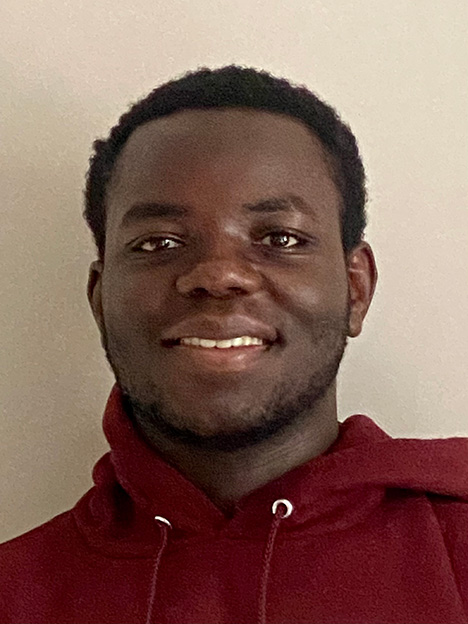
Al-Amin Mumuney
(Click to view essay)
Growing up in Nigeria, where easy access to hard drugs was a troubling reality for many, I witnessed firsthand the challenges that young people face in resisting the allure of substance abuse. My own experiences and those of a close friend painted a vivid picture of the factors that often lead to such destructive paths. From social pressures to personal struggles, the road to substance abuse is fraught with complexities that demand our attention.
My friend and I shared a bond that spanned from childhood to adolescence. We navigated the tumultuous waters of growing up, grappling with a barrage of challenges that seemed to multiply as we entered the realm of social media, encountered bullying, and stumbled through the maze of high school crushes. It was a bumpy journey for both of us, as we sought our place in a world that could be simultaneously exhilarating and unforgiving.
In the backdrop of our lives, a troubling trend emerged – the rampant rise of codeine abuse. This once-innocuous cough medicine evolved into a gateway to addiction. It was a shift that attacked on the vulnerabilities of young minds and hearts, offering a false sense of relief from the trials we faced. My friend, who I cannot fault, found himself ensnared in this web of dependence. What began as an attempt to ease emotional pain quickly spiraled into a full-fledged addiction, and his life took a sharp turn down a dark and dangerous path.
This narrative, unfortunately, echoes the experiences of countless others. It’s a familiar pattern where the seeds of substance abuse are sown in the fertile ground of vulnerability. Youth, inherently malleable and impressionable, often seek solace and escape from the tumult of their emotions. When faced with hardships and emotional distress, the allure of substances can become irresistible.
Preventing such a dire outcome requires a comprehensive approach that addresses both the root causes and the potential solutions. Education is a cornerstone of this effort. Young people must be equipped with the knowledge to make informed decisions about the consequences of substance abuse. Comprehensive awareness campaigns that highlight the true nature of these drugs and their long-term effects can serve as a powerful deterrent.
In Nigeria, where the accessibility of drugs poses a significant threat, stringent legal measures are crucial. The laws surrounding drug distribution and accessibility need to be fortified to shield young minds from easy access. By curbing the availability of these substances, we can create a significant barrier that prevents initial experimentation.
Furthermore, we must provide alternative outlets for emotional expression and coping mechanisms. Youth should be encouraged to explore healthier ways of dealing with their feelings, such as through creative pursuits, sports, or counseling. By promoting emotional intelligence and resilience, we empower them to navigate life’s challenges without resorting to destructive habits.
My personal journey, filled with health struggles, may have acted as a shield against the allure of substance abuse. However, I recognize that my friend’s experience paints a starkly different picture. It’s a reminder that the path to substance abuse is often riddled with pain, vulnerability, and a desperate search for relief. By bolstering support systems, enhancing education, and tightening regulations, we can pave the way for a brighter future – one where young people are empowered to confront life’s trials with strength and resilience, rather than turning to substances for solace.

Abigail Soltesz
(Click to view essay)
Abigail Soltesz
The Influence of Fiction, Family, and Friends
In my school I see the impact of glamorization of drug and alcohol abuse, negative family influences, and peer pressure. These are the main reasons why teenagers turn to drugs and alchohol at a young age. I have seen many of my friends who would have otherwise not been exposed to drugs get influenced into an addicting cycle of abuse.
One of the reasons teens start abusing drugs and alcohol is because its consumption is glamourized on tv. In our early childhood our parents’ actions shape our morals and what behavior we deem as acceptable. But as we grow larger so does the amount of time we are on an electronic device. So now we are not only consuming our family’s morals but the world’s. This is heavily reflected in HBO’s TV series Euphoria. The series follows fictional lives of teenagers coping with school, relationship troubles, tragic family life, and addiction. The show, featuring adult actors as teenagers, glamorizes drinking and driving, drug dealing, and violence. While it is only intended for mature audiences the restrictions on HBO’s platform are lacking. So as a result many teenagers watch the series and think that it is acceptable. Because of Euphoria and many other Highschool Dramas that feature teenage drinking Gen Z is led to believe that doing drugs is ok when in reality it has negative lifelong consequences.
Many teenagers turn to drugs and alcohol because of negative influences within their families. Seeing older family members who may or may not be of age smoking and drinking influences teenagers into thinking that it is acceptable and cool to do the same. If a teenager is without a healthy support system at home they may be more inclined to deal with stress and anxiety by drinking with friends. But in reality drinking and consuming drugs can damage your brain causing you to become depressed and dependent. In my life I have seen this scenario play out with my friends weed addiction causing him to steal money from family and chronically miss school. This hindered his relationship with siblings and his ability to complete freshman year.
Peer pressure is another main reason for the rapid spread of the teenage consumption epidemic. Teenagers take what they see on tv and in their families and head to their friends’ basements to replicate what they have watched. Because of this many of my unbeknown peers find themselves caught up in plans that they don’t want a part of. But in fear of being outcasted from their friend group for not being cool they say yes.
We can give people the tools to put a stop to peer pressure by educating each other on ways to say “no” without feeling ostracized. We could create tik toks spreading creative ‘excuses’ on why we can’t do drugs and alcohol we ave to say no. We could also share our own experiences of getting out of risky behavior to inspire others to do the same. This way when being pressured into certain situations among friends we have the strategies to get out and are more likely to do so.
Find a Rehab Center
Select a state to find options for rehab centers in your area.
