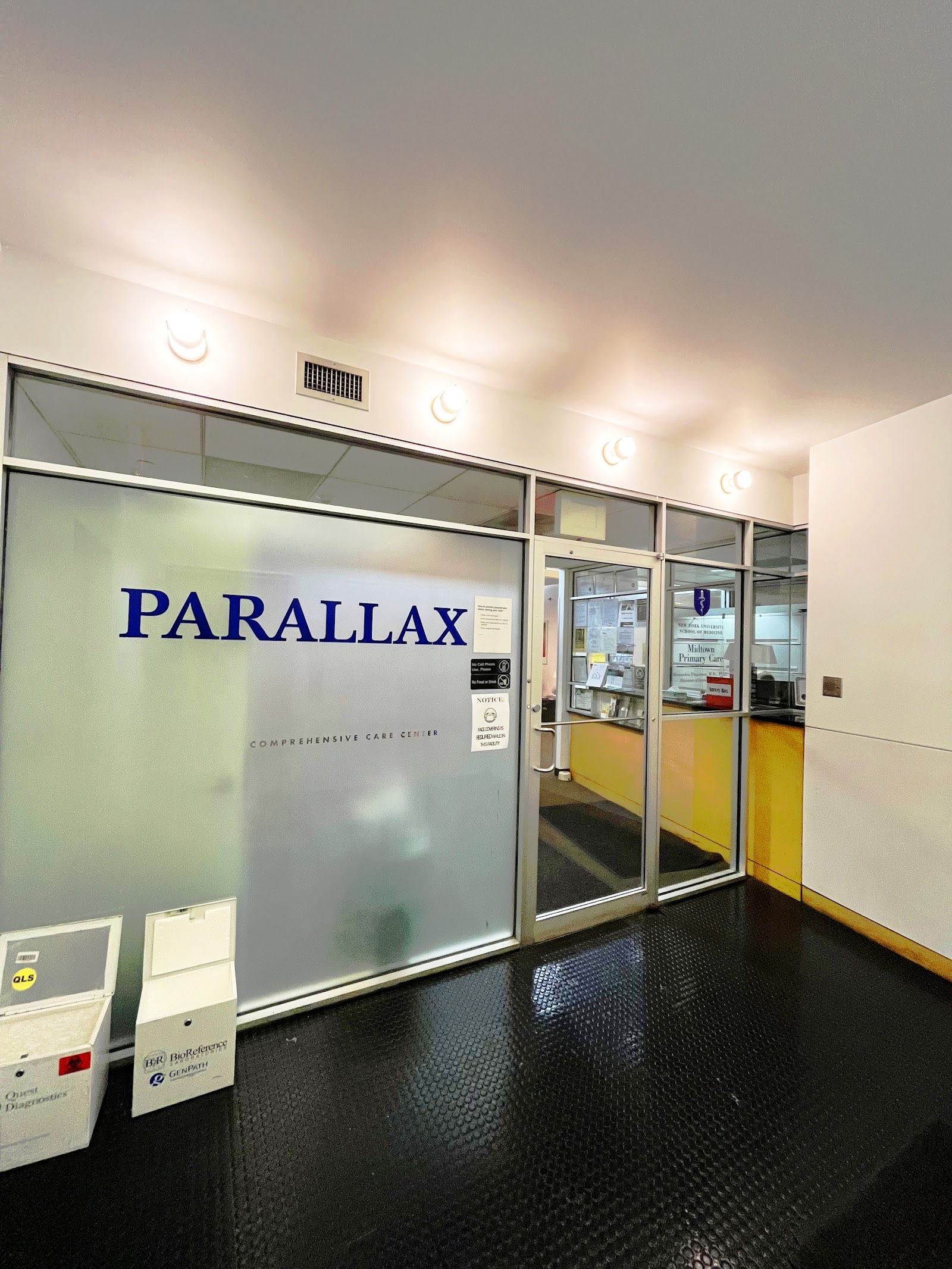
Parallax Center Inc.
New York, NY
10016

Accredited drug rehab centers available across Elizabethtown.
Sliding-scale payments, financial aid, low-cost programs, and local nonprofits.
Medicare, Medicaid, TRICARE, plus local private health insurance coverage.

 Filter
| Name | Address | Description | Treatment | Insurance | Thumbnail |
|---|---|---|---|---|---|
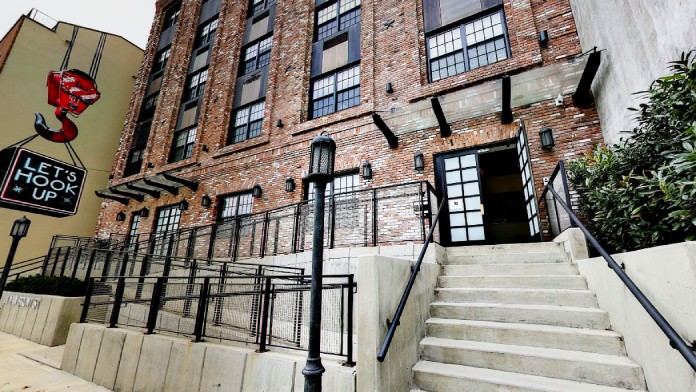
Essex County Community Mental Health Services | 7513 Court street Elizabethtown, NY 12932 | Essex County Community Mental Health Services is a community based mental health and addiction treatment provider in Elizabethtown, New York, serving residents ... more details › | Treatment Programs Insurance Outpatient For those who require accountability but less intensive oversight, outpatient rehab in New York is a good option. During this treatment, you meet regularly with a counselor and attend support group meetings, for accountability and encouragement. This may last for a few weeks or months, based on your recovery journey. Dual Diagnosis Mental health disorders that co-occur with substance abuse disorders often cause relapse. For successful recovery, both disorders must be treated, with dual diagnosis treatment in New York. Common methods include cognitive-behavioral therapy, medication management, and counseling. | Treatment Programs Insurance Medicaid You may be eligible for Medicaid coverage to help pay for alcohol and drug rehab in New York. Medicaid coverage may vary, but it may cover the cost of detox, inpatient rehab, and other levels of care. Medicare If you have Medicaid, you may have coverage options available to assist with the cost of alcohol and drug rehab in New York. The amount of coverage will depend on many things, including whether you are seeking inpatient or outpatient treatment for substance abuse. Financial Aid If you require assistance with paying for alcohol and drug rehab in New York, you may be eligible for financial aid. Financial assistance options include grants, scholarships, non-profit programs, personal funding, and health insurance programs to help you manage the expense of substance abuse treatment. Payment You have the option to pay for alcohol and drug rehab treatment out-of-pocket in New York, known as self-pay or private pay. This gives you control over the cost of your recovery journey and access to all levels of care, including detox, inpatient rehab, and more. +2 | |
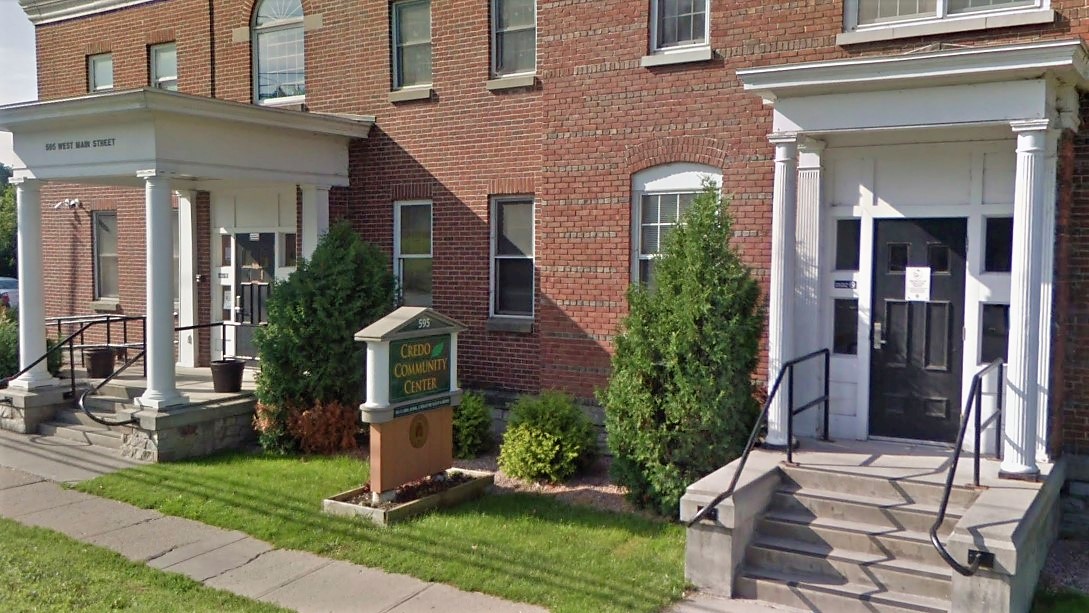
Conifer Park OTP – Glen Falls | 55 Elm Street | The popular Conifer Park’s Glens Falls Outpatient Clinic is a rehab in Glen Falls, New York. The center is known to provide outpatient treatments for adolescents and ... more details › | Treatment Programs Insurance Detox The first step toward a drug-free future is detox in New York. This is the process of slowly and safely ridding your body of all addictive substances, while under 24/7 supervision by professionals. Inpatient Inpatient drug rehab in New York can last 28 to 90 days, depending on the program. During that time, you’ll live at the rehab facility and receive various treatment methods including individual and group therapy. Outpatient For those who require accountability but less intensive oversight, outpatient rehab in New York is a good option. During this treatment, you meet regularly with a counselor and attend support group meetings, for accountability and encouragement. This may last for a few weeks or months, based on your recovery journey. Dual Diagnosis Mental health disorders that co-occur with substance abuse disorders often cause relapse. For successful recovery, both disorders must be treated, with dual diagnosis treatment in New York. Common methods include cognitive-behavioral therapy, medication management, and counseling. Aftercare Once rehab is complete, aftercare rehab in New York steps in to prevent relapse. This program gives you access to resources that reduce stress and help you successfully navigate challenges. Studies show that people who take advantage of these resources are more likely to maintain long-term recovery. Intervention Intervention services are a valuable addiction treatment tool for those seeking to get a loved one started on a recovery journey. Professional intervention staff can help plan and facilitate interventions, provide access to key resources, and assist in developing a personalized treatment plan for drug rehab in New York. +4 | Treatment Programs Insurance Medicaid You may be eligible for Medicaid coverage to help pay for alcohol and drug rehab in New York. Medicaid coverage may vary, but it may cover the cost of detox, inpatient rehab, and other levels of care. Medicare If you have Medicaid, you may have coverage options available to assist with the cost of alcohol and drug rehab in New York. The amount of coverage will depend on many things, including whether you are seeking inpatient or outpatient treatment for substance abuse. Financial Aid If you require assistance with paying for alcohol and drug rehab in New York, you may be eligible for financial aid. Financial assistance options include grants, scholarships, non-profit programs, personal funding, and health insurance programs to help you manage the expense of substance abuse treatment. Private If you have private insurance, you may be able to use it to help pay for alcohol and drug rehab in New York. The amount covered will depend on your policy and whether the treatment center is in-network or out-of-network. You may be left with some costs like a co-payment, or co-insurance. Check with your insurer for more information. Payment You have the option to pay for alcohol and drug rehab treatment out-of-pocket in New York, known as self-pay or private pay. This gives you control over the cost of your recovery journey and access to all levels of care, including detox, inpatient rehab, and more. +3 | |
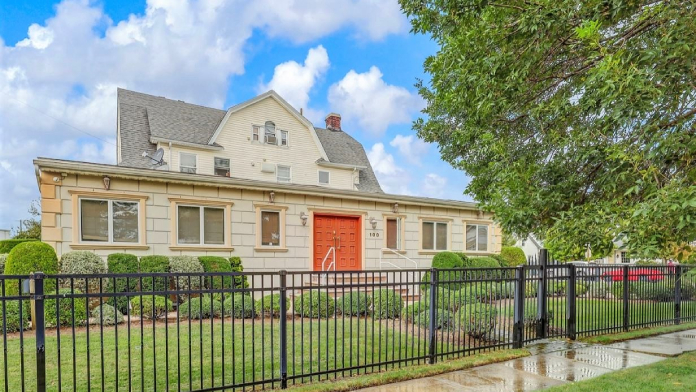
Conifer Park: Inpatient Addiction Treatment Drug & Alcohol Detox & Rehab Center In New York | 79 Glenridge Road | Conifer Park located in Glenville, New York is an addiction treatment center that provides services to adults, adolescents and families. They offer services for both ... more details › | Treatment Programs Insurance Detox The first step toward a drug-free future is detox in New York. This is the process of slowly and safely ridding your body of all addictive substances, while under 24/7 supervision by professionals. Inpatient Inpatient drug rehab in New York can last 28 to 90 days, depending on the program. During that time, you’ll live at the rehab facility and receive various treatment methods including individual and group therapy. Outpatient For those who require accountability but less intensive oversight, outpatient rehab in New York is a good option. During this treatment, you meet regularly with a counselor and attend support group meetings, for accountability and encouragement. This may last for a few weeks or months, based on your recovery journey. Dual Diagnosis Mental health disorders that co-occur with substance abuse disorders often cause relapse. For successful recovery, both disorders must be treated, with dual diagnosis treatment in New York. Common methods include cognitive-behavioral therapy, medication management, and counseling. Aftercare Once rehab is complete, aftercare rehab in New York steps in to prevent relapse. This program gives you access to resources that reduce stress and help you successfully navigate challenges. Studies show that people who take advantage of these resources are more likely to maintain long-term recovery. +3 | Treatment Programs Insurance Payment You have the option to pay for alcohol and drug rehab treatment out-of-pocket in New York, known as self-pay or private pay. This gives you control over the cost of your recovery journey and access to all levels of care, including detox, inpatient rehab, and more. | |
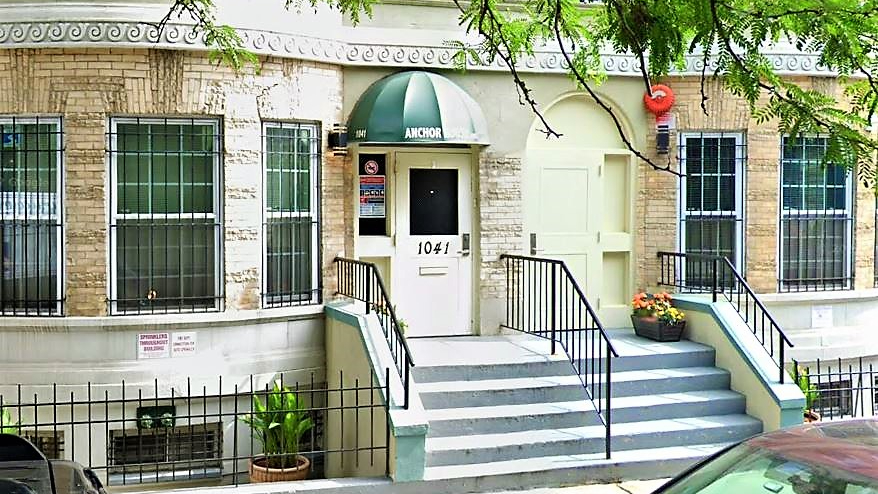
Conifer Park – Opioid Outpatient Treatment and Clinic | 600 Franklin St | Conifer Park is an addiction treatment network with a dedicated outpatient clinic in Schenectady serving adults. The clinic specializes in medication-based opioid ... more details › | Treatment Programs Insurance Detox The first step toward a drug-free future is detox in New York. This is the process of slowly and safely ridding your body of all addictive substances, while under 24/7 supervision by professionals. Inpatient Inpatient drug rehab in New York can last 28 to 90 days, depending on the program. During that time, you’ll live at the rehab facility and receive various treatment methods including individual and group therapy. Outpatient For those who require accountability but less intensive oversight, outpatient rehab in New York is a good option. During this treatment, you meet regularly with a counselor and attend support group meetings, for accountability and encouragement. This may last for a few weeks or months, based on your recovery journey. Dual Diagnosis Mental health disorders that co-occur with substance abuse disorders often cause relapse. For successful recovery, both disorders must be treated, with dual diagnosis treatment in New York. Common methods include cognitive-behavioral therapy, medication management, and counseling. Sober Living A New York sober living program is appropriate for those who want to stop using drugs or alcohol but don’t feel ready to do so on their own. This communal environment allows you to live with others who are in recovery, for mutual support and accountability. A structured schedule and strict house policies help you strengthen your recovery skills, until you are strong enough to live independently. Intervention Intervention services are a valuable addiction treatment tool for those seeking to get a loved one started on a recovery journey. Professional intervention staff can help plan and facilitate interventions, provide access to key resources, and assist in developing a personalized treatment plan for drug rehab in New York. +4 | Treatment Programs Insurance Medicaid You may be eligible for Medicaid coverage to help pay for alcohol and drug rehab in New York. Medicaid coverage may vary, but it may cover the cost of detox, inpatient rehab, and other levels of care. Private If you have private insurance, you may be able to use it to help pay for alcohol and drug rehab in New York. The amount covered will depend on your policy and whether the treatment center is in-network or out-of-network. You may be left with some costs like a co-payment, or co-insurance. Check with your insurer for more information. |
 800-783-0593
 Sponsored
