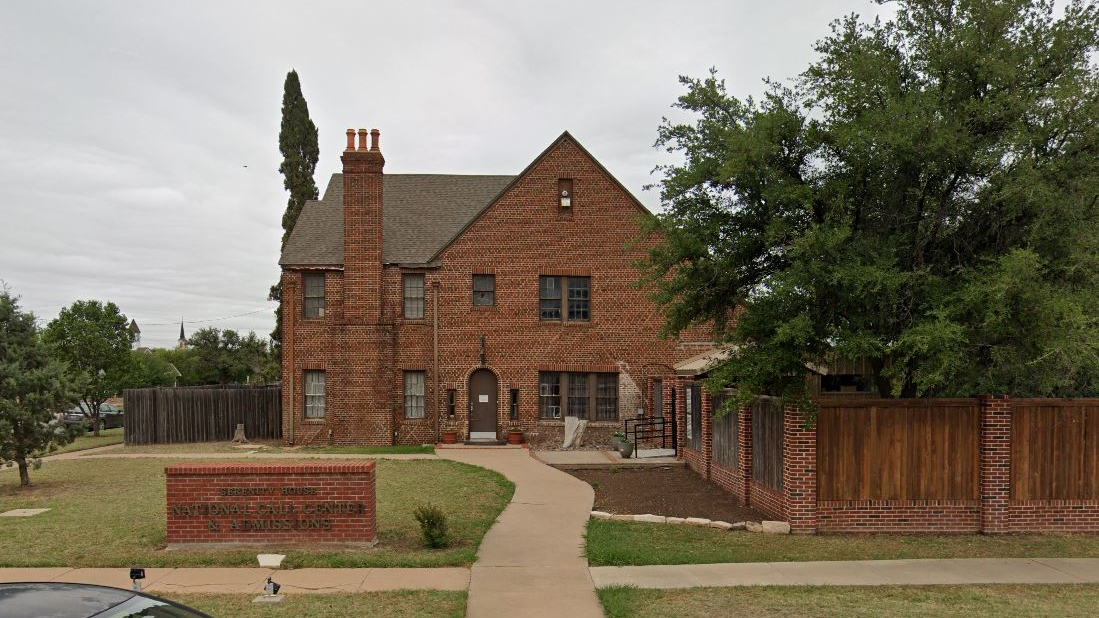
Serenity House
Abilene, TX
79601

Accredited drug rehab centers available across Arlington.
Sliding-scale payments, financial aid, low-cost programs, and local nonprofits.
Medicare, Medicaid, TRICARE, plus local private health insurance coverage.
 Filter
| Name | Address | Description | Treatment | Insurance | Thumbnail |
|---|---|---|---|---|---|
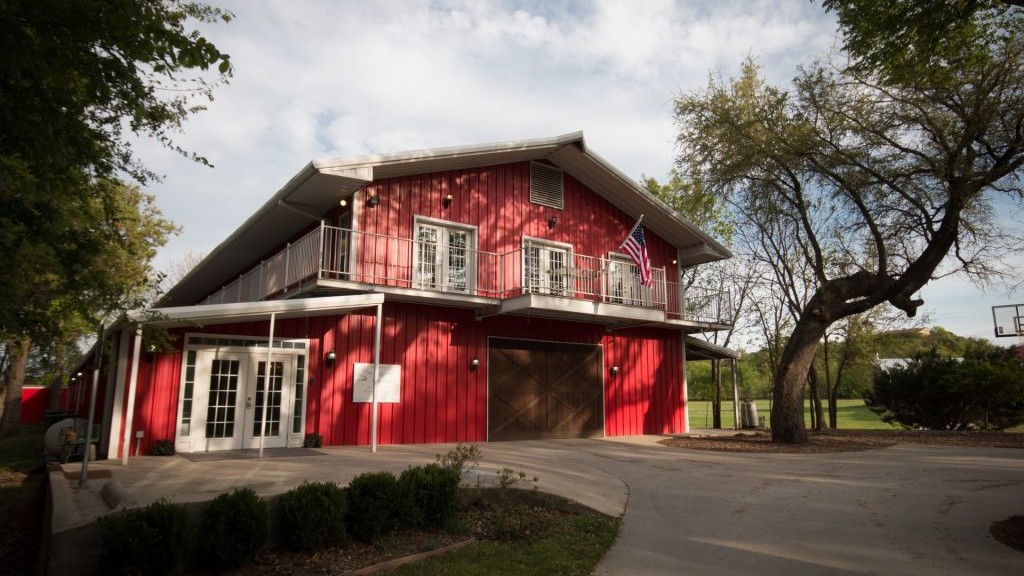
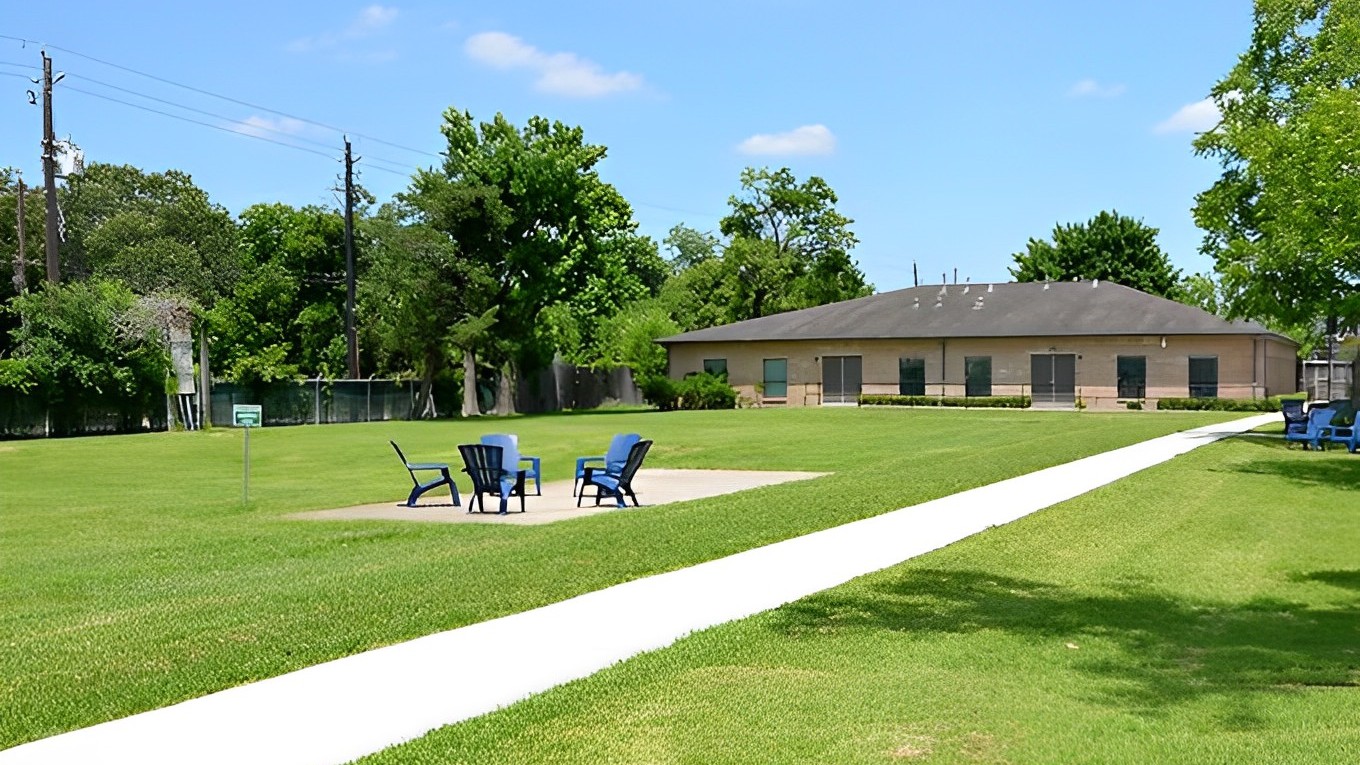
Sunshine Care Centers | 1900 Ballpark Way | Sunshine Care Centers in Arlington, Texas, is a place that feels genuinely committed to helping people reclaim their lives from drug and alcohol addiction. With over ... more details › | Treatment Programs Insurance Detox Detox in Texas is your first step toward a drug-free future. During this phase, your systems are cleansed of all addictive substances. You’ll receive 24/7 care, which may include medication to alleviate withdrawal symptoms. Inpatient Inpatient drug rehab in Texas can last from a few weeks to mor than 90 days. During that time, you live at the facility and receive round-the-clock supervised care. Treatment typically includes individual and group therapy. Outpatient Outpatient rehab in Texas provides a means for addition treatment while you live at home. You will attend regular therapy sessions and typically maintain involvement with a 12-step program. Because it is tailored for each person’s needs, there is no set timeline for completion of outpatient rehab. +1 | Treatment Programs Insurance Private If you have private insurance, you can use it to help cover the cost alcohol and drug rehab in Texas. The amount covered may depend on your policy and whether the treatment center is in-network or out-of-network. You may be left with some costs like a co-payment, or co-insurance. Check with your insurer for more information. Payment You have the option to pay for your alcohol and drug rehab in Texas, out-of-pocket (also called self-pay or private pay). Self-pay allows you to take control of the cost of your recovery journey and gives you access to all levels of care — including detox in Texas, and inpatient rehab in Texas — that might otherwise be limited by insurers or government-run programs. | |
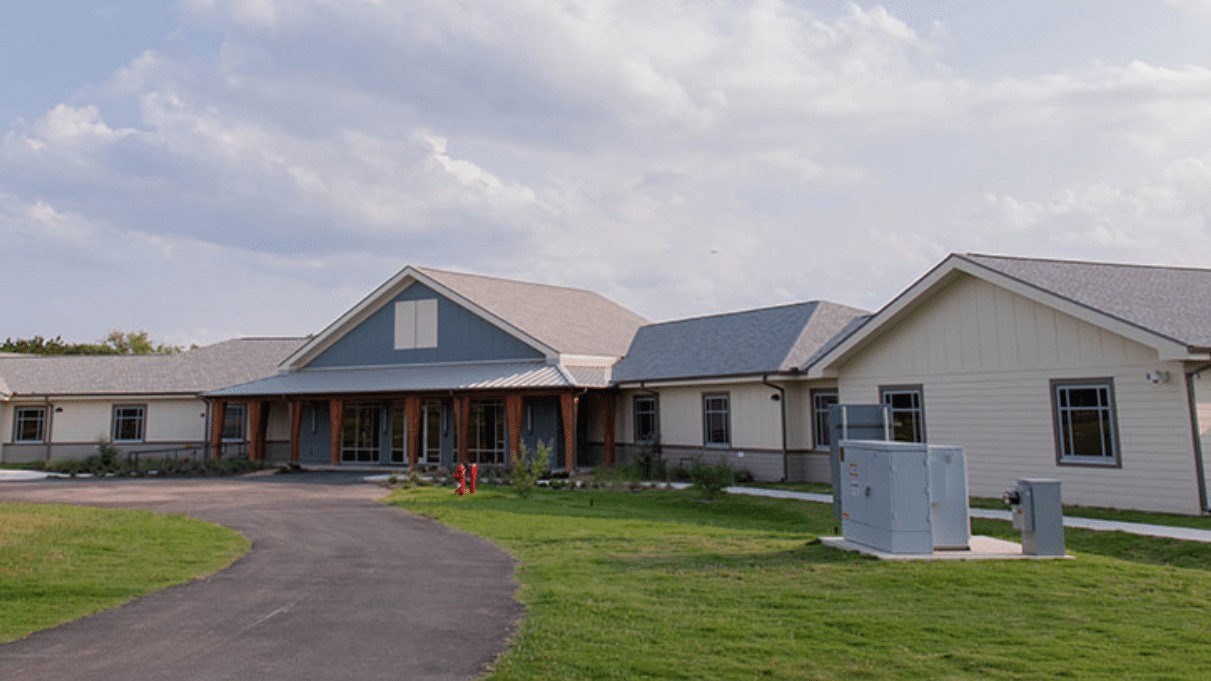
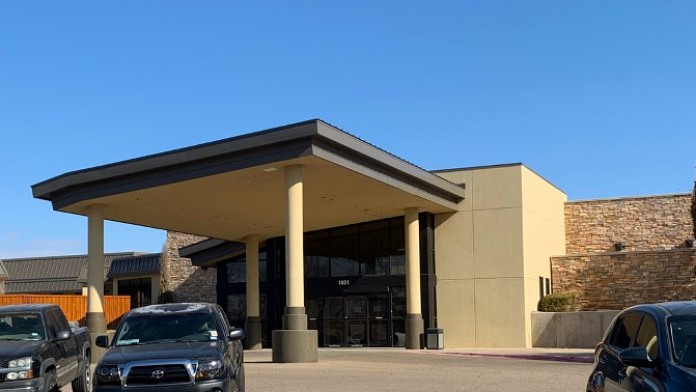
HOPE – Helping Open People’s Eyes Inc. | 1221 California Lane | Arlington HOPE in Arlington, Texas is an organization that provides substance use disorder services to support you in building a better future. They understand that ... more details › | Treatment Programs Insurance Outpatient Outpatient rehab in Texas provides a means for addition treatment while you live at home. You will attend regular therapy sessions and typically maintain involvement with a 12-step program. Because it is tailored for each person’s needs, there is no set timeline for completion of outpatient rehab. Aftercare The initial weeks and months after rehab treatment are often the most difficult. Aftercare rehab in Texas is designed to help you successfully navigate these challenging times and maintain sobriety. You’ll receive emotional, mental, and practical supports, for up to a year or more after treatment. | Treatment Programs Insurance Financial Aid If you require assistance paying for alcohol and drug rehab in Texas, financial aid may be an option. Financial assistance options include grants, scholarships, non-profit programs, personal funding, and health insurance programs to help you manage the expense of substance abuse treatment. Payment You have the option to pay for your alcohol and drug rehab in Texas, out-of-pocket (also called self-pay or private pay). Self-pay allows you to take control of the cost of your recovery journey and gives you access to all levels of care — including detox in Texas, and inpatient rehab in Texas — that might otherwise be limited by insurers or government-run programs. | |
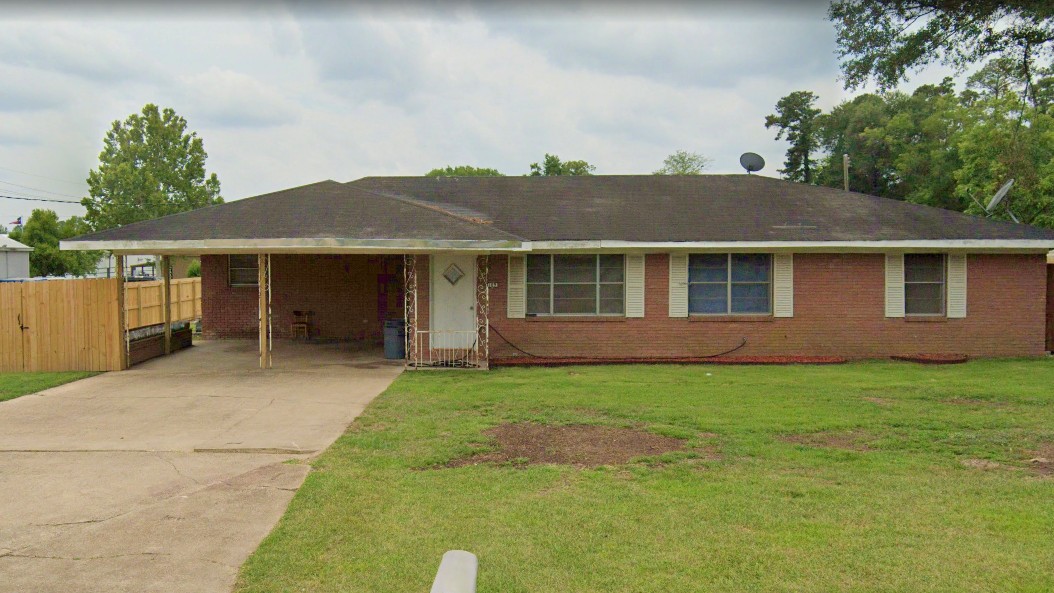
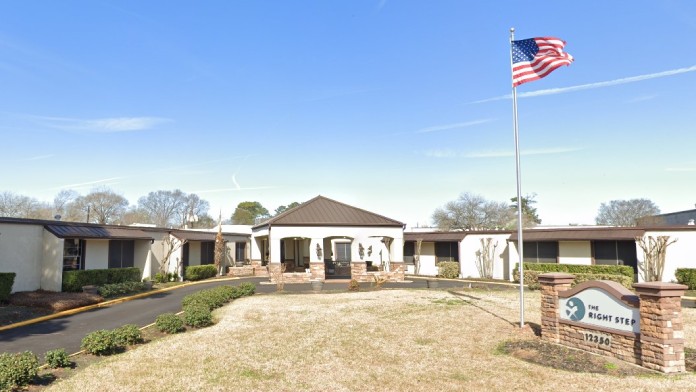
Jps Specialty Clinic | 501 West Main Street | Central Arlington Behavioral Health is an outpatient behavioral health provider in Arlington, Texas. I found they are part of JPS Health Network's mental health and ... more details › | Treatment Programs Insurance Detox Detox in Texas is your first step toward a drug-free future. During this phase, your systems are cleansed of all addictive substances. You’ll receive 24/7 care, which may include medication to alleviate withdrawal symptoms. Inpatient Inpatient drug rehab in Texas can last from a few weeks to mor than 90 days. During that time, you live at the facility and receive round-the-clock supervised care. Treatment typically includes individual and group therapy. PHP Partial hospitalization programs (PHPs) in Texas can provide an effective alternative to inpatient care. These drug rehab programs offer many of the same treatments offered in residential care, but you don’t have to stay overnight. Outpatient Outpatient rehab in Texas provides a means for addition treatment while you live at home. You will attend regular therapy sessions and typically maintain involvement with a 12-step program. Because it is tailored for each person’s needs, there is no set timeline for completion of outpatient rehab. Dual Diagnosis A dual diagnosis treatment center in Texas provides programs for people who struggle with both substance abuse and mental illness. Treating both disorders through an integrated approach is essential for recovery. Aftercare The initial weeks and months after rehab treatment are often the most difficult. Aftercare rehab in Texas is designed to help you successfully navigate these challenging times and maintain sobriety. You’ll receive emotional, mental, and practical supports, for up to a year or more after treatment. +4 | Treatment Programs Insurance Medicaid You may be eligible for Medicaid/STAR Health to cover the cost of alcohol and drug rehab in Texas. Coverage through Medicaid/STAR Health may vary, but it can assist with the cost of alcohol and drug rehab, including detox, inpatient rehab, and more. Medicare If you're a resident and need help paying for alcohol and drug rehab in Texas, you may be eligible for Medicare. The amount of coverage will depend on many things, including whether you are seeking inpatient or outpatient treatment for substance abuse. Financial Aid If you require assistance paying for alcohol and drug rehab in Texas, financial aid may be an option. Financial assistance options include grants, scholarships, non-profit programs, personal funding, and health insurance programs to help you manage the expense of substance abuse treatment. Tricare Administered by the Department of Defense, TRICARE offers comprehensive military health insurance plans for active and retired military members and their families. Similar to PPO programs offered by private insurance companies, TRICARE covers multiple levels of care for addiction treatment, including detox, inpatient rehab, and outpatient services. Private If you have private insurance, you can use it to help cover the cost alcohol and drug rehab in Texas. The amount covered may depend on your policy and whether the treatment center is in-network or out-of-network. You may be left with some costs like a co-payment, or co-insurance. Check with your insurer for more information. Payment You have the option to pay for your alcohol and drug rehab in Texas, out-of-pocket (also called self-pay or private pay). Self-pay allows you to take control of the cost of your recovery journey and gives you access to all levels of care — including detox in Texas, and inpatient rehab in Texas — that might otherwise be limited by insurers or government-run programs. +4 | |
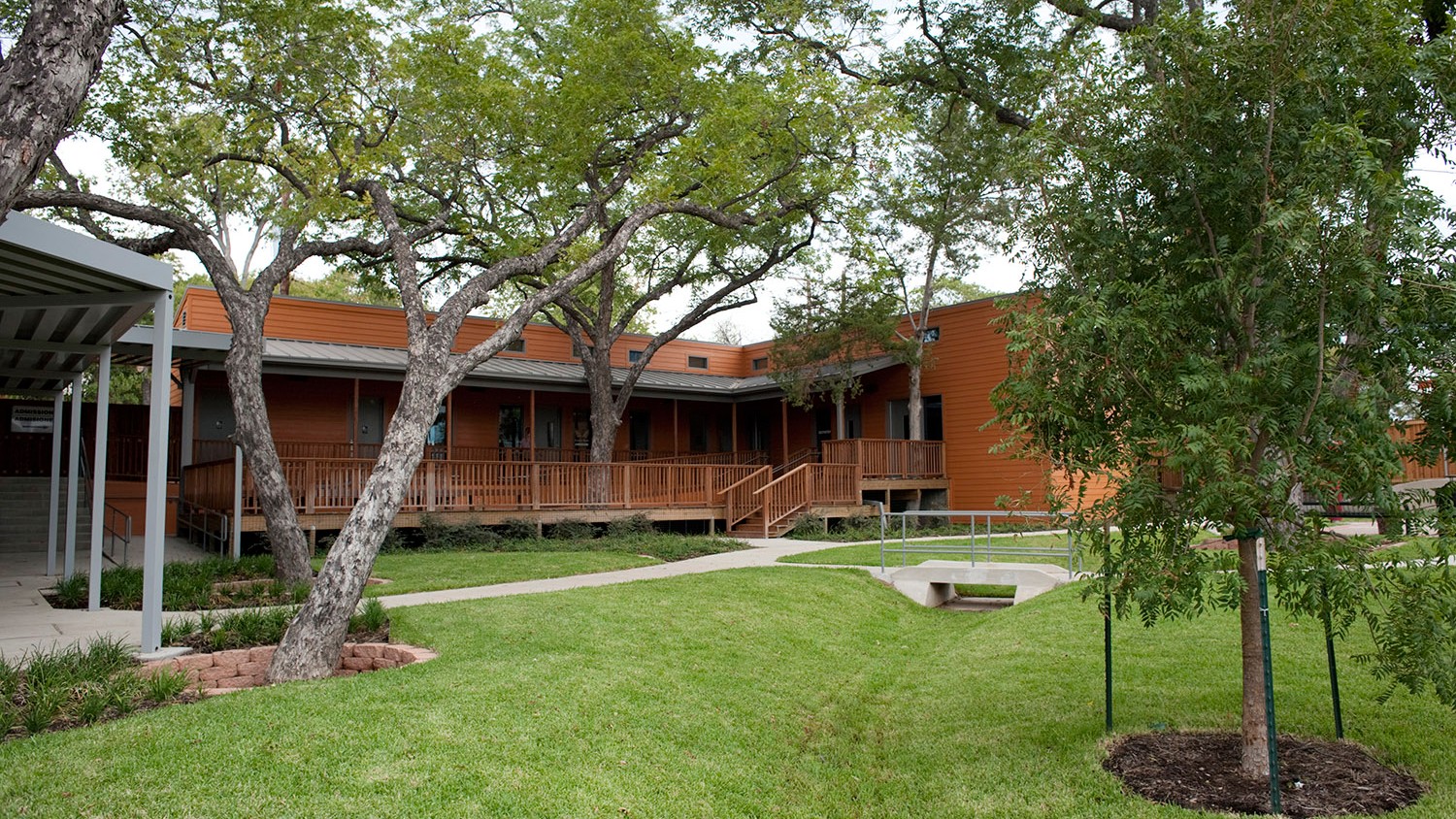
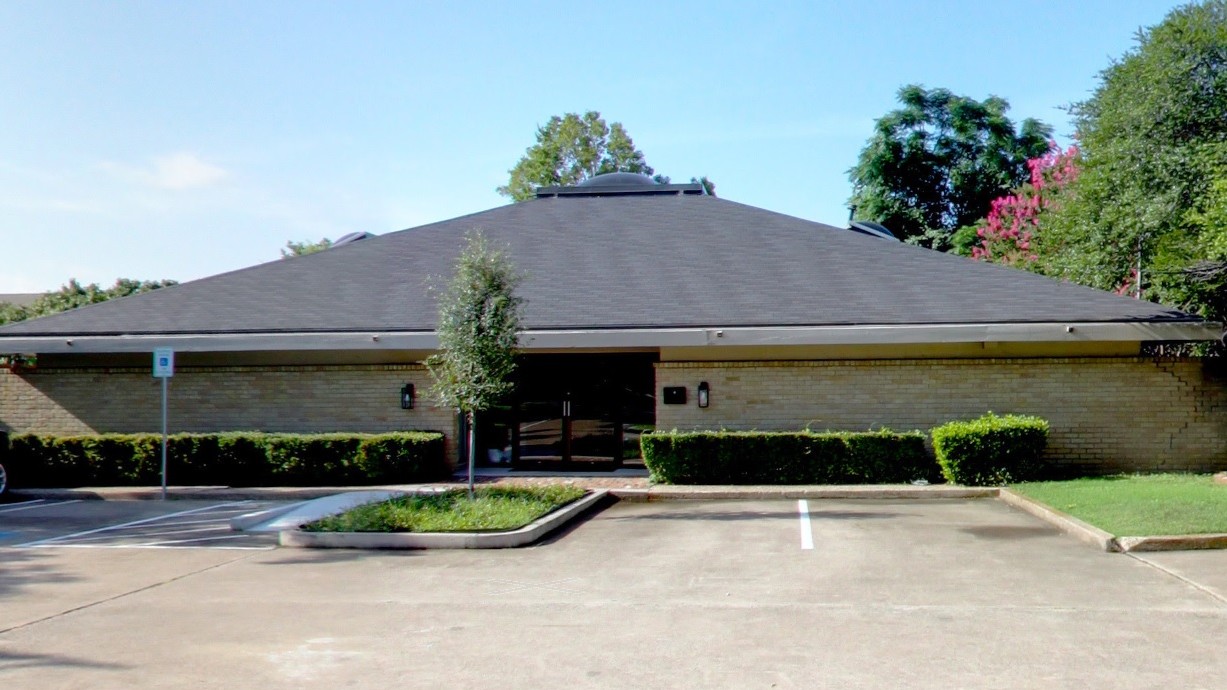
Millwood Hospital | 1011 North Cooper Street | Millwood Hospital is a behavioral health and addiction treatment center in Arlington, Texas serving the greater Dallas-Fort Worth area with inpatient and outpatient ... more details › | Treatment Programs Insurance Detox Detox in Texas is your first step toward a drug-free future. During this phase, your systems are cleansed of all addictive substances. You’ll receive 24/7 care, which may include medication to alleviate withdrawal symptoms. Inpatient Inpatient drug rehab in Texas can last from a few weeks to mor than 90 days. During that time, you live at the facility and receive round-the-clock supervised care. Treatment typically includes individual and group therapy. Outpatient Outpatient rehab in Texas provides a means for addition treatment while you live at home. You will attend regular therapy sessions and typically maintain involvement with a 12-step program. Because it is tailored for each person’s needs, there is no set timeline for completion of outpatient rehab. Dual Diagnosis A dual diagnosis treatment center in Texas provides programs for people who struggle with both substance abuse and mental illness. Treating both disorders through an integrated approach is essential for recovery. Aftercare The initial weeks and months after rehab treatment are often the most difficult. Aftercare rehab in Texas is designed to help you successfully navigate these challenging times and maintain sobriety. You’ll receive emotional, mental, and practical supports, for up to a year or more after treatment. +3 | Treatment Programs Insurance Medicaid You may be eligible for Medicaid/STAR Health to cover the cost of alcohol and drug rehab in Texas. Coverage through Medicaid/STAR Health may vary, but it can assist with the cost of alcohol and drug rehab, including detox, inpatient rehab, and more. Medicare If you're a resident and need help paying for alcohol and drug rehab in Texas, you may be eligible for Medicare. The amount of coverage will depend on many things, including whether you are seeking inpatient or outpatient treatment for substance abuse. Financial Aid If you require assistance paying for alcohol and drug rehab in Texas, financial aid may be an option. Financial assistance options include grants, scholarships, non-profit programs, personal funding, and health insurance programs to help you manage the expense of substance abuse treatment. Tricare Administered by the Department of Defense, TRICARE offers comprehensive military health insurance plans for active and retired military members and their families. Similar to PPO programs offered by private insurance companies, TRICARE covers multiple levels of care for addiction treatment, including detox, inpatient rehab, and outpatient services. Private If you have private insurance, you can use it to help cover the cost alcohol and drug rehab in Texas. The amount covered may depend on your policy and whether the treatment center is in-network or out-of-network. You may be left with some costs like a co-payment, or co-insurance. Check with your insurer for more information. Payment You have the option to pay for your alcohol and drug rehab in Texas, out-of-pocket (also called self-pay or private pay). Self-pay allows you to take control of the cost of your recovery journey and gives you access to all levels of care — including detox in Texas, and inpatient rehab in Texas — that might otherwise be limited by insurers or government-run programs. +4 | |
CDHS Inc | 214 Billings Street, 240, Arlington, TX 76010 | Chemical Dependency Health Services CDHS, located in the heart of Arlington, Texas, is a provider of medication assisted treatment (MAT) and counseling for chemical ... more details › | Treatment Programs Insurance Detox Detox in Texas is your first step toward a drug-free future. During this phase, your systems are cleansed of all addictive substances. You’ll receive 24/7 care, which may include medication to alleviate withdrawal symptoms. Outpatient Outpatient rehab in Texas provides a means for addition treatment while you live at home. You will attend regular therapy sessions and typically maintain involvement with a 12-step program. Because it is tailored for each person’s needs, there is no set timeline for completion of outpatient rehab. Aftercare The initial weeks and months after rehab treatment are often the most difficult. Aftercare rehab in Texas is designed to help you successfully navigate these challenging times and maintain sobriety. You’ll receive emotional, mental, and practical supports, for up to a year or more after treatment. +1 | Treatment Programs Insurance Payment You have the option to pay for your alcohol and drug rehab in Texas, out-of-pocket (also called self-pay or private pay). Self-pay allows you to take control of the cost of your recovery journey and gives you access to all levels of care — including detox in Texas, and inpatient rehab in Texas — that might otherwise be limited by insurers or government-run programs. | |
North Texas Addiction Counseling and Education | 124 West Pioneer Parkway | North Texas Addiction Counseling and Education (NTACE) is a nonprofit CARF accredited addiction treatment provider offering outpatient care in Arlington, Texas. ... more details › | Treatment Programs Insurance Outpatient Outpatient rehab in Texas provides a means for addition treatment while you live at home. You will attend regular therapy sessions and typically maintain involvement with a 12-step program. Because it is tailored for each person’s needs, there is no set timeline for completion of outpatient rehab. Dual Diagnosis A dual diagnosis treatment center in Texas provides programs for people who struggle with both substance abuse and mental illness. Treating both disorders through an integrated approach is essential for recovery. Aftercare The initial weeks and months after rehab treatment are often the most difficult. Aftercare rehab in Texas is designed to help you successfully navigate these challenging times and maintain sobriety. You’ll receive emotional, mental, and practical supports, for up to a year or more after treatment. Intervention A valuable tool for drug rehab in Texas is intervention services. This treatment tool provides education and resources on how to stage an effective intervention as well as professional assistance with facilitating the intervention. Staff then follow up with support to develop an effective treatment plan. +2 | Treatment Programs Insurance Medicaid You may be eligible for Medicaid/STAR Health to cover the cost of alcohol and drug rehab in Texas. Coverage through Medicaid/STAR Health may vary, but it can assist with the cost of alcohol and drug rehab, including detox, inpatient rehab, and more. Financial Aid If you require assistance paying for alcohol and drug rehab in Texas, financial aid may be an option. Financial assistance options include grants, scholarships, non-profit programs, personal funding, and health insurance programs to help you manage the expense of substance abuse treatment. Payment You have the option to pay for your alcohol and drug rehab in Texas, out-of-pocket (also called self-pay or private pay). Self-pay allows you to take control of the cost of your recovery journey and gives you access to all levels of care — including detox in Texas, and inpatient rehab in Texas — that might otherwise be limited by insurers or government-run programs. +1 | |
Phoenix Associates Counseling Services | 801 West Road to Six Flags Street | Based in Arlington, Texas, this was just one of two Phoenix Associates Counseling Services locations. As a now defunct nonprofit, this was a place where clients of all ... more details › | Treatment Programs Insurance Outpatient Outpatient rehab in Texas provides a means for addition treatment while you live at home. You will attend regular therapy sessions and typically maintain involvement with a 12-step program. Because it is tailored for each person’s needs, there is no set timeline for completion of outpatient rehab. Dual Diagnosis A dual diagnosis treatment center in Texas provides programs for people who struggle with both substance abuse and mental illness. Treating both disorders through an integrated approach is essential for recovery. Aftercare The initial weeks and months after rehab treatment are often the most difficult. Aftercare rehab in Texas is designed to help you successfully navigate these challenging times and maintain sobriety. You’ll receive emotional, mental, and practical supports, for up to a year or more after treatment. +1 | Treatment Programs Insurance Medicaid You may be eligible for Medicaid/STAR Health to cover the cost of alcohol and drug rehab in Texas. Coverage through Medicaid/STAR Health may vary, but it can assist with the cost of alcohol and drug rehab, including detox, inpatient rehab, and more. Financial Aid If you require assistance paying for alcohol and drug rehab in Texas, financial aid may be an option. Financial assistance options include grants, scholarships, non-profit programs, personal funding, and health insurance programs to help you manage the expense of substance abuse treatment. Private If you have private insurance, you can use it to help cover the cost alcohol and drug rehab in Texas. The amount covered may depend on your policy and whether the treatment center is in-network or out-of-network. You may be left with some costs like a co-payment, or co-insurance. Check with your insurer for more information. Payment You have the option to pay for your alcohol and drug rehab in Texas, out-of-pocket (also called self-pay or private pay). Self-pay allows you to take control of the cost of your recovery journey and gives you access to all levels of care — including detox in Texas, and inpatient rehab in Texas — that might otherwise be limited by insurers or government-run programs. +2 | |
Greenhouse Outpatient Treatment Facility | 2301 Avenue J | Greenhouse Outpatient Treatment Center is an alcohol and drug rehab center that provides addiction treatment through outpatient programming in Arlington, Texas. They ... more details › | Treatment Programs Insurance Detox Detox in Texas is your first step toward a drug-free future. During this phase, your systems are cleansed of all addictive substances. You’ll receive 24/7 care, which may include medication to alleviate withdrawal symptoms. Inpatient Inpatient drug rehab in Texas can last from a few weeks to mor than 90 days. During that time, you live at the facility and receive round-the-clock supervised care. Treatment typically includes individual and group therapy. PHP Partial hospitalization programs (PHPs) in Texas can provide an effective alternative to inpatient care. These drug rehab programs offer many of the same treatments offered in residential care, but you don’t have to stay overnight. Outpatient Outpatient rehab in Texas provides a means for addition treatment while you live at home. You will attend regular therapy sessions and typically maintain involvement with a 12-step program. Because it is tailored for each person’s needs, there is no set timeline for completion of outpatient rehab. Dual Diagnosis A dual diagnosis treatment center in Texas provides programs for people who struggle with both substance abuse and mental illness. Treating both disorders through an integrated approach is essential for recovery. Aftercare The initial weeks and months after rehab treatment are often the most difficult. Aftercare rehab in Texas is designed to help you successfully navigate these challenging times and maintain sobriety. You’ll receive emotional, mental, and practical supports, for up to a year or more after treatment. Sober Living Sober living in Texas offers a flexible timeline to meet your recovery needs. You can stay in the sober living home as long as you adhere to house rules. These typically include a curfew, random drug tests, and contribution to household bills and chores. Intervention A valuable tool for drug rehab in Texas is intervention services. This treatment tool provides education and resources on how to stage an effective intervention as well as professional assistance with facilitating the intervention. Staff then follow up with support to develop an effective treatment plan. +6 | Treatment Programs Insurance Private If you have private insurance, you can use it to help cover the cost alcohol and drug rehab in Texas. The amount covered may depend on your policy and whether the treatment center is in-network or out-of-network. You may be left with some costs like a co-payment, or co-insurance. Check with your insurer for more information. Payment You have the option to pay for your alcohol and drug rehab in Texas, out-of-pocket (also called self-pay or private pay). Self-pay allows you to take control of the cost of your recovery journey and gives you access to all levels of care — including detox in Texas, and inpatient rehab in Texas — that might otherwise be limited by insurers or government-run programs. | |
Resolutions Arlington | 1075 Wet N Wild Way | Resolutions Arlington is a structured sober living program in Arlington, Texas offering a recovery focused transition for adults stepping down from higher levels of ... more details › | Treatment Programs Insurance Detox Detox in Texas is your first step toward a drug-free future. During this phase, your systems are cleansed of all addictive substances. You’ll receive 24/7 care, which may include medication to alleviate withdrawal symptoms. Inpatient Inpatient drug rehab in Texas can last from a few weeks to mor than 90 days. During that time, you live at the facility and receive round-the-clock supervised care. Treatment typically includes individual and group therapy. Outpatient Outpatient rehab in Texas provides a means for addition treatment while you live at home. You will attend regular therapy sessions and typically maintain involvement with a 12-step program. Because it is tailored for each person’s needs, there is no set timeline for completion of outpatient rehab. Dual Diagnosis A dual diagnosis treatment center in Texas provides programs for people who struggle with both substance abuse and mental illness. Treating both disorders through an integrated approach is essential for recovery. Sober Living Sober living in Texas offers a flexible timeline to meet your recovery needs. You can stay in the sober living home as long as you adhere to house rules. These typically include a curfew, random drug tests, and contribution to household bills and chores. +3 | Treatment Programs Insurance Private If you have private insurance, you can use it to help cover the cost alcohol and drug rehab in Texas. The amount covered may depend on your policy and whether the treatment center is in-network or out-of-network. You may be left with some costs like a co-payment, or co-insurance. Check with your insurer for more information. Payment You have the option to pay for your alcohol and drug rehab in Texas, out-of-pocket (also called self-pay or private pay). Self-pay allows you to take control of the cost of your recovery journey and gives you access to all levels of care — including detox in Texas, and inpatient rehab in Texas — that might otherwise be limited by insurers or government-run programs. | |
BasePoint Academy Teen Mental Health Treatment & Counseling Arlington | 3900 Arlington Highlands Blvd | BasePoint Academy Teen Mental Health Treatment & Counseling provides teen-focused mental health treatment center for adolescents ages 11-18 and their families in ... more details › | Treatment Programs Insurance PHP Partial hospitalization programs (PHPs) in Texas can provide an effective alternative to inpatient care. These drug rehab programs offer many of the same treatments offered in residential care, but you don’t have to stay overnight. Outpatient Outpatient rehab in Texas provides a means for addition treatment while you live at home. You will attend regular therapy sessions and typically maintain involvement with a 12-step program. Because it is tailored for each person’s needs, there is no set timeline for completion of outpatient rehab. Dual Diagnosis A dual diagnosis treatment center in Texas provides programs for people who struggle with both substance abuse and mental illness. Treating both disorders through an integrated approach is essential for recovery. +1 | Treatment Programs Insurance Financial Aid If you require assistance paying for alcohol and drug rehab in Texas, financial aid may be an option. Financial assistance options include grants, scholarships, non-profit programs, personal funding, and health insurance programs to help you manage the expense of substance abuse treatment. Private If you have private insurance, you can use it to help cover the cost alcohol and drug rehab in Texas. The amount covered may depend on your policy and whether the treatment center is in-network or out-of-network. You may be left with some costs like a co-payment, or co-insurance. Check with your insurer for more information. Payment You have the option to pay for your alcohol and drug rehab in Texas, out-of-pocket (also called self-pay or private pay). Self-pay allows you to take control of the cost of your recovery journey and gives you access to all levels of care — including detox in Texas, and inpatient rehab in Texas — that might otherwise be limited by insurers or government-run programs. +1 | |
Animo Education & Counseling | 990 North Cooper Street | Animo Education and Counseling was founded in 1994. They once specialized in bilingual addiction counseling, evaluation, and education classes for adults. They were ... more details › | Treatment Programs Insurance Outpatient Outpatient rehab in Texas provides a means for addition treatment while you live at home. You will attend regular therapy sessions and typically maintain involvement with a 12-step program. Because it is tailored for each person’s needs, there is no set timeline for completion of outpatient rehab. Dual Diagnosis A dual diagnosis treatment center in Texas provides programs for people who struggle with both substance abuse and mental illness. Treating both disorders through an integrated approach is essential for recovery. Aftercare The initial weeks and months after rehab treatment are often the most difficult. Aftercare rehab in Texas is designed to help you successfully navigate these challenging times and maintain sobriety. You’ll receive emotional, mental, and practical supports, for up to a year or more after treatment. Intervention A valuable tool for drug rehab in Texas is intervention services. This treatment tool provides education and resources on how to stage an effective intervention as well as professional assistance with facilitating the intervention. Staff then follow up with support to develop an effective treatment plan. +2 | Treatment Programs Insurance Private If you have private insurance, you can use it to help cover the cost alcohol and drug rehab in Texas. The amount covered may depend on your policy and whether the treatment center is in-network or out-of-network. You may be left with some costs like a co-payment, or co-insurance. Check with your insurer for more information. Payment You have the option to pay for your alcohol and drug rehab in Texas, out-of-pocket (also called self-pay or private pay). Self-pay allows you to take control of the cost of your recovery journey and gives you access to all levels of care — including detox in Texas, and inpatient rehab in Texas — that might otherwise be limited by insurers or government-run programs. | |
JPS Medical Home Southeast Tarrant | 1050 West Arkansas Lane | JPS Medical Home Southeast Tarrant in Arlington, Texas, is an outpatient clinic that provides mental health and substance abuse treatment. Clients can receive services ... more details › | Treatment Programs Insurance PHP Partial hospitalization programs (PHPs) in Texas can provide an effective alternative to inpatient care. These drug rehab programs offer many of the same treatments offered in residential care, but you don’t have to stay overnight. Outpatient Outpatient rehab in Texas provides a means for addition treatment while you live at home. You will attend regular therapy sessions and typically maintain involvement with a 12-step program. Because it is tailored for each person’s needs, there is no set timeline for completion of outpatient rehab. Dual Diagnosis A dual diagnosis treatment center in Texas provides programs for people who struggle with both substance abuse and mental illness. Treating both disorders through an integrated approach is essential for recovery. Aftercare The initial weeks and months after rehab treatment are often the most difficult. Aftercare rehab in Texas is designed to help you successfully navigate these challenging times and maintain sobriety. You’ll receive emotional, mental, and practical supports, for up to a year or more after treatment. +2 | Treatment Programs Insurance Medicaid You may be eligible for Medicaid/STAR Health to cover the cost of alcohol and drug rehab in Texas. Coverage through Medicaid/STAR Health may vary, but it can assist with the cost of alcohol and drug rehab, including detox, inpatient rehab, and more. Medicare If you're a resident and need help paying for alcohol and drug rehab in Texas, you may be eligible for Medicare. The amount of coverage will depend on many things, including whether you are seeking inpatient or outpatient treatment for substance abuse. Financial Aid If you require assistance paying for alcohol and drug rehab in Texas, financial aid may be an option. Financial assistance options include grants, scholarships, non-profit programs, personal funding, and health insurance programs to help you manage the expense of substance abuse treatment. Tricare Administered by the Department of Defense, TRICARE offers comprehensive military health insurance plans for active and retired military members and their families. Similar to PPO programs offered by private insurance companies, TRICARE covers multiple levels of care for addiction treatment, including detox, inpatient rehab, and outpatient services. Private If you have private insurance, you can use it to help cover the cost alcohol and drug rehab in Texas. The amount covered may depend on your policy and whether the treatment center is in-network or out-of-network. You may be left with some costs like a co-payment, or co-insurance. Check with your insurer for more information. Payment You have the option to pay for your alcohol and drug rehab in Texas, out-of-pocket (also called self-pay or private pay). Self-pay allows you to take control of the cost of your recovery journey and gives you access to all levels of care — including detox in Texas, and inpatient rehab in Texas — that might otherwise be limited by insurers or government-run programs. +4 | |
Texas Health Arlington Memorial Hospital | 800 West Randol Mill Road | Texas Health Arlington Memorial Hospital in Arlington, Texas offers specialized chemical dependency programs for adults, children, and youth. This service is central ... more details › | Treatment Programs Insurance Detox Detox in Texas is your first step toward a drug-free future. During this phase, your systems are cleansed of all addictive substances. You’ll receive 24/7 care, which may include medication to alleviate withdrawal symptoms. Inpatient Inpatient drug rehab in Texas can last from a few weeks to mor than 90 days. During that time, you live at the facility and receive round-the-clock supervised care. Treatment typically includes individual and group therapy. Outpatient Outpatient rehab in Texas provides a means for addition treatment while you live at home. You will attend regular therapy sessions and typically maintain involvement with a 12-step program. Because it is tailored for each person’s needs, there is no set timeline for completion of outpatient rehab. Dual Diagnosis A dual diagnosis treatment center in Texas provides programs for people who struggle with both substance abuse and mental illness. Treating both disorders through an integrated approach is essential for recovery. Aftercare The initial weeks and months after rehab treatment are often the most difficult. Aftercare rehab in Texas is designed to help you successfully navigate these challenging times and maintain sobriety. You’ll receive emotional, mental, and practical supports, for up to a year or more after treatment. +3 | Treatment Programs Insurance Medicaid You may be eligible for Medicaid/STAR Health to cover the cost of alcohol and drug rehab in Texas. Coverage through Medicaid/STAR Health may vary, but it can assist with the cost of alcohol and drug rehab, including detox, inpatient rehab, and more. Private If you have private insurance, you can use it to help cover the cost alcohol and drug rehab in Texas. The amount covered may depend on your policy and whether the treatment center is in-network or out-of-network. You may be left with some costs like a co-payment, or co-insurance. Check with your insurer for more information. Payment You have the option to pay for your alcohol and drug rehab in Texas, out-of-pocket (also called self-pay or private pay). Self-pay allows you to take control of the cost of your recovery journey and gives you access to all levels of care — including detox in Texas, and inpatient rehab in Texas — that might otherwise be limited by insurers or government-run programs. +1 | |
Mending Clinic | 5624 Southwest Green Oaks Boulevard | Mending Clinic provides counseling and mental health treatment in Arlington, the broader Dallas/Fort Worth area and clients statewide via telehealth in Texas. ... more details › | Treatment Programs Insurance Outpatient Outpatient rehab in Texas provides a means for addition treatment while you live at home. You will attend regular therapy sessions and typically maintain involvement with a 12-step program. Because it is tailored for each person’s needs, there is no set timeline for completion of outpatient rehab. | Treatment Programs Insurance Private If you have private insurance, you can use it to help cover the cost alcohol and drug rehab in Texas. The amount covered may depend on your policy and whether the treatment center is in-network or out-of-network. You may be left with some costs like a co-payment, or co-insurance. Check with your insurer for more information. Payment You have the option to pay for your alcohol and drug rehab in Texas, out-of-pocket (also called self-pay or private pay). Self-pay allows you to take control of the cost of your recovery journey and gives you access to all levels of care — including detox in Texas, and inpatient rehab in Texas — that might otherwise be limited by insurers or government-run programs. | |
Symetria — Arlington Outpatient Rehab & Suboxone Clinic | 2623 Matlock Rd | Symetria in Arlington, Texas is an outpatient addiction treatment center specializing in opioid and alcohol use disorders. The clinic, I've found, combines ... more details › | Treatment Programs Insurance | Treatment Programs Insurance Medicare If you're a resident and need help paying for alcohol and drug rehab in Texas, you may be eligible for Medicare. The amount of coverage will depend on many things, including whether you are seeking inpatient or outpatient treatment for substance abuse. Financial Aid If you’re struggling to pay the full amount of alcohol and drug rehab in Texas a sliding scale payment plan may be an option for you. This way, you can access all levels of care, including detox, inpatient rehab, and more. To qualify for this treatment discount, you must complete an application and provide supporting financial documentation. Tricare Administered by the Department of Defense, TRICARE offers comprehensive military health insurance plans for active and retired military members and their families. Similar to PPO programs offered by private insurance companies, TRICARE covers multiple levels of care for addiction treatment, including detox, inpatient rehab, and outpatient services. Private If you have private insurance, you can use it to help cover the cost alcohol and drug rehab in Texas. The amount covered may depend on your policy and whether the treatment center is in-network or out-of-network. You may be left with some costs like a co-payment, or co-insurance. Check with your insurer for more information. Payment You have the option to pay for your alcohol and drug rehab in Texas, out-of-pocket (also called self-pay or private pay). Self-pay allows you to take control of the cost of your recovery journey and gives you access to all levels of care — including detox in Texas, and inpatient rehab in Texas — that might otherwise be limited by insurers or government-run programs. +3 |
Finding free or low-cost addiction treatment in Arlington, Texas typically begins with a phone call rather than a walk-in visit. Detox referral, outpatient counseling, medication for opioid use disorder (MOUD), and harm reduction support are all reachable for Arlington residents. Most of the care is organized at the county and state level rather than through a single clinic based in the city.
Coverage is the first piece of your recovery journey to understand. Texas is one of the states that has not expanded Medicaid, so the program often just covers children, pregnant women, and people with disabilities rather than all low income adults. That gap makes Medicaid alone an incomplete plan for many Arlington residents.
This is why sliding-scale nonprofits, state grant funding, and free treatment programs carry more of the weight here than they would in a state that expanded coverage. Most of Tarrant County’s dedicated treatment infrastructure is located in Fort Worth, about 13 miles away, which is typical for a metro area where public programs cluster around the county seat.
Arlington residents are not cut off from treatment. The state’s OSAR screening line and 211 Texas both exist specifically to route callers to whichever county or regional program fits, wherever it happens to be based, so a phone call is usually the fastest way to find out what applies locally. Access to harm reduction resources is thinner here than in states with legal syringe service programs.
Texas does not permit them, and a 2025 bill to legalize fentanyl test strips did not pass the legislature. Free naloxone is easily available through Naloxone Texas, which ships overdose-reversal medication and training to any Texas resident who requests it. This is the most practical harm reduction option right now. The full list of free and low-cost resources available, plus the state’s peer support networks, follows below.
Free Treatment Score: 5.7 / 10. Arlington’s number points to a moderate but real safety net, built mostly at the county and state level rather than inside the city itself.
When you are searching for free or low-cost addiction treatment in Arlington, it usually means looking one level up, toward Tarrant County and the state of Texas, rather than toward a program headquartered in the city itself. Arlington’s Free Treatment Score of 5.7 out of 10 reflects that pattern. A moderate safety net that is genuinely reachable, even though little of it is based locally.
The state’s OSAR line is the most useful starting point, since it screens callers by phone and routes them to whichever county or regional program fits, including the deeper set of options based in Fort Worth. Coverage is the tightest link in the chain. Because Texas has not expanded Medicaid, eligibility includes only children, pregnant women, and people with disabilities.
This means sliding-scale fees, 211, and statewide nonprofit grants carry more weight here than they would in a state that expanded coverage. Between those programs and affordable treatment options in Texas, most Arlington residents can find a $0 or low-cost door to start at. Learn more about our Free Treatment Score methodology.

 800-783-0593
 Sponsored
