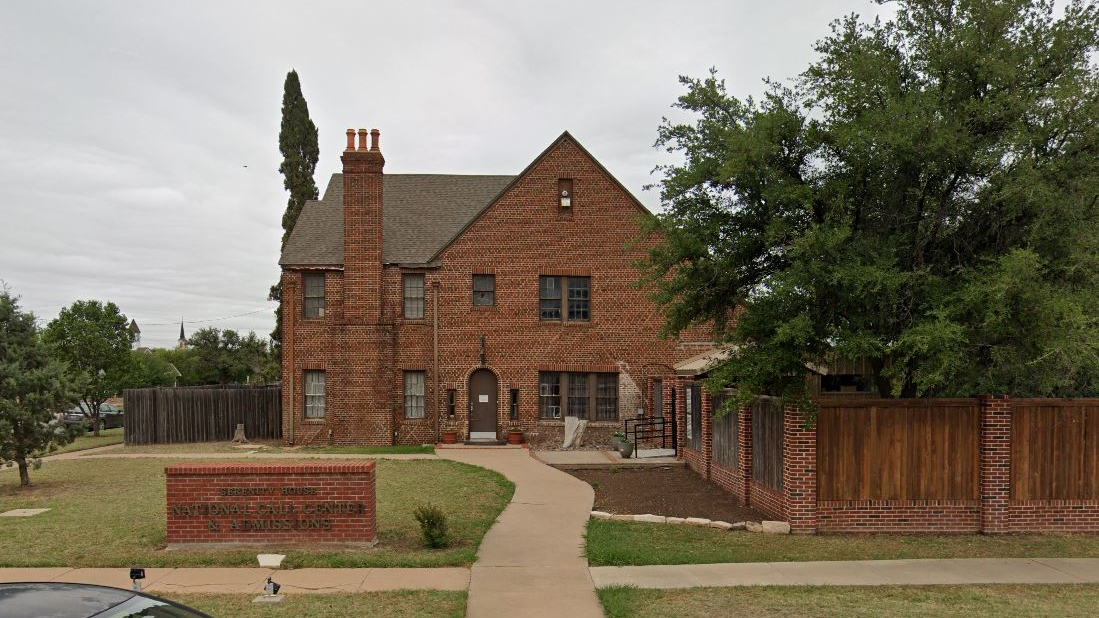
Serenity House
Abilene, TX
79601

Accredited drug rehab centers available across Denton.
Sliding-scale payments, financial aid, low-cost programs, and local nonprofits.
Medicare, Medicaid, TRICARE, plus local private health insurance coverage.
 Filter
| Name | Address | Description | Treatment | Insurance | Thumbnail |
|---|---|---|---|---|---|
Denton VA Clinic | 2223 Colorado Boulevard | Denton VA Clinic is an outpatient Veterans Affairs clinic in Denton, Texas providing substance use treatment and mental health services as part of the VA North Texas ... more details › | Treatment Programs Insurance Outpatient Outpatient rehab in Texas provides a means for addition treatment while you live at home. You will attend regular therapy sessions and typically maintain involvement with a 12-step program. Because it is tailored for each person’s needs, there is no set timeline for completion of outpatient rehab. Dual Diagnosis A dual diagnosis treatment center in Texas provides programs for people who struggle with both substance abuse and mental illness. Treating both disorders through an integrated approach is essential for recovery. Aftercare The initial weeks and months after rehab treatment are often the most difficult. Aftercare rehab in Texas is designed to help you successfully navigate these challenging times and maintain sobriety. You’ll receive emotional, mental, and practical supports, for up to a year or more after treatment. +1 | Treatment Programs Insurance Medicaid You may be eligible for Medicaid/STAR Health to cover the cost of alcohol and drug rehab in Texas. Coverage through Medicaid/STAR Health may vary, but it can assist with the cost of alcohol and drug rehab, including detox, inpatient rehab, and more. Medicare If you're a resident and need help paying for alcohol and drug rehab in Texas, you may be eligible for Medicare. The amount of coverage will depend on many things, including whether you are seeking inpatient or outpatient treatment for substance abuse. Financial Aid If you require assistance paying for alcohol and drug rehab in Texas, financial aid may be an option. Financial assistance options include grants, scholarships, non-profit programs, personal funding, and health insurance programs to help you manage the expense of substance abuse treatment. Tricare Administered by the Department of Defense, TRICARE offers comprehensive military health insurance plans for active and retired military members and their families. Similar to PPO programs offered by private insurance companies, TRICARE covers multiple levels of care for addiction treatment, including detox, inpatient rehab, and outpatient services. Private If you have private insurance, you can use it to help cover the cost alcohol and drug rehab in Texas. The amount covered may depend on your policy and whether the treatment center is in-network or out-of-network. You may be left with some costs like a co-payment, or co-insurance. Check with your insurer for more information. Payment You have the option to pay for your alcohol and drug rehab in Texas, out-of-pocket (also called self-pay or private pay). Self-pay allows you to take control of the cost of your recovery journey and gives you access to all levels of care — including detox in Texas, and inpatient rehab in Texas — that might otherwise be limited by insurers or government-run programs. +4 | |
Denton Treatment Services | 621 Londonderry Lane | The Denton clinic is one of seven Texas Treatment Services locations. They offer opioid use disorder outpatient treatments. They take new patients every morning and ... more details › | Treatment Programs Insurance Detox Detox in Texas is your first step toward a drug-free future. During this phase, your systems are cleansed of all addictive substances. You’ll receive 24/7 care, which may include medication to alleviate withdrawal symptoms. Inpatient Inpatient drug rehab in Texas can last from a few weeks to mor than 90 days. During that time, you live at the facility and receive round-the-clock supervised care. Treatment typically includes individual and group therapy. Outpatient Outpatient rehab in Texas provides a means for addition treatment while you live at home. You will attend regular therapy sessions and typically maintain involvement with a 12-step program. Because it is tailored for each person’s needs, there is no set timeline for completion of outpatient rehab. Aftercare The initial weeks and months after rehab treatment are often the most difficult. Aftercare rehab in Texas is designed to help you successfully navigate these challenging times and maintain sobriety. You’ll receive emotional, mental, and practical supports, for up to a year or more after treatment. Sober Living Sober living in Texas offers a flexible timeline to meet your recovery needs. You can stay in the sober living home as long as you adhere to house rules. These typically include a curfew, random drug tests, and contribution to household bills and chores. Intervention A valuable tool for drug rehab in Texas is intervention services. This treatment tool provides education and resources on how to stage an effective intervention as well as professional assistance with facilitating the intervention. Staff then follow up with support to develop an effective treatment plan. +4 | Treatment Programs Insurance Medicaid You may be eligible for Medicaid/STAR Health to cover the cost of alcohol and drug rehab in Texas. Coverage through Medicaid/STAR Health may vary, but it can assist with the cost of alcohol and drug rehab, including detox, inpatient rehab, and more. Medicare If you're a resident and need help paying for alcohol and drug rehab in Texas, you may be eligible for Medicare. The amount of coverage will depend on many things, including whether you are seeking inpatient or outpatient treatment for substance abuse. Private If you have private insurance, you can use it to help cover the cost alcohol and drug rehab in Texas. The amount covered may depend on your policy and whether the treatment center is in-network or out-of-network. You may be left with some costs like a co-payment, or co-insurance. Check with your insurer for more information. Payment You have the option to pay for your alcohol and drug rehab in Texas, out-of-pocket (also called self-pay or private pay). Self-pay allows you to take control of the cost of your recovery journey and gives you access to all levels of care — including detox in Texas, and inpatient rehab in Texas — that might otherwise be limited by insurers or government-run programs. +2 | |
University Behavioral Health of Denton | 2026 West University Drive | University Behavioral Health of Denton offers an array of substance use disorder (SUD) and mental health treatment programs, including inpatient and outpatient ... more details › | Treatment Programs Insurance Detox Detox in Texas is your first step toward a drug-free future. During this phase, your systems are cleansed of all addictive substances. You’ll receive 24/7 care, which may include medication to alleviate withdrawal symptoms. Inpatient Inpatient drug rehab in Texas can last from a few weeks to mor than 90 days. During that time, you live at the facility and receive round-the-clock supervised care. Treatment typically includes individual and group therapy. PHP Partial hospitalization programs (PHPs) in Texas can provide an effective alternative to inpatient care. These drug rehab programs offer many of the same treatments offered in residential care, but you don’t have to stay overnight. Outpatient Outpatient rehab in Texas provides a means for addition treatment while you live at home. You will attend regular therapy sessions and typically maintain involvement with a 12-step program. Because it is tailored for each person’s needs, there is no set timeline for completion of outpatient rehab. Dual Diagnosis A dual diagnosis treatment center in Texas provides programs for people who struggle with both substance abuse and mental illness. Treating both disorders through an integrated approach is essential for recovery. Intervention A valuable tool for drug rehab in Texas is intervention services. This treatment tool provides education and resources on how to stage an effective intervention as well as professional assistance with facilitating the intervention. Staff then follow up with support to develop an effective treatment plan. +4 | Treatment Programs Insurance Medicaid You may be eligible for Medicaid/STAR Health to cover the cost of alcohol and drug rehab in Texas. Coverage through Medicaid/STAR Health may vary, but it can assist with the cost of alcohol and drug rehab, including detox, inpatient rehab, and more. Medicare If you're a resident and need help paying for alcohol and drug rehab in Texas, you may be eligible for Medicare. The amount of coverage will depend on many things, including whether you are seeking inpatient or outpatient treatment for substance abuse. Financial Aid If you require assistance paying for alcohol and drug rehab in Texas, financial aid may be an option. Financial assistance options include grants, scholarships, non-profit programs, personal funding, and health insurance programs to help you manage the expense of substance abuse treatment. Tricare Administered by the Department of Defense, TRICARE offers comprehensive military health insurance plans for active and retired military members and their families. Similar to PPO programs offered by private insurance companies, TRICARE covers multiple levels of care for addiction treatment, including detox, inpatient rehab, and outpatient services. Private If you have private insurance, you can use it to help cover the cost alcohol and drug rehab in Texas. The amount covered may depend on your policy and whether the treatment center is in-network or out-of-network. You may be left with some costs like a co-payment, or co-insurance. Check with your insurer for more information. Payment You have the option to pay for your alcohol and drug rehab in Texas, out-of-pocket (also called self-pay or private pay). Self-pay allows you to take control of the cost of your recovery journey and gives you access to all levels of care — including detox in Texas, and inpatient rehab in Texas — that might otherwise be limited by insurers or government-run programs. +4 | |
Mc Cary Counseling Services | 401 South Locust Street | Mc Cary Counseling Services in Denton, Texas offers men and women outpatient therapy for substance abuse and mental health concerns. I think it’s notable that this ... more details › | Treatment Programs Insurance Outpatient Outpatient rehab in Texas provides a means for addition treatment while you live at home. You will attend regular therapy sessions and typically maintain involvement with a 12-step program. Because it is tailored for each person’s needs, there is no set timeline for completion of outpatient rehab. Dual Diagnosis A dual diagnosis treatment center in Texas provides programs for people who struggle with both substance abuse and mental illness. Treating both disorders through an integrated approach is essential for recovery. Aftercare The initial weeks and months after rehab treatment are often the most difficult. Aftercare rehab in Texas is designed to help you successfully navigate these challenging times and maintain sobriety. You’ll receive emotional, mental, and practical supports, for up to a year or more after treatment. +1 | Treatment Programs Insurance Payment You have the option to pay for your alcohol and drug rehab in Texas, out-of-pocket (also called self-pay or private pay). Self-pay allows you to take control of the cost of your recovery journey and gives you access to all levels of care — including detox in Texas, and inpatient rehab in Texas — that might otherwise be limited by insurers or government-run programs. | |
Denton County MHMR Center | 2519 Scripture St | Located in Denton, Texas, the Denton Outpatient Clinic offers outpatient dual diagnosis treatment for individuals experiencing mental health and substance use issues. ... more details › | Treatment Programs Insurance Outpatient Outpatient rehab in Texas provides a means for addition treatment while you live at home. You will attend regular therapy sessions and typically maintain involvement with a 12-step program. Because it is tailored for each person’s needs, there is no set timeline for completion of outpatient rehab. Dual Diagnosis A dual diagnosis treatment center in Texas provides programs for people who struggle with both substance abuse and mental illness. Treating both disorders through an integrated approach is essential for recovery. Aftercare The initial weeks and months after rehab treatment are often the most difficult. Aftercare rehab in Texas is designed to help you successfully navigate these challenging times and maintain sobriety. You’ll receive emotional, mental, and practical supports, for up to a year or more after treatment. +1 | Treatment Programs Insurance Medicaid You may be eligible for Medicaid/STAR Health to cover the cost of alcohol and drug rehab in Texas. Coverage through Medicaid/STAR Health may vary, but it can assist with the cost of alcohol and drug rehab, including detox, inpatient rehab, and more. Medicare If you're a resident and need help paying for alcohol and drug rehab in Texas, you may be eligible for Medicare. The amount of coverage will depend on many things, including whether you are seeking inpatient or outpatient treatment for substance abuse. Financial Aid If you require assistance paying for alcohol and drug rehab in Texas, financial aid may be an option. Financial assistance options include grants, scholarships, non-profit programs, personal funding, and health insurance programs to help you manage the expense of substance abuse treatment. Private If you have private insurance, you can use it to help cover the cost alcohol and drug rehab in Texas. The amount covered may depend on your policy and whether the treatment center is in-network or out-of-network. You may be left with some costs like a co-payment, or co-insurance. Check with your insurer for more information. Payment You have the option to pay for your alcohol and drug rehab in Texas, out-of-pocket (also called self-pay or private pay). Self-pay allows you to take control of the cost of your recovery journey and gives you access to all levels of care — including detox in Texas, and inpatient rehab in Texas — that might otherwise be limited by insurers or government-run programs. +3 | |
Denton Treatment Services | 621 Londonderry Lane | The Denton clinic is one of seven Texas Treatment Services locations. They offer opioid use disorder outpatient treatments. They take new patients every morning and ... more details › | Treatment Programs Insurance Detox Detox in Texas is your first step toward a drug-free future. During this phase, your systems are cleansed of all addictive substances. You’ll receive 24/7 care, which may include medication to alleviate withdrawal symptoms. Inpatient Inpatient drug rehab in Texas can last from a few weeks to mor than 90 days. During that time, you live at the facility and receive round-the-clock supervised care. Treatment typically includes individual and group therapy. Outpatient Outpatient rehab in Texas provides a means for addition treatment while you live at home. You will attend regular therapy sessions and typically maintain involvement with a 12-step program. Because it is tailored for each person’s needs, there is no set timeline for completion of outpatient rehab. Aftercare The initial weeks and months after rehab treatment are often the most difficult. Aftercare rehab in Texas is designed to help you successfully navigate these challenging times and maintain sobriety. You’ll receive emotional, mental, and practical supports, for up to a year or more after treatment. Sober Living Sober living in Texas offers a flexible timeline to meet your recovery needs. You can stay in the sober living home as long as you adhere to house rules. These typically include a curfew, random drug tests, and contribution to household bills and chores. Intervention A valuable tool for drug rehab in Texas is intervention services. This treatment tool provides education and resources on how to stage an effective intervention as well as professional assistance with facilitating the intervention. Staff then follow up with support to develop an effective treatment plan. +4 | Treatment Programs Insurance Medicaid You may be eligible for Medicaid/STAR Health to cover the cost of alcohol and drug rehab in Texas. Coverage through Medicaid/STAR Health may vary, but it can assist with the cost of alcohol and drug rehab, including detox, inpatient rehab, and more. Medicare If you're a resident and need help paying for alcohol and drug rehab in Texas, you may be eligible for Medicare. The amount of coverage will depend on many things, including whether you are seeking inpatient or outpatient treatment for substance abuse. Private If you have private insurance, you can use it to help cover the cost alcohol and drug rehab in Texas. The amount covered may depend on your policy and whether the treatment center is in-network or out-of-network. You may be left with some costs like a co-payment, or co-insurance. Check with your insurer for more information. Payment You have the option to pay for your alcohol and drug rehab in Texas, out-of-pocket (also called self-pay or private pay). Self-pay allows you to take control of the cost of your recovery journey and gives you access to all levels of care — including detox in Texas, and inpatient rehab in Texas — that might otherwise be limited by insurers or government-run programs. +2 | |
University Behavioral Health of Denton | 2026 West University Drive | University Behavioral Health of Denton offers an array of substance use disorder (SUD) and mental health treatment programs, including inpatient and outpatient ... more details › | Treatment Programs Insurance Detox Detox in Texas is your first step toward a drug-free future. During this phase, your systems are cleansed of all addictive substances. You’ll receive 24/7 care, which may include medication to alleviate withdrawal symptoms. Inpatient Inpatient drug rehab in Texas can last from a few weeks to mor than 90 days. During that time, you live at the facility and receive round-the-clock supervised care. Treatment typically includes individual and group therapy. PHP Partial hospitalization programs (PHPs) in Texas can provide an effective alternative to inpatient care. These drug rehab programs offer many of the same treatments offered in residential care, but you don’t have to stay overnight. Outpatient Outpatient rehab in Texas provides a means for addition treatment while you live at home. You will attend regular therapy sessions and typically maintain involvement with a 12-step program. Because it is tailored for each person’s needs, there is no set timeline for completion of outpatient rehab. Dual Diagnosis A dual diagnosis treatment center in Texas provides programs for people who struggle with both substance abuse and mental illness. Treating both disorders through an integrated approach is essential for recovery. Intervention A valuable tool for drug rehab in Texas is intervention services. This treatment tool provides education and resources on how to stage an effective intervention as well as professional assistance with facilitating the intervention. Staff then follow up with support to develop an effective treatment plan. +4 | Treatment Programs Insurance Medicaid You may be eligible for Medicaid/STAR Health to cover the cost of alcohol and drug rehab in Texas. Coverage through Medicaid/STAR Health may vary, but it can assist with the cost of alcohol and drug rehab, including detox, inpatient rehab, and more. Medicare If you're a resident and need help paying for alcohol and drug rehab in Texas, you may be eligible for Medicare. The amount of coverage will depend on many things, including whether you are seeking inpatient or outpatient treatment for substance abuse. Financial Aid If you require assistance paying for alcohol and drug rehab in Texas, financial aid may be an option. Financial assistance options include grants, scholarships, non-profit programs, personal funding, and health insurance programs to help you manage the expense of substance abuse treatment. Tricare Administered by the Department of Defense, TRICARE offers comprehensive military health insurance plans for active and retired military members and their families. Similar to PPO programs offered by private insurance companies, TRICARE covers multiple levels of care for addiction treatment, including detox, inpatient rehab, and outpatient services. Private If you have private insurance, you can use it to help cover the cost alcohol and drug rehab in Texas. The amount covered may depend on your policy and whether the treatment center is in-network or out-of-network. You may be left with some costs like a co-payment, or co-insurance. Check with your insurer for more information. Payment You have the option to pay for your alcohol and drug rehab in Texas, out-of-pocket (also called self-pay or private pay). Self-pay allows you to take control of the cost of your recovery journey and gives you access to all levels of care — including detox in Texas, and inpatient rehab in Texas — that might otherwise be limited by insurers or government-run programs. +4 | |
Denton VA Clinic | 2223 Colorado Boulevard | Denton VA Clinic is an outpatient Veterans Affairs clinic in Denton, Texas providing substance use treatment and mental health services as part of the VA North Texas ... more details › | Treatment Programs Insurance Outpatient Outpatient rehab in Texas provides a means for addition treatment while you live at home. You will attend regular therapy sessions and typically maintain involvement with a 12-step program. Because it is tailored for each person’s needs, there is no set timeline for completion of outpatient rehab. Dual Diagnosis A dual diagnosis treatment center in Texas provides programs for people who struggle with both substance abuse and mental illness. Treating both disorders through an integrated approach is essential for recovery. Aftercare The initial weeks and months after rehab treatment are often the most difficult. Aftercare rehab in Texas is designed to help you successfully navigate these challenging times and maintain sobriety. You’ll receive emotional, mental, and practical supports, for up to a year or more after treatment. +1 | Treatment Programs Insurance Medicaid You may be eligible for Medicaid/STAR Health to cover the cost of alcohol and drug rehab in Texas. Coverage through Medicaid/STAR Health may vary, but it can assist with the cost of alcohol and drug rehab, including detox, inpatient rehab, and more. Medicare If you're a resident and need help paying for alcohol and drug rehab in Texas, you may be eligible for Medicare. The amount of coverage will depend on many things, including whether you are seeking inpatient or outpatient treatment for substance abuse. Financial Aid If you require assistance paying for alcohol and drug rehab in Texas, financial aid may be an option. Financial assistance options include grants, scholarships, non-profit programs, personal funding, and health insurance programs to help you manage the expense of substance abuse treatment. Tricare Administered by the Department of Defense, TRICARE offers comprehensive military health insurance plans for active and retired military members and their families. Similar to PPO programs offered by private insurance companies, TRICARE covers multiple levels of care for addiction treatment, including detox, inpatient rehab, and outpatient services. Private If you have private insurance, you can use it to help cover the cost alcohol and drug rehab in Texas. The amount covered may depend on your policy and whether the treatment center is in-network or out-of-network. You may be left with some costs like a co-payment, or co-insurance. Check with your insurer for more information. Payment You have the option to pay for your alcohol and drug rehab in Texas, out-of-pocket (also called self-pay or private pay). Self-pay allows you to take control of the cost of your recovery journey and gives you access to all levels of care — including detox in Texas, and inpatient rehab in Texas — that might otherwise be limited by insurers or government-run programs. +4 | |
Sante Center for Healing | 914 Country Club Road | Santé Center for Healing helps individuals and families mired in addiction find relief. Their facility is located on 16 acres just north of Dallas in Argyle, Texas. ... more details › | Treatment Programs Insurance Detox Detox in Texas is your first step toward a drug-free future. During this phase, your systems are cleansed of all addictive substances. You’ll receive 24/7 care, which may include medication to alleviate withdrawal symptoms. Inpatient Inpatient drug rehab in Texas can last from a few weeks to mor than 90 days. During that time, you live at the facility and receive round-the-clock supervised care. Treatment typically includes individual and group therapy. Outpatient Outpatient rehab in Texas provides a means for addition treatment while you live at home. You will attend regular therapy sessions and typically maintain involvement with a 12-step program. Because it is tailored for each person’s needs, there is no set timeline for completion of outpatient rehab. Aftercare The initial weeks and months after rehab treatment are often the most difficult. Aftercare rehab in Texas is designed to help you successfully navigate these challenging times and maintain sobriety. You’ll receive emotional, mental, and practical supports, for up to a year or more after treatment. +2 | Treatment Programs Insurance Financial Aid For those who are underinsured or uninsured, paying the total cost of a rehab program up front is not feasible. Fortunately, many alcohol and drug rehabs make financing available to potential clients through private loans, in-house payment plans, or partner lenders. You can choose a finance package that lets you start treatment immediately and pay for it later. Private If you have private insurance, you can use it to help cover the cost alcohol and drug rehab in Texas. The amount covered may depend on your policy and whether the treatment center is in-network or out-of-network. You may be left with some costs like a co-payment, or co-insurance. Check with your insurer for more information. Payment You have the option to pay for your alcohol and drug rehab in Texas, out-of-pocket (also called self-pay or private pay). Self-pay allows you to take control of the cost of your recovery journey and gives you access to all levels of care — including detox in Texas, and inpatient rehab in Texas — that might otherwise be limited by insurers or government-run programs. +1 | |
Denton Freedom House | 3083 Trails End | Denton Freedom House has been helping men and women become liberated from addiction through the power of Jesus Christ since 2004. They operate a main campus, a ... more details › | Treatment Programs Insurance Detox Detox in Texas is your first step toward a drug-free future. During this phase, your systems are cleansed of all addictive substances. You’ll receive 24/7 care, which may include medication to alleviate withdrawal symptoms. Inpatient Inpatient drug rehab in Texas can last from a few weeks to mor than 90 days. During that time, you live at the facility and receive round-the-clock supervised care. Treatment typically includes individual and group therapy. Outpatient Outpatient rehab in Texas provides a means for addition treatment while you live at home. You will attend regular therapy sessions and typically maintain involvement with a 12-step program. Because it is tailored for each person’s needs, there is no set timeline for completion of outpatient rehab. +1 | Treatment Programs Insurance Private If you have private insurance, you can use it to help cover the cost alcohol and drug rehab in Texas. The amount covered may depend on your policy and whether the treatment center is in-network or out-of-network. You may be left with some costs like a co-payment, or co-insurance. Check with your insurer for more information. Payment You have the option to pay for your alcohol and drug rehab in Texas, out-of-pocket (also called self-pay or private pay). Self-pay allows you to take control of the cost of your recovery journey and gives you access to all levels of care — including detox in Texas, and inpatient rehab in Texas — that might otherwise be limited by insurers or government-run programs. | |
Roots Adolescent Renewal Ranch | 819 Indian Trail | Roots Adolescent Renewal Ranch is a residential mental health and substance use treatment program for girls ages 13 to 17, located on a multi acre ranch in Argyle, ... more details › | Treatment Programs Insurance Detox Detox in Texas is your first step toward a drug-free future. During this phase, your systems are cleansed of all addictive substances. You’ll receive 24/7 care, which may include medication to alleviate withdrawal symptoms. Inpatient Inpatient drug rehab in Texas can last from a few weeks to mor than 90 days. During that time, you live at the facility and receive round-the-clock supervised care. Treatment typically includes individual and group therapy. Outpatient Outpatient rehab in Texas provides a means for addition treatment while you live at home. You will attend regular therapy sessions and typically maintain involvement with a 12-step program. Because it is tailored for each person’s needs, there is no set timeline for completion of outpatient rehab. Dual Diagnosis A dual diagnosis treatment center in Texas provides programs for people who struggle with both substance abuse and mental illness. Treating both disorders through an integrated approach is essential for recovery. Aftercare The initial weeks and months after rehab treatment are often the most difficult. Aftercare rehab in Texas is designed to help you successfully navigate these challenging times and maintain sobriety. You’ll receive emotional, mental, and practical supports, for up to a year or more after treatment. Sober Living Sober living in Texas offers a flexible timeline to meet your recovery needs. You can stay in the sober living home as long as you adhere to house rules. These typically include a curfew, random drug tests, and contribution to household bills and chores. Intervention A valuable tool for drug rehab in Texas is intervention services. This treatment tool provides education and resources on how to stage an effective intervention as well as professional assistance with facilitating the intervention. Staff then follow up with support to develop an effective treatment plan. +5 | Treatment Programs Insurance Private If you have private insurance, you can use it to help cover the cost alcohol and drug rehab in Texas. The amount covered may depend on your policy and whether the treatment center is in-network or out-of-network. You may be left with some costs like a co-payment, or co-insurance. Check with your insurer for more information. Payment You have the option to pay for your alcohol and drug rehab in Texas, out-of-pocket (also called self-pay or private pay). Self-pay allows you to take control of the cost of your recovery journey and gives you access to all levels of care — including detox in Texas, and inpatient rehab in Texas — that might otherwise be limited by insurers or government-run programs. | |
Grace Counseling Center | 105 Kathryn Dr Bldg. 3 | Grace Counseling Center is an outpatient mental health and addiction recovery facility for adolescents and adults in Lewisville, Texas. They specialize in partial ... more details › | Treatment Programs Insurance Detox Detox in Texas is your first step toward a drug-free future. During this phase, your systems are cleansed of all addictive substances. You’ll receive 24/7 care, which may include medication to alleviate withdrawal symptoms. PHP Partial hospitalization programs (PHPs) in Texas can provide an effective alternative to inpatient care. These drug rehab programs offer many of the same treatments offered in residential care, but you don’t have to stay overnight. Outpatient Outpatient rehab in Texas provides a means for addition treatment while you live at home. You will attend regular therapy sessions and typically maintain involvement with a 12-step program. Because it is tailored for each person’s needs, there is no set timeline for completion of outpatient rehab. Aftercare The initial weeks and months after rehab treatment are often the most difficult. Aftercare rehab in Texas is designed to help you successfully navigate these challenging times and maintain sobriety. You’ll receive emotional, mental, and practical supports, for up to a year or more after treatment. +2 | Treatment Programs Insurance Private If you have private insurance, you can use it to help cover the cost alcohol and drug rehab in Texas. The amount covered may depend on your policy and whether the treatment center is in-network or out-of-network. You may be left with some costs like a co-payment, or co-insurance. Check with your insurer for more information. Payment You have the option to pay for your alcohol and drug rehab in Texas, out-of-pocket (also called self-pay or private pay). Self-pay allows you to take control of the cost of your recovery journey and gives you access to all levels of care — including detox in Texas, and inpatient rehab in Texas — that might otherwise be limited by insurers or government-run programs. | |
AppleGate Recovery Lewisville | 560 West Main Street | If you’re looking for medication assisted treatment in Lewisville, Texas, Applegate Recovery is an option. Their intensive outpatient program is designed for folks ... more details › | Treatment Programs Insurance Outpatient Outpatient rehab in Texas provides a means for addition treatment while you live at home. You will attend regular therapy sessions and typically maintain involvement with a 12-step program. Because it is tailored for each person’s needs, there is no set timeline for completion of outpatient rehab. Aftercare The initial weeks and months after rehab treatment are often the most difficult. Aftercare rehab in Texas is designed to help you successfully navigate these challenging times and maintain sobriety. You’ll receive emotional, mental, and practical supports, for up to a year or more after treatment. | Treatment Programs Insurance Payment You have the option to pay for your alcohol and drug rehab in Texas, out-of-pocket (also called self-pay or private pay). Self-pay allows you to take control of the cost of your recovery journey and gives you access to all levels of care — including detox in Texas, and inpatient rehab in Texas — that might otherwise be limited by insurers or government-run programs. |
 800-783-0593
 Sponsored
