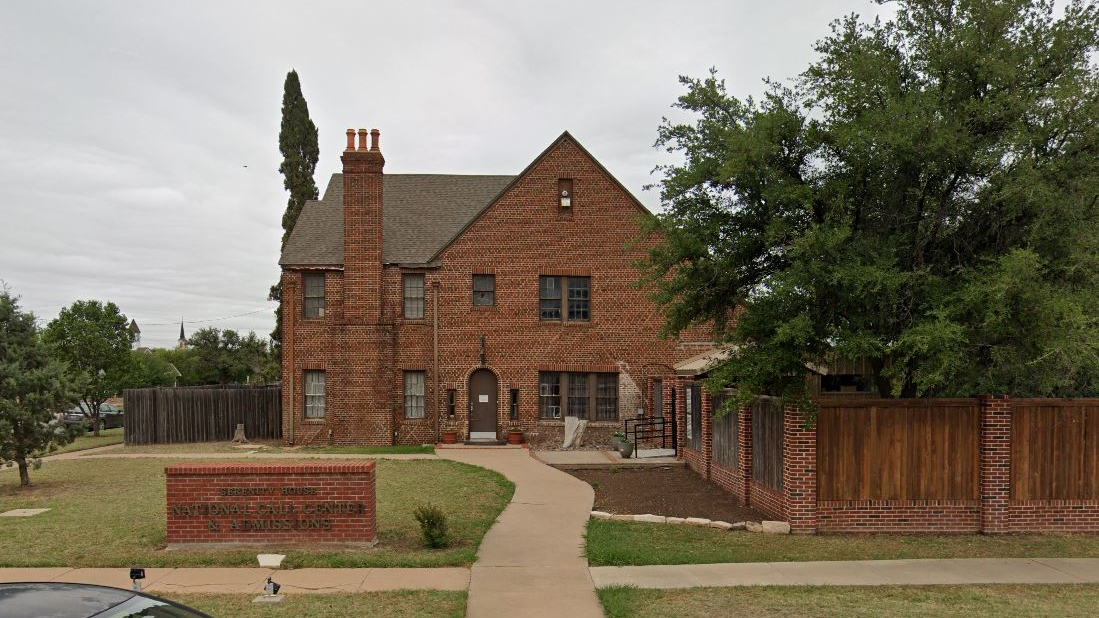
Serenity House
Abilene, TX
79601

Accredited drug rehab centers available across San Angelo.
Sliding-scale payments, financial aid, low-cost programs, and local nonprofits.
Medicare, Medicaid, TRICARE, plus local private health insurance coverage.
 Filter
| Name | Address | Description | Treatment | Insurance | Thumbnail |
|---|---|---|---|---|---|
Alcohol and Drug Awareness Center for the Concho Valley | 3553 W Houston Harte Expy | Alcohol and Drug Abuse Council for the Concho Valley is a CARF-accredited substance abuse treatment center in San Angelo, Texas. They accept most private insurance and ... more details › | Treatment Programs Insurance Outpatient Outpatient rehab in Texas provides a means for addition treatment while you live at home. You will attend regular therapy sessions and typically maintain involvement with a 12-step program. Because it is tailored for each person’s needs, there is no set timeline for completion of outpatient rehab. Dual Diagnosis A dual diagnosis treatment center in Texas provides programs for people who struggle with both substance abuse and mental illness. Treating both disorders through an integrated approach is essential for recovery. Aftercare The initial weeks and months after rehab treatment are often the most difficult. Aftercare rehab in Texas is designed to help you successfully navigate these challenging times and maintain sobriety. You’ll receive emotional, mental, and practical supports, for up to a year or more after treatment. Intervention A valuable tool for drug rehab in Texas is intervention services. This treatment tool provides education and resources on how to stage an effective intervention as well as professional assistance with facilitating the intervention. Staff then follow up with support to develop an effective treatment plan. +2 | Treatment Programs Insurance Private If you have private insurance, you can use it to help cover the cost alcohol and drug rehab in Texas. The amount covered may depend on your policy and whether the treatment center is in-network or out-of-network. You may be left with some costs like a co-payment, or co-insurance. Check with your insurer for more information. Payment You have the option to pay for your alcohol and drug rehab in Texas, out-of-pocket (also called self-pay or private pay). Self-pay allows you to take control of the cost of your recovery journey and gives you access to all levels of care — including detox in Texas, and inpatient rehab in Texas — that might otherwise be limited by insurers or government-run programs. | |
Shannon Behavioral Health Services | 2018 Pulliam Street | Shannon Behavioral Health Services is a hospital based behavioral health and mental health treatment provider in San Angelo, Texas. I've learned this program ... more details › | Treatment Programs Insurance Inpatient Inpatient drug rehab in Texas can last from a few weeks to mor than 90 days. During that time, you live at the facility and receive round-the-clock supervised care. Treatment typically includes individual and group therapy. Outpatient Outpatient rehab in Texas provides a means for addition treatment while you live at home. You will attend regular therapy sessions and typically maintain involvement with a 12-step program. Because it is tailored for each person’s needs, there is no set timeline for completion of outpatient rehab. Dual Diagnosis A dual diagnosis treatment center in Texas provides programs for people who struggle with both substance abuse and mental illness. Treating both disorders through an integrated approach is essential for recovery. Aftercare The initial weeks and months after rehab treatment are often the most difficult. Aftercare rehab in Texas is designed to help you successfully navigate these challenging times and maintain sobriety. You’ll receive emotional, mental, and practical supports, for up to a year or more after treatment. Sober Living Sober living in Texas offers a flexible timeline to meet your recovery needs. You can stay in the sober living home as long as you adhere to house rules. These typically include a curfew, random drug tests, and contribution to household bills and chores. Intervention A valuable tool for drug rehab in Texas is intervention services. This treatment tool provides education and resources on how to stage an effective intervention as well as professional assistance with facilitating the intervention. Staff then follow up with support to develop an effective treatment plan. +4 | Treatment Programs Insurance Medicaid You may be eligible for Medicaid/STAR Health to cover the cost of alcohol and drug rehab in Texas. Coverage through Medicaid/STAR Health may vary, but it can assist with the cost of alcohol and drug rehab, including detox, inpatient rehab, and more. Medicare If you're a resident and need help paying for alcohol and drug rehab in Texas, you may be eligible for Medicare. The amount of coverage will depend on many things, including whether you are seeking inpatient or outpatient treatment for substance abuse. Private If you have private insurance, you can use it to help cover the cost alcohol and drug rehab in Texas. The amount covered may depend on your policy and whether the treatment center is in-network or out-of-network. You may be left with some costs like a co-payment, or co-insurance. Check with your insurer for more information. Payment You have the option to pay for your alcohol and drug rehab in Texas, out-of-pocket (also called self-pay or private pay). Self-pay allows you to take control of the cost of your recovery journey and gives you access to all levels of care — including detox in Texas, and inpatient rehab in Texas — that might otherwise be limited by insurers or government-run programs. +2 | |
River Crest Hospital | 1636 Hunters Glen Road | River Crest Hospital is an addiction treatment center in San Angelo, Texas, offering a full continuum of care for adults seeking recovery from substance use. ... more details › | Treatment Programs Insurance Detox Detox in Texas is your first step toward a drug-free future. During this phase, your systems are cleansed of all addictive substances. You’ll receive 24/7 care, which may include medication to alleviate withdrawal symptoms. Inpatient Inpatient drug rehab in Texas can last from a few weeks to mor than 90 days. During that time, you live at the facility and receive round-the-clock supervised care. Treatment typically includes individual and group therapy. PHP Partial hospitalization programs (PHPs) in Texas can provide an effective alternative to inpatient care. These drug rehab programs offer many of the same treatments offered in residential care, but you don’t have to stay overnight. Outpatient Outpatient rehab in Texas provides a means for addition treatment while you live at home. You will attend regular therapy sessions and typically maintain involvement with a 12-step program. Because it is tailored for each person’s needs, there is no set timeline for completion of outpatient rehab. Dual Diagnosis A dual diagnosis treatment center in Texas provides programs for people who struggle with both substance abuse and mental illness. Treating both disorders through an integrated approach is essential for recovery. Aftercare The initial weeks and months after rehab treatment are often the most difficult. Aftercare rehab in Texas is designed to help you successfully navigate these challenging times and maintain sobriety. You’ll receive emotional, mental, and practical supports, for up to a year or more after treatment. Intervention A valuable tool for drug rehab in Texas is intervention services. This treatment tool provides education and resources on how to stage an effective intervention as well as professional assistance with facilitating the intervention. Staff then follow up with support to develop an effective treatment plan. +5 | Treatment Programs Insurance Tricare Administered by the Department of Defense, TRICARE offers comprehensive military health insurance plans for active and retired military members and their families. Similar to PPO programs offered by private insurance companies, TRICARE covers multiple levels of care for addiction treatment, including detox, inpatient rehab, and outpatient services. Private If you have private insurance, you can use it to help cover the cost alcohol and drug rehab in Texas. The amount covered may depend on your policy and whether the treatment center is in-network or out-of-network. You may be left with some costs like a co-payment, or co-insurance. Check with your insurer for more information. Payment You have the option to pay for your alcohol and drug rehab in Texas, out-of-pocket (also called self-pay or private pay). Self-pay allows you to take control of the cost of your recovery journey and gives you access to all levels of care — including detox in Texas, and inpatient rehab in Texas — that might otherwise be limited by insurers or government-run programs. +1 | |
Williams House | 134 West College Avenue | Based out of San Angelo, Texas, Alcohol & Drug Awareness Center for the Concho Valley provides substance use treatment. Their Williams House is a sober recovery house ... more details › | Treatment Programs Insurance Inpatient Inpatient drug rehab in Texas can last from a few weeks to mor than 90 days. During that time, you live at the facility and receive round-the-clock supervised care. Treatment typically includes individual and group therapy. Outpatient Outpatient rehab in Texas provides a means for addition treatment while you live at home. You will attend regular therapy sessions and typically maintain involvement with a 12-step program. Because it is tailored for each person’s needs, there is no set timeline for completion of outpatient rehab. Dual Diagnosis A dual diagnosis treatment center in Texas provides programs for people who struggle with both substance abuse and mental illness. Treating both disorders through an integrated approach is essential for recovery. Aftercare The initial weeks and months after rehab treatment are often the most difficult. Aftercare rehab in Texas is designed to help you successfully navigate these challenging times and maintain sobriety. You’ll receive emotional, mental, and practical supports, for up to a year or more after treatment. Intervention A valuable tool for drug rehab in Texas is intervention services. This treatment tool provides education and resources on how to stage an effective intervention as well as professional assistance with facilitating the intervention. Staff then follow up with support to develop an effective treatment plan. +3 | Treatment Programs Insurance Medicaid You may be eligible for Medicaid/STAR Health to cover the cost of alcohol and drug rehab in Texas. Coverage through Medicaid/STAR Health may vary, but it can assist with the cost of alcohol and drug rehab, including detox, inpatient rehab, and more. Private If you have private insurance, you can use it to help cover the cost alcohol and drug rehab in Texas. The amount covered may depend on your policy and whether the treatment center is in-network or out-of-network. You may be left with some costs like a co-payment, or co-insurance. Check with your insurer for more information. Payment You have the option to pay for your alcohol and drug rehab in Texas, out-of-pocket (also called self-pay or private pay). Self-pay allows you to take control of the cost of your recovery journey and gives you access to all levels of care — including detox in Texas, and inpatient rehab in Texas — that might otherwise be limited by insurers or government-run programs. +1 | |
ADACCV Saras House | 401 W Twohig Ave | ADACCV’s Sara House is an alcohol and drug free recovery residence for women with a history of substance use in San Angelo, Texas. They serve pregnant women and ... more details › | Treatment Programs Insurance Inpatient Inpatient drug rehab in Texas can last from a few weeks to mor than 90 days. During that time, you live at the facility and receive round-the-clock supervised care. Treatment typically includes individual and group therapy. Outpatient Outpatient rehab in Texas provides a means for addition treatment while you live at home. You will attend regular therapy sessions and typically maintain involvement with a 12-step program. Because it is tailored for each person’s needs, there is no set timeline for completion of outpatient rehab. Dual Diagnosis A dual diagnosis treatment center in Texas provides programs for people who struggle with both substance abuse and mental illness. Treating both disorders through an integrated approach is essential for recovery. Aftercare The initial weeks and months after rehab treatment are often the most difficult. Aftercare rehab in Texas is designed to help you successfully navigate these challenging times and maintain sobriety. You’ll receive emotional, mental, and practical supports, for up to a year or more after treatment. Intervention A valuable tool for drug rehab in Texas is intervention services. This treatment tool provides education and resources on how to stage an effective intervention as well as professional assistance with facilitating the intervention. Staff then follow up with support to develop an effective treatment plan. +3 | Treatment Programs Insurance Medicaid You may be eligible for Medicaid/STAR Health to cover the cost of alcohol and drug rehab in Texas. Coverage through Medicaid/STAR Health may vary, but it can assist with the cost of alcohol and drug rehab, including detox, inpatient rehab, and more. Private If you have private insurance, you can use it to help cover the cost alcohol and drug rehab in Texas. The amount covered may depend on your policy and whether the treatment center is in-network or out-of-network. You may be left with some costs like a co-payment, or co-insurance. Check with your insurer for more information. Payment You have the option to pay for your alcohol and drug rehab in Texas, out-of-pocket (also called self-pay or private pay). Self-pay allows you to take control of the cost of your recovery journey and gives you access to all levels of care — including detox in Texas, and inpatient rehab in Texas — that might otherwise be limited by insurers or government-run programs. +1 | |
MHMR Services For The Concho Valley (Family and Youth Guidence Center) | 424 South Oakes Street San Angelo TX, 76903 | Treatment Programs Insurance Detox Detox in Texas is your first step toward a drug-free future. During this phase, your systems are cleansed of all addictive substances. You’ll receive 24/7 care, which may include medication to alleviate withdrawal symptoms. Outpatient Outpatient rehab in Texas provides a means for addition treatment while you live at home. You will attend regular therapy sessions and typically maintain involvement with a 12-step program. Because it is tailored for each person’s needs, there is no set timeline for completion of outpatient rehab. Dual Diagnosis A dual diagnosis treatment center in Texas provides programs for people who struggle with both substance abuse and mental illness. Treating both disorders through an integrated approach is essential for recovery. +1 | Treatment Programs Insurance Medicaid You may be eligible for Medicaid/STAR Health to cover the cost of alcohol and drug rehab in Texas. Coverage through Medicaid/STAR Health may vary, but it can assist with the cost of alcohol and drug rehab, including detox, inpatient rehab, and more. Medicare If you're a resident and need help paying for alcohol and drug rehab in Texas, you may be eligible for Medicare. The amount of coverage will depend on many things, including whether you are seeking inpatient or outpatient treatment for substance abuse. Financial Aid If you require assistance paying for alcohol and drug rehab in Texas, financial aid may be an option. Financial assistance options include grants, scholarships, non-profit programs, personal funding, and health insurance programs to help you manage the expense of substance abuse treatment. Tricare Administered by the Department of Defense, TRICARE offers comprehensive military health insurance plans for active and retired military members and their families. Similar to PPO programs offered by private insurance companies, TRICARE covers multiple levels of care for addiction treatment, including detox, inpatient rehab, and outpatient services. Private If you have private insurance, you can use it to help cover the cost alcohol and drug rehab in Texas. The amount covered may depend on your policy and whether the treatment center is in-network or out-of-network. You may be left with some costs like a co-payment, or co-insurance. Check with your insurer for more information. Payment You have the option to pay for your alcohol and drug rehab in Texas, out-of-pocket (also called self-pay or private pay). Self-pay allows you to take control of the cost of your recovery journey and gives you access to all levels of care — including detox in Texas, and inpatient rehab in Texas — that might otherwise be limited by insurers or government-run programs. +4 | ||
West Texas Counseling and Rehabilitation | 601 South Irving Place | In 1986, the West Texas Counseling and Rehabilitation was founded by a dedicated medical professional committed to helping those struggling with drug addiction. Today, ... more details › | Treatment Programs Insurance Detox Detox in Texas is your first step toward a drug-free future. During this phase, your systems are cleansed of all addictive substances. You’ll receive 24/7 care, which may include medication to alleviate withdrawal symptoms. PHP Partial hospitalization programs (PHPs) in Texas can provide an effective alternative to inpatient care. These drug rehab programs offer many of the same treatments offered in residential care, but you don’t have to stay overnight. Outpatient Outpatient rehab in Texas provides a means for addition treatment while you live at home. You will attend regular therapy sessions and typically maintain involvement with a 12-step program. Because it is tailored for each person’s needs, there is no set timeline for completion of outpatient rehab. Dual Diagnosis A dual diagnosis treatment center in Texas provides programs for people who struggle with both substance abuse and mental illness. Treating both disorders through an integrated approach is essential for recovery. Intervention A valuable tool for drug rehab in Texas is intervention services. This treatment tool provides education and resources on how to stage an effective intervention as well as professional assistance with facilitating the intervention. Staff then follow up with support to develop an effective treatment plan. +3 | Treatment Programs Insurance Medicaid You may be eligible for Medicaid/STAR Health to cover the cost of alcohol and drug rehab in Texas. Coverage through Medicaid/STAR Health may vary, but it can assist with the cost of alcohol and drug rehab, including detox, inpatient rehab, and more. Medicare If you're a resident and need help paying for alcohol and drug rehab in Texas, you may be eligible for Medicare. The amount of coverage will depend on many things, including whether you are seeking inpatient or outpatient treatment for substance abuse. Private If you have private insurance, you can use it to help cover the cost alcohol and drug rehab in Texas. The amount covered may depend on your policy and whether the treatment center is in-network or out-of-network. You may be left with some costs like a co-payment, or co-insurance. Check with your insurer for more information. Payment You have the option to pay for your alcohol and drug rehab in Texas, out-of-pocket (also called self-pay or private pay). Self-pay allows you to take control of the cost of your recovery journey and gives you access to all levels of care — including detox in Texas, and inpatient rehab in Texas — that might otherwise be limited by insurers or government-run programs. +2 | |
Cantu Counseling | 36 E Twohig Ave | Cantu Counseling is an outpatient counseling provider in San Angelo, Texas offering substance use treatment and mental health services for adults. Services include ... more details › | Treatment Programs Insurance Dual Diagnosis A dual diagnosis treatment center in Texas provides programs for people who struggle with both substance abuse and mental illness. Treating both disorders through an integrated approach is essential for recovery. | Treatment Programs Insurance Medicaid You may be eligible for Medicaid/STAR Health to cover the cost of alcohol and drug rehab in Texas. Coverage through Medicaid/STAR Health may vary, but it can assist with the cost of alcohol and drug rehab, including detox, inpatient rehab, and more. Medicare If you're a resident and need help paying for alcohol and drug rehab in Texas, you may be eligible for Medicare. The amount of coverage will depend on many things, including whether you are seeking inpatient or outpatient treatment for substance abuse. Payment You have the option to pay for your alcohol and drug rehab in Texas, out-of-pocket (also called self-pay or private pay). Self-pay allows you to take control of the cost of your recovery journey and gives you access to all levels of care — including detox in Texas, and inpatient rehab in Texas — that might otherwise be limited by insurers or government-run programs. +1 | |
Colonel Charles and JoAnne Powell VA Clinic | 4240 Southwest Boulevard | The Colonel Charles and JoAnne Powell VA Clinic in San Angelo, Texas provides outpatient mental health and substance use treatment services for Veterans. As ... more details › | Treatment Programs Insurance Detox Detox in Texas is your first step toward a drug-free future. During this phase, your systems are cleansed of all addictive substances. You’ll receive 24/7 care, which may include medication to alleviate withdrawal symptoms. Inpatient Inpatient drug rehab in Texas can last from a few weeks to mor than 90 days. During that time, you live at the facility and receive round-the-clock supervised care. Treatment typically includes individual and group therapy. Outpatient Outpatient rehab in Texas provides a means for addition treatment while you live at home. You will attend regular therapy sessions and typically maintain involvement with a 12-step program. Because it is tailored for each person’s needs, there is no set timeline for completion of outpatient rehab. Dual Diagnosis A dual diagnosis treatment center in Texas provides programs for people who struggle with both substance abuse and mental illness. Treating both disorders through an integrated approach is essential for recovery. Aftercare The initial weeks and months after rehab treatment are often the most difficult. Aftercare rehab in Texas is designed to help you successfully navigate these challenging times and maintain sobriety. You’ll receive emotional, mental, and practical supports, for up to a year or more after treatment. Sober Living Sober living in Texas offers a flexible timeline to meet your recovery needs. You can stay in the sober living home as long as you adhere to house rules. These typically include a curfew, random drug tests, and contribution to household bills and chores. +4 | Treatment Programs Insurance Medicaid You may be eligible for Medicaid/STAR Health to cover the cost of alcohol and drug rehab in Texas. Coverage through Medicaid/STAR Health may vary, but it can assist with the cost of alcohol and drug rehab, including detox, inpatient rehab, and more. Medicare If you're a resident and need help paying for alcohol and drug rehab in Texas, you may be eligible for Medicare. The amount of coverage will depend on many things, including whether you are seeking inpatient or outpatient treatment for substance abuse. Financial Aid If you require assistance paying for alcohol and drug rehab in Texas, financial aid may be an option. Financial assistance options include grants, scholarships, non-profit programs, personal funding, and health insurance programs to help you manage the expense of substance abuse treatment. Tricare Administered by the Department of Defense, TRICARE offers comprehensive military health insurance plans for active and retired military members and their families. Similar to PPO programs offered by private insurance companies, TRICARE covers multiple levels of care for addiction treatment, including detox, inpatient rehab, and outpatient services. Private If you have private insurance, you can use it to help cover the cost alcohol and drug rehab in Texas. The amount covered may depend on your policy and whether the treatment center is in-network or out-of-network. You may be left with some costs like a co-payment, or co-insurance. Check with your insurer for more information. Payment You have the option to pay for your alcohol and drug rehab in Texas, out-of-pocket (also called self-pay or private pay). Self-pay allows you to take control of the cost of your recovery journey and gives you access to all levels of care — including detox in Texas, and inpatient rehab in Texas — that might otherwise be limited by insurers or government-run programs. +4 | |
Bishop Street Bootcamp Ranch | 12271 Knickerbocker Rd | Bishop Street Bootcamp Ranch in San Angelo, Texas, is a faith based residential recovery program serving men battling addiction to drugs, alcohol and other destructive ... more details › | Treatment Programs Insurance Inpatient Inpatient drug rehab in Texas can last from a few weeks to mor than 90 days. During that time, you live at the facility and receive round-the-clock supervised care. Treatment typically includes individual and group therapy. Dual Diagnosis A dual diagnosis treatment center in Texas provides programs for people who struggle with both substance abuse and mental illness. Treating both disorders through an integrated approach is essential for recovery. Sober Living Sober living in Texas offers a flexible timeline to meet your recovery needs. You can stay in the sober living home as long as you adhere to house rules. These typically include a curfew, random drug tests, and contribution to household bills and chores. Intervention A valuable tool for drug rehab in Texas is intervention services. This treatment tool provides education and resources on how to stage an effective intervention as well as professional assistance with facilitating the intervention. Staff then follow up with support to develop an effective treatment plan. +2 | Treatment Programs Insurance Private If you have private insurance, you can use it to help cover the cost alcohol and drug rehab in Texas. The amount covered may depend on your policy and whether the treatment center is in-network or out-of-network. You may be left with some costs like a co-payment, or co-insurance. Check with your insurer for more information. Payment You have the option to pay for your alcohol and drug rehab in Texas, out-of-pocket (also called self-pay or private pay). Self-pay allows you to take control of the cost of your recovery journey and gives you access to all levels of care — including detox in Texas, and inpatient rehab in Texas — that might otherwise be limited by insurers or government-run programs. | |
The Journey Recovery Center | 3600 Journey Dr | The Journey Recovery Center in San Angelo, Texas provides residential addiction treatment for adult men and women. The facility has 72 beds and helps clients build a ... more details › | Treatment Programs Insurance Outpatient Outpatient rehab in Texas provides a means for addition treatment while you live at home. You will attend regular therapy sessions and typically maintain involvement with a 12-step program. Because it is tailored for each person’s needs, there is no set timeline for completion of outpatient rehab. Dual Diagnosis A dual diagnosis treatment center in Texas provides programs for people who struggle with both substance abuse and mental illness. Treating both disorders through an integrated approach is essential for recovery. Aftercare The initial weeks and months after rehab treatment are often the most difficult. Aftercare rehab in Texas is designed to help you successfully navigate these challenging times and maintain sobriety. You’ll receive emotional, mental, and practical supports, for up to a year or more after treatment. Intervention A valuable tool for drug rehab in Texas is intervention services. This treatment tool provides education and resources on how to stage an effective intervention as well as professional assistance with facilitating the intervention. Staff then follow up with support to develop an effective treatment plan. +2 | Treatment Programs Insurance Private If you have private insurance, you can use it to help cover the cost alcohol and drug rehab in Texas. The amount covered may depend on your policy and whether the treatment center is in-network or out-of-network. You may be left with some costs like a co-payment, or co-insurance. Check with your insurer for more information. Payment You have the option to pay for your alcohol and drug rehab in Texas, out-of-pocket (also called self-pay or private pay). Self-pay allows you to take control of the cost of your recovery journey and gives you access to all levels of care — including detox in Texas, and inpatient rehab in Texas — that might otherwise be limited by insurers or government-run programs. | |
Momentous Home Independent Sober Living For Women LLC | 701 E 19th St | Momentous Home is not an addiction treatment center; it's a sober living home for adults in a quiet neighborhood in San Angelo, Texas. Despite the name, they take men ... more details › | Treatment Programs Insurance Inpatient Inpatient drug rehab in Texas can last from a few weeks to mor than 90 days. During that time, you live at the facility and receive round-the-clock supervised care. Treatment typically includes individual and group therapy. Dual Diagnosis A dual diagnosis treatment center in Texas provides programs for people who struggle with both substance abuse and mental illness. Treating both disorders through an integrated approach is essential for recovery. Sober Living Sober living in Texas offers a flexible timeline to meet your recovery needs. You can stay in the sober living home as long as you adhere to house rules. These typically include a curfew, random drug tests, and contribution to household bills and chores. Intervention A valuable tool for drug rehab in Texas is intervention services. This treatment tool provides education and resources on how to stage an effective intervention as well as professional assistance with facilitating the intervention. Staff then follow up with support to develop an effective treatment plan. +2 | Treatment Programs Insurance Private If you have private insurance, you can use it to help cover the cost alcohol and drug rehab in Texas. The amount covered may depend on your policy and whether the treatment center is in-network or out-of-network. You may be left with some costs like a co-payment, or co-insurance. Check with your insurer for more information. Payment You have the option to pay for your alcohol and drug rehab in Texas, out-of-pocket (also called self-pay or private pay). Self-pay allows you to take control of the cost of your recovery journey and gives you access to all levels of care — including detox in Texas, and inpatient rehab in Texas — that might otherwise be limited by insurers or government-run programs. | |
Mid-Town Group Alcoholics Anonymous | 320 S Irving St | Treatment Programs Insurance Detox Detox in Texas is your first step toward a drug-free future. During this phase, your systems are cleansed of all addictive substances. You’ll receive 24/7 care, which may include medication to alleviate withdrawal symptoms. Inpatient Inpatient drug rehab in Texas can last from a few weeks to mor than 90 days. During that time, you live at the facility and receive round-the-clock supervised care. Treatment typically includes individual and group therapy. Outpatient Outpatient rehab in Texas provides a means for addition treatment while you live at home. You will attend regular therapy sessions and typically maintain involvement with a 12-step program. Because it is tailored for each person’s needs, there is no set timeline for completion of outpatient rehab. +1 | Treatment Programs Insurance Private If you have private insurance, you can use it to help cover the cost alcohol and drug rehab in Texas. The amount covered may depend on your policy and whether the treatment center is in-network or out-of-network. You may be left with some costs like a co-payment, or co-insurance. Check with your insurer for more information. Payment You have the option to pay for your alcohol and drug rehab in Texas, out-of-pocket (also called self-pay or private pay). Self-pay allows you to take control of the cost of your recovery journey and gives you access to all levels of care — including detox in Texas, and inpatient rehab in Texas — that might otherwise be limited by insurers or government-run programs. | ||
Hopper House | 211 W 1st St | Treatment Programs Insurance Inpatient Inpatient drug rehab in Texas can last from a few weeks to mor than 90 days. During that time, you live at the facility and receive round-the-clock supervised care. Treatment typically includes individual and group therapy. Dual Diagnosis A dual diagnosis treatment center in Texas provides programs for people who struggle with both substance abuse and mental illness. Treating both disorders through an integrated approach is essential for recovery. Sober Living Sober living in Texas offers a flexible timeline to meet your recovery needs. You can stay in the sober living home as long as you adhere to house rules. These typically include a curfew, random drug tests, and contribution to household bills and chores. Intervention A valuable tool for drug rehab in Texas is intervention services. This treatment tool provides education and resources on how to stage an effective intervention as well as professional assistance with facilitating the intervention. Staff then follow up with support to develop an effective treatment plan. +2 | Treatment Programs Insurance Private If you have private insurance, you can use it to help cover the cost alcohol and drug rehab in Texas. The amount covered may depend on your policy and whether the treatment center is in-network or out-of-network. You may be left with some costs like a co-payment, or co-insurance. Check with your insurer for more information. Payment You have the option to pay for your alcohol and drug rehab in Texas, out-of-pocket (also called self-pay or private pay). Self-pay allows you to take control of the cost of your recovery journey and gives you access to all levels of care — including detox in Texas, and inpatient rehab in Texas — that might otherwise be limited by insurers or government-run programs. | ||
Shannon Behavioral Health Services | 2018 Pulliam Street | Shannon Behavioral Health Services is a hospital based behavioral health and mental health treatment provider in San Angelo, Texas. I've learned this program ... more details › | Treatment Programs Insurance Inpatient Inpatient drug rehab in Texas can last from a few weeks to mor than 90 days. During that time, you live at the facility and receive round-the-clock supervised care. Treatment typically includes individual and group therapy. Outpatient Outpatient rehab in Texas provides a means for addition treatment while you live at home. You will attend regular therapy sessions and typically maintain involvement with a 12-step program. Because it is tailored for each person’s needs, there is no set timeline for completion of outpatient rehab. Dual Diagnosis A dual diagnosis treatment center in Texas provides programs for people who struggle with both substance abuse and mental illness. Treating both disorders through an integrated approach is essential for recovery. Aftercare The initial weeks and months after rehab treatment are often the most difficult. Aftercare rehab in Texas is designed to help you successfully navigate these challenging times and maintain sobriety. You’ll receive emotional, mental, and practical supports, for up to a year or more after treatment. Sober Living Sober living in Texas offers a flexible timeline to meet your recovery needs. You can stay in the sober living home as long as you adhere to house rules. These typically include a curfew, random drug tests, and contribution to household bills and chores. Intervention A valuable tool for drug rehab in Texas is intervention services. This treatment tool provides education and resources on how to stage an effective intervention as well as professional assistance with facilitating the intervention. Staff then follow up with support to develop an effective treatment plan. +4 | Treatment Programs Insurance Medicaid You may be eligible for Medicaid/STAR Health to cover the cost of alcohol and drug rehab in Texas. Coverage through Medicaid/STAR Health may vary, but it can assist with the cost of alcohol and drug rehab, including detox, inpatient rehab, and more. Medicare If you're a resident and need help paying for alcohol and drug rehab in Texas, you may be eligible for Medicare. The amount of coverage will depend on many things, including whether you are seeking inpatient or outpatient treatment for substance abuse. Private If you have private insurance, you can use it to help cover the cost alcohol and drug rehab in Texas. The amount covered may depend on your policy and whether the treatment center is in-network or out-of-network. You may be left with some costs like a co-payment, or co-insurance. Check with your insurer for more information. Payment You have the option to pay for your alcohol and drug rehab in Texas, out-of-pocket (also called self-pay or private pay). Self-pay allows you to take control of the cost of your recovery journey and gives you access to all levels of care — including detox in Texas, and inpatient rehab in Texas — that might otherwise be limited by insurers or government-run programs. +2 |
 800-783-0593
 Sponsored
