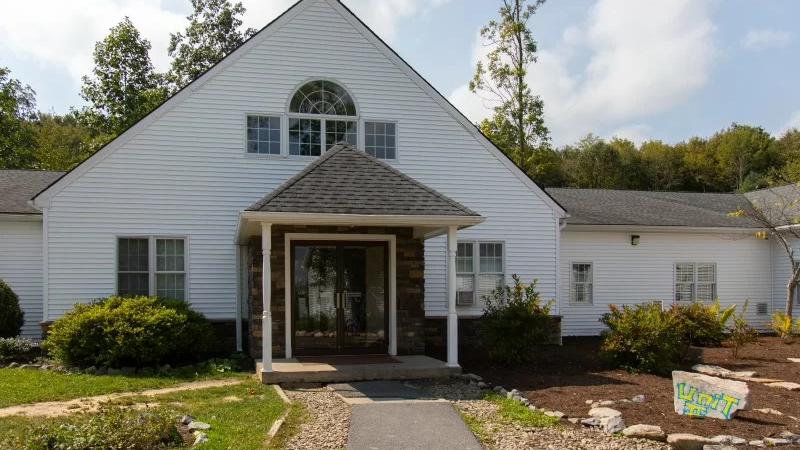
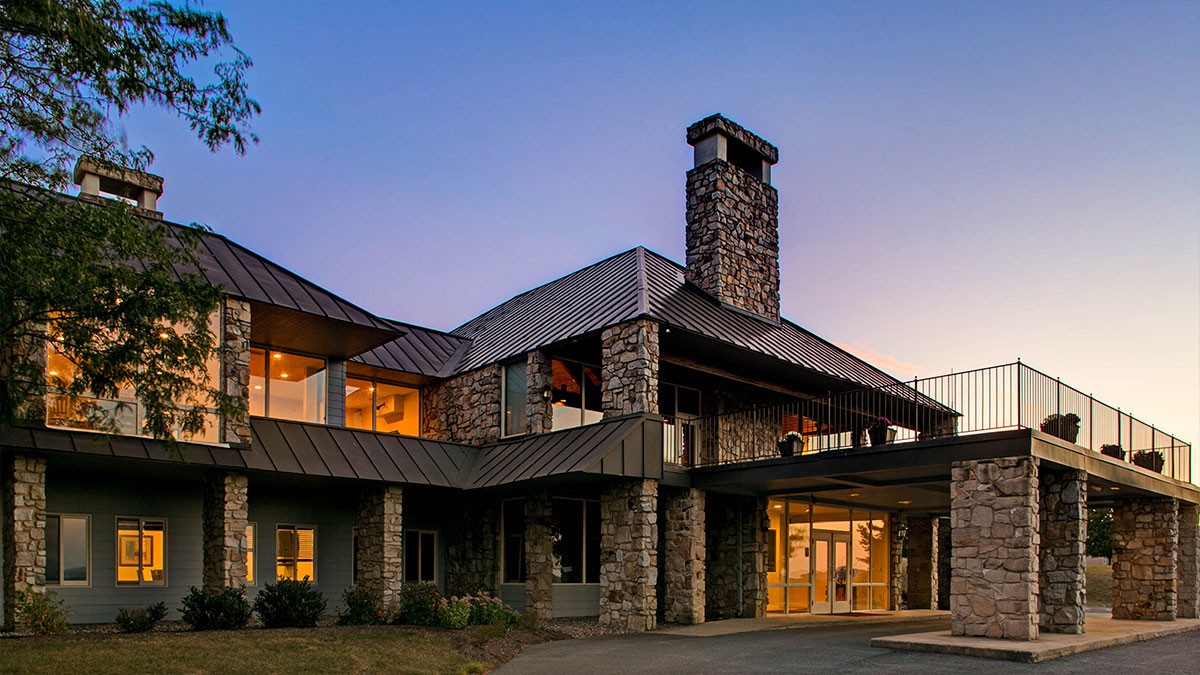
White Deer Run Of Allenwood
Allenwood, PA
17810

Accredited drug rehab centers available across Warminster.
Sliding-scale payments, financial aid, low-cost programs, and local nonprofits.
Medicare, Medicaid, TRICARE, plus local private health insurance coverage.

 Filter
| Name | Address | Description | Treatment | Insurance | Thumbnail |
|---|---|---|---|---|---|
Project Transition | 530 West Street Road | Project Transition Warminster is a residential drug and alcohol treatment program located in Warminster, Pennsylvania. They treat adults who have substance use ... more details › | Treatment Programs Insurance Inpatient When first starting drug rehab in Pennsylvania, many individuals begin with inpatient rehab. This involves staying at the facility 24/7 and receiving a variety of treatment methods that typically include group and individual counseling. Dual Diagnosis Mental illness and substance abuse are so integrated that they must be treated together. Ignoring one and treating the other doesn’t work. Dual diagnosis treatment in Pennsylvania effectively addresses both mental health and substance abuse disorders, for the best outcomes. Aftercare Following rehab, you can receive much-needed ongoing support through aftercare rehab in Pennsylvania. Services may include financial planning, career guidance, legal advice, and other practical supports, as well as counseling and 12-step groups. Taking advantage of these resources greatly reduces the chance of relapse. +1 | Treatment Programs Insurance Medicaid If need help paying for alcohol and drug rehab in Pennsylvania, you may be eligible for Medicaid. Coverage through Medicaid may vary, but it can assist with the cost of alcohol and drug rehab, including detox, inpatient rehab, and more. Medicare if you're eligible for Medicare, you may be able to get help to pay for the cost of alcohol and drug rehab in Pennsylvania. The amount of coverage will depend on many things, including whether you are seeking inpatient or outpatient treatment for substance abuse. Financial Aid Financial Aid: If you need help with paying for alcohol and drug rehab in Pennsylvania, financial aid may be a good solution. Financial assistance options include grants, scholarships, non-profit programs, personal funding, and health insurance programs to help you manage the expense of substance abuse treatment. Private Your private insurance may cover the cost of alcohol and drug rehab in Pennsylvania. The amount covered may depend on your policy and whether the treatment center is in-network or out-of-network. You may be left with some costs like a co-payment, or co-insurance. Check with your insurer for more information. Payment You have the choice to pay for your alcohol and drug rehab in Pennsylvania out-of-pocket, also called as self-pay or private pay. This way, there are no restrictions placed on your access to treatment, courtesy of insurance companies. Payment methods include checks, personal loans, medical loans, credit cards, and many others. +3 | |
STR Behavioral Health – Cedar Creek | 1460 Meetinghouse Road, Warminster, PA 18974 | STR Behavioral Health – Cedar Creek is a residential addiction and mental health treatment center in Warminster, Pennsylvania serving adults 18 and older with ... more details › | Treatment Programs Insurance Inpatient When first starting drug rehab in Pennsylvania, many individuals begin with inpatient rehab. This involves staying at the facility 24/7 and receiving a variety of treatment methods that typically include group and individual counseling. Dual Diagnosis Mental illness and substance abuse are so integrated that they must be treated together. Ignoring one and treating the other doesn’t work. Dual diagnosis treatment in Pennsylvania effectively addresses both mental health and substance abuse disorders, for the best outcomes. | Treatment Programs Insurance Medicare if you're eligible for Medicare, you may be able to get help to pay for the cost of alcohol and drug rehab in Pennsylvania. The amount of coverage will depend on many things, including whether you are seeking inpatient or outpatient treatment for substance abuse. Private Your private insurance may cover the cost of alcohol and drug rehab in Pennsylvania. The amount covered may depend on your policy and whether the treatment center is in-network or out-of-network. You may be left with some costs like a co-payment, or co-insurance. Check with your insurer for more information. Payment You have the choice to pay for your alcohol and drug rehab in Pennsylvania out-of-pocket, also called as self-pay or private pay. This way, there are no restrictions placed on your access to treatment, courtesy of insurance companies. Payment methods include checks, personal loans, medical loans, credit cards, and many others. +1 | |
Merakey Warminster | 600 Louis Drive Suite 207 Warminster, PA 18974 | Merakey Warminster is an outpatient behavioral health provider in Warminster, Pennsylvania offering substance use recovery support and co-occurring mental health ... more details › | Treatment Programs Insurance Outpatient While undergoing outpatient treatment in Pennsylvania, you’ll work through challenges such as cravings, social skills, and relapse prevention as you meet with a recovery expert and attend 12-step meetings. This treatment may last a few weeks or several months, depending on your recovery needs. Dual Diagnosis Mental illness and substance abuse are so integrated that they must be treated together. Ignoring one and treating the other doesn’t work. Dual diagnosis treatment in Pennsylvania effectively addresses both mental health and substance abuse disorders, for the best outcomes. | Treatment Programs Insurance Medicaid If need help paying for alcohol and drug rehab in Pennsylvania, you may be eligible for Medicaid. Coverage through Medicaid may vary, but it can assist with the cost of alcohol and drug rehab, including detox, inpatient rehab, and more. Financial Aid Financial Aid: If you need help with paying for alcohol and drug rehab in Pennsylvania, financial aid may be a good solution. Financial assistance options include grants, scholarships, non-profit programs, personal funding, and health insurance programs to help you manage the expense of substance abuse treatment. | |
SOAR Corp | 655 Louis Dr | Treatment Programs Insurance Detox Experience safe detox in Pennsylvania as your initial step toward recovery. During this process, you’ll receive 24/7 care while your body is cleansed of all addictive substances. Treatment may include medication to alleviate withdrawal symptoms. Inpatient When first starting drug rehab in Pennsylvania, many individuals begin with inpatient rehab. This involves staying at the facility 24/7 and receiving a variety of treatment methods that typically include group and individual counseling. Outpatient While undergoing outpatient treatment in Pennsylvania, you’ll work through challenges such as cravings, social skills, and relapse prevention as you meet with a recovery expert and attend 12-step meetings. This treatment may last a few weeks or several months, depending on your recovery needs. +1 | Treatment Programs Insurance Private Your private insurance may cover the cost of alcohol and drug rehab in Pennsylvania. The amount covered may depend on your policy and whether the treatment center is in-network or out-of-network. You may be left with some costs like a co-payment, or co-insurance. Check with your insurer for more information. Payment You have the choice to pay for your alcohol and drug rehab in Pennsylvania out-of-pocket, also called as self-pay or private pay. This way, there are no restrictions placed on your access to treatment, courtesy of insurance companies. Payment methods include checks, personal loans, medical loans, credit cards, and many others. | ||
Project Transition | 530 West Street Road | Project Transition Warminster is a residential drug and alcohol treatment program located in Warminster, Pennsylvania. They treat adults who have substance use ... more details › | Treatment Programs Insurance Inpatient When first starting drug rehab in Pennsylvania, many individuals begin with inpatient rehab. This involves staying at the facility 24/7 and receiving a variety of treatment methods that typically include group and individual counseling. Dual Diagnosis Mental illness and substance abuse are so integrated that they must be treated together. Ignoring one and treating the other doesn’t work. Dual diagnosis treatment in Pennsylvania effectively addresses both mental health and substance abuse disorders, for the best outcomes. Aftercare Following rehab, you can receive much-needed ongoing support through aftercare rehab in Pennsylvania. Services may include financial planning, career guidance, legal advice, and other practical supports, as well as counseling and 12-step groups. Taking advantage of these resources greatly reduces the chance of relapse. +1 | Treatment Programs Insurance Medicaid If need help paying for alcohol and drug rehab in Pennsylvania, you may be eligible for Medicaid. Coverage through Medicaid may vary, but it can assist with the cost of alcohol and drug rehab, including detox, inpatient rehab, and more. Medicare if you're eligible for Medicare, you may be able to get help to pay for the cost of alcohol and drug rehab in Pennsylvania. The amount of coverage will depend on many things, including whether you are seeking inpatient or outpatient treatment for substance abuse. Financial Aid Financial Aid: If you need help with paying for alcohol and drug rehab in Pennsylvania, financial aid may be a good solution. Financial assistance options include grants, scholarships, non-profit programs, personal funding, and health insurance programs to help you manage the expense of substance abuse treatment. Private Your private insurance may cover the cost of alcohol and drug rehab in Pennsylvania. The amount covered may depend on your policy and whether the treatment center is in-network or out-of-network. You may be left with some costs like a co-payment, or co-insurance. Check with your insurer for more information. Payment You have the choice to pay for your alcohol and drug rehab in Pennsylvania out-of-pocket, also called as self-pay or private pay. This way, there are no restrictions placed on your access to treatment, courtesy of insurance companies. Payment methods include checks, personal loans, medical loans, credit cards, and many others. +3 | |
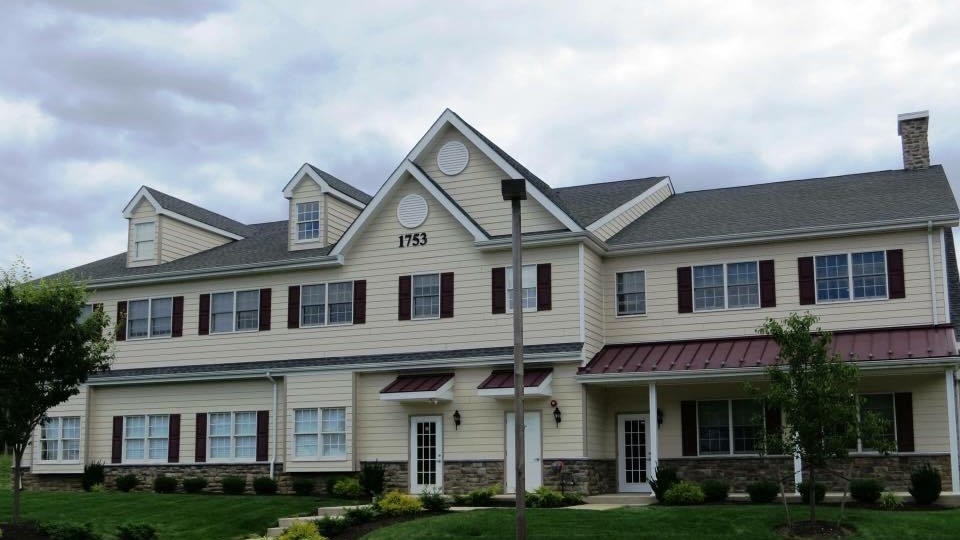
Avenues Recovery Center: Drug & Alcohol Rehab In Bucks Pennsylvania | 1753 Kendarbren Dr | Avenues Recovery Center at Bucks provides substance addiction services out in Jamison, Pennsylvania. Their unique program offers outpatient (OP) treatment partnered ... more details › | Treatment Programs Insurance Detox Experience safe detox in Pennsylvania as your initial step toward recovery. During this process, you’ll receive 24/7 care while your body is cleansed of all addictive substances. Treatment may include medication to alleviate withdrawal symptoms. Inpatient When first starting drug rehab in Pennsylvania, many individuals begin with inpatient rehab. This involves staying at the facility 24/7 and receiving a variety of treatment methods that typically include group and individual counseling. PHP Partial hospitalization programs (PHPs) in Pennsylvania typically provide addiction treatment five days a week for several hours each day. During sessions, staff emphasize the importance of maintaining sobriety and complying with your individual recovery program. Outpatient While undergoing outpatient treatment in Pennsylvania, you’ll work through challenges such as cravings, social skills, and relapse prevention as you meet with a recovery expert and attend 12-step meetings. This treatment may last a few weeks or several months, depending on your recovery needs. Dual Diagnosis Mental illness and substance abuse are so integrated that they must be treated together. Ignoring one and treating the other doesn’t work. Dual diagnosis treatment in Pennsylvania effectively addresses both mental health and substance abuse disorders, for the best outcomes. Aftercare Following rehab, you can receive much-needed ongoing support through aftercare rehab in Pennsylvania. Services may include financial planning, career guidance, legal advice, and other practical supports, as well as counseling and 12-step groups. Taking advantage of these resources greatly reduces the chance of relapse. Sober Living An average stay at a Pennsylvania sober living home is designed to decrease your chances of relapsing. While there, you’ll work on strengthening your recovery skills and prepare to live on your own. You’ll attend 12-step meetings, work or go to school, and follow a structured schedule that provides stability and accountability. Intervention Intervention specialists are often a key part of the recovery process. These professionals provide pre-intervention counseling to family members, assistance with intervention facilitation, and valuable resources and insight to develop an effective treatment plan for drug rehab in Pennsylvania. +6 | Treatment Programs Insurance Medicaid If need help paying for alcohol and drug rehab in Pennsylvania, you may be eligible for Medicaid. Coverage through Medicaid may vary, but it can assist with the cost of alcohol and drug rehab, including detox, inpatient rehab, and more. Tricare Administered by the Department of Defense, TRICARE offers comprehensive military health insurance plans for active and retired military members and their families. Similar to PPO programs offered by private insurance companies, TRICARE covers multiple levels of care for addiction treatment, including detox, inpatient rehab, and outpatient services. Private Your private insurance may cover the cost of alcohol and drug rehab in Pennsylvania. The amount covered may depend on your policy and whether the treatment center is in-network or out-of-network. You may be left with some costs like a co-payment, or co-insurance. Check with your insurer for more information. Payment You have the choice to pay for your alcohol and drug rehab in Pennsylvania out-of-pocket, also called as self-pay or private pay. This way, there are no restrictions placed on your access to treatment, courtesy of insurance companies. Payment methods include checks, personal loans, medical loans, credit cards, and many others. +2 | |
The Horsham Clinic | 722 E Butler Pike | The Horsham Clinic is located in Ambler, Pennsylvania. They provide services to adults and adolescents who are experiencing behavioral health struggles or a dual ... more details › | Treatment Programs Insurance Detox Experience safe detox in Pennsylvania as your initial step toward recovery. During this process, you’ll receive 24/7 care while your body is cleansed of all addictive substances. Treatment may include medication to alleviate withdrawal symptoms. Inpatient When first starting drug rehab in Pennsylvania, many individuals begin with inpatient rehab. This involves staying at the facility 24/7 and receiving a variety of treatment methods that typically include group and individual counseling. PHP Partial hospitalization programs (PHPs) in Pennsylvania typically provide addiction treatment five days a week for several hours each day. During sessions, staff emphasize the importance of maintaining sobriety and complying with your individual recovery program. Dual Diagnosis Mental illness and substance abuse are so integrated that they must be treated together. Ignoring one and treating the other doesn’t work. Dual diagnosis treatment in Pennsylvania effectively addresses both mental health and substance abuse disorders, for the best outcomes. Sober Living An average stay at a Pennsylvania sober living home is designed to decrease your chances of relapsing. While there, you’ll work on strengthening your recovery skills and prepare to live on your own. You’ll attend 12-step meetings, work or go to school, and follow a structured schedule that provides stability and accountability. Intervention Intervention specialists are often a key part of the recovery process. These professionals provide pre-intervention counseling to family members, assistance with intervention facilitation, and valuable resources and insight to develop an effective treatment plan for drug rehab in Pennsylvania. +4 | Treatment Programs Insurance Medicaid If need help paying for alcohol and drug rehab in Pennsylvania, you may be eligible for Medicaid. Coverage through Medicaid may vary, but it can assist with the cost of alcohol and drug rehab, including detox, inpatient rehab, and more. Medicare if you're eligible for Medicare, you may be able to get help to pay for the cost of alcohol and drug rehab in Pennsylvania. The amount of coverage will depend on many things, including whether you are seeking inpatient or outpatient treatment for substance abuse. Financial Aid Financial Aid: If you need help with paying for alcohol and drug rehab in Pennsylvania, financial aid may be a good solution. Financial assistance options include grants, scholarships, non-profit programs, personal funding, and health insurance programs to help you manage the expense of substance abuse treatment. Tricare Administered by the Department of Defense, TRICARE offers comprehensive military health insurance plans for active and retired military members and their families. Similar to PPO programs offered by private insurance companies, TRICARE covers multiple levels of care for addiction treatment, including detox, inpatient rehab, and outpatient services. Private Your private insurance may cover the cost of alcohol and drug rehab in Pennsylvania. The amount covered may depend on your policy and whether the treatment center is in-network or out-of-network. You may be left with some costs like a co-payment, or co-insurance. Check with your insurer for more information. Payment You have the choice to pay for your alcohol and drug rehab in Pennsylvania out-of-pocket, also called as self-pay or private pay. This way, there are no restrictions placed on your access to treatment, courtesy of insurance companies. Payment methods include checks, personal loans, medical loans, credit cards, and many others. +4 | |
Self Help Movement | 2600 Southampton Road | Self Help Movement is an accredited alcohol and drug rehab facility based in northeastern Philadelphia. Support is offered to adult men aged 18+ of all ethnicities and ... more details › | Treatment Programs Insurance Inpatient When first starting drug rehab in Pennsylvania, many individuals begin with inpatient rehab. This involves staying at the facility 24/7 and receiving a variety of treatment methods that typically include group and individual counseling. Outpatient While undergoing outpatient treatment in Pennsylvania, you’ll work through challenges such as cravings, social skills, and relapse prevention as you meet with a recovery expert and attend 12-step meetings. This treatment may last a few weeks or several months, depending on your recovery needs. Dual Diagnosis Mental illness and substance abuse are so integrated that they must be treated together. Ignoring one and treating the other doesn’t work. Dual diagnosis treatment in Pennsylvania effectively addresses both mental health and substance abuse disorders, for the best outcomes. Aftercare Following rehab, you can receive much-needed ongoing support through aftercare rehab in Pennsylvania. Services may include financial planning, career guidance, legal advice, and other practical supports, as well as counseling and 12-step groups. Taking advantage of these resources greatly reduces the chance of relapse. +2 | Treatment Programs Insurance Medicaid If need help paying for alcohol and drug rehab in Pennsylvania, you may be eligible for Medicaid. Coverage through Medicaid may vary, but it can assist with the cost of alcohol and drug rehab, including detox, inpatient rehab, and more. Medicare if you're eligible for Medicare, you may be able to get help to pay for the cost of alcohol and drug rehab in Pennsylvania. The amount of coverage will depend on many things, including whether you are seeking inpatient or outpatient treatment for substance abuse. Financial Aid For those who are underinsured or uninsured, paying the total cost of a rehab program up front is not feasible. Fortunately, many alcohol and drug rehabs make financing available to potential clients through private loans, in-house payment plans, or partner lenders. You can choose a finance package that lets you start treatment immediately and pay for it later. Payment You have the choice to pay for your alcohol and drug rehab in Pennsylvania out-of-pocket, also called as self-pay or private pay. This way, there are no restrictions placed on your access to treatment, courtesy of insurance companies. Payment methods include checks, personal loans, medical loans, credit cards, and many others. +2 | |
Belmont Behavioral Health – Outpatient Treatment | 11600 Caroline Road | Belmont Behavioral Health offers outpatient addiction treatment and mental health services in Philadelphia, Pennsylvania serving individuals and families across a wide ... more details › | Treatment Programs Insurance Detox Experience safe detox in Pennsylvania as your initial step toward recovery. During this process, you’ll receive 24/7 care while your body is cleansed of all addictive substances. Treatment may include medication to alleviate withdrawal symptoms. Inpatient When first starting drug rehab in Pennsylvania, many individuals begin with inpatient rehab. This involves staying at the facility 24/7 and receiving a variety of treatment methods that typically include group and individual counseling. PHP Partial hospitalization programs (PHPs) in Pennsylvania typically provide addiction treatment five days a week for several hours each day. During sessions, staff emphasize the importance of maintaining sobriety and complying with your individual recovery program. Outpatient While undergoing outpatient treatment in Pennsylvania, you’ll work through challenges such as cravings, social skills, and relapse prevention as you meet with a recovery expert and attend 12-step meetings. This treatment may last a few weeks or several months, depending on your recovery needs. Dual Diagnosis Mental illness and substance abuse are so integrated that they must be treated together. Ignoring one and treating the other doesn’t work. Dual diagnosis treatment in Pennsylvania effectively addresses both mental health and substance abuse disorders, for the best outcomes. Aftercare Following rehab, you can receive much-needed ongoing support through aftercare rehab in Pennsylvania. Services may include financial planning, career guidance, legal advice, and other practical supports, as well as counseling and 12-step groups. Taking advantage of these resources greatly reduces the chance of relapse. +4 | Treatment Programs Insurance Medicaid If need help paying for alcohol and drug rehab in Pennsylvania, you may be eligible for Medicaid. Coverage through Medicaid may vary, but it can assist with the cost of alcohol and drug rehab, including detox, inpatient rehab, and more. Medicare if you're eligible for Medicare, you may be able to get help to pay for the cost of alcohol and drug rehab in Pennsylvania. The amount of coverage will depend on many things, including whether you are seeking inpatient or outpatient treatment for substance abuse. Financial Aid Financial Aid: If you need help with paying for alcohol and drug rehab in Pennsylvania, financial aid may be a good solution. Financial assistance options include grants, scholarships, non-profit programs, personal funding, and health insurance programs to help you manage the expense of substance abuse treatment. Tricare Administered by the Department of Defense, TRICARE offers comprehensive military health insurance plans for active and retired military members and their families. Similar to PPO programs offered by private insurance companies, TRICARE covers multiple levels of care for addiction treatment, including detox, inpatient rehab, and outpatient services. Private Your private insurance may cover the cost of alcohol and drug rehab in Pennsylvania. The amount covered may depend on your policy and whether the treatment center is in-network or out-of-network. You may be left with some costs like a co-payment, or co-insurance. Check with your insurer for more information. Payment You have the choice to pay for your alcohol and drug rehab in Pennsylvania out-of-pocket, also called as self-pay or private pay. This way, there are no restrictions placed on your access to treatment, courtesy of insurance companies. Payment methods include checks, personal loans, medical loans, credit cards, and many others. +4 | |
Merakey | 2506 N Broad St | Merakey is a non profit addiction treatment facility in Colmar, PA offering outpatient substance use disorder programs for adolescents and adults in Montgomery County. ... more details › | Treatment Programs Insurance Detox Experience safe detox in Pennsylvania as your initial step toward recovery. During this process, you’ll receive 24/7 care while your body is cleansed of all addictive substances. Treatment may include medication to alleviate withdrawal symptoms. Outpatient While undergoing outpatient treatment in Pennsylvania, you’ll work through challenges such as cravings, social skills, and relapse prevention as you meet with a recovery expert and attend 12-step meetings. This treatment may last a few weeks or several months, depending on your recovery needs. Dual Diagnosis Mental illness and substance abuse are so integrated that they must be treated together. Ignoring one and treating the other doesn’t work. Dual diagnosis treatment in Pennsylvania effectively addresses both mental health and substance abuse disorders, for the best outcomes. Aftercare Following rehab, you can receive much-needed ongoing support through aftercare rehab in Pennsylvania. Services may include financial planning, career guidance, legal advice, and other practical supports, as well as counseling and 12-step groups. Taking advantage of these resources greatly reduces the chance of relapse. Intervention Intervention specialists are often a key part of the recovery process. These professionals provide pre-intervention counseling to family members, assistance with intervention facilitation, and valuable resources and insight to develop an effective treatment plan for drug rehab in Pennsylvania. +3 | Treatment Programs Insurance Medicaid If need help paying for alcohol and drug rehab in Pennsylvania, you may be eligible for Medicaid. Coverage through Medicaid may vary, but it can assist with the cost of alcohol and drug rehab, including detox, inpatient rehab, and more. Medicare if you're eligible for Medicare, you may be able to get help to pay for the cost of alcohol and drug rehab in Pennsylvania. The amount of coverage will depend on many things, including whether you are seeking inpatient or outpatient treatment for substance abuse. Private Your private insurance may cover the cost of alcohol and drug rehab in Pennsylvania. The amount covered may depend on your policy and whether the treatment center is in-network or out-of-network. You may be left with some costs like a co-payment, or co-insurance. Check with your insurer for more information. Payment You have the choice to pay for your alcohol and drug rehab in Pennsylvania out-of-pocket, also called as self-pay or private pay. This way, there are no restrictions placed on your access to treatment, courtesy of insurance companies. Payment methods include checks, personal loans, medical loans, credit cards, and many others. +2 | |
Philadelphia Addiction Center | 2200 Michener Street | Based in Pennsylvania, Philadelphia Addiction Center is an alcohol and drug addiction treatment center specializing in holistic treatments, founded by Dr. Tsan, an ... more details › | Treatment Programs Insurance Detox Experience safe detox in Pennsylvania as your initial step toward recovery. During this process, you’ll receive 24/7 care while your body is cleansed of all addictive substances. Treatment may include medication to alleviate withdrawal symptoms. Inpatient When first starting drug rehab in Pennsylvania, many individuals begin with inpatient rehab. This involves staying at the facility 24/7 and receiving a variety of treatment methods that typically include group and individual counseling. Outpatient While undergoing outpatient treatment in Pennsylvania, you’ll work through challenges such as cravings, social skills, and relapse prevention as you meet with a recovery expert and attend 12-step meetings. This treatment may last a few weeks or several months, depending on your recovery needs. Dual Diagnosis Mental illness and substance abuse are so integrated that they must be treated together. Ignoring one and treating the other doesn’t work. Dual diagnosis treatment in Pennsylvania effectively addresses both mental health and substance abuse disorders, for the best outcomes. Aftercare Following rehab, you can receive much-needed ongoing support through aftercare rehab in Pennsylvania. Services may include financial planning, career guidance, legal advice, and other practical supports, as well as counseling and 12-step groups. Taking advantage of these resources greatly reduces the chance of relapse. Intervention Intervention specialists are often a key part of the recovery process. These professionals provide pre-intervention counseling to family members, assistance with intervention facilitation, and valuable resources and insight to develop an effective treatment plan for drug rehab in Pennsylvania. +4 | Treatment Programs Insurance Private Your private insurance may cover the cost of alcohol and drug rehab in Pennsylvania. The amount covered may depend on your policy and whether the treatment center is in-network or out-of-network. You may be left with some costs like a co-payment, or co-insurance. Check with your insurer for more information. Payment You have the choice to pay for your alcohol and drug rehab in Pennsylvania out-of-pocket, also called as self-pay or private pay. This way, there are no restrictions placed on your access to treatment, courtesy of insurance companies. Payment methods include checks, personal loans, medical loans, credit cards, and many others. | |
Montco Recovery Center : Alcohol & Drug Rehab Pennsylvania | 262 Bethlehem Pike | Located in Colmar, Pennsylvania, Montco Recovery Center is a dual diagnosis drug and alcohol addiction treatment center providing a full continuum of care to adults ... more details › | Treatment Programs Insurance Detox Experience safe detox in Pennsylvania as your initial step toward recovery. During this process, you’ll receive 24/7 care while your body is cleansed of all addictive substances. Treatment may include medication to alleviate withdrawal symptoms. Inpatient When first starting drug rehab in Pennsylvania, many individuals begin with inpatient rehab. This involves staying at the facility 24/7 and receiving a variety of treatment methods that typically include group and individual counseling. Outpatient While undergoing outpatient treatment in Pennsylvania, you’ll work through challenges such as cravings, social skills, and relapse prevention as you meet with a recovery expert and attend 12-step meetings. This treatment may last a few weeks or several months, depending on your recovery needs. Dual Diagnosis Mental illness and substance abuse are so integrated that they must be treated together. Ignoring one and treating the other doesn’t work. Dual diagnosis treatment in Pennsylvania effectively addresses both mental health and substance abuse disorders, for the best outcomes. Aftercare Following rehab, you can receive much-needed ongoing support through aftercare rehab in Pennsylvania. Services may include financial planning, career guidance, legal advice, and other practical supports, as well as counseling and 12-step groups. Taking advantage of these resources greatly reduces the chance of relapse. +3 | Treatment Programs Insurance Medicaid If need help paying for alcohol and drug rehab in Pennsylvania, you may be eligible for Medicaid. Coverage through Medicaid may vary, but it can assist with the cost of alcohol and drug rehab, including detox, inpatient rehab, and more. Medicare if you're eligible for Medicare, you may be able to get help to pay for the cost of alcohol and drug rehab in Pennsylvania. The amount of coverage will depend on many things, including whether you are seeking inpatient or outpatient treatment for substance abuse. Private Your private insurance may cover the cost of alcohol and drug rehab in Pennsylvania. The amount covered may depend on your policy and whether the treatment center is in-network or out-of-network. You may be left with some costs like a co-payment, or co-insurance. Check with your insurer for more information. Payment You have the choice to pay for your alcohol and drug rehab in Pennsylvania out-of-pocket, also called as self-pay or private pay. This way, there are no restrictions placed on your access to treatment, courtesy of insurance companies. Payment methods include checks, personal loans, medical loans, credit cards, and many others. +2 | |
PATH (People Acting To Help), Inc Community Mental Health | 1919 Cottman Ave | Located in Philadelphia, Pennsylvania, People Acting to Help is a community focused organization that provides a range of services to men and women who’re ... more details › | Treatment Programs Insurance Outpatient While undergoing outpatient treatment in Pennsylvania, you’ll work through challenges such as cravings, social skills, and relapse prevention as you meet with a recovery expert and attend 12-step meetings. This treatment may last a few weeks or several months, depending on your recovery needs. Dual Diagnosis Mental illness and substance abuse are so integrated that they must be treated together. Ignoring one and treating the other doesn’t work. Dual diagnosis treatment in Pennsylvania effectively addresses both mental health and substance abuse disorders, for the best outcomes. | Treatment Programs Insurance Medicaid If need help paying for alcohol and drug rehab in Pennsylvania, you may be eligible for Medicaid. Coverage through Medicaid may vary, but it can assist with the cost of alcohol and drug rehab, including detox, inpatient rehab, and more. Medicare if you're eligible for Medicare, you may be able to get help to pay for the cost of alcohol and drug rehab in Pennsylvania. The amount of coverage will depend on many things, including whether you are seeking inpatient or outpatient treatment for substance abuse. Financial Aid For those who are underinsured or uninsured, paying the total cost of a rehab program up front is not feasible. Fortunately, many alcohol and drug rehabs make financing available to potential clients through private loans, in-house payment plans, or partner lenders. You can choose a finance package that lets you start treatment immediately and pay for it later. +1 | |
Livengrin Foundation – Academy Road | 9140 Academy Road | Livengrin Foundation operates an outpatient counseling center in northeast Philadelphia, Pennsylvania. They provide services to individuals and families seeking ... more details › | Treatment Programs Insurance Detox Experience safe detox in Pennsylvania as your initial step toward recovery. During this process, you’ll receive 24/7 care while your body is cleansed of all addictive substances. Treatment may include medication to alleviate withdrawal symptoms. Inpatient When first starting drug rehab in Pennsylvania, many individuals begin with inpatient rehab. This involves staying at the facility 24/7 and receiving a variety of treatment methods that typically include group and individual counseling. PHP Partial hospitalization programs (PHPs) in Pennsylvania typically provide addiction treatment five days a week for several hours each day. During sessions, staff emphasize the importance of maintaining sobriety and complying with your individual recovery program. Outpatient While undergoing outpatient treatment in Pennsylvania, you’ll work through challenges such as cravings, social skills, and relapse prevention as you meet with a recovery expert and attend 12-step meetings. This treatment may last a few weeks or several months, depending on your recovery needs. Dual Diagnosis Mental illness and substance abuse are so integrated that they must be treated together. Ignoring one and treating the other doesn’t work. Dual diagnosis treatment in Pennsylvania effectively addresses both mental health and substance abuse disorders, for the best outcomes. Aftercare Following rehab, you can receive much-needed ongoing support through aftercare rehab in Pennsylvania. Services may include financial planning, career guidance, legal advice, and other practical supports, as well as counseling and 12-step groups. Taking advantage of these resources greatly reduces the chance of relapse. Sober Living An average stay at a Pennsylvania sober living home is designed to decrease your chances of relapsing. While there, you’ll work on strengthening your recovery skills and prepare to live on your own. You’ll attend 12-step meetings, work or go to school, and follow a structured schedule that provides stability and accountability. Intervention Intervention specialists are often a key part of the recovery process. These professionals provide pre-intervention counseling to family members, assistance with intervention facilitation, and valuable resources and insight to develop an effective treatment plan for drug rehab in Pennsylvania. +6 | Treatment Programs Insurance Medicaid If need help paying for alcohol and drug rehab in Pennsylvania, you may be eligible for Medicaid. Coverage through Medicaid may vary, but it can assist with the cost of alcohol and drug rehab, including detox, inpatient rehab, and more. Financial Aid Financial Aid: If you need help with paying for alcohol and drug rehab in Pennsylvania, financial aid may be a good solution. Financial assistance options include grants, scholarships, non-profit programs, personal funding, and health insurance programs to help you manage the expense of substance abuse treatment. Private Your private insurance may cover the cost of alcohol and drug rehab in Pennsylvania. The amount covered may depend on your policy and whether the treatment center is in-network or out-of-network. You may be left with some costs like a co-payment, or co-insurance. Check with your insurer for more information. Payment You have the choice to pay for your alcohol and drug rehab in Pennsylvania out-of-pocket, also called as self-pay or private pay. This way, there are no restrictions placed on your access to treatment, courtesy of insurance companies. Payment methods include checks, personal loans, medical loans, credit cards, and many others. +2 | |
STR Behavioral Health – Bucks County | 1400 Veterans Hwy | If you’ve been looking for a treatment program that actually sees you as a person and not just another name on a list, STR Behavioral Health in Levittown, ... more details › | Treatment Programs Insurance Detox Experience safe detox in Pennsylvania as your initial step toward recovery. During this process, you’ll receive 24/7 care while your body is cleansed of all addictive substances. Treatment may include medication to alleviate withdrawal symptoms. PHP Partial hospitalization programs (PHPs) in Pennsylvania typically provide addiction treatment five days a week for several hours each day. During sessions, staff emphasize the importance of maintaining sobriety and complying with your individual recovery program. Outpatient While undergoing outpatient treatment in Pennsylvania, you’ll work through challenges such as cravings, social skills, and relapse prevention as you meet with a recovery expert and attend 12-step meetings. This treatment may last a few weeks or several months, depending on your recovery needs. Dual Diagnosis Mental illness and substance abuse are so integrated that they must be treated together. Ignoring one and treating the other doesn’t work. Dual diagnosis treatment in Pennsylvania effectively addresses both mental health and substance abuse disorders, for the best outcomes. +2 | Treatment Programs Insurance Private Your private insurance may cover the cost of alcohol and drug rehab in Pennsylvania. The amount covered may depend on your policy and whether the treatment center is in-network or out-of-network. You may be left with some costs like a co-payment, or co-insurance. Check with your insurer for more information. Payment You have the choice to pay for your alcohol and drug rehab in Pennsylvania out-of-pocket, also called as self-pay or private pay. This way, there are no restrictions placed on your access to treatment, courtesy of insurance companies. Payment methods include checks, personal loans, medical loans, credit cards, and many others. |
 800-783-0593
 Sponsored
