
Belmont Behavioral Health – Outpatient Treatment
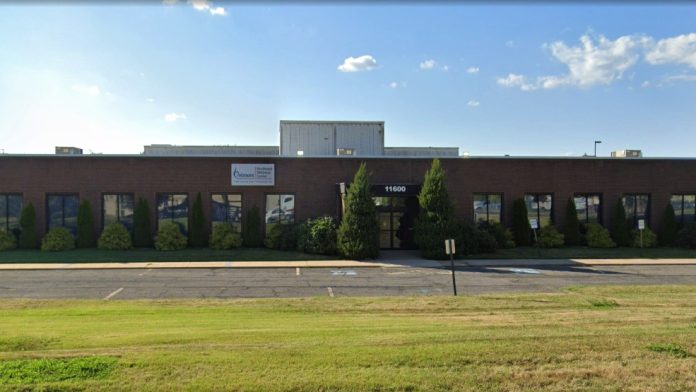
11600 Caroline Road
Philadelphia, PA 19154
 Sponsored
About Belmont Behavioral Health – Outpatient Treatment
Belmont Behavioral Health offers outpatient addiction treatment and mental health services in Philadelphia, Pennsylvania serving individuals and families across a wide age spectrum. The program provides partial hospitalization, intensive outpatient and traditional outpatient services that combine substance abuse treatment with psychiatric care including evaluations and medication management, psychotherapy and psychological testing.
Clients and families appreciate the well organized group sessions and the polite, capable staff who support recovery at every level.
What programs are offered?
The center provides a full outpatient continuum including partial hospitalization as a step down from inpatient care, intensive outpatient designed for adults balancing treatment with work and family, and traditional outpatient psychiatry services.
I like that all programs integrate substance abuse treatment with mental health care offering psychiatric evaluations and medication management, individual and group psychotherapy, and psychological testing.
Who can get help here?
Belmont Behavioral Health serves children starting at age five, adolescents, adults and older adults. The program treats co-occurring disorders, mood and anxiety disorders, bipolar disorder and schizophrenia, codependency and relationship or family concerns alongside substance use challenges.
Where is the center located?
The outpatient facility is located at 11600 Caroline Road in Philadelphia, Pennsylvania. I want to add that the program also has telehealth options as part of its service offerings.
What payment options are available?
Belmont Behavioral Health accepts all major forms of insurance as well as private pay and cash, credit card and checks.
Amenities
Art and music are mediums that connect with our feelings, making them a great recovery tool during addiction treatment. Studies show that combining art/music and drug rehab can have a greater therapeutic impact than drug rehab alone, as you’re able to access parts of your brain and body that you may not have access to during traditional talk therapy. Benefits of art/music therapy include lowering stress and anxiety, promoting healthy neurochemicals, and providing stress relief.
Yoga and meditation are great activities to support your recovery process during alcohol or drug rehab. These therapies have been around for centuries, and they are an effective way to improve well-being. Combining addiction treatment, yoga, and meditation can reduce cravings, improve sleep, relieve anxiety and depression, provide stress relief, promote relaxation, support emotional healing, and improve energy levels.
Music can be extremely therapeutic, serving as a valuable healing tool and an integrative feature of a holistic treatment plan. A music room offers a large number of outlets, including singing, playing musical instruments, and listening to music.
Private drug rehab provides a comfortable, secure environment that allows you to focus on doing the work to get your life back on track. Benefits include a higher staff-to-client ratio, increased one-on-one time with therapists and healthcare providers, private rooms for clients, and customized forms of therapy.
Recreational therapy uniquely combines therapeutic interventions with an activity, like horse-riding, hiking, wilderness therapy, basketball, tennis, or a full workout. Benefits of recreational therapy include providing a healthy way to work through the emotions of recovery, learning to build and maintain relationships, improving communication skills, and building self-esteem.
Treatment centers with a yoga studio offer a special form of holistic therapy during the recovery process. Yoga boosts mindfulness, a sense of calm, and healthy reflection during drug rehab via breathing exercises, stretching, and a progression of specific postures.
Addiction Treatment Programs
A young adult program in Pennsylvania provides a comfortable, age-appropriate environment for treatment. These programs offer life skills education, individualized treatment, family therapy, and aftercare.
The Keystone State offers many resources for those struggling with substance use disorders. Each adult program in Pennsylvania provides individualized care, to meet people where they are and help them take the next step on their recovery journey.
Alcohol rehab in Pennsylvania uses various treatment techniques to teach you how to change your lifestyle, living environment, and social connections. These changes help you control urges to drink and learn how to prevent relapse.
Men’s rehab in Pennsylvania can help men receive support from other men who understand their challenges. This provides a sense of camaraderie that relieves feelings of isolation.
Women’s rehab in Pennsylvania helps females struggling with substance use disorders build the skills necessary to maintain sobriety. Treatment is designed to help women stay on track for long-term recovery.
Opioid rehab in Pennsylvania often includes medication assisted treatment, which helps alleviate withdrawal. This treatment is combined with other therapies that give you skills to navigate addiction and achieve long-term recovery.
Cognitive behavioral therapy in Pennsylvania helps participants identify inaccurate thinking and learned patterns of negative behavior and how to change them. It gives participants the skills to relieve their symptoms without turning to substances.
Levels of Care
Experience safe detox in Pennsylvania as your initial step toward recovery. During this process, you’ll receive 24/7 care while your body is cleansed of all addictive substances. Treatment may include medication to alleviate withdrawal symptoms.
When first starting drug rehab in Pennsylvania, many individuals begin with inpatient rehab. This involves staying at the facility 24/7 and receiving a variety of treatment methods that typically include group and individual counseling.
Partial hospitalization programs (PHPs) in Pennsylvania typically provide addiction treatment five days a week for several hours each day. During sessions, staff emphasize the importance of maintaining sobriety and complying with your individual recovery program.
While undergoing outpatient treatment in Pennsylvania, you’ll work through challenges such as cravings, social skills, and relapse prevention as you meet with a recovery expert and attend 12-step meetings. This treatment may last a few weeks or several months, depending on your recovery needs.
Following rehab, you can receive much-needed ongoing support through aftercare rehab in Pennsylvania. Services may include financial planning, career guidance, legal advice, and other practical supports, as well as counseling and 12-step groups. Taking advantage of these resources greatly reduces the chance of relapse.
Mental illness and substance abuse are so integrated that they must be treated together. Ignoring one and treating the other doesn’t work. Dual diagnosis treatment in Pennsylvania effectively addresses both mental health and substance abuse disorders, for the best outcomes.
Accreditations
Contact Information


 Sponsored
Natalie is a recent graduate of Purdue University, where she studied psychology and creative writing. Every morning, she’s fueled by a cup of tea and her passion for making sure mental health resources are accessible to everyone. In her spare time, she loves writing poetry by her window, where she can watch the sunrise.
Rehabs.org regularly reviews this listing for accuracy but changes may occur between updates. For the most up-to-date information, please contact Belmont Behavioral Health – Outpatient Treatment.
Nearby Treatment Centers

2600 Southampton Road
Philadelphia, PA 19116
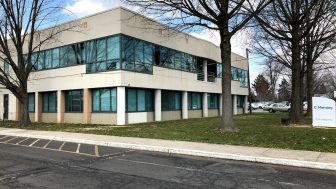
11082 Knights Road
Philadelphia, PA 19154
9815 Roosevelt Boulevard
Suite B
Philadelphia, PA 19114
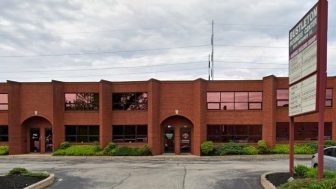
2200 Michener Street
Unit 12
Philadelphia, PA 19115
