
Silver Ridge
Mills River, NC
28759

Accredited drug rehab centers available across Charlotte.
Sliding-scale payments, financial aid, low-cost programs, and local nonprofits.
Medicare, Medicaid, TRICARE, plus local private health insurance coverage.


 Filter
| Name | Address | Description | Treatment | Insurance | Thumbnail |
|---|---|---|---|---|---|
Charlotte Rescue Mission – Rebound | 907 West 1st Street | Charlotte Rescue Mission Rebound is a faith based residential addiction treatment program in Charlotte, North Carolina, offering long term recovery support for men ... more details › | Treatment Programs Insurance Inpatient When you choose inpatient drug rehab in North Carolina, you’ll live at a rehab facility for 28 to 90 days, depending on the program. Typical methods of treatment include group and individual therapy and family counseling. Dual Diagnosis Some of the most common co-occurring mental health disorders include anxiety, depression, and eating disorders. When these are present alongside substance use disorder, dual diagnosis treatment in North Carolina is necessary to address both conditions. Aftercare Aftercare rehab in North Carolina is a crucial part of relapse prevention. It gives you access to resources that will help you manage stress and overcome life hurdles. Typical services include career coaching, financial guidance, and ongoing counseling and emotional support. These may continue for a few months or more than a year after initial rehab. Sober Living Many people find that a few months in North Carolina sober living after rehab treatment gives them a good foundation for long-term recovery. The average stay at a sober living home is five to eight months, but you get to decide when you are ready to live on your own. +2 | Treatment Programs Insurance Free Most states offer free alcohol and drug rehabs through public mental health and addiction treatment centers. These centers often provide detox, intensive outpatient programs (IOPs), residential treatment, partial hospitalization programs (PHPs), and support groups. You must meet certain requirements in order to qualify for free alcohol and drug rehabs, such as lack of income and insurance. Financial Aid Rather than pay for an entire treatment program at once, you can pay for substance abuse counseling per session. Rates for therapy sessions vary by treatment provider and generally range from $130-$200. Typical forms of payment accepted include insurance, credit, debit, and cash. Private Your insurer may help cover the cost of alcohol and drug rehab in North Carolina. The amount covered will depend on your policy and whether the treatment center is in-network or out-of-network. You may be left with some costs like a co-payment, or co-insurance. Check with your insurer for more information. Payment In North Carolina, you have the option to take charge of your treatment costs and pay out-of-pocket, known as self-pay or private pay. Paying for alcohol and drug rehab in North Carolina, you to access all levels of care — including detox in North Carolina, and inpatient rehab in North Carolina —without being subject to the limitations of your insurance provider. +2 | |
Inner Vision Uptown | 415 East 4th Street | Inner Vision Uptown is a nationally accredited nonprofit human services organization specializing in recovery oriented resources and support. This includes providing ... more details › | Treatment Programs Insurance Outpatient Outpatient rehab in North Carolina is often the next step for those who complete an inpatient program. This less restrictive treatment involves several hours of therapy per week, and accountability through 12-step meetings such as AA. You’ll continue this treatment as long as needed, which could be weeks, months, or years. Dual Diagnosis Some of the most common co-occurring mental health disorders include anxiety, depression, and eating disorders. When these are present alongside substance use disorder, dual diagnosis treatment in North Carolina is necessary to address both conditions. | Treatment Programs Insurance Medicaid If need help with the cost of alcohol and drug rehab in North Carolina, you may be eligible for Medicaid. This coverage can assist with the cost of treatment, including detox, inpatient rehab, and more, but the amount covered may vary. Medicare If you're enrolled in Medicare, or find out you’re eligible for Medicare, you may be able to use your Medicare benefits to help pay for alcohol and drug rehab in North Carolina. The amount of coverage will depend on many things, including whether you are seeking inpatient or outpatient treatment for substance abuse. Financial Aid If you’re struggling to cover the cost of alcohol and drug rehab in North Carolina, financial aid may be a good solution. Financial assistance options include grants, scholarships, non-profit programs, personal funding, and health insurance programs to help you manage the expense of substance abuse treatment. Payment In North Carolina, you have the option to take charge of your treatment costs and pay out-of-pocket, known as self-pay or private pay. Paying for alcohol and drug rehab in North Carolina, you to access all levels of care — including detox in North Carolina, and inpatient rehab in North Carolina —without being subject to the limitations of your insurance provider. +2 | |
New Season Treatment Center – Charlotte | 3315 Wilkinson Boulevard | New Season Treatment Center in Charlotte, NC offers outpatient care for opioid addiction under the supervision of licensed clinical staff. They specialize in ... more details › | Treatment Programs Insurance Detox Nearly all drug rehabs in North Carolina begin with a detox program. When this process is complete, all addictive substances will be purged from your body. You can then move on to the next steps of drug rehab in North Carolina. Outpatient Outpatient rehab in North Carolina is often the next step for those who complete an inpatient program. This less restrictive treatment involves several hours of therapy per week, and accountability through 12-step meetings such as AA. You’ll continue this treatment as long as needed, which could be weeks, months, or years. | Treatment Programs Insurance Medicaid If need help with the cost of alcohol and drug rehab in North Carolina, you may be eligible for Medicaid. This coverage can assist with the cost of treatment, including detox, inpatient rehab, and more, but the amount covered may vary. Medicare If you're enrolled in Medicare, or find out you’re eligible for Medicare, you may be able to use your Medicare benefits to help pay for alcohol and drug rehab in North Carolina. The amount of coverage will depend on many things, including whether you are seeking inpatient or outpatient treatment for substance abuse. Private Your insurer may help cover the cost of alcohol and drug rehab in North Carolina. The amount covered will depend on your policy and whether the treatment center is in-network or out-of-network. You may be left with some costs like a co-payment, or co-insurance. Check with your insurer for more information. Payment In North Carolina, you have the option to take charge of your treatment costs and pay out-of-pocket, known as self-pay or private pay. Paying for alcohol and drug rehab in North Carolina, you to access all levels of care — including detox in North Carolina, and inpatient rehab in North Carolina —without being subject to the limitations of your insurance provider. +2 | |
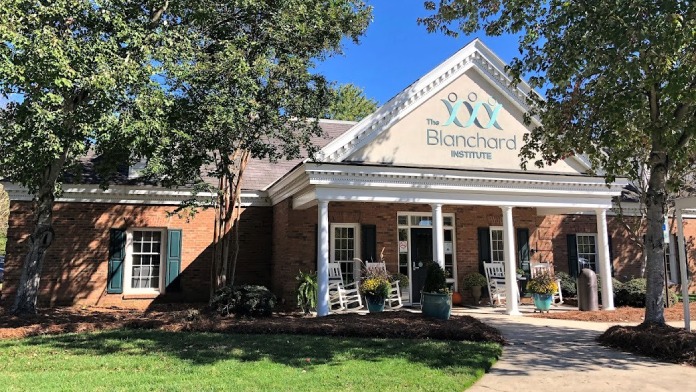
The Blanchard Institute | 10348 Park Rd | The Blanchard Institute is located in Charlotte, North Carolina. This is a comprehensive care facility that provides a range of services to adults with behavioral ... more details › | Treatment Programs Insurance Detox Nearly all drug rehabs in North Carolina begin with a detox program. When this process is complete, all addictive substances will be purged from your body. You can then move on to the next steps of drug rehab in North Carolina. PHP Partial hospitalization programs (PHPs) in North Carolina give you structured treatment during the day but allow you to return home at night. PHPs can include elements like group therapy, individual counseling, and medication management. Outpatient Outpatient rehab in North Carolina is often the next step for those who complete an inpatient program. This less restrictive treatment involves several hours of therapy per week, and accountability through 12-step meetings such as AA. You’ll continue this treatment as long as needed, which could be weeks, months, or years. +1 | Treatment Programs Insurance Private Your insurer may help cover the cost of alcohol and drug rehab in North Carolina. The amount covered will depend on your policy and whether the treatment center is in-network or out-of-network. You may be left with some costs like a co-payment, or co-insurance. Check with your insurer for more information. Payment In North Carolina, you have the option to take charge of your treatment costs and pay out-of-pocket, known as self-pay or private pay. Paying for alcohol and drug rehab in North Carolina, you to access all levels of care — including detox in North Carolina, and inpatient rehab in North Carolina —without being subject to the limitations of your insurance provider. | |
Harmony Recovery Center | 11403 N Tryon St | The Harmony Recovery Center is part of the Harmony Health Group family. The center is located in Charlotte, North Carolina. The organization is accredited by The Joint ... more details › | Treatment Programs Insurance Detox Nearly all drug rehabs in North Carolina begin with a detox program. When this process is complete, all addictive substances will be purged from your body. You can then move on to the next steps of drug rehab in North Carolina. PHP Partial hospitalization programs (PHPs) in North Carolina give you structured treatment during the day but allow you to return home at night. PHPs can include elements like group therapy, individual counseling, and medication management. Outpatient Outpatient rehab in North Carolina is often the next step for those who complete an inpatient program. This less restrictive treatment involves several hours of therapy per week, and accountability through 12-step meetings such as AA. You’ll continue this treatment as long as needed, which could be weeks, months, or years. Intervention Recovery journeys often begin with intervention services in North Carolina. This treatment tool provides key support in planning and facilitating an effective intervention. Intervention specialists can also provide resources to develop treatment plans and guide families through the admission process. +2 | Treatment Programs Insurance Private Your insurer may help cover the cost of alcohol and drug rehab in North Carolina. The amount covered will depend on your policy and whether the treatment center is in-network or out-of-network. You may be left with some costs like a co-payment, or co-insurance. Check with your insurer for more information. Payment In North Carolina, you have the option to take charge of your treatment costs and pay out-of-pocket, known as self-pay or private pay. Paying for alcohol and drug rehab in North Carolina, you to access all levels of care — including detox in North Carolina, and inpatient rehab in North Carolina —without being subject to the limitations of your insurance provider. | |
Carolina Center for Recovery | 7349 Statesville Rd | Carolina Center for Recovery is a drug and alcohol rehab in Charlotte, North Carolina, offering a full continuum of substance use treatment for adults ages 18 and ... more details › | Treatment Programs Insurance Detox Nearly all drug rehabs in North Carolina begin with a detox program. When this process is complete, all addictive substances will be purged from your body. You can then move on to the next steps of drug rehab in North Carolina. Inpatient When you choose inpatient drug rehab in North Carolina, you’ll live at a rehab facility for 28 to 90 days, depending on the program. Typical methods of treatment include group and individual therapy and family counseling. PHP Partial hospitalization programs (PHPs) in North Carolina give you structured treatment during the day but allow you to return home at night. PHPs can include elements like group therapy, individual counseling, and medication management. Outpatient Outpatient rehab in North Carolina is often the next step for those who complete an inpatient program. This less restrictive treatment involves several hours of therapy per week, and accountability through 12-step meetings such as AA. You’ll continue this treatment as long as needed, which could be weeks, months, or years. Dual Diagnosis Some of the most common co-occurring mental health disorders include anxiety, depression, and eating disorders. When these are present alongside substance use disorder, dual diagnosis treatment in North Carolina is necessary to address both conditions. Intervention Recovery journeys often begin with intervention services in North Carolina. This treatment tool provides key support in planning and facilitating an effective intervention. Intervention specialists can also provide resources to develop treatment plans and guide families through the admission process. +4 | Treatment Programs Insurance Private Your insurer may help cover the cost of alcohol and drug rehab in North Carolina. The amount covered will depend on your policy and whether the treatment center is in-network or out-of-network. You may be left with some costs like a co-payment, or co-insurance. Check with your insurer for more information. Payment In North Carolina, you have the option to take charge of your treatment costs and pay out-of-pocket, known as self-pay or private pay. Paying for alcohol and drug rehab in North Carolina, you to access all levels of care — including detox in North Carolina, and inpatient rehab in North Carolina —without being subject to the limitations of your insurance provider. | |
Midwood Addiction Treatment | 1111 The Plaza | Midwood Addiction Treatment provides alcohol and drug rehab services to men and women in the Charlotte, North Carolina region. They offer a progressive, outpatient ... more details › | Treatment Programs Insurance Detox Nearly all drug rehabs in North Carolina begin with a detox program. When this process is complete, all addictive substances will be purged from your body. You can then move on to the next steps of drug rehab in North Carolina. Inpatient When you choose inpatient drug rehab in North Carolina, you’ll live at a rehab facility for 28 to 90 days, depending on the program. Typical methods of treatment include group and individual therapy and family counseling. Outpatient Outpatient rehab in North Carolina is often the next step for those who complete an inpatient program. This less restrictive treatment involves several hours of therapy per week, and accountability through 12-step meetings such as AA. You’ll continue this treatment as long as needed, which could be weeks, months, or years. +1 | Treatment Programs Insurance Private Your insurer may help cover the cost of alcohol and drug rehab in North Carolina. The amount covered will depend on your policy and whether the treatment center is in-network or out-of-network. You may be left with some costs like a co-payment, or co-insurance. Check with your insurer for more information. Payment In North Carolina, you have the option to take charge of your treatment costs and pay out-of-pocket, known as self-pay or private pay. Paying for alcohol and drug rehab in North Carolina, you to access all levels of care — including detox in North Carolina, and inpatient rehab in North Carolina —without being subject to the limitations of your insurance provider. | |
Dilworth Center | 2240 Park Road | Located in Charlotte, North Carolina, Dilworth Center is a nonprofit addiction treatment center specializing in intensive outpatient services. I'm impressed that for ... more details › | Treatment Programs Insurance Outpatient Outpatient rehab in North Carolina is often the next step for those who complete an inpatient program. This less restrictive treatment involves several hours of therapy per week, and accountability through 12-step meetings such as AA. You’ll continue this treatment as long as needed, which could be weeks, months, or years. Dual Diagnosis Some of the most common co-occurring mental health disorders include anxiety, depression, and eating disorders. When these are present alongside substance use disorder, dual diagnosis treatment in North Carolina is necessary to address both conditions. Aftercare Aftercare rehab in North Carolina is a crucial part of relapse prevention. It gives you access to resources that will help you manage stress and overcome life hurdles. Typical services include career coaching, financial guidance, and ongoing counseling and emotional support. These may continue for a few months or more than a year after initial rehab. Intervention Recovery journeys often begin with intervention services in North Carolina. This treatment tool provides key support in planning and facilitating an effective intervention. Intervention specialists can also provide resources to develop treatment plans and guide families through the admission process. +2 | Treatment Programs Insurance Private Your insurer may help cover the cost of alcohol and drug rehab in North Carolina. The amount covered will depend on your policy and whether the treatment center is in-network or out-of-network. You may be left with some costs like a co-payment, or co-insurance. Check with your insurer for more information. Payment In North Carolina, you have the option to take charge of your treatment costs and pay out-of-pocket, known as self-pay or private pay. Paying for alcohol and drug rehab in North Carolina, you to access all levels of care — including detox in North Carolina, and inpatient rehab in North Carolina —without being subject to the limitations of your insurance provider. | |
Epiphany Family Services | 6900 Farmingdale Drive | Epiphany Family Services is an outpatient addiction treatment and mental health provider in Charlotte, North Carolina, offering substance use treatment for both ... more details › | Treatment Programs Insurance Outpatient Outpatient rehab in North Carolina is often the next step for those who complete an inpatient program. This less restrictive treatment involves several hours of therapy per week, and accountability through 12-step meetings such as AA. You’ll continue this treatment as long as needed, which could be weeks, months, or years. Dual Diagnosis Some of the most common co-occurring mental health disorders include anxiety, depression, and eating disorders. When these are present alongside substance use disorder, dual diagnosis treatment in North Carolina is necessary to address both conditions. Aftercare Aftercare rehab in North Carolina is a crucial part of relapse prevention. It gives you access to resources that will help you manage stress and overcome life hurdles. Typical services include career coaching, financial guidance, and ongoing counseling and emotional support. These may continue for a few months or more than a year after initial rehab. +1 | Treatment Programs Insurance Medicaid If need help with the cost of alcohol and drug rehab in North Carolina, you may be eligible for Medicaid. This coverage can assist with the cost of treatment, including detox, inpatient rehab, and more, but the amount covered may vary. Medicare If you're enrolled in Medicare, or find out you’re eligible for Medicare, you may be able to use your Medicare benefits to help pay for alcohol and drug rehab in North Carolina. The amount of coverage will depend on many things, including whether you are seeking inpatient or outpatient treatment for substance abuse. Financial Aid If you need help covering the cost of alcohol and drug rehab in North Carolina but cannot pay the full amount, a sliding scale payment plan may be an option. This allows you to access all levels of care, including detox, inpatient rehab, and more, on a sliding scale based on your financial situation. To qualify for this treatment discount, you must complete an application and provide supporting financial documentation. Private Your insurer may help cover the cost of alcohol and drug rehab in North Carolina. The amount covered will depend on your policy and whether the treatment center is in-network or out-of-network. You may be left with some costs like a co-payment, or co-insurance. Check with your insurer for more information. Payment In North Carolina, you have the option to take charge of your treatment costs and pay out-of-pocket, known as self-pay or private pay. Paying for alcohol and drug rehab in North Carolina, you to access all levels of care — including detox in North Carolina, and inpatient rehab in North Carolina —without being subject to the limitations of your insurance provider. +3 | |
Anuvia Prevention & Recovery Center | 100 Billingsley Road | Located in Charlotte, North Carolina, Anuvia Prevention and Recovery Center offers treatment and prevention programs for adults and adolescents with substance abuse ... more details › | Treatment Programs Insurance Detox Nearly all drug rehabs in North Carolina begin with a detox program. When this process is complete, all addictive substances will be purged from your body. You can then move on to the next steps of drug rehab in North Carolina. Inpatient When you choose inpatient drug rehab in North Carolina, you’ll live at a rehab facility for 28 to 90 days, depending on the program. Typical methods of treatment include group and individual therapy and family counseling. Outpatient Outpatient rehab in North Carolina is often the next step for those who complete an inpatient program. This less restrictive treatment involves several hours of therapy per week, and accountability through 12-step meetings such as AA. You’ll continue this treatment as long as needed, which could be weeks, months, or years. Dual Diagnosis Some of the most common co-occurring mental health disorders include anxiety, depression, and eating disorders. When these are present alongside substance use disorder, dual diagnosis treatment in North Carolina is necessary to address both conditions. Intervention Recovery journeys often begin with intervention services in North Carolina. This treatment tool provides key support in planning and facilitating an effective intervention. Intervention specialists can also provide resources to develop treatment plans and guide families through the admission process. +3 | Treatment Programs Insurance Medicaid If need help with the cost of alcohol and drug rehab in North Carolina, you may be eligible for Medicaid. This coverage can assist with the cost of treatment, including detox, inpatient rehab, and more, but the amount covered may vary. Medicare If you're enrolled in Medicare, or find out you’re eligible for Medicare, you may be able to use your Medicare benefits to help pay for alcohol and drug rehab in North Carolina. The amount of coverage will depend on many things, including whether you are seeking inpatient or outpatient treatment for substance abuse. Private Your insurer may help cover the cost of alcohol and drug rehab in North Carolina. The amount covered will depend on your policy and whether the treatment center is in-network or out-of-network. You may be left with some costs like a co-payment, or co-insurance. Check with your insurer for more information. Payment In North Carolina, you have the option to take charge of your treatment costs and pay out-of-pocket, known as self-pay or private pay. Paying for alcohol and drug rehab in North Carolina, you to access all levels of care — including detox in North Carolina, and inpatient rehab in North Carolina —without being subject to the limitations of your insurance provider. +2 | |
Carolina Outreach Charlotte | 5108 Reagan Drive | Located in Charlotte, North Carolina, is the Carolina Outreach Charlotte clinic. This clinic supports children and adults, helping them work through behavioral health ... more details › | Treatment Programs Insurance Outpatient Outpatient rehab in North Carolina is often the next step for those who complete an inpatient program. This less restrictive treatment involves several hours of therapy per week, and accountability through 12-step meetings such as AA. You’ll continue this treatment as long as needed, which could be weeks, months, or years. Dual Diagnosis Some of the most common co-occurring mental health disorders include anxiety, depression, and eating disorders. When these are present alongside substance use disorder, dual diagnosis treatment in North Carolina is necessary to address both conditions. Aftercare Aftercare rehab in North Carolina is a crucial part of relapse prevention. It gives you access to resources that will help you manage stress and overcome life hurdles. Typical services include career coaching, financial guidance, and ongoing counseling and emotional support. These may continue for a few months or more than a year after initial rehab. +1 | Treatment Programs Insurance Medicaid If need help with the cost of alcohol and drug rehab in North Carolina, you may be eligible for Medicaid. This coverage can assist with the cost of treatment, including detox, inpatient rehab, and more, but the amount covered may vary. Financial Aid If you’re struggling to cover the cost of alcohol and drug rehab in North Carolina, financial aid may be a good solution. Financial assistance options include grants, scholarships, non-profit programs, personal funding, and health insurance programs to help you manage the expense of substance abuse treatment. Private Your insurer may help cover the cost of alcohol and drug rehab in North Carolina. The amount covered will depend on your policy and whether the treatment center is in-network or out-of-network. You may be left with some costs like a co-payment, or co-insurance. Check with your insurer for more information. Payment In North Carolina, you have the option to take charge of your treatment costs and pay out-of-pocket, known as self-pay or private pay. Paying for alcohol and drug rehab in North Carolina, you to access all levels of care — including detox in North Carolina, and inpatient rehab in North Carolina —without being subject to the limitations of your insurance provider. +2 | |
Hope Haven Inc. | 3815 North Tryon Street | Hope Haven in Charlotte, North Carolina, is a recovery facility that serves men and women who need support from a substance use recovery program. There are also ... more details › | Treatment Programs Insurance Inpatient When you choose inpatient drug rehab in North Carolina, you’ll live at a rehab facility for 28 to 90 days, depending on the program. Typical methods of treatment include group and individual therapy and family counseling. Dual Diagnosis Some of the most common co-occurring mental health disorders include anxiety, depression, and eating disorders. When these are present alongside substance use disorder, dual diagnosis treatment in North Carolina is necessary to address both conditions. Aftercare Aftercare rehab in North Carolina is a crucial part of relapse prevention. It gives you access to resources that will help you manage stress and overcome life hurdles. Typical services include career coaching, financial guidance, and ongoing counseling and emotional support. These may continue for a few months or more than a year after initial rehab. Sober Living Many people find that a few months in North Carolina sober living after rehab treatment gives them a good foundation for long-term recovery. The average stay at a sober living home is five to eight months, but you get to decide when you are ready to live on your own. +2 | Treatment Programs Insurance Medicaid If need help with the cost of alcohol and drug rehab in North Carolina, you may be eligible for Medicaid. This coverage can assist with the cost of treatment, including detox, inpatient rehab, and more, but the amount covered may vary. Financial Aid If you’re struggling to cover the cost of alcohol and drug rehab in North Carolina, financial aid may be a good solution. Financial assistance options include grants, scholarships, non-profit programs, personal funding, and health insurance programs to help you manage the expense of substance abuse treatment. Payment In North Carolina, you have the option to take charge of your treatment costs and pay out-of-pocket, known as self-pay or private pay. Paying for alcohol and drug rehab in North Carolina, you to access all levels of care — including detox in North Carolina, and inpatient rehab in North Carolina —without being subject to the limitations of your insurance provider. +1 | |
Charlotte Detox Center | 8509 Crown Crescent Ct | Charlotte Detox Center in Charlotte, North Carolina offers an exclusive detox experience. They’ll give you a short term private stay specializing in a safe detox ... more details › | Treatment Programs Insurance Detox Nearly all drug rehabs in North Carolina begin with a detox program. When this process is complete, all addictive substances will be purged from your body. You can then move on to the next steps of drug rehab in North Carolina. Sober Living Many people find that a few months in North Carolina sober living after rehab treatment gives them a good foundation for long-term recovery. The average stay at a sober living home is five to eight months, but you get to decide when you are ready to live on your own. Intervention Recovery journeys often begin with intervention services in North Carolina. This treatment tool provides key support in planning and facilitating an effective intervention. Intervention specialists can also provide resources to develop treatment plans and guide families through the admission process. +1 | Treatment Programs Insurance Private Your insurer may help cover the cost of alcohol and drug rehab in North Carolina. The amount covered will depend on your policy and whether the treatment center is in-network or out-of-network. You may be left with some costs like a co-payment, or co-insurance. Check with your insurer for more information. Payment In North Carolina, you have the option to take charge of your treatment costs and pay out-of-pocket, known as self-pay or private pay. Paying for alcohol and drug rehab in North Carolina, you to access all levels of care — including detox in North Carolina, and inpatient rehab in North Carolina —without being subject to the limitations of your insurance provider. | |
Atrium Health Behavioral Health | 501 Billingsley Road | Located in Charlotte, North Carolina, is the Atrium Health Behavioral Health’s Charlotte clinic. This is a comprehensive care facility that serves adults who are ... more details › | Treatment Programs Insurance Detox Nearly all drug rehabs in North Carolina begin with a detox program. When this process is complete, all addictive substances will be purged from your body. You can then move on to the next steps of drug rehab in North Carolina. Inpatient When you choose inpatient drug rehab in North Carolina, you’ll live at a rehab facility for 28 to 90 days, depending on the program. Typical methods of treatment include group and individual therapy and family counseling. Outpatient Outpatient rehab in North Carolina is often the next step for those who complete an inpatient program. This less restrictive treatment involves several hours of therapy per week, and accountability through 12-step meetings such as AA. You’ll continue this treatment as long as needed, which could be weeks, months, or years. Dual Diagnosis Some of the most common co-occurring mental health disorders include anxiety, depression, and eating disorders. When these are present alongside substance use disorder, dual diagnosis treatment in North Carolina is necessary to address both conditions. +2 | Treatment Programs Insurance Medicaid If need help with the cost of alcohol and drug rehab in North Carolina, you may be eligible for Medicaid. This coverage can assist with the cost of treatment, including detox, inpatient rehab, and more, but the amount covered may vary. Medicare If you're enrolled in Medicare, or find out you’re eligible for Medicare, you may be able to use your Medicare benefits to help pay for alcohol and drug rehab in North Carolina. The amount of coverage will depend on many things, including whether you are seeking inpatient or outpatient treatment for substance abuse. Financial Aid If you’re struggling to cover the cost of alcohol and drug rehab in North Carolina, financial aid may be a good solution. Financial assistance options include grants, scholarships, non-profit programs, personal funding, and health insurance programs to help you manage the expense of substance abuse treatment. Private Your insurer may help cover the cost of alcohol and drug rehab in North Carolina. The amount covered will depend on your policy and whether the treatment center is in-network or out-of-network. You may be left with some costs like a co-payment, or co-insurance. Check with your insurer for more information. Payment In North Carolina, you have the option to take charge of your treatment costs and pay out-of-pocket, known as self-pay or private pay. Paying for alcohol and drug rehab in North Carolina, you to access all levels of care — including detox in North Carolina, and inpatient rehab in North Carolina —without being subject to the limitations of your insurance provider. +3 | |
The Insight Program | 920 Blairhill Road | Located in Charlotte, North Carolina, The Insight Program Charlotte provides outpatient addiction treatment for young people. Services like an intensive outpatient ... more details › | Treatment Programs Insurance Inpatient When you choose inpatient drug rehab in North Carolina, you’ll live at a rehab facility for 28 to 90 days, depending on the program. Typical methods of treatment include group and individual therapy and family counseling. Outpatient Outpatient rehab in North Carolina is often the next step for those who complete an inpatient program. This less restrictive treatment involves several hours of therapy per week, and accountability through 12-step meetings such as AA. You’ll continue this treatment as long as needed, which could be weeks, months, or years. Aftercare Aftercare rehab in North Carolina is a crucial part of relapse prevention. It gives you access to resources that will help you manage stress and overcome life hurdles. Typical services include career coaching, financial guidance, and ongoing counseling and emotional support. These may continue for a few months or more than a year after initial rehab. +1 | Treatment Programs Insurance | |
Mc Leod Charlotte | 515 Clanton Road | McLeod Centers for Wellbeing is a CARF-accredited nonprofit substance use treatment provider offering outpatient addiction care and opioid treatment programs in ... more details › | Treatment Programs Insurance Detox Nearly all drug rehabs in North Carolina begin with a detox program. When this process is complete, all addictive substances will be purged from your body. You can then move on to the next steps of drug rehab in North Carolina. Outpatient Outpatient rehab in North Carolina is often the next step for those who complete an inpatient program. This less restrictive treatment involves several hours of therapy per week, and accountability through 12-step meetings such as AA. You’ll continue this treatment as long as needed, which could be weeks, months, or years. | Treatment Programs Insurance Medicaid If need help with the cost of alcohol and drug rehab in North Carolina, you may be eligible for Medicaid. This coverage can assist with the cost of treatment, including detox, inpatient rehab, and more, but the amount covered may vary. Medicare If you're enrolled in Medicare, or find out you’re eligible for Medicare, you may be able to use your Medicare benefits to help pay for alcohol and drug rehab in North Carolina. The amount of coverage will depend on many things, including whether you are seeking inpatient or outpatient treatment for substance abuse. | |
Absolute Advocacy | 1923 J N Pease Pl | Pasadena Villa Outpatient in Cary, North Carolina offers alcohol and drug rehab services to men and women. Their programming is provided through partial ... more details › | Treatment Programs Insurance Outpatient Outpatient rehab in North Carolina is often the next step for those who complete an inpatient program. This less restrictive treatment involves several hours of therapy per week, and accountability through 12-step meetings such as AA. You’ll continue this treatment as long as needed, which could be weeks, months, or years. Intervention Recovery journeys often begin with intervention services in North Carolina. This treatment tool provides key support in planning and facilitating an effective intervention. Intervention specialists can also provide resources to develop treatment plans and guide families through the admission process. | Treatment Programs Insurance Private Your insurer may help cover the cost of alcohol and drug rehab in North Carolina. The amount covered will depend on your policy and whether the treatment center is in-network or out-of-network. You may be left with some costs like a co-payment, or co-insurance. Check with your insurer for more information. Payment In North Carolina, you have the option to take charge of your treatment costs and pay out-of-pocket, known as self-pay or private pay. Paying for alcohol and drug rehab in North Carolina, you to access all levels of care — including detox in North Carolina, and inpatient rehab in North Carolina —without being subject to the limitations of your insurance provider. | |
A Dove’s Nest | 2855 West Blvd | A Dove's Nest in Charlotte, North Carolina offers faith based residential addiction treatment and is operated by Charlotte Rescue Mission. The program offers long term ... more details › | Treatment Programs Insurance Detox Nearly all drug rehabs in North Carolina begin with a detox program. When this process is complete, all addictive substances will be purged from your body. You can then move on to the next steps of drug rehab in North Carolina. Inpatient When you choose inpatient drug rehab in North Carolina, you’ll live at a rehab facility for 28 to 90 days, depending on the program. Typical methods of treatment include group and individual therapy and family counseling. Outpatient Outpatient rehab in North Carolina is often the next step for those who complete an inpatient program. This less restrictive treatment involves several hours of therapy per week, and accountability through 12-step meetings such as AA. You’ll continue this treatment as long as needed, which could be weeks, months, or years. Sober Living Many people find that a few months in North Carolina sober living after rehab treatment gives them a good foundation for long-term recovery. The average stay at a sober living home is five to eight months, but you get to decide when you are ready to live on your own. +2 | Treatment Programs Insurance Free Most states offer free alcohol and drug rehabs through public mental health and addiction treatment centers. These centers often provide detox, intensive outpatient programs (IOPs), residential treatment, partial hospitalization programs (PHPs), and support groups. You must meet certain requirements in order to qualify for free alcohol and drug rehabs, such as lack of income and insurance. Private Your insurer may help cover the cost of alcohol and drug rehab in North Carolina. The amount covered will depend on your policy and whether the treatment center is in-network or out-of-network. You may be left with some costs like a co-payment, or co-insurance. Check with your insurer for more information. Payment In North Carolina, you have the option to take charge of your treatment costs and pay out-of-pocket, known as self-pay or private pay. Paying for alcohol and drug rehab in North Carolina, you to access all levels of care — including detox in North Carolina, and inpatient rehab in North Carolina —without being subject to the limitations of your insurance provider. +1 | |
NorthStar Clinical Services | 322 Lamar Ave | NorthStar Clinical Services is an addiction treatment center in Charlotte, North Carolina for adults. They also offer services for co-occurring mental health ... more details › | Treatment Programs Insurance Detox Nearly all drug rehabs in North Carolina begin with a detox program. When this process is complete, all addictive substances will be purged from your body. You can then move on to the next steps of drug rehab in North Carolina. Inpatient When you choose inpatient drug rehab in North Carolina, you’ll live at a rehab facility for 28 to 90 days, depending on the program. Typical methods of treatment include group and individual therapy and family counseling. PHP Partial hospitalization programs (PHPs) in North Carolina give you structured treatment during the day but allow you to return home at night. PHPs can include elements like group therapy, individual counseling, and medication management. Outpatient Outpatient rehab in North Carolina is often the next step for those who complete an inpatient program. This less restrictive treatment involves several hours of therapy per week, and accountability through 12-step meetings such as AA. You’ll continue this treatment as long as needed, which could be weeks, months, or years. Dual Diagnosis Some of the most common co-occurring mental health disorders include anxiety, depression, and eating disorders. When these are present alongside substance use disorder, dual diagnosis treatment in North Carolina is necessary to address both conditions. Aftercare Aftercare rehab in North Carolina is a crucial part of relapse prevention. It gives you access to resources that will help you manage stress and overcome life hurdles. Typical services include career coaching, financial guidance, and ongoing counseling and emotional support. These may continue for a few months or more than a year after initial rehab. Sober Living Many people find that a few months in North Carolina sober living after rehab treatment gives them a good foundation for long-term recovery. The average stay at a sober living home is five to eight months, but you get to decide when you are ready to live on your own. Intervention Recovery journeys often begin with intervention services in North Carolina. This treatment tool provides key support in planning and facilitating an effective intervention. Intervention specialists can also provide resources to develop treatment plans and guide families through the admission process. +6 | Treatment Programs Insurance Private Your insurer may help cover the cost of alcohol and drug rehab in North Carolina. The amount covered will depend on your policy and whether the treatment center is in-network or out-of-network. You may be left with some costs like a co-payment, or co-insurance. Check with your insurer for more information. Payment In North Carolina, you have the option to take charge of your treatment costs and pay out-of-pocket, known as self-pay or private pay. Paying for alcohol and drug rehab in North Carolina, you to access all levels of care — including detox in North Carolina, and inpatient rehab in North Carolina —without being subject to the limitations of your insurance provider. | |
Advene Health | Drug and Alcohol Rehab | 1421 Orchard Lake Dr | Advene Health of Charlotte, North Carolina provides dual diagnosis outpatient treatment to individuals with mental health and substance use concerns. They accept ... more details › | Treatment Programs Insurance Detox Nearly all drug rehabs in North Carolina begin with a detox program. When this process is complete, all addictive substances will be purged from your body. You can then move on to the next steps of drug rehab in North Carolina. Inpatient When you choose inpatient drug rehab in North Carolina, you’ll live at a rehab facility for 28 to 90 days, depending on the program. Typical methods of treatment include group and individual therapy and family counseling. Outpatient Outpatient rehab in North Carolina is often the next step for those who complete an inpatient program. This less restrictive treatment involves several hours of therapy per week, and accountability through 12-step meetings such as AA. You’ll continue this treatment as long as needed, which could be weeks, months, or years. Dual Diagnosis Some of the most common co-occurring mental health disorders include anxiety, depression, and eating disorders. When these are present alongside substance use disorder, dual diagnosis treatment in North Carolina is necessary to address both conditions. +2 | Treatment Programs Insurance Private Your insurer may help cover the cost of alcohol and drug rehab in North Carolina. The amount covered will depend on your policy and whether the treatment center is in-network or out-of-network. You may be left with some costs like a co-payment, or co-insurance. Check with your insurer for more information. Payment In North Carolina, you have the option to take charge of your treatment costs and pay out-of-pocket, known as self-pay or private pay. Paying for alcohol and drug rehab in North Carolina, you to access all levels of care — including detox in North Carolina, and inpatient rehab in North Carolina —without being subject to the limitations of your insurance provider. | |
New Season North Charlotte Treatment Center | 6135 Lakeview Road | New Season North Charlotte Treatment Center is an adult outpatient opioid treatment program located in Charlotte, North Carolina, licensed under Metro Treatment of ... more details › | Treatment Programs Insurance Detox Nearly all drug rehabs in North Carolina begin with a detox program. When this process is complete, all addictive substances will be purged from your body. You can then move on to the next steps of drug rehab in North Carolina. Outpatient Outpatient rehab in North Carolina is often the next step for those who complete an inpatient program. This less restrictive treatment involves several hours of therapy per week, and accountability through 12-step meetings such as AA. You’ll continue this treatment as long as needed, which could be weeks, months, or years. | Treatment Programs Insurance Medicaid If need help with the cost of alcohol and drug rehab in North Carolina, you may be eligible for Medicaid. This coverage can assist with the cost of treatment, including detox, inpatient rehab, and more, but the amount covered may vary. Private Your insurer may help cover the cost of alcohol and drug rehab in North Carolina. The amount covered will depend on your policy and whether the treatment center is in-network or out-of-network. You may be left with some costs like a co-payment, or co-insurance. Check with your insurer for more information. Payment In North Carolina, you have the option to take charge of your treatment costs and pay out-of-pocket, known as self-pay or private pay. Paying for alcohol and drug rehab in North Carolina, you to access all levels of care — including detox in North Carolina, and inpatient rehab in North Carolina —without being subject to the limitations of your insurance provider. +1 | |
Carolina’s Creative Counseling | 4415 Monroe Road | Carolina’s Creative Counseling is a mental health facility located in Charlotte, North Carolina. They treat people for many different types of mental illness, ... more details › | Treatment Programs Insurance Outpatient Outpatient rehab in North Carolina is often the next step for those who complete an inpatient program. This less restrictive treatment involves several hours of therapy per week, and accountability through 12-step meetings such as AA. You’ll continue this treatment as long as needed, which could be weeks, months, or years. | Treatment Programs Insurance Medicaid If need help with the cost of alcohol and drug rehab in North Carolina, you may be eligible for Medicaid. This coverage can assist with the cost of treatment, including detox, inpatient rehab, and more, but the amount covered may vary. Financial Aid If you’re struggling to cover the cost of alcohol and drug rehab in North Carolina, financial aid may be a good solution. Financial assistance options include grants, scholarships, non-profit programs, personal funding, and health insurance programs to help you manage the expense of substance abuse treatment. Tricare Administered by the Department of Defense, TRICARE offers comprehensive military health insurance plans for active and retired military members and their families. Similar to PPO programs offered by private insurance companies, TRICARE covers multiple levels of care for addiction treatment, including detox, inpatient rehab, and outpatient services. Private Your insurer may help cover the cost of alcohol and drug rehab in North Carolina. The amount covered will depend on your policy and whether the treatment center is in-network or out-of-network. You may be left with some costs like a co-payment, or co-insurance. Check with your insurer for more information. Payment In North Carolina, you have the option to take charge of your treatment costs and pay out-of-pocket, known as self-pay or private pay. Paying for alcohol and drug rehab in North Carolina, you to access all levels of care — including detox in North Carolina, and inpatient rehab in North Carolina —without being subject to the limitations of your insurance provider. +3 | |
Roof Above 1210 N. Tryon Street Men’s Shelter | 1210 North Tryon Street | Roof Above, previously known as Men’s Shelter of Charlotte, is making a significant impact right in the heart of Charlotte, North Carolina. After merging with Urban ... more details › | Treatment Programs Insurance Sober Living Many people find that a few months in North Carolina sober living after rehab treatment gives them a good foundation for long-term recovery. The average stay at a sober living home is five to eight months, but you get to decide when you are ready to live on your own. | Treatment Programs Insurance Medicaid If need help with the cost of alcohol and drug rehab in North Carolina, you may be eligible for Medicaid. This coverage can assist with the cost of treatment, including detox, inpatient rehab, and more, but the amount covered may vary. Financial Aid If you’re struggling to cover the cost of alcohol and drug rehab in North Carolina, financial aid may be a good solution. Financial assistance options include grants, scholarships, non-profit programs, personal funding, and health insurance programs to help you manage the expense of substance abuse treatment. | |
W. G. Bill Hefner VA Medical Center – Charlotte CBOC | 8601 University East Drive, Charlotte, NC 28213 | W. G. Bill Hefner VA Medical Center in Salisbury, North Carolina is a comprehensive veterans healthcare facility offering addiction treatment services. The center ... more details › | Treatment Programs Insurance Outpatient Outpatient rehab in North Carolina is often the next step for those who complete an inpatient program. This less restrictive treatment involves several hours of therapy per week, and accountability through 12-step meetings such as AA. You’ll continue this treatment as long as needed, which could be weeks, months, or years. Dual Diagnosis Some of the most common co-occurring mental health disorders include anxiety, depression, and eating disorders. When these are present alongside substance use disorder, dual diagnosis treatment in North Carolina is necessary to address both conditions. Aftercare Aftercare rehab in North Carolina is a crucial part of relapse prevention. It gives you access to resources that will help you manage stress and overcome life hurdles. Typical services include career coaching, financial guidance, and ongoing counseling and emotional support. These may continue for a few months or more than a year after initial rehab. +1 | Treatment Programs Insurance Financial Aid If you’re struggling to cover the cost of alcohol and drug rehab in North Carolina, financial aid may be a good solution. Financial assistance options include grants, scholarships, non-profit programs, personal funding, and health insurance programs to help you manage the expense of substance abuse treatment. Tricare Administered by the Department of Defense, TRICARE offers comprehensive military health insurance plans for active and retired military members and their families. Similar to PPO programs offered by private insurance companies, TRICARE covers multiple levels of care for addiction treatment, including detox, inpatient rehab, and outpatient services. Payment In North Carolina, you have the option to take charge of your treatment costs and pay out-of-pocket, known as self-pay or private pay. Paying for alcohol and drug rehab in North Carolina, you to access all levels of care — including detox in North Carolina, and inpatient rehab in North Carolina —without being subject to the limitations of your insurance provider. +1 |
If you are searching for free or low-cost addiction treatment in Charlotte, North Carolina, a real safety net exists here, even if it takes some digging to find. Detox, outpatient counseling, intensive outpatient programs (IOP), and medication for opioid use disorder (MOUD) are all available in the city through a mix of nonprofit providers, a federally qualified health center, and a faith-based residential program, several of which use a sliding fee scale or accept Medicaid.
North Carolina’s expansion of Medicaid has opened covered treatment to more adults in Mecklenburg County than in past years, and it is worth checking your eligibility before assuming treatment is out of reach. C.W. Williams Community Health Center, a federally qualified health center, layers behavioral health and substance use care onto primary care and accepts Medicaid and Medicare on an income-based sliding scale, which makes it a practical starting point for someone without private insurance.
Charlotte also has a stronger harm reduction presence than many parts of the state. Queen City Harm Reduction operates a legal syringe services program that provides sterile supplies, naloxone, and free HIV and hepatitis C testing, and Mecklenburg County Public Health runs its own free naloxone and overdose-response program. Neither one requires insurance, a referral, or a commitment to abstinence to take part.
For people who need residential support, Charlotte Rescue Mission and Hope Haven both offer longer-term recovery housing at little or no upfront cost, particularly for people facing homelessness alongside addiction. The resources below list contact information for each option, along with statewide and national hotlines, in case a wait or a poor fit at one program means it is time to try another door, including in nearby Davidson.
Free Treatment Score: 6.9/10. Charlotte sits in a metro with a solid, if not top-tier, set of free and low-cost paths into care.
Charlotte’s Free Treatment Score of 6.9 reflects a large metro where the safety net exists but is not always easy to find on your own. Between Anuvia, Hope Haven, C.W. Williams Community Health Center, and Charlotte Rescue Mission, there are several nonprofit doors that will not turn someone away for lack of money, and the state’s Medicaid expansion widens who qualifies for covered care in the first place.
Harm reduction is one of the stronger pieces of the picture here. Queen City Harm Reduction’s syringe program and free naloxone through Mecklenburg County Public Health are both legal, free, and open to anyone who uses drugs, no referral required. A good first step is calling the county’s behavioral health line or a statewide helpline to get matched to a program, and if a Charlotte option is full or not the right fit, there are Medicaid rehab options in North Carolina to check as well.
Learn more about our Free Treatment Score methodology.

 800-783-0593
 Sponsored
