
Silver Ridge
Mills River, NC
28759

Accredited drug rehab centers available across Mebane.
Sliding-scale payments, financial aid, low-cost programs, and local nonprofits.
Medicare, Medicaid, TRICARE, plus local private health insurance coverage.


 Filter
| Name | Address | Description | Treatment | Insurance | Thumbnail |
|---|---|---|---|---|---|
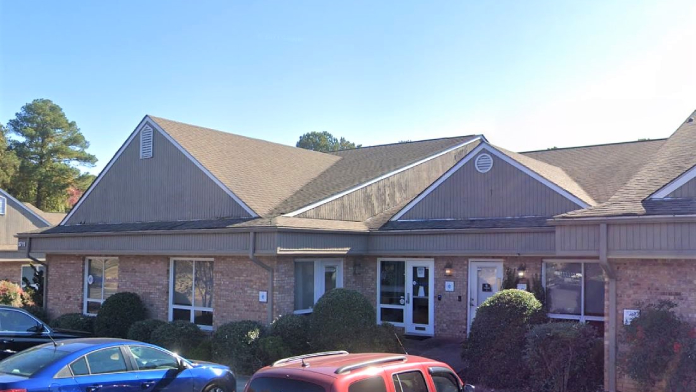
Apogee Home Two | 7612 North Carolina Highway 49 Mebane, NC 27302 | Apogee Home Two is a residential supervised living facility in Mebane, North Carolina that serves adults with serious mental illness and co-occurring substance use ... more details › | Treatment Programs Insurance Inpatient When you choose inpatient drug rehab in North Carolina, you’ll live at a rehab facility for 28 to 90 days, depending on the program. Typical methods of treatment include group and individual therapy and family counseling. Dual Diagnosis Some of the most common co-occurring mental health disorders include anxiety, depression, and eating disorders. When these are present alongside substance use disorder, dual diagnosis treatment in North Carolina is necessary to address both conditions. | Treatment Programs Insurance Medicaid If need help with the cost of alcohol and drug rehab in North Carolina, you may be eligible for Medicaid. This coverage can assist with the cost of treatment, including detox, inpatient rehab, and more, but the amount covered may vary. Financial Aid If you’re struggling to cover the cost of alcohol and drug rehab in North Carolina, financial aid may be a good solution. Financial assistance options include grants, scholarships, non-profit programs, personal funding, and health insurance programs to help you manage the expense of substance abuse treatment. Tricare Administered by the Department of Defense, TRICARE offers comprehensive military health insurance plans for active and retired military members and their families. Similar to PPO programs offered by private insurance companies, TRICARE covers multiple levels of care for addiction treatment, including detox, inpatient rehab, and outpatient services. Payment In North Carolina, you have the option to take charge of your treatment costs and pay out-of-pocket, known as self-pay or private pay. Paying for alcohol and drug rehab in North Carolina, you to access all levels of care — including detox in North Carolina, and inpatient rehab in North Carolina —without being subject to the limitations of your insurance provider. +2 | |
Cone Health Alamance Regional | 1240 Huffman Mill Rd | In Burlington, North Carolina, Cone Health Alamance Regional Medical Center provides treatment for various conditions, including substance abuse and mental health ... more details › | Treatment Programs Insurance Inpatient When you choose inpatient drug rehab in North Carolina, you’ll live at a rehab facility for 28 to 90 days, depending on the program. Typical methods of treatment include group and individual therapy and family counseling. Outpatient Outpatient rehab in North Carolina is often the next step for those who complete an inpatient program. This less restrictive treatment involves several hours of therapy per week, and accountability through 12-step meetings such as AA. You’ll continue this treatment as long as needed, which could be weeks, months, or years. Dual Diagnosis Some of the most common co-occurring mental health disorders include anxiety, depression, and eating disorders. When these are present alongside substance use disorder, dual diagnosis treatment in North Carolina is necessary to address both conditions. +1 | Treatment Programs Insurance Medicaid If need help with the cost of alcohol and drug rehab in North Carolina, you may be eligible for Medicaid. This coverage can assist with the cost of treatment, including detox, inpatient rehab, and more, but the amount covered may vary. Medicare If you're enrolled in Medicare, or find out you’re eligible for Medicare, you may be able to use your Medicare benefits to help pay for alcohol and drug rehab in North Carolina. The amount of coverage will depend on many things, including whether you are seeking inpatient or outpatient treatment for substance abuse. Financial Aid If you’re struggling to cover the cost of alcohol and drug rehab in North Carolina, financial aid may be a good solution. Financial assistance options include grants, scholarships, non-profit programs, personal funding, and health insurance programs to help you manage the expense of substance abuse treatment. Private Your insurer may help cover the cost of alcohol and drug rehab in North Carolina. The amount covered will depend on your policy and whether the treatment center is in-network or out-of-network. You may be left with some costs like a co-payment, or co-insurance. Check with your insurer for more information. Payment In North Carolina, you have the option to take charge of your treatment costs and pay out-of-pocket, known as self-pay or private pay. Paying for alcohol and drug rehab in North Carolina, you to access all levels of care — including detox in North Carolina, and inpatient rehab in North Carolina —without being subject to the limitations of your insurance provider. +3 | |
UNC Substance Treatment and Recovery (STAR) | 1101 Weaver Dairy Road | UNC Substance Treatment and Recovery (STAR) is UNC Health's outpatient substance use treatment program serving Chapel Hill, North Carolina. STAR provides ... more details › | Treatment Programs Insurance Outpatient Outpatient rehab in North Carolina is often the next step for those who complete an inpatient program. This less restrictive treatment involves several hours of therapy per week, and accountability through 12-step meetings such as AA. You’ll continue this treatment as long as needed, which could be weeks, months, or years. Dual Diagnosis Some of the most common co-occurring mental health disorders include anxiety, depression, and eating disorders. When these are present alongside substance use disorder, dual diagnosis treatment in North Carolina is necessary to address both conditions. Aftercare Aftercare rehab in North Carolina is a crucial part of relapse prevention. It gives you access to resources that will help you manage stress and overcome life hurdles. Typical services include career coaching, financial guidance, and ongoing counseling and emotional support. These may continue for a few months or more than a year after initial rehab. +1 | Treatment Programs Insurance Medicaid If need help with the cost of alcohol and drug rehab in North Carolina, you may be eligible for Medicaid. This coverage can assist with the cost of treatment, including detox, inpatient rehab, and more, but the amount covered may vary. Medicare If you're enrolled in Medicare, or find out you’re eligible for Medicare, you may be able to use your Medicare benefits to help pay for alcohol and drug rehab in North Carolina. The amount of coverage will depend on many things, including whether you are seeking inpatient or outpatient treatment for substance abuse. Financial Aid If you’re struggling to cover the cost of alcohol and drug rehab in North Carolina, financial aid may be a good solution. Financial assistance options include grants, scholarships, non-profit programs, personal funding, and health insurance programs to help you manage the expense of substance abuse treatment. Tricare Administered by the Department of Defense, TRICARE offers comprehensive military health insurance plans for active and retired military members and their families. Similar to PPO programs offered by private insurance companies, TRICARE covers multiple levels of care for addiction treatment, including detox, inpatient rehab, and outpatient services. Private Your insurer may help cover the cost of alcohol and drug rehab in North Carolina. The amount covered will depend on your policy and whether the treatment center is in-network or out-of-network. You may be left with some costs like a co-payment, or co-insurance. Check with your insurer for more information. Payment In North Carolina, you have the option to take charge of your treatment costs and pay out-of-pocket, known as self-pay or private pay. Paying for alcohol and drug rehab in North Carolina, you to access all levels of care — including detox in North Carolina, and inpatient rehab in North Carolina —without being subject to the limitations of your insurance provider. +4 | |
Detox Unit Chapel Hill | 104 New Stateside Dr | Detox Unit Chapel Hill is a CARF accredited, 16 bed facility based crisis unit operated by Freedom House Recovery Center, serving adults across Orange County and ... more details › | Treatment Programs Insurance Detox Nearly all drug rehabs in North Carolina begin with a detox program. When this process is complete, all addictive substances will be purged from your body. You can then move on to the next steps of drug rehab in North Carolina. Inpatient When you choose inpatient drug rehab in North Carolina, you’ll live at a rehab facility for 28 to 90 days, depending on the program. Typical methods of treatment include group and individual therapy and family counseling. Outpatient Outpatient rehab in North Carolina is often the next step for those who complete an inpatient program. This less restrictive treatment involves several hours of therapy per week, and accountability through 12-step meetings such as AA. You’ll continue this treatment as long as needed, which could be weeks, months, or years. +1 | Treatment Programs Insurance Private Your insurer may help cover the cost of alcohol and drug rehab in North Carolina. The amount covered will depend on your policy and whether the treatment center is in-network or out-of-network. You may be left with some costs like a co-payment, or co-insurance. Check with your insurer for more information. Payment In North Carolina, you have the option to take charge of your treatment costs and pay out-of-pocket, known as self-pay or private pay. Paying for alcohol and drug rehab in North Carolina, you to access all levels of care — including detox in North Carolina, and inpatient rehab in North Carolina —without being subject to the limitations of your insurance provider. | |
Hillandale Road VA Clinic | 1824 Hillandale Road | Former and active service personnel can access outpatient treatment services for substance use disorders and other mental health conditions at the Hillandale Road VA ... more details › | Treatment Programs Insurance Inpatient When you choose inpatient drug rehab in North Carolina, you’ll live at a rehab facility for 28 to 90 days, depending on the program. Typical methods of treatment include group and individual therapy and family counseling. Outpatient Outpatient rehab in North Carolina is often the next step for those who complete an inpatient program. This less restrictive treatment involves several hours of therapy per week, and accountability through 12-step meetings such as AA. You’ll continue this treatment as long as needed, which could be weeks, months, or years. Dual Diagnosis Some of the most common co-occurring mental health disorders include anxiety, depression, and eating disorders. When these are present alongside substance use disorder, dual diagnosis treatment in North Carolina is necessary to address both conditions. Aftercare Aftercare rehab in North Carolina is a crucial part of relapse prevention. It gives you access to resources that will help you manage stress and overcome life hurdles. Typical services include career coaching, financial guidance, and ongoing counseling and emotional support. These may continue for a few months or more than a year after initial rehab. Intervention Recovery journeys often begin with intervention services in North Carolina. This treatment tool provides key support in planning and facilitating an effective intervention. Intervention specialists can also provide resources to develop treatment plans and guide families through the admission process. +3 | Treatment Programs Insurance Medicaid If need help with the cost of alcohol and drug rehab in North Carolina, you may be eligible for Medicaid. This coverage can assist with the cost of treatment, including detox, inpatient rehab, and more, but the amount covered may vary. Medicare If you're enrolled in Medicare, or find out you’re eligible for Medicare, you may be able to use your Medicare benefits to help pay for alcohol and drug rehab in North Carolina. The amount of coverage will depend on many things, including whether you are seeking inpatient or outpatient treatment for substance abuse. Financial Aid If you’re struggling to cover the cost of alcohol and drug rehab in North Carolina, financial aid may be a good solution. Financial assistance options include grants, scholarships, non-profit programs, personal funding, and health insurance programs to help you manage the expense of substance abuse treatment. Tricare Administered by the Department of Defense, TRICARE offers comprehensive military health insurance plans for active and retired military members and their families. Similar to PPO programs offered by private insurance companies, TRICARE covers multiple levels of care for addiction treatment, including detox, inpatient rehab, and outpatient services. Private Your insurer may help cover the cost of alcohol and drug rehab in North Carolina. The amount covered will depend on your policy and whether the treatment center is in-network or out-of-network. You may be left with some costs like a co-payment, or co-insurance. Check with your insurer for more information. Payment In North Carolina, you have the option to take charge of your treatment costs and pay out-of-pocket, known as self-pay or private pay. Paying for alcohol and drug rehab in North Carolina, you to access all levels of care — including detox in North Carolina, and inpatient rehab in North Carolina —without being subject to the limitations of your insurance provider. +4 | |
Durham VA Health Care System | 508 Fulton Street | Durham VA Health Care System is a Veteran focused substance use treatment and mental health program in Durham, North Carolina located at the Durham VA Medical Center ... more details › | Treatment Programs Insurance Inpatient When you choose inpatient drug rehab in North Carolina, you’ll live at a rehab facility for 28 to 90 days, depending on the program. Typical methods of treatment include group and individual therapy and family counseling. Outpatient Outpatient rehab in North Carolina is often the next step for those who complete an inpatient program. This less restrictive treatment involves several hours of therapy per week, and accountability through 12-step meetings such as AA. You’ll continue this treatment as long as needed, which could be weeks, months, or years. Dual Diagnosis Some of the most common co-occurring mental health disorders include anxiety, depression, and eating disorders. When these are present alongside substance use disorder, dual diagnosis treatment in North Carolina is necessary to address both conditions. Aftercare Aftercare rehab in North Carolina is a crucial part of relapse prevention. It gives you access to resources that will help you manage stress and overcome life hurdles. Typical services include career coaching, financial guidance, and ongoing counseling and emotional support. These may continue for a few months or more than a year after initial rehab. Intervention Recovery journeys often begin with intervention services in North Carolina. This treatment tool provides key support in planning and facilitating an effective intervention. Intervention specialists can also provide resources to develop treatment plans and guide families through the admission process. +3 | Treatment Programs Insurance Medicaid If need help with the cost of alcohol and drug rehab in North Carolina, you may be eligible for Medicaid. This coverage can assist with the cost of treatment, including detox, inpatient rehab, and more, but the amount covered may vary. Medicare If you're enrolled in Medicare, or find out you’re eligible for Medicare, you may be able to use your Medicare benefits to help pay for alcohol and drug rehab in North Carolina. The amount of coverage will depend on many things, including whether you are seeking inpatient or outpatient treatment for substance abuse. Financial Aid If you’re struggling to cover the cost of alcohol and drug rehab in North Carolina, financial aid may be a good solution. Financial assistance options include grants, scholarships, non-profit programs, personal funding, and health insurance programs to help you manage the expense of substance abuse treatment. Tricare Administered by the Department of Defense, TRICARE offers comprehensive military health insurance plans for active and retired military members and their families. Similar to PPO programs offered by private insurance companies, TRICARE covers multiple levels of care for addiction treatment, including detox, inpatient rehab, and outpatient services. Private Your insurer may help cover the cost of alcohol and drug rehab in North Carolina. The amount covered will depend on your policy and whether the treatment center is in-network or out-of-network. You may be left with some costs like a co-payment, or co-insurance. Check with your insurer for more information. Payment In North Carolina, you have the option to take charge of your treatment costs and pay out-of-pocket, known as self-pay or private pay. Paying for alcohol and drug rehab in North Carolina, you to access all levels of care — including detox in North Carolina, and inpatient rehab in North Carolina —without being subject to the limitations of your insurance provider. +4 | |
Duke Family Medicine Center | 2100 Erwin Rd | Duke Family Medicine Center located in Durham, North Carolina is a primary healthcare clinic and a part of the Duke Health system. They offer comprehensive care to you ... more details › | Treatment Programs Insurance Detox Nearly all drug rehabs in North Carolina begin with a detox program. When this process is complete, all addictive substances will be purged from your body. You can then move on to the next steps of drug rehab in North Carolina. Inpatient When you choose inpatient drug rehab in North Carolina, you’ll live at a rehab facility for 28 to 90 days, depending on the program. Typical methods of treatment include group and individual therapy and family counseling. Outpatient Outpatient rehab in North Carolina is often the next step for those who complete an inpatient program. This less restrictive treatment involves several hours of therapy per week, and accountability through 12-step meetings such as AA. You’ll continue this treatment as long as needed, which could be weeks, months, or years. +1 | Treatment Programs Insurance Medicaid If need help with the cost of alcohol and drug rehab in North Carolina, you may be eligible for Medicaid. This coverage can assist with the cost of treatment, including detox, inpatient rehab, and more, but the amount covered may vary. Medicare If you're enrolled in Medicare, or find out you’re eligible for Medicare, you may be able to use your Medicare benefits to help pay for alcohol and drug rehab in North Carolina. The amount of coverage will depend on many things, including whether you are seeking inpatient or outpatient treatment for substance abuse. Private Your insurer may help cover the cost of alcohol and drug rehab in North Carolina. The amount covered will depend on your policy and whether the treatment center is in-network or out-of-network. You may be left with some costs like a co-payment, or co-insurance. Check with your insurer for more information. Payment In North Carolina, you have the option to take charge of your treatment costs and pay out-of-pocket, known as self-pay or private pay. Paying for alcohol and drug rehab in North Carolina, you to access all levels of care — including detox in North Carolina, and inpatient rehab in North Carolina —without being subject to the limitations of your insurance provider. +2 | |
New Season Treatment Center – Durham | 1913 Lamar Street | New Season Treatment Center – Durham is a physician led outpatient opioid treatment program serving adults in Durham, North Carolina. With a low fee and flexible ... more details › | Treatment Programs Insurance Detox Nearly all drug rehabs in North Carolina begin with a detox program. When this process is complete, all addictive substances will be purged from your body. You can then move on to the next steps of drug rehab in North Carolina. Outpatient Outpatient rehab in North Carolina is often the next step for those who complete an inpatient program. This less restrictive treatment involves several hours of therapy per week, and accountability through 12-step meetings such as AA. You’ll continue this treatment as long as needed, which could be weeks, months, or years. Dual Diagnosis Some of the most common co-occurring mental health disorders include anxiety, depression, and eating disorders. When these are present alongside substance use disorder, dual diagnosis treatment in North Carolina is necessary to address both conditions. Intervention Recovery journeys often begin with intervention services in North Carolina. This treatment tool provides key support in planning and facilitating an effective intervention. Intervention specialists can also provide resources to develop treatment plans and guide families through the admission process. +2 | Treatment Programs Insurance Medicaid If need help with the cost of alcohol and drug rehab in North Carolina, you may be eligible for Medicaid. This coverage can assist with the cost of treatment, including detox, inpatient rehab, and more, but the amount covered may vary. Medicare If you're enrolled in Medicare, or find out you’re eligible for Medicare, you may be able to use your Medicare benefits to help pay for alcohol and drug rehab in North Carolina. The amount of coverage will depend on many things, including whether you are seeking inpatient or outpatient treatment for substance abuse. Private Your insurer may help cover the cost of alcohol and drug rehab in North Carolina. The amount covered will depend on your policy and whether the treatment center is in-network or out-of-network. You may be left with some costs like a co-payment, or co-insurance. Check with your insurer for more information. Payment In North Carolina, you have the option to take charge of your treatment costs and pay out-of-pocket, known as self-pay or private pay. Paying for alcohol and drug rehab in North Carolina, you to access all levels of care — including detox in North Carolina, and inpatient rehab in North Carolina —without being subject to the limitations of your insurance provider. +2 | |
Eleanor Health | 3711 University Dr B | Outpatient addiction treatment for adults is offered by Eleanor Health. You'll find 'em out in Durham, North Carolina. A variety of services are available here, and ... more details › | Treatment Programs Insurance Detox Nearly all drug rehabs in North Carolina begin with a detox program. When this process is complete, all addictive substances will be purged from your body. You can then move on to the next steps of drug rehab in North Carolina. Outpatient Outpatient rehab in North Carolina is often the next step for those who complete an inpatient program. This less restrictive treatment involves several hours of therapy per week, and accountability through 12-step meetings such as AA. You’ll continue this treatment as long as needed, which could be weeks, months, or years. | Treatment Programs Insurance Medicaid If need help with the cost of alcohol and drug rehab in North Carolina, you may be eligible for Medicaid. This coverage can assist with the cost of treatment, including detox, inpatient rehab, and more, but the amount covered may vary. Private Your insurer may help cover the cost of alcohol and drug rehab in North Carolina. The amount covered will depend on your policy and whether the treatment center is in-network or out-of-network. You may be left with some costs like a co-payment, or co-insurance. Check with your insurer for more information. Payment In North Carolina, you have the option to take charge of your treatment costs and pay out-of-pocket, known as self-pay or private pay. Paying for alcohol and drug rehab in North Carolina, you to access all levels of care — including detox in North Carolina, and inpatient rehab in North Carolina —without being subject to the limitations of your insurance provider. +1 | |
El Futuro | 2020 Chapel Hill Rd | Located in Durham, North Carolina, El Futuro provides culturally responsive mental health support and programs for the Latino population. This organization engages in ... more details › | Treatment Programs Insurance Detox Nearly all drug rehabs in North Carolina begin with a detox program. When this process is complete, all addictive substances will be purged from your body. You can then move on to the next steps of drug rehab in North Carolina. Inpatient When you choose inpatient drug rehab in North Carolina, you’ll live at a rehab facility for 28 to 90 days, depending on the program. Typical methods of treatment include group and individual therapy and family counseling. Outpatient Outpatient rehab in North Carolina is often the next step for those who complete an inpatient program. This less restrictive treatment involves several hours of therapy per week, and accountability through 12-step meetings such as AA. You’ll continue this treatment as long as needed, which could be weeks, months, or years. Intervention Recovery journeys often begin with intervention services in North Carolina. This treatment tool provides key support in planning and facilitating an effective intervention. Intervention specialists can also provide resources to develop treatment plans and guide families through the admission process. +2 | Treatment Programs Insurance Private Your insurer may help cover the cost of alcohol and drug rehab in North Carolina. The amount covered will depend on your policy and whether the treatment center is in-network or out-of-network. You may be left with some costs like a co-payment, or co-insurance. Check with your insurer for more information. Payment In North Carolina, you have the option to take charge of your treatment costs and pay out-of-pocket, known as self-pay or private pay. Paying for alcohol and drug rehab in North Carolina, you to access all levels of care — including detox in North Carolina, and inpatient rehab in North Carolina —without being subject to the limitations of your insurance provider. | |
Carolina Outreach | 2670 Durham-Chapel Hill Boulevard | Carolina Outreach is a behavioral health and substance use treatment provider in Durham, North Carolina offering integrated outpatient care for all ages. The ... more details › | Treatment Programs Insurance PHP Partial hospitalization programs (PHPs) in North Carolina give you structured treatment during the day but allow you to return home at night. PHPs can include elements like group therapy, individual counseling, and medication management. Outpatient Outpatient rehab in North Carolina is often the next step for those who complete an inpatient program. This less restrictive treatment involves several hours of therapy per week, and accountability through 12-step meetings such as AA. You’ll continue this treatment as long as needed, which could be weeks, months, or years. Dual Diagnosis Some of the most common co-occurring mental health disorders include anxiety, depression, and eating disorders. When these are present alongside substance use disorder, dual diagnosis treatment in North Carolina is necessary to address both conditions. Aftercare Aftercare rehab in North Carolina is a crucial part of relapse prevention. It gives you access to resources that will help you manage stress and overcome life hurdles. Typical services include career coaching, financial guidance, and ongoing counseling and emotional support. These may continue for a few months or more than a year after initial rehab. Intervention Recovery journeys often begin with intervention services in North Carolina. This treatment tool provides key support in planning and facilitating an effective intervention. Intervention specialists can also provide resources to develop treatment plans and guide families through the admission process. +3 | Treatment Programs Insurance Medicaid If need help with the cost of alcohol and drug rehab in North Carolina, you may be eligible for Medicaid. This coverage can assist with the cost of treatment, including detox, inpatient rehab, and more, but the amount covered may vary. Medicare If you're enrolled in Medicare, or find out you’re eligible for Medicare, you may be able to use your Medicare benefits to help pay for alcohol and drug rehab in North Carolina. The amount of coverage will depend on many things, including whether you are seeking inpatient or outpatient treatment for substance abuse. Private Your insurer may help cover the cost of alcohol and drug rehab in North Carolina. The amount covered will depend on your policy and whether the treatment center is in-network or out-of-network. You may be left with some costs like a co-payment, or co-insurance. Check with your insurer for more information. Payment In North Carolina, you have the option to take charge of your treatment costs and pay out-of-pocket, known as self-pay or private pay. Paying for alcohol and drug rehab in North Carolina, you to access all levels of care — including detox in North Carolina, and inpatient rehab in North Carolina —without being subject to the limitations of your insurance provider. +2 | |
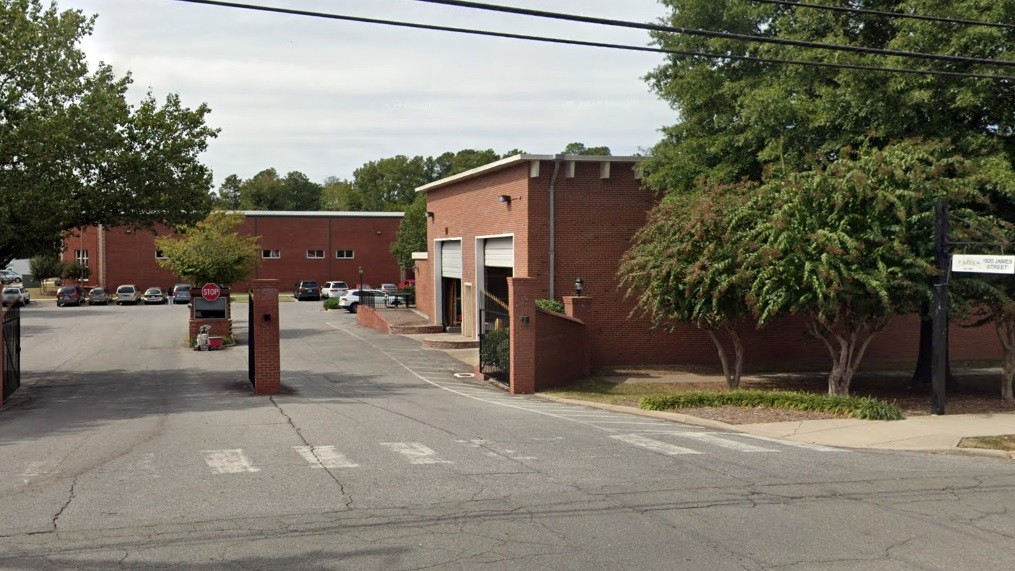
Triangle Residential Options for Substance Abusers (TROSA) | 1820 James Street | Triangle Residential Options for Substance Abusers (TROSA) in Durham, North Carolina, is a community care organization that provides support to men and women who are ... more details › | Treatment Programs Insurance Detox Nearly all drug rehabs in North Carolina begin with a detox program. When this process is complete, all addictive substances will be purged from your body. You can then move on to the next steps of drug rehab in North Carolina. Inpatient When you choose inpatient drug rehab in North Carolina, you’ll live at a rehab facility for 28 to 90 days, depending on the program. Typical methods of treatment include group and individual therapy and family counseling. Dual Diagnosis Some of the most common co-occurring mental health disorders include anxiety, depression, and eating disorders. When these are present alongside substance use disorder, dual diagnosis treatment in North Carolina is necessary to address both conditions. Aftercare Aftercare rehab in North Carolina is a crucial part of relapse prevention. It gives you access to resources that will help you manage stress and overcome life hurdles. Typical services include career coaching, financial guidance, and ongoing counseling and emotional support. These may continue for a few months or more than a year after initial rehab. +2 | Treatment Programs Insurance Free Most states offer free alcohol and drug rehabs through public mental health and addiction treatment centers. These centers often provide detox, intensive outpatient programs (IOPs), residential treatment, partial hospitalization programs (PHPs), and support groups. You must meet certain requirements in order to qualify for free alcohol and drug rehabs, such as lack of income and insurance. Financial Aid For those who are underinsured or uninsured, paying the total cost of a rehab program up front is not feasible. Fortunately, many alcohol and drug rehabs make financing available to potential clients through private loans, in-house payment plans, or partner lenders. You can choose a finance package that lets you start treatment immediately and pay for it later. | |
Freedom House Recovery Center – Crutchfield Street | 400 Crutchfield St | Freedom House Recovery Center is located in Durham, North Carolina. This is a nonprofit addiction treatment center and behavioral health provider established in ... more details › | Treatment Programs Insurance Detox Nearly all drug rehabs in North Carolina begin with a detox program. When this process is complete, all addictive substances will be purged from your body. You can then move on to the next steps of drug rehab in North Carolina. Inpatient When you choose inpatient drug rehab in North Carolina, you’ll live at a rehab facility for 28 to 90 days, depending on the program. Typical methods of treatment include group and individual therapy and family counseling. Outpatient Outpatient rehab in North Carolina is often the next step for those who complete an inpatient program. This less restrictive treatment involves several hours of therapy per week, and accountability through 12-step meetings such as AA. You’ll continue this treatment as long as needed, which could be weeks, months, or years. Dual Diagnosis Some of the most common co-occurring mental health disorders include anxiety, depression, and eating disorders. When these are present alongside substance use disorder, dual diagnosis treatment in North Carolina is necessary to address both conditions. Aftercare Aftercare rehab in North Carolina is a crucial part of relapse prevention. It gives you access to resources that will help you manage stress and overcome life hurdles. Typical services include career coaching, financial guidance, and ongoing counseling and emotional support. These may continue for a few months or more than a year after initial rehab. Intervention Recovery journeys often begin with intervention services in North Carolina. This treatment tool provides key support in planning and facilitating an effective intervention. Intervention specialists can also provide resources to develop treatment plans and guide families through the admission process. +4 | Treatment Programs Insurance Medicaid If need help with the cost of alcohol and drug rehab in North Carolina, you may be eligible for Medicaid. This coverage can assist with the cost of treatment, including detox, inpatient rehab, and more, but the amount covered may vary. Medicare If you're enrolled in Medicare, or find out you’re eligible for Medicare, you may be able to use your Medicare benefits to help pay for alcohol and drug rehab in North Carolina. The amount of coverage will depend on many things, including whether you are seeking inpatient or outpatient treatment for substance abuse. Financial Aid If you’re struggling to cover the cost of alcohol and drug rehab in North Carolina, financial aid may be a good solution. Financial assistance options include grants, scholarships, non-profit programs, personal funding, and health insurance programs to help you manage the expense of substance abuse treatment. Private Your insurer may help cover the cost of alcohol and drug rehab in North Carolina. The amount covered will depend on your policy and whether the treatment center is in-network or out-of-network. You may be left with some costs like a co-payment, or co-insurance. Check with your insurer for more information. Payment In North Carolina, you have the option to take charge of your treatment costs and pay out-of-pocket, known as self-pay or private pay. Paying for alcohol and drug rehab in North Carolina, you to access all levels of care — including detox in North Carolina, and inpatient rehab in North Carolina —without being subject to the limitations of your insurance provider. +3 | |
Wellness First Psychiatric Associates | 1415 Watts St | Wellness First Psychiatric Associates is an outpatient psychiatry and therapy practice in Durham, North Carolina offering integrated mental health and addiction care ... more details › | Treatment Programs Insurance Detox Nearly all drug rehabs in North Carolina begin with a detox program. When this process is complete, all addictive substances will be purged from your body. You can then move on to the next steps of drug rehab in North Carolina. Inpatient When you choose inpatient drug rehab in North Carolina, you’ll live at a rehab facility for 28 to 90 days, depending on the program. Typical methods of treatment include group and individual therapy and family counseling. Outpatient Outpatient rehab in North Carolina is often the next step for those who complete an inpatient program. This less restrictive treatment involves several hours of therapy per week, and accountability through 12-step meetings such as AA. You’ll continue this treatment as long as needed, which could be weeks, months, or years. +1 | Treatment Programs Insurance Private Your insurer may help cover the cost of alcohol and drug rehab in North Carolina. The amount covered will depend on your policy and whether the treatment center is in-network or out-of-network. You may be left with some costs like a co-payment, or co-insurance. Check with your insurer for more information. Payment In North Carolina, you have the option to take charge of your treatment costs and pay out-of-pocket, known as self-pay or private pay. Paying for alcohol and drug rehab in North Carolina, you to access all levels of care — including detox in North Carolina, and inpatient rehab in North Carolina —without being subject to the limitations of your insurance provider. | |
Reliable Health Services, Inc. | 2634 Durham-Chapel Hill Blvd | Reliable Health Services, Inc. is an outpatient addiction treatment and integrated wellness clinic in Durham, North Carolina offering office based opioid treatment, ... more details › | Treatment Programs Insurance Detox Nearly all drug rehabs in North Carolina begin with a detox program. When this process is complete, all addictive substances will be purged from your body. You can then move on to the next steps of drug rehab in North Carolina. Inpatient When you choose inpatient drug rehab in North Carolina, you’ll live at a rehab facility for 28 to 90 days, depending on the program. Typical methods of treatment include group and individual therapy and family counseling. Outpatient Outpatient rehab in North Carolina is often the next step for those who complete an inpatient program. This less restrictive treatment involves several hours of therapy per week, and accountability through 12-step meetings such as AA. You’ll continue this treatment as long as needed, which could be weeks, months, or years. Intervention Recovery journeys often begin with intervention services in North Carolina. This treatment tool provides key support in planning and facilitating an effective intervention. Intervention specialists can also provide resources to develop treatment plans and guide families through the admission process. +2 | Treatment Programs Insurance Private Your insurer may help cover the cost of alcohol and drug rehab in North Carolina. The amount covered will depend on your policy and whether the treatment center is in-network or out-of-network. You may be left with some costs like a co-payment, or co-insurance. Check with your insurer for more information. Payment In North Carolina, you have the option to take charge of your treatment costs and pay out-of-pocket, known as self-pay or private pay. Paying for alcohol and drug rehab in North Carolina, you to access all levels of care — including detox in North Carolina, and inpatient rehab in North Carolina —without being subject to the limitations of your insurance provider. |
 800-783-0593
 Sponsored
