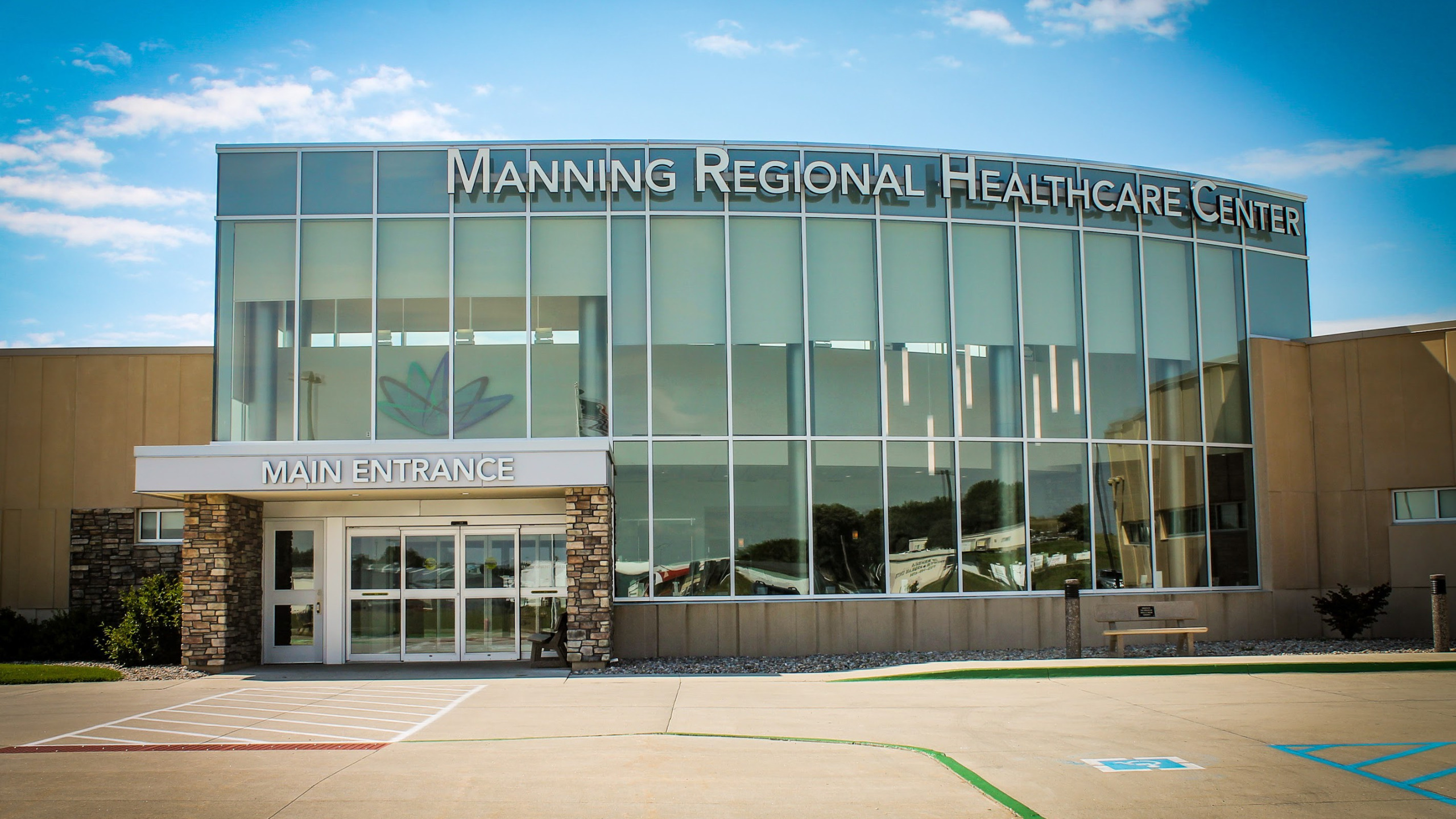
Manning Regional Healthcare Center
Manning, IA
51455

Accredited drug rehab centers available across Knoxville.
Sliding-scale payments, financial aid, low-cost programs, and local nonprofits.
Medicare, Medicaid, TRICARE, plus local private health insurance coverage.
 Filter
| Name | Address | Description | Treatment | Insurance | Thumbnail |
|---|---|---|---|---|---|
Addictions Recovery Center – Closed | 410 East Robinson Street | In Iowa, Addictions Recovery Center is based out of Knoxville. It’s a place where you can find outpatient support for substance use in a way that respects your daily ... more details › | Treatment Programs Insurance Outpatient Outpatient rehab in Iowa is tailored to fit each person’s needs. It may last a few weeks or more than a year. During that time, you will attend regular therapy sessions and receive support from a group such as AA or NA. This treatment will help you put strategies in place to prevent relapse and promote recovery. | Treatment Programs Insurance Medicaid If you’re struggling to pay for alcohol and drug rehab in Iowa, Medicaid can assist with the cost of all levels of care. In most cases, Medicaid will cover most or all of the total costs associated with drug or alcohol rehabilitation and treatment. Payment Paying for alcohol and drug rehab in Iowa via self-pay options means you're paying out-of-pocket. Examples of self-pay are personal checks, credit cards, personal loans, medical loans, and many more. Treatment fees largely depend on the level of care you need and the rehab's amenities. | |
Clearview Recovery Inc | 501 N Sherman St | Clearview Recovery Inc is a licensed substance use treatment provider in Prairie City, Iowa offering women focused addiction care in a small and supportive rural ... more details › | Treatment Programs Insurance Inpatient Also known as residential treatment, inpatient rehab in Iowa typically involves group and individual therapy, family therapy, medication management, and other therapy methods. Participants receive these treatments while living at the facility under 24/7 care. Outpatient Outpatient rehab in Iowa is tailored to fit each person’s needs. It may last a few weeks or more than a year. During that time, you will attend regular therapy sessions and receive support from a group such as AA or NA. This treatment will help you put strategies in place to prevent relapse and promote recovery. Dual Diagnosis Iowa dual diagnosis treatment centers focus on treating both mental health and substance abuse disorders. Since these two conditions interact heavily, this dual program is crucial to meet the needs of those who have co-occurring disorders. Aftercare Once you’ve completed treatment, Iowa aftercare rehab helps you adapt to everyday life. It addresses issues and challenges associated with recovery. It offers practical support to help you maintain a sober lifestyle. This may continue as long as you need it, which for most people is at least one year after initial sobriety. Sober Living Iowa sober living is less intensive than rehab treatment programs. It provides structure and support as you live independently and practice maintaining a sober lifestyle. You’ll reside with others in recovery, attend 12-step meetings, and contribute to household responsibilities. This arrangement can continue until you’re ready to live on your own. +3 | Treatment Programs Insurance Medicaid If you’re struggling to pay for alcohol and drug rehab in Iowa, Medicaid can assist with the cost of all levels of care. In most cases, Medicaid will cover most or all of the total costs associated with drug or alcohol rehabilitation and treatment. Private Private insurance can help make alcohol and drug rehab affordable. The extent of coverage will vary based on your rehab insurance policy and the treatment you choose. You may be required to pay some costs out of pocket, so.check with your insurer for detailed information. Payment Paying for alcohol and drug rehab in Iowa via self-pay options means you're paying out-of-pocket. Examples of self-pay are personal checks, credit cards, personal loans, medical loans, and many more. Treatment fees largely depend on the level of care you need and the rehab's amenities. +1 | |
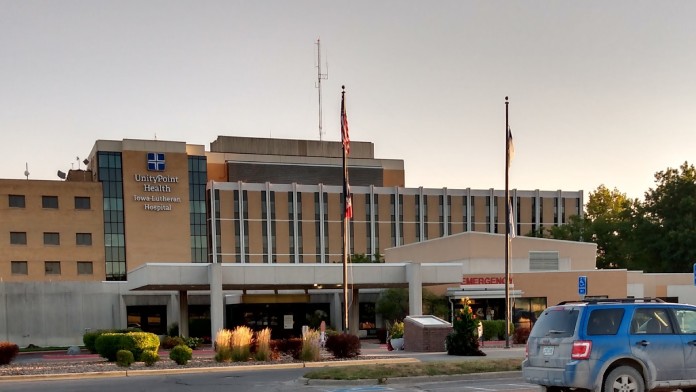
UnityPoint Health Des Moines Powell Chemical Dependency Center | 700 East University Avenue | The Powell Chemical Dependency Center is part of UnityPoint Health. This center is located at Iowa Lutheran Hospital in Des Moines, Iowa. The organization is licensed ... more details › | Treatment Programs Insurance Inpatient Also known as residential treatment, inpatient rehab in Iowa typically involves group and individual therapy, family therapy, medication management, and other therapy methods. Participants receive these treatments while living at the facility under 24/7 care. PHP Partial hospitalization programs (PHPs) in Iowa allow you to receive treatment while living at home and continuing to meet important personal and professional obligations. Less intensive than inpatient programs, PHPs require you to attend onsite addiction treatment for several hours multiple times per week. Outpatient Outpatient rehab in Iowa is tailored to fit each person’s needs. It may last a few weeks or more than a year. During that time, you will attend regular therapy sessions and receive support from a group such as AA or NA. This treatment will help you put strategies in place to prevent relapse and promote recovery. Dual Diagnosis Iowa dual diagnosis treatment centers focus on treating both mental health and substance abuse disorders. Since these two conditions interact heavily, this dual program is crucial to meet the needs of those who have co-occurring disorders. Aftercare Once you’ve completed treatment, Iowa aftercare rehab helps you adapt to everyday life. It addresses issues and challenges associated with recovery. It offers practical support to help you maintain a sober lifestyle. This may continue as long as you need it, which for most people is at least one year after initial sobriety. Sober Living Iowa sober living is less intensive than rehab treatment programs. It provides structure and support as you live independently and practice maintaining a sober lifestyle. You’ll reside with others in recovery, attend 12-step meetings, and contribute to household responsibilities. This arrangement can continue until you’re ready to live on your own. Intervention Intervention specialists on staff will help you plan and facilitate your loved one's intervention. They offer access to valuable resources and can assist with the transportation and admission process at a drug rehab in Iowa. These services are often key to getting a loved one to accept the treatment they need. +5 | Treatment Programs Insurance Medicaid If you’re struggling to pay for alcohol and drug rehab in Iowa, Medicaid can assist with the cost of all levels of care. In most cases, Medicaid will cover most or all of the total costs associated with drug or alcohol rehabilitation and treatment. Medicare Medicare is a federal health insurance program for those over 65 and for those with certain disabilities, and it can help with the cost of alcohol and drug rehab in Iowa. The amount of coverage will depend on many things, so it’s important to reach out to Medicare and get specific plan details. Private Private insurance can help make alcohol and drug rehab affordable. The extent of coverage will vary based on your rehab insurance policy and the treatment you choose. You may be required to pay some costs out of pocket, so.check with your insurer for detailed information. Payment Paying for alcohol and drug rehab in Iowa via self-pay options means you're paying out-of-pocket. Examples of self-pay are personal checks, credit cards, personal loans, medical loans, and many more. Treatment fees largely depend on the level of care you need and the rehab's amenities. +2 | |
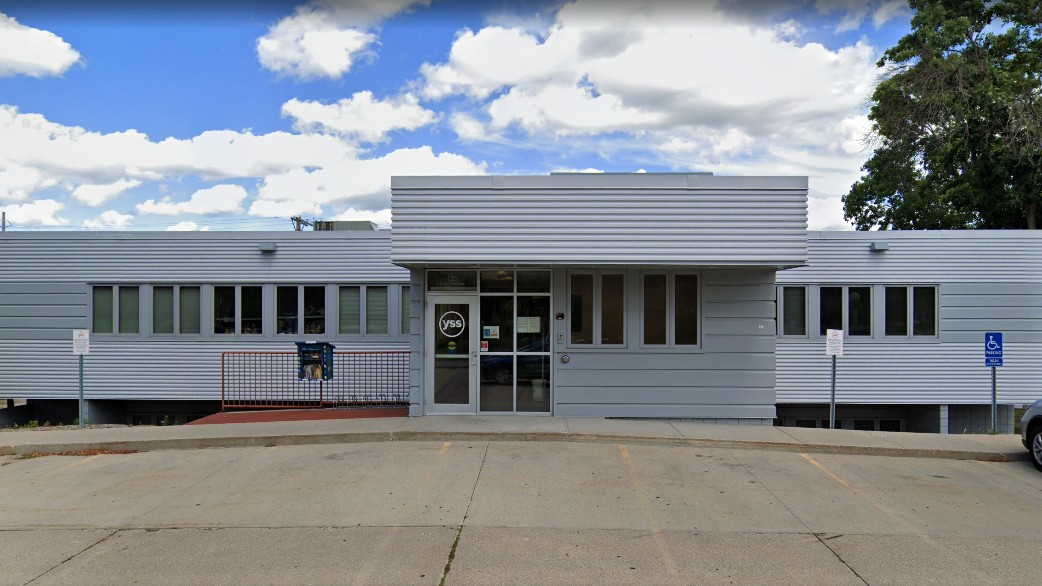
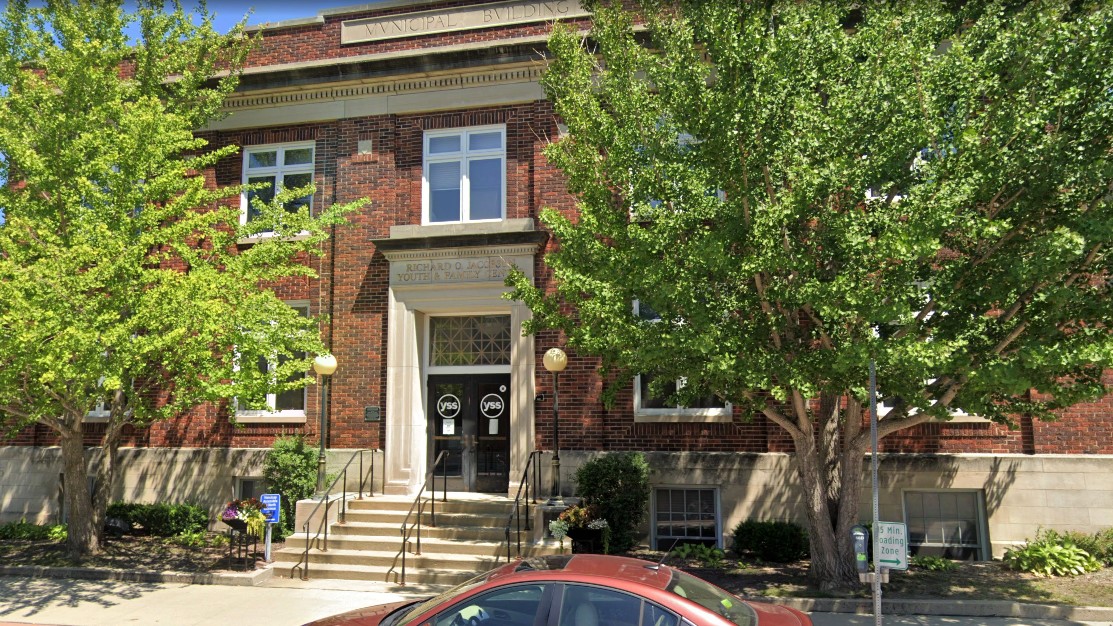
Pace Juvenile Center | 620 8th Street | The Pace Juvenile Center is dedicated to serving children, teens and families struggling with mental health or substance use disorders. I noticed they have a variety ... more details › | Treatment Programs Insurance Inpatient Also known as residential treatment, inpatient rehab in Iowa typically involves group and individual therapy, family therapy, medication management, and other therapy methods. Participants receive these treatments while living at the facility under 24/7 care. Outpatient Outpatient rehab in Iowa is tailored to fit each person’s needs. It may last a few weeks or more than a year. During that time, you will attend regular therapy sessions and receive support from a group such as AA or NA. This treatment will help you put strategies in place to prevent relapse and promote recovery. Dual Diagnosis Iowa dual diagnosis treatment centers focus on treating both mental health and substance abuse disorders. Since these two conditions interact heavily, this dual program is crucial to meet the needs of those who have co-occurring disorders. Aftercare Once you’ve completed treatment, Iowa aftercare rehab helps you adapt to everyday life. It addresses issues and challenges associated with recovery. It offers practical support to help you maintain a sober lifestyle. This may continue as long as you need it, which for most people is at least one year after initial sobriety. Sober Living Iowa sober living is less intensive than rehab treatment programs. It provides structure and support as you live independently and practice maintaining a sober lifestyle. You’ll reside with others in recovery, attend 12-step meetings, and contribute to household responsibilities. This arrangement can continue until you’re ready to live on your own. Intervention Intervention specialists on staff will help you plan and facilitate your loved one's intervention. They offer access to valuable resources and can assist with the transportation and admission process at a drug rehab in Iowa. These services are often key to getting a loved one to accept the treatment they need. +4 | Treatment Programs Insurance Medicaid If you’re struggling to pay for alcohol and drug rehab in Iowa, Medicaid can assist with the cost of all levels of care. In most cases, Medicaid will cover most or all of the total costs associated with drug or alcohol rehabilitation and treatment. Private Private insurance can help make alcohol and drug rehab affordable. The extent of coverage will vary based on your rehab insurance policy and the treatment you choose. You may be required to pay some costs out of pocket, so.check with your insurer for detailed information. | |
Covert Action | 1223 Center Street, 22, Des Moines, IA 50309 | Covert Action Treatment Facility offers alcohol and drug rehab services to men and women in the Des Moines, Iowa area. They provide outpatient treatment programming ... more details › | Treatment Programs Insurance Detox During detox in Iowa, your body is slowly and safely cleansed of all addictive substances. This is typically the first step of drug rehab in Iowa. It involves 24/7 professional supervision and may include medication to treat withdrawal. Outpatient Outpatient rehab in Iowa is tailored to fit each person’s needs. It may last a few weeks or more than a year. During that time, you will attend regular therapy sessions and receive support from a group such as AA or NA. This treatment will help you put strategies in place to prevent relapse and promote recovery. Aftercare Once you’ve completed treatment, Iowa aftercare rehab helps you adapt to everyday life. It addresses issues and challenges associated with recovery. It offers practical support to help you maintain a sober lifestyle. This may continue as long as you need it, which for most people is at least one year after initial sobriety. +1 | Treatment Programs Insurance Private Private insurance can help make alcohol and drug rehab affordable. The extent of coverage will vary based on your rehab insurance policy and the treatment you choose. You may be required to pay some costs out of pocket, so.check with your insurer for detailed information. Payment Paying for alcohol and drug rehab in Iowa via self-pay options means you're paying out-of-pocket. Examples of self-pay are personal checks, credit cards, personal loans, medical loans, and many more. Treatment fees largely depend on the level of care you need and the rehab's amenities. | |
Urban Dreams Outpatient Services | 601 Forest Avenue | Urban Dreams Outpatient Services is a community focused substance use treatment provider in Des Moines, Iowa rooted in a longtime nonprofit mission to serve ... more details › | Treatment Programs Insurance Outpatient Outpatient rehab in Iowa is tailored to fit each person’s needs. It may last a few weeks or more than a year. During that time, you will attend regular therapy sessions and receive support from a group such as AA or NA. This treatment will help you put strategies in place to prevent relapse and promote recovery. Dual Diagnosis Iowa dual diagnosis treatment centers focus on treating both mental health and substance abuse disorders. Since these two conditions interact heavily, this dual program is crucial to meet the needs of those who have co-occurring disorders. Aftercare Once you’ve completed treatment, Iowa aftercare rehab helps you adapt to everyday life. It addresses issues and challenges associated with recovery. It offers practical support to help you maintain a sober lifestyle. This may continue as long as you need it, which for most people is at least one year after initial sobriety. +1 | Treatment Programs Insurance Medicaid If you’re struggling to pay for alcohol and drug rehab in Iowa, Medicaid can assist with the cost of all levels of care. In most cases, Medicaid will cover most or all of the total costs associated with drug or alcohol rehabilitation and treatment. Financial Aid If you need assistance with the cost of alcohol and drug rehab in Iowa, financial aid may be a solution for you. Various financial aid options and grants are available for addiction treatment and mental illness, including grants, scholarships, non-profit programs, personal funding, and health insurance programs. Private Private insurance can help make alcohol and drug rehab affordable. The extent of coverage will vary based on your rehab insurance policy and the treatment you choose. You may be required to pay some costs out of pocket, so.check with your insurer for detailed information. Payment Paying for alcohol and drug rehab in Iowa via self-pay options means you're paying out-of-pocket. Examples of self-pay are personal checks, credit cards, personal loans, medical loans, and many more. Treatment fees largely depend on the level of care you need and the rehab's amenities. +2 | |
Center for Behavioral Health | 1200 University Avenue | BayCare Behavioral Health’s Winter Haven Hospital is located in Winter Haven, Florida. They offer a range of services to adolescents and adults who are struggling ... more details › | Treatment Programs Insurance Detox During detox in Iowa, your body is slowly and safely cleansed of all addictive substances. This is typically the first step of drug rehab in Iowa. It involves 24/7 professional supervision and may include medication to treat withdrawal. Outpatient Outpatient rehab in Iowa is tailored to fit each person’s needs. It may last a few weeks or more than a year. During that time, you will attend regular therapy sessions and receive support from a group such as AA or NA. This treatment will help you put strategies in place to prevent relapse and promote recovery. Aftercare Once you’ve completed treatment, Iowa aftercare rehab helps you adapt to everyday life. It addresses issues and challenges associated with recovery. It offers practical support to help you maintain a sober lifestyle. This may continue as long as you need it, which for most people is at least one year after initial sobriety. +1 | Treatment Programs Insurance Medicaid If you’re struggling to pay for alcohol and drug rehab in Iowa, Medicaid can assist with the cost of all levels of care. In most cases, Medicaid will cover most or all of the total costs associated with drug or alcohol rehabilitation and treatment. Medicare Medicare is a federal health insurance program for those over 65 and for those with certain disabilities, and it can help with the cost of alcohol and drug rehab in Iowa. The amount of coverage will depend on many things, so it’s important to reach out to Medicare and get specific plan details. Financial Aid Rather than pay for an entire treatment program at once, you can pay for substance abuse counseling per session. Rates for therapy sessions vary by treatment provider and generally range from $130-$200. Typical forms of payment accepted include insurance, credit, debit, and cash. Tricare Administered by the Department of Defense, TRICARE offers comprehensive military health insurance plans for active and retired military members and their families. Similar to PPO programs offered by private insurance companies, TRICARE covers multiple levels of care for addiction treatment, including detox, inpatient rehab, and outpatient services. Private Private insurance can help make alcohol and drug rehab affordable. The extent of coverage will vary based on your rehab insurance policy and the treatment you choose. You may be required to pay some costs out of pocket, so.check with your insurer for detailed information. Payment Paying for alcohol and drug rehab in Iowa via self-pay options means you're paying out-of-pocket. Examples of self-pay are personal checks, credit cards, personal loans, medical loans, and many more. Treatment fees largely depend on the level of care you need and the rehab's amenities. +4 | |
MercyOne House of Mercy | 1409 Clark St | Since 1988, House of Mercy has been a nonprofit and has helped adults and their families who have drug use and mental health disorders. When you sign up, there'll be a ... more details › | Treatment Programs Insurance Detox During detox in Iowa, your body is slowly and safely cleansed of all addictive substances. This is typically the first step of drug rehab in Iowa. It involves 24/7 professional supervision and may include medication to treat withdrawal. Inpatient Also known as residential treatment, inpatient rehab in Iowa typically involves group and individual therapy, family therapy, medication management, and other therapy methods. Participants receive these treatments while living at the facility under 24/7 care. Outpatient Outpatient rehab in Iowa is tailored to fit each person’s needs. It may last a few weeks or more than a year. During that time, you will attend regular therapy sessions and receive support from a group such as AA or NA. This treatment will help you put strategies in place to prevent relapse and promote recovery. +1 | Treatment Programs Insurance Medicaid If you’re struggling to pay for alcohol and drug rehab in Iowa, Medicaid can assist with the cost of all levels of care. In most cases, Medicaid will cover most or all of the total costs associated with drug or alcohol rehabilitation and treatment. Medicare Medicare is a federal health insurance program for those over 65 and for those with certain disabilities, and it can help with the cost of alcohol and drug rehab in Iowa. The amount of coverage will depend on many things, so it’s important to reach out to Medicare and get specific plan details. Private Private insurance can help make alcohol and drug rehab affordable. The extent of coverage will vary based on your rehab insurance policy and the treatment you choose. You may be required to pay some costs out of pocket, so.check with your insurer for detailed information. Payment Paying for alcohol and drug rehab in Iowa via self-pay options means you're paying out-of-pocket. Examples of self-pay are personal checks, credit cards, personal loans, medical loans, and many more. Treatment fees largely depend on the level of care you need and the rehab's amenities. +2 | |
Bridges of Iowa | 1985 Northeast 51st Place | Bridges of Iowa is located in Des Moines, Iowa. They are a long term substance use disorder treatment facility. The facility itself is located in an unlocked wing of ... more details › | Treatment Programs Insurance Inpatient Also known as residential treatment, inpatient rehab in Iowa typically involves group and individual therapy, family therapy, medication management, and other therapy methods. Participants receive these treatments while living at the facility under 24/7 care. Outpatient Outpatient rehab in Iowa is tailored to fit each person’s needs. It may last a few weeks or more than a year. During that time, you will attend regular therapy sessions and receive support from a group such as AA or NA. This treatment will help you put strategies in place to prevent relapse and promote recovery. Aftercare Once you’ve completed treatment, Iowa aftercare rehab helps you adapt to everyday life. It addresses issues and challenges associated with recovery. It offers practical support to help you maintain a sober lifestyle. This may continue as long as you need it, which for most people is at least one year after initial sobriety. Sober Living Iowa sober living is less intensive than rehab treatment programs. It provides structure and support as you live independently and practice maintaining a sober lifestyle. You’ll reside with others in recovery, attend 12-step meetings, and contribute to household responsibilities. This arrangement can continue until you’re ready to live on your own. +2 | Treatment Programs Insurance Medicaid If you’re struggling to pay for alcohol and drug rehab in Iowa, Medicaid can assist with the cost of all levels of care. In most cases, Medicaid will cover most or all of the total costs associated with drug or alcohol rehabilitation and treatment. Financial Aid If you need assistance with the cost of alcohol and drug rehab in Iowa, financial aid may be a solution for you. Various financial aid options and grants are available for addiction treatment and mental illness, including grants, scholarships, non-profit programs, personal funding, and health insurance programs. Tricare Administered by the Department of Defense, TRICARE offers comprehensive military health insurance plans for active and retired military members and their families. Similar to PPO programs offered by private insurance companies, TRICARE covers multiple levels of care for addiction treatment, including detox, inpatient rehab, and outpatient services. Private Private insurance can help make alcohol and drug rehab affordable. The extent of coverage will vary based on your rehab insurance policy and the treatment you choose. You may be required to pay some costs out of pocket, so.check with your insurer for detailed information. Payment Paying for alcohol and drug rehab in Iowa via self-pay options means you're paying out-of-pocket. Examples of self-pay are personal checks, credit cards, personal loans, medical loans, and many more. Treatment fees largely depend on the level of care you need and the rehab's amenities. +3 | |
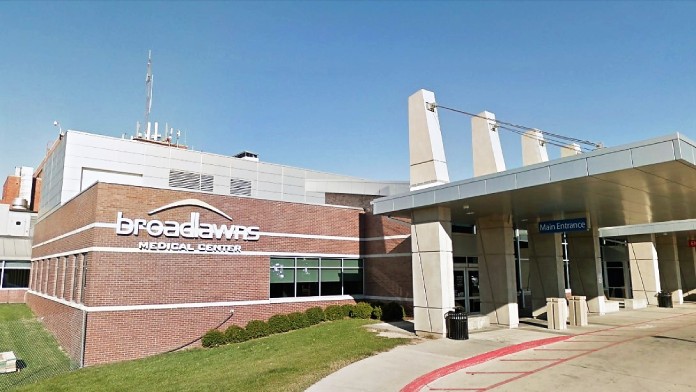
Broadlawns Medical Center | 1801 Hickman Road | Broadlawns Medical Center is a Des Moines hospital and clinic system offering outpatient addiction treatment through its New Connections program. The program ... more details › | Treatment Programs Insurance Detox During detox in Iowa, your body is slowly and safely cleansed of all addictive substances. This is typically the first step of drug rehab in Iowa. It involves 24/7 professional supervision and may include medication to treat withdrawal. Inpatient Also known as residential treatment, inpatient rehab in Iowa typically involves group and individual therapy, family therapy, medication management, and other therapy methods. Participants receive these treatments while living at the facility under 24/7 care. Outpatient Outpatient rehab in Iowa is tailored to fit each person’s needs. It may last a few weeks or more than a year. During that time, you will attend regular therapy sessions and receive support from a group such as AA or NA. This treatment will help you put strategies in place to prevent relapse and promote recovery. Dual Diagnosis Iowa dual diagnosis treatment centers focus on treating both mental health and substance abuse disorders. Since these two conditions interact heavily, this dual program is crucial to meet the needs of those who have co-occurring disorders. Intervention Intervention specialists on staff will help you plan and facilitate your loved one's intervention. They offer access to valuable resources and can assist with the transportation and admission process at a drug rehab in Iowa. These services are often key to getting a loved one to accept the treatment they need. +3 | Treatment Programs Insurance Medicaid If you’re struggling to pay for alcohol and drug rehab in Iowa, Medicaid can assist with the cost of all levels of care. In most cases, Medicaid will cover most or all of the total costs associated with drug or alcohol rehabilitation and treatment. Medicare Medicare is a federal health insurance program for those over 65 and for those with certain disabilities, and it can help with the cost of alcohol and drug rehab in Iowa. The amount of coverage will depend on many things, so it’s important to reach out to Medicare and get specific plan details. Private Private insurance can help make alcohol and drug rehab affordable. The extent of coverage will vary based on your rehab insurance policy and the treatment you choose. You may be required to pay some costs out of pocket, so.check with your insurer for detailed information. Payment Paying for alcohol and drug rehab in Iowa via self-pay options means you're paying out-of-pocket. Examples of self-pay are personal checks, credit cards, personal loans, medical loans, and many more. Treatment fees largely depend on the level of care you need and the rehab's amenities. +2 | |
Prelude Behavioral Services Bernie Lorenz Recovery House | 4014 Kingman Boulevard | Community & Family Resources’ (CFR) The Bernie Lorenz Recovery House in Des Moines, Iowa, provides transitional support for adults struggling with mental and ... more details › | Treatment Programs Insurance Detox During detox in Iowa, your body is slowly and safely cleansed of all addictive substances. This is typically the first step of drug rehab in Iowa. It involves 24/7 professional supervision and may include medication to treat withdrawal. Inpatient Also known as residential treatment, inpatient rehab in Iowa typically involves group and individual therapy, family therapy, medication management, and other therapy methods. Participants receive these treatments while living at the facility under 24/7 care. Outpatient Outpatient rehab in Iowa is tailored to fit each person’s needs. It may last a few weeks or more than a year. During that time, you will attend regular therapy sessions and receive support from a group such as AA or NA. This treatment will help you put strategies in place to prevent relapse and promote recovery. Dual Diagnosis Iowa dual diagnosis treatment centers focus on treating both mental health and substance abuse disorders. Since these two conditions interact heavily, this dual program is crucial to meet the needs of those who have co-occurring disorders. Sober Living Iowa sober living is less intensive than rehab treatment programs. It provides structure and support as you live independently and practice maintaining a sober lifestyle. You’ll reside with others in recovery, attend 12-step meetings, and contribute to household responsibilities. This arrangement can continue until you’re ready to live on your own. Intervention Intervention specialists on staff will help you plan and facilitate your loved one's intervention. They offer access to valuable resources and can assist with the transportation and admission process at a drug rehab in Iowa. These services are often key to getting a loved one to accept the treatment they need. +4 | Treatment Programs Insurance Medicaid If you’re struggling to pay for alcohol and drug rehab in Iowa, Medicaid can assist with the cost of all levels of care. In most cases, Medicaid will cover most or all of the total costs associated with drug or alcohol rehabilitation and treatment. Employee Employee Assistance Programs (EAP) are a suite of job-based benefits and services designed to support the overall physical, mental, and emotional wellbeing of employees and their families. These often include programs related to addiction education and prevention, medical and mental health assessments, individual and family counseling, and referrals for higher-intensity mental health care or addiction treatment, the costs of which may be covered in whole or in part by EAP benefits. Private Private insurance can help make alcohol and drug rehab affordable. The extent of coverage will vary based on your rehab insurance policy and the treatment you choose. You may be required to pay some costs out of pocket, so.check with your insurer for detailed information. +1 | |
Mercy One Des Moines First Step Recovery | 1750 48th Street | Mercy First Step Recovery Center is an outpatient addiction treatment program in Des Moines, Iowa providing substance use and co-occurring mental health care for ... more details › | Treatment Programs Insurance Outpatient Outpatient rehab in Iowa is tailored to fit each person’s needs. It may last a few weeks or more than a year. During that time, you will attend regular therapy sessions and receive support from a group such as AA or NA. This treatment will help you put strategies in place to prevent relapse and promote recovery. Dual Diagnosis Iowa dual diagnosis treatment centers focus on treating both mental health and substance abuse disorders. Since these two conditions interact heavily, this dual program is crucial to meet the needs of those who have co-occurring disorders. Aftercare Once you’ve completed treatment, Iowa aftercare rehab helps you adapt to everyday life. It addresses issues and challenges associated with recovery. It offers practical support to help you maintain a sober lifestyle. This may continue as long as you need it, which for most people is at least one year after initial sobriety. +1 | Treatment Programs Insurance Medicaid If you’re struggling to pay for alcohol and drug rehab in Iowa, Medicaid can assist with the cost of all levels of care. In most cases, Medicaid will cover most or all of the total costs associated with drug or alcohol rehabilitation and treatment. Medicare Medicare is a federal health insurance program for those over 65 and for those with certain disabilities, and it can help with the cost of alcohol and drug rehab in Iowa. The amount of coverage will depend on many things, so it’s important to reach out to Medicare and get specific plan details. Financial Aid If you need assistance with the cost of alcohol and drug rehab in Iowa, financial aid may be a solution for you. Various financial aid options and grants are available for addiction treatment and mental illness, including grants, scholarships, non-profit programs, personal funding, and health insurance programs. Tricare Administered by the Department of Defense, TRICARE offers comprehensive military health insurance plans for active and retired military members and their families. Similar to PPO programs offered by private insurance companies, TRICARE covers multiple levels of care for addiction treatment, including detox, inpatient rehab, and outpatient services. Private Private insurance can help make alcohol and drug rehab affordable. The extent of coverage will vary based on your rehab insurance policy and the treatment you choose. You may be required to pay some costs out of pocket, so.check with your insurer for detailed information. Payment Paying for alcohol and drug rehab in Iowa via self-pay options means you're paying out-of-pocket. Examples of self-pay are personal checks, credit cards, personal loans, medical loans, and many more. Treatment fees largely depend on the level of care you need and the rehab's amenities. +4 | |
UCS Healthcare – Ankeny | 1555 SE Delaware Ave | UCS Healthcare in Ankeny, Iowa is an outpatient addiction treatment center offering substance use disorder care, MAT and integrated behavioral health services. ... more details › | Treatment Programs Insurance Detox During detox in Iowa, your body is slowly and safely cleansed of all addictive substances. This is typically the first step of drug rehab in Iowa. It involves 24/7 professional supervision and may include medication to treat withdrawal. Inpatient Also known as residential treatment, inpatient rehab in Iowa typically involves group and individual therapy, family therapy, medication management, and other therapy methods. Participants receive these treatments while living at the facility under 24/7 care. Outpatient Outpatient rehab in Iowa is tailored to fit each person’s needs. It may last a few weeks or more than a year. During that time, you will attend regular therapy sessions and receive support from a group such as AA or NA. This treatment will help you put strategies in place to prevent relapse and promote recovery. Sober Living Iowa sober living is less intensive than rehab treatment programs. It provides structure and support as you live independently and practice maintaining a sober lifestyle. You’ll reside with others in recovery, attend 12-step meetings, and contribute to household responsibilities. This arrangement can continue until you’re ready to live on your own. Intervention Intervention specialists on staff will help you plan and facilitate your loved one's intervention. They offer access to valuable resources and can assist with the transportation and admission process at a drug rehab in Iowa. These services are often key to getting a loved one to accept the treatment they need. +3 | Treatment Programs Insurance Private Private insurance can help make alcohol and drug rehab affordable. The extent of coverage will vary based on your rehab insurance policy and the treatment you choose. You may be required to pay some costs out of pocket, so.check with your insurer for detailed information. Payment Paying for alcohol and drug rehab in Iowa via self-pay options means you're paying out-of-pocket. Examples of self-pay are personal checks, credit cards, personal loans, medical loans, and many more. Treatment fees largely depend on the level of care you need and the rehab's amenities. | |
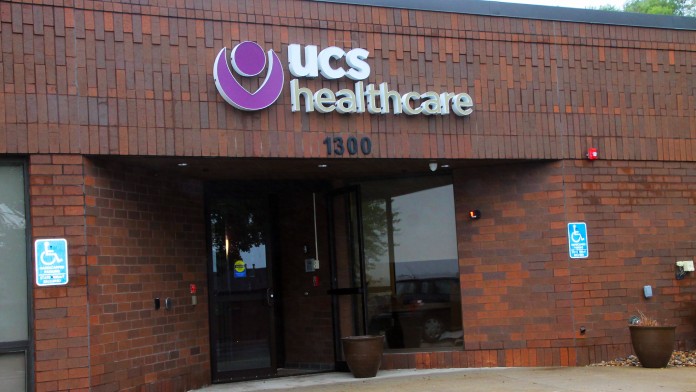
UCS Healthcare | 1300 Woodland Ave | The Iowa Department of Public Health (IDPH) funds UCS Healthcare, an outpatient addiction treatment center ... more details › | Treatment Programs Insurance Detox During detox in Iowa, your body is slowly and safely cleansed of all addictive substances. This is typically the first step of drug rehab in Iowa. It involves 24/7 professional supervision and may include medication to treat withdrawal. Outpatient Outpatient rehab in Iowa is tailored to fit each person’s needs. It may last a few weeks or more than a year. During that time, you will attend regular therapy sessions and receive support from a group such as AA or NA. This treatment will help you put strategies in place to prevent relapse and promote recovery. Aftercare Once you’ve completed treatment, Iowa aftercare rehab helps you adapt to everyday life. It addresses issues and challenges associated with recovery. It offers practical support to help you maintain a sober lifestyle. This may continue as long as you need it, which for most people is at least one year after initial sobriety. +1 | Treatment Programs Insurance Financial Aid If you want to attend alcohol or drug rehab in Iowa, but cannot afford to pay the full amount, a sliding scale payment plan may be a viable option. Discount treatment fees are usually calculated according to adjusted gross income and other factors (like existing insurance coverage). To qualify, you must complete an application and provide supporting financial documentation. Private Private insurance can help make alcohol and drug rehab affordable. The extent of coverage will vary based on your rehab insurance policy and the treatment you choose. You may be required to pay some costs out of pocket, so.check with your insurer for detailed information. Payment Paying for alcohol and drug rehab in Iowa via self-pay options means you're paying out-of-pocket. Examples of self-pay are personal checks, credit cards, personal loans, medical loans, and many more. Treatment fees largely depend on the level of care you need and the rehab's amenities. +1 | |
First Resources Corp. Substance Abuse & Mental Health | 1010 E. Williams St. | First Resources Corp. provides residential and outpatient substance use and mental health treatment services in Ottumwa, Iowa. They offer assessments and drug testing, ... more details › | Treatment Programs Insurance Outpatient Outpatient rehab in Iowa is tailored to fit each person’s needs. It may last a few weeks or more than a year. During that time, you will attend regular therapy sessions and receive support from a group such as AA or NA. This treatment will help you put strategies in place to prevent relapse and promote recovery. Dual Diagnosis Iowa dual diagnosis treatment centers focus on treating both mental health and substance abuse disorders. Since these two conditions interact heavily, this dual program is crucial to meet the needs of those who have co-occurring disorders. | Treatment Programs Insurance Medicaid If you’re struggling to pay for alcohol and drug rehab in Iowa, Medicaid can assist with the cost of all levels of care. In most cases, Medicaid will cover most or all of the total costs associated with drug or alcohol rehabilitation and treatment. Medicare Medicare is a federal health insurance program for those over 65 and for those with certain disabilities, and it can help with the cost of alcohol and drug rehab in Iowa. The amount of coverage will depend on many things, so it’s important to reach out to Medicare and get specific plan details. Financial Aid If you need assistance with the cost of alcohol and drug rehab in Iowa, financial aid may be a solution for you. Various financial aid options and grants are available for addiction treatment and mental illness, including grants, scholarships, non-profit programs, personal funding, and health insurance programs. Employee Employee Assistance Programs (EAP) are a suite of job-based benefits and services designed to support the overall physical, mental, and emotional wellbeing of employees and their families. These often include programs related to addiction education and prevention, medical and mental health assessments, individual and family counseling, and referrals for higher-intensity mental health care or addiction treatment, the costs of which may be covered in whole or in part by EAP benefits. Tricare Administered by the Department of Defense, TRICARE offers comprehensive military health insurance plans for active and retired military members and their families. Similar to PPO programs offered by private insurance companies, TRICARE covers multiple levels of care for addiction treatment, including detox, inpatient rehab, and outpatient services. Private Private insurance can help make alcohol and drug rehab affordable. The extent of coverage will vary based on your rehab insurance policy and the treatment you choose. You may be required to pay some costs out of pocket, so.check with your insurer for detailed information. Payment Paying for alcohol and drug rehab in Iowa via self-pay options means you're paying out-of-pocket. Examples of self-pay are personal checks, credit cards, personal loans, medical loans, and many more. Treatment fees largely depend on the level of care you need and the rehab's amenities. +5 |
 800-783-0593
 Sponsored
