
University of Iowa Hospitals
 Sponsored
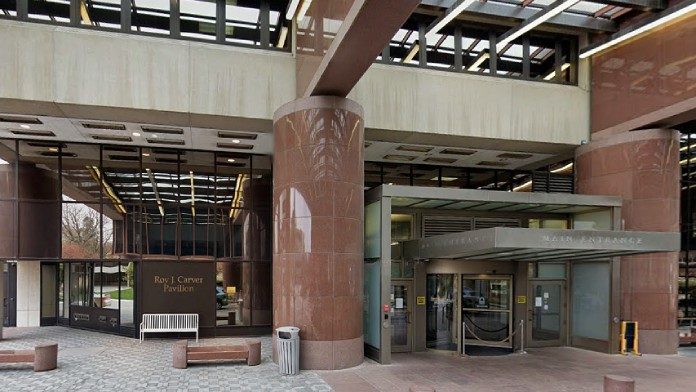
About University of Iowa Hospitals
University of Iowa Hospitals' Addiction and Recovery Collaborative is a hospital based addiction treatment program located in Iowa City.
I like their extended outpatient care, partial hospitalization and medication for addiction treatment.
Their comprehensive services stand out to me. As part of an academic medical center, the team blends medical, psychiatric, and therapeutic care to support lasting recovery for patients with even the most complex needs.
Integrated Addiction Care at Boyd Tower
The Addiction and Recovery Collaborative specializes in treating adults with substance use disorders alongside medical or mental health conditions.
A multidisciplinary team of physicians, nurses, counselors, social workers and occupational and recreational therapists works together to deliver coordinated, evidence based care.
Treatment includes individual, group and family therapy, medication management, relapse prevention and coping skills work.
Patients can step into the level of care that fits their life, from evening IOP sessions to partial hospital programming.
MAT Walk In Clinic
The program operates a dedicated MAT Outpatient Clinic and MAT Walk in Clinic, offering buprenorphine naloxone, naltrexone, acamprosate, varenicline and take home naloxone.
Specialty pathways also include an Opioid Addiction Clinic, a Professional Program for licensed professionals and OWI and nonlegal substance use evaluations.
Access, Location and Getting Started
Care is provided in person at 5 Boyd Tower on the University of Iowa Health Care campus in Iowa City, with the MAT clinic housed nearby in the John Pappajohn Pavilion.
The program accepts Iowa Medicaid, Medicare and most major insurance plans, with case managers available to help uninsured patients explore options.
Addiction Treatment Programs
The journey through alcohol rehab in Iowa typically involves four key phases. Treatment initiation is followed by early abstinence. Participants then learn how to maintain abstinence, and finally enter advanced recovery. These steps teach individuals how to develop and maintain a healthy, sober lifestyle.
Drug rehab in Iowa is available in many formats. A variety of inpatient and outpatient options provide programs tailored to individual needs. The aim of each is to help participants recover from drug addiction.
Levels of Care
During detox in Iowa, your body is slowly and safely cleansed of all addictive substances. This is typically the first step of drug rehab in Iowa. It involves 24/7 professional supervision and may include medication to treat withdrawal.
Also known as residential treatment, inpatient rehab in Iowa typically involves group and individual therapy, family therapy, medication management, and other therapy methods. Participants receive these treatments while living at the facility under 24/7 care.
Outpatient rehab in Iowa is tailored to fit each person’s needs. It may last a few weeks or more than a year. During that time, you will attend regular therapy sessions and receive support from a group such as AA or NA. This treatment will help you put strategies in place to prevent relapse and promote recovery.
Contact Information


 Sponsored
Amy Greene’s first novel Bloodroot was a New York Times and National Bestseller and a New York Times Editor’s Choice pick. Her second novel Long Man was a Washington Post Top Book of the Year. She lives in the Smoky Mountains of East Tennessee with her husband and two children.
Rehabs.org regularly reviews this listing for accuracy but changes may occur between updates. For the most up-to-date information, please contact University of Iowa Hospitals.
Nearby Treatment Centers
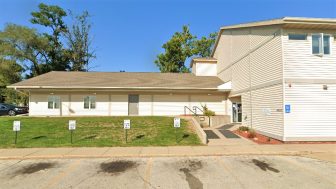
4050 Bowling St SW
Cedar Rapids, IA 52404
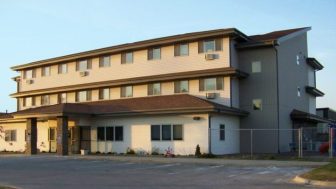
430 Southgate Ave
Iowa City, IA 52240
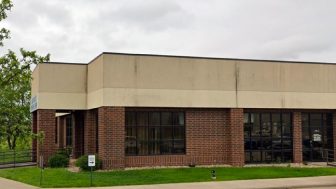
5005 Bowling St SW
Suite C
Cedar Rapids, IA 52404

511 Melrose Ave
Iowa City, IA 52246
