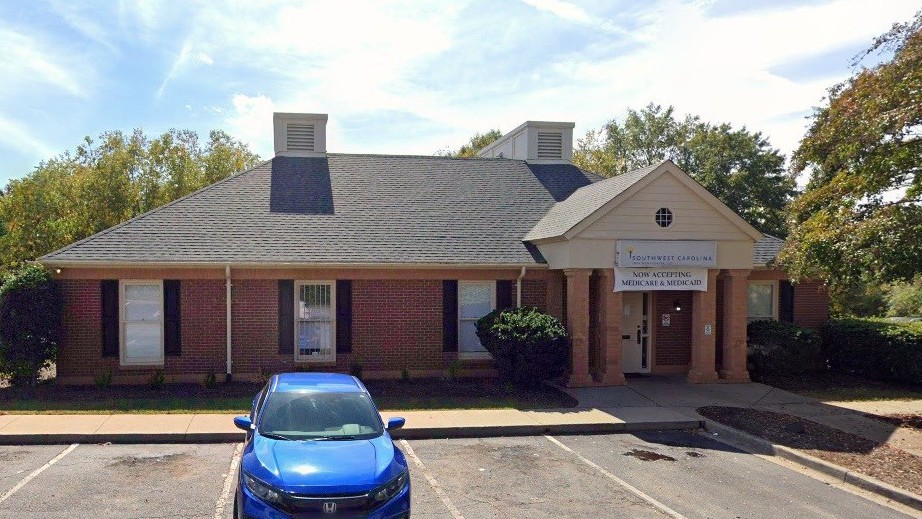
Southwest Carolina Treatment Center
Anderson, SC
29625

Accredited drug rehab centers available across Greenwood.
Sliding-scale payments, financial aid, low-cost programs, and local nonprofits.
Medicare, Medicaid, TRICARE, plus local private health insurance coverage.
 Filter
| Name | Address | Description | Treatment | Insurance | Thumbnail |
|---|---|---|---|---|---|
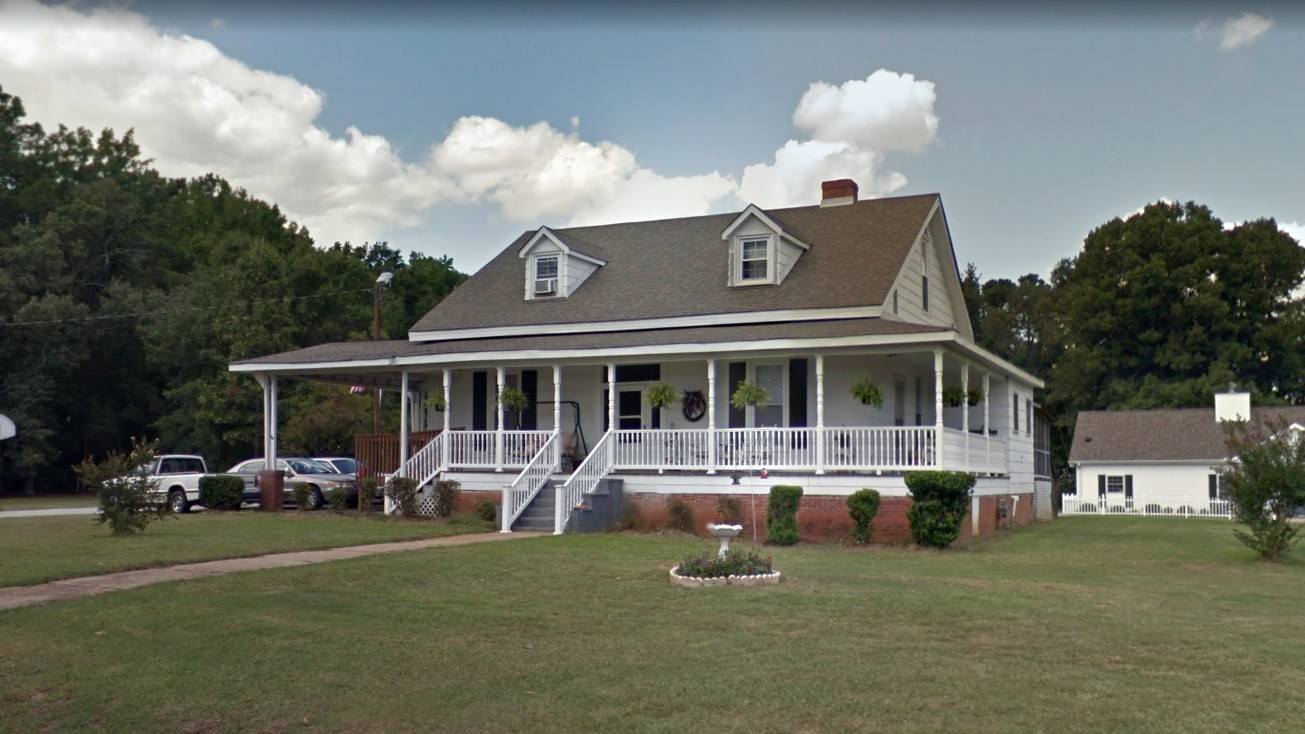
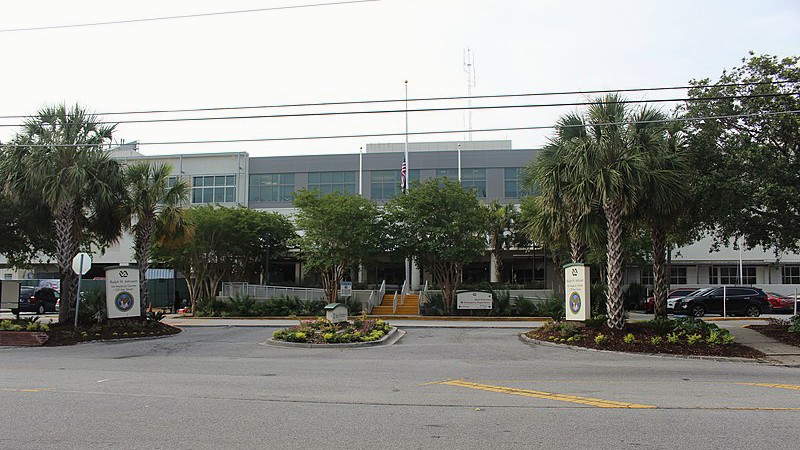
Oaks Recovery | 711 East Scotch Cross Road | Oaks Recovery is a faith-based addiction treatment program located in Greenwood, South Carolina. The facility offers recovery care for adults struggling with drug and ... more details › | Treatment Programs Insurance Detox Your first phase of drug rehab in South Carolina is detox. You’ll receive 24/7 supervised care while your body is cleansed of all toxins. Once this process is complete, you are able to move on to the next steps of recovery. Inpatient Inpatient drug rehab in South Carolina can last anywhere from a few weeks to more than 90 days, depending on the program. During that time, you will live at the rehab facility and receive treatment such as counseling, medication, and forms of holistic therapy. Outpatient South Carolina outpatient rehab often helps people transition back to their lives from inpatient rehab. This less restrictive program involves attending regular counseling sessions and support group meetings. The length of outpatient rehab varies from short-term to long-term, based on each person’s recovery journey. Dual Diagnosis Treating a substance abuse disorder without treating a co-occurring mental health disorder is not effective. If you have co-occurring disorders, you need dual diagnosis treatment in South Carolina to properly address all your recovery needs. Aftercare Aftercare rehab in South Carolina gives you the guidance and support you need once you complete rehab. As you face temptations and life challenges, it provides resources to overcome hurdles and maintain sobriety. Common services include life coaching, counseling, and support groups. This aftercare often continues for a year or more after initial treatment. Sober Living South Carolina sober living provides a safe and supportive living environment to help you maintain a sober lifestyle. These homes often serve as a transition between rehab treatment and independent living. A typical stay lasts between five and eight months, but can be for as long as you need it. +4 | Treatment Programs Insurance Private If you have private insurance, you can use it to help cover the cost of alcohol and drug rehab in South Carolina. The amount covered may depend on your policy and whether the treatment center is in-network or out-of-network. You may be left with some costs like a co-payment, or co-insurance. Check with your insurer for more information. Payment You have the option to pay for your alcohol and drug rehab in South Carolina out-of-pocket, known as self-pay or private pay. Private pay gives you access to all levels of care — including detox and inpatient rehab — that you may not otherwise have access to through a private insurer or state-run program. | |
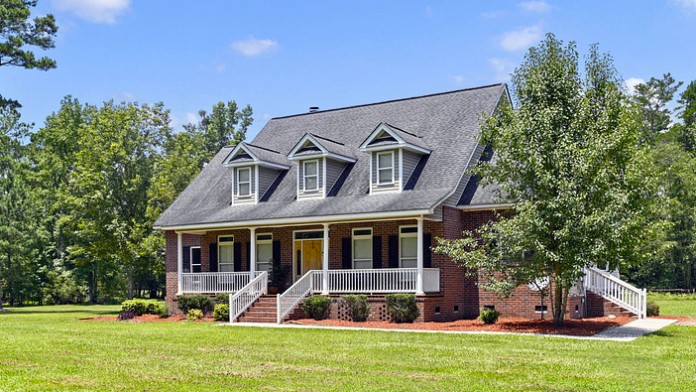
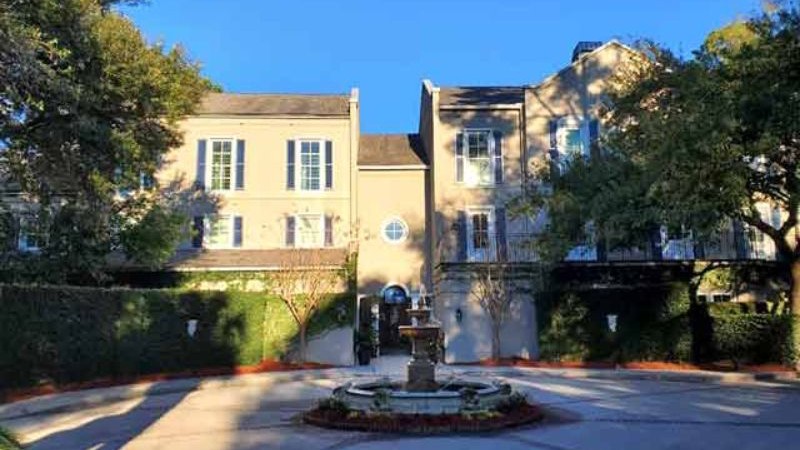
Faith Home Christian Recovery | 144 Faith Home Road | Located in Cowpens, South Carolina, Faith Home is a Christian centered addiction treatment center for men with substance use disorder. Offering inpatient residential ... more details › | Treatment Programs Insurance Detox Your first phase of drug rehab in South Carolina is detox. You’ll receive 24/7 supervised care while your body is cleansed of all toxins. Once this process is complete, you are able to move on to the next steps of recovery. Inpatient Inpatient drug rehab in South Carolina can last anywhere from a few weeks to more than 90 days, depending on the program. During that time, you will live at the rehab facility and receive treatment such as counseling, medication, and forms of holistic therapy. Aftercare Aftercare rehab in South Carolina gives you the guidance and support you need once you complete rehab. As you face temptations and life challenges, it provides resources to overcome hurdles and maintain sobriety. Common services include life coaching, counseling, and support groups. This aftercare often continues for a year or more after initial treatment. Sober Living South Carolina sober living provides a safe and supportive living environment to help you maintain a sober lifestyle. These homes often serve as a transition between rehab treatment and independent living. A typical stay lasts between five and eight months, but can be for as long as you need it. Intervention The ultimate goal of intervention services in South Carolina is to motivate your loved one to get the treatment they need. This is accomplished through professional intervention facilitation and the development of an effective treatment plan that meets your loved one’s needs. +3 | Treatment Programs Insurance Free Most states offer free alcohol and drug rehabs through public mental health and addiction treatment centers. These centers often provide detox, intensive outpatient programs (IOPs), residential treatment, partial hospitalization programs (PHPs), and support groups. You must meet certain requirements in order to qualify for free alcohol and drug rehabs, such as lack of income and insurance. Financial Aid For those who are underinsured or uninsured, paying the total cost of a rehab program up front is not feasible. Fortunately, many alcohol and drug rehabs make financing available to potential clients through private loans, in-house payment plans, or partner lenders. You can choose a finance package that lets you start treatment immediately and pay for it later. Private If you have private insurance, you can use it to help cover the cost of alcohol and drug rehab in South Carolina. The amount covered may depend on your policy and whether the treatment center is in-network or out-of-network. You may be left with some costs like a co-payment, or co-insurance. Check with your insurer for more information. Payment You have the option to pay for your alcohol and drug rehab in South Carolina out-of-pocket, known as self-pay or private pay. Private pay gives you access to all levels of care — including detox and inpatient rehab — that you may not otherwise have access to through a private insurer or state-run program. +2 | |
Cornerstone | 1612 Rivers Street | Cornerstone is a drug rehab facility in a commercial district of Greenwood, South Carolina. They offer outpatient substance use treatment services. The facility ... more details › | Treatment Programs Insurance Detox Your first phase of drug rehab in South Carolina is detox. You’ll receive 24/7 supervised care while your body is cleansed of all toxins. Once this process is complete, you are able to move on to the next steps of recovery. Outpatient South Carolina outpatient rehab often helps people transition back to their lives from inpatient rehab. This less restrictive program involves attending regular counseling sessions and support group meetings. The length of outpatient rehab varies from short-term to long-term, based on each person’s recovery journey. Dual Diagnosis Treating a substance abuse disorder without treating a co-occurring mental health disorder is not effective. If you have co-occurring disorders, you need dual diagnosis treatment in South Carolina to properly address all your recovery needs. Aftercare Aftercare rehab in South Carolina gives you the guidance and support you need once you complete rehab. As you face temptations and life challenges, it provides resources to overcome hurdles and maintain sobriety. Common services include life coaching, counseling, and support groups. This aftercare often continues for a year or more after initial treatment. Sober Living South Carolina sober living provides a safe and supportive living environment to help you maintain a sober lifestyle. These homes often serve as a transition between rehab treatment and independent living. A typical stay lasts between five and eight months, but can be for as long as you need it. Intervention The ultimate goal of intervention services in South Carolina is to motivate your loved one to get the treatment they need. This is accomplished through professional intervention facilitation and the development of an effective treatment plan that meets your loved one’s needs. +4 | Treatment Programs Insurance Medicaid Medicaid (South Carolina Healthy Connections Medicaid): If you’re eligible under Healthy Connections Medicaid, you may be able to get coverage to assist with the cost of alcohol and drug rehab in South Carolina. The amount covered may be limited and depend on various factors. Financial Aid If you need help with paying for alcohol and drug rehab in South Carolina, financial aid may be a good solution. Financial assistance options include grants, scholarships, non-profit programs, personal funding, and health insurance programs to help you manage the expense of substance abuse treatment. Employee Employee Assistance Programs (EAP) are a suite of job-based benefits and services designed to support the overall physical, mental, and emotional wellbeing of employees and their families. These often include programs related to addiction education and prevention, medical and mental health assessments, individual and family counseling, and referrals for higher-intensity mental health care or addiction treatment, the costs of which may be covered in whole or in part by EAP benefits. Private If you have private insurance, you can use it to help cover the cost of alcohol and drug rehab in South Carolina. The amount covered may depend on your policy and whether the treatment center is in-network or out-of-network. You may be left with some costs like a co-payment, or co-insurance. Check with your insurer for more information. Payment You have the option to pay for your alcohol and drug rehab in South Carolina out-of-pocket, known as self-pay or private pay. Private pay gives you access to all levels of care — including detox and inpatient rehab — that you may not otherwise have access to through a private insurer or state-run program. +3 | |
Oaks Recovery | 711 East Scotch Cross Road | Oaks Recovery is a faith-based addiction treatment program located in Greenwood, South Carolina. The facility offers recovery care for adults struggling with drug and ... more details › | Treatment Programs Insurance Detox Your first phase of drug rehab in South Carolina is detox. You’ll receive 24/7 supervised care while your body is cleansed of all toxins. Once this process is complete, you are able to move on to the next steps of recovery. Inpatient Inpatient drug rehab in South Carolina can last anywhere from a few weeks to more than 90 days, depending on the program. During that time, you will live at the rehab facility and receive treatment such as counseling, medication, and forms of holistic therapy. Outpatient South Carolina outpatient rehab often helps people transition back to their lives from inpatient rehab. This less restrictive program involves attending regular counseling sessions and support group meetings. The length of outpatient rehab varies from short-term to long-term, based on each person’s recovery journey. Dual Diagnosis Treating a substance abuse disorder without treating a co-occurring mental health disorder is not effective. If you have co-occurring disorders, you need dual diagnosis treatment in South Carolina to properly address all your recovery needs. Aftercare Aftercare rehab in South Carolina gives you the guidance and support you need once you complete rehab. As you face temptations and life challenges, it provides resources to overcome hurdles and maintain sobriety. Common services include life coaching, counseling, and support groups. This aftercare often continues for a year or more after initial treatment. Sober Living South Carolina sober living provides a safe and supportive living environment to help you maintain a sober lifestyle. These homes often serve as a transition between rehab treatment and independent living. A typical stay lasts between five and eight months, but can be for as long as you need it. +4 | Treatment Programs Insurance Private If you have private insurance, you can use it to help cover the cost of alcohol and drug rehab in South Carolina. The amount covered may depend on your policy and whether the treatment center is in-network or out-of-network. You may be left with some costs like a co-payment, or co-insurance. Check with your insurer for more information. Payment You have the option to pay for your alcohol and drug rehab in South Carolina out-of-pocket, known as self-pay or private pay. Private pay gives you access to all levels of care — including detox and inpatient rehab — that you may not otherwise have access to through a private insurer or state-run program. | |
Gateway Counseling Center | 219 Human Services Rd | Gateway Counseling Center in Clinton, South Carolina, provides substance abuse treatment. Each guest receives a thorough assessment before treatment with a staff ... more details › | Treatment Programs Insurance Detox Your first phase of drug rehab in South Carolina is detox. You’ll receive 24/7 supervised care while your body is cleansed of all toxins. Once this process is complete, you are able to move on to the next steps of recovery. Inpatient Inpatient drug rehab in South Carolina can last anywhere from a few weeks to more than 90 days, depending on the program. During that time, you will live at the rehab facility and receive treatment such as counseling, medication, and forms of holistic therapy. Outpatient South Carolina outpatient rehab often helps people transition back to their lives from inpatient rehab. This less restrictive program involves attending regular counseling sessions and support group meetings. The length of outpatient rehab varies from short-term to long-term, based on each person’s recovery journey. +1 | Treatment Programs Insurance Medicaid Medicaid (South Carolina Healthy Connections Medicaid): If you’re eligible under Healthy Connections Medicaid, you may be able to get coverage to assist with the cost of alcohol and drug rehab in South Carolina. The amount covered may be limited and depend on various factors. Private If you have private insurance, you can use it to help cover the cost of alcohol and drug rehab in South Carolina. The amount covered may depend on your policy and whether the treatment center is in-network or out-of-network. You may be left with some costs like a co-payment, or co-insurance. Check with your insurer for more information. Payment You have the option to pay for your alcohol and drug rehab in South Carolina out-of-pocket, known as self-pay or private pay. Private pay gives you access to all levels of care — including detox and inpatient rehab — that you may not otherwise have access to through a private insurer or state-run program. +1 | |
Westview Behavioral Health Services | 800 Main Street | Westview Behavioral Health Services is a substance use treatment program in Newberry, South Carolina, offering outpatient addiction care for individuals, couples and ... more details › | Treatment Programs Insurance Outpatient South Carolina outpatient rehab often helps people transition back to their lives from inpatient rehab. This less restrictive program involves attending regular counseling sessions and support group meetings. The length of outpatient rehab varies from short-term to long-term, based on each person’s recovery journey. Dual Diagnosis Treating a substance abuse disorder without treating a co-occurring mental health disorder is not effective. If you have co-occurring disorders, you need dual diagnosis treatment in South Carolina to properly address all your recovery needs. Intervention The ultimate goal of intervention services in South Carolina is to motivate your loved one to get the treatment they need. This is accomplished through professional intervention facilitation and the development of an effective treatment plan that meets your loved one’s needs. +1 | Treatment Programs Insurance Medicaid Medicaid (South Carolina Healthy Connections Medicaid): If you’re eligible under Healthy Connections Medicaid, you may be able to get coverage to assist with the cost of alcohol and drug rehab in South Carolina. The amount covered may be limited and depend on various factors. Medicare If you are eligible for Medicare, you may get coverage for alcohol and drug rehab in South Carolina, including detox, inpatient rehab, and more. The amount of coverage will depend on many things, including whether you are seeking inpatient or outpatient treatment for substance abuse. Financial Aid If you need help with paying for alcohol and drug rehab in South Carolina, financial aid may be a good solution. Financial assistance options include grants, scholarships, non-profit programs, personal funding, and health insurance programs to help you manage the expense of substance abuse treatment. Employee Employee Assistance Programs (EAP) are a suite of job-based benefits and services designed to support the overall physical, mental, and emotional wellbeing of employees and their families. These often include programs related to addiction education and prevention, medical and mental health assessments, individual and family counseling, and referrals for higher-intensity mental health care or addiction treatment, the costs of which may be covered in whole or in part by EAP benefits. Tricare Administered by the Department of Defense, TRICARE offers comprehensive military health insurance plans for active and retired military members and their families. Similar to PPO programs offered by private insurance companies, TRICARE covers multiple levels of care for addiction treatment, including detox, inpatient rehab, and outpatient services. Private If you have private insurance, you can use it to help cover the cost of alcohol and drug rehab in South Carolina. The amount covered may depend on your policy and whether the treatment center is in-network or out-of-network. You may be left with some costs like a co-payment, or co-insurance. Check with your insurer for more information. Payment You have the option to pay for your alcohol and drug rehab in South Carolina out-of-pocket, known as self-pay or private pay. Private pay gives you access to all levels of care — including detox and inpatient rehab — that you may not otherwise have access to through a private insurer or state-run program. +5 | |
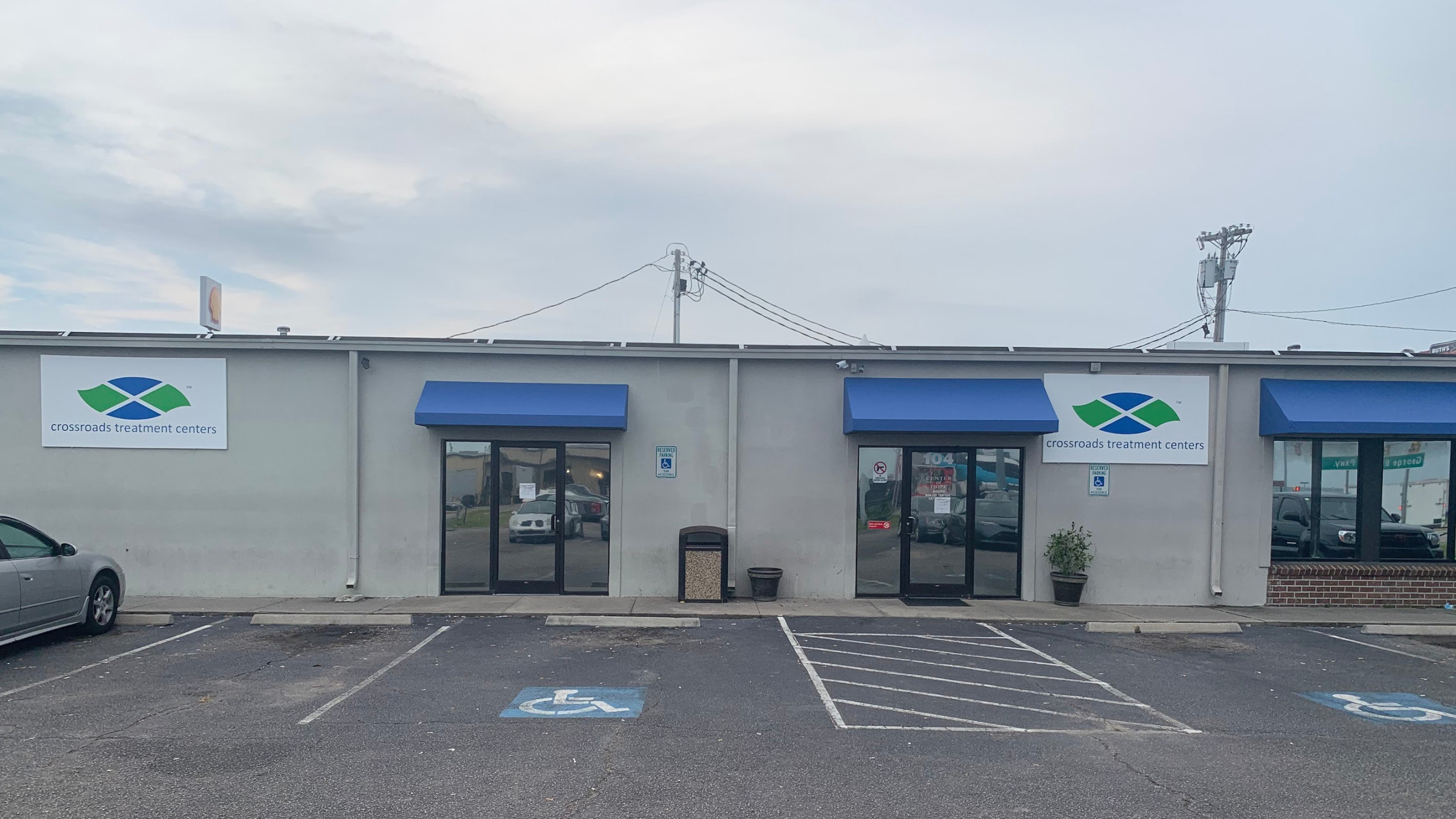
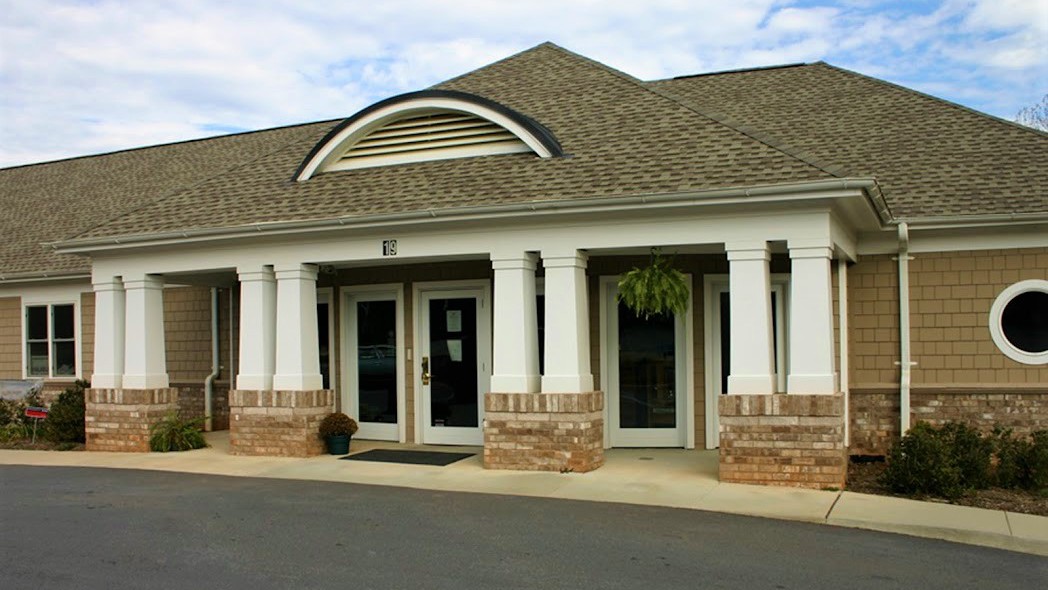
Southwest Carolina Treatment Center | 131 Broadbent Way | Southwest Carolina Treatment Center is an opioid treatment program (OTP) in Anderson, South Carolina. As part of the Carolina Treatment Centers network, this program ... more details › | Treatment Programs Insurance Detox Your first phase of drug rehab in South Carolina is detox. You’ll receive 24/7 supervised care while your body is cleansed of all toxins. Once this process is complete, you are able to move on to the next steps of recovery. Outpatient South Carolina outpatient rehab often helps people transition back to their lives from inpatient rehab. This less restrictive program involves attending regular counseling sessions and support group meetings. The length of outpatient rehab varies from short-term to long-term, based on each person’s recovery journey. | Treatment Programs Insurance Payment You have the option to pay for your alcohol and drug rehab in South Carolina out-of-pocket, known as self-pay or private pay. Private pay gives you access to all levels of care — including detox and inpatient rehab — that you may not otherwise have access to through a private insurer or state-run program. | |
South Carolina Addiction Treatment Detox & Residential | 1187 Holland Rd | South Carolina Addiction Treatment Detox & Residential is a family owned addiction treatment center in Simpsonville, South Carolina serving the greater Greenville ... more details › | Treatment Programs Insurance Detox Your first phase of drug rehab in South Carolina is detox. You’ll receive 24/7 supervised care while your body is cleansed of all toxins. Once this process is complete, you are able to move on to the next steps of recovery. Inpatient Inpatient drug rehab in South Carolina can last anywhere from a few weeks to more than 90 days, depending on the program. During that time, you will live at the rehab facility and receive treatment such as counseling, medication, and forms of holistic therapy. Outpatient South Carolina outpatient rehab often helps people transition back to their lives from inpatient rehab. This less restrictive program involves attending regular counseling sessions and support group meetings. The length of outpatient rehab varies from short-term to long-term, based on each person’s recovery journey. Dual Diagnosis Treating a substance abuse disorder without treating a co-occurring mental health disorder is not effective. If you have co-occurring disorders, you need dual diagnosis treatment in South Carolina to properly address all your recovery needs. +2 | Treatment Programs Insurance Private If you have private insurance, you can use it to help cover the cost of alcohol and drug rehab in South Carolina. The amount covered may depend on your policy and whether the treatment center is in-network or out-of-network. You may be left with some costs like a co-payment, or co-insurance. Check with your insurer for more information. Payment You have the option to pay for your alcohol and drug rehab in South Carolina out-of-pocket, known as self-pay or private pay. Private pay gives you access to all levels of care — including detox and inpatient rehab — that you may not otherwise have access to through a private insurer or state-run program. | |
Phoenix Center | 1400 Cleveland St | Phoenix Center provides substance use disorder services in Greenville, South Carolina. The center offers multiple levels of care for adults and adolescents. Phoenix ... more details › | Treatment Programs Insurance Detox Your first phase of drug rehab in South Carolina is detox. You’ll receive 24/7 supervised care while your body is cleansed of all toxins. Once this process is complete, you are able to move on to the next steps of recovery. Inpatient Inpatient drug rehab in South Carolina can last anywhere from a few weeks to more than 90 days, depending on the program. During that time, you will live at the rehab facility and receive treatment such as counseling, medication, and forms of holistic therapy. Outpatient South Carolina outpatient rehab often helps people transition back to their lives from inpatient rehab. This less restrictive program involves attending regular counseling sessions and support group meetings. The length of outpatient rehab varies from short-term to long-term, based on each person’s recovery journey. Aftercare Aftercare rehab in South Carolina gives you the guidance and support you need once you complete rehab. As you face temptations and life challenges, it provides resources to overcome hurdles and maintain sobriety. Common services include life coaching, counseling, and support groups. This aftercare often continues for a year or more after initial treatment. Intervention The ultimate goal of intervention services in South Carolina is to motivate your loved one to get the treatment they need. This is accomplished through professional intervention facilitation and the development of an effective treatment plan that meets your loved one’s needs. +3 | Treatment Programs Insurance Medicaid Medicaid (South Carolina Healthy Connections Medicaid): If you’re eligible under Healthy Connections Medicaid, you may be able to get coverage to assist with the cost of alcohol and drug rehab in South Carolina. The amount covered may be limited and depend on various factors. Financial Aid If you need help with paying for alcohol and drug rehab in South Carolina, financial aid may be a good solution. Financial assistance options include grants, scholarships, non-profit programs, personal funding, and health insurance programs to help you manage the expense of substance abuse treatment. Private If you have private insurance, you can use it to help cover the cost of alcohol and drug rehab in South Carolina. The amount covered may depend on your policy and whether the treatment center is in-network or out-of-network. You may be left with some costs like a co-payment, or co-insurance. Check with your insurer for more information. Payment You have the option to pay for your alcohol and drug rehab in South Carolina out-of-pocket, known as self-pay or private pay. Private pay gives you access to all levels of care — including detox and inpatient rehab — that you may not otherwise have access to through a private insurer or state-run program. +2 | |
Greenville Metro Treatment Center | 602 Airport Rd | Serving Greenville and surrounding areas in South Carolina, including Overbrook and Willow Heights, the New Season Treatment Center provides outpatient treatment for ... more details › | Treatment Programs Insurance Detox Your first phase of drug rehab in South Carolina is detox. You’ll receive 24/7 supervised care while your body is cleansed of all toxins. Once this process is complete, you are able to move on to the next steps of recovery. Outpatient South Carolina outpatient rehab often helps people transition back to their lives from inpatient rehab. This less restrictive program involves attending regular counseling sessions and support group meetings. The length of outpatient rehab varies from short-term to long-term, based on each person’s recovery journey. Intervention The ultimate goal of intervention services in South Carolina is to motivate your loved one to get the treatment they need. This is accomplished through professional intervention facilitation and the development of an effective treatment plan that meets your loved one’s needs. +1 | Treatment Programs Insurance Medicaid Medicaid (South Carolina Healthy Connections Medicaid): If you’re eligible under Healthy Connections Medicaid, you may be able to get coverage to assist with the cost of alcohol and drug rehab in South Carolina. The amount covered may be limited and depend on various factors. Financial Aid Rather than pay for an entire treatment program at once, you can pay for substance abuse counseling per session. Rates for therapy sessions vary by treatment provider and generally range from $130-$200. Typical forms of payment accepted include insurance, credit, debit, and cash. Private If you have private insurance, you can use it to help cover the cost of alcohol and drug rehab in South Carolina. The amount covered may depend on your policy and whether the treatment center is in-network or out-of-network. You may be left with some costs like a co-payment, or co-insurance. Check with your insurer for more information. Payment You have the option to pay for your alcohol and drug rehab in South Carolina out-of-pocket, known as self-pay or private pay. Private pay gives you access to all levels of care — including detox and inpatient rehab — that you may not otherwise have access to through a private insurer or state-run program. +2 | |
Serenity Village | 6 Dunean St | Serenity Village is a women-and-children residential substance use treatment program in Greenville, South Carolina. I've found that this intensive residential ... more details › | Treatment Programs Insurance Detox Your first phase of drug rehab in South Carolina is detox. You’ll receive 24/7 supervised care while your body is cleansed of all toxins. Once this process is complete, you are able to move on to the next steps of recovery. Inpatient Inpatient drug rehab in South Carolina can last anywhere from a few weeks to more than 90 days, depending on the program. During that time, you will live at the rehab facility and receive treatment such as counseling, medication, and forms of holistic therapy. Aftercare Aftercare rehab in South Carolina gives you the guidance and support you need once you complete rehab. As you face temptations and life challenges, it provides resources to overcome hurdles and maintain sobriety. Common services include life coaching, counseling, and support groups. This aftercare often continues for a year or more after initial treatment. Sober Living South Carolina sober living provides a safe and supportive living environment to help you maintain a sober lifestyle. These homes often serve as a transition between rehab treatment and independent living. A typical stay lasts between five and eight months, but can be for as long as you need it. Intervention The ultimate goal of intervention services in South Carolina is to motivate your loved one to get the treatment they need. This is accomplished through professional intervention facilitation and the development of an effective treatment plan that meets your loved one’s needs. +3 | Treatment Programs Insurance Medicaid Medicaid (South Carolina Healthy Connections Medicaid): If you’re eligible under Healthy Connections Medicaid, you may be able to get coverage to assist with the cost of alcohol and drug rehab in South Carolina. The amount covered may be limited and depend on various factors. Financial Aid If you need help with paying for alcohol and drug rehab in South Carolina, financial aid may be a good solution. Financial assistance options include grants, scholarships, non-profit programs, personal funding, and health insurance programs to help you manage the expense of substance abuse treatment. Private If you have private insurance, you can use it to help cover the cost of alcohol and drug rehab in South Carolina. The amount covered may depend on your policy and whether the treatment center is in-network or out-of-network. You may be left with some costs like a co-payment, or co-insurance. Check with your insurer for more information. Payment You have the option to pay for your alcohol and drug rehab in South Carolina out-of-pocket, known as self-pay or private pay. Private pay gives you access to all levels of care — including detox and inpatient rehab — that you may not otherwise have access to through a private insurer or state-run program. +2 | |
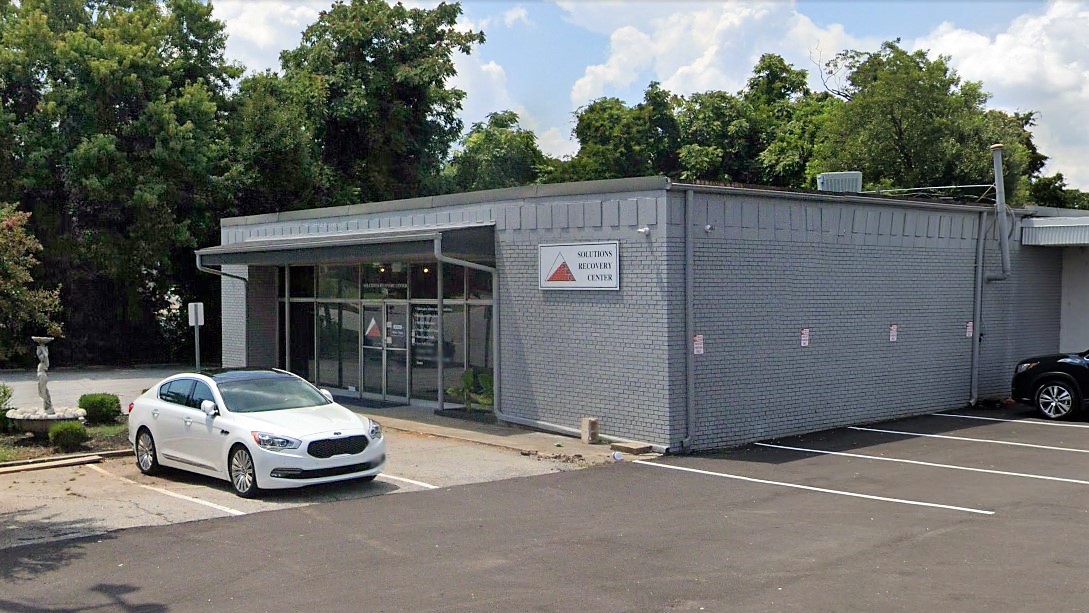
Solutions Recovery Center, Inc | 520 Lowndes Hill Rd | Solutions Recovery Center, Inc is an addiction treatment center in Greenville, South Carolina providing structured sober living for men recovering from drug and ... more details › | Treatment Programs Insurance Detox Your first phase of drug rehab in South Carolina is detox. You’ll receive 24/7 supervised care while your body is cleansed of all toxins. Once this process is complete, you are able to move on to the next steps of recovery. Inpatient Inpatient drug rehab in South Carolina can last anywhere from a few weeks to more than 90 days, depending on the program. During that time, you will live at the rehab facility and receive treatment such as counseling, medication, and forms of holistic therapy. Outpatient South Carolina outpatient rehab often helps people transition back to their lives from inpatient rehab. This less restrictive program involves attending regular counseling sessions and support group meetings. The length of outpatient rehab varies from short-term to long-term, based on each person’s recovery journey. Dual Diagnosis Treating a substance abuse disorder without treating a co-occurring mental health disorder is not effective. If you have co-occurring disorders, you need dual diagnosis treatment in South Carolina to properly address all your recovery needs. Aftercare Aftercare rehab in South Carolina gives you the guidance and support you need once you complete rehab. As you face temptations and life challenges, it provides resources to overcome hurdles and maintain sobriety. Common services include life coaching, counseling, and support groups. This aftercare often continues for a year or more after initial treatment. Sober Living South Carolina sober living provides a safe and supportive living environment to help you maintain a sober lifestyle. These homes often serve as a transition between rehab treatment and independent living. A typical stay lasts between five and eight months, but can be for as long as you need it. Intervention The ultimate goal of intervention services in South Carolina is to motivate your loved one to get the treatment they need. This is accomplished through professional intervention facilitation and the development of an effective treatment plan that meets your loved one’s needs. +5 | Treatment Programs Insurance Financial Aid If you need help with paying for alcohol and drug rehab in South Carolina, financial aid may be a good solution. Financial assistance options include grants, scholarships, non-profit programs, personal funding, and health insurance programs to help you manage the expense of substance abuse treatment. Payment You have the option to pay for your alcohol and drug rehab in South Carolina out-of-pocket, known as self-pay or private pay. Private pay gives you access to all levels of care — including detox and inpatient rehab — that you may not otherwise have access to through a private insurer or state-run program. | |
The Carolina Center for Behavioral Health | 2700 East Phillips Road | The Carolina Center for Behavioral Health is a comprehensive care facility that works with adults, adolescents, and seniors who have a substance use disorder or co ... more details › | Treatment Programs Insurance Detox Your first phase of drug rehab in South Carolina is detox. You’ll receive 24/7 supervised care while your body is cleansed of all toxins. Once this process is complete, you are able to move on to the next steps of recovery. Inpatient Inpatient drug rehab in South Carolina can last anywhere from a few weeks to more than 90 days, depending on the program. During that time, you will live at the rehab facility and receive treatment such as counseling, medication, and forms of holistic therapy. PHP Partial hospitalization programs (PHPs) in South Carolina often provide a bridge between inpatient and outpatient care. With PHPs, you participate in intensive treatment sessions approximately five days a week for several hours each day, then you can return home at night. Outpatient South Carolina outpatient rehab often helps people transition back to their lives from inpatient rehab. This less restrictive program involves attending regular counseling sessions and support group meetings. The length of outpatient rehab varies from short-term to long-term, based on each person’s recovery journey. Dual Diagnosis Treating a substance abuse disorder without treating a co-occurring mental health disorder is not effective. If you have co-occurring disorders, you need dual diagnosis treatment in South Carolina to properly address all your recovery needs. Aftercare Aftercare rehab in South Carolina gives you the guidance and support you need once you complete rehab. As you face temptations and life challenges, it provides resources to overcome hurdles and maintain sobriety. Common services include life coaching, counseling, and support groups. This aftercare often continues for a year or more after initial treatment. Sober Living South Carolina sober living provides a safe and supportive living environment to help you maintain a sober lifestyle. These homes often serve as a transition between rehab treatment and independent living. A typical stay lasts between five and eight months, but can be for as long as you need it. Intervention The ultimate goal of intervention services in South Carolina is to motivate your loved one to get the treatment they need. This is accomplished through professional intervention facilitation and the development of an effective treatment plan that meets your loved one’s needs. +6 | Treatment Programs Insurance Medicaid Medicaid (South Carolina Healthy Connections Medicaid): If you’re eligible under Healthy Connections Medicaid, you may be able to get coverage to assist with the cost of alcohol and drug rehab in South Carolina. The amount covered may be limited and depend on various factors. Medicare If you are eligible for Medicare, you may get coverage for alcohol and drug rehab in South Carolina, including detox, inpatient rehab, and more. The amount of coverage will depend on many things, including whether you are seeking inpatient or outpatient treatment for substance abuse. Financial Aid If you need help with paying for alcohol and drug rehab in South Carolina, financial aid may be a good solution. Financial assistance options include grants, scholarships, non-profit programs, personal funding, and health insurance programs to help you manage the expense of substance abuse treatment. Tricare Administered by the Department of Defense, TRICARE offers comprehensive military health insurance plans for active and retired military members and their families. Similar to PPO programs offered by private insurance companies, TRICARE covers multiple levels of care for addiction treatment, including detox, inpatient rehab, and outpatient services. Private If you have private insurance, you can use it to help cover the cost of alcohol and drug rehab in South Carolina. The amount covered may depend on your policy and whether the treatment center is in-network or out-of-network. You may be left with some costs like a co-payment, or co-insurance. Check with your insurer for more information. Payment You have the option to pay for your alcohol and drug rehab in South Carolina out-of-pocket, known as self-pay or private pay. Private pay gives you access to all levels of care — including detox and inpatient rehab — that you may not otherwise have access to through a private insurer or state-run program. +4 | |
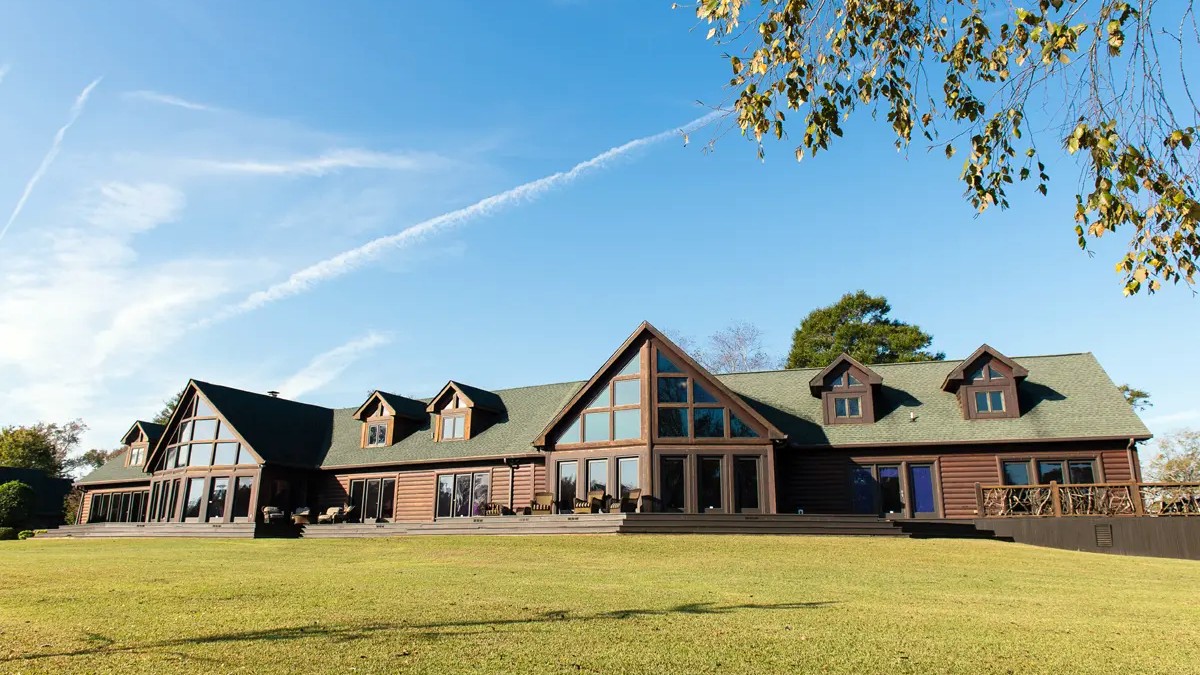
Home With a Heart | 220 James Mattison Road | Home with a Heart is a nonprofit residential drug and alcohol rehab facility for men. It is located in Liberty, South Carolina and provides a home like residence with ... more details › | Treatment Programs Insurance Detox Your first phase of drug rehab in South Carolina is detox. You’ll receive 24/7 supervised care while your body is cleansed of all toxins. Once this process is complete, you are able to move on to the next steps of recovery. Inpatient Inpatient drug rehab in South Carolina can last anywhere from a few weeks to more than 90 days, depending on the program. During that time, you will live at the rehab facility and receive treatment such as counseling, medication, and forms of holistic therapy. Dual Diagnosis Treating a substance abuse disorder without treating a co-occurring mental health disorder is not effective. If you have co-occurring disorders, you need dual diagnosis treatment in South Carolina to properly address all your recovery needs. Aftercare Aftercare rehab in South Carolina gives you the guidance and support you need once you complete rehab. As you face temptations and life challenges, it provides resources to overcome hurdles and maintain sobriety. Common services include life coaching, counseling, and support groups. This aftercare often continues for a year or more after initial treatment. Sober Living South Carolina sober living provides a safe and supportive living environment to help you maintain a sober lifestyle. These homes often serve as a transition between rehab treatment and independent living. A typical stay lasts between five and eight months, but can be for as long as you need it. +3 | Treatment Programs Insurance Free Most states offer free alcohol and drug rehabs through public mental health and addiction treatment centers. These centers often provide detox, intensive outpatient programs (IOPs), residential treatment, partial hospitalization programs (PHPs), and support groups. You must meet certain requirements in order to qualify for free alcohol and drug rehabs, such as lack of income and insurance. Financial Aid If you need help covering the cost of alcohol and drug rehab in South Carolina, but cannot pay the full amount, a sliding scale payment plan may be an option for you. This way, you can access all levels of care, including detox, inpatient rehab, and more. To qualify for this treatment discount, you must complete an application and provide supporting financial documentation. | |
BHG Aiken Treatment Center | 410 University Pkwy | BHG Pawtucket is an alcohol and drug rehab program in Aiken, South Carolina that offers addiction treatment to men and women suffering from opioid use disorder and ... more details › | Treatment Programs Insurance Detox Your first phase of drug rehab in South Carolina is detox. You’ll receive 24/7 supervised care while your body is cleansed of all toxins. Once this process is complete, you are able to move on to the next steps of recovery. Outpatient South Carolina outpatient rehab often helps people transition back to their lives from inpatient rehab. This less restrictive program involves attending regular counseling sessions and support group meetings. The length of outpatient rehab varies from short-term to long-term, based on each person’s recovery journey. | Treatment Programs Insurance Payment You have the option to pay for your alcohol and drug rehab in South Carolina out-of-pocket, known as self-pay or private pay. Private pay gives you access to all levels of care — including detox and inpatient rehab — that you may not otherwise have access to through a private insurer or state-run program. |
 800-783-0593
 Sponsored
