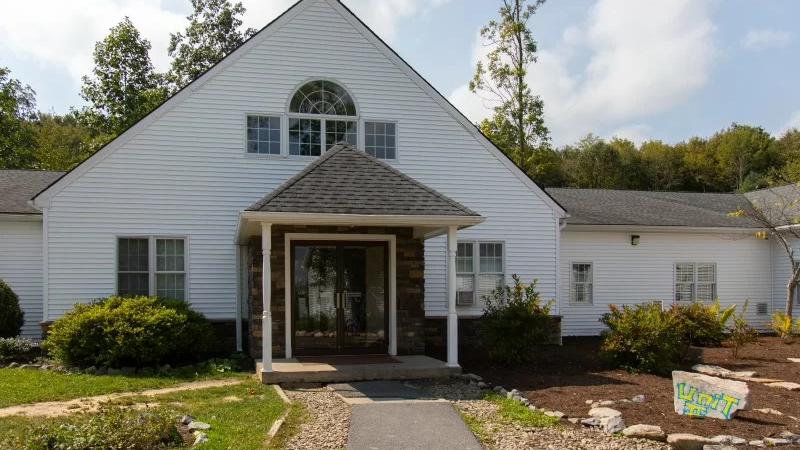
White Deer Run Of Allenwood
Allenwood, PA
17810

Accredited drug rehab centers available across Pittsburgh.
Sliding-scale payments, financial aid, low-cost programs, and local nonprofits.
Medicare, Medicaid, TRICARE, plus local private health insurance coverage.

 Filter
| Name | Address | Description | Treatment | Insurance | Thumbnail |
|---|---|---|---|---|---|
GRC: Brentwood – Outpatient | 101 Towne Square Way | GRC: Brentwood – Outpatient, is a rehabilitation and treatment center located near Frank Street Park in Pittsburgh, Pennsylvania. We’re impressed by the broad ... more details › | Treatment Programs Insurance Inpatient When first starting drug rehab in Pennsylvania, many individuals begin with inpatient rehab. This involves staying at the facility 24/7 and receiving a variety of treatment methods that typically include group and individual counseling. PHP Partial hospitalization programs (PHPs) in Pennsylvania typically provide addiction treatment five days a week for several hours each day. During sessions, staff emphasize the importance of maintaining sobriety and complying with your individual recovery program. Outpatient While undergoing outpatient treatment in Pennsylvania, you’ll work through challenges such as cravings, social skills, and relapse prevention as you meet with a recovery expert and attend 12-step meetings. This treatment may last a few weeks or several months, depending on your recovery needs. Dual Diagnosis Mental illness and substance abuse are so integrated that they must be treated together. Ignoring one and treating the other doesn’t work. Dual diagnosis treatment in Pennsylvania effectively addresses both mental health and substance abuse disorders, for the best outcomes. Aftercare Following rehab, you can receive much-needed ongoing support through aftercare rehab in Pennsylvania. Services may include financial planning, career guidance, legal advice, and other practical supports, as well as counseling and 12-step groups. Taking advantage of these resources greatly reduces the chance of relapse. Intervention Intervention specialists are often a key part of the recovery process. These professionals provide pre-intervention counseling to family members, assistance with intervention facilitation, and valuable resources and insight to develop an effective treatment plan for drug rehab in Pennsylvania. +4 | Treatment Programs Insurance Financial Aid Financial Aid: If you need help with paying for alcohol and drug rehab in Pennsylvania, financial aid may be a good solution. Financial assistance options include grants, scholarships, non-profit programs, personal funding, and health insurance programs to help you manage the expense of substance abuse treatment. Private Your private insurance may cover the cost of alcohol and drug rehab in Pennsylvania. The amount covered may depend on your policy and whether the treatment center is in-network or out-of-network. You may be left with some costs like a co-payment, or co-insurance. Check with your insurer for more information. Payment You have the choice to pay for your alcohol and drug rehab in Pennsylvania out-of-pocket, also called as self-pay or private pay. This way, there are no restrictions placed on your access to treatment, courtesy of insurance companies. Payment methods include checks, personal loans, medical loans, credit cards, and many others. +1 | |
Power Halfway House | 7445 Church Street | POWER provides addiction services for women in various locations. In their Pittsburg, Pennsylvania location they run a halfway house. Here, women enjoy a sober and ... more details › | Treatment Programs Insurance Inpatient When first starting drug rehab in Pennsylvania, many individuals begin with inpatient rehab. This involves staying at the facility 24/7 and receiving a variety of treatment methods that typically include group and individual counseling. PHP Partial hospitalization programs (PHPs) in Pennsylvania typically provide addiction treatment five days a week for several hours each day. During sessions, staff emphasize the importance of maintaining sobriety and complying with your individual recovery program. Outpatient While undergoing outpatient treatment in Pennsylvania, you’ll work through challenges such as cravings, social skills, and relapse prevention as you meet with a recovery expert and attend 12-step meetings. This treatment may last a few weeks or several months, depending on your recovery needs. Dual Diagnosis Mental illness and substance abuse are so integrated that they must be treated together. Ignoring one and treating the other doesn’t work. Dual diagnosis treatment in Pennsylvania effectively addresses both mental health and substance abuse disorders, for the best outcomes. Aftercare Following rehab, you can receive much-needed ongoing support through aftercare rehab in Pennsylvania. Services may include financial planning, career guidance, legal advice, and other practical supports, as well as counseling and 12-step groups. Taking advantage of these resources greatly reduces the chance of relapse. Sober Living An average stay at a Pennsylvania sober living home is designed to decrease your chances of relapsing. While there, you’ll work on strengthening your recovery skills and prepare to live on your own. You’ll attend 12-step meetings, work or go to school, and follow a structured schedule that provides stability and accountability. Intervention Intervention specialists are often a key part of the recovery process. These professionals provide pre-intervention counseling to family members, assistance with intervention facilitation, and valuable resources and insight to develop an effective treatment plan for drug rehab in Pennsylvania. +5 | Treatment Programs Insurance Private Your private insurance may cover the cost of alcohol and drug rehab in Pennsylvania. The amount covered may depend on your policy and whether the treatment center is in-network or out-of-network. You may be left with some costs like a co-payment, or co-insurance. Check with your insurer for more information. Payment You have the choice to pay for your alcohol and drug rehab in Pennsylvania out-of-pocket, also called as self-pay or private pay. This way, there are no restrictions placed on your access to treatment, courtesy of insurance companies. Payment methods include checks, personal loans, medical loans, credit cards, and many others. | |
Greenbriar Treatment Center Squirrel Hill | 1928 1/2 Murray Avenue | Located in Pittsburgh, Pennsylvania, The Greenbriar Treatment Center Squirrel Hill offered help to adults suffering from mental health challenges and addiction ... more details › | Treatment Programs Insurance Outpatient While undergoing outpatient treatment in Pennsylvania, you’ll work through challenges such as cravings, social skills, and relapse prevention as you meet with a recovery expert and attend 12-step meetings. This treatment may last a few weeks or several months, depending on your recovery needs. | Treatment Programs Insurance Medicaid If need help paying for alcohol and drug rehab in Pennsylvania, you may be eligible for Medicaid. Coverage through Medicaid may vary, but it can assist with the cost of alcohol and drug rehab, including detox, inpatient rehab, and more. Financial Aid Financial Aid: If you need help with paying for alcohol and drug rehab in Pennsylvania, financial aid may be a good solution. Financial assistance options include grants, scholarships, non-profit programs, personal funding, and health insurance programs to help you manage the expense of substance abuse treatment. Private Your private insurance may cover the cost of alcohol and drug rehab in Pennsylvania. The amount covered may depend on your policy and whether the treatment center is in-network or out-of-network. You may be left with some costs like a co-payment, or co-insurance. Check with your insurer for more information. Payment You have the choice to pay for your alcohol and drug rehab in Pennsylvania out-of-pocket, also called as self-pay or private pay. This way, there are no restrictions placed on your access to treatment, courtesy of insurance companies. Payment methods include checks, personal loans, medical loans, credit cards, and many others. +2 | |
Crossroads Treatment Center of Pittsburgh, PA (Stanton Avenue) | 5601 Stanton Avenue | Crossroads offers many opioid use disorder treatment centers across nine states. Their Stanton Avenue site is in Pittsburgh, Pennsylvania. They focus on treating you ... more details › | Treatment Programs Insurance Detox Experience safe detox in Pennsylvania as your initial step toward recovery. During this process, you’ll receive 24/7 care while your body is cleansed of all addictive substances. Treatment may include medication to alleviate withdrawal symptoms. Outpatient While undergoing outpatient treatment in Pennsylvania, you’ll work through challenges such as cravings, social skills, and relapse prevention as you meet with a recovery expert and attend 12-step meetings. This treatment may last a few weeks or several months, depending on your recovery needs. Dual Diagnosis Mental illness and substance abuse are so integrated that they must be treated together. Ignoring one and treating the other doesn’t work. Dual diagnosis treatment in Pennsylvania effectively addresses both mental health and substance abuse disorders, for the best outcomes. Intervention Intervention specialists are often a key part of the recovery process. These professionals provide pre-intervention counseling to family members, assistance with intervention facilitation, and valuable resources and insight to develop an effective treatment plan for drug rehab in Pennsylvania. +2 | Treatment Programs Insurance Medicaid If need help paying for alcohol and drug rehab in Pennsylvania, you may be eligible for Medicaid. Coverage through Medicaid may vary, but it can assist with the cost of alcohol and drug rehab, including detox, inpatient rehab, and more. Medicare if you're eligible for Medicare, you may be able to get help to pay for the cost of alcohol and drug rehab in Pennsylvania. The amount of coverage will depend on many things, including whether you are seeking inpatient or outpatient treatment for substance abuse. Tricare Administered by the Department of Defense, TRICARE offers comprehensive military health insurance plans for active and retired military members and their families. Similar to PPO programs offered by private insurance companies, TRICARE covers multiple levels of care for addiction treatment, including detox, inpatient rehab, and outpatient services. Private Your private insurance may cover the cost of alcohol and drug rehab in Pennsylvania. The amount covered may depend on your policy and whether the treatment center is in-network or out-of-network. You may be left with some costs like a co-payment, or co-insurance. Check with your insurer for more information. Payment You have the choice to pay for your alcohol and drug rehab in Pennsylvania out-of-pocket, also called as self-pay or private pay. This way, there are no restrictions placed on your access to treatment, courtesy of insurance companies. Payment methods include checks, personal loans, medical loans, credit cards, and many others. +3 | |
Summit Treatment Services | 3121 Smallman St | Summit Treatment Services is located in Pittsburgh, Pennsylvania. It’s part of the Pinnacle Treatment network. They provide opiate treatment in downtown Pittsburgh ... more details › | Treatment Programs Insurance Detox Experience safe detox in Pennsylvania as your initial step toward recovery. During this process, you’ll receive 24/7 care while your body is cleansed of all addictive substances. Treatment may include medication to alleviate withdrawal symptoms. Outpatient While undergoing outpatient treatment in Pennsylvania, you’ll work through challenges such as cravings, social skills, and relapse prevention as you meet with a recovery expert and attend 12-step meetings. This treatment may last a few weeks or several months, depending on your recovery needs. Dual Diagnosis Mental illness and substance abuse are so integrated that they must be treated together. Ignoring one and treating the other doesn’t work. Dual diagnosis treatment in Pennsylvania effectively addresses both mental health and substance abuse disorders, for the best outcomes. Aftercare Following rehab, you can receive much-needed ongoing support through aftercare rehab in Pennsylvania. Services may include financial planning, career guidance, legal advice, and other practical supports, as well as counseling and 12-step groups. Taking advantage of these resources greatly reduces the chance of relapse. Intervention Intervention specialists are often a key part of the recovery process. These professionals provide pre-intervention counseling to family members, assistance with intervention facilitation, and valuable resources and insight to develop an effective treatment plan for drug rehab in Pennsylvania. +3 | Treatment Programs Insurance Medicaid If need help paying for alcohol and drug rehab in Pennsylvania, you may be eligible for Medicaid. Coverage through Medicaid may vary, but it can assist with the cost of alcohol and drug rehab, including detox, inpatient rehab, and more. Medicare if you're eligible for Medicare, you may be able to get help to pay for the cost of alcohol and drug rehab in Pennsylvania. The amount of coverage will depend on many things, including whether you are seeking inpatient or outpatient treatment for substance abuse. Private Your private insurance may cover the cost of alcohol and drug rehab in Pennsylvania. The amount covered may depend on your policy and whether the treatment center is in-network or out-of-network. You may be left with some costs like a co-payment, or co-insurance. Check with your insurer for more information. Payment You have the choice to pay for your alcohol and drug rehab in Pennsylvania out-of-pocket, also called as self-pay or private pay. This way, there are no restrictions placed on your access to treatment, courtesy of insurance companies. Payment methods include checks, personal loans, medical loans, credit cards, and many others. +2 | |
Pyramid Healthcare Pittsburgh Detox and Residential Treatment Center | 306 Penn Avenue | Pyramid Healthcare’s Pittsburgh Detox and Inpatient Treatment Center is located in Pittsburgh, Pennsylvania. This is a comprehensive care facility that provides ... more details › | Treatment Programs Insurance Detox Experience safe detox in Pennsylvania as your initial step toward recovery. During this process, you’ll receive 24/7 care while your body is cleansed of all addictive substances. Treatment may include medication to alleviate withdrawal symptoms. Inpatient When first starting drug rehab in Pennsylvania, many individuals begin with inpatient rehab. This involves staying at the facility 24/7 and receiving a variety of treatment methods that typically include group and individual counseling. PHP Partial hospitalization programs (PHPs) in Pennsylvania typically provide addiction treatment five days a week for several hours each day. During sessions, staff emphasize the importance of maintaining sobriety and complying with your individual recovery program. Outpatient While undergoing outpatient treatment in Pennsylvania, you’ll work through challenges such as cravings, social skills, and relapse prevention as you meet with a recovery expert and attend 12-step meetings. This treatment may last a few weeks or several months, depending on your recovery needs. Dual Diagnosis Mental illness and substance abuse are so integrated that they must be treated together. Ignoring one and treating the other doesn’t work. Dual diagnosis treatment in Pennsylvania effectively addresses both mental health and substance abuse disorders, for the best outcomes. Intervention Intervention specialists are often a key part of the recovery process. These professionals provide pre-intervention counseling to family members, assistance with intervention facilitation, and valuable resources and insight to develop an effective treatment plan for drug rehab in Pennsylvania. +4 | Treatment Programs Insurance Medicaid If need help paying for alcohol and drug rehab in Pennsylvania, you may be eligible for Medicaid. Coverage through Medicaid may vary, but it can assist with the cost of alcohol and drug rehab, including detox, inpatient rehab, and more. Medicare if you're eligible for Medicare, you may be able to get help to pay for the cost of alcohol and drug rehab in Pennsylvania. The amount of coverage will depend on many things, including whether you are seeking inpatient or outpatient treatment for substance abuse. Financial Aid Financial Aid: If you need help with paying for alcohol and drug rehab in Pennsylvania, financial aid may be a good solution. Financial assistance options include grants, scholarships, non-profit programs, personal funding, and health insurance programs to help you manage the expense of substance abuse treatment. Tricare Administered by the Department of Defense, TRICARE offers comprehensive military health insurance plans for active and retired military members and their families. Similar to PPO programs offered by private insurance companies, TRICARE covers multiple levels of care for addiction treatment, including detox, inpatient rehab, and outpatient services. Private Your private insurance may cover the cost of alcohol and drug rehab in Pennsylvania. The amount covered may depend on your policy and whether the treatment center is in-network or out-of-network. You may be left with some costs like a co-payment, or co-insurance. Check with your insurer for more information. Payment You have the choice to pay for your alcohol and drug rehab in Pennsylvania out-of-pocket, also called as self-pay or private pay. This way, there are no restrictions placed on your access to treatment, courtesy of insurance companies. Payment methods include checks, personal loans, medical loans, credit cards, and many others. +4 | |
Persad Center | 5301 Butler Street | Persad Center in Pittsburgh, Pennsylvania provides LGBTQ+ competent intensive outpatient treatment in Pittsburgh. The drug and alcohol Dual Diagnosis intensive ... more details › | Treatment Programs Insurance Inpatient When first starting drug rehab in Pennsylvania, many individuals begin with inpatient rehab. This involves staying at the facility 24/7 and receiving a variety of treatment methods that typically include group and individual counseling. PHP Partial hospitalization programs (PHPs) in Pennsylvania typically provide addiction treatment five days a week for several hours each day. During sessions, staff emphasize the importance of maintaining sobriety and complying with your individual recovery program. Outpatient While undergoing outpatient treatment in Pennsylvania, you’ll work through challenges such as cravings, social skills, and relapse prevention as you meet with a recovery expert and attend 12-step meetings. This treatment may last a few weeks or several months, depending on your recovery needs. Dual Diagnosis Mental illness and substance abuse are so integrated that they must be treated together. Ignoring one and treating the other doesn’t work. Dual diagnosis treatment in Pennsylvania effectively addresses both mental health and substance abuse disorders, for the best outcomes. Aftercare Following rehab, you can receive much-needed ongoing support through aftercare rehab in Pennsylvania. Services may include financial planning, career guidance, legal advice, and other practical supports, as well as counseling and 12-step groups. Taking advantage of these resources greatly reduces the chance of relapse. Sober Living An average stay at a Pennsylvania sober living home is designed to decrease your chances of relapsing. While there, you’ll work on strengthening your recovery skills and prepare to live on your own. You’ll attend 12-step meetings, work or go to school, and follow a structured schedule that provides stability and accountability. Intervention Intervention specialists are often a key part of the recovery process. These professionals provide pre-intervention counseling to family members, assistance with intervention facilitation, and valuable resources and insight to develop an effective treatment plan for drug rehab in Pennsylvania. +5 | Treatment Programs Insurance Medicaid If need help paying for alcohol and drug rehab in Pennsylvania, you may be eligible for Medicaid. Coverage through Medicaid may vary, but it can assist with the cost of alcohol and drug rehab, including detox, inpatient rehab, and more. Medicare if you're eligible for Medicare, you may be able to get help to pay for the cost of alcohol and drug rehab in Pennsylvania. The amount of coverage will depend on many things, including whether you are seeking inpatient or outpatient treatment for substance abuse. Financial Aid Financial Aid: If you need help with paying for alcohol and drug rehab in Pennsylvania, financial aid may be a good solution. Financial assistance options include grants, scholarships, non-profit programs, personal funding, and health insurance programs to help you manage the expense of substance abuse treatment. Private Your private insurance may cover the cost of alcohol and drug rehab in Pennsylvania. The amount covered may depend on your policy and whether the treatment center is in-network or out-of-network. You may be left with some costs like a co-payment, or co-insurance. Check with your insurer for more information. Payment You have the choice to pay for your alcohol and drug rehab in Pennsylvania out-of-pocket, also called as self-pay or private pay. This way, there are no restrictions placed on your access to treatment, courtesy of insurance companies. Payment methods include checks, personal loans, medical loans, credit cards, and many others. +3 | |
Sojourner House | 5907 Penn Avenue | Located in Pittsburgh, Pennsylvania, Sojourner House MOMS provides comprehensive care and wraparound services to mothers who are seeking care for their drug or alcohol ... more details › | Treatment Programs Insurance Inpatient When first starting drug rehab in Pennsylvania, many individuals begin with inpatient rehab. This involves staying at the facility 24/7 and receiving a variety of treatment methods that typically include group and individual counseling. Outpatient While undergoing outpatient treatment in Pennsylvania, you’ll work through challenges such as cravings, social skills, and relapse prevention as you meet with a recovery expert and attend 12-step meetings. This treatment may last a few weeks or several months, depending on your recovery needs. Dual Diagnosis Mental illness and substance abuse are so integrated that they must be treated together. Ignoring one and treating the other doesn’t work. Dual diagnosis treatment in Pennsylvania effectively addresses both mental health and substance abuse disorders, for the best outcomes. Aftercare Following rehab, you can receive much-needed ongoing support through aftercare rehab in Pennsylvania. Services may include financial planning, career guidance, legal advice, and other practical supports, as well as counseling and 12-step groups. Taking advantage of these resources greatly reduces the chance of relapse. Sober Living An average stay at a Pennsylvania sober living home is designed to decrease your chances of relapsing. While there, you’ll work on strengthening your recovery skills and prepare to live on your own. You’ll attend 12-step meetings, work or go to school, and follow a structured schedule that provides stability and accountability. Intervention Intervention specialists are often a key part of the recovery process. These professionals provide pre-intervention counseling to family members, assistance with intervention facilitation, and valuable resources and insight to develop an effective treatment plan for drug rehab in Pennsylvania. +4 | Treatment Programs Insurance Payment You have the choice to pay for your alcohol and drug rehab in Pennsylvania out-of-pocket, also called as self-pay or private pay. This way, there are no restrictions placed on your access to treatment, courtesy of insurance companies. Payment methods include checks, personal loans, medical loans, credit cards, and many others. | |
Light of Life Rescue Mission | 234 Voeghtly St | Located in Pittsburg, Pennsylvania, Light of Life Rescue Mission provides a full path of recovery. They started in 1952. Their center on Voeghtly is a street shelter. ... more details › | Treatment Programs Insurance Inpatient When first starting drug rehab in Pennsylvania, many individuals begin with inpatient rehab. This involves staying at the facility 24/7 and receiving a variety of treatment methods that typically include group and individual counseling. Outpatient While undergoing outpatient treatment in Pennsylvania, you’ll work through challenges such as cravings, social skills, and relapse prevention as you meet with a recovery expert and attend 12-step meetings. This treatment may last a few weeks or several months, depending on your recovery needs. Dual Diagnosis Mental illness and substance abuse are so integrated that they must be treated together. Ignoring one and treating the other doesn’t work. Dual diagnosis treatment in Pennsylvania effectively addresses both mental health and substance abuse disorders, for the best outcomes. Intervention Intervention specialists are often a key part of the recovery process. These professionals provide pre-intervention counseling to family members, assistance with intervention facilitation, and valuable resources and insight to develop an effective treatment plan for drug rehab in Pennsylvania. +2 | Treatment Programs Insurance Private Your private insurance may cover the cost of alcohol and drug rehab in Pennsylvania. The amount covered may depend on your policy and whether the treatment center is in-network or out-of-network. You may be left with some costs like a co-payment, or co-insurance. Check with your insurer for more information. Payment You have the choice to pay for your alcohol and drug rehab in Pennsylvania out-of-pocket, also called as self-pay or private pay. This way, there are no restrictions placed on your access to treatment, courtesy of insurance companies. Payment methods include checks, personal loans, medical loans, credit cards, and many others. | |
GRC: Robinson | 4955 Steubenville Pike | GRC Robinson was an outpatient addiction treatment center in Robinson Township, Pittsburgh part of the GRC Advanced Recovery Network serving the region since 1972. The ... more details › | Treatment Programs Insurance Outpatient While undergoing outpatient treatment in Pennsylvania, you’ll work through challenges such as cravings, social skills, and relapse prevention as you meet with a recovery expert and attend 12-step meetings. This treatment may last a few weeks or several months, depending on your recovery needs. | Treatment Programs Insurance Medicaid If need help paying for alcohol and drug rehab in Pennsylvania, you may be eligible for Medicaid. Coverage through Medicaid may vary, but it can assist with the cost of alcohol and drug rehab, including detox, inpatient rehab, and more. Financial Aid Financial Aid: If you need help with paying for alcohol and drug rehab in Pennsylvania, financial aid may be a good solution. Financial assistance options include grants, scholarships, non-profit programs, personal funding, and health insurance programs to help you manage the expense of substance abuse treatment. Private Your private insurance may cover the cost of alcohol and drug rehab in Pennsylvania. The amount covered may depend on your policy and whether the treatment center is in-network or out-of-network. You may be left with some costs like a co-payment, or co-insurance. Check with your insurer for more information. Payment You have the choice to pay for your alcohol and drug rehab in Pennsylvania out-of-pocket, also called as self-pay or private pay. This way, there are no restrictions placed on your access to treatment, courtesy of insurance companies. Payment methods include checks, personal loans, medical loans, credit cards, and many others. +2 | |
Waddington Rehab Center | 2681 Waddington Avenue | Waddington Rehab Center offers short and long-term drug rehab programs. Located in Pittsburgh, Pennsylvania, they accept self-pay clients as well as many insurers. ... more details › | Treatment Programs Insurance Inpatient When first starting drug rehab in Pennsylvania, many individuals begin with inpatient rehab. This involves staying at the facility 24/7 and receiving a variety of treatment methods that typically include group and individual counseling. Outpatient While undergoing outpatient treatment in Pennsylvania, you’ll work through challenges such as cravings, social skills, and relapse prevention as you meet with a recovery expert and attend 12-step meetings. This treatment may last a few weeks or several months, depending on your recovery needs. Dual Diagnosis Mental illness and substance abuse are so integrated that they must be treated together. Ignoring one and treating the other doesn’t work. Dual diagnosis treatment in Pennsylvania effectively addresses both mental health and substance abuse disorders, for the best outcomes. Aftercare Following rehab, you can receive much-needed ongoing support through aftercare rehab in Pennsylvania. Services may include financial planning, career guidance, legal advice, and other practical supports, as well as counseling and 12-step groups. Taking advantage of these resources greatly reduces the chance of relapse. +2 | Treatment Programs Insurance Medicaid If need help paying for alcohol and drug rehab in Pennsylvania, you may be eligible for Medicaid. Coverage through Medicaid may vary, but it can assist with the cost of alcohol and drug rehab, including detox, inpatient rehab, and more. Private Your private insurance may cover the cost of alcohol and drug rehab in Pennsylvania. The amount covered may depend on your policy and whether the treatment center is in-network or out-of-network. You may be left with some costs like a co-payment, or co-insurance. Check with your insurer for more information. Payment You have the choice to pay for your alcohol and drug rehab in Pennsylvania out-of-pocket, also called as self-pay or private pay. This way, there are no restrictions placed on your access to treatment, courtesy of insurance companies. Payment methods include checks, personal loans, medical loans, credit cards, and many others. +1 | |
UPMC Mercy | 1400 Locust Street | UPMC Mercy is located on Locust Street in uptown Pittsburgh, Pennsylvania. This is a full service hospital with numerous specialties and departments, one of which is ... more details › | Treatment Programs Insurance Detox Experience safe detox in Pennsylvania as your initial step toward recovery. During this process, you’ll receive 24/7 care while your body is cleansed of all addictive substances. Treatment may include medication to alleviate withdrawal symptoms. Outpatient While undergoing outpatient treatment in Pennsylvania, you’ll work through challenges such as cravings, social skills, and relapse prevention as you meet with a recovery expert and attend 12-step meetings. This treatment may last a few weeks or several months, depending on your recovery needs. Dual Diagnosis Mental illness and substance abuse are so integrated that they must be treated together. Ignoring one and treating the other doesn’t work. Dual diagnosis treatment in Pennsylvania effectively addresses both mental health and substance abuse disorders, for the best outcomes. Aftercare Following rehab, you can receive much-needed ongoing support through aftercare rehab in Pennsylvania. Services may include financial planning, career guidance, legal advice, and other practical supports, as well as counseling and 12-step groups. Taking advantage of these resources greatly reduces the chance of relapse. Intervention Intervention specialists are often a key part of the recovery process. These professionals provide pre-intervention counseling to family members, assistance with intervention facilitation, and valuable resources and insight to develop an effective treatment plan for drug rehab in Pennsylvania. +3 | Treatment Programs Insurance Medicaid If need help paying for alcohol and drug rehab in Pennsylvania, you may be eligible for Medicaid. Coverage through Medicaid may vary, but it can assist with the cost of alcohol and drug rehab, including detox, inpatient rehab, and more. Financial Aid Financial Aid: If you need help with paying for alcohol and drug rehab in Pennsylvania, financial aid may be a good solution. Financial assistance options include grants, scholarships, non-profit programs, personal funding, and health insurance programs to help you manage the expense of substance abuse treatment. Private Your private insurance may cover the cost of alcohol and drug rehab in Pennsylvania. The amount covered may depend on your policy and whether the treatment center is in-network or out-of-network. You may be left with some costs like a co-payment, or co-insurance. Check with your insurer for more information. Payment You have the choice to pay for your alcohol and drug rehab in Pennsylvania out-of-pocket, also called as self-pay or private pay. This way, there are no restrictions placed on your access to treatment, courtesy of insurance companies. Payment methods include checks, personal loans, medical loans, credit cards, and many others. +2 | |
Progressive Medical Specialists | 2900 Smallman Street | Progressive Medical Specialists is a Pennsylvania-licensed opioid use disorder treatment provider. The program combines methadone maintenance with counseling, ... more details › | Treatment Programs Insurance Detox Experience safe detox in Pennsylvania as your initial step toward recovery. During this process, you’ll receive 24/7 care while your body is cleansed of all addictive substances. Treatment may include medication to alleviate withdrawal symptoms. Outpatient While undergoing outpatient treatment in Pennsylvania, you’ll work through challenges such as cravings, social skills, and relapse prevention as you meet with a recovery expert and attend 12-step meetings. This treatment may last a few weeks or several months, depending on your recovery needs. Dual Diagnosis Mental illness and substance abuse are so integrated that they must be treated together. Ignoring one and treating the other doesn’t work. Dual diagnosis treatment in Pennsylvania effectively addresses both mental health and substance abuse disorders, for the best outcomes. Intervention Intervention specialists are often a key part of the recovery process. These professionals provide pre-intervention counseling to family members, assistance with intervention facilitation, and valuable resources and insight to develop an effective treatment plan for drug rehab in Pennsylvania. +2 | Treatment Programs Insurance Medicaid If need help paying for alcohol and drug rehab in Pennsylvania, you may be eligible for Medicaid. Coverage through Medicaid may vary, but it can assist with the cost of alcohol and drug rehab, including detox, inpatient rehab, and more. Medicare if you're eligible for Medicare, you may be able to get help to pay for the cost of alcohol and drug rehab in Pennsylvania. The amount of coverage will depend on many things, including whether you are seeking inpatient or outpatient treatment for substance abuse. Financial Aid Financial Aid: If you need help with paying for alcohol and drug rehab in Pennsylvania, financial aid may be a good solution. Financial assistance options include grants, scholarships, non-profit programs, personal funding, and health insurance programs to help you manage the expense of substance abuse treatment. Private Your private insurance may cover the cost of alcohol and drug rehab in Pennsylvania. The amount covered may depend on your policy and whether the treatment center is in-network or out-of-network. You may be left with some costs like a co-payment, or co-insurance. Check with your insurer for more information. Payment You have the choice to pay for your alcohol and drug rehab in Pennsylvania out-of-pocket, also called as self-pay or private pay. This way, there are no restrictions placed on your access to treatment, courtesy of insurance companies. Payment methods include checks, personal loans, medical loans, credit cards, and many others. +3 | |
Tadiso Incorporated | 1425 Beaver Avenue | Located in Pittsburgh, Pennsylvania, Tadiso Inc. provides detoxification and drug rehab services to men and women seeking treatment for opioid use disorder. Cares are ... more details › | Treatment Programs Insurance Detox Experience safe detox in Pennsylvania as your initial step toward recovery. During this process, you’ll receive 24/7 care while your body is cleansed of all addictive substances. Treatment may include medication to alleviate withdrawal symptoms. PHP Partial hospitalization programs (PHPs) in Pennsylvania typically provide addiction treatment five days a week for several hours each day. During sessions, staff emphasize the importance of maintaining sobriety and complying with your individual recovery program. Outpatient While undergoing outpatient treatment in Pennsylvania, you’ll work through challenges such as cravings, social skills, and relapse prevention as you meet with a recovery expert and attend 12-step meetings. This treatment may last a few weeks or several months, depending on your recovery needs. Intervention Intervention specialists are often a key part of the recovery process. These professionals provide pre-intervention counseling to family members, assistance with intervention facilitation, and valuable resources and insight to develop an effective treatment plan for drug rehab in Pennsylvania. +2 | Treatment Programs Insurance Private Your private insurance may cover the cost of alcohol and drug rehab in Pennsylvania. The amount covered may depend on your policy and whether the treatment center is in-network or out-of-network. You may be left with some costs like a co-payment, or co-insurance. Check with your insurer for more information. Payment You have the choice to pay for your alcohol and drug rehab in Pennsylvania out-of-pocket, also called as self-pay or private pay. This way, there are no restrictions placed on your access to treatment, courtesy of insurance companies. Payment methods include checks, personal loans, medical loans, credit cards, and many others. | |
VA Pittsburgh Healthcare System | 4100 Allequippa St | VA Pittsburgh Healthcare System is a Veteran focused addiction treatment center in Pittsburgh, Pennsylvania offering substance use and behavioral health care through ... more details › | Treatment Programs Insurance Detox Experience safe detox in Pennsylvania as your initial step toward recovery. During this process, you’ll receive 24/7 care while your body is cleansed of all addictive substances. Treatment may include medication to alleviate withdrawal symptoms. Inpatient When first starting drug rehab in Pennsylvania, many individuals begin with inpatient rehab. This involves staying at the facility 24/7 and receiving a variety of treatment methods that typically include group and individual counseling. PHP Partial hospitalization programs (PHPs) in Pennsylvania typically provide addiction treatment five days a week for several hours each day. During sessions, staff emphasize the importance of maintaining sobriety and complying with your individual recovery program. Outpatient While undergoing outpatient treatment in Pennsylvania, you’ll work through challenges such as cravings, social skills, and relapse prevention as you meet with a recovery expert and attend 12-step meetings. This treatment may last a few weeks or several months, depending on your recovery needs. Dual Diagnosis Mental illness and substance abuse are so integrated that they must be treated together. Ignoring one and treating the other doesn’t work. Dual diagnosis treatment in Pennsylvania effectively addresses both mental health and substance abuse disorders, for the best outcomes. Intervention Intervention specialists are often a key part of the recovery process. These professionals provide pre-intervention counseling to family members, assistance with intervention facilitation, and valuable resources and insight to develop an effective treatment plan for drug rehab in Pennsylvania. +4 | Treatment Programs Insurance Tricare Administered by the Department of Defense, TRICARE offers comprehensive military health insurance plans for active and retired military members and their families. Similar to PPO programs offered by private insurance companies, TRICARE covers multiple levels of care for addiction treatment, including detox, inpatient rehab, and outpatient services. Private Your private insurance may cover the cost of alcohol and drug rehab in Pennsylvania. The amount covered may depend on your policy and whether the treatment center is in-network or out-of-network. You may be left with some costs like a co-payment, or co-insurance. Check with your insurer for more information. Payment You have the choice to pay for your alcohol and drug rehab in Pennsylvania out-of-pocket, also called as self-pay or private pay. This way, there are no restrictions placed on your access to treatment, courtesy of insurance companies. Payment methods include checks, personal loans, medical loans, credit cards, and many others. +1 | |
Adaptive Behavioral Services | 204 N Highland Ave | Adaptive Behavioral Services offers clients high-quality counseling for both groups and individuals. Their clients range in ages from children to elders and come from ... more details › | Treatment Programs Insurance Outpatient While undergoing outpatient treatment in Pennsylvania, you’ll work through challenges such as cravings, social skills, and relapse prevention as you meet with a recovery expert and attend 12-step meetings. This treatment may last a few weeks or several months, depending on your recovery needs. Dual Diagnosis Mental illness and substance abuse are so integrated that they must be treated together. Ignoring one and treating the other doesn’t work. Dual diagnosis treatment in Pennsylvania effectively addresses both mental health and substance abuse disorders, for the best outcomes. | Treatment Programs Insurance Private Your private insurance may cover the cost of alcohol and drug rehab in Pennsylvania. The amount covered may depend on your policy and whether the treatment center is in-network or out-of-network. You may be left with some costs like a co-payment, or co-insurance. Check with your insurer for more information. Payment You have the choice to pay for your alcohol and drug rehab in Pennsylvania out-of-pocket, also called as self-pay or private pay. This way, there are no restrictions placed on your access to treatment, courtesy of insurance companies. Payment methods include checks, personal loans, medical loans, credit cards, and many others. | |
Allied Addiction Recovery, LLC | 355 Fifth Avenue | Allied Addiction Recovery has five facilities in Pennsylvania. The Pittsburgh location offers medication assisted treatment as well as drug-free substance abuse ... more details › | Treatment Programs Insurance Detox Experience safe detox in Pennsylvania as your initial step toward recovery. During this process, you’ll receive 24/7 care while your body is cleansed of all addictive substances. Treatment may include medication to alleviate withdrawal symptoms. PHP Partial hospitalization programs (PHPs) in Pennsylvania typically provide addiction treatment five days a week for several hours each day. During sessions, staff emphasize the importance of maintaining sobriety and complying with your individual recovery program. Outpatient While undergoing outpatient treatment in Pennsylvania, you’ll work through challenges such as cravings, social skills, and relapse prevention as you meet with a recovery expert and attend 12-step meetings. This treatment may last a few weeks or several months, depending on your recovery needs. Dual Diagnosis Mental illness and substance abuse are so integrated that they must be treated together. Ignoring one and treating the other doesn’t work. Dual diagnosis treatment in Pennsylvania effectively addresses both mental health and substance abuse disorders, for the best outcomes. Aftercare Following rehab, you can receive much-needed ongoing support through aftercare rehab in Pennsylvania. Services may include financial planning, career guidance, legal advice, and other practical supports, as well as counseling and 12-step groups. Taking advantage of these resources greatly reduces the chance of relapse. Intervention Intervention specialists are often a key part of the recovery process. These professionals provide pre-intervention counseling to family members, assistance with intervention facilitation, and valuable resources and insight to develop an effective treatment plan for drug rehab in Pennsylvania. +4 | Treatment Programs Insurance Private Your private insurance may cover the cost of alcohol and drug rehab in Pennsylvania. The amount covered may depend on your policy and whether the treatment center is in-network or out-of-network. You may be left with some costs like a co-payment, or co-insurance. Check with your insurer for more information. Payment You have the choice to pay for your alcohol and drug rehab in Pennsylvania out-of-pocket, also called as self-pay or private pay. This way, there are no restrictions placed on your access to treatment, courtesy of insurance companies. Payment methods include checks, personal loans, medical loans, credit cards, and many others. | |
Wesley Family Services Wilkinsburg | 221 Penn Avenue | Wesley Family Services in Wilkinsburg, Pittsburgh, Pennsylvania is a nonprofit behavioral health provider offering outpatient mental health and substance use support ... more details › | Treatment Programs Insurance Inpatient When first starting drug rehab in Pennsylvania, many individuals begin with inpatient rehab. This involves staying at the facility 24/7 and receiving a variety of treatment methods that typically include group and individual counseling. PHP Partial hospitalization programs (PHPs) in Pennsylvania typically provide addiction treatment five days a week for several hours each day. During sessions, staff emphasize the importance of maintaining sobriety and complying with your individual recovery program. Outpatient While undergoing outpatient treatment in Pennsylvania, you’ll work through challenges such as cravings, social skills, and relapse prevention as you meet with a recovery expert and attend 12-step meetings. This treatment may last a few weeks or several months, depending on your recovery needs. Dual Diagnosis Mental illness and substance abuse are so integrated that they must be treated together. Ignoring one and treating the other doesn’t work. Dual diagnosis treatment in Pennsylvania effectively addresses both mental health and substance abuse disorders, for the best outcomes. Aftercare Following rehab, you can receive much-needed ongoing support through aftercare rehab in Pennsylvania. Services may include financial planning, career guidance, legal advice, and other practical supports, as well as counseling and 12-step groups. Taking advantage of these resources greatly reduces the chance of relapse. Intervention Intervention specialists are often a key part of the recovery process. These professionals provide pre-intervention counseling to family members, assistance with intervention facilitation, and valuable resources and insight to develop an effective treatment plan for drug rehab in Pennsylvania. +4 | Treatment Programs Insurance Financial Aid Financial Aid: If you need help with paying for alcohol and drug rehab in Pennsylvania, financial aid may be a good solution. Financial assistance options include grants, scholarships, non-profit programs, personal funding, and health insurance programs to help you manage the expense of substance abuse treatment. Private Your private insurance may cover the cost of alcohol and drug rehab in Pennsylvania. The amount covered may depend on your policy and whether the treatment center is in-network or out-of-network. You may be left with some costs like a co-payment, or co-insurance. Check with your insurer for more information. Payment You have the choice to pay for your alcohol and drug rehab in Pennsylvania out-of-pocket, also called as self-pay or private pay. This way, there are no restrictions placed on your access to treatment, courtesy of insurance companies. Payment methods include checks, personal loans, medical loans, credit cards, and many others. +1 | |
Gateway Rehabilitation Center – Squirrel Hill | 5818 Forbes Avenue | Gateway Rehabilitation Center has many locations in Pittsburgh, Pennsylvania. One site is their East Liberty clinic on Broad Street. They’re the region’s largest ... more details › | Treatment Programs Insurance Detox Experience safe detox in Pennsylvania as your initial step toward recovery. During this process, you’ll receive 24/7 care while your body is cleansed of all addictive substances. Treatment may include medication to alleviate withdrawal symptoms. Inpatient When first starting drug rehab in Pennsylvania, many individuals begin with inpatient rehab. This involves staying at the facility 24/7 and receiving a variety of treatment methods that typically include group and individual counseling. PHP Partial hospitalization programs (PHPs) in Pennsylvania typically provide addiction treatment five days a week for several hours each day. During sessions, staff emphasize the importance of maintaining sobriety and complying with your individual recovery program. Outpatient While undergoing outpatient treatment in Pennsylvania, you’ll work through challenges such as cravings, social skills, and relapse prevention as you meet with a recovery expert and attend 12-step meetings. This treatment may last a few weeks or several months, depending on your recovery needs. Dual Diagnosis Mental illness and substance abuse are so integrated that they must be treated together. Ignoring one and treating the other doesn’t work. Dual diagnosis treatment in Pennsylvania effectively addresses both mental health and substance abuse disorders, for the best outcomes. Aftercare Following rehab, you can receive much-needed ongoing support through aftercare rehab in Pennsylvania. Services may include financial planning, career guidance, legal advice, and other practical supports, as well as counseling and 12-step groups. Taking advantage of these resources greatly reduces the chance of relapse. Sober Living An average stay at a Pennsylvania sober living home is designed to decrease your chances of relapsing. While there, you’ll work on strengthening your recovery skills and prepare to live on your own. You’ll attend 12-step meetings, work or go to school, and follow a structured schedule that provides stability and accountability. Intervention Intervention specialists are often a key part of the recovery process. These professionals provide pre-intervention counseling to family members, assistance with intervention facilitation, and valuable resources and insight to develop an effective treatment plan for drug rehab in Pennsylvania. +6 | Treatment Programs Insurance Medicaid If need help paying for alcohol and drug rehab in Pennsylvania, you may be eligible for Medicaid. Coverage through Medicaid may vary, but it can assist with the cost of alcohol and drug rehab, including detox, inpatient rehab, and more. Financial Aid Financial Aid: If you need help with paying for alcohol and drug rehab in Pennsylvania, financial aid may be a good solution. Financial assistance options include grants, scholarships, non-profit programs, personal funding, and health insurance programs to help you manage the expense of substance abuse treatment. Private Your private insurance may cover the cost of alcohol and drug rehab in Pennsylvania. The amount covered may depend on your policy and whether the treatment center is in-network or out-of-network. You may be left with some costs like a co-payment, or co-insurance. Check with your insurer for more information. Payment You have the choice to pay for your alcohol and drug rehab in Pennsylvania out-of-pocket, also called as self-pay or private pay. This way, there are no restrictions placed on your access to treatment, courtesy of insurance companies. Payment methods include checks, personal loans, medical loans, credit cards, and many others. +2 | |
The Bradley Center | 5180 Campbells Run Rd | The Bradley Center is a nonprofit therapeutic school and residential treatment facility located in Pittsburgh, Pennsylvania. They serve children and teens (6-18) who ... more details › | Treatment Programs Insurance Inpatient When first starting drug rehab in Pennsylvania, many individuals begin with inpatient rehab. This involves staying at the facility 24/7 and receiving a variety of treatment methods that typically include group and individual counseling. Outpatient While undergoing outpatient treatment in Pennsylvania, you’ll work through challenges such as cravings, social skills, and relapse prevention as you meet with a recovery expert and attend 12-step meetings. This treatment may last a few weeks or several months, depending on your recovery needs. Dual Diagnosis Mental illness and substance abuse are so integrated that they must be treated together. Ignoring one and treating the other doesn’t work. Dual diagnosis treatment in Pennsylvania effectively addresses both mental health and substance abuse disorders, for the best outcomes. Aftercare Following rehab, you can receive much-needed ongoing support through aftercare rehab in Pennsylvania. Services may include financial planning, career guidance, legal advice, and other practical supports, as well as counseling and 12-step groups. Taking advantage of these resources greatly reduces the chance of relapse. +2 | Treatment Programs Insurance Private Your private insurance may cover the cost of alcohol and drug rehab in Pennsylvania. The amount covered may depend on your policy and whether the treatment center is in-network or out-of-network. You may be left with some costs like a co-payment, or co-insurance. Check with your insurer for more information. Payment You have the choice to pay for your alcohol and drug rehab in Pennsylvania out-of-pocket, also called as self-pay or private pay. This way, there are no restrictions placed on your access to treatment, courtesy of insurance companies. Payment methods include checks, personal loans, medical loans, credit cards, and many others. | |
Abraxas Youth and Family Services | 2840 Liberty Avenue | Abraxas Youth and Family Services (AYFS) in Pittsburgh, Pennsylvania is all about positive impact. They have numerous programs for clients of all ages, including ... more details › | Treatment Programs Insurance Inpatient When first starting drug rehab in Pennsylvania, many individuals begin with inpatient rehab. This involves staying at the facility 24/7 and receiving a variety of treatment methods that typically include group and individual counseling. Outpatient While undergoing outpatient treatment in Pennsylvania, you’ll work through challenges such as cravings, social skills, and relapse prevention as you meet with a recovery expert and attend 12-step meetings. This treatment may last a few weeks or several months, depending on your recovery needs. Dual Diagnosis Mental illness and substance abuse are so integrated that they must be treated together. Ignoring one and treating the other doesn’t work. Dual diagnosis treatment in Pennsylvania effectively addresses both mental health and substance abuse disorders, for the best outcomes. Aftercare Following rehab, you can receive much-needed ongoing support through aftercare rehab in Pennsylvania. Services may include financial planning, career guidance, legal advice, and other practical supports, as well as counseling and 12-step groups. Taking advantage of these resources greatly reduces the chance of relapse. Sober Living An average stay at a Pennsylvania sober living home is designed to decrease your chances of relapsing. While there, you’ll work on strengthening your recovery skills and prepare to live on your own. You’ll attend 12-step meetings, work or go to school, and follow a structured schedule that provides stability and accountability. +3 | Treatment Programs Insurance Medicaid If need help paying for alcohol and drug rehab in Pennsylvania, you may be eligible for Medicaid. Coverage through Medicaid may vary, but it can assist with the cost of alcohol and drug rehab, including detox, inpatient rehab, and more. Financial Aid Financial Aid: If you need help with paying for alcohol and drug rehab in Pennsylvania, financial aid may be a good solution. Financial assistance options include grants, scholarships, non-profit programs, personal funding, and health insurance programs to help you manage the expense of substance abuse treatment. Tricare Administered by the Department of Defense, TRICARE offers comprehensive military health insurance plans for active and retired military members and their families. Similar to PPO programs offered by private insurance companies, TRICARE covers multiple levels of care for addiction treatment, including detox, inpatient rehab, and outpatient services. Private Your private insurance may cover the cost of alcohol and drug rehab in Pennsylvania. The amount covered may depend on your policy and whether the treatment center is in-network or out-of-network. You may be left with some costs like a co-payment, or co-insurance. Check with your insurer for more information. Payment You have the choice to pay for your alcohol and drug rehab in Pennsylvania out-of-pocket, also called as self-pay or private pay. This way, there are no restrictions placed on your access to treatment, courtesy of insurance companies. Payment methods include checks, personal loans, medical loans, credit cards, and many others. +3 |
Finding free or low-cost addiction treatment in Pittsburgh starts with understanding that the county offers most of the treatment. Allegheny County’s Department of Human Services runs its own drug and alcohol bureau. It exists specifically to connect uninsured and underinsured residents to care, whether that’s detox, outpatient treatment, or medication for opioid use disorder (a treatment approach that uses medications like buprenorphine or methadone alongside counseling).
Pennsylvania expanded Medicaid, which is the single biggest metric working in a Pittsburgh resident’s favor. Coverage through Medicaid opens the door to Behavioral HealthChoices, the state’s Medicaid managed care program for substance use disorder and mental health treatment, coordinated county by county.
If you’re not sure whether you qualify, the county’s Bureau of Drug and Alcohol Services or the statewide PA Get Help Now line can walk you through the process. Harm reduction has a real, physical presence too. Prevention Point Pittsburgh runs the syringe services program listed in Allegheny County’s own harm reduction directory, with weekly sites in East Liberty, Perry Hilltop, the Hill District, Carrick/Overbrook, and Homewood.
These programs offer sterile supplies, naloxone, fentanyl test strips, and wound care without judgment. The Allegheny County Health Department backs that up with free naloxone and test-strip distribution. If you or someone you love uses drugs and isn’t ready to stop today, these services exist to keep you alive in the meantime.
For anyone in crisis right now, Pathway to Care and Recovery is a walk-in center on Third Avenue downtown, open around the clock every day of the year, with no appointment or referral needed for Allegheny County residents. If Pittsburgh’s own options don’t fit, nearby Wilkinsburg and Homestead share the same county safety net.
Free Treatment Score: 6.6/10. Pittsburgh sits in a county with a genuinely broad set of free and low-cost paths, from a round-the-clock walk-in crisis center to a working syringe services program.
Looking for free or low-cost help in Pittsburgh means starting with a system that’s actually built for it. Allegheny County runs its own Bureau of Drug and Alcohol Services specifically to prioritize residents who are uninsured or underinsured, and pairs it with a walk-in crisis center downtown that is open 24 hours a day, 365 days a year.
The Bureau doesn’t take appointments or referrals from county residents. That combination is rare, and it means a bad night doesn’t have to end on a waiting list. Harm reduction is a standing part of the picture here, not an afterthought. Prevention Point Pittsburgh runs weekly syringe services out of five neighborhood sites.
The county health department hands out naloxone and test strips with free kits stocked in public cabinets and vending machines around the county. The harm reduction number behind this score is a conservative national count, so treat the services listed below as what is actually within reach. If Medicaid rehab options in Pennsylvania don’t line up right away, the county bureau and the statewide PA Get Help Now line are both solid next calls. Learn more about our Free Treatment Score methodology.

 800-783-0593
 Sponsored
