Silver Ridge
Mills River, NC
28759

Accredited drug rehab centers available across Raleigh.
Sliding-scale payments, financial aid, low-cost programs, and local nonprofits.
Medicare, Medicaid, TRICARE, plus local private health insurance coverage.


 Filter
| Name | Address | Description | Treatment | Insurance | Thumbnail |
|---|---|---|---|---|---|
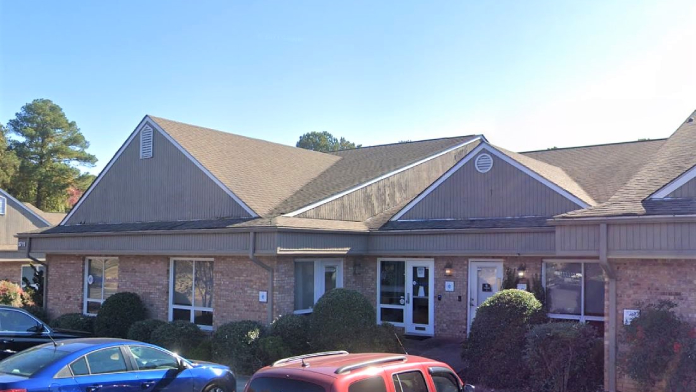
First Step Services of North Carolina | 211 E Six Forks Rd | First Step Services is a CARF accredited treatment center located in Raleigh, North Carolina. They offer intensive and general outpatient programs. They also serve ... more details › | Treatment Programs Insurance Outpatient Outpatient rehab in North Carolina is often the next step for those who complete an inpatient program. This less restrictive treatment involves several hours of therapy per week, and accountability through 12-step meetings such as AA. You’ll continue this treatment as long as needed, which could be weeks, months, or years. Dual Diagnosis Some of the most common co-occurring mental health disorders include anxiety, depression, and eating disorders. When these are present alongside substance use disorder, dual diagnosis treatment in North Carolina is necessary to address both conditions. Aftercare Aftercare rehab in North Carolina is a crucial part of relapse prevention. It gives you access to resources that will help you manage stress and overcome life hurdles. Typical services include career coaching, financial guidance, and ongoing counseling and emotional support. These may continue for a few months or more than a year after initial rehab. +1 | Treatment Programs Insurance Private Your insurer may help cover the cost of alcohol and drug rehab in North Carolina. The amount covered will depend on your policy and whether the treatment center is in-network or out-of-network. You may be left with some costs like a co-payment, or co-insurance. Check with your insurer for more information. Payment In North Carolina, you have the option to take charge of your treatment costs and pay out-of-pocket, known as self-pay or private pay. Paying for alcohol and drug rehab in North Carolina, you to access all levels of care — including detox in North Carolina, and inpatient rehab in North Carolina —without being subject to the limitations of your insurance provider. | |
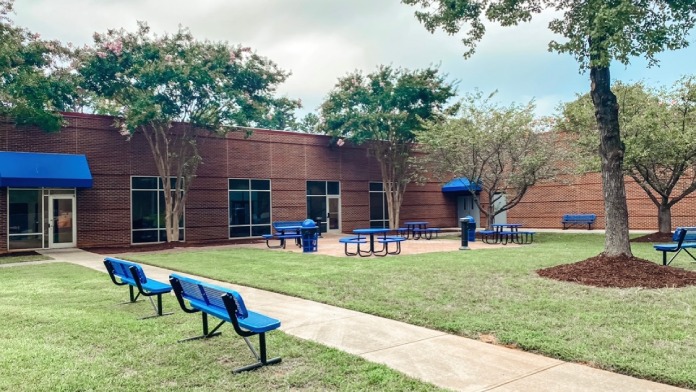
Carolina Outreach | 3012 Falstaff Rd | Carolina Outreach is an outpatient behavioral health and substance use treatment provider in Raleigh, North Carolina. They deliver integrative evidence based care ... more details › | Treatment Programs Insurance Outpatient Outpatient rehab in North Carolina is often the next step for those who complete an inpatient program. This less restrictive treatment involves several hours of therapy per week, and accountability through 12-step meetings such as AA. You’ll continue this treatment as long as needed, which could be weeks, months, or years. Dual Diagnosis Some of the most common co-occurring mental health disorders include anxiety, depression, and eating disorders. When these are present alongside substance use disorder, dual diagnosis treatment in North Carolina is necessary to address both conditions. Aftercare Aftercare rehab in North Carolina is a crucial part of relapse prevention. It gives you access to resources that will help you manage stress and overcome life hurdles. Typical services include career coaching, financial guidance, and ongoing counseling and emotional support. These may continue for a few months or more than a year after initial rehab. Intervention Recovery journeys often begin with intervention services in North Carolina. This treatment tool provides key support in planning and facilitating an effective intervention. Intervention specialists can also provide resources to develop treatment plans and guide families through the admission process. +2 | Treatment Programs Insurance Medicaid If need help with the cost of alcohol and drug rehab in North Carolina, you may be eligible for Medicaid. This coverage can assist with the cost of treatment, including detox, inpatient rehab, and more, but the amount covered may vary. Financial Aid If you’re struggling to cover the cost of alcohol and drug rehab in North Carolina, financial aid may be a good solution. Financial assistance options include grants, scholarships, non-profit programs, personal funding, and health insurance programs to help you manage the expense of substance abuse treatment. Private Your insurer may help cover the cost of alcohol and drug rehab in North Carolina. The amount covered will depend on your policy and whether the treatment center is in-network or out-of-network. You may be left with some costs like a co-payment, or co-insurance. Check with your insurer for more information. Payment In North Carolina, you have the option to take charge of your treatment costs and pay out-of-pocket, known as self-pay or private pay. Paying for alcohol and drug rehab in North Carolina, you to access all levels of care — including detox in North Carolina, and inpatient rehab in North Carolina —without being subject to the limitations of your insurance provider. +2 | |
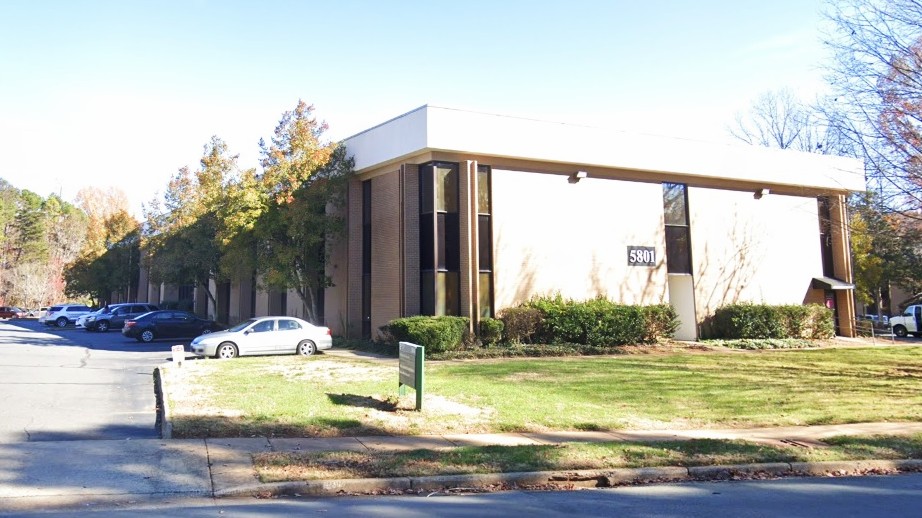
The Carter Clinic, P.A. | 4009 Barrett Dr | The Carter Clinic provides mental health and substance abuse treatments for clients in Raleigh, North Carolina. They support North Carolinians through 12 locations ... more details › | Treatment Programs Insurance Detox Nearly all drug rehabs in North Carolina begin with a detox program. When this process is complete, all addictive substances will be purged from your body. You can then move on to the next steps of drug rehab in North Carolina. Outpatient Outpatient rehab in North Carolina is often the next step for those who complete an inpatient program. This less restrictive treatment involves several hours of therapy per week, and accountability through 12-step meetings such as AA. You’ll continue this treatment as long as needed, which could be weeks, months, or years. | Treatment Programs Insurance Medicaid If need help with the cost of alcohol and drug rehab in North Carolina, you may be eligible for Medicaid. This coverage can assist with the cost of treatment, including detox, inpatient rehab, and more, but the amount covered may vary. Medicare If you're enrolled in Medicare, or find out you’re eligible for Medicare, you may be able to use your Medicare benefits to help pay for alcohol and drug rehab in North Carolina. The amount of coverage will depend on many things, including whether you are seeking inpatient or outpatient treatment for substance abuse. Tricare Administered by the Department of Defense, TRICARE offers comprehensive military health insurance plans for active and retired military members and their families. Similar to PPO programs offered by private insurance companies, TRICARE covers multiple levels of care for addiction treatment, including detox, inpatient rehab, and outpatient services. Private Your insurer may help cover the cost of alcohol and drug rehab in North Carolina. The amount covered will depend on your policy and whether the treatment center is in-network or out-of-network. You may be left with some costs like a co-payment, or co-insurance. Check with your insurer for more information. Payment In North Carolina, you have the option to take charge of your treatment costs and pay out-of-pocket, known as self-pay or private pay. Paying for alcohol and drug rehab in North Carolina, you to access all levels of care — including detox in North Carolina, and inpatient rehab in North Carolina —without being subject to the limitations of your insurance provider. +3 | |
Raleigh Rescue Mission | 314 E Hargett St | Raleigh Rescue Mission is a faith based nonprofit providing emergency shelter and residential recovery programming for men experiencing homelessness and addiction in ... more details › | Treatment Programs Insurance Inpatient When you choose inpatient drug rehab in North Carolina, you’ll live at a rehab facility for 28 to 90 days, depending on the program. Typical methods of treatment include group and individual therapy and family counseling. Dual Diagnosis Some of the most common co-occurring mental health disorders include anxiety, depression, and eating disorders. When these are present alongside substance use disorder, dual diagnosis treatment in North Carolina is necessary to address both conditions. Aftercare Aftercare rehab in North Carolina is a crucial part of relapse prevention. It gives you access to resources that will help you manage stress and overcome life hurdles. Typical services include career coaching, financial guidance, and ongoing counseling and emotional support. These may continue for a few months or more than a year after initial rehab. +1 | Treatment Programs Insurance Payment In North Carolina, you have the option to take charge of your treatment costs and pay out-of-pocket, known as self-pay or private pay. Paying for alcohol and drug rehab in North Carolina, you to access all levels of care — including detox in North Carolina, and inpatient rehab in North Carolina —without being subject to the limitations of your insurance provider. | |
Carolina Performance | 8300 Health Park | Raleigh, North Carolina residents can turn to Carolina Performance for outpatient counseling. They support people with mental health concerns including addiction. ... more details › | Treatment Programs Insurance Detox Nearly all drug rehabs in North Carolina begin with a detox program. When this process is complete, all addictive substances will be purged from your body. You can then move on to the next steps of drug rehab in North Carolina. Outpatient Outpatient rehab in North Carolina is often the next step for those who complete an inpatient program. This less restrictive treatment involves several hours of therapy per week, and accountability through 12-step meetings such as AA. You’ll continue this treatment as long as needed, which could be weeks, months, or years. | Treatment Programs Insurance Private Your insurer may help cover the cost of alcohol and drug rehab in North Carolina. The amount covered will depend on your policy and whether the treatment center is in-network or out-of-network. You may be left with some costs like a co-payment, or co-insurance. Check with your insurer for more information. Payment In North Carolina, you have the option to take charge of your treatment costs and pay out-of-pocket, known as self-pay or private pay. Paying for alcohol and drug rehab in North Carolina, you to access all levels of care — including detox in North Carolina, and inpatient rehab in North Carolina —without being subject to the limitations of your insurance provider. | |
Elwyn | 5509 Creedmoor Rd | Community-Based Capacity Restoration Program, or CBCRP, at Elwyn, is a treatment program in Raleigh, North Carolina. I've learned that program is community ... more details › | Treatment Programs Insurance Detox Nearly all drug rehabs in North Carolina begin with a detox program. When this process is complete, all addictive substances will be purged from your body. You can then move on to the next steps of drug rehab in North Carolina. Outpatient Outpatient rehab in North Carolina is often the next step for those who complete an inpatient program. This less restrictive treatment involves several hours of therapy per week, and accountability through 12-step meetings such as AA. You’ll continue this treatment as long as needed, which could be weeks, months, or years. Dual Diagnosis Some of the most common co-occurring mental health disorders include anxiety, depression, and eating disorders. When these are present alongside substance use disorder, dual diagnosis treatment in North Carolina is necessary to address both conditions. Aftercare Aftercare rehab in North Carolina is a crucial part of relapse prevention. It gives you access to resources that will help you manage stress and overcome life hurdles. Typical services include career coaching, financial guidance, and ongoing counseling and emotional support. These may continue for a few months or more than a year after initial rehab. +2 | Treatment Programs Insurance Medicaid If need help with the cost of alcohol and drug rehab in North Carolina, you may be eligible for Medicaid. This coverage can assist with the cost of treatment, including detox, inpatient rehab, and more, but the amount covered may vary. Medicare If you're enrolled in Medicare, or find out you’re eligible for Medicare, you may be able to use your Medicare benefits to help pay for alcohol and drug rehab in North Carolina. The amount of coverage will depend on many things, including whether you are seeking inpatient or outpatient treatment for substance abuse. Financial Aid If you’re struggling to cover the cost of alcohol and drug rehab in North Carolina, financial aid may be a good solution. Financial assistance options include grants, scholarships, non-profit programs, personal funding, and health insurance programs to help you manage the expense of substance abuse treatment. Private Your insurer may help cover the cost of alcohol and drug rehab in North Carolina. The amount covered will depend on your policy and whether the treatment center is in-network or out-of-network. You may be left with some costs like a co-payment, or co-insurance. Check with your insurer for more information. Payment In North Carolina, you have the option to take charge of your treatment costs and pay out-of-pocket, known as self-pay or private pay. Paying for alcohol and drug rehab in North Carolina, you to access all levels of care — including detox in North Carolina, and inpatient rehab in North Carolina —without being subject to the limitations of your insurance provider. +3 | |
SouthLight Healthcare | 2101 Garner Rd | Southlight Healthcare Garner Road is located in Raleigh, North Carolina. This is a drug rehab facility that serves men and women who are ready to start their journey ... more details › | Treatment Programs Insurance Detox Nearly all drug rehabs in North Carolina begin with a detox program. When this process is complete, all addictive substances will be purged from your body. You can then move on to the next steps of drug rehab in North Carolina. Inpatient When you choose inpatient drug rehab in North Carolina, you’ll live at a rehab facility for 28 to 90 days, depending on the program. Typical methods of treatment include group and individual therapy and family counseling. Outpatient Outpatient rehab in North Carolina is often the next step for those who complete an inpatient program. This less restrictive treatment involves several hours of therapy per week, and accountability through 12-step meetings such as AA. You’ll continue this treatment as long as needed, which could be weeks, months, or years. Dual Diagnosis Some of the most common co-occurring mental health disorders include anxiety, depression, and eating disorders. When these are present alongside substance use disorder, dual diagnosis treatment in North Carolina is necessary to address both conditions. Aftercare Aftercare rehab in North Carolina is a crucial part of relapse prevention. It gives you access to resources that will help you manage stress and overcome life hurdles. Typical services include career coaching, financial guidance, and ongoing counseling and emotional support. These may continue for a few months or more than a year after initial rehab. +3 | Treatment Programs Insurance Medicaid If need help with the cost of alcohol and drug rehab in North Carolina, you may be eligible for Medicaid. This coverage can assist with the cost of treatment, including detox, inpatient rehab, and more, but the amount covered may vary. Medicare If you're enrolled in Medicare, or find out you’re eligible for Medicare, you may be able to use your Medicare benefits to help pay for alcohol and drug rehab in North Carolina. The amount of coverage will depend on many things, including whether you are seeking inpatient or outpatient treatment for substance abuse. Financial Aid If you’re struggling to cover the cost of alcohol and drug rehab in North Carolina, financial aid may be a good solution. Financial assistance options include grants, scholarships, non-profit programs, personal funding, and health insurance programs to help you manage the expense of substance abuse treatment. Private Your insurer may help cover the cost of alcohol and drug rehab in North Carolina. The amount covered will depend on your policy and whether the treatment center is in-network or out-of-network. You may be left with some costs like a co-payment, or co-insurance. Check with your insurer for more information. Payment In North Carolina, you have the option to take charge of your treatment costs and pay out-of-pocket, known as self-pay or private pay. Paying for alcohol and drug rehab in North Carolina, you to access all levels of care — including detox in North Carolina, and inpatient rehab in North Carolina —without being subject to the limitations of your insurance provider. +3 | |
Genesis DWI Services | 319 Chapanoke Road, Ste 114G, Raleigh, NC 27603 | Genesis DWI Services is an outpatient substance use treatment provider in Raleigh, North Carolina, specializing in DWI, DMV and court-related assessment and treatment ... more details › | Treatment Programs Insurance Outpatient Outpatient rehab in North Carolina is often the next step for those who complete an inpatient program. This less restrictive treatment involves several hours of therapy per week, and accountability through 12-step meetings such as AA. You’ll continue this treatment as long as needed, which could be weeks, months, or years. | Treatment Programs Insurance Financial Aid If you’re struggling to cover the cost of alcohol and drug rehab in North Carolina, financial aid may be a good solution. Financial assistance options include grants, scholarships, non-profit programs, personal funding, and health insurance programs to help you manage the expense of substance abuse treatment. Tricare Administered by the Department of Defense, TRICARE offers comprehensive military health insurance plans for active and retired military members and their families. Similar to PPO programs offered by private insurance companies, TRICARE covers multiple levels of care for addiction treatment, including detox, inpatient rehab, and outpatient services. Private Your insurer may help cover the cost of alcohol and drug rehab in North Carolina. The amount covered will depend on your policy and whether the treatment center is in-network or out-of-network. You may be left with some costs like a co-payment, or co-insurance. Check with your insurer for more information. Payment In North Carolina, you have the option to take charge of your treatment costs and pay out-of-pocket, known as self-pay or private pay. Paying for alcohol and drug rehab in North Carolina, you to access all levels of care — including detox in North Carolina, and inpatient rehab in North Carolina —without being subject to the limitations of your insurance provider. +2 | |
Healing Transitions – Women’s Campus | 3304 Glen Royal Rd | Healing Transitions, in Raleigh, North Carolina, provides free life changing services to adults in Wake County. They especially focus on the homeless, underserved and ... more details › | Treatment Programs Insurance Detox Nearly all drug rehabs in North Carolina begin with a detox program. When this process is complete, all addictive substances will be purged from your body. You can then move on to the next steps of drug rehab in North Carolina. Inpatient When you choose inpatient drug rehab in North Carolina, you’ll live at a rehab facility for 28 to 90 days, depending on the program. Typical methods of treatment include group and individual therapy and family counseling. | Treatment Programs Insurance Payment In North Carolina, you have the option to take charge of your treatment costs and pay out-of-pocket, known as self-pay or private pay. Paying for alcohol and drug rehab in North Carolina, you to access all levels of care — including detox in North Carolina, and inpatient rehab in North Carolina —without being subject to the limitations of your insurance provider. | |
Holly Hill Hospital | 3019 Falstaff Rd | Medicare and TRICARE, the military health program, are two payers Holly Hill Hospital works with. It's a more details › | Treatment Programs Insurance Detox Nearly all drug rehabs in North Carolina begin with a detox program. When this process is complete, all addictive substances will be purged from your body. You can then move on to the next steps of drug rehab in North Carolina. Inpatient When you choose inpatient drug rehab in North Carolina, you’ll live at a rehab facility for 28 to 90 days, depending on the program. Typical methods of treatment include group and individual therapy and family counseling. Dual Diagnosis Some of the most common co-occurring mental health disorders include anxiety, depression, and eating disorders. When these are present alongside substance use disorder, dual diagnosis treatment in North Carolina is necessary to address both conditions. +1 | Treatment Programs Insurance Medicaid If need help with the cost of alcohol and drug rehab in North Carolina, you may be eligible for Medicaid. This coverage can assist with the cost of treatment, including detox, inpatient rehab, and more, but the amount covered may vary. Medicare If you're enrolled in Medicare, or find out you’re eligible for Medicare, you may be able to use your Medicare benefits to help pay for alcohol and drug rehab in North Carolina. The amount of coverage will depend on many things, including whether you are seeking inpatient or outpatient treatment for substance abuse. Financial Aid If you’re struggling to cover the cost of alcohol and drug rehab in North Carolina, financial aid may be a good solution. Financial assistance options include grants, scholarships, non-profit programs, personal funding, and health insurance programs to help you manage the expense of substance abuse treatment. Tricare Administered by the Department of Defense, TRICARE offers comprehensive military health insurance plans for active and retired military members and their families. Similar to PPO programs offered by private insurance companies, TRICARE covers multiple levels of care for addiction treatment, including detox, inpatient rehab, and outpatient services. Private Your insurer may help cover the cost of alcohol and drug rehab in North Carolina. The amount covered will depend on your policy and whether the treatment center is in-network or out-of-network. You may be left with some costs like a co-payment, or co-insurance. Check with your insurer for more information. Payment In North Carolina, you have the option to take charge of your treatment costs and pay out-of-pocket, known as self-pay or private pay. Paying for alcohol and drug rehab in North Carolina, you to access all levels of care — including detox in North Carolina, and inpatient rehab in North Carolina —without being subject to the limitations of your insurance provider. +4 | |
Triangle Springs | 10901 World Trade Blvd | Triangle Springs is a behavioral health hospital in Raleigh, North Carolina that offers treatment for adults and older adults with substance use and mental health ... more details › | Treatment Programs Insurance Detox Nearly all drug rehabs in North Carolina begin with a detox program. When this process is complete, all addictive substances will be purged from your body. You can then move on to the next steps of drug rehab in North Carolina. Inpatient When you choose inpatient drug rehab in North Carolina, you’ll live at a rehab facility for 28 to 90 days, depending on the program. Typical methods of treatment include group and individual therapy and family counseling. PHP Partial hospitalization programs (PHPs) in North Carolina give you structured treatment during the day but allow you to return home at night. PHPs can include elements like group therapy, individual counseling, and medication management. Outpatient Outpatient rehab in North Carolina is often the next step for those who complete an inpatient program. This less restrictive treatment involves several hours of therapy per week, and accountability through 12-step meetings such as AA. You’ll continue this treatment as long as needed, which could be weeks, months, or years. +2 | Treatment Programs Insurance Tricare Administered by the Department of Defense, TRICARE offers comprehensive military health insurance plans for active and retired military members and their families. Similar to PPO programs offered by private insurance companies, TRICARE covers multiple levels of care for addiction treatment, including detox, inpatient rehab, and outpatient services. Private Your insurer may help cover the cost of alcohol and drug rehab in North Carolina. The amount covered will depend on your policy and whether the treatment center is in-network or out-of-network. You may be left with some costs like a co-payment, or co-insurance. Check with your insurer for more information. Payment In North Carolina, you have the option to take charge of your treatment costs and pay out-of-pocket, known as self-pay or private pay. Paying for alcohol and drug rehab in North Carolina, you to access all levels of care — including detox in North Carolina, and inpatient rehab in North Carolina —without being subject to the limitations of your insurance provider. +1 | |
Morse Clinic Of North Raleigh | 3209 Gresham Lake Rd | Morse Clinic of North Raleigh in Raleigh, North Carolina, provides opioid and drug rehab services to men, women and young adults living with a co-occurring disorder or ... more details › | Treatment Programs Insurance Detox Nearly all drug rehabs in North Carolina begin with a detox program. When this process is complete, all addictive substances will be purged from your body. You can then move on to the next steps of drug rehab in North Carolina. Outpatient Outpatient rehab in North Carolina is often the next step for those who complete an inpatient program. This less restrictive treatment involves several hours of therapy per week, and accountability through 12-step meetings such as AA. You’ll continue this treatment as long as needed, which could be weeks, months, or years. Dual Diagnosis Some of the most common co-occurring mental health disorders include anxiety, depression, and eating disorders. When these are present alongside substance use disorder, dual diagnosis treatment in North Carolina is necessary to address both conditions. +1 | Treatment Programs Insurance Medicaid If need help with the cost of alcohol and drug rehab in North Carolina, you may be eligible for Medicaid. This coverage can assist with the cost of treatment, including detox, inpatient rehab, and more, but the amount covered may vary. Financial Aid If you’re struggling to cover the cost of alcohol and drug rehab in North Carolina, financial aid may be a good solution. Financial assistance options include grants, scholarships, non-profit programs, personal funding, and health insurance programs to help you manage the expense of substance abuse treatment. Payment In North Carolina, you have the option to take charge of your treatment costs and pay out-of-pocket, known as self-pay or private pay. Paying for alcohol and drug rehab in North Carolina, you to access all levels of care — including detox in North Carolina, and inpatient rehab in North Carolina —without being subject to the limitations of your insurance provider. +1 | |
New Season Treatment Center – Raleigh | 3911 New Bern Ave | New Season Treatment Center – Raleigh is an outpatient opioid addiction treatment provider in Raleigh, North Carolina specializing in medication assisted treatment ... more details › | Treatment Programs Insurance Detox Nearly all drug rehabs in North Carolina begin with a detox program. When this process is complete, all addictive substances will be purged from your body. You can then move on to the next steps of drug rehab in North Carolina. Outpatient Outpatient rehab in North Carolina is often the next step for those who complete an inpatient program. This less restrictive treatment involves several hours of therapy per week, and accountability through 12-step meetings such as AA. You’ll continue this treatment as long as needed, which could be weeks, months, or years. | Treatment Programs Insurance Medicaid If need help with the cost of alcohol and drug rehab in North Carolina, you may be eligible for Medicaid. This coverage can assist with the cost of treatment, including detox, inpatient rehab, and more, but the amount covered may vary. Private Your insurer may help cover the cost of alcohol and drug rehab in North Carolina. The amount covered will depend on your policy and whether the treatment center is in-network or out-of-network. You may be left with some costs like a co-payment, or co-insurance. Check with your insurer for more information. Payment In North Carolina, you have the option to take charge of your treatment costs and pay out-of-pocket, known as self-pay or private pay. Paying for alcohol and drug rehab in North Carolina, you to access all levels of care — including detox in North Carolina, and inpatient rehab in North Carolina —without being subject to the limitations of your insurance provider. +1 | |
Wake Recovery Response Center | 107 Sunnybrook Rd | Raleigh, North Carolina is a city full of interesting museums and historical sites, many of which are free to visit. It’s a hub for technology research too and has a ... more details › | Treatment Programs Insurance Detox Nearly all drug rehabs in North Carolina begin with a detox program. When this process is complete, all addictive substances will be purged from your body. You can then move on to the next steps of drug rehab in North Carolina. Inpatient When you choose inpatient drug rehab in North Carolina, you’ll live at a rehab facility for 28 to 90 days, depending on the program. Typical methods of treatment include group and individual therapy and family counseling. | Treatment Programs Insurance Medicaid If need help with the cost of alcohol and drug rehab in North Carolina, you may be eligible for Medicaid. This coverage can assist with the cost of treatment, including detox, inpatient rehab, and more, but the amount covered may vary. Medicare If you're enrolled in Medicare, or find out you’re eligible for Medicare, you may be able to use your Medicare benefits to help pay for alcohol and drug rehab in North Carolina. The amount of coverage will depend on many things, including whether you are seeking inpatient or outpatient treatment for substance abuse. Financial Aid If you’re struggling to cover the cost of alcohol and drug rehab in North Carolina, financial aid may be a good solution. Financial assistance options include grants, scholarships, non-profit programs, personal funding, and health insurance programs to help you manage the expense of substance abuse treatment. Private Your insurer may help cover the cost of alcohol and drug rehab in North Carolina. The amount covered will depend on your policy and whether the treatment center is in-network or out-of-network. You may be left with some costs like a co-payment, or co-insurance. Check with your insurer for more information. Payment In North Carolina, you have the option to take charge of your treatment costs and pay out-of-pocket, known as self-pay or private pay. Paying for alcohol and drug rehab in North Carolina, you to access all levels of care — including detox in North Carolina, and inpatient rehab in North Carolina —without being subject to the limitations of your insurance provider. +3 | |
Green Hill Recovery | 6124 St Giles St | Green Hill Recovery offers mental health counseling and alcohol and drug rehab services for young adult men in the Raleigh, North Carolina area. They provide intensive ... more details › | Treatment Programs Insurance Detox Nearly all drug rehabs in North Carolina begin with a detox program. When this process is complete, all addictive substances will be purged from your body. You can then move on to the next steps of drug rehab in North Carolina. Inpatient When you choose inpatient drug rehab in North Carolina, you’ll live at a rehab facility for 28 to 90 days, depending on the program. Typical methods of treatment include group and individual therapy and family counseling. Outpatient Outpatient rehab in North Carolina is often the next step for those who complete an inpatient program. This less restrictive treatment involves several hours of therapy per week, and accountability through 12-step meetings such as AA. You’ll continue this treatment as long as needed, which could be weeks, months, or years. +1 | Treatment Programs Insurance Private Your insurer may help cover the cost of alcohol and drug rehab in North Carolina. The amount covered will depend on your policy and whether the treatment center is in-network or out-of-network. You may be left with some costs like a co-payment, or co-insurance. Check with your insurer for more information. Payment In North Carolina, you have the option to take charge of your treatment costs and pay out-of-pocket, known as self-pay or private pay. Paying for alcohol and drug rehab in North Carolina, you to access all levels of care — including detox in North Carolina, and inpatient rehab in North Carolina —without being subject to the limitations of your insurance provider. | |
Wake County VA Clinic | 3040 Hammond Business Pl | Wake County VA Clinic, part of the VA Durham Health Care System, is a community-based outpatient clinic in Raleigh, North Carolina offering primary care and mental ... more details › | Treatment Programs Insurance Outpatient Outpatient rehab in North Carolina is often the next step for those who complete an inpatient program. This less restrictive treatment involves several hours of therapy per week, and accountability through 12-step meetings such as AA. You’ll continue this treatment as long as needed, which could be weeks, months, or years. Dual Diagnosis Some of the most common co-occurring mental health disorders include anxiety, depression, and eating disorders. When these are present alongside substance use disorder, dual diagnosis treatment in North Carolina is necessary to address both conditions. | Treatment Programs Insurance Medicaid If need help with the cost of alcohol and drug rehab in North Carolina, you may be eligible for Medicaid. This coverage can assist with the cost of treatment, including detox, inpatient rehab, and more, but the amount covered may vary. Medicare If you're enrolled in Medicare, or find out you’re eligible for Medicare, you may be able to use your Medicare benefits to help pay for alcohol and drug rehab in North Carolina. The amount of coverage will depend on many things, including whether you are seeking inpatient or outpatient treatment for substance abuse. Financial Aid If you’re struggling to cover the cost of alcohol and drug rehab in North Carolina, financial aid may be a good solution. Financial assistance options include grants, scholarships, non-profit programs, personal funding, and health insurance programs to help you manage the expense of substance abuse treatment. Tricare Administered by the Department of Defense, TRICARE offers comprehensive military health insurance plans for active and retired military members and their families. Similar to PPO programs offered by private insurance companies, TRICARE covers multiple levels of care for addiction treatment, including detox, inpatient rehab, and outpatient services. Private Your insurer may help cover the cost of alcohol and drug rehab in North Carolina. The amount covered will depend on your policy and whether the treatment center is in-network or out-of-network. You may be left with some costs like a co-payment, or co-insurance. Check with your insurer for more information. Payment In North Carolina, you have the option to take charge of your treatment costs and pay out-of-pocket, known as self-pay or private pay. Paying for alcohol and drug rehab in North Carolina, you to access all levels of care — including detox in North Carolina, and inpatient rehab in North Carolina —without being subject to the limitations of your insurance provider. +4 | |
Monarch Behavioral Health Outpatient Office – Raleigh | 319 Chapanoke Rd | Monarch Behavioral Health Outpatient Office provides accessible outpatient addiction treatment in Raleigh, North Carolina. Located on Chapanoke Road, the facility ... more details › | Treatment Programs Insurance Inpatient When you choose inpatient drug rehab in North Carolina, you’ll live at a rehab facility for 28 to 90 days, depending on the program. Typical methods of treatment include group and individual therapy and family counseling. Outpatient Outpatient rehab in North Carolina is often the next step for those who complete an inpatient program. This less restrictive treatment involves several hours of therapy per week, and accountability through 12-step meetings such as AA. You’ll continue this treatment as long as needed, which could be weeks, months, or years. Dual Diagnosis Some of the most common co-occurring mental health disorders include anxiety, depression, and eating disorders. When these are present alongside substance use disorder, dual diagnosis treatment in North Carolina is necessary to address both conditions. +1 | Treatment Programs Insurance Medicaid If need help with the cost of alcohol and drug rehab in North Carolina, you may be eligible for Medicaid. This coverage can assist with the cost of treatment, including detox, inpatient rehab, and more, but the amount covered may vary. Medicare If you're enrolled in Medicare, or find out you’re eligible for Medicare, you may be able to use your Medicare benefits to help pay for alcohol and drug rehab in North Carolina. The amount of coverage will depend on many things, including whether you are seeking inpatient or outpatient treatment for substance abuse. Tricare Administered by the Department of Defense, TRICARE offers comprehensive military health insurance plans for active and retired military members and their families. Similar to PPO programs offered by private insurance companies, TRICARE covers multiple levels of care for addiction treatment, including detox, inpatient rehab, and outpatient services. Private Your insurer may help cover the cost of alcohol and drug rehab in North Carolina. The amount covered will depend on your policy and whether the treatment center is in-network or out-of-network. You may be left with some costs like a co-payment, or co-insurance. Check with your insurer for more information. Payment In North Carolina, you have the option to take charge of your treatment costs and pay out-of-pocket, known as self-pay or private pay. Paying for alcohol and drug rehab in North Carolina, you to access all levels of care — including detox in North Carolina, and inpatient rehab in North Carolina —without being subject to the limitations of your insurance provider. +3 | |
New Waters Recovery & Detox North Carolina | 3810 Bland Rd | New Waters Recovery & Detox is located in Reighigh, North Carolina. They serve men, women, and working professionals who’re living with a substance use disorder or a ... more details › | Treatment Programs Insurance Detox Nearly all drug rehabs in North Carolina begin with a detox program. When this process is complete, all addictive substances will be purged from your body. You can then move on to the next steps of drug rehab in North Carolina. Outpatient Outpatient rehab in North Carolina is often the next step for those who complete an inpatient program. This less restrictive treatment involves several hours of therapy per week, and accountability through 12-step meetings such as AA. You’ll continue this treatment as long as needed, which could be weeks, months, or years. Dual Diagnosis Some of the most common co-occurring mental health disorders include anxiety, depression, and eating disorders. When these are present alongside substance use disorder, dual diagnosis treatment in North Carolina is necessary to address both conditions. Aftercare Aftercare rehab in North Carolina is a crucial part of relapse prevention. It gives you access to resources that will help you manage stress and overcome life hurdles. Typical services include career coaching, financial guidance, and ongoing counseling and emotional support. These may continue for a few months or more than a year after initial rehab. +2 | Treatment Programs Insurance Private Your insurer may help cover the cost of alcohol and drug rehab in North Carolina. The amount covered will depend on your policy and whether the treatment center is in-network or out-of-network. You may be left with some costs like a co-payment, or co-insurance. Check with your insurer for more information. Payment In North Carolina, you have the option to take charge of your treatment costs and pay out-of-pocket, known as self-pay or private pay. Paying for alcohol and drug rehab in North Carolina, you to access all levels of care — including detox in North Carolina, and inpatient rehab in North Carolina —without being subject to the limitations of your insurance provider. | |
Healing Transitions – Men’s Campus | 1251 Goode St | Healing Transitions is an addiction treatment center in Raleigh, North Carolina serving homeless, uninsured and underinsured adults struggling with alcohol and drug ... more details › | Treatment Programs Insurance Detox Nearly all drug rehabs in North Carolina begin with a detox program. When this process is complete, all addictive substances will be purged from your body. You can then move on to the next steps of drug rehab in North Carolina. Inpatient When you choose inpatient drug rehab in North Carolina, you’ll live at a rehab facility for 28 to 90 days, depending on the program. Typical methods of treatment include group and individual therapy and family counseling. Outpatient Outpatient rehab in North Carolina is often the next step for those who complete an inpatient program. This less restrictive treatment involves several hours of therapy per week, and accountability through 12-step meetings such as AA. You’ll continue this treatment as long as needed, which could be weeks, months, or years. +1 | Treatment Programs Insurance Free Most states offer free alcohol and drug rehabs through public mental health and addiction treatment centers. These centers often provide detox, intensive outpatient programs (IOPs), residential treatment, partial hospitalization programs (PHPs), and support groups. You must meet certain requirements in order to qualify for free alcohol and drug rehabs, such as lack of income and insurance. Financial Aid If you’re struggling to cover the cost of alcohol and drug rehab in North Carolina, financial aid may be a good solution. Financial assistance options include grants, scholarships, non-profit programs, personal funding, and health insurance programs to help you manage the expense of substance abuse treatment. | |
Raleigh VA Clinic | 3305 Sungate Blvd | Raleigh VA Clinic is a Veterans Affairs outpatient clinic in Raleigh, North Carolina, serving veterans within the Durham VA Health Care System. The clinic ... more details › | Treatment Programs Insurance Inpatient When you choose inpatient drug rehab in North Carolina, you’ll live at a rehab facility for 28 to 90 days, depending on the program. Typical methods of treatment include group and individual therapy and family counseling. Outpatient Outpatient rehab in North Carolina is often the next step for those who complete an inpatient program. This less restrictive treatment involves several hours of therapy per week, and accountability through 12-step meetings such as AA. You’ll continue this treatment as long as needed, which could be weeks, months, or years. Dual Diagnosis Some of the most common co-occurring mental health disorders include anxiety, depression, and eating disorders. When these are present alongside substance use disorder, dual diagnosis treatment in North Carolina is necessary to address both conditions. Aftercare Aftercare rehab in North Carolina is a crucial part of relapse prevention. It gives you access to resources that will help you manage stress and overcome life hurdles. Typical services include career coaching, financial guidance, and ongoing counseling and emotional support. These may continue for a few months or more than a year after initial rehab. Intervention Recovery journeys often begin with intervention services in North Carolina. This treatment tool provides key support in planning and facilitating an effective intervention. Intervention specialists can also provide resources to develop treatment plans and guide families through the admission process. +3 | Treatment Programs Insurance Medicaid If need help with the cost of alcohol and drug rehab in North Carolina, you may be eligible for Medicaid. This coverage can assist with the cost of treatment, including detox, inpatient rehab, and more, but the amount covered may vary. Medicare If you're enrolled in Medicare, or find out you’re eligible for Medicare, you may be able to use your Medicare benefits to help pay for alcohol and drug rehab in North Carolina. The amount of coverage will depend on many things, including whether you are seeking inpatient or outpatient treatment for substance abuse. Financial Aid If you’re struggling to cover the cost of alcohol and drug rehab in North Carolina, financial aid may be a good solution. Financial assistance options include grants, scholarships, non-profit programs, personal funding, and health insurance programs to help you manage the expense of substance abuse treatment. Tricare Administered by the Department of Defense, TRICARE offers comprehensive military health insurance plans for active and retired military members and their families. Similar to PPO programs offered by private insurance companies, TRICARE covers multiple levels of care for addiction treatment, including detox, inpatient rehab, and outpatient services. Private Your insurer may help cover the cost of alcohol and drug rehab in North Carolina. The amount covered will depend on your policy and whether the treatment center is in-network or out-of-network. You may be left with some costs like a co-payment, or co-insurance. Check with your insurer for more information. Payment In North Carolina, you have the option to take charge of your treatment costs and pay out-of-pocket, known as self-pay or private pay. Paying for alcohol and drug rehab in North Carolina, you to access all levels of care — including detox in North Carolina, and inpatient rehab in North Carolina —without being subject to the limitations of your insurance provider. +4 | |
Thomas Supervised Care | 7016 Beaverwood Drive | Thomas Supervised Care is a residential behavioral health program providing supervised living and supportive care for adults with complex mental health and ... more details › | Treatment Programs Insurance Inpatient When you choose inpatient drug rehab in North Carolina, you’ll live at a rehab facility for 28 to 90 days, depending on the program. Typical methods of treatment include group and individual therapy and family counseling. Dual Diagnosis Some of the most common co-occurring mental health disorders include anxiety, depression, and eating disorders. When these are present alongside substance use disorder, dual diagnosis treatment in North Carolina is necessary to address both conditions. | Treatment Programs Insurance Medicaid If need help with the cost of alcohol and drug rehab in North Carolina, you may be eligible for Medicaid. This coverage can assist with the cost of treatment, including detox, inpatient rehab, and more, but the amount covered may vary. Medicare If you're enrolled in Medicare, or find out you’re eligible for Medicare, you may be able to use your Medicare benefits to help pay for alcohol and drug rehab in North Carolina. The amount of coverage will depend on many things, including whether you are seeking inpatient or outpatient treatment for substance abuse. Financial Aid If you’re struggling to cover the cost of alcohol and drug rehab in North Carolina, financial aid may be a good solution. Financial assistance options include grants, scholarships, non-profit programs, personal funding, and health insurance programs to help you manage the expense of substance abuse treatment. Private Your insurer may help cover the cost of alcohol and drug rehab in North Carolina. The amount covered will depend on your policy and whether the treatment center is in-network or out-of-network. You may be left with some costs like a co-payment, or co-insurance. Check with your insurer for more information. Payment In North Carolina, you have the option to take charge of your treatment costs and pay out-of-pocket, known as self-pay or private pay. Paying for alcohol and drug rehab in North Carolina, you to access all levels of care — including detox in North Carolina, and inpatient rehab in North Carolina —without being subject to the limitations of your insurance provider. +3 | |
Hope Services Llc | 3000 Highwoods Blvd Raleigh, NC 27604 | Hope Services LLC is a behavioral health agency in Raleigh, North Carolina offering mental health treatment for children, adolescents and families. The team provides a ... more details › | Treatment Programs Insurance Outpatient Outpatient rehab in North Carolina is often the next step for those who complete an inpatient program. This less restrictive treatment involves several hours of therapy per week, and accountability through 12-step meetings such as AA. You’ll continue this treatment as long as needed, which could be weeks, months, or years. Dual Diagnosis Some of the most common co-occurring mental health disorders include anxiety, depression, and eating disorders. When these are present alongside substance use disorder, dual diagnosis treatment in North Carolina is necessary to address both conditions. Aftercare Aftercare rehab in North Carolina is a crucial part of relapse prevention. It gives you access to resources that will help you manage stress and overcome life hurdles. Typical services include career coaching, financial guidance, and ongoing counseling and emotional support. These may continue for a few months or more than a year after initial rehab. Intervention Recovery journeys often begin with intervention services in North Carolina. This treatment tool provides key support in planning and facilitating an effective intervention. Intervention specialists can also provide resources to develop treatment plans and guide families through the admission process. +2 | Treatment Programs Insurance Medicaid If need help with the cost of alcohol and drug rehab in North Carolina, you may be eligible for Medicaid. This coverage can assist with the cost of treatment, including detox, inpatient rehab, and more, but the amount covered may vary. Medicare If you're enrolled in Medicare, or find out you’re eligible for Medicare, you may be able to use your Medicare benefits to help pay for alcohol and drug rehab in North Carolina. The amount of coverage will depend on many things, including whether you are seeking inpatient or outpatient treatment for substance abuse. Financial Aid If you’re struggling to cover the cost of alcohol and drug rehab in North Carolina, financial aid may be a good solution. Financial assistance options include grants, scholarships, non-profit programs, personal funding, and health insurance programs to help you manage the expense of substance abuse treatment. Tricare Administered by the Department of Defense, TRICARE offers comprehensive military health insurance plans for active and retired military members and their families. Similar to PPO programs offered by private insurance companies, TRICARE covers multiple levels of care for addiction treatment, including detox, inpatient rehab, and outpatient services. Private Your insurer may help cover the cost of alcohol and drug rehab in North Carolina. The amount covered will depend on your policy and whether the treatment center is in-network or out-of-network. You may be left with some costs like a co-payment, or co-insurance. Check with your insurer for more information. Payment In North Carolina, you have the option to take charge of your treatment costs and pay out-of-pocket, known as self-pay or private pay. Paying for alcohol and drug rehab in North Carolina, you to access all levels of care — including detox in North Carolina, and inpatient rehab in North Carolina —without being subject to the limitations of your insurance provider. +4 | |
Legacy Freedom Treatment Centers | 3824 Barrett Dr | Legacy Freedom Treatment Centers provides substance use services for adolescents and adults in Raleigh, North Carolina. They offer balance and structure to help guests ... more details › | Treatment Programs Insurance Outpatient Outpatient rehab in North Carolina is often the next step for those who complete an inpatient program. This less restrictive treatment involves several hours of therapy per week, and accountability through 12-step meetings such as AA. You’ll continue this treatment as long as needed, which could be weeks, months, or years. Dual Diagnosis Some of the most common co-occurring mental health disorders include anxiety, depression, and eating disorders. When these are present alongside substance use disorder, dual diagnosis treatment in North Carolina is necessary to address both conditions. Aftercare Aftercare rehab in North Carolina is a crucial part of relapse prevention. It gives you access to resources that will help you manage stress and overcome life hurdles. Typical services include career coaching, financial guidance, and ongoing counseling and emotional support. These may continue for a few months or more than a year after initial rehab. +1 | Treatment Programs Insurance Private Your insurer may help cover the cost of alcohol and drug rehab in North Carolina. The amount covered will depend on your policy and whether the treatment center is in-network or out-of-network. You may be left with some costs like a co-payment, or co-insurance. Check with your insurer for more information. Payment In North Carolina, you have the option to take charge of your treatment costs and pay out-of-pocket, known as self-pay or private pay. Paying for alcohol and drug rehab in North Carolina, you to access all levels of care — including detox in North Carolina, and inpatient rehab in North Carolina —without being subject to the limitations of your insurance provider. | |
Mindpath Health – Situs Ct, Raleigh – Closed | 1130 Situs Ct | MindPath Care Centers in Raleigh, North Carolina offered outpatient mental health care that felt approachable and practical. Whether you were navigating anxiety, ... more details › | Treatment Programs Insurance Inpatient When you choose inpatient drug rehab in North Carolina, you’ll live at a rehab facility for 28 to 90 days, depending on the program. Typical methods of treatment include group and individual therapy and family counseling. Dual Diagnosis Some of the most common co-occurring mental health disorders include anxiety, depression, and eating disorders. When these are present alongside substance use disorder, dual diagnosis treatment in North Carolina is necessary to address both conditions. | Treatment Programs Insurance Payment In North Carolina, you have the option to take charge of your treatment costs and pay out-of-pocket, known as self-pay or private pay. Paying for alcohol and drug rehab in North Carolina, you to access all levels of care — including detox in North Carolina, and inpatient rehab in North Carolina —without being subject to the limitations of your insurance provider. | |
UNC Health Care Addiction Treatment Center at WakeBrook | 107 Sunnybrook Rd | UNC Horizons is a women's substance use treatment program in Raleigh, North Carolina operating through the UNC Department of Obstetrics and Gynecology in partnership ... more details › | Treatment Programs Insurance Detox Nearly all drug rehabs in North Carolina begin with a detox program. When this process is complete, all addictive substances will be purged from your body. You can then move on to the next steps of drug rehab in North Carolina. Inpatient When you choose inpatient drug rehab in North Carolina, you’ll live at a rehab facility for 28 to 90 days, depending on the program. Typical methods of treatment include group and individual therapy and family counseling. | Treatment Programs Insurance Medicaid If need help with the cost of alcohol and drug rehab in North Carolina, you may be eligible for Medicaid. This coverage can assist with the cost of treatment, including detox, inpatient rehab, and more, but the amount covered may vary. Medicare If you're enrolled in Medicare, or find out you’re eligible for Medicare, you may be able to use your Medicare benefits to help pay for alcohol and drug rehab in North Carolina. The amount of coverage will depend on many things, including whether you are seeking inpatient or outpatient treatment for substance abuse. Financial Aid If you’re struggling to cover the cost of alcohol and drug rehab in North Carolina, financial aid may be a good solution. Financial assistance options include grants, scholarships, non-profit programs, personal funding, and health insurance programs to help you manage the expense of substance abuse treatment. Private Your insurer may help cover the cost of alcohol and drug rehab in North Carolina. The amount covered will depend on your policy and whether the treatment center is in-network or out-of-network. You may be left with some costs like a co-payment, or co-insurance. Check with your insurer for more information. Payment In North Carolina, you have the option to take charge of your treatment costs and pay out-of-pocket, known as self-pay or private pay. Paying for alcohol and drug rehab in North Carolina, you to access all levels of care — including detox in North Carolina, and inpatient rehab in North Carolina —without being subject to the limitations of your insurance provider. +3 | |
Anns Haven of Rest | 1016 E Millbrook Rd | Ann’s Haven of Rest is part of Crandell’s Enterprises, Inc., and is a group home for clients with substance use disorders, intellectual disabilities, and mental ... more details › | Treatment Programs Insurance Inpatient When you choose inpatient drug rehab in North Carolina, you’ll live at a rehab facility for 28 to 90 days, depending on the program. Typical methods of treatment include group and individual therapy and family counseling. Dual Diagnosis Some of the most common co-occurring mental health disorders include anxiety, depression, and eating disorders. When these are present alongside substance use disorder, dual diagnosis treatment in North Carolina is necessary to address both conditions. | Treatment Programs Insurance Medicaid If need help with the cost of alcohol and drug rehab in North Carolina, you may be eligible for Medicaid. This coverage can assist with the cost of treatment, including detox, inpatient rehab, and more, but the amount covered may vary. Medicare If you're enrolled in Medicare, or find out you’re eligible for Medicare, you may be able to use your Medicare benefits to help pay for alcohol and drug rehab in North Carolina. The amount of coverage will depend on many things, including whether you are seeking inpatient or outpatient treatment for substance abuse. Tricare Administered by the Department of Defense, TRICARE offers comprehensive military health insurance plans for active and retired military members and their families. Similar to PPO programs offered by private insurance companies, TRICARE covers multiple levels of care for addiction treatment, including detox, inpatient rehab, and outpatient services. Private Your insurer may help cover the cost of alcohol and drug rehab in North Carolina. The amount covered will depend on your policy and whether the treatment center is in-network or out-of-network. You may be left with some costs like a co-payment, or co-insurance. Check with your insurer for more information. Payment In North Carolina, you have the option to take charge of your treatment costs and pay out-of-pocket, known as self-pay or private pay. Paying for alcohol and drug rehab in North Carolina, you to access all levels of care — including detox in North Carolina, and inpatient rehab in North Carolina —without being subject to the limitations of your insurance provider. +3 | |
Southlight Healthcare | 2101 Garner Rd | In central North Carolina, Southlight Healthcare is an outpatient addiction treatment and mental health care provider. This location, formerly in Garner, is now ... more details › | Treatment Programs Insurance Detox Nearly all drug rehabs in North Carolina begin with a detox program. When this process is complete, all addictive substances will be purged from your body. You can then move on to the next steps of drug rehab in North Carolina. PHP Partial hospitalization programs (PHPs) in North Carolina give you structured treatment during the day but allow you to return home at night. PHPs can include elements like group therapy, individual counseling, and medication management. Outpatient Outpatient rehab in North Carolina is often the next step for those who complete an inpatient program. This less restrictive treatment involves several hours of therapy per week, and accountability through 12-step meetings such as AA. You’ll continue this treatment as long as needed, which could be weeks, months, or years. Dual Diagnosis Some of the most common co-occurring mental health disorders include anxiety, depression, and eating disorders. When these are present alongside substance use disorder, dual diagnosis treatment in North Carolina is necessary to address both conditions. Intervention Recovery journeys often begin with intervention services in North Carolina. This treatment tool provides key support in planning and facilitating an effective intervention. Intervention specialists can also provide resources to develop treatment plans and guide families through the admission process. +3 | Treatment Programs Insurance Medicaid If need help with the cost of alcohol and drug rehab in North Carolina, you may be eligible for Medicaid. This coverage can assist with the cost of treatment, including detox, inpatient rehab, and more, but the amount covered may vary. Financial Aid If you’re struggling to cover the cost of alcohol and drug rehab in North Carolina, financial aid may be a good solution. Financial assistance options include grants, scholarships, non-profit programs, personal funding, and health insurance programs to help you manage the expense of substance abuse treatment. Tricare Administered by the Department of Defense, TRICARE offers comprehensive military health insurance plans for active and retired military members and their families. Similar to PPO programs offered by private insurance companies, TRICARE covers multiple levels of care for addiction treatment, including detox, inpatient rehab, and outpatient services. Payment In North Carolina, you have the option to take charge of your treatment costs and pay out-of-pocket, known as self-pay or private pay. Paying for alcohol and drug rehab in North Carolina, you to access all levels of care — including detox in North Carolina, and inpatient rehab in North Carolina —without being subject to the limitations of your insurance provider. +2 |
Looking for free or low-cost addiction treatment in Raleigh, North Carolina, usually begins with determining the local treatment centers within reach. Detox, outpatient care, medication for opioid use disorder (MOUD), or harm reduction are services that are often sought when you are trying to stop using substances.
As the state capital and Wake County’s largest city, Raleigh has a greater concentration of that safety net than most of its neighbors. Knowing where to start still takes some digging, especially if stigma about asking for help is part of what is holding you back.
North Carolina’s Medicaid expansion has opened covered care to many working-age adults who did not qualify before, and Wake County runs an overdose prevention program, connecting people to treatment through a dedicated Recovery Court. Together, they give Raleigh residents more than one public door to knock on.
Raleigh is also home to Healing Transitions, a free peer-based recovery program offering shelter, non-medical detox, and long-term recovery support for Wake County adults experiencing homelessness or who are uninsured. For those further along, medication for opioid use disorder is available through providers like SouthLight Healthcare on a Medicaid, Medicare, or self-pay basis, so a lack of insurance does not have to be a dead end.
If a program’s waitlist or fit is not right, Garner sits just four miles away and Cary about eight, both with their own paths into care. The resources below cover government programs, harm reduction, nonprofit and peer support, organized so you can find a starting point today.
Free Treatment Score: 6.6 / 10. As Wake County’s seat and largest city, Raleigh sits at the center of a strong, if unevenly distributed, free and low-cost safety net.
Raleigh’s Free Treatment Score of 6.6 reflects a county where most of the pieces are already in place, concentrated in the city that is also the county seat. As North Carolina’s capital and Wake County’s largest city, Raleigh hosts the county’s main public health infrastructure, its largest peer-run recovery campus, and several outpatient providers that take Medicaid, Medicare, or no insurance at all, so there is usually a $0 or low-cost door within reach.
North Carolina’s Medicaid expansion widens who qualifies for covered care, and Medicaid rehab options in North Carolina exist beyond the county if a local fit is not found. Harm reduction is a genuine strength in the area. Wake County’s overdose response team, plus the statewide syringe-services network, are all reachable without insurance or a referral, even though the county’s official harm-reduction score looks modest on paper.
A good first step is to reach the county’s overdose prevention program through its website or call a statewide helpline for an assessment, and if a program is full or not the right fit, Garner and Cary are both a short drive away with more options.
Learn more about our Free Treatment Score methodology.

 800-783-0593
 Sponsored
