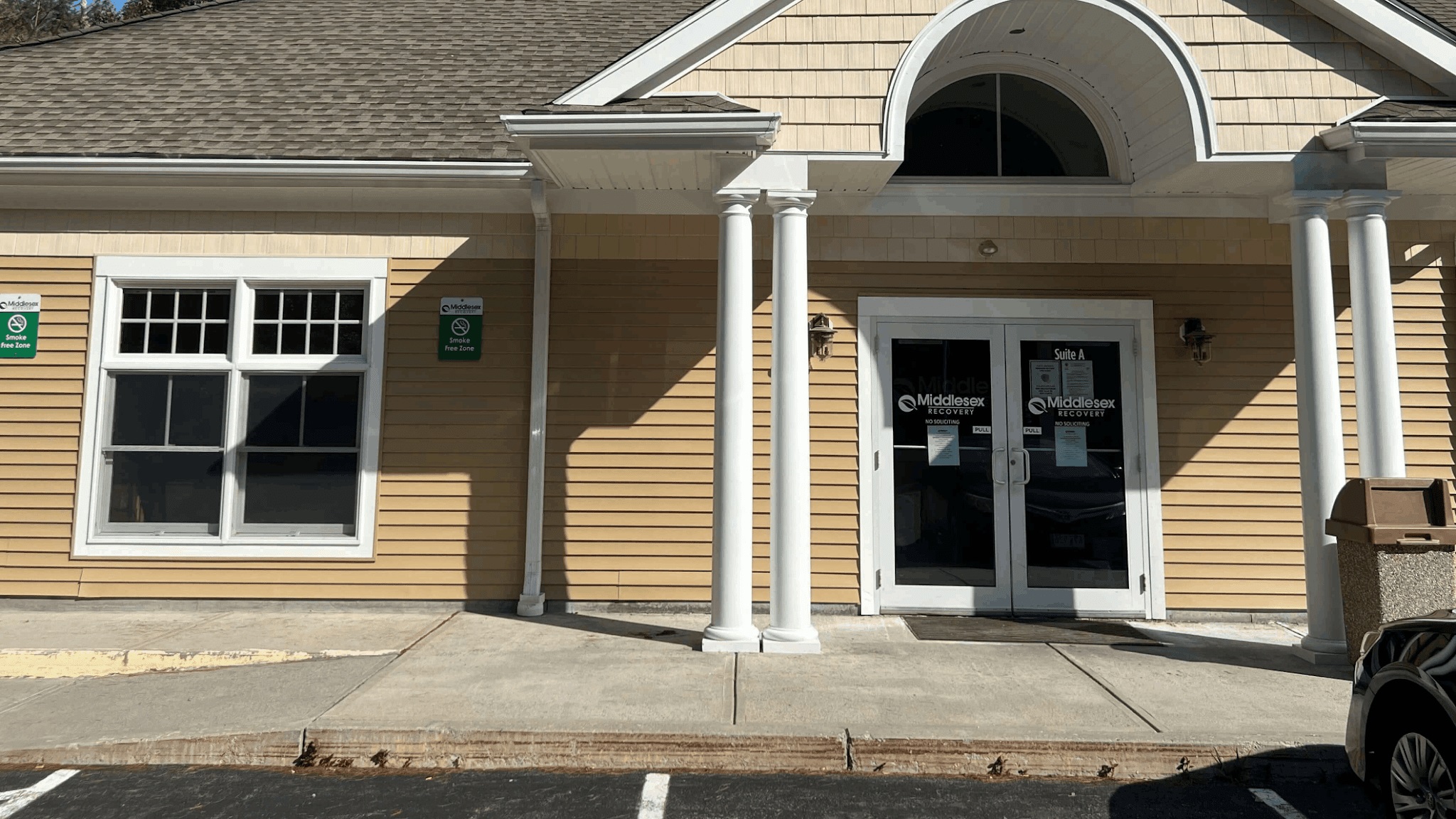
Middlesex Recovery Norton
Norton, MA
02766

Accredited drug rehab centers available across Cambridge.
Sliding-scale payments, financial aid, low-cost programs, and local nonprofits.
Medicare, Medicaid, TRICARE, plus local private health insurance coverage.


 Filter
| Name | Address | Description | Treatment | Insurance | Thumbnail |
|---|---|---|---|---|---|
Charles River Recovery | 75 Norumbega Rd | Located in Cambridge, Massachusetts is the Charles River Recovery drug rehabilitation treatment facility. This facility provides compassionate and comprehensive care ... more details › | Treatment Programs Insurance Detox The first step to a drug-free future is detox. This involves slowly and safely ridding your body of all addictive substances, under 24/7 supervision. This is typically the initial phase of drug rehab in Massachusetts. Inpatient As the most intensive treatment setting, inpatient drug rehab in Massachusetts treatment involves 24/7 supervised care. At this level of care, you typically participate in individual, group, and family therapy sessions, and you may receive medication and additional recreational therapies. Outpatient Massachusetts outpatient rehab does not have a defined timeline. The program is tailored to meet your recovery needs, and may last 90 days or a year or more. During this time, you will attend therapy sessions and support group meetings, for ongoing accountability and development of sober-living skills. Dual Diagnosis If you meet the diagnostic criteria for two or more conditions, you have a dual diagnosis. Massachusetts dual diagnosis treatment is designed to address both conditions simultaneously, for improved recovery outcomes. Intervention You don’t have to be an expert on interventions to help an addicted loved one. Staff members offer intervention services in Massachusetts, providing support when planning and facilitating an intervention, connecting you with community resources, and helping with the development of your loved one's treatment plan. +3 | Treatment Programs Insurance Private If you have private insurance, you can use it to help cover the cost of treatment. Most rehab insurance policies tend to have different coverage rates and costs that policyholders are responsible for paying, so check with your insurer for detailed information. Payment If you prefer to take control of the cost of your treatment, you can opt to pay for it yourself through self-pay options, also known as private pay. This option provides access to all levels of care — from detox to inpatient rehabilitation — because you’re not limited by the rules of insurers or state-run programs. | |
North Charles, Inc. | 54 Washburn Ave, | North Charles, Inc. is a behavioral health organization in Cambridge, Massachusetts whose North Charles Institute for the Addictions (NCIA) provides adult outpatient ... more details › | Treatment Programs Insurance Detox The first step to a drug-free future is detox. This involves slowly and safely ridding your body of all addictive substances, under 24/7 supervision. This is typically the initial phase of drug rehab in Massachusetts. Outpatient Massachusetts outpatient rehab does not have a defined timeline. The program is tailored to meet your recovery needs, and may last 90 days or a year or more. During this time, you will attend therapy sessions and support group meetings, for ongoing accountability and development of sober-living skills. Dual Diagnosis If you meet the diagnostic criteria for two or more conditions, you have a dual diagnosis. Massachusetts dual diagnosis treatment is designed to address both conditions simultaneously, for improved recovery outcomes. Intervention You don’t have to be an expert on interventions to help an addicted loved one. Staff members offer intervention services in Massachusetts, providing support when planning and facilitating an intervention, connecting you with community resources, and helping with the development of your loved one's treatment plan. +2 | Treatment Programs Insurance Medicaid If you're in need of financial assistance, MassHealth may be an option for you. MassHealth can help pay for all levels of care, including detox and inpatient rehabilitation. Medicare As a resident of Massachusetts with MassHealth Senior Care Options, you may have coverage options to help with the cost of treatment. The amount of coverage will depend on many things, including whether you are seeking inpatient or outpatient treatment for substance abuse. Financial Aid If you can't pay the full cost of treatment, a sliding scale payment plan may be a solution for you. This option provides access to all levels of care. To qualify for this treatment discount, you must complete an application and provide supporting financial documentation. Tricare Administered by the Department of Defense, TRICARE offers comprehensive military health insurance plans for active and retired military members and their families. Similar to PPO programs offered by private insurance companies, TRICARE covers multiple levels of care for addiction treatment, including detox, inpatient rehab, and outpatient services. Private If you have private insurance, you can use it to help cover the cost of treatment. Most rehab insurance policies tend to have different coverage rates and costs that policyholders are responsible for paying, so check with your insurer for detailed information. Payment If you prefer to take control of the cost of your treatment, you can opt to pay for it yourself through self-pay options, also known as private pay. This option provides access to all levels of care — from detox to inpatient rehabilitation — because you’re not limited by the rules of insurers or state-run programs. +4 | |
Avenues Recovery Center: Drug & Alcohol Rehab In Eastern Shore | 821 Fieldcrest Rd | Avenues Recovery Center at Eastern Shore is a residential drug and alcohol treatment center for adults situated in Cambridge, Massachusetts. Providing a full spectrum ... more details › | Treatment Programs Insurance Detox The first step to a drug-free future is detox. This involves slowly and safely ridding your body of all addictive substances, under 24/7 supervision. This is typically the initial phase of drug rehab in Massachusetts. Inpatient As the most intensive treatment setting, inpatient drug rehab in Massachusetts treatment involves 24/7 supervised care. At this level of care, you typically participate in individual, group, and family therapy sessions, and you may receive medication and additional recreational therapies. PHP Partial hospitalization programs (PHPs) in Massachusetts provide many of the same treatment services as an inpatient program, but you don’t have to stay overnight. PHPs often provide a bridge between inpatient and outpatient treatment. Outpatient Massachusetts outpatient rehab does not have a defined timeline. The program is tailored to meet your recovery needs, and may last 90 days or a year or more. During this time, you will attend therapy sessions and support group meetings, for ongoing accountability and development of sober-living skills. Dual Diagnosis If you meet the diagnostic criteria for two or more conditions, you have a dual diagnosis. Massachusetts dual diagnosis treatment is designed to address both conditions simultaneously, for improved recovery outcomes. Sober Living In Massachusetts sober living, you will take on more responsibility than rehab treatment requires. You’ll pay rent and work or attend school. You’ll also contribute to household chores. The goal is to learn how to live independently, free from drugs and alcohol. Intervention You don’t have to be an expert on interventions to help an addicted loved one. Staff members offer intervention services in Massachusetts, providing support when planning and facilitating an intervention, connecting you with community resources, and helping with the development of your loved one's treatment plan. +5 | Treatment Programs Insurance Private If you have private insurance, you can use it to help cover the cost of treatment. Most rehab insurance policies tend to have different coverage rates and costs that policyholders are responsible for paying, so check with your insurer for detailed information. Payment If you prefer to take control of the cost of your treatment, you can opt to pay for it yourself through self-pay options, also known as private pay. This option provides access to all levels of care — from detox to inpatient rehabilitation — because you’re not limited by the rules of insurers or state-run programs. | |
McLean Hospital – Gunderson Residence | 115 Mill St | McLean Hospital's Child & Teen Anxiety Mastery Program is an intensive outpatient mental health provider serving children and teens in Cambridge and Belmont, ... more details › | Treatment Programs Insurance Inpatient As the most intensive treatment setting, inpatient drug rehab in Massachusetts treatment involves 24/7 supervised care. At this level of care, you typically participate in individual, group, and family therapy sessions, and you may receive medication and additional recreational therapies. Outpatient Massachusetts outpatient rehab does not have a defined timeline. The program is tailored to meet your recovery needs, and may last 90 days or a year or more. During this time, you will attend therapy sessions and support group meetings, for ongoing accountability and development of sober-living skills. Dual Diagnosis If you meet the diagnostic criteria for two or more conditions, you have a dual diagnosis. Massachusetts dual diagnosis treatment is designed to address both conditions simultaneously, for improved recovery outcomes. Aftercare Aftercare rehab in Massachusetts gives you continued access to support after rehab. You may need assistance with job coaching, budgeting, education, or accountability as you re-enter your life. Aftercare programs provide these supports, so you can face challenges and maintain a sober lifestyle long-term. +2 | Treatment Programs Insurance Medicaid If you're in need of financial assistance, MassHealth may be an option for you. MassHealth can help pay for all levels of care, including detox and inpatient rehabilitation. Medicare As a resident of Massachusetts with MassHealth Senior Care Options, you may have coverage options to help with the cost of treatment. The amount of coverage will depend on many things, including whether you are seeking inpatient or outpatient treatment for substance abuse. Financial Aid If you can't pay the full cost of treatment, a sliding scale payment plan may be a solution for you. This option provides access to all levels of care. To qualify for this treatment discount, you must complete an application and provide supporting financial documentation. Tricare Administered by the Department of Defense, TRICARE offers comprehensive military health insurance plans for active and retired military members and their families. Similar to PPO programs offered by private insurance companies, TRICARE covers multiple levels of care for addiction treatment, including detox, inpatient rehab, and outpatient services. Private If you have private insurance, you can use it to help cover the cost of treatment. Most rehab insurance policies tend to have different coverage rates and costs that policyholders are responsible for paying, so check with your insurer for detailed information. Payment If you prefer to take control of the cost of your treatment, you can opt to pay for it yourself through self-pay options, also known as private pay. This option provides access to all levels of care — from detox to inpatient rehabilitation — because you’re not limited by the rules of insurers or state-run programs. +4 | |
Caspar | 240 Albany St | CASPAR (Cambridge And Somerville Programs for Addiction Recovery) belongs to the greater Bay Cove Human Services network. The CASPAR Emergency Services Center (ESC) is ... more details › | Treatment Programs Insurance Detox The first step to a drug-free future is detox. This involves slowly and safely ridding your body of all addictive substances, under 24/7 supervision. This is typically the initial phase of drug rehab in Massachusetts. Dual Diagnosis If you meet the diagnostic criteria for two or more conditions, you have a dual diagnosis. Massachusetts dual diagnosis treatment is designed to address both conditions simultaneously, for improved recovery outcomes. Aftercare Aftercare rehab in Massachusetts gives you continued access to support after rehab. You may need assistance with job coaching, budgeting, education, or accountability as you re-enter your life. Aftercare programs provide these supports, so you can face challenges and maintain a sober lifestyle long-term. Sober Living In Massachusetts sober living, you will take on more responsibility than rehab treatment requires. You’ll pay rent and work or attend school. You’ll also contribute to household chores. The goal is to learn how to live independently, free from drugs and alcohol. Intervention You don’t have to be an expert on interventions to help an addicted loved one. Staff members offer intervention services in Massachusetts, providing support when planning and facilitating an intervention, connecting you with community resources, and helping with the development of your loved one's treatment plan. +3 | Treatment Programs Insurance Financial Aid If you can't pay the full cost of treatment, a sliding scale payment plan may be a solution for you. This option provides access to all levels of care. To qualify for this treatment discount, you must complete an application and provide supporting financial documentation. Payment If you prefer to take control of the cost of your treatment, you can opt to pay for it yourself through self-pay options, also known as private pay. This option provides access to all levels of care — from detox to inpatient rehabilitation — because you’re not limited by the rules of insurers or state-run programs. | |
Women Place | 11 Russell St | CASPAR Woman Place is located in Cambridge, Massachusetts. This is a residential treatment facility for women who need a safe place to navigate their recovery from a ... more details › | Treatment Programs Insurance Detox The first step to a drug-free future is detox. This involves slowly and safely ridding your body of all addictive substances, under 24/7 supervision. This is typically the initial phase of drug rehab in Massachusetts. Inpatient As the most intensive treatment setting, inpatient drug rehab in Massachusetts treatment involves 24/7 supervised care. At this level of care, you typically participate in individual, group, and family therapy sessions, and you may receive medication and additional recreational therapies. Outpatient Massachusetts outpatient rehab does not have a defined timeline. The program is tailored to meet your recovery needs, and may last 90 days or a year or more. During this time, you will attend therapy sessions and support group meetings, for ongoing accountability and development of sober-living skills. Dual Diagnosis If you meet the diagnostic criteria for two or more conditions, you have a dual diagnosis. Massachusetts dual diagnosis treatment is designed to address both conditions simultaneously, for improved recovery outcomes. Aftercare Aftercare rehab in Massachusetts gives you continued access to support after rehab. You may need assistance with job coaching, budgeting, education, or accountability as you re-enter your life. Aftercare programs provide these supports, so you can face challenges and maintain a sober lifestyle long-term. Sober Living In Massachusetts sober living, you will take on more responsibility than rehab treatment requires. You’ll pay rent and work or attend school. You’ll also contribute to household chores. The goal is to learn how to live independently, free from drugs and alcohol. Intervention You don’t have to be an expert on interventions to help an addicted loved one. Staff members offer intervention services in Massachusetts, providing support when planning and facilitating an intervention, connecting you with community resources, and helping with the development of your loved one's treatment plan. +5 | Treatment Programs Insurance Medicaid If you're in need of financial assistance, MassHealth may be an option for you. MassHealth can help pay for all levels of care, including detox and inpatient rehabilitation. Medicare As a resident of Massachusetts with MassHealth Senior Care Options, you may have coverage options to help with the cost of treatment. The amount of coverage will depend on many things, including whether you are seeking inpatient or outpatient treatment for substance abuse. Financial Aid If you're struggling to pay for treatment, financial aid may be a solution for you. This can provide access to all levels of care. Financial assistance options include grants, scholarships, non-profit programs, personal funding, and health insurance programs to help you manage the expense of substance abuse treatment. Tricare Administered by the Department of Defense, TRICARE offers comprehensive military health insurance plans for active and retired military members and their families. Similar to PPO programs offered by private insurance companies, TRICARE covers multiple levels of care for addiction treatment, including detox, inpatient rehab, and outpatient services. Private If you have private insurance, you can use it to help cover the cost of treatment. Most rehab insurance policies tend to have different coverage rates and costs that policyholders are responsible for paying, so check with your insurer for detailed information. Payment If you prefer to take control of the cost of your treatment, you can opt to pay for it yourself through self-pay options, also known as private pay. This option provides access to all levels of care — from detox to inpatient rehabilitation — because you’re not limited by the rules of insurers or state-run programs. +4 | |
Institute for Health and Recovery Cambridge | 349 Broadway | The Institute for Health and Recovery provides substance use and mental health treatment in Cambridge, Massachusetts. They have numerous programs to work with guests ... more details › | Treatment Programs Insurance Outpatient Massachusetts outpatient rehab does not have a defined timeline. The program is tailored to meet your recovery needs, and may last 90 days or a year or more. During this time, you will attend therapy sessions and support group meetings, for ongoing accountability and development of sober-living skills. Dual Diagnosis If you meet the diagnostic criteria for two or more conditions, you have a dual diagnosis. Massachusetts dual diagnosis treatment is designed to address both conditions simultaneously, for improved recovery outcomes. | Treatment Programs Insurance Medicaid If you're in need of financial assistance, MassHealth may be an option for you. MassHealth can help pay for all levels of care, including detox and inpatient rehabilitation. Private If you have private insurance, you can use it to help cover the cost of treatment. Most rehab insurance policies tend to have different coverage rates and costs that policyholders are responsible for paying, so check with your insurer for detailed information. Payment If you prefer to take control of the cost of your treatment, you can opt to pay for it yourself through self-pay options, also known as private pay. This option provides access to all levels of care — from detox to inpatient rehabilitation — because you’re not limited by the rules of insurers or state-run programs. +1 | |
McLean Hospital – Child & Adolescent Outpatient (Cambridge) | 799 Concord Ave | McLean Hospital's Child and Teen Anxiety Mastery Program is an intensive outpatient mental health program in Cambridge, Massachusetts, specializing in anxiety ... more details › | Treatment Programs Insurance Inpatient As the most intensive treatment setting, inpatient drug rehab in Massachusetts treatment involves 24/7 supervised care. At this level of care, you typically participate in individual, group, and family therapy sessions, and you may receive medication and additional recreational therapies. Outpatient Massachusetts outpatient rehab does not have a defined timeline. The program is tailored to meet your recovery needs, and may last 90 days or a year or more. During this time, you will attend therapy sessions and support group meetings, for ongoing accountability and development of sober-living skills. Dual Diagnosis If you meet the diagnostic criteria for two or more conditions, you have a dual diagnosis. Massachusetts dual diagnosis treatment is designed to address both conditions simultaneously, for improved recovery outcomes. Aftercare Aftercare rehab in Massachusetts gives you continued access to support after rehab. You may need assistance with job coaching, budgeting, education, or accountability as you re-enter your life. Aftercare programs provide these supports, so you can face challenges and maintain a sober lifestyle long-term. +2 | Treatment Programs Insurance Medicaid If you're in need of financial assistance, MassHealth may be an option for you. MassHealth can help pay for all levels of care, including detox and inpatient rehabilitation. Medicare As a resident of Massachusetts with MassHealth Senior Care Options, you may have coverage options to help with the cost of treatment. The amount of coverage will depend on many things, including whether you are seeking inpatient or outpatient treatment for substance abuse. Financial Aid If you can't pay the full cost of treatment, a sliding scale payment plan may be a solution for you. This option provides access to all levels of care. To qualify for this treatment discount, you must complete an application and provide supporting financial documentation. Tricare Administered by the Department of Defense, TRICARE offers comprehensive military health insurance plans for active and retired military members and their families. Similar to PPO programs offered by private insurance companies, TRICARE covers multiple levels of care for addiction treatment, including detox, inpatient rehab, and outpatient services. Private If you have private insurance, you can use it to help cover the cost of treatment. Most rehab insurance policies tend to have different coverage rates and costs that policyholders are responsible for paying, so check with your insurer for detailed information. Payment If you prefer to take control of the cost of your treatment, you can opt to pay for it yourself through self-pay options, also known as private pay. This option provides access to all levels of care — from detox to inpatient rehabilitation — because you’re not limited by the rules of insurers or state-run programs. +4 | |
Cambridge Eating Disorder Center | 3 Bow St | A little east of Harvard Square in Cambridge, Massachusetts, you can find the Cambridge Eating Disorder Center (CEDC). Here, they offer high quality treatments and ... more details › | Treatment Programs Insurance Detox The first step to a drug-free future is detox. This involves slowly and safely ridding your body of all addictive substances, under 24/7 supervision. This is typically the initial phase of drug rehab in Massachusetts. Inpatient As the most intensive treatment setting, inpatient drug rehab in Massachusetts treatment involves 24/7 supervised care. At this level of care, you typically participate in individual, group, and family therapy sessions, and you may receive medication and additional recreational therapies. PHP Partial hospitalization programs (PHPs) in Massachusetts provide many of the same treatment services as an inpatient program, but you don’t have to stay overnight. PHPs often provide a bridge between inpatient and outpatient treatment. Outpatient Massachusetts outpatient rehab does not have a defined timeline. The program is tailored to meet your recovery needs, and may last 90 days or a year or more. During this time, you will attend therapy sessions and support group meetings, for ongoing accountability and development of sober-living skills. Dual Diagnosis If you meet the diagnostic criteria for two or more conditions, you have a dual diagnosis. Massachusetts dual diagnosis treatment is designed to address both conditions simultaneously, for improved recovery outcomes. Aftercare Aftercare rehab in Massachusetts gives you continued access to support after rehab. You may need assistance with job coaching, budgeting, education, or accountability as you re-enter your life. Aftercare programs provide these supports, so you can face challenges and maintain a sober lifestyle long-term. Sober Living In Massachusetts sober living, you will take on more responsibility than rehab treatment requires. You’ll pay rent and work or attend school. You’ll also contribute to household chores. The goal is to learn how to live independently, free from drugs and alcohol. Intervention You don’t have to be an expert on interventions to help an addicted loved one. Staff members offer intervention services in Massachusetts, providing support when planning and facilitating an intervention, connecting you with community resources, and helping with the development of your loved one's treatment plan. +6 | Treatment Programs Insurance Medicaid If you're in need of financial assistance, MassHealth may be an option for you. MassHealth can help pay for all levels of care, including detox and inpatient rehabilitation. Financial Aid Rather than pay for an entire treatment program at once, you can pay for substance abuse counseling per session. Rates for therapy sessions vary by treatment provider and generally range from $130-$200. Typical forms of payment accepted include insurance, credit, debit, and cash. Tricare Administered by the Department of Defense, TRICARE offers comprehensive military health insurance plans for active and retired military members and their families. Similar to PPO programs offered by private insurance companies, TRICARE covers multiple levels of care for addiction treatment, including detox, inpatient rehab, and outpatient services. Private If you have private insurance, you can use it to help cover the cost of treatment. Most rehab insurance policies tend to have different coverage rates and costs that policyholders are responsible for paying, so check with your insurer for detailed information. Payment If you prefer to take control of the cost of your treatment, you can opt to pay for it yourself through self-pay options, also known as private pay. This option provides access to all levels of care — from detox to inpatient rehabilitation — because you’re not limited by the rules of insurers or state-run programs. +3 | |
HRI Hospital | 227 Babcock St | HRI Hospital is a behavioral health and substance use treatment program in Brookline, Massachusetts, providing inpatient care, partial hospitalization and intensive ... more details › | Treatment Programs Insurance Inpatient As the most intensive treatment setting, inpatient drug rehab in Massachusetts treatment involves 24/7 supervised care. At this level of care, you typically participate in individual, group, and family therapy sessions, and you may receive medication and additional recreational therapies. PHP Partial hospitalization programs (PHPs) in Massachusetts provide many of the same treatment services as an inpatient program, but you don’t have to stay overnight. PHPs often provide a bridge between inpatient and outpatient treatment. Outpatient Massachusetts outpatient rehab does not have a defined timeline. The program is tailored to meet your recovery needs, and may last 90 days or a year or more. During this time, you will attend therapy sessions and support group meetings, for ongoing accountability and development of sober-living skills. Dual Diagnosis If you meet the diagnostic criteria for two or more conditions, you have a dual diagnosis. Massachusetts dual diagnosis treatment is designed to address both conditions simultaneously, for improved recovery outcomes. Aftercare Aftercare rehab in Massachusetts gives you continued access to support after rehab. You may need assistance with job coaching, budgeting, education, or accountability as you re-enter your life. Aftercare programs provide these supports, so you can face challenges and maintain a sober lifestyle long-term. Sober Living In Massachusetts sober living, you will take on more responsibility than rehab treatment requires. You’ll pay rent and work or attend school. You’ll also contribute to household chores. The goal is to learn how to live independently, free from drugs and alcohol. Intervention You don’t have to be an expert on interventions to help an addicted loved one. Staff members offer intervention services in Massachusetts, providing support when planning and facilitating an intervention, connecting you with community resources, and helping with the development of your loved one's treatment plan. +5 | Treatment Programs Insurance Medicaid If you're in need of financial assistance, MassHealth may be an option for you. MassHealth can help pay for all levels of care, including detox and inpatient rehabilitation. Medicare As a resident of Massachusetts with MassHealth Senior Care Options, you may have coverage options to help with the cost of treatment. The amount of coverage will depend on many things, including whether you are seeking inpatient or outpatient treatment for substance abuse. Financial Aid If you're struggling to pay for treatment, financial aid may be a solution for you. This can provide access to all levels of care. Financial assistance options include grants, scholarships, non-profit programs, personal funding, and health insurance programs to help you manage the expense of substance abuse treatment. Private If you have private insurance, you can use it to help cover the cost of treatment. Most rehab insurance policies tend to have different coverage rates and costs that policyholders are responsible for paying, so check with your insurer for detailed information. Payment If you prefer to take control of the cost of your treatment, you can opt to pay for it yourself through self-pay options, also known as private pay. This option provides access to all levels of care — from detox to inpatient rehabilitation — because you’re not limited by the rules of insurers or state-run programs. +3 | |
Providence Treatment | 896 Beacon St | Based in Boston, Massachusetts, Providence Treatment provides a variety of outpatient addiction treatment to adult professionals aged 18+ regardless of gender, race, ... more details › | Treatment Programs Insurance Detox The first step to a drug-free future is detox. This involves slowly and safely ridding your body of all addictive substances, under 24/7 supervision. This is typically the initial phase of drug rehab in Massachusetts. Inpatient As the most intensive treatment setting, inpatient drug rehab in Massachusetts treatment involves 24/7 supervised care. At this level of care, you typically participate in individual, group, and family therapy sessions, and you may receive medication and additional recreational therapies. PHP Partial hospitalization programs (PHPs) in Massachusetts provide many of the same treatment services as an inpatient program, but you don’t have to stay overnight. PHPs often provide a bridge between inpatient and outpatient treatment. Outpatient Massachusetts outpatient rehab does not have a defined timeline. The program is tailored to meet your recovery needs, and may last 90 days or a year or more. During this time, you will attend therapy sessions and support group meetings, for ongoing accountability and development of sober-living skills. Dual Diagnosis If you meet the diagnostic criteria for two or more conditions, you have a dual diagnosis. Massachusetts dual diagnosis treatment is designed to address both conditions simultaneously, for improved recovery outcomes. Sober Living In Massachusetts sober living, you will take on more responsibility than rehab treatment requires. You’ll pay rent and work or attend school. You’ll also contribute to household chores. The goal is to learn how to live independently, free from drugs and alcohol. Intervention You don’t have to be an expert on interventions to help an addicted loved one. Staff members offer intervention services in Massachusetts, providing support when planning and facilitating an intervention, connecting you with community resources, and helping with the development of your loved one's treatment plan. +5 | Treatment Programs Insurance Private If you have private insurance, you can use it to help cover the cost of treatment. Most rehab insurance policies tend to have different coverage rates and costs that policyholders are responsible for paying, so check with your insurer for detailed information. Payment If you prefer to take control of the cost of your treatment, you can opt to pay for it yourself through self-pay options, also known as private pay. This option provides access to all levels of care — from detox to inpatient rehabilitation — because you’re not limited by the rules of insurers or state-run programs. | |
North Charles, Inc. | 54 Washburn Ave, | North Charles, Inc. is a behavioral health organization in Cambridge, Massachusetts whose North Charles Institute for the Addictions (NCIA) provides adult outpatient ... more details › | Treatment Programs Insurance Detox The first step to a drug-free future is detox. This involves slowly and safely ridding your body of all addictive substances, under 24/7 supervision. This is typically the initial phase of drug rehab in Massachusetts. Outpatient Massachusetts outpatient rehab does not have a defined timeline. The program is tailored to meet your recovery needs, and may last 90 days or a year or more. During this time, you will attend therapy sessions and support group meetings, for ongoing accountability and development of sober-living skills. Dual Diagnosis If you meet the diagnostic criteria for two or more conditions, you have a dual diagnosis. Massachusetts dual diagnosis treatment is designed to address both conditions simultaneously, for improved recovery outcomes. Intervention You don’t have to be an expert on interventions to help an addicted loved one. Staff members offer intervention services in Massachusetts, providing support when planning and facilitating an intervention, connecting you with community resources, and helping with the development of your loved one's treatment plan. +2 | Treatment Programs Insurance Medicaid If you're in need of financial assistance, MassHealth may be an option for you. MassHealth can help pay for all levels of care, including detox and inpatient rehabilitation. Medicare As a resident of Massachusetts with MassHealth Senior Care Options, you may have coverage options to help with the cost of treatment. The amount of coverage will depend on many things, including whether you are seeking inpatient or outpatient treatment for substance abuse. Financial Aid If you can't pay the full cost of treatment, a sliding scale payment plan may be a solution for you. This option provides access to all levels of care. To qualify for this treatment discount, you must complete an application and provide supporting financial documentation. Tricare Administered by the Department of Defense, TRICARE offers comprehensive military health insurance plans for active and retired military members and their families. Similar to PPO programs offered by private insurance companies, TRICARE covers multiple levels of care for addiction treatment, including detox, inpatient rehab, and outpatient services. Private If you have private insurance, you can use it to help cover the cost of treatment. Most rehab insurance policies tend to have different coverage rates and costs that policyholders are responsible for paying, so check with your insurer for detailed information. Payment If you prefer to take control of the cost of your treatment, you can opt to pay for it yourself through self-pay options, also known as private pay. This option provides access to all levels of care — from detox to inpatient rehabilitation — because you’re not limited by the rules of insurers or state-run programs. +4 | |
Fenway Health | 1340 Boylston St | Fenway Health is a behavioral health and substance use treatment provider in Boston, Massachusetts offering integrated outpatient care at its Ansin Building location ... more details › | Treatment Programs Insurance Detox The first step to a drug-free future is detox. This involves slowly and safely ridding your body of all addictive substances, under 24/7 supervision. This is typically the initial phase of drug rehab in Massachusetts. Outpatient Massachusetts outpatient rehab does not have a defined timeline. The program is tailored to meet your recovery needs, and may last 90 days or a year or more. During this time, you will attend therapy sessions and support group meetings, for ongoing accountability and development of sober-living skills. Dual Diagnosis If you meet the diagnostic criteria for two or more conditions, you have a dual diagnosis. Massachusetts dual diagnosis treatment is designed to address both conditions simultaneously, for improved recovery outcomes. Aftercare Aftercare rehab in Massachusetts gives you continued access to support after rehab. You may need assistance with job coaching, budgeting, education, or accountability as you re-enter your life. Aftercare programs provide these supports, so you can face challenges and maintain a sober lifestyle long-term. +2 | Treatment Programs Insurance Medicaid If you're in need of financial assistance, MassHealth may be an option for you. MassHealth can help pay for all levels of care, including detox and inpatient rehabilitation. Medicare As a resident of Massachusetts with MassHealth Senior Care Options, you may have coverage options to help with the cost of treatment. The amount of coverage will depend on many things, including whether you are seeking inpatient or outpatient treatment for substance abuse. Financial Aid If you're struggling to pay for treatment, financial aid may be a solution for you. This can provide access to all levels of care. Financial assistance options include grants, scholarships, non-profit programs, personal funding, and health insurance programs to help you manage the expense of substance abuse treatment. Tricare Administered by the Department of Defense, TRICARE offers comprehensive military health insurance plans for active and retired military members and their families. Similar to PPO programs offered by private insurance companies, TRICARE covers multiple levels of care for addiction treatment, including detox, inpatient rehab, and outpatient services. Private If you have private insurance, you can use it to help cover the cost of treatment. Most rehab insurance policies tend to have different coverage rates and costs that policyholders are responsible for paying, so check with your insurer for detailed information. Payment If you prefer to take control of the cost of your treatment, you can opt to pay for it yourself through self-pay options, also known as private pay. This option provides access to all levels of care — from detox to inpatient rehabilitation — because you’re not limited by the rules of insurers or state-run programs. +4 | |
New Horizons Medical | 358 Harvard St | New Horizons Medical is an outpatient addiction treatment center in Brookline, Massachusetts offering care for opioid addiction, alcoholism and co-occurring mental ... more details › | Treatment Programs Insurance Detox The first step to a drug-free future is detox. This involves slowly and safely ridding your body of all addictive substances, under 24/7 supervision. This is typically the initial phase of drug rehab in Massachusetts. Outpatient Massachusetts outpatient rehab does not have a defined timeline. The program is tailored to meet your recovery needs, and may last 90 days or a year or more. During this time, you will attend therapy sessions and support group meetings, for ongoing accountability and development of sober-living skills. Dual Diagnosis If you meet the diagnostic criteria for two or more conditions, you have a dual diagnosis. Massachusetts dual diagnosis treatment is designed to address both conditions simultaneously, for improved recovery outcomes. Intervention You don’t have to be an expert on interventions to help an addicted loved one. Staff members offer intervention services in Massachusetts, providing support when planning and facilitating an intervention, connecting you with community resources, and helping with the development of your loved one's treatment plan. +2 | Treatment Programs Insurance Medicaid If you're in need of financial assistance, MassHealth may be an option for you. MassHealth can help pay for all levels of care, including detox and inpatient rehabilitation. Medicare As a resident of Massachusetts with MassHealth Senior Care Options, you may have coverage options to help with the cost of treatment. The amount of coverage will depend on many things, including whether you are seeking inpatient or outpatient treatment for substance abuse. Financial Aid If you're struggling to pay for treatment, financial aid may be a solution for you. This can provide access to all levels of care. Financial assistance options include grants, scholarships, non-profit programs, personal funding, and health insurance programs to help you manage the expense of substance abuse treatment. Tricare Administered by the Department of Defense, TRICARE offers comprehensive military health insurance plans for active and retired military members and their families. Similar to PPO programs offered by private insurance companies, TRICARE covers multiple levels of care for addiction treatment, including detox, inpatient rehab, and outpatient services. Private If you have private insurance, you can use it to help cover the cost of treatment. Most rehab insurance policies tend to have different coverage rates and costs that policyholders are responsible for paying, so check with your insurer for detailed information. Payment If you prefer to take control of the cost of your treatment, you can opt to pay for it yourself through self-pay options, also known as private pay. This option provides access to all levels of care — from detox to inpatient rehabilitation — because you’re not limited by the rules of insurers or state-run programs. +4 | |
St Elizabeths Medical Center Behavioral Health | 736 Cambridge Street | St. Elizabeth's Medical Center Behavioral Health is a hospital based substance use and mental health treatment program in Brighton, Massachusetts, offering both ... more details › | Treatment Programs Insurance Detox The first step to a drug-free future is detox. This involves slowly and safely ridding your body of all addictive substances, under 24/7 supervision. This is typically the initial phase of drug rehab in Massachusetts. Outpatient Massachusetts outpatient rehab does not have a defined timeline. The program is tailored to meet your recovery needs, and may last 90 days or a year or more. During this time, you will attend therapy sessions and support group meetings, for ongoing accountability and development of sober-living skills. Dual Diagnosis If you meet the diagnostic criteria for two or more conditions, you have a dual diagnosis. Massachusetts dual diagnosis treatment is designed to address both conditions simultaneously, for improved recovery outcomes. Aftercare Aftercare rehab in Massachusetts gives you continued access to support after rehab. You may need assistance with job coaching, budgeting, education, or accountability as you re-enter your life. Aftercare programs provide these supports, so you can face challenges and maintain a sober lifestyle long-term. Intervention You don’t have to be an expert on interventions to help an addicted loved one. Staff members offer intervention services in Massachusetts, providing support when planning and facilitating an intervention, connecting you with community resources, and helping with the development of your loved one's treatment plan. +3 | Treatment Programs Insurance Medicaid If you're in need of financial assistance, MassHealth may be an option for you. MassHealth can help pay for all levels of care, including detox and inpatient rehabilitation. Medicare As a resident of Massachusetts with MassHealth Senior Care Options, you may have coverage options to help with the cost of treatment. The amount of coverage will depend on many things, including whether you are seeking inpatient or outpatient treatment for substance abuse. Private If you have private insurance, you can use it to help cover the cost of treatment. Most rehab insurance policies tend to have different coverage rates and costs that policyholders are responsible for paying, so check with your insurer for detailed information. Payment If you prefer to take control of the cost of your treatment, you can opt to pay for it yourself through self-pay options, also known as private pay. This option provides access to all levels of care — from detox to inpatient rehabilitation — because you’re not limited by the rules of insurers or state-run programs. +2 | |
Bay Cove Substance Abuse Center | 66 Canal St | Bay Cove Treatment Center is an outpatient opioid treatment provider in Boston, Massachusetts that offers methadone based care for adults who live with opioid use ... more details › | Treatment Programs Insurance Detox The first step to a drug-free future is detox. This involves slowly and safely ridding your body of all addictive substances, under 24/7 supervision. This is typically the initial phase of drug rehab in Massachusetts. Outpatient Massachusetts outpatient rehab does not have a defined timeline. The program is tailored to meet your recovery needs, and may last 90 days or a year or more. During this time, you will attend therapy sessions and support group meetings, for ongoing accountability and development of sober-living skills. Dual Diagnosis If you meet the diagnostic criteria for two or more conditions, you have a dual diagnosis. Massachusetts dual diagnosis treatment is designed to address both conditions simultaneously, for improved recovery outcomes. +1 | Treatment Programs Insurance Medicaid If you're in need of financial assistance, MassHealth may be an option for you. MassHealth can help pay for all levels of care, including detox and inpatient rehabilitation. Medicare As a resident of Massachusetts with MassHealth Senior Care Options, you may have coverage options to help with the cost of treatment. The amount of coverage will depend on many things, including whether you are seeking inpatient or outpatient treatment for substance abuse. Financial Aid If you're struggling to pay for treatment, financial aid may be a solution for you. This can provide access to all levels of care. Financial assistance options include grants, scholarships, non-profit programs, personal funding, and health insurance programs to help you manage the expense of substance abuse treatment. Private If you have private insurance, you can use it to help cover the cost of treatment. Most rehab insurance policies tend to have different coverage rates and costs that policyholders are responsible for paying, so check with your insurer for detailed information. Payment If you prefer to take control of the cost of your treatment, you can opt to pay for it yourself through self-pay options, also known as private pay. This option provides access to all levels of care — from detox to inpatient rehabilitation — because you’re not limited by the rules of insurers or state-run programs. +3 | |
BrightView Brighton | 71 Washington St | BrightView was a private outpatient addiction treatment center in Brighton, Massachusetts, that served adults living with substance use disorders. The facility has ... more details › | Treatment Programs Insurance Detox The first step to a drug-free future is detox. This involves slowly and safely ridding your body of all addictive substances, under 24/7 supervision. This is typically the initial phase of drug rehab in Massachusetts. Inpatient As the most intensive treatment setting, inpatient drug rehab in Massachusetts treatment involves 24/7 supervised care. At this level of care, you typically participate in individual, group, and family therapy sessions, and you may receive medication and additional recreational therapies. Outpatient Massachusetts outpatient rehab does not have a defined timeline. The program is tailored to meet your recovery needs, and may last 90 days or a year or more. During this time, you will attend therapy sessions and support group meetings, for ongoing accountability and development of sober-living skills. Aftercare Aftercare rehab in Massachusetts gives you continued access to support after rehab. You may need assistance with job coaching, budgeting, education, or accountability as you re-enter your life. Aftercare programs provide these supports, so you can face challenges and maintain a sober lifestyle long-term. Intervention You don’t have to be an expert on interventions to help an addicted loved one. Staff members offer intervention services in Massachusetts, providing support when planning and facilitating an intervention, connecting you with community resources, and helping with the development of your loved one's treatment plan. +3 | Treatment Programs Insurance Medicaid If you're in need of financial assistance, MassHealth may be an option for you. MassHealth can help pay for all levels of care, including detox and inpatient rehabilitation. Medicare As a resident of Massachusetts with MassHealth Senior Care Options, you may have coverage options to help with the cost of treatment. The amount of coverage will depend on many things, including whether you are seeking inpatient or outpatient treatment for substance abuse. Private If you have private insurance, you can use it to help cover the cost of treatment. Most rehab insurance policies tend to have different coverage rates and costs that policyholders are responsible for paying, so check with your insurer for detailed information. Payment If you prefer to take control of the cost of your treatment, you can opt to pay for it yourself through self-pay options, also known as private pay. This option provides access to all levels of care — from detox to inpatient rehabilitation — because you’re not limited by the rules of insurers or state-run programs. +2 | |
Charlestown Recovery House | 15 Bunker Hill St | The Gavin Foundation Charlestown Recovery House is located in Charlestown, Massachusetts, and serves adult men who need support for their drug or alcohol use disorder. ... more details › | Treatment Programs Insurance Detox The first step to a drug-free future is detox. This involves slowly and safely ridding your body of all addictive substances, under 24/7 supervision. This is typically the initial phase of drug rehab in Massachusetts. Inpatient As the most intensive treatment setting, inpatient drug rehab in Massachusetts treatment involves 24/7 supervised care. At this level of care, you typically participate in individual, group, and family therapy sessions, and you may receive medication and additional recreational therapies. Aftercare Aftercare rehab in Massachusetts gives you continued access to support after rehab. You may need assistance with job coaching, budgeting, education, or accountability as you re-enter your life. Aftercare programs provide these supports, so you can face challenges and maintain a sober lifestyle long-term. Sober Living In Massachusetts sober living, you will take on more responsibility than rehab treatment requires. You’ll pay rent and work or attend school. You’ll also contribute to household chores. The goal is to learn how to live independently, free from drugs and alcohol. Intervention You don’t have to be an expert on interventions to help an addicted loved one. Staff members offer intervention services in Massachusetts, providing support when planning and facilitating an intervention, connecting you with community resources, and helping with the development of your loved one's treatment plan. +3 | Treatment Programs Insurance Free Most states offer free alcohol and drug rehabs through public mental health and addiction treatment centers. These centers often provide detox, intensive outpatient programs (IOPs), residential treatment, partial hospitalization programs (PHPs), and support groups. You must meet certain requirements in order to qualify for free alcohol and drug rehabs, such as lack of income and insurance. Payment If you prefer to take control of the cost of your treatment, you can opt to pay for it yourself through self-pay options, also known as private pay. This option provides access to all levels of care — from detox to inpatient rehabilitation — because you’re not limited by the rules of insurers or state-run programs. | |
Jamaica Plain VA Medical Center | 150 South Huntington Avenue | Jamaica Plain VA Medical Center is a Veteran focused substance use treatment center in Boston, Massachusetts and a part of the VA Boston Healthcare System. The ... more details › | Treatment Programs Insurance Detox The first step to a drug-free future is detox. This involves slowly and safely ridding your body of all addictive substances, under 24/7 supervision. This is typically the initial phase of drug rehab in Massachusetts. Inpatient As the most intensive treatment setting, inpatient drug rehab in Massachusetts treatment involves 24/7 supervised care. At this level of care, you typically participate in individual, group, and family therapy sessions, and you may receive medication and additional recreational therapies. Outpatient Massachusetts outpatient rehab does not have a defined timeline. The program is tailored to meet your recovery needs, and may last 90 days or a year or more. During this time, you will attend therapy sessions and support group meetings, for ongoing accountability and development of sober-living skills. Dual Diagnosis If you meet the diagnostic criteria for two or more conditions, you have a dual diagnosis. Massachusetts dual diagnosis treatment is designed to address both conditions simultaneously, for improved recovery outcomes. +2 | Treatment Programs Insurance Free Most states offer free alcohol and drug rehabs through public mental health and addiction treatment centers. These centers often provide detox, intensive outpatient programs (IOPs), residential treatment, partial hospitalization programs (PHPs), and support groups. You must meet certain requirements in order to qualify for free alcohol and drug rehabs, such as lack of income and insurance. Tricare Administered by the Department of Defense, TRICARE offers comprehensive military health insurance plans for active and retired military members and their families. Similar to PPO programs offered by private insurance companies, TRICARE covers multiple levels of care for addiction treatment, including detox, inpatient rehab, and outpatient services. Private If you have private insurance, you can use it to help cover the cost of treatment. Most rehab insurance policies tend to have different coverage rates and costs that policyholders are responsible for paying, so check with your insurer for detailed information. Payment If you prefer to take control of the cost of your treatment, you can opt to pay for it yourself through self-pay options, also known as private pay. This option provides access to all levels of care — from detox to inpatient rehabilitation — because you’re not limited by the rules of insurers or state-run programs. +2 | |
PAATHS Program | 774 Albany St | The PAATHS Program is a substance use treatment navigation and referral service operated by the Boston Public Health Commission (BPHC) Recovery Services in Boston, ... more details › | Treatment Programs Insurance Detox The first step to a drug-free future is detox. This involves slowly and safely ridding your body of all addictive substances, under 24/7 supervision. This is typically the initial phase of drug rehab in Massachusetts. Outpatient Massachusetts outpatient rehab does not have a defined timeline. The program is tailored to meet your recovery needs, and may last 90 days or a year or more. During this time, you will attend therapy sessions and support group meetings, for ongoing accountability and development of sober-living skills. Dual Diagnosis If you meet the diagnostic criteria for two or more conditions, you have a dual diagnosis. Massachusetts dual diagnosis treatment is designed to address both conditions simultaneously, for improved recovery outcomes. Aftercare Aftercare rehab in Massachusetts gives you continued access to support after rehab. You may need assistance with job coaching, budgeting, education, or accountability as you re-enter your life. Aftercare programs provide these supports, so you can face challenges and maintain a sober lifestyle long-term. Sober Living In Massachusetts sober living, you will take on more responsibility than rehab treatment requires. You’ll pay rent and work or attend school. You’ll also contribute to household chores. The goal is to learn how to live independently, free from drugs and alcohol. +3 | Treatment Programs Insurance Medicaid If you're in need of financial assistance, MassHealth may be an option for you. MassHealth can help pay for all levels of care, including detox and inpatient rehabilitation. Medicare As a resident of Massachusetts with MassHealth Senior Care Options, you may have coverage options to help with the cost of treatment. The amount of coverage will depend on many things, including whether you are seeking inpatient or outpatient treatment for substance abuse. Financial Aid If you can't pay the full cost of treatment, a sliding scale payment plan may be a solution for you. This option provides access to all levels of care. To qualify for this treatment discount, you must complete an application and provide supporting financial documentation. Private If you have private insurance, you can use it to help cover the cost of treatment. Most rehab insurance policies tend to have different coverage rates and costs that policyholders are responsible for paying, so check with your insurer for detailed information. Payment If you prefer to take control of the cost of your treatment, you can opt to pay for it yourself through self-pay options, also known as private pay. This option provides access to all levels of care — from detox to inpatient rehabilitation — because you’re not limited by the rules of insurers or state-run programs. +3 | |
Boston Children’s Primary Care at Martha Eliot | 75 Bickford Street | Boston Children's Primary Care is a neighborhood health center in Jamaica Plain, Massachusetts. This space provides pediatric primary care and behavioral health ... more details › | Treatment Programs Insurance Inpatient As the most intensive treatment setting, inpatient drug rehab in Massachusetts treatment involves 24/7 supervised care. At this level of care, you typically participate in individual, group, and family therapy sessions, and you may receive medication and additional recreational therapies. Outpatient Massachusetts outpatient rehab does not have a defined timeline. The program is tailored to meet your recovery needs, and may last 90 days or a year or more. During this time, you will attend therapy sessions and support group meetings, for ongoing accountability and development of sober-living skills. Dual Diagnosis If you meet the diagnostic criteria for two or more conditions, you have a dual diagnosis. Massachusetts dual diagnosis treatment is designed to address both conditions simultaneously, for improved recovery outcomes. +1 | Treatment Programs Insurance Medicaid If you're in need of financial assistance, MassHealth may be an option for you. MassHealth can help pay for all levels of care, including detox and inpatient rehabilitation. Private If you have private insurance, you can use it to help cover the cost of treatment. Most rehab insurance policies tend to have different coverage rates and costs that policyholders are responsible for paying, so check with your insurer for detailed information. Payment If you prefer to take control of the cost of your treatment, you can opt to pay for it yourself through self-pay options, also known as private pay. This option provides access to all levels of care — from detox to inpatient rehabilitation — because you’re not limited by the rules of insurers or state-run programs. +1 |
 800-783-0593
 Sponsored
