Catholic Charities Worcester County
 Sponsored
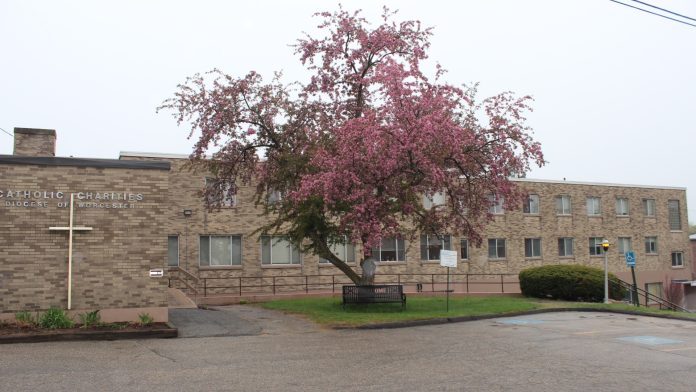
About Catholic Charities Worcester County
Catholic Charities Worcester County operates Crozier House, a men's residential addiction treatment program in Worcester, Massachusetts.
Licensed by Massachusetts BSAS as a Residential Recovery Service, the program offers structured, faith-informed care designed to help men build daily sobriety and prepare for sober housing or independent living.
With roots dating back to 1971, I've found that the Crozier House is known for its long-standing commitment to recovery in the Worcester area.
What kinds of addiction treatment are offered at Crozier House?
Crozier House provides a voluntary 3-to-6-month residential recovery program for men aged 18 and older. Treatment approaches include cognitive behavioral therapy, motivational interviewing, the Matrix Model, relapse prevention, anger management, 12-step facilitation and telehealth options.
I've seen that they offer faith-based support and fellowship connections as part of the program.
Who can get help here?
The program serves adult men ready to commit to a structured sober-living environment.
Populations supported include older adults, LGBTQ clients, veterans, individuals involved with the criminal justice system and those managing co-occurring mental health and substance use disorders.
Where is Crozier House located?
Crozier House is located in Worcester, Massachusetts, and serves Worcester County and the surrounding counties.
The residential program operates 24 hours a day, seven days a week, with administrative hours Monday through Friday.
Do you take insurance or offer financial help?
Crozier House partners with agencies and insurance providers, and accepts Medicare, Medicaid, state-financed insurance and federal funding for substance use programs.
The program also notes that an inability to pay will not prevent someone from receiving care.
How do I start?
Admission begins with an application process, including completed consent documentation submitted by email.
Referrals are accepted from detox units, stabilization programs, community agencies, correctional facilities and other legal-system pathways.
Amenities
Private drug rehab provides a comfortable, secure environment that allows you to focus on doing the work to get your life back on track. Benefits include a higher staff-to-client ratio, increased one-on-one time with therapists and healthcare providers, private rooms for clients, and customized forms of therapy.
Residential drug rehab provides the comforts of home with the therapeutic support needed to successfully recover. Benefits of an inpatient program include increased safety, a higher success rate, and the time and distance given to focus on recovery. Residential drug rehabs are often the preferred method of treatment, as they can be tailored to meet specific needs, offer focused therapeutic care, and provide the necessary tools to sustain recovery.
Addiction Treatment Programs
Teen and young adult substance abuse can set individuals on a life-long path of destruction. A young adult program in Massachusetts can intervene in young adults’ lives to set them on a better path during this crucial stage of life.
Each adult program in Massachusetts is designed to help individuals over the age of 18 recover from addiction to drugs or alcohol. The length of the program and its intensity varies, based on the needs of the individual.
Most alcohol rehab in Massachusetts consists of individual counseling and group therapy sessions, which address mental and emotional concerns that are contributing to alcohol use. Treatment helps participants make changes to maintain sobriety and prevent relapse.
For men who want to stop drinking or using drugs, men’s rehab in Massachusetts offers help and hope. These treatment programs, designed specifically for men, help participants recover and rebuild their lives.
Women who are seeking treatment for substance use disorders can receive various levels of care at women’s rehab in Massachusetts. Programs include detox, partial hospitalization programs (PHP), intensive outpatient programs (IOP), telehealth programs, sober living, outpatient, and aftercare.
Cognitive behavioral therapy in Massachusetts is a hands-on method that engages participants in changing their thought and behavior patterns. Rather than a talk-listen approach, individuals are actively involved in working with their therapist to treat their addiction.
Addiction is a highly complex problem, and drug rehab in Massachusetts is often necessary to address it. These programs treat physical, mental, and relational issues that are involved. Treatment empowers individuals to manage these issues without the use of drugs.
Elderly rehab in Massachusetts addresses both addiction issues and common challenges faced by older adults. By dealing with grief, loss, social isolation, and financial uncertainty, participants are given tools to overcome addiction later in life.
LGBTQ-friendly rehab in Massachusetts offers programs targeted to the unique experiences within this diverse community. Staff specialists understand that an environment promoting acceptance makes it easier for people to open up and focus on healing.
Veteran’s rehab in Massachusetts offers recovery for Veterans who are struggling with substance use disorder. Treatment programs are trauma-informed, so Veterans who are facing other mental health challenges receive treatment for co-occurring disorders as well.
Levels of Care
As the most intensive treatment setting, inpatient drug rehab in Massachusetts treatment involves 24/7 supervised care. At this level of care, you typically participate in individual, group, and family therapy sessions, and you may receive medication and additional recreational therapies.
Aftercare rehab in Massachusetts gives you continued access to support after rehab. You may need assistance with job coaching, budgeting, education, or accountability as you re-enter your life. Aftercare programs provide these supports, so you can face challenges and maintain a sober lifestyle long-term.
In Massachusetts sober living, you will take on more responsibility than rehab treatment requires. You’ll pay rent and work or attend school. You’ll also contribute to household chores. The goal is to learn how to live independently, free from drugs and alcohol.
Accreditations
Accepted Insurance





Contact Information


 Sponsored
Maygen Brockway, MTC, has more than 10 years of editing and writing experience. She’s written for the medical, wedding, fashion, and technical industries. She’s a poetry lover, coffee and whiskey drinker, social butterfly, and mom who lives in scenic Southern Utah. She has a Master’s in Technical Communication and loves writing.
Rehabs.org regularly reviews this listing for accuracy but changes may occur between updates. For the most up-to-date information, please contact Catholic Charities Worcester County.