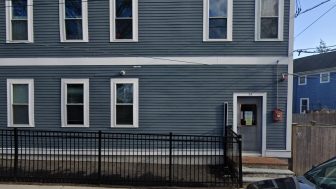
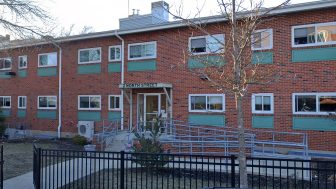
McLean Hospital – Gunderson Residence
 Sponsored
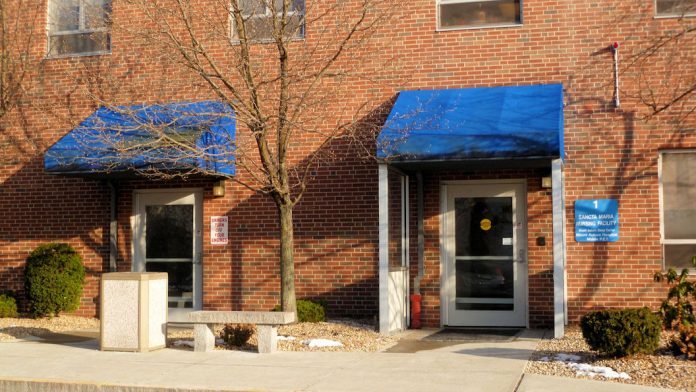
About McLean Hospital – Gunderson Residence
McLean Hospital's Child & Teen Anxiety Mastery Program is an intensive outpatient mental health provider serving children and teens in Cambridge and Belmont, Massachusetts.
This short-term program, I've learned, specializes in evidence based care for anxiety disorders and OCD, using cognitive behavioral therapy and exposure and response prevention in a small-group format.
Families often describe the experience as life-changing, praising the skills they gained and the program's engaged clinicians.
Child & Teen Anxiety Mastery Program Services
The program, I've seen, is an intensive outpatient program delivered 4 days per week for at least 4 weeks, averaging 6 to 8 weeks total.
Treatment includes a comprehensive diagnostic evaluation, individualized planning, group-based exposure therapy, weekly family sessions and medication management when needed.
The program serves children and adolescents ages 6 to 19 through a separate Child Track (ages 6 to 13) and Adolescent Track (ages 14 to 19).
Focus areas include separation anxiety, social anxiety, panic disorder, selective mutism, OCD and ARFID, among others.
Details and Cost
In-person care takes place at the Academic Center on McLean's main Belmont campus, with additional program days delivered online.
McLean's Cambridge Outpatient site at 799 Concord Avenue offers onsite parking and MBTA bus access. Families must be in Massachusetts during intake and treatment.
Some program components are covered by insurance, while others cannot be reimbursed.
The initial fee is $6,200 for the first 4 weeks, with optional extensions at $1,500 per week. Scholarship funding is available for families with demonstrated need.
Amenities
Private drug rehab provides a comfortable, secure environment that allows you to focus on doing the work to get your life back on track. Benefits include a higher staff-to-client ratio, increased one-on-one time with therapists and healthcare providers, private rooms for clients, and customized forms of therapy.
Residential drug rehab provides the comforts of home with the therapeutic support needed to successfully recover. Benefits of an inpatient program include increased safety, a higher success rate, and the time and distance given to focus on recovery. Residential drug rehabs are often the preferred method of treatment, as they can be tailored to meet specific needs, offer focused therapeutic care, and provide the necessary tools to sustain recovery.
Recreational therapy uniquely combines therapeutic interventions with an activity, like horse-riding, hiking, wilderness therapy, basketball, tennis, or a full workout. Benefits of recreational therapy include providing a healthy way to work through the emotions of recovery, learning to build and maintain relationships, improving communication skills, and building self-esteem.
Yoga and meditation are great activities to support your recovery process during alcohol or drug rehab. These therapies have been around for centuries, and they are an effective way to improve well-being. Combining addiction treatment, yoga, and meditation can reduce cravings, improve sleep, relieve anxiety and depression, provide stress relief, promote relaxation, support emotional healing, and improve energy levels.
In order to maintain a sense of autonomy, many private rehab facilities offer clients the ability to choose their own private rooms. The privacy and personal space ensure that the recovery process is as comfortable as possible.
Luxury rehab is a form of treatment offered in a residential, resort-style setting. You’ll receive personalized treatment from staff and clinicians, have access to forms of treatment that go beyond what a typical inpatient rehab offers, and offer specific amenities like ocean views, large single occupancy bedrooms with private baths, and complementary spa treatments like massage, acupuncture, or reiki. Most luxury rehab centers have a limited number of beds.
Some rehab programs offer free Wi-Fi to guests who have full access to their smartphone devices or laptop computers during treatment. While access to these devices may be allowed, the time spent using them is often regulated or restricted so clients can focus on treatment.
Addiction Treatment Programs
Teen and young adult substance abuse can set individuals on a life-long path of destruction. A young adult program in Massachusetts can intervene in young adults’ lives to set them on a better path during this crucial stage of life.
Each adult program in Massachusetts is designed to help individuals over the age of 18 recover from addiction to drugs or alcohol. The length of the program and its intensity varies, based on the needs of the individual.
Women who are seeking treatment for substance use disorders can receive various levels of care at women’s rehab in Massachusetts. Programs include detox, partial hospitalization programs (PHP), intensive outpatient programs (IOP), telehealth programs, sober living, outpatient, and aftercare.
Cognitive behavioral therapy in Massachusetts is a hands-on method that engages participants in changing their thought and behavior patterns. Rather than a talk-listen approach, individuals are actively involved in working with their therapist to treat their addiction.
Addiction therapists apply rational emotive behavioral therapy in Massachusetts to focus on the interconnectedness of behaviors, thoughts, and feelings. The aim of therapy is for these three things to work together to improve your quality of life rather than lead to dysfunction.
Assertive Community Treatment (ACT) is an integrative, community-based care strategy designed to address the needs of persons with severe and/or complex mental illness or behavioral disorders. ACT is typically provided by a multidisciplinary team of medical and mental health care providers, social workers, therapists, and other specialists, including addiction recovery professionals. These services are frequently provided in the home and community to clients in crisis, those who are clinically unstable, and those who are unable or unwilling to travel to a hospital or clinic for in-person treatment.
Levels of Care
If you meet the diagnostic criteria for two or more conditions, you have a dual diagnosis. Massachusetts dual diagnosis treatment is designed to address both conditions simultaneously, for improved recovery outcomes.
Aftercare rehab in Massachusetts gives you continued access to support after rehab. You may need assistance with job coaching, budgeting, education, or accountability as you re-enter your life. Aftercare programs provide these supports, so you can face challenges and maintain a sober lifestyle long-term.
As the most intensive treatment setting, inpatient drug rehab in Massachusetts treatment involves 24/7 supervised care. At this level of care, you typically participate in individual, group, and family therapy sessions, and you may receive medication and additional recreational therapies.
Accreditations
Accepted Insurance

Contact Information


 Sponsored
Maygen Brockway, MTC, has more than 10 years of editing and writing experience. She’s written for the medical, wedding, fashion, and technical industries. She’s a poetry lover, coffee and whiskey drinker, social butterfly, and mom who lives in scenic Southern Utah. She has a Master’s in Technical Communication and loves writing.
Rehabs.org regularly reviews this listing for accuracy but changes may occur between updates. For the most up-to-date information, please contact McLean Hospital – Gunderson Residence.