
Rosecrance Health Network
Rockford, IL
61107

Accredited drug rehab centers available across Aurora.
Sliding-scale payments, financial aid, low-cost programs, and local nonprofits.
Medicare, Medicaid, TRICARE, plus local private health insurance coverage.

 Filter
| Name | Address | Description | Treatment | Insurance | Thumbnail |
|---|---|---|---|---|---|
Family Guidance Inc | 751 Aurora Ave | Family Guidance Centers are a network of addiction rehabilitation centers, and they have a clinic in Aurora, Illinois. They provide outpatient treatment programs for ... more details › | Treatment Programs Insurance Detox The first step toward a drug-free future is typically detox. This initial phase of drug rehab in Illinois can last up to a week. During this time, addictive substances are slowly and safely cleansed from your body. Outpatient Outpatient rehab in Illinois may be brief or long-term, depending on the individual. During this time, you will maintain membership in a support group as well as attend one-on-one counseling sessions. The focus is ongoing development of life skills that will prevent relapse. Dual Diagnosis An Illinois dual diagnosis program treats both your mental health and recovery needs. Psychiatrists and addiction specialists work together to address co-occurring disorders, such as depression, anxiety, or ADHD. Aftercare Aftercare rehab in Illinois lowers the chance of relapse. This program offers support to help you face challenges after you successfully complete rehab. By providing guidance, accountability, and assistance with basic life skills, aftercare gives you confidence to navigate temptations and maintain sobriety. Intervention In many cases, drug rehab in Illinois begins with intervention. Professional intervention services are available to help you facilitate an intervention, develop a treatment plan, and choose the program that best suits your loved one’s needs. +3 | Treatment Programs Insurance Medicaid Medicaid will cover at least some, if not all, of the associated costs for detox and alcohol or drug rehab in Illinois. Since Medicaid is not accepted by every treatment provider, be sure to speak with your insurance provider to confirm your benefits and the coverage details before entering a treatment program. Financial Aid If you need help to pay for alcohol and drug rehab in Illinois, there are a number of financial aid programs available. In order to qualify for aid, you must fill out an application and check on the status of your application often. Competition can be stiff for these forms of financial assistance. Private For those who have priviate insurance coverage, the cost of alcohol and drug rehab in Illinois can be greatly reduced or completely eliminated. But keep in mind, coverage rates vary by specific plan, so be sure to confirm your plan details with your provider. Payment Self-pay options, also known as private pay, are common when paying for drug rehab in Illinois. As the name suggests, you are paying for treatment out-of-pocket. Examples of private pay include paying in cash, writing a check, taking out a personal or medical loan, credit card payments, and more. +2 | |
Taking Control | 106 South Lincolnway | Located in Aurora, Illinois, Taking Control Counseling Services provides outpatient treatment to those struggling with addiction. Using evidence-based practices, ... more details › | Treatment Programs Insurance Inpatient Inpatient rehab in Illinois features intensive clinical supervision and a highly structured and supportive environment, meaning this level of care is especially well suited for clients just beginning their recovery journey and those at risk of relapse. Outpatient Outpatient rehab in Illinois may be brief or long-term, depending on the individual. During this time, you will maintain membership in a support group as well as attend one-on-one counseling sessions. The focus is ongoing development of life skills that will prevent relapse. Dual Diagnosis An Illinois dual diagnosis program treats both your mental health and recovery needs. Psychiatrists and addiction specialists work together to address co-occurring disorders, such as depression, anxiety, or ADHD. Aftercare Aftercare rehab in Illinois lowers the chance of relapse. This program offers support to help you face challenges after you successfully complete rehab. By providing guidance, accountability, and assistance with basic life skills, aftercare gives you confidence to navigate temptations and maintain sobriety. Intervention In many cases, drug rehab in Illinois begins with intervention. Professional intervention services are available to help you facilitate an intervention, develop a treatment plan, and choose the program that best suits your loved one’s needs. +3 | Treatment Programs Insurance Medicaid Medicaid will cover at least some, if not all, of the associated costs for detox and alcohol or drug rehab in Illinois. Since Medicaid is not accepted by every treatment provider, be sure to speak with your insurance provider to confirm your benefits and the coverage details before entering a treatment program. Tricare Administered by the Department of Defense, TRICARE offers comprehensive military health insurance plans for active and retired military members and their families. Similar to PPO programs offered by private insurance companies, TRICARE covers multiple levels of care for addiction treatment, including detox, inpatient rehab, and outpatient services. Private For those who have priviate insurance coverage, the cost of alcohol and drug rehab in Illinois can be greatly reduced or completely eliminated. But keep in mind, coverage rates vary by specific plan, so be sure to confirm your plan details with your provider. Payment Self-pay options, also known as private pay, are common when paying for drug rehab in Illinois. As the name suggests, you are paying for treatment out-of-pocket. Examples of private pay include paying in cash, writing a check, taking out a personal or medical loan, credit card payments, and more. +2 | |
About Change Counseling | 1177 N Highland Ave | About Change Counseling offers compassionate and supportive outpatient therapy for adults navigating substance use disorders and other behavioral health challenges. ... more details › | Treatment Programs Insurance Outpatient Outpatient rehab in Illinois may be brief or long-term, depending on the individual. During this time, you will maintain membership in a support group as well as attend one-on-one counseling sessions. The focus is ongoing development of life skills that will prevent relapse. Dual Diagnosis An Illinois dual diagnosis program treats both your mental health and recovery needs. Psychiatrists and addiction specialists work together to address co-occurring disorders, such as depression, anxiety, or ADHD. | Treatment Programs Insurance Financial Aid Many alcohol and drug rehabs in Illinois offer sliding scale payment plans for clients who cannot otherwise afford to pay for treatment. You'll need to fill out an application and, upon acceptance, the rehab will work with you to develop a payment plan based on your income. Payment Self-pay options, also known as private pay, are common when paying for drug rehab in Illinois. As the name suggests, you are paying for treatment out-of-pocket. Examples of private pay include paying in cash, writing a check, taking out a personal or medical loan, credit card payments, and more. | |
Breaking Free | 120 Gale St | Breaking Free is an outpatient substance use treatment program in Aurora, Illinois operated by the nonprofit Mutual Ground. I noted they are part of a broader ... more details › | Treatment Programs Insurance Detox The first step toward a drug-free future is typically detox. This initial phase of drug rehab in Illinois can last up to a week. During this time, addictive substances are slowly and safely cleansed from your body. Outpatient Outpatient rehab in Illinois may be brief or long-term, depending on the individual. During this time, you will maintain membership in a support group as well as attend one-on-one counseling sessions. The focus is ongoing development of life skills that will prevent relapse. Dual Diagnosis An Illinois dual diagnosis program treats both your mental health and recovery needs. Psychiatrists and addiction specialists work together to address co-occurring disorders, such as depression, anxiety, or ADHD. Aftercare Aftercare rehab in Illinois lowers the chance of relapse. This program offers support to help you face challenges after you successfully complete rehab. By providing guidance, accountability, and assistance with basic life skills, aftercare gives you confidence to navigate temptations and maintain sobriety. +2 | Treatment Programs Insurance Medicaid Medicaid will cover at least some, if not all, of the associated costs for detox and alcohol or drug rehab in Illinois. Since Medicaid is not accepted by every treatment provider, be sure to speak with your insurance provider to confirm your benefits and the coverage details before entering a treatment program. Financial Aid Many alcohol and drug rehabs in Illinois offer sliding scale payment plans for clients who cannot otherwise afford to pay for treatment. You'll need to fill out an application and, upon acceptance, the rehab will work with you to develop a payment plan based on your income. Private For those who have priviate insurance coverage, the cost of alcohol and drug rehab in Illinois can be greatly reduced or completely eliminated. But keep in mind, coverage rates vary by specific plan, so be sure to confirm your plan details with your provider. Payment Self-pay options, also known as private pay, are common when paying for drug rehab in Illinois. As the name suggests, you are paying for treatment out-of-pocket. Examples of private pay include paying in cash, writing a check, taking out a personal or medical loan, credit card payments, and more. +2 | |
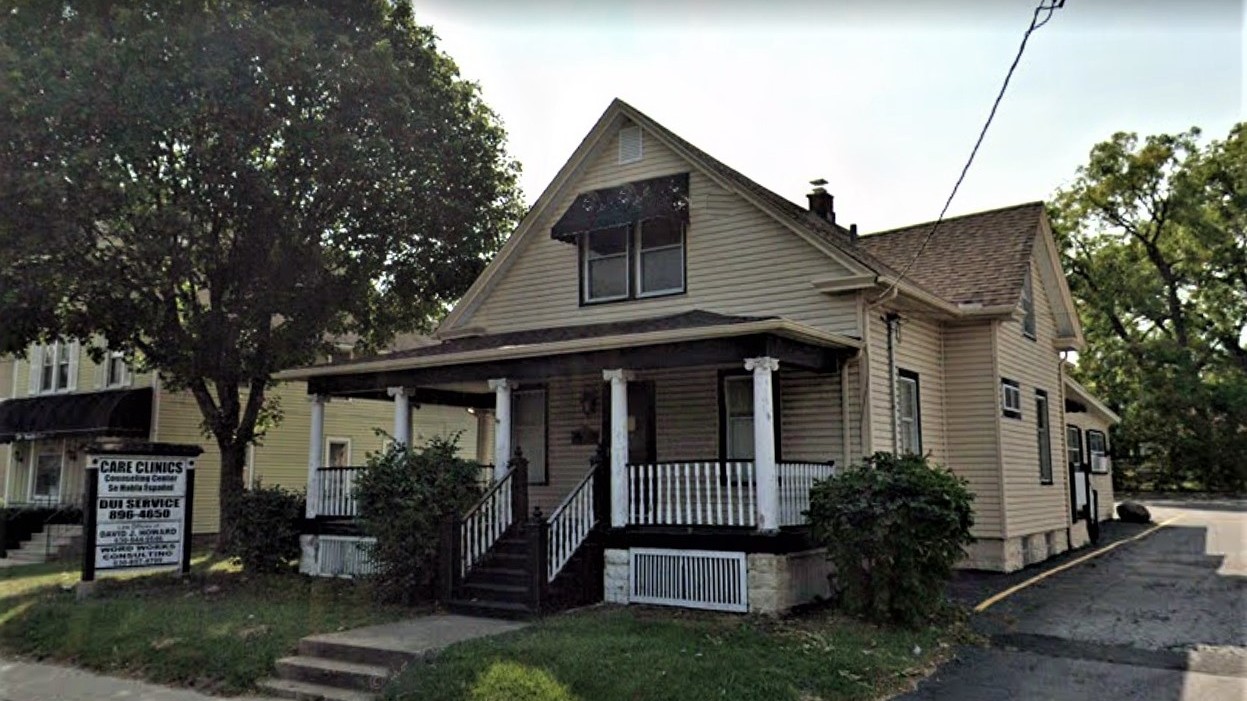
Care Clinics, Inc – DUI Evaluation, Alcohol/Drug Treatment, & Anger Management Services | 522 N Lake St | Care Clinics, Inc is an outpatient drug and alcohol treatment and behavioral health provider in Aurora, Illinois offering DUI evaluations and substance use ... more details › | Treatment Programs Insurance Outpatient Outpatient rehab in Illinois may be brief or long-term, depending on the individual. During this time, you will maintain membership in a support group as well as attend one-on-one counseling sessions. The focus is ongoing development of life skills that will prevent relapse. Dual Diagnosis An Illinois dual diagnosis program treats both your mental health and recovery needs. Psychiatrists and addiction specialists work together to address co-occurring disorders, such as depression, anxiety, or ADHD. Aftercare Aftercare rehab in Illinois lowers the chance of relapse. This program offers support to help you face challenges after you successfully complete rehab. By providing guidance, accountability, and assistance with basic life skills, aftercare gives you confidence to navigate temptations and maintain sobriety. +1 | Treatment Programs Insurance Financial Aid Many alcohol and drug rehabs in Illinois offer sliding scale payment plans for clients who cannot otherwise afford to pay for treatment. You'll need to fill out an application and, upon acceptance, the rehab will work with you to develop a payment plan based on your income. | |
Family Counseling Service | 70 S River St | Family Counseling Service is a behavioral health and outpatient substance use treatment provider in Aurora, Illinois, offering addiction counseling alongside ... more details › | Treatment Programs Insurance Outpatient Outpatient rehab in Illinois may be brief or long-term, depending on the individual. During this time, you will maintain membership in a support group as well as attend one-on-one counseling sessions. The focus is ongoing development of life skills that will prevent relapse. Dual Diagnosis An Illinois dual diagnosis program treats both your mental health and recovery needs. Psychiatrists and addiction specialists work together to address co-occurring disorders, such as depression, anxiety, or ADHD. Aftercare Aftercare rehab in Illinois lowers the chance of relapse. This program offers support to help you face challenges after you successfully complete rehab. By providing guidance, accountability, and assistance with basic life skills, aftercare gives you confidence to navigate temptations and maintain sobriety. Intervention In many cases, drug rehab in Illinois begins with intervention. Professional intervention services are available to help you facilitate an intervention, develop a treatment plan, and choose the program that best suits your loved one’s needs. +2 | Treatment Programs Insurance Medicaid Medicaid will cover at least some, if not all, of the associated costs for detox and alcohol or drug rehab in Illinois. Since Medicaid is not accepted by every treatment provider, be sure to speak with your insurance provider to confirm your benefits and the coverage details before entering a treatment program. Medicare If you qualify for Medicare coverage, you can use it to offset the costs of alcohol and drug rehab in Illinois. It pays for inpatient and outpatient treatment, so long as it's deemed medically necessary, you receive care from a center that accepts Medicare, and a medical provider sets up your plan of care. Financial Aid For those who are underinsured or uninsured, paying the total cost of a rehab program up front is not feasible. Fortunately, many alcohol and drug rehabs make financing available to potential clients through private loans, in-house payment plans, or partner lenders. You can choose a finance package that lets you start treatment immediately and pay for it later. Tricare Administered by the Department of Defense, TRICARE offers comprehensive military health insurance plans for active and retired military members and their families. Similar to PPO programs offered by private insurance companies, TRICARE covers multiple levels of care for addiction treatment, including detox, inpatient rehab, and outpatient services. Private For those who have priviate insurance coverage, the cost of alcohol and drug rehab in Illinois can be greatly reduced or completely eliminated. But keep in mind, coverage rates vary by specific plan, so be sure to confirm your plan details with your provider. Payment Self-pay options, also known as private pay, are common when paying for drug rehab in Illinois. As the name suggests, you are paying for treatment out-of-pocket. Examples of private pay include paying in cash, writing a check, taking out a personal or medical loan, credit card payments, and more. +4 | |
Tools For Life | 35 S Stolp Ave | Tools For Life is a SUPR (DASA) licensed, court approved outpatient counseling provider in Aurora, Illinois offering addiction treatment, DUI programs and related ... more details › | Treatment Programs Insurance Outpatient Outpatient rehab in Illinois may be brief or long-term, depending on the individual. During this time, you will maintain membership in a support group as well as attend one-on-one counseling sessions. The focus is ongoing development of life skills that will prevent relapse. Dual Diagnosis An Illinois dual diagnosis program treats both your mental health and recovery needs. Psychiatrists and addiction specialists work together to address co-occurring disorders, such as depression, anxiety, or ADHD. | Treatment Programs Insurance Financial Aid If you need help to pay for alcohol and drug rehab in Illinois, there are a number of financial aid programs available. In order to qualify for aid, you must fill out an application and check on the status of your application often. Competition can be stiff for these forms of financial assistance. Private For those who have priviate insurance coverage, the cost of alcohol and drug rehab in Illinois can be greatly reduced or completely eliminated. But keep in mind, coverage rates vary by specific plan, so be sure to confirm your plan details with your provider. Payment Self-pay options, also known as private pay, are common when paying for drug rehab in Illinois. As the name suggests, you are paying for treatment out-of-pocket. Examples of private pay include paying in cash, writing a check, taking out a personal or medical loan, credit card payments, and more. +1 | |
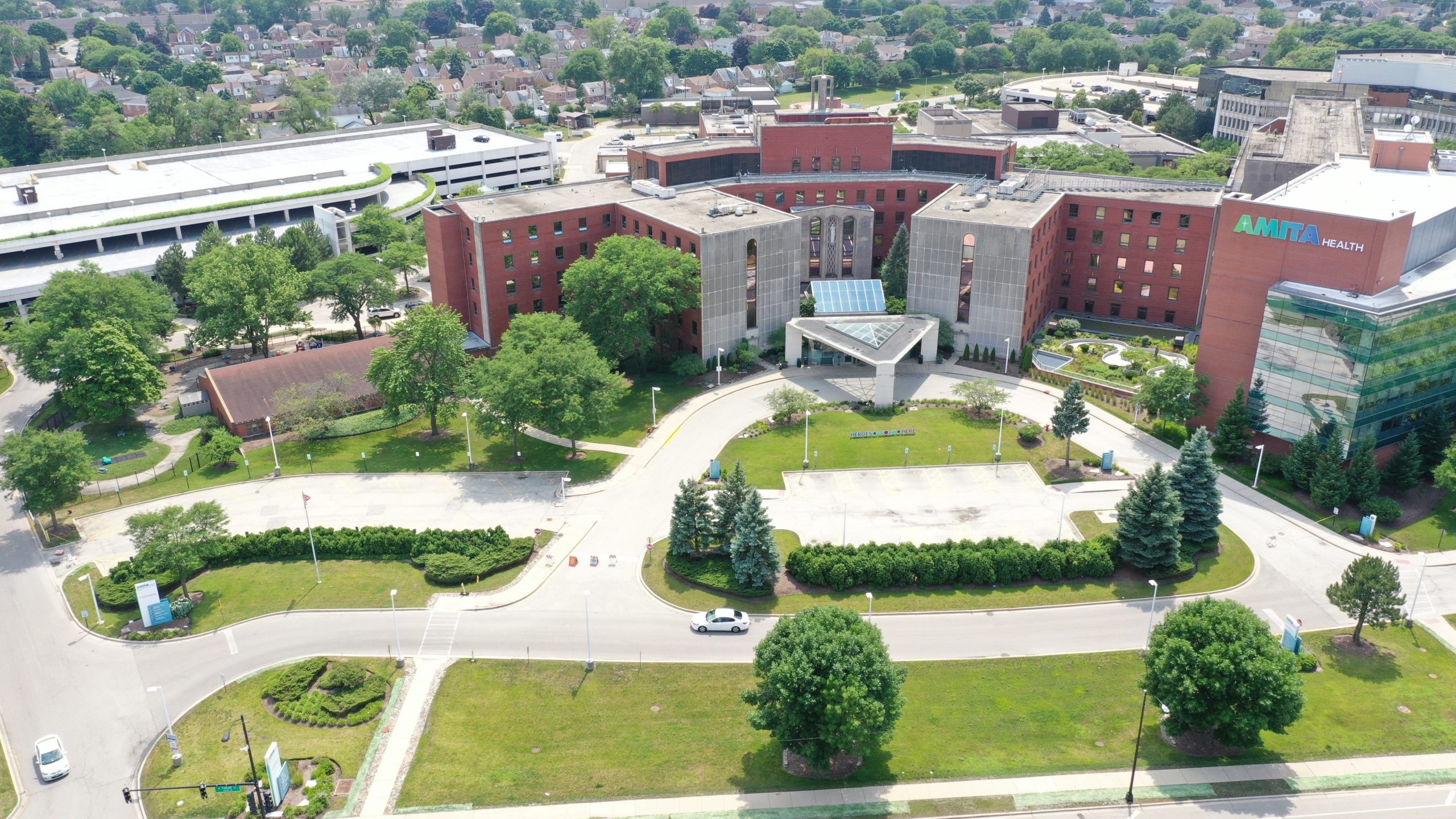
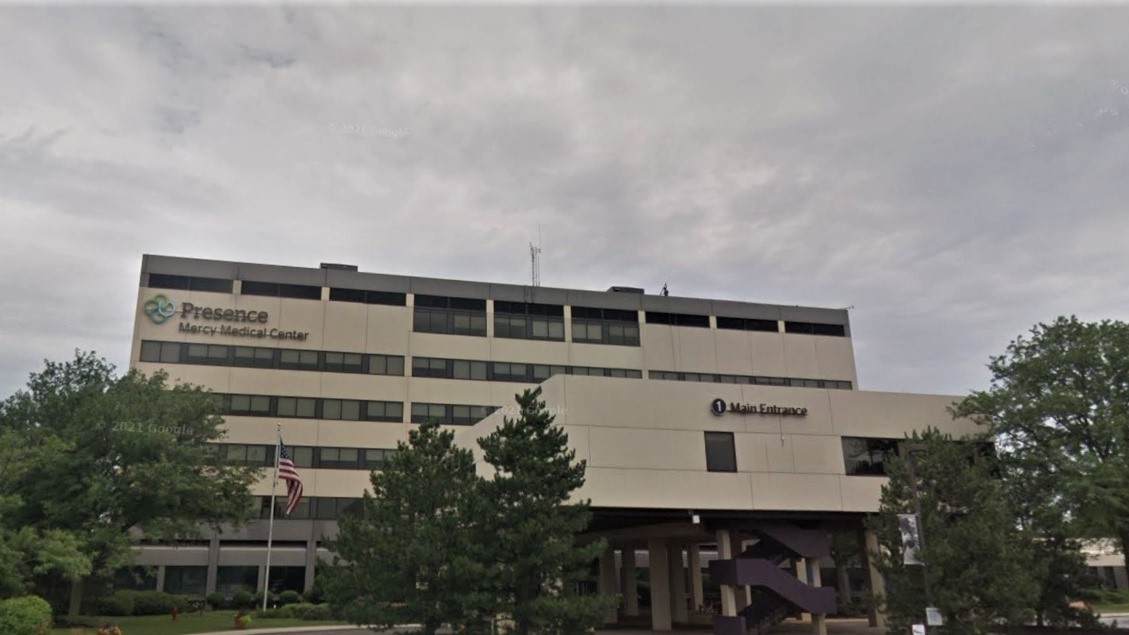
Mercy Medical Center | 1325 N Highland Ave | Ascension Mercy Hospital in Aurora, Illinois, is now known as Mercy Medical Center. Aurora is a western suburb of Chicago, near Blackberry Farm, shopping centers and ... more details › | Treatment Programs Insurance Detox The first step toward a drug-free future is typically detox. This initial phase of drug rehab in Illinois can last up to a week. During this time, addictive substances are slowly and safely cleansed from your body. Inpatient Inpatient rehab in Illinois features intensive clinical supervision and a highly structured and supportive environment, meaning this level of care is especially well suited for clients just beginning their recovery journey and those at risk of relapse. PHP Partial hospitalization programs (PHPs) in Illinois are often a good fit for those who have work or family obligations that would otherwise exclude them from participating in an inpatient program. PHPs typically require an average treatment commitment of five to seven onsite visits a week, each ranging from four to eight hours in length. Outpatient Outpatient rehab in Illinois may be brief or long-term, depending on the individual. During this time, you will maintain membership in a support group as well as attend one-on-one counseling sessions. The focus is ongoing development of life skills that will prevent relapse. Dual Diagnosis An Illinois dual diagnosis program treats both your mental health and recovery needs. Psychiatrists and addiction specialists work together to address co-occurring disorders, such as depression, anxiety, or ADHD. +3 | Treatment Programs Insurance Medicaid Medicaid will cover at least some, if not all, of the associated costs for detox and alcohol or drug rehab in Illinois. Since Medicaid is not accepted by every treatment provider, be sure to speak with your insurance provider to confirm your benefits and the coverage details before entering a treatment program. Medicare If you qualify for Medicare coverage, you can use it to offset the costs of alcohol and drug rehab in Illinois. It pays for inpatient and outpatient treatment, so long as it's deemed medically necessary, you receive care from a center that accepts Medicare, and a medical provider sets up your plan of care. Tricare Administered by the Department of Defense, TRICARE offers comprehensive military health insurance plans for active and retired military members and their families. Similar to PPO programs offered by private insurance companies, TRICARE covers multiple levels of care for addiction treatment, including detox, inpatient rehab, and outpatient services. Private For those who have priviate insurance coverage, the cost of alcohol and drug rehab in Illinois can be greatly reduced or completely eliminated. But keep in mind, coverage rates vary by specific plan, so be sure to confirm your plan details with your provider. Payment Self-pay options, also known as private pay, are common when paying for drug rehab in Illinois. As the name suggests, you are paying for treatment out-of-pocket. Examples of private pay include paying in cash, writing a check, taking out a personal or medical loan, credit card payments, and more. +3 | |
Alpharus Health | 400 Mercy Ln | Treatment Programs Insurance Detox The first step toward a drug-free future is typically detox. This initial phase of drug rehab in Illinois can last up to a week. During this time, addictive substances are slowly and safely cleansed from your body. Inpatient Inpatient rehab in Illinois features intensive clinical supervision and a highly structured and supportive environment, meaning this level of care is especially well suited for clients just beginning their recovery journey and those at risk of relapse. PHP Partial hospitalization programs (PHPs) in Illinois are often a good fit for those who have work or family obligations that would otherwise exclude them from participating in an inpatient program. PHPs typically require an average treatment commitment of five to seven onsite visits a week, each ranging from four to eight hours in length. Outpatient Outpatient rehab in Illinois may be brief or long-term, depending on the individual. During this time, you will maintain membership in a support group as well as attend one-on-one counseling sessions. The focus is ongoing development of life skills that will prevent relapse. Dual Diagnosis An Illinois dual diagnosis program treats both your mental health and recovery needs. Psychiatrists and addiction specialists work together to address co-occurring disorders, such as depression, anxiety, or ADHD. Aftercare Aftercare rehab in Illinois lowers the chance of relapse. This program offers support to help you face challenges after you successfully complete rehab. By providing guidance, accountability, and assistance with basic life skills, aftercare gives you confidence to navigate temptations and maintain sobriety. Sober Living Sober living in Illinois offers an environment where you can focus on your recovery journey. You’ll live in a drug-free residence, where you’ll contribute to household bills and chores, attend 12-step meetings, and submit to random drug testing. This structured environment can be helpful to maintain sobriety during the first few months of recovery. Intervention In many cases, drug rehab in Illinois begins with intervention. Professional intervention services are available to help you facilitate an intervention, develop a treatment plan, and choose the program that best suits your loved one’s needs. +6 | Treatment Programs Insurance Medicaid Medicaid will cover at least some, if not all, of the associated costs for detox and alcohol or drug rehab in Illinois. Since Medicaid is not accepted by every treatment provider, be sure to speak with your insurance provider to confirm your benefits and the coverage details before entering a treatment program. Medicare If you qualify for Medicare coverage, you can use it to offset the costs of alcohol and drug rehab in Illinois. It pays for inpatient and outpatient treatment, so long as it's deemed medically necessary, you receive care from a center that accepts Medicare, and a medical provider sets up your plan of care. Financial Aid If you need help to pay for alcohol and drug rehab in Illinois, there are a number of financial aid programs available. In order to qualify for aid, you must fill out an application and check on the status of your application often. Competition can be stiff for these forms of financial assistance. Private For those who have priviate insurance coverage, the cost of alcohol and drug rehab in Illinois can be greatly reduced or completely eliminated. But keep in mind, coverage rates vary by specific plan, so be sure to confirm your plan details with your provider. Payment Self-pay options, also known as private pay, are common when paying for drug rehab in Illinois. As the name suggests, you are paying for treatment out-of-pocket. Examples of private pay include paying in cash, writing a check, taking out a personal or medical loan, credit card payments, and more. +3 | ||
Brightside Clinic | 161 S Lincolnway | This branch of Brightside Suboxone Clinics is located in Aurora, Illinois. They specialize in the treatment of opiate use disorders in men and women over the age of 18 ... more details › | Treatment Programs Insurance Detox The first step toward a drug-free future is typically detox. This initial phase of drug rehab in Illinois can last up to a week. During this time, addictive substances are slowly and safely cleansed from your body. Inpatient Inpatient rehab in Illinois features intensive clinical supervision and a highly structured and supportive environment, meaning this level of care is especially well suited for clients just beginning their recovery journey and those at risk of relapse. Outpatient Outpatient rehab in Illinois may be brief or long-term, depending on the individual. During this time, you will maintain membership in a support group as well as attend one-on-one counseling sessions. The focus is ongoing development of life skills that will prevent relapse. Dual Diagnosis An Illinois dual diagnosis program treats both your mental health and recovery needs. Psychiatrists and addiction specialists work together to address co-occurring disorders, such as depression, anxiety, or ADHD. +2 | Treatment Programs Insurance Private For those who have priviate insurance coverage, the cost of alcohol and drug rehab in Illinois can be greatly reduced or completely eliminated. But keep in mind, coverage rates vary by specific plan, so be sure to confirm your plan details with your provider. Payment Self-pay options, also known as private pay, are common when paying for drug rehab in Illinois. As the name suggests, you are paying for treatment out-of-pocket. Examples of private pay include paying in cash, writing a check, taking out a personal or medical loan, credit card payments, and more. | |
Ascension Mercy Behavioral Health | 1325 North Highland Avenue Aurora IL, 60506 | Ascension Mercy Behavioral Health is located in Aurora, Illinois. The medical center offers many hospital services, including emergency, mental health and substance ... more details › | Treatment Programs Insurance Detox The first step toward a drug-free future is typically detox. This initial phase of drug rehab in Illinois can last up to a week. During this time, addictive substances are slowly and safely cleansed from your body. Inpatient Inpatient rehab in Illinois features intensive clinical supervision and a highly structured and supportive environment, meaning this level of care is especially well suited for clients just beginning their recovery journey and those at risk of relapse. PHP Partial hospitalization programs (PHPs) in Illinois are often a good fit for those who have work or family obligations that would otherwise exclude them from participating in an inpatient program. PHPs typically require an average treatment commitment of five to seven onsite visits a week, each ranging from four to eight hours in length. Outpatient Outpatient rehab in Illinois may be brief or long-term, depending on the individual. During this time, you will maintain membership in a support group as well as attend one-on-one counseling sessions. The focus is ongoing development of life skills that will prevent relapse. Dual Diagnosis An Illinois dual diagnosis program treats both your mental health and recovery needs. Psychiatrists and addiction specialists work together to address co-occurring disorders, such as depression, anxiety, or ADHD. +3 | Treatment Programs Insurance Medicaid Medicaid will cover at least some, if not all, of the associated costs for detox and alcohol or drug rehab in Illinois. Since Medicaid is not accepted by every treatment provider, be sure to speak with your insurance provider to confirm your benefits and the coverage details before entering a treatment program. Medicare If you qualify for Medicare coverage, you can use it to offset the costs of alcohol and drug rehab in Illinois. It pays for inpatient and outpatient treatment, so long as it's deemed medically necessary, you receive care from a center that accepts Medicare, and a medical provider sets up your plan of care. Tricare Administered by the Department of Defense, TRICARE offers comprehensive military health insurance plans for active and retired military members and their families. Similar to PPO programs offered by private insurance companies, TRICARE covers multiple levels of care for addiction treatment, including detox, inpatient rehab, and outpatient services. Private For those who have priviate insurance coverage, the cost of alcohol and drug rehab in Illinois can be greatly reduced or completely eliminated. But keep in mind, coverage rates vary by specific plan, so be sure to confirm your plan details with your provider. Payment Self-pay options, also known as private pay, are common when paying for drug rehab in Illinois. As the name suggests, you are paying for treatment out-of-pocket. Examples of private pay include paying in cash, writing a check, taking out a personal or medical loan, credit card payments, and more. +3 | |
Advocate Medical Group Outpatient Center | 4100 Healthway Dr | Advocate Medical Group Outpatient Center is a behavioral health and substance use treatment provider in Aurora, Illinois, offering outpatient care within a broader ... more details › | Treatment Programs Insurance Detox The first step toward a drug-free future is typically detox. This initial phase of drug rehab in Illinois can last up to a week. During this time, addictive substances are slowly and safely cleansed from your body. Inpatient Inpatient rehab in Illinois features intensive clinical supervision and a highly structured and supportive environment, meaning this level of care is especially well suited for clients just beginning their recovery journey and those at risk of relapse. Outpatient Outpatient rehab in Illinois may be brief or long-term, depending on the individual. During this time, you will maintain membership in a support group as well as attend one-on-one counseling sessions. The focus is ongoing development of life skills that will prevent relapse. Dual Diagnosis An Illinois dual diagnosis program treats both your mental health and recovery needs. Psychiatrists and addiction specialists work together to address co-occurring disorders, such as depression, anxiety, or ADHD. Aftercare Aftercare rehab in Illinois lowers the chance of relapse. This program offers support to help you face challenges after you successfully complete rehab. By providing guidance, accountability, and assistance with basic life skills, aftercare gives you confidence to navigate temptations and maintain sobriety. Sober Living Sober living in Illinois offers an environment where you can focus on your recovery journey. You’ll live in a drug-free residence, where you’ll contribute to household bills and chores, attend 12-step meetings, and submit to random drug testing. This structured environment can be helpful to maintain sobriety during the first few months of recovery. Intervention In many cases, drug rehab in Illinois begins with intervention. Professional intervention services are available to help you facilitate an intervention, develop a treatment plan, and choose the program that best suits your loved one’s needs. +5 | Treatment Programs Insurance Medicaid Medicaid will cover at least some, if not all, of the associated costs for detox and alcohol or drug rehab in Illinois. Since Medicaid is not accepted by every treatment provider, be sure to speak with your insurance provider to confirm your benefits and the coverage details before entering a treatment program. Medicare If you qualify for Medicare coverage, you can use it to offset the costs of alcohol and drug rehab in Illinois. It pays for inpatient and outpatient treatment, so long as it's deemed medically necessary, you receive care from a center that accepts Medicare, and a medical provider sets up your plan of care. Private For those who have priviate insurance coverage, the cost of alcohol and drug rehab in Illinois can be greatly reduced or completely eliminated. But keep in mind, coverage rates vary by specific plan, so be sure to confirm your plan details with your provider. Payment Self-pay options, also known as private pay, are common when paying for drug rehab in Illinois. As the name suggests, you are paying for treatment out-of-pocket. Examples of private pay include paying in cash, writing a check, taking out a personal or medical loan, credit card payments, and more. +2 | |
Association for Individual Development (AID) | 309 W New Indian Trail Ct | Association for Individual Development Outpatient in Aurora, Illinois provides integrated behavioral health services for individuals with mental health and substance ... more details › | Treatment Programs Insurance Outpatient Outpatient rehab in Illinois may be brief or long-term, depending on the individual. During this time, you will maintain membership in a support group as well as attend one-on-one counseling sessions. The focus is ongoing development of life skills that will prevent relapse. Dual Diagnosis An Illinois dual diagnosis program treats both your mental health and recovery needs. Psychiatrists and addiction specialists work together to address co-occurring disorders, such as depression, anxiety, or ADHD. | Treatment Programs Insurance Medicaid Medicaid will cover at least some, if not all, of the associated costs for detox and alcohol or drug rehab in Illinois. Since Medicaid is not accepted by every treatment provider, be sure to speak with your insurance provider to confirm your benefits and the coverage details before entering a treatment program. Medicare If you qualify for Medicare coverage, you can use it to offset the costs of alcohol and drug rehab in Illinois. It pays for inpatient and outpatient treatment, so long as it's deemed medically necessary, you receive care from a center that accepts Medicare, and a medical provider sets up your plan of care. Private For those who have priviate insurance coverage, the cost of alcohol and drug rehab in Illinois can be greatly reduced or completely eliminated. But keep in mind, coverage rates vary by specific plan, so be sure to confirm your plan details with your provider. Payment Self-pay options, also known as private pay, are common when paying for drug rehab in Illinois. As the name suggests, you are paying for treatment out-of-pocket. Examples of private pay include paying in cash, writing a check, taking out a personal or medical loan, credit card payments, and more. +2 | |
Hope For Tomorrow Inc | 479 N Lake St | Hope For Tomorrow operates recovery homes in Aurora, Illinois for adult men, including specific facilities for veterans. They provide a structured environment and ... more details › | Treatment Programs Insurance Inpatient Inpatient rehab in Illinois features intensive clinical supervision and a highly structured and supportive environment, meaning this level of care is especially well suited for clients just beginning their recovery journey and those at risk of relapse. Dual Diagnosis An Illinois dual diagnosis program treats both your mental health and recovery needs. Psychiatrists and addiction specialists work together to address co-occurring disorders, such as depression, anxiety, or ADHD. Aftercare Aftercare rehab in Illinois lowers the chance of relapse. This program offers support to help you face challenges after you successfully complete rehab. By providing guidance, accountability, and assistance with basic life skills, aftercare gives you confidence to navigate temptations and maintain sobriety. Sober Living Sober living in Illinois offers an environment where you can focus on your recovery journey. You’ll live in a drug-free residence, where you’ll contribute to household bills and chores, attend 12-step meetings, and submit to random drug testing. This structured environment can be helpful to maintain sobriety during the first few months of recovery. Intervention In many cases, drug rehab in Illinois begins with intervention. Professional intervention services are available to help you facilitate an intervention, develop a treatment plan, and choose the program that best suits your loved one’s needs. +3 | Treatment Programs Insurance Financial Aid If you need help to pay for alcohol and drug rehab in Illinois, there are a number of financial aid programs available. In order to qualify for aid, you must fill out an application and check on the status of your application often. Competition can be stiff for these forms of financial assistance. Payment Self-pay options, also known as private pay, are common when paying for drug rehab in Illinois. As the name suggests, you are paying for treatment out-of-pocket. Examples of private pay include paying in cash, writing a check, taking out a personal or medical loan, credit card payments, and more. | |
Ascension Mercy | 1325 N Highland Ave | AMITA Health Mercy Medical Center Aurora is a hospital based behavioral health program in Aurora, Illinois that directory data indicates offers cooccurring mental ... more details › | Treatment Programs Insurance Detox The first step toward a drug-free future is typically detox. This initial phase of drug rehab in Illinois can last up to a week. During this time, addictive substances are slowly and safely cleansed from your body. Inpatient Inpatient rehab in Illinois features intensive clinical supervision and a highly structured and supportive environment, meaning this level of care is especially well suited for clients just beginning their recovery journey and those at risk of relapse. Outpatient Outpatient rehab in Illinois may be brief or long-term, depending on the individual. During this time, you will maintain membership in a support group as well as attend one-on-one counseling sessions. The focus is ongoing development of life skills that will prevent relapse. Dual Diagnosis An Illinois dual diagnosis program treats both your mental health and recovery needs. Psychiatrists and addiction specialists work together to address co-occurring disorders, such as depression, anxiety, or ADHD. Aftercare Aftercare rehab in Illinois lowers the chance of relapse. This program offers support to help you face challenges after you successfully complete rehab. By providing guidance, accountability, and assistance with basic life skills, aftercare gives you confidence to navigate temptations and maintain sobriety. Intervention In many cases, drug rehab in Illinois begins with intervention. Professional intervention services are available to help you facilitate an intervention, develop a treatment plan, and choose the program that best suits your loved one’s needs. +4 | Treatment Programs Insurance Free Most states offer free alcohol and drug rehabs through public mental health and addiction treatment centers. These centers often provide detox, intensive outpatient programs (IOPs), residential treatment, partial hospitalization programs (PHPs), and support groups. You must meet certain requirements in order to qualify for free alcohol and drug rehabs, such as lack of income and insurance. Medicaid Medicaid will cover at least some, if not all, of the associated costs for detox and alcohol or drug rehab in Illinois. Since Medicaid is not accepted by every treatment provider, be sure to speak with your insurance provider to confirm your benefits and the coverage details before entering a treatment program. Medicare If you qualify for Medicare coverage, you can use it to offset the costs of alcohol and drug rehab in Illinois. It pays for inpatient and outpatient treatment, so long as it's deemed medically necessary, you receive care from a center that accepts Medicare, and a medical provider sets up your plan of care. Financial Aid For those who are underinsured or uninsured, paying the total cost of a rehab program up front is not feasible. Fortunately, many alcohol and drug rehabs make financing available to potential clients through private loans, in-house payment plans, or partner lenders. You can choose a finance package that lets you start treatment immediately and pay for it later. Tricare Administered by the Department of Defense, TRICARE offers comprehensive military health insurance plans for active and retired military members and their families. Similar to PPO programs offered by private insurance companies, TRICARE covers multiple levels of care for addiction treatment, including detox, inpatient rehab, and outpatient services. Private For those who have priviate insurance coverage, the cost of alcohol and drug rehab in Illinois can be greatly reduced or completely eliminated. But keep in mind, coverage rates vary by specific plan, so be sure to confirm your plan details with your provider. Payment Self-pay options, also known as private pay, are common when paying for drug rehab in Illinois. As the name suggests, you are paying for treatment out-of-pocket. Examples of private pay include paying in cash, writing a check, taking out a personal or medical loan, credit card payments, and more. +5 | |
Lott Behavioral Health | 4300 Commerce Ct | Lott Behavioral Health is a comprehensive outpatient facility in Lisle, Illinois. They provide psychiatric and addiction treatment to adults and adolescents. They ... more details › | Treatment Programs Insurance Detox The first step toward a drug-free future is typically detox. This initial phase of drug rehab in Illinois can last up to a week. During this time, addictive substances are slowly and safely cleansed from your body. Inpatient Inpatient rehab in Illinois features intensive clinical supervision and a highly structured and supportive environment, meaning this level of care is especially well suited for clients just beginning their recovery journey and those at risk of relapse. Outpatient Outpatient rehab in Illinois may be brief or long-term, depending on the individual. During this time, you will maintain membership in a support group as well as attend one-on-one counseling sessions. The focus is ongoing development of life skills that will prevent relapse. Dual Diagnosis An Illinois dual diagnosis program treats both your mental health and recovery needs. Psychiatrists and addiction specialists work together to address co-occurring disorders, such as depression, anxiety, or ADHD. +2 | Treatment Programs Insurance Private For those who have priviate insurance coverage, the cost of alcohol and drug rehab in Illinois can be greatly reduced or completely eliminated. But keep in mind, coverage rates vary by specific plan, so be sure to confirm your plan details with your provider. Payment Self-pay options, also known as private pay, are common when paying for drug rehab in Illinois. As the name suggests, you are paying for treatment out-of-pocket. Examples of private pay include paying in cash, writing a check, taking out a personal or medical loan, credit card payments, and more. | |
Ascension Mercy Medical Behavioral Health | 1330 N Lake St | Ascension Mercy Medical Behavioral Health is a hospital based inpatient psychiatric program in Aurora, Illinois, providing 24/7 crisis stabilization and mental health ... more details › | Treatment Programs Insurance Detox The first step toward a drug-free future is typically detox. This initial phase of drug rehab in Illinois can last up to a week. During this time, addictive substances are slowly and safely cleansed from your body. Inpatient Inpatient rehab in Illinois features intensive clinical supervision and a highly structured and supportive environment, meaning this level of care is especially well suited for clients just beginning their recovery journey and those at risk of relapse. PHP Partial hospitalization programs (PHPs) in Illinois are often a good fit for those who have work or family obligations that would otherwise exclude them from participating in an inpatient program. PHPs typically require an average treatment commitment of five to seven onsite visits a week, each ranging from four to eight hours in length. Outpatient Outpatient rehab in Illinois may be brief or long-term, depending on the individual. During this time, you will maintain membership in a support group as well as attend one-on-one counseling sessions. The focus is ongoing development of life skills that will prevent relapse. +2 | Treatment Programs Insurance Financial Aid If you need help to pay for alcohol and drug rehab in Illinois, there are a number of financial aid programs available. In order to qualify for aid, you must fill out an application and check on the status of your application often. Competition can be stiff for these forms of financial assistance. Private For those who have priviate insurance coverage, the cost of alcohol and drug rehab in Illinois can be greatly reduced or completely eliminated. But keep in mind, coverage rates vary by specific plan, so be sure to confirm your plan details with your provider. Payment Self-pay options, also known as private pay, are common when paying for drug rehab in Illinois. As the name suggests, you are paying for treatment out-of-pocket. Examples of private pay include paying in cash, writing a check, taking out a personal or medical loan, credit card payments, and more. +1 | |
Family Counseling Service | 70 S River St | Family Counseling Service is a behavioral health and outpatient substance use treatment provider in Aurora, Illinois, offering addiction counseling alongside ... more details › | Treatment Programs Insurance Outpatient Outpatient rehab in Illinois may be brief or long-term, depending on the individual. During this time, you will maintain membership in a support group as well as attend one-on-one counseling sessions. The focus is ongoing development of life skills that will prevent relapse. Dual Diagnosis An Illinois dual diagnosis program treats both your mental health and recovery needs. Psychiatrists and addiction specialists work together to address co-occurring disorders, such as depression, anxiety, or ADHD. Aftercare Aftercare rehab in Illinois lowers the chance of relapse. This program offers support to help you face challenges after you successfully complete rehab. By providing guidance, accountability, and assistance with basic life skills, aftercare gives you confidence to navigate temptations and maintain sobriety. Intervention In many cases, drug rehab in Illinois begins with intervention. Professional intervention services are available to help you facilitate an intervention, develop a treatment plan, and choose the program that best suits your loved one’s needs. +2 | Treatment Programs Insurance Medicaid Medicaid will cover at least some, if not all, of the associated costs for detox and alcohol or drug rehab in Illinois. Since Medicaid is not accepted by every treatment provider, be sure to speak with your insurance provider to confirm your benefits and the coverage details before entering a treatment program. Medicare If you qualify for Medicare coverage, you can use it to offset the costs of alcohol and drug rehab in Illinois. It pays for inpatient and outpatient treatment, so long as it's deemed medically necessary, you receive care from a center that accepts Medicare, and a medical provider sets up your plan of care. Financial Aid For those who are underinsured or uninsured, paying the total cost of a rehab program up front is not feasible. Fortunately, many alcohol and drug rehabs make financing available to potential clients through private loans, in-house payment plans, or partner lenders. You can choose a finance package that lets you start treatment immediately and pay for it later. Tricare Administered by the Department of Defense, TRICARE offers comprehensive military health insurance plans for active and retired military members and their families. Similar to PPO programs offered by private insurance companies, TRICARE covers multiple levels of care for addiction treatment, including detox, inpatient rehab, and outpatient services. Private For those who have priviate insurance coverage, the cost of alcohol and drug rehab in Illinois can be greatly reduced or completely eliminated. But keep in mind, coverage rates vary by specific plan, so be sure to confirm your plan details with your provider. Payment Self-pay options, also known as private pay, are common when paying for drug rehab in Illinois. As the name suggests, you are paying for treatment out-of-pocket. Examples of private pay include paying in cash, writing a check, taking out a personal or medical loan, credit card payments, and more. +4 | |
Tools For Life | 35 S Stolp Ave | Tools For Life is a SUPR (DASA) licensed, court approved outpatient counseling provider in Aurora, Illinois offering addiction treatment, DUI programs and related ... more details › | Treatment Programs Insurance Outpatient Outpatient rehab in Illinois may be brief or long-term, depending on the individual. During this time, you will maintain membership in a support group as well as attend one-on-one counseling sessions. The focus is ongoing development of life skills that will prevent relapse. Dual Diagnosis An Illinois dual diagnosis program treats both your mental health and recovery needs. Psychiatrists and addiction specialists work together to address co-occurring disorders, such as depression, anxiety, or ADHD. | Treatment Programs Insurance Financial Aid If you need help to pay for alcohol and drug rehab in Illinois, there are a number of financial aid programs available. In order to qualify for aid, you must fill out an application and check on the status of your application often. Competition can be stiff for these forms of financial assistance. Private For those who have priviate insurance coverage, the cost of alcohol and drug rehab in Illinois can be greatly reduced or completely eliminated. But keep in mind, coverage rates vary by specific plan, so be sure to confirm your plan details with your provider. Payment Self-pay options, also known as private pay, are common when paying for drug rehab in Illinois. As the name suggests, you are paying for treatment out-of-pocket. Examples of private pay include paying in cash, writing a check, taking out a personal or medical loan, credit card payments, and more. +1 | |
Breaking Free | 120 Gale St | Breaking Free is an outpatient substance use treatment program in Aurora, Illinois operated by the nonprofit Mutual Ground. I noted they are part of a broader ... more details › | Treatment Programs Insurance Detox The first step toward a drug-free future is typically detox. This initial phase of drug rehab in Illinois can last up to a week. During this time, addictive substances are slowly and safely cleansed from your body. Outpatient Outpatient rehab in Illinois may be brief or long-term, depending on the individual. During this time, you will maintain membership in a support group as well as attend one-on-one counseling sessions. The focus is ongoing development of life skills that will prevent relapse. Dual Diagnosis An Illinois dual diagnosis program treats both your mental health and recovery needs. Psychiatrists and addiction specialists work together to address co-occurring disorders, such as depression, anxiety, or ADHD. Aftercare Aftercare rehab in Illinois lowers the chance of relapse. This program offers support to help you face challenges after you successfully complete rehab. By providing guidance, accountability, and assistance with basic life skills, aftercare gives you confidence to navigate temptations and maintain sobriety. +2 | Treatment Programs Insurance Medicaid Medicaid will cover at least some, if not all, of the associated costs for detox and alcohol or drug rehab in Illinois. Since Medicaid is not accepted by every treatment provider, be sure to speak with your insurance provider to confirm your benefits and the coverage details before entering a treatment program. Financial Aid Many alcohol and drug rehabs in Illinois offer sliding scale payment plans for clients who cannot otherwise afford to pay for treatment. You'll need to fill out an application and, upon acceptance, the rehab will work with you to develop a payment plan based on your income. Private For those who have priviate insurance coverage, the cost of alcohol and drug rehab in Illinois can be greatly reduced or completely eliminated. But keep in mind, coverage rates vary by specific plan, so be sure to confirm your plan details with your provider. Payment Self-pay options, also known as private pay, are common when paying for drug rehab in Illinois. As the name suggests, you are paying for treatment out-of-pocket. Examples of private pay include paying in cash, writing a check, taking out a personal or medical loan, credit card payments, and more. +2 | |
Care Clinics, Inc – DUI Evaluation, Alcohol/Drug Treatment, & Anger Management Services | 522 N Lake St | Care Clinics, Inc is an outpatient drug and alcohol treatment and behavioral health provider in Aurora, Illinois offering DUI evaluations and substance use ... more details › | Treatment Programs Insurance Outpatient Outpatient rehab in Illinois may be brief or long-term, depending on the individual. During this time, you will maintain membership in a support group as well as attend one-on-one counseling sessions. The focus is ongoing development of life skills that will prevent relapse. Dual Diagnosis An Illinois dual diagnosis program treats both your mental health and recovery needs. Psychiatrists and addiction specialists work together to address co-occurring disorders, such as depression, anxiety, or ADHD. Aftercare Aftercare rehab in Illinois lowers the chance of relapse. This program offers support to help you face challenges after you successfully complete rehab. By providing guidance, accountability, and assistance with basic life skills, aftercare gives you confidence to navigate temptations and maintain sobriety. +1 | Treatment Programs Insurance Financial Aid Many alcohol and drug rehabs in Illinois offer sliding scale payment plans for clients who cannot otherwise afford to pay for treatment. You'll need to fill out an application and, upon acceptance, the rehab will work with you to develop a payment plan based on your income. | |
Family Guidance Inc | 751 Aurora Ave | Family Guidance Centers are a network of addiction rehabilitation centers, and they have a clinic in Aurora, Illinois. They provide outpatient treatment programs for ... more details › | Treatment Programs Insurance Detox The first step toward a drug-free future is typically detox. This initial phase of drug rehab in Illinois can last up to a week. During this time, addictive substances are slowly and safely cleansed from your body. Outpatient Outpatient rehab in Illinois may be brief or long-term, depending on the individual. During this time, you will maintain membership in a support group as well as attend one-on-one counseling sessions. The focus is ongoing development of life skills that will prevent relapse. Dual Diagnosis An Illinois dual diagnosis program treats both your mental health and recovery needs. Psychiatrists and addiction specialists work together to address co-occurring disorders, such as depression, anxiety, or ADHD. Aftercare Aftercare rehab in Illinois lowers the chance of relapse. This program offers support to help you face challenges after you successfully complete rehab. By providing guidance, accountability, and assistance with basic life skills, aftercare gives you confidence to navigate temptations and maintain sobriety. Intervention In many cases, drug rehab in Illinois begins with intervention. Professional intervention services are available to help you facilitate an intervention, develop a treatment plan, and choose the program that best suits your loved one’s needs. +3 | Treatment Programs Insurance Medicaid Medicaid will cover at least some, if not all, of the associated costs for detox and alcohol or drug rehab in Illinois. Since Medicaid is not accepted by every treatment provider, be sure to speak with your insurance provider to confirm your benefits and the coverage details before entering a treatment program. Financial Aid If you need help to pay for alcohol and drug rehab in Illinois, there are a number of financial aid programs available. In order to qualify for aid, you must fill out an application and check on the status of your application often. Competition can be stiff for these forms of financial assistance. Private For those who have priviate insurance coverage, the cost of alcohol and drug rehab in Illinois can be greatly reduced or completely eliminated. But keep in mind, coverage rates vary by specific plan, so be sure to confirm your plan details with your provider. Payment Self-pay options, also known as private pay, are common when paying for drug rehab in Illinois. As the name suggests, you are paying for treatment out-of-pocket. Examples of private pay include paying in cash, writing a check, taking out a personal or medical loan, credit card payments, and more. +2 | |
Alpharus Health | 400 Mercy Ln | Treatment Programs Insurance Detox The first step toward a drug-free future is typically detox. This initial phase of drug rehab in Illinois can last up to a week. During this time, addictive substances are slowly and safely cleansed from your body. Inpatient Inpatient rehab in Illinois features intensive clinical supervision and a highly structured and supportive environment, meaning this level of care is especially well suited for clients just beginning their recovery journey and those at risk of relapse. PHP Partial hospitalization programs (PHPs) in Illinois are often a good fit for those who have work or family obligations that would otherwise exclude them from participating in an inpatient program. PHPs typically require an average treatment commitment of five to seven onsite visits a week, each ranging from four to eight hours in length. Outpatient Outpatient rehab in Illinois may be brief or long-term, depending on the individual. During this time, you will maintain membership in a support group as well as attend one-on-one counseling sessions. The focus is ongoing development of life skills that will prevent relapse. Dual Diagnosis An Illinois dual diagnosis program treats both your mental health and recovery needs. Psychiatrists and addiction specialists work together to address co-occurring disorders, such as depression, anxiety, or ADHD. Aftercare Aftercare rehab in Illinois lowers the chance of relapse. This program offers support to help you face challenges after you successfully complete rehab. By providing guidance, accountability, and assistance with basic life skills, aftercare gives you confidence to navigate temptations and maintain sobriety. Sober Living Sober living in Illinois offers an environment where you can focus on your recovery journey. You’ll live in a drug-free residence, where you’ll contribute to household bills and chores, attend 12-step meetings, and submit to random drug testing. This structured environment can be helpful to maintain sobriety during the first few months of recovery. Intervention In many cases, drug rehab in Illinois begins with intervention. Professional intervention services are available to help you facilitate an intervention, develop a treatment plan, and choose the program that best suits your loved one’s needs. +6 | Treatment Programs Insurance Medicaid Medicaid will cover at least some, if not all, of the associated costs for detox and alcohol or drug rehab in Illinois. Since Medicaid is not accepted by every treatment provider, be sure to speak with your insurance provider to confirm your benefits and the coverage details before entering a treatment program. Medicare If you qualify for Medicare coverage, you can use it to offset the costs of alcohol and drug rehab in Illinois. It pays for inpatient and outpatient treatment, so long as it's deemed medically necessary, you receive care from a center that accepts Medicare, and a medical provider sets up your plan of care. Financial Aid If you need help to pay for alcohol and drug rehab in Illinois, there are a number of financial aid programs available. In order to qualify for aid, you must fill out an application and check on the status of your application often. Competition can be stiff for these forms of financial assistance. Private For those who have priviate insurance coverage, the cost of alcohol and drug rehab in Illinois can be greatly reduced or completely eliminated. But keep in mind, coverage rates vary by specific plan, so be sure to confirm your plan details with your provider. Payment Self-pay options, also known as private pay, are common when paying for drug rehab in Illinois. As the name suggests, you are paying for treatment out-of-pocket. Examples of private pay include paying in cash, writing a check, taking out a personal or medical loan, credit card payments, and more. +3 | ||
Mercy Medical Center | 1325 N Highland Ave | Ascension Mercy Hospital in Aurora, Illinois, is now known as Mercy Medical Center. Aurora is a western suburb of Chicago, near Blackberry Farm, shopping centers and ... more details › | Treatment Programs Insurance Detox The first step toward a drug-free future is typically detox. This initial phase of drug rehab in Illinois can last up to a week. During this time, addictive substances are slowly and safely cleansed from your body. Inpatient Inpatient rehab in Illinois features intensive clinical supervision and a highly structured and supportive environment, meaning this level of care is especially well suited for clients just beginning their recovery journey and those at risk of relapse. PHP Partial hospitalization programs (PHPs) in Illinois are often a good fit for those who have work or family obligations that would otherwise exclude them from participating in an inpatient program. PHPs typically require an average treatment commitment of five to seven onsite visits a week, each ranging from four to eight hours in length. Outpatient Outpatient rehab in Illinois may be brief or long-term, depending on the individual. During this time, you will maintain membership in a support group as well as attend one-on-one counseling sessions. The focus is ongoing development of life skills that will prevent relapse. Dual Diagnosis An Illinois dual diagnosis program treats both your mental health and recovery needs. Psychiatrists and addiction specialists work together to address co-occurring disorders, such as depression, anxiety, or ADHD. +3 | Treatment Programs Insurance Medicaid Medicaid will cover at least some, if not all, of the associated costs for detox and alcohol or drug rehab in Illinois. Since Medicaid is not accepted by every treatment provider, be sure to speak with your insurance provider to confirm your benefits and the coverage details before entering a treatment program. Medicare If you qualify for Medicare coverage, you can use it to offset the costs of alcohol and drug rehab in Illinois. It pays for inpatient and outpatient treatment, so long as it's deemed medically necessary, you receive care from a center that accepts Medicare, and a medical provider sets up your plan of care. Tricare Administered by the Department of Defense, TRICARE offers comprehensive military health insurance plans for active and retired military members and their families. Similar to PPO programs offered by private insurance companies, TRICARE covers multiple levels of care for addiction treatment, including detox, inpatient rehab, and outpatient services. Private For those who have priviate insurance coverage, the cost of alcohol and drug rehab in Illinois can be greatly reduced or completely eliminated. But keep in mind, coverage rates vary by specific plan, so be sure to confirm your plan details with your provider. Payment Self-pay options, also known as private pay, are common when paying for drug rehab in Illinois. As the name suggests, you are paying for treatment out-of-pocket. Examples of private pay include paying in cash, writing a check, taking out a personal or medical loan, credit card payments, and more. +3 |
 800-783-0593
 Sponsored
