WestCare Wisconsin
335 W Wright St
Milwaukee, WI 53212
 Sponsored
About WestCare Wisconsin
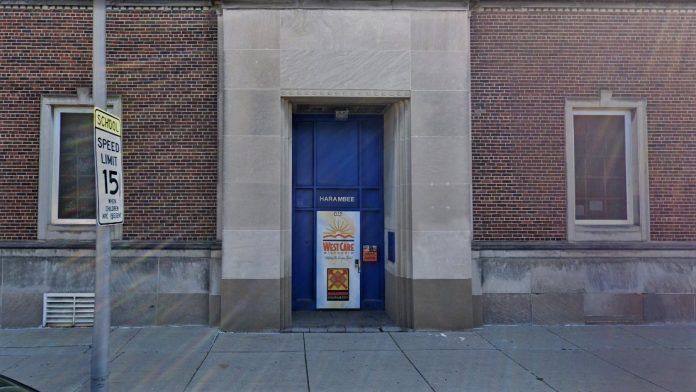
The WestCare Harambee Community Center is a place for addiction and co-occurring disorder rehabilitation in Milwaukee, Wisconsin. They provide general outpatient services for adults and youth. They also have a specialized care program for veterans.
WestCare is dedicated to helping its community by improving the lives of its clients. They accomplish this by providing support and education programs in addition to treatment, covering a variety of daily living and health subjects.
An aspect of their program I think is really important is that they offer referral services as well. If they find you need a higher level of care (like day treatment or inpatient services), they'll help you connect with a provider who can accommodate that.
Restoring the Community
The Harambee Community Center's mission is to build and nurture a strong community, and this is what guides their programs. What this means for you is that they'll not only treat substance use and co-occurring disorders but support each client's growth in their community.
This includes out of session services like case management and food assistance. You may not think these things are directly related to treatment, but many people find that rehabilitation is less stressful when other hurdles in their lives are also addressed.
Preventive Services for Kids and Teens
Another service of theirs I want to draw attention to is their youth prevention services. They offer life skills development in public schools to target and curb dangerous behaviors that could lead to substance abuse. This program combines education with trauma informed care.
There's also the Credible Messengers Mentoring for Youth program, which pairs kids and teens with an adult mentor. What I like about this is that the mentorship offered isn't just about substance abuse. They're able to explore any problems a client may be facing. They also extend their services to families.
I think it's a great way for families to explore their relationships and shared traumas and how they can help one another recover and make positive changes. Plus, we know that addictions impact those around us. This program can help bring everyone into the fold so that they can heal together.
Addiction Treatment Programs
Individuals in their late teens and early twenties can find help for addiction at a young adult program in Wisconsin. These settings provide a comfortable, safe atmosphere where young adults feel at ease and treatment is customized to meet their unique needs.
Each adult program in Wisconsin is unique, but most use common treatment methods. A combination of social support, medication, and therapies provide the interventions needed to help participants achieve recovery.
Alcohol rehab in Wisconsin provides treatment for alcohol use disorder. Those struggling with excessive alcohol use and related consequences receive interventions, support, and tools to address these issues and move forward on their recovery journey.
During men’s rehab in Wisconsin, men can be more vulnerable. Gender-specific treatment helps them feel free to speak openly about their experiences and emotions. Participants also meet other men who understand what they’re going through.
Women face different pressures and challenges than men. Women’s rehab in Wisconsin acknowledges these differences and provides addiction treatment specifically for women.
Effective opioid rehab in Wisconsin includes medical detox, co-occurring disorder treatment, behavioral therapy, and aftercare. Often, a combination of cognitive-behavioral therapy and medication assisted treatment is helpful.
The goal of drug rehab in Wisconsin is to come at addiction from every angle. This complex issue involves physical, mental, and relational aspects that must be addressed. During rehab, treatment focuses on each of these areas and gives you the tools you need to manage them without substance use.
The challenges related to substance abuse vary depending on life stage and an individual’s physical and mental health. Elderly rehab in Wisconsin is tailored to meet the needs of seniors, wherever they are on the health spectrum.
Women face different pressures and challenges than men. Women’s rehab in Wisconsin acknowledges these differences and provides addiction treatment specifically for women.
Veteran’s rehab in Wisconsin caters to Veterans who are battling addiction and co-occurring mental health concerns. Specialized recovery tracks are designed for military personnel and first responders.
Assertive Community Treatment (ACT) is an integrative, community-based care strategy designed to address the needs of persons with severe and/or complex mental illness or behavioral disorders. ACT is typically provided by a multidisciplinary team of medical and mental health care providers, social workers, therapists, and other specialists, including addiction recovery professionals. These services are frequently provided in the home and community to clients in crisis, those who are clinically unstable, and those who are unable or unwilling to travel to a hospital or clinic for in-person treatment.
Levels of Care
Compared to inpatient treatment, outpatient rehab in Wisconsin requires less time commitment. You’ll attend a few hours of treatment per week as well as support group meetings such as AA or NA. There is no set timeline for completion, but many people remain in outpatient rehab for several months.
Experts in mental health and addiction integrate their services to provide dual diagnosis treatment in Wisconsin. This treatment is designed for anyone who has both a substance abuse disorder and a mental health disorder, such as depression or anxiety.
When you undergo detox in Wisconsin, you receive 24/7 care as medical professionals help your body rid itself of all addictive substances. This process varies in length, depending on history of use and drug type.
The goal of intervention in Wisconsin is to guide your loved one to the treatment they need. These services include education, resources, and support to help family members stage effective interventions and choose the best treatment program for their loved one’s needs.
Contact Information


 Sponsored