
Meta House
 Sponsored

About Meta House
Mothers can bring children who are 10 or younger into residential treatment at Meta House. It’s a women-only addiction treatment center in Milwaukee, Wisconsin. The program is open to women 18 and older who are ambulatory (able to get around on their own).
A woman on methadone, Suboxone, Subutex or Vivitrol is never prevented from receiving treatment there. They don’t offer medical detox, so you may need to complete a detox before admission.
Care for Mothers and Children
The residential program specializes in women who are pregnant, postpartum or parenting. Its two houses in Milwaukee hold as many as 35 women and up to 15 children at once, and the average stay is around 55 days. Staff are on site at all times.
A residential stay that long keeps you away from home for weeks, so a mother doesn’t have to arrange childcare before she starts. The recovery housing program has 27 substance-free units for single women and for mothers raising minor children in early recovery.
Cost is usually the first worry, and they accept Medicaid, county funding and private pay, plus some commercial insurance. If your insurance is not in-network, there’s a sliding-scale structure.
Amenities
Private drug rehab provides a comfortable, secure environment that allows you to focus on doing the work to get your life back on track. Benefits include a higher staff-to-client ratio, increased one-on-one time with therapists and healthcare providers, private rooms for clients, and customized forms of therapy.
Residential drug rehab provides the comforts of home with the therapeutic support needed to successfully recover. Benefits of an inpatient program include increased safety, a higher success rate, and the time and distance given to focus on recovery. Residential drug rehabs are often the preferred method of treatment, as they can be tailored to meet specific needs, offer focused therapeutic care, and provide the necessary tools to sustain recovery.
Recreational therapy uniquely combines therapeutic interventions with an activity, like horse-riding, hiking, wilderness therapy, basketball, tennis, or a full workout. Benefits of recreational therapy include providing a healthy way to work through the emotions of recovery, learning to build and maintain relationships, improving communication skills, and building self-esteem.
Addiction Treatment Programs
Individuals in their late teens and early twenties can find help for addiction at a young adult program in Wisconsin. These settings provide a comfortable, safe atmosphere where young adults feel at ease and treatment is customized to meet their unique needs.
Meta House takes clients 18 and older who can walk on their own, so ambulation matters for admission.
Alcohol rehab in Wisconsin provides treatment for alcohol use disorder. Those struggling with excessive alcohol use and related consequences receive interventions, support, and tools to address these issues and move forward on their recovery journey.
During men’s rehab in Wisconsin, men can be more vulnerable. Gender-specific treatment helps them feel free to speak openly about their experiences and emotions. Participants also meet other men who understand what they’re going through.
Women face different pressures and challenges than men. Women’s rehab in Wisconsin acknowledges these differences and provides addiction treatment specifically for women.
Appropriate use of methadone, Suboxone, Subutex or Vivitrol doesn't rule anyone out of opioid use disorder care here.
Cognitive behavioral therapy in Wisconsin can be an effective treatment method for substance use disorders. Treatment techniques, which can be used in individual and group settings, include relapse prevention, motivational interventions, and coping strategies.
The goal of drug rehab in Wisconsin is to come at addiction from every angle. This complex issue involves physical, mental, and relational aspects that must be addressed. During rehab, treatment focuses on each of these areas and gives you the tools you need to manage them without substance use.
Women face different pressures and challenges than men. Women’s rehab in Wisconsin acknowledges these differences and provides addiction treatment specifically for women.
Through rational emotive behavioral therapy in Wisconsin, individuals become aware of how their beliefs affect their emotions and responses to events. Participants replace negative beliefs with positive ones so they can manage reactions and develop healthier patterns.
Assertive Community Treatment (ACT) is an integrative, community-based care strategy designed to address the needs of persons with severe and/or complex mental illness or behavioral disorders. ACT is typically provided by a multidisciplinary team of medical and mental health care providers, social workers, therapists, and other specialists, including addiction recovery professionals. These services are frequently provided in the home and community to clients in crisis, those who are clinically unstable, and those who are unable or unwilling to travel to a hospital or clinic for in-person treatment.
Levels of Care
Outpatient care is for women with a substance use disorder, and it's personalized, so the plan follows your situation instead of a fixed script.
Substance use and a mental health concern get worked on together here, since each changes how the other lands.
Recovery is a life-long process. Aftercare rehab in Wisconsin sets you up for success on this journey. It begins after initial treatment ends and continues to provide support as you start on your new sober path. Ongoing counseling, career guidance, financial support, and other practical resources help you stay on the right track.
The residential level is gender-specific and family-centered, and it's delivered in a residential setting where women stay while they get treatment.
Medication for opioid use disorder is not a barrier here. Methadone, Suboxone, Subutex and Vivitrol are accepted, along with other drugs.
The Recovery Community is substance-free housing for single women and for mothers with minor children, and it's for people in early recovery.
The goal of intervention in Wisconsin is to guide your loved one to the treatment they need. These services include education, resources, and support to help family members stage effective interventions and choose the best treatment program for their loved one’s needs.
For those who don’t require 24/7 supervision but still need intensive drug rehab in Wisconsin, partial hospitalization programs (PHPs) are often a good fit. A PHP provides similar recovery groups, therapies, and wellness services offered in residential programs, but gives you the freedom to return home at the end of the day.
Accreditations
Contact Information


 Sponsored
Gayle Morris BSN, MSN, grew up in a small town in Illinois. At 14, she announced she would become a writer when she “grew up.” Today she has been a freelance writer for over 15 years, producing health, wellness, fitness, and mental health content to help people live their best lives. She founded Indiana’s first conference for schoolteachers focusing on the medical needs of children with special needs. She loves her dogs and guinea pigs, gardening, and reading crime and spy novels.
Rehabs.org regularly reviews this listing for accuracy but changes may occur between updates. For the most up-to-date information, please contact Meta House.
Nearby Treatment Centers

335 W Wright St
Milwaukee, WI 53212

2973 N Murray Ave
Milwaukee, WI 53211
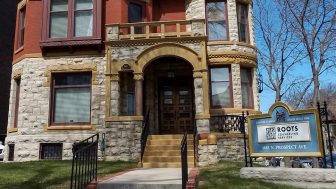
4485 N Oakland Ave
Shorewood, WI 53211
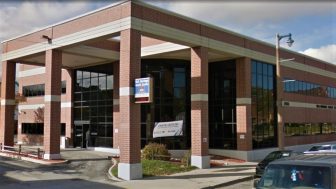
2555 N Doctor M.L.K. Jr Dr
Milwaukee, WI 53212
FAQs
What are the ways to pay for treatment at Meta House?
Medicaid is accepted, and so are county funding, private pay and some commercial insurance. If your plan isn’t in-network, there’s a sliding-scale structure meant to keep the bill workable for families. That’s the set of options to ask about when you call. Health insurance for rehab goes further on that.
Which types of care are offered here?
Residential treatment, outpatient treatment and housing through the Recovery Community are offered here. Medication for opioid use disorder doesn’t rule you out of any of them. Co-occurring mental health care is worked into the plan too, so substance use and a mental health concern get addressed in the same place.
Who does Meta House take, and can mothers bring children?
Women only, 18 and older, and you need to be ambulatory. Meta House specializes in women who are pregnant, postpartum or parenting, and mothers can bring children 10 and under with them. That 10-year limit is the detail to check first.
What is the campus like, and is smoking allowed?
It’s a warm, family-friendly program in a non-hospital setting, and the campus is nicotine-free. Staff are on site around the clock in residential treatment, and the outpatient program is staffed during business hours. No smoking anywhere on campus is the short version.
Which therapy approaches are used with women here?
Treatment includes Seeking Safety, plus a 12-step curriculum written for women and DBT skills. Outpatient treatment is strength-based and trauma-informed, and it’s set up along the same lines as the residential program. Those are the named approaches rather than a general therapy list.
