Ascension NE Wisconsin – St. Elizabeth Campus
1506 S Oneida St
Appleton, WI 54915
 Sponsored
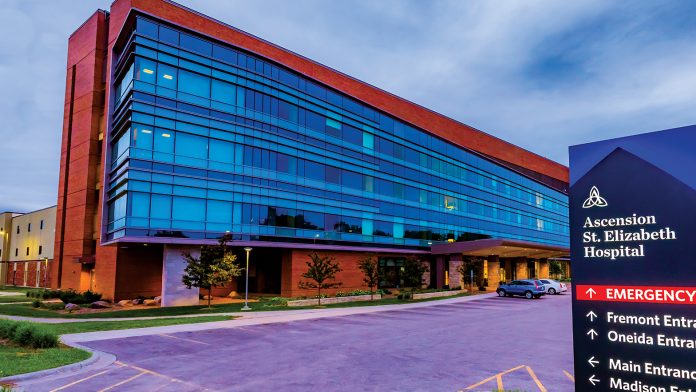
About Ascension NE Wisconsin – St. Elizabeth Campus
Ascension NE Wisconsin St. Elizabeth Campus in Appleton, Wisconsin offers an adolescent partial hospitalization program for substance use, integrating intensive outpatient care for teens ages 12 to 18. This adolescent PHP is a flagship service, though the facility also features adult and child inpatient programs, outpatient counseling, and medication assisted substance use treatment.
Specializing in Treating Teens with Addiction
The adolescent partial hospitalization program at Ascension St. Elizabeth is a three week intensive outpatient treatment track designed for adolescents aged 12 to 18. Running Monday through Friday from 8 a.m. to 2 p.m., it supports teens needing structured care outside of full hospitalization, with a clinical team that includes psychiatrists, nurses, therapists, social workers, and occupational therapists. The program handles co-occurring mental health and substance use concerns through evidence-based approaches and medication management where appropriate.
Within the PHP, teens participate in daily individual therapy sessions, group therapy, and weekly family therapy to rebuild communication and functioning at home and school. I like that treatment focuses on mood regulation, safety, coping skill development, personal growth, and communication training. The environment is supportive and structured, offering stabilization and therapeutic intervention in a less restrictive setting than inpatient care.
Additional Programs for Kids and Adults
Besides the adolescent PHP, St. Elizabeth offers child and adolescent inpatient crisis care, adult inpatient psychiatric and substance use programs, and outpatient individual and group counseling. I think it's notable that they offer medication assisted treatment too, using Suboxone® for opioid dependency. Non-invasive tools such as transcranial magnetic stimulation (TMS) are also available for treatment resistant conditions.
St. Elizabeth holds an A Grad in Hospital Safety from The Leapfrog Group, indicating high standards in patient safety and quality.
Addiction Treatment Programs
Individuals in their late teens and early twenties can find help for addiction at a young adult program in Wisconsin. These settings provide a comfortable, safe atmosphere where young adults feel at ease and treatment is customized to meet their unique needs.
Each adult program in Wisconsin is unique, but most use common treatment methods. A combination of social support, medication, and therapies provide the interventions needed to help participants achieve recovery.
Effective opioid rehab in Wisconsin includes medical detox, co-occurring disorder treatment, behavioral therapy, and aftercare. Often, a combination of cognitive-behavioral therapy and medication assisted treatment is helpful.
During men’s rehab in Wisconsin, men can be more vulnerable. Gender-specific treatment helps them feel free to speak openly about their experiences and emotions. Participants also meet other men who understand what they’re going through.
Women face different pressures and challenges than men. Women’s rehab in Wisconsin acknowledges these differences and provides addiction treatment specifically for women.
Levels of Care
Inpatient alcohol and drug rehab in Wisconsin is often a good fit for those who need intensive care as they start their recovery process. In this setting, you will live at the facility and receive 24/7 supervision while participating in various therapy sessions.
For those who don’t require 24/7 supervision but still need intensive drug rehab in Wisconsin, partial hospitalization programs (PHPs) are often a good fit. A PHP provides similar recovery groups, therapies, and wellness services offered in residential programs, but gives you the freedom to return home at the end of the day.
When you undergo detox in Wisconsin, you receive 24/7 care as medical professionals help your body rid itself of all addictive substances. This process varies in length, depending on history of use and drug type.
Compared to inpatient treatment, outpatient rehab in Wisconsin requires less time commitment. You’ll attend a few hours of treatment per week as well as support group meetings such as AA or NA. There is no set timeline for completion, but many people remain in outpatient rehab for several months.
Experts in mental health and addiction integrate their services to provide dual diagnosis treatment in Wisconsin. This treatment is designed for anyone who has both a substance abuse disorder and a mental health disorder, such as depression or anxiety.
Recovery is a life-long process. Aftercare rehab in Wisconsin sets you up for success on this journey. It begins after initial treatment ends and continues to provide support as you start on your new sober path. Ongoing counseling, career guidance, financial support, and other practical resources help you stay on the right track.
Contact Information


 Sponsored