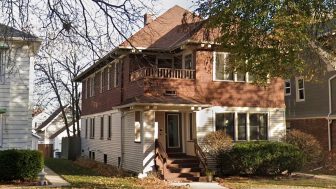
Roots Recovery Houses – Milwaukee Men’s Sober Living
2973 N Murray Ave
Milwaukee, WI 53211
 Sponsored
About Roots Recovery Houses – Milwaukee Men’s Sober Living
The Roots Recovery Houses are a pair of sober living homes for men in Milwaukee, Wisconsin. What I think sets these houses apart from similar programs is the live in managers, who have been through treatment themselves and are in sobriety. Their experience makes them a unique part of your support system as you focus on your own recovery and prepare yourself for life’s next steps.
The Milwaukee area around these recovery homes provides ample opportunity for exploration and entertainment, making it an ideal place for recovery.
Developing Self Care Skills
There’s more to maintaining sobriety than avoiding drugs and alcohol. Those who are better able to support themselves in their day to day living may be better equipped to maintain their sobriety. These life skills can range from seemingly simple things like learning to take care of yourself or living space, to bigger picture ideas like maintaining employment and complex problem solving, and The Roots Recovery Houses can help you strengthen those skills.
A Recovery Community
It’s important to remember that you aren’t on your addiction recovery journey alone. As a shared residence, this program puts you directly into a community of like minded individuals, each of whom can play their own role in your support system. I think people find it easier to join outside support groups when they’re already living in a group setting like this.
Addiction Treatment Programs
Alcohol rehab in Wisconsin provides treatment for alcohol use disorder. Those struggling with excessive alcohol use and related consequences receive interventions, support, and tools to address these issues and move forward on their recovery journey.
During men’s rehab in Wisconsin, men can be more vulnerable. Gender-specific treatment helps them feel free to speak openly about their experiences and emotions. Participants also meet other men who understand what they’re going through.
Effective opioid rehab in Wisconsin includes medical detox, co-occurring disorder treatment, behavioral therapy, and aftercare. Often, a combination of cognitive-behavioral therapy and medication assisted treatment is helpful.
The goal of drug rehab in Wisconsin is to come at addiction from every angle. This complex issue involves physical, mental, and relational aspects that must be addressed. During rehab, treatment focuses on each of these areas and gives you the tools you need to manage them without substance use.
Levels of Care
Compared to inpatient treatment, outpatient rehab in Wisconsin requires less time commitment. You’ll attend a few hours of treatment per week as well as support group meetings such as AA or NA. There is no set timeline for completion, but many people remain in outpatient rehab for several months.
Experts in mental health and addiction integrate their services to provide dual diagnosis treatment in Wisconsin. This treatment is designed for anyone who has both a substance abuse disorder and a mental health disorder, such as depression or anxiety.
Inpatient alcohol and drug rehab in Wisconsin is often a good fit for those who need intensive care as they start their recovery process. In this setting, you will live at the facility and receive 24/7 supervision while participating in various therapy sessions.
When you undergo detox in Wisconsin, you receive 24/7 care as medical professionals help your body rid itself of all addictive substances. This process varies in length, depending on history of use and drug type.
While living in a Wisconsin sober living home, you are usually required to submit to random drug tests and attend regular 12-step meetings. These policies, along with requirements to contribute to rent and other household responsibilities, provide a structured environment that helps you strengthen sobriety skills.
The goal of intervention in Wisconsin is to guide your loved one to the treatment they need. These services include education, resources, and support to help family members stage effective interventions and choose the best treatment program for their loved one’s needs.
Contact Information


 Sponsored