
Rogers Behavioral Health
34700 Valley Rd
Oconomowoc, WI 53066
 Sponsored
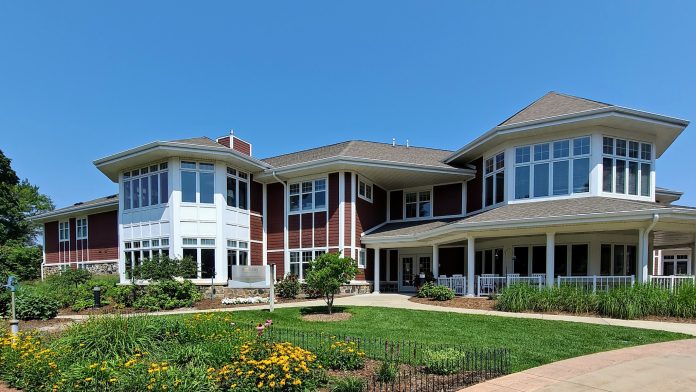
About Rogers Behavioral Health
Rogers Behavioral Health in Oconomowoc, Wisconsin offers medical detox and inpatient addiction treatment as its primary level of care for adults seeking safe withdrawal management. While this flagship inpatient addiction program anchors their continuum, the facility also provides comprehensive residential, partial hospitalization, and outpatient services for mental health, eating disorders, OCD, anxiety and more. The medical detox program is designed to help clients begin recovery on solid ground by managing withdrawal safely and compassionately.
Medical Detox at Rogers Behavioral Health
Rogers’ inpatient addiction treatment or withdrawal management serves adults who are physically dependent on substances and need medically supervised detoxification. I like that this program offers round the clock clinical care at the Oconomowoc hospital campus, staffed by board certified psychiatrists and licensed therapists who specialize in addiction and co occurring disorders.
Clients in the detox program can expect continuous monitoring of vital signs, medication management to ease withdrawal symptoms, and stabilization of any co existing mental health issues. Therapy modalities include CBT and other evidence based approaches to address behavioral health foundations, with the goal of preparing clients for the next level of care. Many clients highlight the supportive, professional staff and structured environment as key to feeling safe and transitioning smoothly into ongoing treatment, which I was glad to see
A Smooth Transition to Rehab
Beyond medical detox, Rogers Behavioral Health provides a broad range of other levels of care including residential treatment for depression, OCD, anxiety, and eating disorders, general inpatient mental health services, and outpatient offerings like partial hospitalization programs and intensive outpatient programs. I noticed that these programs serve adults, adolescents, and children with evidence based treatments and include telehealth options where appropriate.
Regarding payment, Rogers accepts various insurance plans, offers financial assistance through sliding scale arrangements, and works with both private pay and public funding sources. Prospective clients are encouraged to verify their insurance coverage and learn about any assistance programs to make treatment accessible.
Amenities
Art and music are mediums that connect with our feelings, making them a great recovery tool during addiction treatment. Studies show that combining art/music and drug rehab can have a greater therapeutic impact than drug rehab alone, as you’re able to access parts of your brain and body that you may not have access to during traditional talk therapy. Benefits of art/music therapy include lowering stress and anxiety, promoting healthy neurochemicals, and providing stress relief.
Addiction treatment programs provide an opportunity to get your life back on track with access to school classes or college courses. Whether you want to finish your GED or go back to school to learn a new trade, facilities often enlist tutors and teachers who are certified or licensed by the state to oversee self-study or distance-learning education.
Hiking is a great way to relieve stress, get perspective, navigate challenges, connect with nature, and improve your health - all essential components of sustaining long-term recovery. Studies also show that the body releases endorphins during physical activities like hiking. These endorphins improve mood and act as a natural pain reliever.
Yoga and meditation are great activities to support your recovery process during alcohol or drug rehab. These therapies have been around for centuries, and they are an effective way to improve well-being. Combining addiction treatment, yoga, and meditation can reduce cravings, improve sleep, relieve anxiety and depression, provide stress relief, promote relaxation, support emotional healing, and improve energy levels.
Music can be extremely therapeutic, serving as a valuable healing tool and an integrative feature of a holistic treatment plan. A music room offers a large number of outlets, including singing, playing musical instruments, and listening to music.
Private drug rehab provides a comfortable, secure environment that allows you to focus on doing the work to get your life back on track. Benefits include a higher staff-to-client ratio, increased one-on-one time with therapists and healthcare providers, private rooms for clients, and customized forms of therapy.
Transportation services are designed to ensure your addiction treatment begins and ends successfully by offering free transportation to the rehab facility, to and from your appointments during rehab, and back home upon program completion.
Recreational therapy uniquely combines therapeutic interventions with an activity, like horse-riding, hiking, wilderness therapy, basketball, tennis, or a full workout. Benefits of recreational therapy include providing a healthy way to work through the emotions of recovery, learning to build and maintain relationships, improving communication skills, and building self-esteem.
Treatment centers with a yoga studio offer a special form of holistic therapy during the recovery process. Yoga boosts mindfulness, a sense of calm, and healthy reflection during drug rehab via breathing exercises, stretching, and a progression of specific postures.
Addiction Treatment Programs
Individuals in their late teens and early twenties can find help for addiction at a young adult program in Wisconsin. These settings provide a comfortable, safe atmosphere where young adults feel at ease and treatment is customized to meet their unique needs.
Each adult program in Wisconsin is unique, but most use common treatment methods. A combination of social support, medication, and therapies provide the interventions needed to help participants achieve recovery.
Alcohol rehab in Wisconsin provides treatment for alcohol use disorder. Those struggling with excessive alcohol use and related consequences receive interventions, support, and tools to address these issues and move forward on their recovery journey.
During men’s rehab in Wisconsin, men can be more vulnerable. Gender-specific treatment helps them feel free to speak openly about their experiences and emotions. Participants also meet other men who understand what they’re going through.
Women face different pressures and challenges than men. Women’s rehab in Wisconsin acknowledges these differences and provides addiction treatment specifically for women.
Cognitive behavioral therapy in Wisconsin can be an effective treatment method for substance use disorders. Treatment techniques, which can be used in individual and group settings, include relapse prevention, motivational interventions, and coping strategies.
The goal of drug rehab in Wisconsin is to come at addiction from every angle. This complex issue involves physical, mental, and relational aspects that must be addressed. During rehab, treatment focuses on each of these areas and gives you the tools you need to manage them without substance use.
The challenges related to substance abuse vary depending on life stage and an individual’s physical and mental health. Elderly rehab in Wisconsin is tailored to meet the needs of seniors, wherever they are on the health spectrum.
Women face different pressures and challenges than men. Women’s rehab in Wisconsin acknowledges these differences and provides addiction treatment specifically for women.
Veteran’s rehab in Wisconsin caters to Veterans who are battling addiction and co-occurring mental health concerns. Specialized recovery tracks are designed for military personnel and first responders.
Through rational emotive behavioral therapy in Wisconsin, individuals become aware of how their beliefs affect their emotions and responses to events. Participants replace negative beliefs with positive ones so they can manage reactions and develop healthier patterns.
Effective opioid rehab in Wisconsin includes medical detox, co-occurring disorder treatment, behavioral therapy, and aftercare. Often, a combination of cognitive-behavioral therapy and medication assisted treatment is helpful.
Levels of Care
Compared to inpatient treatment, outpatient rehab in Wisconsin requires less time commitment. You’ll attend a few hours of treatment per week as well as support group meetings such as AA or NA. There is no set timeline for completion, but many people remain in outpatient rehab for several months.
Experts in mental health and addiction integrate their services to provide dual diagnosis treatment in Wisconsin. This treatment is designed for anyone who has both a substance abuse disorder and a mental health disorder, such as depression or anxiety.
Recovery is a life-long process. Aftercare rehab in Wisconsin sets you up for success on this journey. It begins after initial treatment ends and continues to provide support as you start on your new sober path. Ongoing counseling, career guidance, financial support, and other practical resources help you stay on the right track.
Inpatient alcohol and drug rehab in Wisconsin is often a good fit for those who need intensive care as they start their recovery process. In this setting, you will live at the facility and receive 24/7 supervision while participating in various therapy sessions.
When you undergo detox in Wisconsin, you receive 24/7 care as medical professionals help your body rid itself of all addictive substances. This process varies in length, depending on history of use and drug type.
The goal of intervention in Wisconsin is to guide your loved one to the treatment they need. These services include education, resources, and support to help family members stage effective interventions and choose the best treatment program for their loved one’s needs.
For those who don’t require 24/7 supervision but still need intensive drug rehab in Wisconsin, partial hospitalization programs (PHPs) are often a good fit. A PHP provides similar recovery groups, therapies, and wellness services offered in residential programs, but gives you the freedom to return home at the end of the day.
Accreditations
Contact Information


 Sponsored
Nearby Treatment Centers
1185 Corporate Center Dr
Suite 320
Oconomowoc, WI 53066
1500 Walnut Ridge Drive
#31
Hartland, WI 53029

2750 Golf Road
Delafield, WI 53018
1230 Corporate Center Dr
#100
Oconomowoc, WI 53066
