
Northwest Journey Day Treatment – Green Bay
 Sponsored
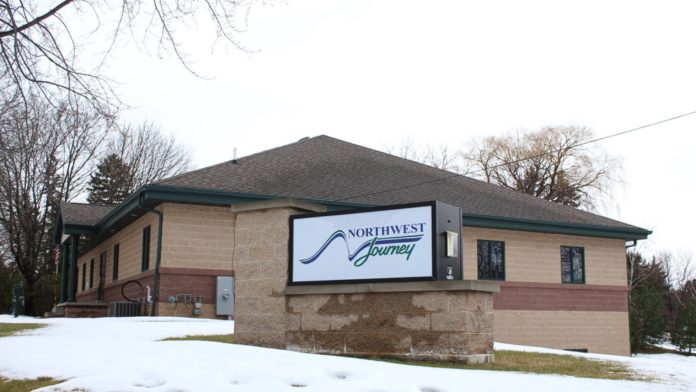
About Northwest Journey Day Treatment – Green Bay
Mental health day treatment is the care offered at Northwest Journey, a treatment program in Green Bay, Wisconsin. I noticed that it's for school-age children and adolescents only.
Children attend for a day or a half day, and the aim is to keep a child at home with family rather than in a placement. A day can run up to 5 hours, in groups of 8 to 11, with sessions of 60 minutes.
Paying for Day Treatment
If you're unsure how you'll pay, I noted that Northwest Journey accepts all forms of health insurance, including medical assistance. They also arrange a ride to the program and a ride home, and they provide both.
In Green Bay, enrollment typically runs 3 to 9 months, and staff work with local school districts on academics and a return to school. The center has run programs for children and families in Wisconsin since 1994.
Addiction Treatment Programs
School aged children are accepted. The program is community-based day or half-day treatment for children and adolescents, aimed at keeping them from out-of-home placements and supporting family stability.
During men’s rehab in Wisconsin, men can be more vulnerable. Gender-specific treatment helps them feel free to speak openly about their experiences and emotions. Participants also meet other men who understand what they’re going through.
Women face different pressures and challenges than men. Women’s rehab in Wisconsin acknowledges these differences and provides addiction treatment specifically for women.
Cognitive behavioral therapy in Wisconsin can be an effective treatment method for substance use disorders. Treatment techniques, which can be used in individual and group settings, include relapse prevention, motivational interventions, and coping strategies.
Levels of Care
Compared to inpatient treatment, outpatient rehab in Wisconsin requires less time commitment. You’ll attend a few hours of treatment per week as well as support group meetings such as AA or NA. There is no set timeline for completion, but many people remain in outpatient rehab for several months.
Experts in mental health and addiction integrate their services to provide dual diagnosis treatment in Wisconsin. This treatment is designed for anyone who has both a substance abuse disorder and a mental health disorder, such as depression or anxiety.
For those who don’t require 24/7 supervision but still need intensive drug rehab in Wisconsin, partial hospitalization programs (PHPs) are often a good fit. A PHP provides similar recovery groups, therapies, and wellness services offered in residential programs, but gives you the freedom to return home at the end of the day.
Contact Information


 Sponsored
Patti Croft is a full-time writer who writes about accessing effective addiction treatment during the day but is also pursuing her dream of penning a novel in her spare time. She enjoys copious amounts of coffee as creative fuel and sharing an office with her adorable cat, Beau. Her background is in healthcare management, and she is a passionate advocate for mental health and addiction care.
Rehabs.org regularly reviews this listing for accuracy but changes may occur between updates. For the most up-to-date information, please contact Northwest Journey Day Treatment – Green Bay.
Nearby Treatment Centers

FAQs
Does Northwest Journey accept insurance and medical assistance?
Yes. All forms of insurance are accepted here, and medical assistance is included in that same group. You aren’t limited to a single kind of coverage.
What kind of day treatment do children get here?
It’s a mental health day treatment program for children and adolescents. The option is a day or a half day, and it’s aimed at preventing out-of-home placements.
Who is accepted into this day treatment program?
School aged children are accepted into the program. It’s a community-based day or half-day option, and the aim is preventing out-of-home placements while supporting family stability.
Can you get transportation, and is telepsychiatry offered?
Yes. You can get transportation to the program and back, since it’s arranged and provided. In-person care is offered, and so is telepsychiatry when psychiatric services can’t be secured in the community.
How do group sessions and individual sessions work?
Groups usually hold 8 to 11 clients for 60 minute sessions, up to 5 hours a day. Individual sessions run regularly on issues identified for that person. Plans are family-centered, strength-based and trauma-informed.
