
Jackie Nitschke Center
 Sponsored

About Jackie Nitschke Center
Adults who need residential addiction treatment in Green Bay, Wisconsin can stay at Jackie Nitschke Center, the only adult residential program for substance addiction in Brown County.
The center has served adults and families since 1973, it's certified to treat co-occurring mental health disorders along with addiction. I like how the staff keeps a low client-to-counselor ratio.
I also like that family sessions are arranged around each client and family, with direct communication and rebuilding trust as the aim. Medical detox isn't offered, so withdrawal care has to happen somewhere else.
Badger Care and Insurance Help
Most people who call about residential care start with the bill. If you're sorting it out through health insurance, the center holds contracts with most commercial insurers and most Badger Care plans.
Jackie's Legacy Financial Assistance adds to the personal resources a family puts toward paying for rehab, and it's for those who qualify.
The campus sits in Green Bay, and the center's involvement in the recovery community connects clients with community-based recovery support groups. Alumni have a no-fee group of their own for sober activities and relapse prevention, and the center also runs recovery housing with peer support.
Amenities
Residential drug rehab provides the comforts of home with the therapeutic support needed to successfully recover. Benefits of an inpatient program include increased safety, a higher success rate, and the time and distance given to focus on recovery. Residential drug rehabs are often the preferred method of treatment, as they can be tailored to meet specific needs, offer focused therapeutic care, and provide the necessary tools to sustain recovery.
Addiction Treatment Programs
Individuals in their late teens and early twenties can find help for addiction at a young adult program in Wisconsin. These settings provide a comfortable, safe atmosphere where young adults feel at ease and treatment is customized to meet their unique needs.
Adults and families are who this program serves, and its residential program is the county's only residential treatment center for adults with substance addiction.
Alcohol addiction is treated here alongside drug addiction, and residential care for both is medically monitored.
During men’s rehab in Wisconsin, men can be more vulnerable. Gender-specific treatment helps them feel free to speak openly about their experiences and emotions. Participants also meet other men who understand what they’re going through.
Women face different pressures and challenges than men. Women’s rehab in Wisconsin acknowledges these differences and provides addiction treatment specifically for women.
Effective opioid rehab in Wisconsin includes medical detox, co-occurring disorder treatment, behavioral therapy, and aftercare. Often, a combination of cognitive-behavioral therapy and medication assisted treatment is helpful.
Cognitive behavioral therapy in Wisconsin can be an effective treatment method for substance use disorders. Treatment techniques, which can be used in individual and group settings, include relapse prevention, motivational interventions, and coping strategies.
The goal of drug rehab in Wisconsin is to come at addiction from every angle. This complex issue involves physical, mental, and relational aspects that must be addressed. During rehab, treatment focuses on each of these areas and gives you the tools you need to manage them without substance use.
The challenges related to substance abuse vary depending on life stage and an individual’s physical and mental health. Elderly rehab in Wisconsin is tailored to meet the needs of seniors, wherever they are on the health spectrum.
Levels of Care
Compared to inpatient treatment, outpatient rehab in Wisconsin requires less time commitment. You’ll attend a few hours of treatment per week as well as support group meetings such as AA or NA. There is no set timeline for completion, but many people remain in outpatient rehab for several months.
The Jackie Nitschke Center Alumni Group is a no-fee relapse prevention support group where alumni build healthy relationships through sober activities.
Residential treatment is the highest level of care here, and it's medically monitored for people with alcohol or drug addiction.
The goal of intervention in Wisconsin is to guide your loved one to the treatment they need. These services include education, resources, and support to help family members stage effective interventions and choose the best treatment program for their loved one’s needs.
Intensive outpatient care leads into outpatient treatment here. The IOP comes first, and outpatient treatment picks up after it for people who finish.
Accreditations
Contact Information


 Sponsored
Amy Greene’s first novel Bloodroot was a New York Times and National Bestseller and a New York Times Editor’s Choice pick. Her second novel Long Man was a Washington Post Top Book of the Year. She lives in the Smoky Mountains of East Tennessee with her husband and two children.
Rehabs.org regularly reviews this listing for accuracy but changes may occur between updates. For the most up-to-date information, please contact Jackie Nitschke Center.
Nearby Treatment Centers

218 S Oneida St
Green Bay, WI 54303
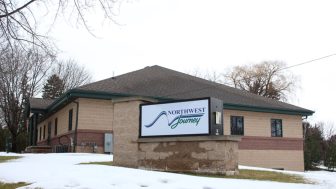
123 S Van Buren St
Green Bay, WI 54301
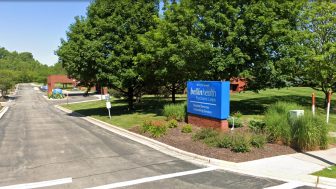
301 East Saint Joseph Street
Green Bay, WI 54301
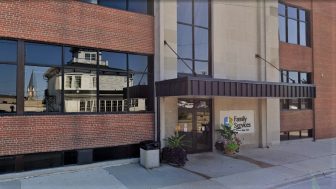
300 Crooks Street
Green Bay, WI 54301
FAQs
Can you get help paying for treatment at Jackie Nitschke Center?
Yes, for some people. The Jackie’s Legacy Financial Assistance program supplements the personal resources someone brings to treatment, and it’s for those who qualify. Paying for rehab is what this program helps with.
What levels of care does Jackie Nitschke Center offer?
Residential, intensive outpatient and outpatient care. Residential treatment is medically monitored, and outpatient treatment acts as a bridge for people who have completed the intensive outpatient program.
Who does this center treat in Green Bay?
Adults and families. The center has worked with both since 1973, and care covers substance addiction along with mental health challenges, so a family is part of who it serves.
What is the setting like on the Green Bay campus?
Treatment happens on a campus in a home-like setting. The campus location and the center’s involvement with the recovery community give clients a route into community-based recovery support groups.
