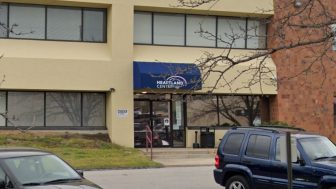
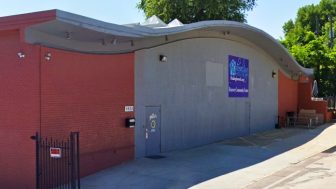
Mattie Rhodes Center Northeast
148 North Topping Avenue
Kansas City, MO 64123
 Sponsored
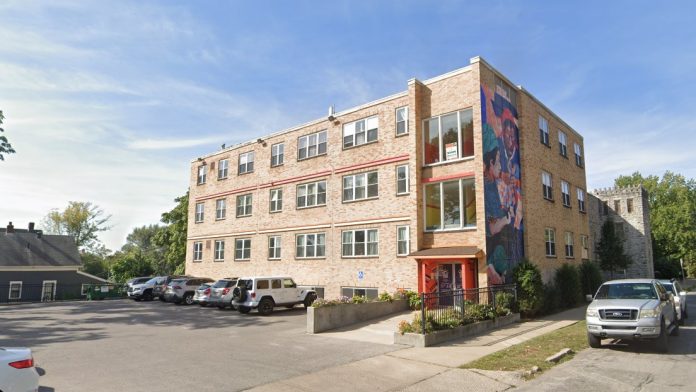
About Mattie Rhodes Center Northeast
The Mattie Rhodes Center Northeast Office is a drug and alcohol rehab and community resource center in Kansas City, MO. This bicultural and bilingual facility provides outpatient treatment services including family violence intervention, in-school intervention, and mental health services for youth and families, especially recent immigrants from Latin America who speak Spanish. Culturally component programming is offered in five areas: family support, youth development, community support, cultural arts, and emergency assistance.
Family services at Mattie Rhodes include education and support groups, substance abuse prevention and treatment, mental health counseling, service coordination, and economic development information. Youth services offered here include in-school intervention, youth development programs, young adult supportive living, and a soccer for success program.
Service payments are based on a sliding scale depending on income, but no one is refused service based on inability to pay.
Amenities
Private drug rehab provides a comfortable, secure environment that allows you to focus on doing the work to get your life back on track. Benefits include a higher staff-to-client ratio, increased one-on-one time with therapists and healthcare providers, private rooms for clients, and customized forms of therapy.
Residential drug rehab provides the comforts of home with the therapeutic support needed to successfully recover. Benefits of an inpatient program include increased safety, a higher success rate, and the time and distance given to focus on recovery. Residential drug rehabs are often the preferred method of treatment, as they can be tailored to meet specific needs, offer focused therapeutic care, and provide the necessary tools to sustain recovery.
In order to maintain a sense of autonomy, many private rehab facilities offer clients the ability to choose their own private rooms. The privacy and personal space ensure that the recovery process is as comfortable as possible.
Recreational therapy uniquely combines therapeutic interventions with an activity, like horse-riding, hiking, wilderness therapy, basketball, tennis, or a full workout. Benefits of recreational therapy include providing a healthy way to work through the emotions of recovery, learning to build and maintain relationships, improving communication skills, and building self-esteem.
Art and music are mediums that connect with our feelings, making them a great recovery tool during addiction treatment. Studies show that combining art/music and drug rehab can have a greater therapeutic impact than drug rehab alone, as you’re able to access parts of your brain and body that you may not have access to during traditional talk therapy. Benefits of art/music therapy include lowering stress and anxiety, promoting healthy neurochemicals, and providing stress relief.
Hiking is a great way to relieve stress, get perspective, navigate challenges, connect with nature, and improve your health - all essential components of sustaining long-term recovery. Studies also show that the body releases endorphins during physical activities like hiking. These endorphins improve mood and act as a natural pain reliever.
Addiction treatment programs provide an opportunity to get your life back on track with access to school classes or college courses. Whether you want to finish your GED or go back to school to learn a new trade, facilities often enlist tutors and teachers who are certified or licensed by the state to oversee self-study or distance-learning education.
Addiction Treatment Programs
An adult program in Missouri offers hope to individuals struggling with substance use disorders. Through a variety of therapy methods, these programs treat the disorder and help adults enter and maintain recovery.
The goal of each alcohol rehab in Missouri is to provide effective recovery treatment for alcohol use disorder. To ensure long-term success, treatment includes creating a network of support to help individuals maintain their sobriety after initial rehab is complete.
As an evidence-based treatment, cognitive behavioral therapy in Missouri is appropriate for inpatient and outpatient settings. This treatment method helps participants change thinking patterns and resulting behaviors and is often included as part of an addiction recovery plan.
Opioid rehab in Missouri typically starts with a medically supervised detox program or medication assisted treatment (MAT) program. Once this stage is completed, participants enter an inpatient or outpatient program that is best suited to meet their unique needs.
Maintaining a focus on treating the whole person, elderly rehab in Missouri addresses medical, psychological, and family issues as they relate to seniors struggling with addiction. Treatment is geared toward older adults, offering relevant strategies for this age bracket.
Addiction treatment for young adults focuses on patients in a unique stage of life. Each young adult program in Missouri offers therapies and activities that are customized to individuals in their teens and twenties.
Levels of Care
When you enter outpatient rehab in Missouri, a recovery expert will evaluate your needs and help you develop a personalized treatment plan. This typically includes one-on-one visits with therapists, group therapy, and support group meetings. The length of outpatient rehab will be determined by your recovery needs.
Missouri dual diagnosis treatment programs specialize in helping people with co-occurring disorders recover from both. They are designed to help you manage your mental health and substance abuse disorders during treatment and throughout your recovery journey.
Contact Information


 Sponsored