Johnson County Mental Health Center – Adolescent Center for Treatment
920 W Spruce St.
Olathe, KS 66061
 Sponsored
About Johnson County Mental Health Center – Adolescent Center for Treatment
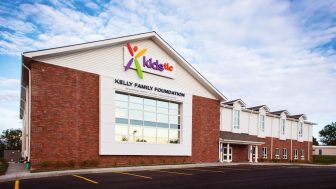
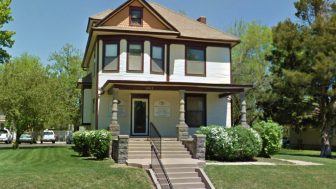
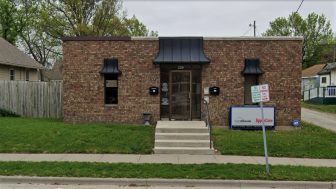
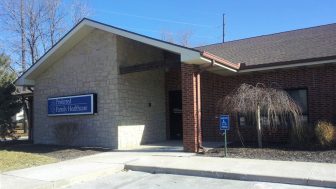
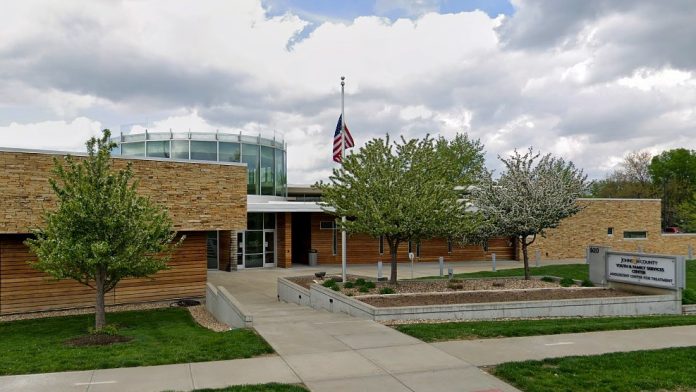
Located in the heart of Olathe, Kansas, the Johnson County Adolescent Center for Treatment (ACT) is a specialized addiction treatment facility focused entirely on helping teens (ages 12-18) navigate recovery from substance use. ACT is an 11-bed residential facility located within the Youth & Family Services Center on West Spruce Street, offering both inpatient and outpatient care.
I like that local parks and community spaces, including the Johnson County Library and Frisco Lake Park, surround this campus-like environment. These and other local amenities help to support therapeutic activities and life skills development for teens in recovery. ACT accepts Kansas Medicaid (KanCare), and Johnson County residents are eligible for a sliding-scale fee depending on income and family size.
The reviews are overwhelmingly positive for ACT. One past client notes, “At first I didn’t think I needed it. But ended up finishing it and was really happy I did!” Another client described the center as helpful and friendly.
Teen-Only Focus With Practical Structure
The facility stands out to me for its dedication to adolescent care. While many addiction treatment centers integrate teens with adults, here, programming is designed specifically for the specialized needs of younger clients.
From school support and vocational skills to managing family dynamics, the ACT approach is age-appropriate and grounded in real life. The center supports teens at all stages of their healing journey, if they are court-involved, entering treatment voluntarily, or managing co-occurring mental health issues. Care here is versatile and tailored for each individual client.
Residential and Outpatient Programming for Real Life
Families can choose from two levels of care at ACT. They offer a structured residential program for teens needing 24/7 supervision and support.
An online virtual tour reveals a bright and inviting space with individual rooms that are clean and well-appointed. For clients who are safe to stay at home but need strong, daily support, an intensive outpatient program (IOP) is also available.
Amenities
When used as part of an evidence-based treatment plan, basketball can boost physical and mental health, lead to sharper thinking, and facilitate improved self-esteem. Drug rehabs with a basketball court also place a focus on teamwork and cooperation.
Business centers are a preferred amenity in many mental health and addiction recovery facilities and typically feature secure, high-speed internet, computer stations, printers, and related business technologies. Business centers are designed to enable professionals and students to continue to participate in work or school activities without leaving the treatment facility.
Addiction treatment programs provide an opportunity to get your life back on track with access to school classes or college courses. Whether you want to finish your GED or go back to school to learn a new trade, facilities often enlist tutors and teachers who are certified or licensed by the state to oversee self-study or distance-learning education.
Private drug rehab provides a comfortable, secure environment that allows you to focus on doing the work to get your life back on track. Benefits include a higher staff-to-client ratio, increased one-on-one time with therapists and healthcare providers, private rooms for clients, and customized forms of therapy.
Transportation services are designed to ensure your addiction treatment begins and ends successfully by offering free transportation to the rehab facility, to and from your appointments during rehab, and back home upon program completion.
Recreational therapy uniquely combines therapeutic interventions with an activity, like horse-riding, hiking, wilderness therapy, basketball, tennis, or a full workout. Benefits of recreational therapy include providing a healthy way to work through the emotions of recovery, learning to build and maintain relationships, improving communication skills, and building self-esteem.
Residential drug rehab provides the comforts of home with the therapeutic support needed to successfully recover. Benefits of an inpatient program include increased safety, a higher success rate, and the time and distance given to focus on recovery. Residential drug rehabs are often the preferred method of treatment, as they can be tailored to meet specific needs, offer focused therapeutic care, and provide the necessary tools to sustain recovery.
Addiction Treatment Programs
Treatment plans at a young adult program in Kansas typically encompass counseling for addiction as well as co-occurring mental health disorders. Young adults who are struggling with anxiety, depression, PTSD, or ADHD can get help for these disorders as well as substance use disorders.
When an individual needs help with an addiction, they can find support at an adult program in Kansas. These treatment programs offer recovery services for men and women ages 18 and older.
Alcohol rehab in Kansas helps individuals who are struggling with alcohol use disorder learn about recovery, its benefits, and how to achieve it. Treatment focuses on motivation to change, skills to accomplish change, and how to maintain long-term success with sobriety.
Often, men’s rehab in Kansas offers treatment for substance use disorders as well as dual diagnosis treatment. These programs can help men who are facing PTSD, ADHD, depression, anxiety, and bipolar disorder.
Women’s rehab in Kansas provides gender-specific treatment and allows participants to connect with other women who understand their challenges. This targeted support can be beneficial for long-term recovery.
The most common types of opioid rehab in Kansas are detox, inpatient, intensive outpatient, and support groups. Each use evidence-based therapies to teach strategies for overcoming addiction and maintaining long-term sobriety.
People often benefit from cognitive behavioral therapy in Kansas, as it teaches techniques for coping with negative thoughts, challenging emotions, and triggers. These exercises can be practiced on their own, so people in recovery have effective tools to maintain their sobriety.
No single drug rehab in Kansas is right for everyone. Length, intensity, setting, and treatment methods vary. These can be tailored to meet each person’s needs. With the right program, individuals can successfully end their drug dependency and achieve long-term recovery.
Assertive Community Treatment (ACT) is an integrative, community-based care strategy designed to address the needs of persons with severe and/or complex mental illness or behavioral disorders. ACT is typically provided by a multidisciplinary team of medical and mental health care providers, social workers, therapists, and other specialists, including addiction recovery professionals. These services are frequently provided in the home and community to clients in crisis, those who are clinically unstable, and those who are unable or unwilling to travel to a hospital or clinic for in-person treatment.
Levels of Care
Kansas outpatient rehab often includes several types of therapy, such as group, individual, and family. You’ll attend several sessions per week, learning new skills and how to live a sober lifestyle. This treatment will continue for weeks, months, or even years, depending on your ongoing recovery needs.
A dual diagnosis treatment program in Kansas is best suited to meet the needs of those who have co-occurring disorders. If you suffer from anxiety, mood disorder, depression, or ADHD alongside addiction, dual diagnosis treatment will effectively treat both disorders.
Once you’ve completed early phases of treatment, aftercare rehab in Kansas provides continued support. As you begin to face challenges of everyday life, this program gives you the tools you need to meet them. Ongoing counseling, support groups, and financial guidance are common aspects of aftercare, which may continue for a year or more after initial treatment.
Inpatient rehab in Kansas involves participation in group, individual, and other types of therapy in a medically supervised setting. Treatment may also include medication management and holistic therapies. It requires living at the drug rehab for the duration of treatment.
Contact Information


 Sponsored