Preferred Family Healthcare
 Sponsored
About Preferred Family Healthcare
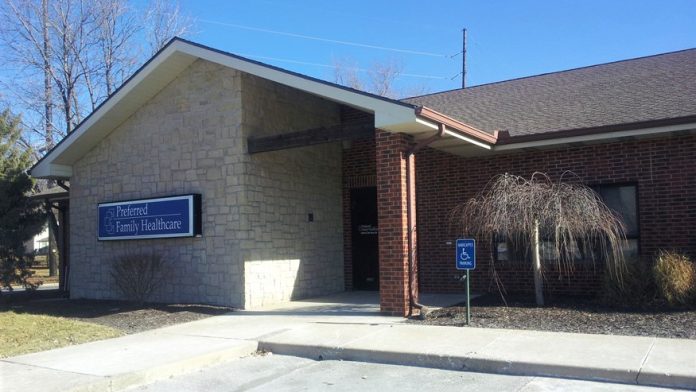
Preferred Family Healthcare is a nonprofit addiction treatment center in Olathe, Kansas, offering outpatient care for substance use and co-occurring mental health conditions.
The center, I've learned, provides detox support, outpatient rehab, intensive outpatient (IOP), partial hospitalization (PHP),and dual-diagnosis treatment for a wide range of ages.
Clients value its community based approach and the addition of creative therapies like art and music.
Community Based Addiction Treatment Across the Lifespan
The Olathe center focuses on outpatient care, including standard outpatient rehab, intensive outpatient programming (IOP) and partial hospitalization (PHP).
Treatment approaches include individual counseling, group therapy, cognitive behavioral therapy (CBT), 12 Step programs and aftercare or alumni support.
I've learned that detox services and medication assisted treatment are also part of the broader PFH recovery model.
Preferred Family Healthcare serves adults, seniors, men, women, adolescents, teens and children.
Dual-diagnosis care is a central specialty, integrating addiction treatment with mental health support.
Location and Facility Details
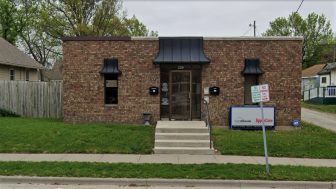
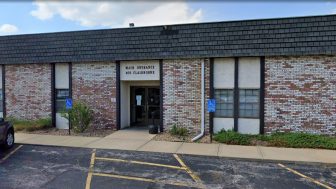
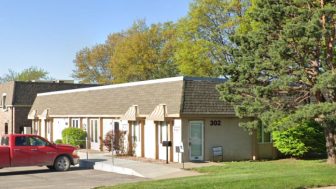
The facility is located on E. Old Highway 56 in Olathe, Kansas, offering in-person outpatient treatment.
Virtual and in-home care are not available at this location.
Preferred Family Healthcare accepts Medicaid, Medicare, TRICARE, private insurance and self-pay.
Sliding-fee discounts, financial assistance and payment plans may be available, so it is best to verify coverage before admission.
Amenities
Art and music are mediums that connect with our feelings, making them a great recovery tool during addiction treatment. Studies show that combining art/music and drug rehab can have a greater therapeutic impact than drug rehab alone, as you’re able to access parts of your brain and body that you may not have access to during traditional talk therapy. Benefits of art/music therapy include lowering stress and anxiety, promoting healthy neurochemicals, and providing stress relief.
Music can be extremely therapeutic, serving as a valuable healing tool and an integrative feature of a holistic treatment plan. A music room offers a large number of outlets, including singing, playing musical instruments, and listening to music.
Addiction Treatment Programs
When an individual needs help with an addiction, they can find support at an adult program in Kansas. These treatment programs offer recovery services for men and women ages 18 and older.
Alcohol rehab in Kansas helps individuals who are struggling with alcohol use disorder learn about recovery, its benefits, and how to achieve it. Treatment focuses on motivation to change, skills to accomplish change, and how to maintain long-term success with sobriety.
People often benefit from cognitive behavioral therapy in Kansas, as it teaches techniques for coping with negative thoughts, challenging emotions, and triggers. These exercises can be practiced on their own, so people in recovery have effective tools to maintain their sobriety.
Often, men’s rehab in Kansas offers treatment for substance use disorders as well as dual diagnosis treatment. These programs can help men who are facing PTSD, ADHD, depression, anxiety, and bipolar disorder.
The most common types of opioid rehab in Kansas are detox, inpatient, intensive outpatient, and support groups. Each use evidence-based therapies to teach strategies for overcoming addiction and maintaining long-term sobriety.
With a focus on addressing the physical and mental challenges that often make older individuals more susceptible to substance use disorders, elderly rehab in Kansas provides a targeted solution. Staff are trained in geriatric issues and how to provide relevant care for seniors.
Women’s rehab in Kansas provides gender-specific treatment and allows participants to connect with other women who understand their challenges. This targeted support can be beneficial for long-term recovery.
Treatment plans at a young adult program in Kansas typically encompass counseling for addiction as well as co-occurring mental health disorders. Young adults who are struggling with anxiety, depression, PTSD, or ADHD can get help for these disorders as well as substance use disorders.
Levels of Care
Kansas outpatient rehab often includes several types of therapy, such as group, individual, and family. You’ll attend several sessions per week, learning new skills and how to live a sober lifestyle. This treatment will continue for weeks, months, or even years, depending on your ongoing recovery needs.
A dual diagnosis treatment program in Kansas is best suited to meet the needs of those who have co-occurring disorders. If you suffer from anxiety, mood disorder, depression, or ADHD alongside addiction, dual diagnosis treatment will effectively treat both disorders.
Once you’ve completed early phases of treatment, aftercare rehab in Kansas provides continued support. As you begin to face challenges of everyday life, this program gives you the tools you need to meet them. Ongoing counseling, support groups, and financial guidance are common aspects of aftercare, which may continue for a year or more after initial treatment.
Partial hospitalization programs (PHPs) offer many of the same treatment services as inpatient care, but you return home during non-treatment times. This type of treatment often serves as a bridge between inpatient and outpatient drug rehab in Kansas.
Accreditations
Accepted Insurance









Contact Information


 Sponsored
Maygen Brockway, MTC, has more than 10 years of editing and writing experience. She’s written for the medical, wedding, fashion, and technical industries. She’s a poetry lover, coffee and whiskey drinker, social butterfly, and mom who lives in scenic Southern Utah. She has a Master’s in Technical Communication and loves writing.
Rehabs.org regularly reviews this listing for accuracy but changes may occur between updates. For the most up-to-date information, please contact Preferred Family Healthcare.