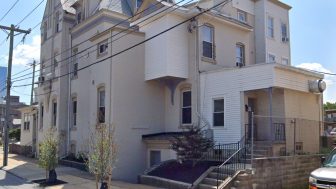
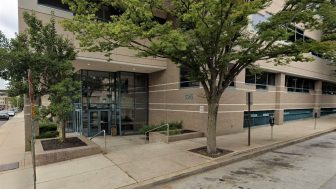
Gaudenzia Fresh Start Delaware
604 West 10th Street
Wilmington, DE 19801
 Sponsored
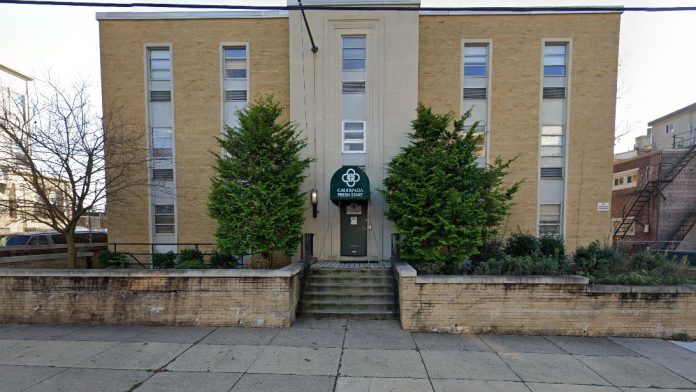
About Gaudenzia Fresh Start Delaware
At Gaudenzia you can find treatment for substance use and dual diagnosis. The organization operates Fresh Start Delaware, located in Wilmington, Delaware. It is a men’s residential treatment program for individuals experiencing drug addictions and other mental health challenges.
Comfortable and Private Care
One of the important first steps that individuals often go through is the detoxification process. At Fresh Start Delaware, you will be monitored by medical professionals to make sure you detox as safely and comfortably as possible. Individuals will receive substance use disorder (SUD) treatment and co-occurring disorders treatment in addition to individual and group therapy. The care offered is both trauma informed and gender responsive to make sure your individual needs are met.
The residential environment is a comfortable and private setting with support from caring staff members 24/7. There are dining rooms and recreational areas to encourage community connection.
If applicable, there are also family visitation rooms. Fresh Start strives to help you gain more independence and reintegrate into your communities.
A Supportive Environment
Patient testimonials have described the environment as supportive, with an emphasis on a peer atmosphere. I think it’s an important insight on the connection between residents.
There is also public transportation available for easy access to the facility and to community centers for further resources. Brandywine Park in Wilmington can be a relaxing green space outside of the facility, and I think visiting with family and friends can encourage positive connections with your support system.
Amenities
Private drug rehab provides a comfortable, secure environment that allows you to focus on doing the work to get your life back on track. Benefits include a higher staff-to-client ratio, increased one-on-one time with therapists and healthcare providers, private rooms for clients, and customized forms of therapy.
Residential drug rehab provides the comforts of home with the therapeutic support needed to successfully recover. Benefits of an inpatient program include increased safety, a higher success rate, and the time and distance given to focus on recovery. Residential drug rehabs are often the preferred method of treatment, as they can be tailored to meet specific needs, offer focused therapeutic care, and provide the necessary tools to sustain recovery.
Recreational therapy uniquely combines therapeutic interventions with an activity, like horse-riding, hiking, wilderness therapy, basketball, tennis, or a full workout. Benefits of recreational therapy include providing a healthy way to work through the emotions of recovery, learning to build and maintain relationships, improving communication skills, and building self-esteem.
Yoga and meditation are great activities to support your recovery process during alcohol or drug rehab. These therapies have been around for centuries, and they are an effective way to improve well-being. Combining addiction treatment, yoga, and meditation can reduce cravings, improve sleep, relieve anxiety and depression, provide stress relief, promote relaxation, support emotional healing, and improve energy levels.
Addiction Treatment Programs
Many options are available for those seeking a young adult program in Delaware. Since this demographic faces so many unique needs and challenges, recovery success may rely on threatment that specifically targets those elements.
An adult program in Delaware provides addiction recovery services for individuals ages 18 and older. Treatment is typically offered on a continuum of care, based on the severity of the addiction.
The typical format for alcohol rehab in Delaware includes detox, rehabilitation, and maintenance. This three-phase plan provides comprehensive treatment that uses best practices for long-term, lasting sobriety.
Men’s rehab in Delaware gives men the benefit of speaking with other men about their substance use disorder and related challenges. This connection can be an important part of the recovery process.
Women’s rehab in Delaware offers treatment for women with substance use disorders. These programs often include dual diagnosis treatment, so women can also get help for co-occurring disorders such as depression, anxiety, ADHD, bipolar disorder, and PTSD.
Successful opioid rehab in Delaware addresses medical, emotional, and relational aspects of addiction. Treatment provides the professional intervention necessary to get your life on track, through personalized programs that address your unique needs.
When people have impulsive, negative thoughts, they often try to self-medicate with alcohol or drugs to cope with their emotions. Cognitive behavioral therapy in Delaware helps people identify these thoughts patterns and manage them without the use of substances.
Recovery can begin at drug rehab in Delaware. These programs specialize in providing an environment that encourages rest, rejuvenation, and a restart to life. Individuals receive customized treatment that is designed to put them on the path to recovery.
Elderly rehab in Delaware caters to senior adults who are struggling with a substance use disorder. This treatment is appropriate for seniors who have a long-term addiction as well as those who have become addicted to substances later in life.
Women’s rehab in Delaware offers treatment for women with substance use disorders. These programs often include dual diagnosis treatment, so women can also get help for co-occurring disorders such as depression, anxiety, ADHD, bipolar disorder, and PTSD.
Therapists use rational emotive behavioral therapy in Delaware to treat addiction and co-occurring mental health conditions. The focus is on correcting irrational beliefs around one’s substance use behavior and developing healthier patterns of thinking and behavior.
Moral Reconation Therapy (MRT) is a form of psychotherapy commonly used in addiction recovery. Based on cognitive behavioral therapy (CBT), moral reconation therapy (MRT) helps clients recognize unhealthy and/or harmful thought patterns and to replace them with more positive and productive ones. MRT is designed to empower clients to make healthier life choices and to more effectively align their behaviors with their moral values.
Levels of Care
Delaware outpatient rehab provides ongoing treatment while allowing you to fulfill other obligations at work and home. It involves attending treatment sessions several times per week and attending a support group. This treatment may continue for weeks or months, depending on your recovery needs.
When a mental health disorder and substance abuse disorder exist simultaneously, dual diagnosis in Delaware is necessary for proper treatment. Common co-occurring disorders include depression, anxiety, ADHD, and eating disorders.
During residential or inpatient drug rehab in Delaware, you live at the rehab facility and receive 24/7 supervised care. Clients reside at the treatment center for the entire length of their program, which may range from two weeks to more than 18 months, depending on the program.
The first few months of recovery can be the toughest, so choosing a Delaware sober living program might be beneficial. This allows you to live in a residence with others in recovery, sharing structured schedules and strict house rules. This structure and support, paired with a 12-step program, has been shown to improve recovery outcomes.
Professional intervention services in Delaware are available to assist with facilitating interventions and providing the necessary follow-up resources for families. Staff intervention specialists will help you create an intervention plan that guides your loved one to embrace the recovery help they need.
A type of outpatient treatment, the partial hospitalization program (PHP) allows you to receive intensive, structured care while living at home. You visit the drug rehab in Delaware during the day for therapy and medication management, then return home at night.
Accreditations
Contact Information


 Sponsored