Essentials Recovery Delaware
Wilmington, DE
19805

Accredited drug rehab centers available across Claymont.
Sliding-scale payments, financial aid, low-cost programs, and local nonprofits.
Medicare, Medicaid, TRICARE, plus local private health insurance coverage.
 Filter
| Name | Address | Description | Treatment | Insurance | Thumbnail |
|---|---|---|---|---|---|
Gaudenzia Fresh Start Delaware | 604 West 10th Street | At Gaudenzia you can find treatment for substance use and dual diagnosis. The organization operates Fresh Start Delaware, located in Wilmington, Delaware. It is a ... more details › | Treatment Programs Insurance Inpatient During residential or inpatient drug rehab in Delaware, you live at the rehab facility and receive 24/7 supervised care. Clients reside at the treatment center for the entire length of their program, which may range from two weeks to more than 18 months, depending on the program. PHP A type of outpatient treatment, the partial hospitalization program (PHP) allows you to receive intensive, structured care while living at home. You visit the drug rehab in Delaware during the day for therapy and medication management, then return home at night. Outpatient Delaware outpatient rehab provides ongoing treatment while allowing you to fulfill other obligations at work and home. It involves attending treatment sessions several times per week and attending a support group. This treatment may continue for weeks or months, depending on your recovery needs. Dual Diagnosis When a mental health disorder and substance abuse disorder exist simultaneously, dual diagnosis in Delaware is necessary for proper treatment. Common co-occurring disorders include depression, anxiety, ADHD, and eating disorders. Sober Living The first few months of recovery can be the toughest, so choosing a Delaware sober living program might be beneficial. This allows you to live in a residence with others in recovery, sharing structured schedules and strict house rules. This structure and support, paired with a 12-step program, has been shown to improve recovery outcomes. Intervention Professional intervention services in Delaware are available to assist with facilitating interventions and providing the necessary follow-up resources for families. Staff intervention specialists will help you create an intervention plan that guides your loved one to embrace the recovery help they need. +4 | Treatment Programs Insurance Medicaid If you're eligible for Medicaid, you can use it to help with the cost of alcohol and drug rehab in Delaware. All levels of care, including detox in Delaware, inpatient rehab in Delaware, and more, are covered by Medicaid. Financial Aid If you’re struggling to pay for alcohol and drug rehab in Delaware, a sliding scale payment plan may be a solution for you. Clients are charged based upon their individual treatment needs and what they can reasonably afford to pay. To qualify for this treatment discount, you must complete an application and provide supporting financial documentation. Private If you have private insurance, you can use it to lower or eliminate the cost of drug rehab in Delaware. Coverage amounts will vary based on your rehab insurance policy and the facility's network status. Check with your insurer for more information. Payment Self-pay (or private pay) means the client is paying out-of-pocket for his or her own alcohol and drug rehab in Delaware. Payment methods can include checks, credit cards, or personal / medical loans from banks, credit unions, or financing companies. Fee structures usually depend on the level of care. +2 | |
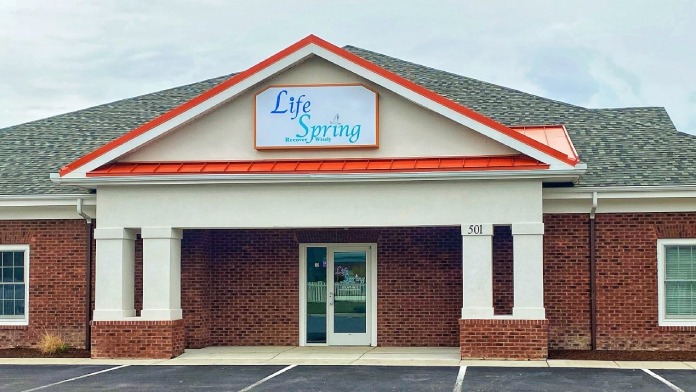
Conexio Care | 509 Naamans Rd | Conexio Care, located in Claymont, Delaware, provides care for individuals seeking healing from substance use disorders and co-occurring mental health conditions. What ... more details › | Treatment Programs Insurance Inpatient During residential or inpatient drug rehab in Delaware, you live at the rehab facility and receive 24/7 supervised care. Clients reside at the treatment center for the entire length of their program, which may range from two weeks to more than 18 months, depending on the program. PHP A type of outpatient treatment, the partial hospitalization program (PHP) allows you to receive intensive, structured care while living at home. You visit the drug rehab in Delaware during the day for therapy and medication management, then return home at night. Outpatient Delaware outpatient rehab provides ongoing treatment while allowing you to fulfill other obligations at work and home. It involves attending treatment sessions several times per week and attending a support group. This treatment may continue for weeks or months, depending on your recovery needs. Dual Diagnosis When a mental health disorder and substance abuse disorder exist simultaneously, dual diagnosis in Delaware is necessary for proper treatment. Common co-occurring disorders include depression, anxiety, ADHD, and eating disorders. Sober Living The first few months of recovery can be the toughest, so choosing a Delaware sober living program might be beneficial. This allows you to live in a residence with others in recovery, sharing structured schedules and strict house rules. This structure and support, paired with a 12-step program, has been shown to improve recovery outcomes. +3 | Treatment Programs Insurance Private If you have private insurance, you can use it to lower or eliminate the cost of drug rehab in Delaware. Coverage amounts will vary based on your rehab insurance policy and the facility's network status. Check with your insurer for more information. Payment Self-pay (or private pay) means the client is paying out-of-pocket for his or her own alcohol and drug rehab in Delaware. Payment methods can include checks, credit cards, or personal / medical loans from banks, credit unions, or financing companies. Fee structures usually depend on the level of care. | |
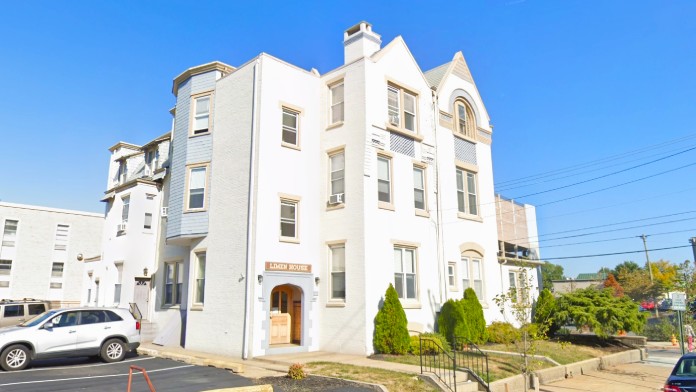
Limen Recovery Plus Wellness | 1104 North Adams Street | Limen Recovery + Wellness is a nonprofit addiction treatment center in Wilmington, Delaware offering substance use and mental health services for adults through ... more details › | Treatment Programs Insurance Inpatient During residential or inpatient drug rehab in Delaware, you live at the rehab facility and receive 24/7 supervised care. Clients reside at the treatment center for the entire length of their program, which may range from two weeks to more than 18 months, depending on the program. Dual Diagnosis When a mental health disorder and substance abuse disorder exist simultaneously, dual diagnosis in Delaware is necessary for proper treatment. Common co-occurring disorders include depression, anxiety, ADHD, and eating disorders. Aftercare Longstanding substance abuse requires longstanding treatment. Aftercare rehab in Delaware picks up where initial rehab leaves off. It provides continued support as you re-enter your life and face new challenges. Continued counseling and therapy are available, as well as coaching in other life areas such as finances and work. Sober Living The first few months of recovery can be the toughest, so choosing a Delaware sober living program might be beneficial. This allows you to live in a residence with others in recovery, sharing structured schedules and strict house rules. This structure and support, paired with a 12-step program, has been shown to improve recovery outcomes. +2 | Treatment Programs Insurance Free Most states offer free alcohol and drug rehabs through public mental health and addiction treatment centers. These centers often provide detox, intensive outpatient programs (IOPs), residential treatment, partial hospitalization programs (PHPs), and support groups. You must meet certain requirements in order to qualify for free alcohol and drug rehabs, such as lack of income and insurance. Medicaid If you're eligible for Medicaid, you can use it to help with the cost of alcohol and drug rehab in Delaware. All levels of care, including detox in Delaware, inpatient rehab in Delaware, and more, are covered by Medicaid. Private If you have private insurance, you can use it to lower or eliminate the cost of drug rehab in Delaware. Coverage amounts will vary based on your rehab insurance policy and the facility's network status. Check with your insurer for more information. +1 | |
TRIAD Addiction Recovery Services | 1104 N Adams St | Limen Recovery + Wellness provides substance addiction treatment for adults in Wilmington, Delaware. The organization offers a full recovery continuum, ... more details › | Treatment Programs Insurance Detox When you enter drug rehab in Delaware, detox is usually the first step in recovery. This is the process of slowly and safely ridding your body of all addictive substances, under medical supervision. Inpatient During residential or inpatient drug rehab in Delaware, you live at the rehab facility and receive 24/7 supervised care. Clients reside at the treatment center for the entire length of their program, which may range from two weeks to more than 18 months, depending on the program. Outpatient Delaware outpatient rehab provides ongoing treatment while allowing you to fulfill other obligations at work and home. It involves attending treatment sessions several times per week and attending a support group. This treatment may continue for weeks or months, depending on your recovery needs. Dual Diagnosis When a mental health disorder and substance abuse disorder exist simultaneously, dual diagnosis in Delaware is necessary for proper treatment. Common co-occurring disorders include depression, anxiety, ADHD, and eating disorders. Aftercare Longstanding substance abuse requires longstanding treatment. Aftercare rehab in Delaware picks up where initial rehab leaves off. It provides continued support as you re-enter your life and face new challenges. Continued counseling and therapy are available, as well as coaching in other life areas such as finances and work. Sober Living The first few months of recovery can be the toughest, so choosing a Delaware sober living program might be beneficial. This allows you to live in a residence with others in recovery, sharing structured schedules and strict house rules. This structure and support, paired with a 12-step program, has been shown to improve recovery outcomes. +4 | Treatment Programs Insurance Free Most states offer free alcohol and drug rehabs through public mental health and addiction treatment centers. These centers often provide detox, intensive outpatient programs (IOPs), residential treatment, partial hospitalization programs (PHPs), and support groups. You must meet certain requirements in order to qualify for free alcohol and drug rehabs, such as lack of income and insurance. Medicare If you're eligible for Medicare, you may have coverage options available that will help you pay for alcohol and drug rehab in Delaware. The amount of coverage depends on many things, including whether you are seeking inpatient or outpatient treatment for substance abuse. Financial Aid If you need help to pay for alcohol and drug rehab in Delaware, financial aid is an option. Options include grants, scholarships, non-profit programs, personal funding, and health insurance programs to help you manage the expense of substance abuse treatment. Private If you have private insurance, you can use it to lower or eliminate the cost of drug rehab in Delaware. Coverage amounts will vary based on your rehab insurance policy and the facility's network status. Check with your insurer for more information. +2 | |
Gaudenzia Fresh Start Delaware | 604 West 10th Street | At Gaudenzia you can find treatment for substance use and dual diagnosis. The organization operates Fresh Start Delaware, located in Wilmington, Delaware. It is a ... more details › | Treatment Programs Insurance Inpatient During residential or inpatient drug rehab in Delaware, you live at the rehab facility and receive 24/7 supervised care. Clients reside at the treatment center for the entire length of their program, which may range from two weeks to more than 18 months, depending on the program. PHP A type of outpatient treatment, the partial hospitalization program (PHP) allows you to receive intensive, structured care while living at home. You visit the drug rehab in Delaware during the day for therapy and medication management, then return home at night. Outpatient Delaware outpatient rehab provides ongoing treatment while allowing you to fulfill other obligations at work and home. It involves attending treatment sessions several times per week and attending a support group. This treatment may continue for weeks or months, depending on your recovery needs. Dual Diagnosis When a mental health disorder and substance abuse disorder exist simultaneously, dual diagnosis in Delaware is necessary for proper treatment. Common co-occurring disorders include depression, anxiety, ADHD, and eating disorders. Sober Living The first few months of recovery can be the toughest, so choosing a Delaware sober living program might be beneficial. This allows you to live in a residence with others in recovery, sharing structured schedules and strict house rules. This structure and support, paired with a 12-step program, has been shown to improve recovery outcomes. Intervention Professional intervention services in Delaware are available to assist with facilitating interventions and providing the necessary follow-up resources for families. Staff intervention specialists will help you create an intervention plan that guides your loved one to embrace the recovery help they need. +4 | Treatment Programs Insurance Medicaid If you're eligible for Medicaid, you can use it to help with the cost of alcohol and drug rehab in Delaware. All levels of care, including detox in Delaware, inpatient rehab in Delaware, and more, are covered by Medicaid. Financial Aid If you’re struggling to pay for alcohol and drug rehab in Delaware, a sliding scale payment plan may be a solution for you. Clients are charged based upon their individual treatment needs and what they can reasonably afford to pay. To qualify for this treatment discount, you must complete an application and provide supporting financial documentation. Private If you have private insurance, you can use it to lower or eliminate the cost of drug rehab in Delaware. Coverage amounts will vary based on your rehab insurance policy and the facility's network status. Check with your insurer for more information. Payment Self-pay (or private pay) means the client is paying out-of-pocket for his or her own alcohol and drug rehab in Delaware. Payment methods can include checks, credit cards, or personal / medical loans from banks, credit unions, or financing companies. Fee structures usually depend on the level of care. +2 | |
SODAT – Delaware | 625 North Orange street | SODAT – Delaware is a substance use treatment provider in Wilmington, Delaware offering outpatient addiction care for substance use and co-occurring mental health ... more details › | Treatment Programs Insurance Outpatient Delaware outpatient rehab provides ongoing treatment while allowing you to fulfill other obligations at work and home. It involves attending treatment sessions several times per week and attending a support group. This treatment may continue for weeks or months, depending on your recovery needs. Dual Diagnosis When a mental health disorder and substance abuse disorder exist simultaneously, dual diagnosis in Delaware is necessary for proper treatment. Common co-occurring disorders include depression, anxiety, ADHD, and eating disorders. Intervention Professional intervention services in Delaware are available to assist with facilitating interventions and providing the necessary follow-up resources for families. Staff intervention specialists will help you create an intervention plan that guides your loved one to embrace the recovery help they need. +1 | Treatment Programs Insurance Medicaid If you're eligible for Medicaid, you can use it to help with the cost of alcohol and drug rehab in Delaware. All levels of care, including detox in Delaware, inpatient rehab in Delaware, and more, are covered by Medicaid. Financial Aid If you’re struggling to pay for alcohol and drug rehab in Delaware, a sliding scale payment plan may be a solution for you. Clients are charged based upon their individual treatment needs and what they can reasonably afford to pay. To qualify for this treatment discount, you must complete an application and provide supporting financial documentation. Private If you have private insurance, you can use it to lower or eliminate the cost of drug rehab in Delaware. Coverage amounts will vary based on your rehab insurance policy and the facility's network status. Check with your insurer for more information. Payment Self-pay (or private pay) means the client is paying out-of-pocket for his or her own alcohol and drug rehab in Delaware. Payment methods can include checks, credit cards, or personal / medical loans from banks, credit unions, or financing companies. Fee structures usually depend on the level of care. +2 | |
Novak’s House | 1211 W 8th St | Novak’s House is a sober house in Wilmington, Delaware, founded by Brandon Novak, a professional skateboarder, member of Jackass, and memoirist who overcame ... more details › | Treatment Programs Insurance Detox When you enter drug rehab in Delaware, detox is usually the first step in recovery. This is the process of slowly and safely ridding your body of all addictive substances, under medical supervision. Inpatient During residential or inpatient drug rehab in Delaware, you live at the rehab facility and receive 24/7 supervised care. Clients reside at the treatment center for the entire length of their program, which may range from two weeks to more than 18 months, depending on the program. Outpatient Delaware outpatient rehab provides ongoing treatment while allowing you to fulfill other obligations at work and home. It involves attending treatment sessions several times per week and attending a support group. This treatment may continue for weeks or months, depending on your recovery needs. Sober Living The first few months of recovery can be the toughest, so choosing a Delaware sober living program might be beneficial. This allows you to live in a residence with others in recovery, sharing structured schedules and strict house rules. This structure and support, paired with a 12-step program, has been shown to improve recovery outcomes. Intervention Professional intervention services in Delaware are available to assist with facilitating interventions and providing the necessary follow-up resources for families. Staff intervention specialists will help you create an intervention plan that guides your loved one to embrace the recovery help they need. +3 | Treatment Programs Insurance Private If you have private insurance, you can use it to lower or eliminate the cost of drug rehab in Delaware. Coverage amounts will vary based on your rehab insurance policy and the facility's network status. Check with your insurer for more information. Payment Self-pay (or private pay) means the client is paying out-of-pocket for his or her own alcohol and drug rehab in Delaware. Payment methods can include checks, credit cards, or personal / medical loans from banks, credit unions, or financing companies. Fee structures usually depend on the level of care. | |
The Salvation Army Adult Rehabilitation Center | 107 South Market Street | Salvation Army Adult Rehabilitation Center in Wilmington, Delaware, offers addiction treatment to adults aged 18 and older including pregnant and postpartum women. ... more details › | Treatment Programs Insurance Detox When you enter drug rehab in Delaware, detox is usually the first step in recovery. This is the process of slowly and safely ridding your body of all addictive substances, under medical supervision. Inpatient During residential or inpatient drug rehab in Delaware, you live at the rehab facility and receive 24/7 supervised care. Clients reside at the treatment center for the entire length of their program, which may range from two weeks to more than 18 months, depending on the program. Outpatient Delaware outpatient rehab provides ongoing treatment while allowing you to fulfill other obligations at work and home. It involves attending treatment sessions several times per week and attending a support group. This treatment may continue for weeks or months, depending on your recovery needs. Dual Diagnosis When a mental health disorder and substance abuse disorder exist simultaneously, dual diagnosis in Delaware is necessary for proper treatment. Common co-occurring disorders include depression, anxiety, ADHD, and eating disorders. Aftercare Longstanding substance abuse requires longstanding treatment. Aftercare rehab in Delaware picks up where initial rehab leaves off. It provides continued support as you re-enter your life and face new challenges. Continued counseling and therapy are available, as well as coaching in other life areas such as finances and work. +3 | Treatment Programs Insurance Free Most states offer free alcohol and drug rehabs through public mental health and addiction treatment centers. These centers often provide detox, intensive outpatient programs (IOPs), residential treatment, partial hospitalization programs (PHPs), and support groups. You must meet certain requirements in order to qualify for free alcohol and drug rehabs, such as lack of income and insurance. Medicaid If you're eligible for Medicaid, you can use it to help with the cost of alcohol and drug rehab in Delaware. All levels of care, including detox in Delaware, inpatient rehab in Delaware, and more, are covered by Medicaid. Financial Aid If you’re struggling to pay for alcohol and drug rehab in Delaware, a sliding scale payment plan may be a solution for you. Clients are charged based upon their individual treatment needs and what they can reasonably afford to pay. To qualify for this treatment discount, you must complete an application and provide supporting financial documentation. Private If you have private insurance, you can use it to lower or eliminate the cost of drug rehab in Delaware. Coverage amounts will vary based on your rehab insurance policy and the facility's network status. Check with your insurer for more information. +2 | |
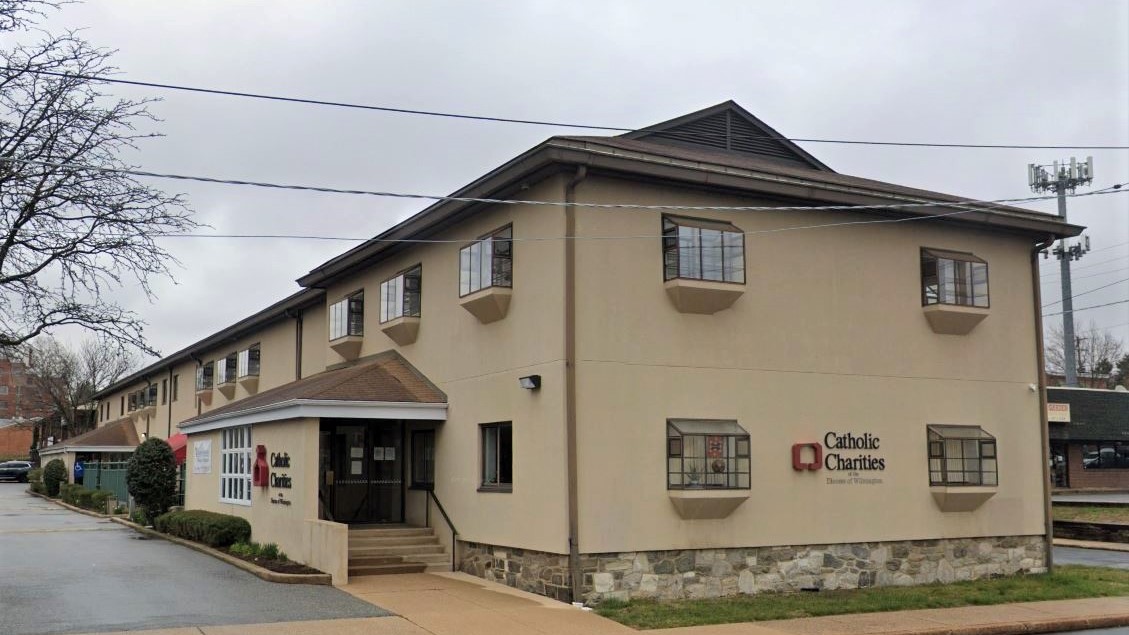
Catholic Charities | 2601 W 4th St | Catholic Charities in Wilmington, Delaware is a social services organization that provides mental health and addiction treatment and support to teens, adults, and ... more details › | Treatment Programs Insurance Detox When you enter drug rehab in Delaware, detox is usually the first step in recovery. This is the process of slowly and safely ridding your body of all addictive substances, under medical supervision. Inpatient During residential or inpatient drug rehab in Delaware, you live at the rehab facility and receive 24/7 supervised care. Clients reside at the treatment center for the entire length of their program, which may range from two weeks to more than 18 months, depending on the program. Outpatient Delaware outpatient rehab provides ongoing treatment while allowing you to fulfill other obligations at work and home. It involves attending treatment sessions several times per week and attending a support group. This treatment may continue for weeks or months, depending on your recovery needs. Dual Diagnosis When a mental health disorder and substance abuse disorder exist simultaneously, dual diagnosis in Delaware is necessary for proper treatment. Common co-occurring disorders include depression, anxiety, ADHD, and eating disorders. Aftercare Longstanding substance abuse requires longstanding treatment. Aftercare rehab in Delaware picks up where initial rehab leaves off. It provides continued support as you re-enter your life and face new challenges. Continued counseling and therapy are available, as well as coaching in other life areas such as finances and work. Sober Living The first few months of recovery can be the toughest, so choosing a Delaware sober living program might be beneficial. This allows you to live in a residence with others in recovery, sharing structured schedules and strict house rules. This structure and support, paired with a 12-step program, has been shown to improve recovery outcomes. Intervention Professional intervention services in Delaware are available to assist with facilitating interventions and providing the necessary follow-up resources for families. Staff intervention specialists will help you create an intervention plan that guides your loved one to embrace the recovery help they need. +5 | Treatment Programs Insurance Medicaid If you're eligible for Medicaid, you can use it to help with the cost of alcohol and drug rehab in Delaware. All levels of care, including detox in Delaware, inpatient rehab in Delaware, and more, are covered by Medicaid. Medicare If you're eligible for Medicare, you may have coverage options available that will help you pay for alcohol and drug rehab in Delaware. The amount of coverage depends on many things, including whether you are seeking inpatient or outpatient treatment for substance abuse. Financial Aid If you need help to pay for alcohol and drug rehab in Delaware, financial aid is an option. Options include grants, scholarships, non-profit programs, personal funding, and health insurance programs to help you manage the expense of substance abuse treatment. Tricare Administered by the Department of Defense, TRICARE offers comprehensive military health insurance plans for active and retired military members and their families. Similar to PPO programs offered by private insurance companies, TRICARE covers multiple levels of care for addiction treatment, including detox, inpatient rehab, and outpatient services. Private If you have private insurance, you can use it to lower or eliminate the cost of drug rehab in Delaware. Coverage amounts will vary based on your rehab insurance policy and the facility's network status. Check with your insurer for more information. Payment Self-pay (or private pay) means the client is paying out-of-pocket for his or her own alcohol and drug rehab in Delaware. Payment methods can include checks, credit cards, or personal / medical loans from banks, credit unions, or financing companies. Fee structures usually depend on the level of care. +4 | |
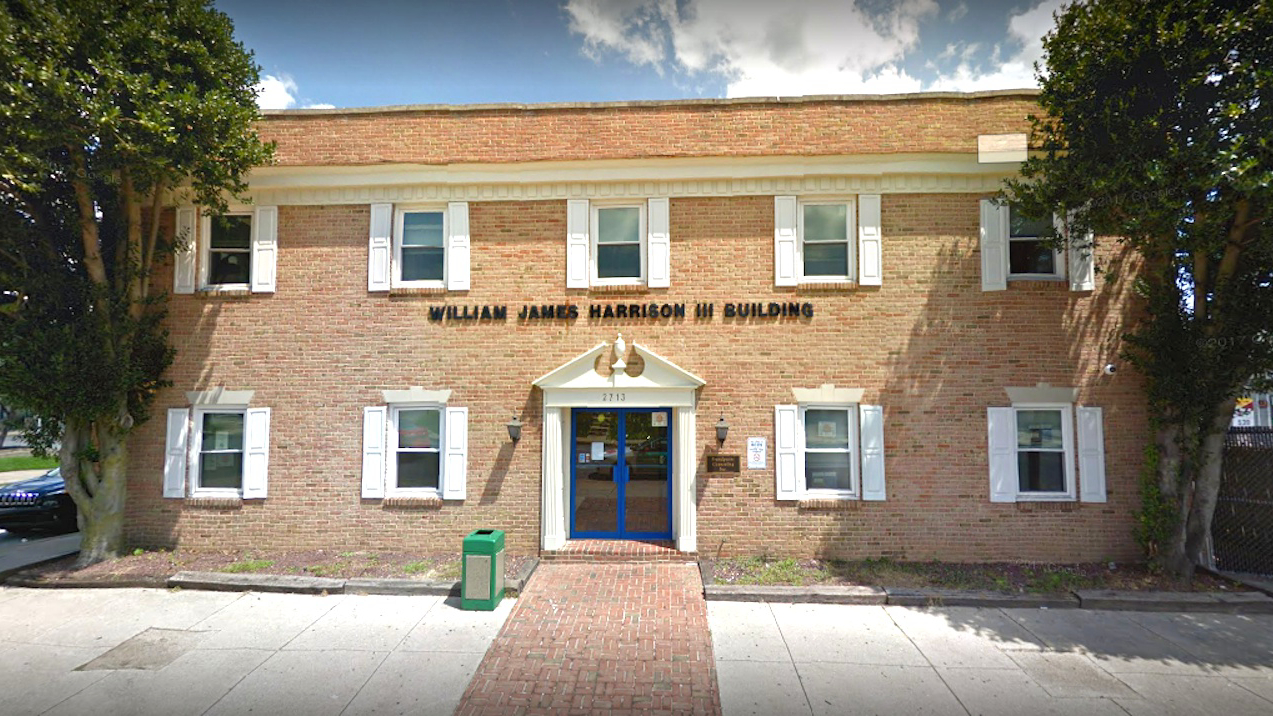
Brandywine Counseling & Community Services (BCCS) | Lancaster Avenue | 2713 Lancaster Ave | Brandywine Counseling and Community Services (BCCS) at Lancaster Avenue is an addiction treatment center in Wilmington, Delaware, offering comprehensive outpatient ... more details › | Treatment Programs Insurance Detox When you enter drug rehab in Delaware, detox is usually the first step in recovery. This is the process of slowly and safely ridding your body of all addictive substances, under medical supervision. Outpatient Delaware outpatient rehab provides ongoing treatment while allowing you to fulfill other obligations at work and home. It involves attending treatment sessions several times per week and attending a support group. This treatment may continue for weeks or months, depending on your recovery needs. Dual Diagnosis When a mental health disorder and substance abuse disorder exist simultaneously, dual diagnosis in Delaware is necessary for proper treatment. Common co-occurring disorders include depression, anxiety, ADHD, and eating disorders. Aftercare Longstanding substance abuse requires longstanding treatment. Aftercare rehab in Delaware picks up where initial rehab leaves off. It provides continued support as you re-enter your life and face new challenges. Continued counseling and therapy are available, as well as coaching in other life areas such as finances and work. Intervention Professional intervention services in Delaware are available to assist with facilitating interventions and providing the necessary follow-up resources for families. Staff intervention specialists will help you create an intervention plan that guides your loved one to embrace the recovery help they need. +3 | Treatment Programs Insurance Medicaid If you're eligible for Medicaid, you can use it to help with the cost of alcohol and drug rehab in Delaware. All levels of care, including detox in Delaware, inpatient rehab in Delaware, and more, are covered by Medicaid. Financial Aid If you need help to pay for alcohol and drug rehab in Delaware, financial aid is an option. Options include grants, scholarships, non-profit programs, personal funding, and health insurance programs to help you manage the expense of substance abuse treatment. Private If you have private insurance, you can use it to lower or eliminate the cost of drug rehab in Delaware. Coverage amounts will vary based on your rehab insurance policy and the facility's network status. Check with your insurer for more information. Payment Self-pay (or private pay) means the client is paying out-of-pocket for his or her own alcohol and drug rehab in Delaware. Payment methods can include checks, credit cards, or personal / medical loans from banks, credit unions, or financing companies. Fee structures usually depend on the level of care. +2 | |
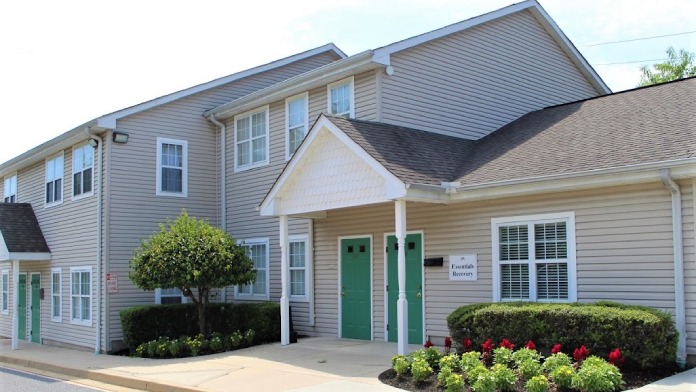
Essentials Recovery Delaware | 3700 Lancaster Pike | Essentials Recovery Delaware is a drug rehab for adults, situated in Wilmington, Delaware. Offering detox programs, residential addiction treatment, intensive ... more details › | Treatment Programs Insurance Detox When you enter drug rehab in Delaware, detox is usually the first step in recovery. This is the process of slowly and safely ridding your body of all addictive substances, under medical supervision. Inpatient During residential or inpatient drug rehab in Delaware, you live at the rehab facility and receive 24/7 supervised care. Clients reside at the treatment center for the entire length of their program, which may range from two weeks to more than 18 months, depending on the program. PHP A type of outpatient treatment, the partial hospitalization program (PHP) allows you to receive intensive, structured care while living at home. You visit the drug rehab in Delaware during the day for therapy and medication management, then return home at night. Outpatient Delaware outpatient rehab provides ongoing treatment while allowing you to fulfill other obligations at work and home. It involves attending treatment sessions several times per week and attending a support group. This treatment may continue for weeks or months, depending on your recovery needs. Dual Diagnosis When a mental health disorder and substance abuse disorder exist simultaneously, dual diagnosis in Delaware is necessary for proper treatment. Common co-occurring disorders include depression, anxiety, ADHD, and eating disorders. Intervention Professional intervention services in Delaware are available to assist with facilitating interventions and providing the necessary follow-up resources for families. Staff intervention specialists will help you create an intervention plan that guides your loved one to embrace the recovery help they need. +4 | Treatment Programs Insurance Private If you have private insurance, you can use it to lower or eliminate the cost of drug rehab in Delaware. Coverage amounts will vary based on your rehab insurance policy and the facility's network status. Check with your insurer for more information. Payment Self-pay (or private pay) means the client is paying out-of-pocket for his or her own alcohol and drug rehab in Delaware. Payment methods can include checks, credit cards, or personal / medical loans from banks, credit unions, or financing companies. Fee structures usually depend on the level of care. | |
NET Centers, Kirkwood Recovery Center | 3315 Kirkwood Hwy | NET Centers Kirkwood Recover Center is a drug rehab for adults, situated in Wilmington, Delaware. Offering detox programs, residential addiction treatment, intensive ... more details › | Treatment Programs Insurance Detox When you enter drug rehab in Delaware, detox is usually the first step in recovery. This is the process of slowly and safely ridding your body of all addictive substances, under medical supervision. Inpatient During residential or inpatient drug rehab in Delaware, you live at the rehab facility and receive 24/7 supervised care. Clients reside at the treatment center for the entire length of their program, which may range from two weeks to more than 18 months, depending on the program. Outpatient Delaware outpatient rehab provides ongoing treatment while allowing you to fulfill other obligations at work and home. It involves attending treatment sessions several times per week and attending a support group. This treatment may continue for weeks or months, depending on your recovery needs. +1 | Treatment Programs Insurance Medicaid If you're eligible for Medicaid, you can use it to help with the cost of alcohol and drug rehab in Delaware. All levels of care, including detox in Delaware, inpatient rehab in Delaware, and more, are covered by Medicaid. Private If you have private insurance, you can use it to lower or eliminate the cost of drug rehab in Delaware. Coverage amounts will vary based on your rehab insurance policy and the facility's network status. Check with your insurer for more information. Payment Self-pay (or private pay) means the client is paying out-of-pocket for his or her own alcohol and drug rehab in Delaware. Payment methods can include checks, credit cards, or personal / medical loans from banks, credit unions, or financing companies. Fee structures usually depend on the level of care. +1 | |
Redemption Addiction Treatment Center | 1819 Newport Rd | Redemption Addiction Treatment Center in Wilmington, Delaware offering a structured continuum of care for adults struggling with substance use and co-occurring mental ... more details › | Treatment Programs Insurance PHP A type of outpatient treatment, the partial hospitalization program (PHP) allows you to receive intensive, structured care while living at home. You visit the drug rehab in Delaware during the day for therapy and medication management, then return home at night. Outpatient Delaware outpatient rehab provides ongoing treatment while allowing you to fulfill other obligations at work and home. It involves attending treatment sessions several times per week and attending a support group. This treatment may continue for weeks or months, depending on your recovery needs. Dual Diagnosis When a mental health disorder and substance abuse disorder exist simultaneously, dual diagnosis in Delaware is necessary for proper treatment. Common co-occurring disorders include depression, anxiety, ADHD, and eating disorders. +1 | Treatment Programs Insurance Private If you have private insurance, you can use it to lower or eliminate the cost of drug rehab in Delaware. Coverage amounts will vary based on your rehab insurance policy and the facility's network status. Check with your insurer for more information. Payment Self-pay (or private pay) means the client is paying out-of-pocket for his or her own alcohol and drug rehab in Delaware. Payment methods can include checks, credit cards, or personal / medical loans from banks, credit unions, or financing companies. Fee structures usually depend on the level of care. | |
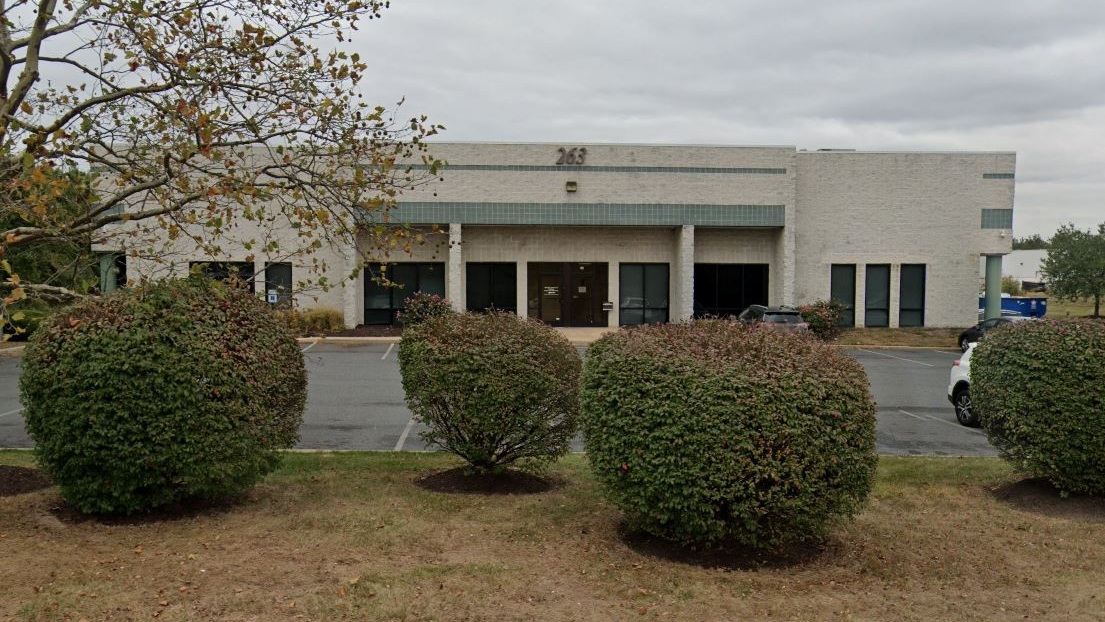
ARS of New Castle | 263 Quigley Blvd | ARS of New Castle provides substance abuse treatment serving the greater New Castle and Wilmington, Delaware area. The program specializes in opioid use ... more details › | Treatment Programs Insurance Detox When you enter drug rehab in Delaware, detox is usually the first step in recovery. This is the process of slowly and safely ridding your body of all addictive substances, under medical supervision. Outpatient Delaware outpatient rehab provides ongoing treatment while allowing you to fulfill other obligations at work and home. It involves attending treatment sessions several times per week and attending a support group. This treatment may continue for weeks or months, depending on your recovery needs. | Treatment Programs Insurance Medicaid If you're eligible for Medicaid, you can use it to help with the cost of alcohol and drug rehab in Delaware. All levels of care, including detox in Delaware, inpatient rehab in Delaware, and more, are covered by Medicaid. Medicare If you're eligible for Medicare, you may have coverage options available that will help you pay for alcohol and drug rehab in Delaware. The amount of coverage depends on many things, including whether you are seeking inpatient or outpatient treatment for substance abuse. Private If you have private insurance, you can use it to lower or eliminate the cost of drug rehab in Delaware. Coverage amounts will vary based on your rehab insurance policy and the facility's network status. Check with your insurer for more information. Payment Self-pay (or private pay) means the client is paying out-of-pocket for his or her own alcohol and drug rehab in Delaware. Payment methods can include checks, credit cards, or personal / medical loans from banks, credit unions, or financing companies. Fee structures usually depend on the level of care. +2 | |
Sanare Today in Wilmington, DE | 5171 W Woodmill Dr | Sanare Today in Wilmington, Delaware is an outpatient addiction treatment center serving adults across New Castle County including Newark, Wilmington, and Bear. ... more details › | Treatment Programs Insurance Detox When you enter drug rehab in Delaware, detox is usually the first step in recovery. This is the process of slowly and safely ridding your body of all addictive substances, under medical supervision. PHP A type of outpatient treatment, the partial hospitalization program (PHP) allows you to receive intensive, structured care while living at home. You visit the drug rehab in Delaware during the day for therapy and medication management, then return home at night. Outpatient Delaware outpatient rehab provides ongoing treatment while allowing you to fulfill other obligations at work and home. It involves attending treatment sessions several times per week and attending a support group. This treatment may continue for weeks or months, depending on your recovery needs. Dual Diagnosis When a mental health disorder and substance abuse disorder exist simultaneously, dual diagnosis in Delaware is necessary for proper treatment. Common co-occurring disorders include depression, anxiety, ADHD, and eating disorders. +2 | Treatment Programs Insurance Private If you have private insurance, you can use it to lower or eliminate the cost of drug rehab in Delaware. Coverage amounts will vary based on your rehab insurance policy and the facility's network status. Check with your insurer for more information. Payment Self-pay (or private pay) means the client is paying out-of-pocket for his or her own alcohol and drug rehab in Delaware. Payment methods can include checks, credit cards, or personal / medical loans from banks, credit unions, or financing companies. Fee structures usually depend on the level of care. |
 800-783-0593
 Sponsored
