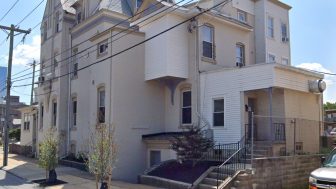
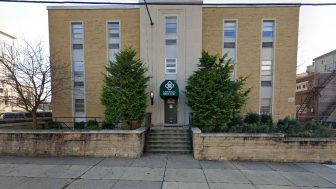
SODAT – Delaware
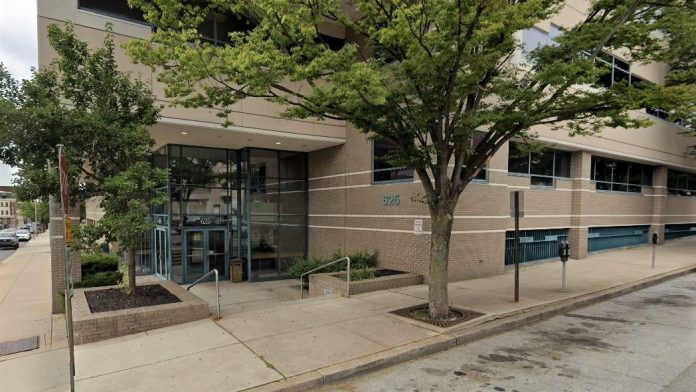
625 North Orange street
2nd Floor
Wilmington, DE 19801
 Sponsored
About SODAT – Delaware
SODAT – Delaware is a substance use treatment provider in Wilmington, Delaware offering outpatient addiction care for substance use and co-occurring mental health needs.
The program combines general and intensive outpatient (IOP) treatment with medication assisted treatment and a range of counseling formats.
I believe clients also benefit from practical recovery supports such as case management, transportation assistance, and discharge planning.
What kinds of addiction treatment are offered?
SODAT – Delaware provides general and intensive outpatient programming along with medication-assisted treatment using buprenorphine and naltrexone for opioid use involving heroin, fentanyl, and prescription painkillers.
Counseling is available plus aftercare and discharge planning to support long-term recovery.
Who can get help here?
The program serves a broad range of populations including adolescents and adults.
I found they also support criminal-justice and DUI/DWI clients, clients affected by trauma or domestic violence, and those managing co-occurring mental health and substance use disorders.
Where is the center located?
SODAT – Delaware is located on the second floor at 625 North Orange Street in Wilmington within New Castle County. The facility is accessible via local public transportation and smoking is not permitted on-site.
Do they take insurance or self-pay?
The program accepts Medicaid, private health insurance, state financed insurance, federal or government funding, and cash or self payment. A sliding fee scale and payment assistance may be available on a client basis.
Addiction Treatment Programs
Many options are available for those seeking a young adult program in Delaware. Since this demographic faces so many unique needs and challenges, recovery success may rely on threatment that specifically targets those elements.
An adult program in Delaware provides addiction recovery services for individuals ages 18 and older. Treatment is typically offered on a continuum of care, based on the severity of the addiction.
The typical format for alcohol rehab in Delaware includes detox, rehabilitation, and maintenance. This three-phase plan provides comprehensive treatment that uses best practices for long-term, lasting sobriety.
Men’s rehab in Delaware gives men the benefit of speaking with other men about their substance use disorder and related challenges. This connection can be an important part of the recovery process.
Women’s rehab in Delaware offers treatment for women with substance use disorders. These programs often include dual diagnosis treatment, so women can also get help for co-occurring disorders such as depression, anxiety, ADHD, bipolar disorder, and PTSD.
Successful opioid rehab in Delaware addresses medical, emotional, and relational aspects of addiction. Treatment provides the professional intervention necessary to get your life on track, through personalized programs that address your unique needs.
When people have impulsive, negative thoughts, they often try to self-medicate with alcohol or drugs to cope with their emotions. Cognitive behavioral therapy in Delaware helps people identify these thoughts patterns and manage them without the use of substances.
Recovery can begin at drug rehab in Delaware. These programs specialize in providing an environment that encourages rest, rejuvenation, and a restart to life. Individuals receive customized treatment that is designed to put them on the path to recovery.
Therapists use rational emotive behavioral therapy in Delaware to treat addiction and co-occurring mental health conditions. The focus is on correcting irrational beliefs around one’s substance use behavior and developing healthier patterns of thinking and behavior.
Moral Reconation Therapy (MRT) is a form of psychotherapy commonly used in addiction recovery. Based on cognitive behavioral therapy (CBT), moral reconation therapy (MRT) helps clients recognize unhealthy and/or harmful thought patterns and to replace them with more positive and productive ones. MRT is designed to empower clients to make healthier life choices and to more effectively align their behaviors with their moral values.
Levels of Care
Delaware outpatient rehab provides ongoing treatment while allowing you to fulfill other obligations at work and home. It involves attending treatment sessions several times per week and attending a support group. This treatment may continue for weeks or months, depending on your recovery needs.
When a mental health disorder and substance abuse disorder exist simultaneously, dual diagnosis in Delaware is necessary for proper treatment. Common co-occurring disorders include depression, anxiety, ADHD, and eating disorders.
Professional intervention services in Delaware are available to assist with facilitating interventions and providing the necessary follow-up resources for families. Staff intervention specialists will help you create an intervention plan that guides your loved one to embrace the recovery help they need.
Accreditations
Contact Information


 Sponsored
Kimberly Hawkins holds a master’s degree in computing and information sciences from East Tennessee State University. She is a content writer specializing in alcoholism, drug addiction, and co-occurring disorders. Kimberly has been passionate about the subject of addiction since her only sibling passed away due to an accidental overdose. Her other interests include playing the piano, being in tranquil natural environments, and spending time with her adult children.
Rehabs.org regularly reviews this listing for accuracy but changes may occur between updates. For the most up-to-date information, please contact SODAT – Delaware.