
Wilma P. Mankiller Health Center
471688 OK-51
Stilwell, OK 74960
 Sponsored
About Wilma P. Mankiller Health Center
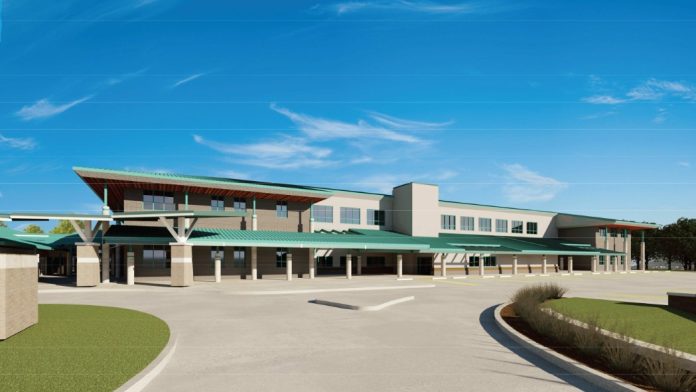
The Wilma P. Mankiller Health Center is a healthcare facility run by The Cherokee Nation in Indian Territory, which is present-day Stilwell, Oklahoma. The Cherokee Nation is the largest tribe in the U.S. Their health center serves the more than 141,000 Cherokee Nation citizens in northeastern Oklahoma.
The Wilma P. Mankiller Health Center opened back in 1995 and has expanded in the past 30 years. The facility now has over 100,000 square feet. Services provided here include health and human services, education, and assistance with job searches and housing. Outpatient services here include grief and trauma counseling, psychological testing, crisis Intervention, and individual in group therapy.
I like that residents are able to come to this health center for a wide range of needs including pediatrics, optometry, primary care, physical rehab and wellness and behavioral health. Part of the behavioral health umbrella is substance use disorders. They offer medication assisted treatment (MAT) services to address opioid use disorders. MAT combines medication and addiction counseling, relapse prevention and family care management.
I can see that family care management could be a vital part of the recovery solution for some clients.This program helps folks find community resources like child care, parenting classes and social services. They also advocate for families that are involved in court or school systems and provide education classes for parenting support.They work with families to help set and meet goals.
They also have a robust prevention services program. This includes Narcan training and substance use prevention activities for community members.
Hospitalization for crisis intervention is available on a case-by-case basis for clients living within the Cherokee Nation Tribal area.
The Wilma P. Mankiller Health Center is a healthcare facility run by The Cherokee Nation in Indian Territory, which is present-day Stilwell, Oklahoma. The Cherokee Nation is the largest tribe in the United States and this facility serves the more than 141,000 Cherokee Nation citizens in northeastern Oklahoma.
The Wilma P. Mankiller Health Center opened in 1995 and consistently expanded. The facility now has over 100,000 square feet. Services provided here include health and human services, education, employment, housing, and more. Outpatient services here include grief and trauma counseling, psychological testing, crisis Intervention and individual in group therapy.
I like that residents are able to come to this health center for a wide range of needs including pediatrics, optometry, primary care, physical rehab and wellness and behavioral health. Part of the behavioral health umbrella is substance use disorders. They offer medication assisted treatment (MAT) services to address opioid use disorders. MAT combines medication and addiction counseling, relapse prevention and family care management.
I can see that family care management could be a vital part of the recovery solution for some clients.This program helps folks find community resources like child care, parenting classes and social services. They also advocate for families that are involved in court or school systems and provide education classes for parenting support.They work with families to help set and meet goals.
They also have a robust prevention services program. This includes Narcan training and substance use prevention activities for community members.
Hospitalization for crisis intervention is available on a case-by-case basis for clients living within the Cherokee Nation Tribal area.
The Wilma P. Mankiller Health Center is a healthcare facility run by The Cherokee Nation in Indian Territory, which is present-day Stilwell, Oklahoma. The Cherokee Nation is the largest tribe in the United States and this facility serves the more than 141,000 Cherokee Nation citizens in northeastern Oklahoma.
The Wilma P. Mankiller Health Center opened in 1995 and consistently expanded. The facility now has over 100,000 square feet. Services provided here include health and human services, education, employment, housing, and more. Outpatient services here include grief and trauma counseling, psychological testing, crisis Intervention and individual in group therapy.
I like that residents are able to come to this health center for a wide range of needs including pediatrics, optometry, primary care, physical rehab and wellness and behavioral health. Part of the behavioral health umbrella is substance use disorders. They offer medication assisted treatment (MAT) services to address opioid use disorders. MAT combines medication and addiction counseling, relapse prevention and family care management.
I can see that family care management could be a vital part of the recovery solution for some clients.This program helps folks find community resources like child care, parenting classes and social services. They also advocate for families that are involved in court or school systems and provide education classes for parenting support.They work with families to help set and meet goals.
They also have a robust prevention services program. This includes Narcan training and substance use prevention activities for community members.
Hospitalization for crisis intervention is available on a case-by-case basis for clients living within the Cherokee Nation Tribal area.
Amenities
There are many pathways to recovery and some journeys take a more labor-intensive approach, by attending a farm-based drug rehab. Farm life has many parallels with recovery: it requires constant tending, nurturing, and creating the conditions necessary to thrive. The benefits of a farm program include learning new skills, building a recovery community, peer support, and contributing to a greater ecosystem.
Yoga and meditation are great activities to support your recovery process during alcohol or drug rehab. These therapies have been around for centuries, and they are an effective way to improve well-being. Combining addiction treatment, yoga, and meditation can reduce cravings, improve sleep, relieve anxiety and depression, provide stress relief, promote relaxation, support emotional healing, and improve energy levels.
Private drug rehab provides a comfortable, secure environment that allows you to focus on doing the work to get your life back on track. Benefits include a higher staff-to-client ratio, increased one-on-one time with therapists and healthcare providers, private rooms for clients, and customized forms of therapy.
Residential drug rehab provides the comforts of home with the therapeutic support needed to successfully recover. Benefits of an inpatient program include increased safety, a higher success rate, and the time and distance given to focus on recovery. Residential drug rehabs are often the preferred method of treatment, as they can be tailored to meet specific needs, offer focused therapeutic care, and provide the necessary tools to sustain recovery.
Addiction Treatment Programs
Treatment plans at a young adult program in Oklahoma focus on the unique challenges of young adults in their teens and twenties. This includes navigating independence while making healthy choices and addressing substance use disorder issues.
In Oklahoma, you’ll find a variety of addiction treatment programs. Each adult program in Oklahoma is tailored to meet the individual where they are and help them find a healthy path to recovery.
People need tools to fight against addiction, and that’s exactly what alcohol rehab in Oklahoma provides. You’ll get the tools you need to address the physical, mental, and relational issues that are contributing to alcohol abuse, so you can move forward in recovery.
Men’s rehab in Oklahoma is perfect for men who prefer to be around people of their own gender during rehab. This can remove distractions and help men focus on their treatment and recovery.
Women’s rehab in Oklahoma takes into consideration biology, stress, stigmas, and social norms of women. These programs help women overcome the challenges surrounding each of these aspects of their lives and learn to live a sober lifestyle.
Opioid rehab in Oklahoma gives individuals the opportunity to achieve long-term sobriety. Through specialized treatment, participants receive the support and therapies they need to address addiction issues and learn how to live independent of opioid use.
The fundamentals of cognitive behavioral therapy in Oklahoma state that psychological disorders are based in part on inaccurate thinking and on learned patterns of behavior. A guiding principle is that people who are addicted can learn better ways of coping and achieve recovery.
To address the issues of addiction, each drug rehab in Oklahoma is tailored to meet the individual’s needs. Treatment may occur in a residential or outpatient setting, and may last from a few days to several months.
Veteran’s rehab in Oklahoma may include medical detox, medication-assisted treatment (MAT), trauma-based therapy, dual diagnosis treatment, and general healthcare. Each of these elements takes into account the special needs of Veterans who are facing addiction.
Levels of Care
If you are struggling with moderate substance abuse, outpatient rehab in Oklahoma may be a good fit. This flexible program involves meeting with a counselor two or three times per week and attending 12-step meetings such as AA or NA. You’ll continue with this treatment until you are ready to move to the next level of recovery care.
Dual diagnosis treatment in Oklahoma provides treatment for mental health and substance use disorders under one roof. You’ll receive treatment from specialists in both fields, so all your recovery needs are met.
Achieving sobriety is the goal of rehab. Maintaining sobriety is the goal of aftercare rehab. Oklahoma aftercare rehab services give you access to support services that help you overcome hurdles as you re-enter life. Life coaches, counselors, and 12-step support groups are often key components of aftercare. These services are often needed for a year or more after initial treatment.
Inpatient rehab in Oklahoma offers 24/7 care while you live at the rehab facility. Also referred to as residential treatment, this level of care typically involves group and individual counseling as well as medication management.
Most drug rehabs in Oklahoma start with detox. During detox, you receive round-the-clock care as your body cleanses itself from all addictive substances. This may include medication to ease withdrawal symptoms.
Accreditations
Contact Information


 Sponsored
Nearby Treatment Centers

100 Bliss Ave
Tahlequah, OK 74464
1325 East Boone Street
Tahlequah, OK 74464
711 South Muskogee Avenue
Tahlequah, OK 74464
1400 East Downing Street
Tahlequah, OK 74464
