
Recovery Works Georgetown
Georgetown, KY
40324

Accredited drug rehab centers available across Owenton.
Sliding-scale payments, financial aid, low-cost programs, and local nonprofits.
Medicare, Medicaid, TRICARE, plus local private health insurance coverage.
 Filter
| Name | Address | Description | Treatment | Insurance | Thumbnail |
|---|---|---|---|---|---|
Carrollton Treatment Services | 539A 11th Street | Carrollton Treatment Services is a Kentucky addiction treatment facility and medication unit affiliated with Pinnacle Treatment Centers and NKY Medical Clinic. ... more details › | Treatment Programs Insurance Outpatient Kentucky outpatient rehab experts will assess your needs and create a treatment program tailored to your recovery. Treatment typically includes several hours of counseling each week as well as group therapy. You’ll probably also attend a support group such as NA or AA. Length of treatment varies based on your needs. Aftercare Ongoing recovery requires ongoing treatment in the form of Kentucky aftercare rehab Once you complete an initial treatment program, aftercare provides long-term support to keep you on the recovery path. 12-step groups, occasional counseling, and personal life coaching may continue for several months or a year. | Treatment Programs Insurance Medicaid If eligible for Medicaid, you can utilize the coverage to help pay for alcohol and drug rehab in Kentucky. From detox to inpatient rehab, Medicaid typically pays for 100% of your treatment costs. Medicare In the Bluegrass State, the Medicare program is known as "MyLevels;" it typically pays for 100% of the costs associated with drug and alcohol rehab in Kentucky. However, the final amount of coverage can depend on many things, including whether you are seeking inpatient or outpatient treatment. Financial Aid For those who need help paying for alcohol and drug rehab in Kentucky financial aid is often the solution. A few examples of financial assistance are grants, scholarships, non-profit programs, personal funding, and private health insurance programs. Private Private rehab insurance provides levels of coverage for alcohol and drug rehab in Kentucky. The amount of coverage will depend on your policy and if you’ve chosen a treatment center that is in network. Costs you may be responsible for include co-payments or co-insurance fees. Check with your insurer for more information. Payment Self-pay options tend to come into play when you are under- or uninsured, or if a current insurance plan won’t cover a special type of alcohol or drug rehab in Kentucky. Forms of self-pay include cash, credit card, or personal loans. +3 | |
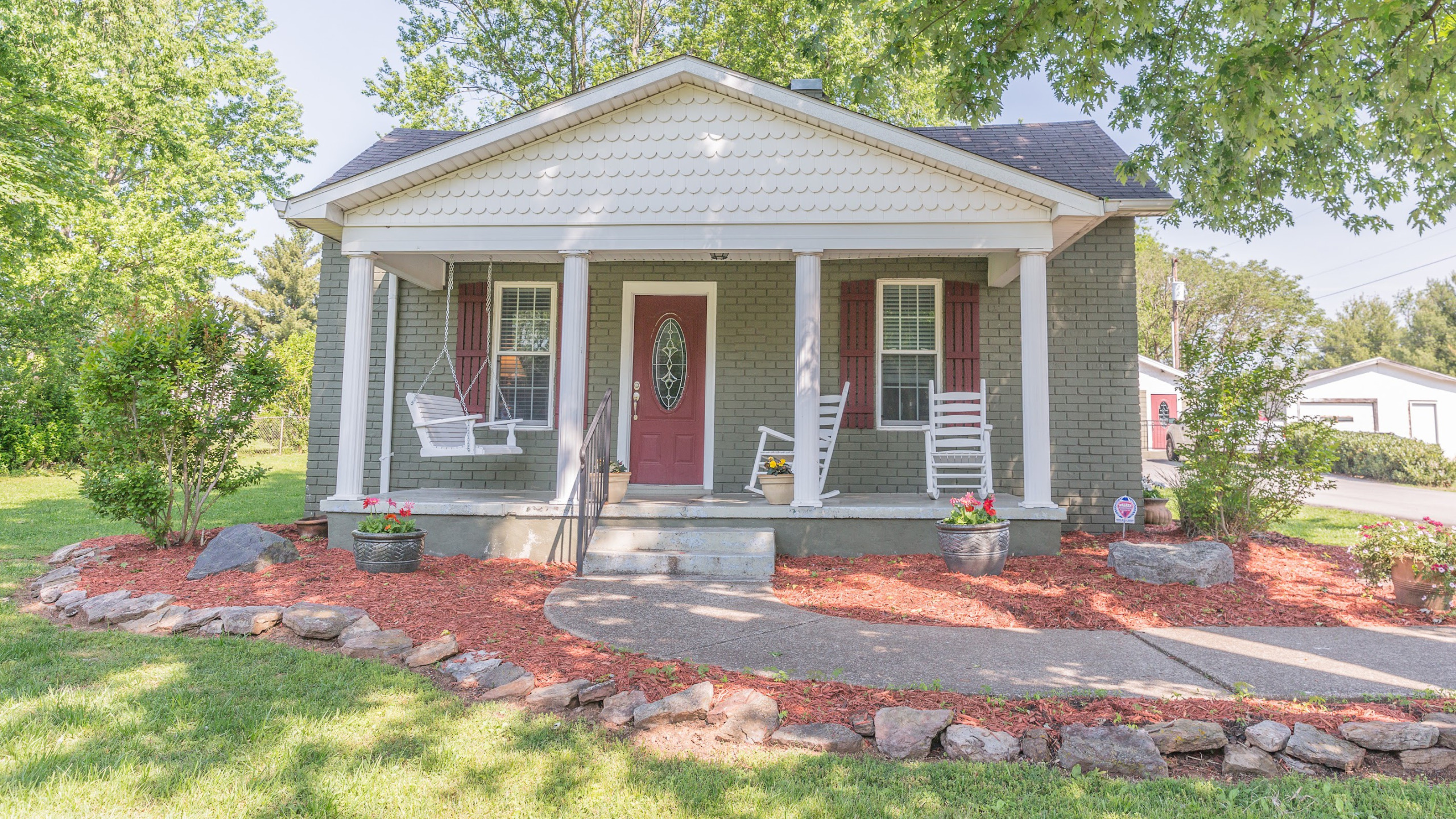
Recovery Works Georgetown | 3107 Cincinnati Rd | Located in Georgetown, Kentucky Recovery Works Georgetown offers drug and alcohol treatment for adults. This is a large residential treatment center that accommodates ... more details › | Treatment Programs Insurance Detox The process of cleansing your body of addictive substances is called detox. This is usually the first step of drug rehab in Kentucky. You’ll receive round-the-clock care during this time, including medication to alleviate withdrawal symptoms. Inpatient Inpatient rehab, also known as residential rehab, means living at the drug rehab in Kentucky while receiving 24/7 supervised medical care. Treatments typically include individual and group therapy, as well as medication and various forms of psychotherapy. PHP Partial hospitalization programs (PHPs) allow you to live at home while receiving onsite treatment at drug rehab facilities in Kentucky. You may receive many of the same treatment modalities of inpatient care, with the difference being that you can return home during non-treatment hours. Outpatient Kentucky outpatient rehab experts will assess your needs and create a treatment program tailored to your recovery. Treatment typically includes several hours of counseling each week as well as group therapy. You’ll probably also attend a support group such as NA or AA. Length of treatment varies based on your needs. Aftercare Ongoing recovery requires ongoing treatment in the form of Kentucky aftercare rehab Once you complete an initial treatment program, aftercare provides long-term support to keep you on the recovery path. 12-step groups, occasional counseling, and personal life coaching may continue for several months or a year. Sober Living Residents of Kentucky sober living homes receive peer support as they work toward independent living. This communal situation typically includes involvement in a 12-step program, participation in household responsibilities, and strict house rules. An average stay is five to eight months, but you can decide when you’re ready to move out on your own. Intervention The goal of intervention services in Kentucky is to motivate your loved one to begin their journey toward recovery. These services can help you plan and facilitate an intervention, develop a treatment plan, and choose the best type of program for your loved one. +5 | Treatment Programs Insurance Private Private rehab insurance provides levels of coverage for alcohol and drug rehab in Kentucky. The amount of coverage will depend on your policy and if you’ve chosen a treatment center that is in network. Costs you may be responsible for include co-payments or co-insurance fees. Check with your insurer for more information. Payment Self-pay options tend to come into play when you are under- or uninsured, or if a current insurance plan won’t cover a special type of alcohol or drug rehab in Kentucky. Forms of self-pay include cash, credit card, or personal loans. | |
Seven Counties Services | 250 Alpine Road, Shelbyville, KY 40065 | If you’re in Shelby County, Kentucky and looking for addiction recovery support, Seven Counties Services offers substance use and mental health treatment. Their ... more details › | Treatment Programs Insurance Detox The process of cleansing your body of addictive substances is called detox. This is usually the first step of drug rehab in Kentucky. You’ll receive round-the-clock care during this time, including medication to alleviate withdrawal symptoms. Outpatient Kentucky outpatient rehab experts will assess your needs and create a treatment program tailored to your recovery. Treatment typically includes several hours of counseling each week as well as group therapy. You’ll probably also attend a support group such as NA or AA. Length of treatment varies based on your needs. Dual Diagnosis Kentucky dual diagnosis treatment centers focus on treating mental health disorders alongside addiction. Common methods include counseling, medication management, relapse prevention, and cognitive-behavior therapy. Intervention The goal of intervention services in Kentucky is to motivate your loved one to begin their journey toward recovery. These services can help you plan and facilitate an intervention, develop a treatment plan, and choose the best type of program for your loved one. +2 | Treatment Programs Insurance Medicaid If eligible for Medicaid, you can utilize the coverage to help pay for alcohol and drug rehab in Kentucky. From detox to inpatient rehab, Medicaid typically pays for 100% of your treatment costs. Medicare In the Bluegrass State, the Medicare program is known as "MyLevels;" it typically pays for 100% of the costs associated with drug and alcohol rehab in Kentucky. However, the final amount of coverage can depend on many things, including whether you are seeking inpatient or outpatient treatment. Financial Aid For those who need help paying for alcohol and drug rehab in Kentucky financial aid is often the solution. A few examples of financial assistance are grants, scholarships, non-profit programs, personal funding, and private health insurance programs. Tricare Administered by the Department of Defense, TRICARE offers comprehensive military health insurance plans for active and retired military members and their families. Similar to PPO programs offered by private insurance companies, TRICARE covers multiple levels of care for addiction treatment, including detox, inpatient rehab, and outpatient services. Private Private rehab insurance provides levels of coverage for alcohol and drug rehab in Kentucky. The amount of coverage will depend on your policy and if you’ve chosen a treatment center that is in network. Costs you may be responsible for include co-payments or co-insurance fees. Check with your insurer for more information. Payment Self-pay options tend to come into play when you are under- or uninsured, or if a current insurance plan won’t cover a special type of alcohol or drug rehab in Kentucky. Forms of self-pay include cash, credit card, or personal loans. +4 | |
Crossroads Treatment Center of Independence, KY | 1974 Walton Nicholson Rd | Crossroads Treatment Center of Independence provides addiction treatment in Northern Kentucky specializing in services for adults with opioid use disorder. The ... more details › | Treatment Programs Insurance Detox The process of cleansing your body of addictive substances is called detox. This is usually the first step of drug rehab in Kentucky. You’ll receive round-the-clock care during this time, including medication to alleviate withdrawal symptoms. Inpatient Inpatient rehab, also known as residential rehab, means living at the drug rehab in Kentucky while receiving 24/7 supervised medical care. Treatments typically include individual and group therapy, as well as medication and various forms of psychotherapy. Outpatient Kentucky outpatient rehab experts will assess your needs and create a treatment program tailored to your recovery. Treatment typically includes several hours of counseling each week as well as group therapy. You’ll probably also attend a support group such as NA or AA. Length of treatment varies based on your needs. Intervention The goal of intervention services in Kentucky is to motivate your loved one to begin their journey toward recovery. These services can help you plan and facilitate an intervention, develop a treatment plan, and choose the best type of program for your loved one. +2 | Treatment Programs Insurance Private Private rehab insurance provides levels of coverage for alcohol and drug rehab in Kentucky. The amount of coverage will depend on your policy and if you’ve chosen a treatment center that is in network. Costs you may be responsible for include co-payments or co-insurance fees. Check with your insurer for more information. Payment Self-pay options tend to come into play when you are under- or uninsured, or if a current insurance plan won’t cover a special type of alcohol or drug rehab in Kentucky. Forms of self-pay include cash, credit card, or personal loans. | |
Transitions Grateful Life Center Drug Rehabilitation & Addiction Treatment | 305 Pleasure Isle Drive | Transitions Grateful Life Center is a men's addiction treatment center in Erlanger, Kentucky that offers long-term, therapeutic community-based recovery for alcohol ... more details › | Treatment Programs Insurance Inpatient Inpatient rehab, also known as residential rehab, means living at the drug rehab in Kentucky while receiving 24/7 supervised medical care. Treatments typically include individual and group therapy, as well as medication and various forms of psychotherapy. PHP Partial hospitalization programs (PHPs) allow you to live at home while receiving onsite treatment at drug rehab facilities in Kentucky. You may receive many of the same treatment modalities of inpatient care, with the difference being that you can return home during non-treatment hours. Outpatient Kentucky outpatient rehab experts will assess your needs and create a treatment program tailored to your recovery. Treatment typically includes several hours of counseling each week as well as group therapy. You’ll probably also attend a support group such as NA or AA. Length of treatment varies based on your needs. Dual Diagnosis Kentucky dual diagnosis treatment centers focus on treating mental health disorders alongside addiction. Common methods include counseling, medication management, relapse prevention, and cognitive-behavior therapy. Aftercare Ongoing recovery requires ongoing treatment in the form of Kentucky aftercare rehab Once you complete an initial treatment program, aftercare provides long-term support to keep you on the recovery path. 12-step groups, occasional counseling, and personal life coaching may continue for several months or a year. Sober Living Residents of Kentucky sober living homes receive peer support as they work toward independent living. This communal situation typically includes involvement in a 12-step program, participation in household responsibilities, and strict house rules. An average stay is five to eight months, but you can decide when you’re ready to move out on your own. +4 | Treatment Programs Insurance Medicaid If eligible for Medicaid, you can utilize the coverage to help pay for alcohol and drug rehab in Kentucky. From detox to inpatient rehab, Medicaid typically pays for 100% of your treatment costs. Financial Aid For those who need help paying for alcohol and drug rehab in Kentucky financial aid is often the solution. A few examples of financial assistance are grants, scholarships, non-profit programs, personal funding, and private health insurance programs. Private Private rehab insurance provides levels of coverage for alcohol and drug rehab in Kentucky. The amount of coverage will depend on your policy and if you’ve chosen a treatment center that is in network. Costs you may be responsible for include co-payments or co-insurance fees. Check with your insurer for more information. Payment Self-pay options tend to come into play when you are under- or uninsured, or if a current insurance plan won’t cover a special type of alcohol or drug rehab in Kentucky. Forms of self-pay include cash, credit card, or personal loans. +2 | |
AppleGate Recovery Crestview Hills | 565 Centre View Boulevard | AppleGate Recovery Crestview Hills is an outpatient substance use treatment program in Crestview Hills, Kentucky. They offer care for adults living with opioid ... more details › | Treatment Programs Insurance Detox The process of cleansing your body of addictive substances is called detox. This is usually the first step of drug rehab in Kentucky. You’ll receive round-the-clock care during this time, including medication to alleviate withdrawal symptoms. Outpatient Kentucky outpatient rehab experts will assess your needs and create a treatment program tailored to your recovery. Treatment typically includes several hours of counseling each week as well as group therapy. You’ll probably also attend a support group such as NA or AA. Length of treatment varies based on your needs. Intervention The goal of intervention services in Kentucky is to motivate your loved one to begin their journey toward recovery. These services can help you plan and facilitate an intervention, develop a treatment plan, and choose the best type of program for your loved one. +1 | Treatment Programs Insurance Medicaid If eligible for Medicaid, you can utilize the coverage to help pay for alcohol and drug rehab in Kentucky. From detox to inpatient rehab, Medicaid typically pays for 100% of your treatment costs. Medicare In the Bluegrass State, the Medicare program is known as "MyLevels;" it typically pays for 100% of the costs associated with drug and alcohol rehab in Kentucky. However, the final amount of coverage can depend on many things, including whether you are seeking inpatient or outpatient treatment. Private Private rehab insurance provides levels of coverage for alcohol and drug rehab in Kentucky. The amount of coverage will depend on your policy and if you’ve chosen a treatment center that is in network. Costs you may be responsible for include co-payments or co-insurance fees. Check with your insurer for more information. Payment Self-pay options tend to come into play when you are under- or uninsured, or if a current insurance plan won’t cover a special type of alcohol or drug rehab in Kentucky. Forms of self-pay include cash, credit card, or personal loans. +2 | |
Resurrection Clinic | 1718 Alexandria Dr | Resurrection Clinic is an outpatient addiction treatment center in Lexington, Kentucky providing substance use disorder care for adults with a strong focus on opioid ... more details › | Treatment Programs Insurance Detox The process of cleansing your body of addictive substances is called detox. This is usually the first step of drug rehab in Kentucky. You’ll receive round-the-clock care during this time, including medication to alleviate withdrawal symptoms. Outpatient Kentucky outpatient rehab experts will assess your needs and create a treatment program tailored to your recovery. Treatment typically includes several hours of counseling each week as well as group therapy. You’ll probably also attend a support group such as NA or AA. Length of treatment varies based on your needs. Dual Diagnosis Kentucky dual diagnosis treatment centers focus on treating mental health disorders alongside addiction. Common methods include counseling, medication management, relapse prevention, and cognitive-behavior therapy. Intervention The goal of intervention services in Kentucky is to motivate your loved one to begin their journey toward recovery. These services can help you plan and facilitate an intervention, develop a treatment plan, and choose the best type of program for your loved one. +2 | Treatment Programs Insurance Private Private rehab insurance provides levels of coverage for alcohol and drug rehab in Kentucky. The amount of coverage will depend on your policy and if you’ve chosen a treatment center that is in network. Costs you may be responsible for include co-payments or co-insurance fees. Check with your insurer for more information. Payment Self-pay options tend to come into play when you are under- or uninsured, or if a current insurance plan won’t cover a special type of alcohol or drug rehab in Kentucky. Forms of self-pay include cash, credit card, or personal loans. | |
Chrysalis House | 1589 Hill Rise Dr | Chrysalis House is a CARF-accredited substance abuse center for women and their families. They are located in Lexington, Kentucky where they run both residential and ... more details › | Treatment Programs Insurance Detox The process of cleansing your body of addictive substances is called detox. This is usually the first step of drug rehab in Kentucky. You’ll receive round-the-clock care during this time, including medication to alleviate withdrawal symptoms. Outpatient Kentucky outpatient rehab experts will assess your needs and create a treatment program tailored to your recovery. Treatment typically includes several hours of counseling each week as well as group therapy. You’ll probably also attend a support group such as NA or AA. Length of treatment varies based on your needs. Dual Diagnosis Kentucky dual diagnosis treatment centers focus on treating mental health disorders alongside addiction. Common methods include counseling, medication management, relapse prevention, and cognitive-behavior therapy. Aftercare Ongoing recovery requires ongoing treatment in the form of Kentucky aftercare rehab Once you complete an initial treatment program, aftercare provides long-term support to keep you on the recovery path. 12-step groups, occasional counseling, and personal life coaching may continue for several months or a year. Intervention The goal of intervention services in Kentucky is to motivate your loved one to begin their journey toward recovery. These services can help you plan and facilitate an intervention, develop a treatment plan, and choose the best type of program for your loved one. +3 | Treatment Programs Insurance Medicaid If eligible for Medicaid, you can utilize the coverage to help pay for alcohol and drug rehab in Kentucky. From detox to inpatient rehab, Medicaid typically pays for 100% of your treatment costs. Financial Aid A sliding scale payment plan may be the solution for people who are unable to afford the cost of alcohol and drug rehab in Kentucky. With sliding scale payments, your payments are based on your individual rehab needs and the amount you can afford. To qualify for this discount, you have to complete an application and provide all requested financial documentation. Payment Self-pay options tend to come into play when you are under- or uninsured, or if a current insurance plan won’t cover a special type of alcohol or drug rehab in Kentucky. Forms of self-pay include cash, credit card, or personal loans. +1 | |
Hope Center & Hope Village | 360 West Loudon Avenue | The Hope Center is an emergency homeless shelter in Lexington, Kentucky. This location serves up to 228 adult men. Part of their shelter program includes detox ... more details › | Treatment Programs Insurance Outpatient Kentucky outpatient rehab experts will assess your needs and create a treatment program tailored to your recovery. Treatment typically includes several hours of counseling each week as well as group therapy. You’ll probably also attend a support group such as NA or AA. Length of treatment varies based on your needs. Dual Diagnosis Kentucky dual diagnosis treatment centers focus on treating mental health disorders alongside addiction. Common methods include counseling, medication management, relapse prevention, and cognitive-behavior therapy. | Treatment Programs Insurance Medicaid If eligible for Medicaid, you can utilize the coverage to help pay for alcohol and drug rehab in Kentucky. From detox to inpatient rehab, Medicaid typically pays for 100% of your treatment costs. Medicare In the Bluegrass State, the Medicare program is known as "MyLevels;" it typically pays for 100% of the costs associated with drug and alcohol rehab in Kentucky. However, the final amount of coverage can depend on many things, including whether you are seeking inpatient or outpatient treatment. Financial Aid For those who need help paying for alcohol and drug rehab in Kentucky financial aid is often the solution. A few examples of financial assistance are grants, scholarships, non-profit programs, personal funding, and private health insurance programs. Tricare Administered by the Department of Defense, TRICARE offers comprehensive military health insurance plans for active and retired military members and their families. Similar to PPO programs offered by private insurance companies, TRICARE covers multiple levels of care for addiction treatment, including detox, inpatient rehab, and outpatient services. Private Private rehab insurance provides levels of coverage for alcohol and drug rehab in Kentucky. The amount of coverage will depend on your policy and if you’ve chosen a treatment center that is in network. Costs you may be responsible for include co-payments or co-insurance fees. Check with your insurer for more information. Payment Self-pay options tend to come into play when you are under- or uninsured, or if a current insurance plan won’t cover a special type of alcohol or drug rehab in Kentucky. Forms of self-pay include cash, credit card, or personal loans. +4 | |
2nd Chance Clinic | 1420 N Broadway | 2nd Chance Clinic is an outpatient addiction treatment center in Lexington, Kentucky and specializes in medication assisted treatment for opioid and alcohol use ... more details › | Treatment Programs Insurance Detox The process of cleansing your body of addictive substances is called detox. This is usually the first step of drug rehab in Kentucky. You’ll receive round-the-clock care during this time, including medication to alleviate withdrawal symptoms. Outpatient Kentucky outpatient rehab experts will assess your needs and create a treatment program tailored to your recovery. Treatment typically includes several hours of counseling each week as well as group therapy. You’ll probably also attend a support group such as NA or AA. Length of treatment varies based on your needs. Dual Diagnosis Kentucky dual diagnosis treatment centers focus on treating mental health disorders alongside addiction. Common methods include counseling, medication management, relapse prevention, and cognitive-behavior therapy. Intervention The goal of intervention services in Kentucky is to motivate your loved one to begin their journey toward recovery. These services can help you plan and facilitate an intervention, develop a treatment plan, and choose the best type of program for your loved one. +2 | Treatment Programs Insurance Medicaid If eligible for Medicaid, you can utilize the coverage to help pay for alcohol and drug rehab in Kentucky. From detox to inpatient rehab, Medicaid typically pays for 100% of your treatment costs. Private Private rehab insurance provides levels of coverage for alcohol and drug rehab in Kentucky. The amount of coverage will depend on your policy and if you’ve chosen a treatment center that is in network. Costs you may be responsible for include co-payments or co-insurance fees. Check with your insurer for more information. Payment Self-pay options tend to come into play when you are under- or uninsured, or if a current insurance plan won’t cover a special type of alcohol or drug rehab in Kentucky. Forms of self-pay include cash, credit card, or personal loans. +1 | |
New Vista Medication Assisted Recovery | 201 Mechanic Street | New Vista’s Mechanic Street site is located in Lexington, Kentucky. This is a comprehensive care facility that provides a range of services to adults who have ... more details › | Treatment Programs Insurance Detox The process of cleansing your body of addictive substances is called detox. This is usually the first step of drug rehab in Kentucky. You’ll receive round-the-clock care during this time, including medication to alleviate withdrawal symptoms. Outpatient Kentucky outpatient rehab experts will assess your needs and create a treatment program tailored to your recovery. Treatment typically includes several hours of counseling each week as well as group therapy. You’ll probably also attend a support group such as NA or AA. Length of treatment varies based on your needs. Dual Diagnosis Kentucky dual diagnosis treatment centers focus on treating mental health disorders alongside addiction. Common methods include counseling, medication management, relapse prevention, and cognitive-behavior therapy. +1 | Treatment Programs Insurance Medicaid If eligible for Medicaid, you can utilize the coverage to help pay for alcohol and drug rehab in Kentucky. From detox to inpatient rehab, Medicaid typically pays for 100% of your treatment costs. Medicare In the Bluegrass State, the Medicare program is known as "MyLevels;" it typically pays for 100% of the costs associated with drug and alcohol rehab in Kentucky. However, the final amount of coverage can depend on many things, including whether you are seeking inpatient or outpatient treatment. Private Private rehab insurance provides levels of coverage for alcohol and drug rehab in Kentucky. The amount of coverage will depend on your policy and if you’ve chosen a treatment center that is in network. Costs you may be responsible for include co-payments or co-insurance fees. Check with your insurer for more information. Payment Self-pay options tend to come into play when you are under- or uninsured, or if a current insurance plan won’t cover a special type of alcohol or drug rehab in Kentucky. Forms of self-pay include cash, credit card, or personal loans. +2 | |
Cleanse Clinic Lexington | 1616 Harrodsburg Rd | Cleanse Clinic Lexington is an outpatient addiction treatment center in Lexington, Kentucky providing personalized care for adults and young adults navigating ... more details › | Treatment Programs Insurance Detox The process of cleansing your body of addictive substances is called detox. This is usually the first step of drug rehab in Kentucky. You’ll receive round-the-clock care during this time, including medication to alleviate withdrawal symptoms. Outpatient Kentucky outpatient rehab experts will assess your needs and create a treatment program tailored to your recovery. Treatment typically includes several hours of counseling each week as well as group therapy. You’ll probably also attend a support group such as NA or AA. Length of treatment varies based on your needs. Dual Diagnosis Kentucky dual diagnosis treatment centers focus on treating mental health disorders alongside addiction. Common methods include counseling, medication management, relapse prevention, and cognitive-behavior therapy. Intervention The goal of intervention services in Kentucky is to motivate your loved one to begin their journey toward recovery. These services can help you plan and facilitate an intervention, develop a treatment plan, and choose the best type of program for your loved one. +2 | Treatment Programs Insurance Private Private rehab insurance provides levels of coverage for alcohol and drug rehab in Kentucky. The amount of coverage will depend on your policy and if you’ve chosen a treatment center that is in network. Costs you may be responsible for include co-payments or co-insurance fees. Check with your insurer for more information. Payment Self-pay options tend to come into play when you are under- or uninsured, or if a current insurance plan won’t cover a special type of alcohol or drug rehab in Kentucky. Forms of self-pay include cash, credit card, or personal loans. | |
UK Good Samaritan Hospital | 310 S Limestone | Good Samaritan Hospital is located in Lexington, Kentucky. It’s an acute care facility with 180 licensed beds. This facility was founded in 1888 and was acquired by ... more details › | Treatment Programs Insurance Detox The process of cleansing your body of addictive substances is called detox. This is usually the first step of drug rehab in Kentucky. You’ll receive round-the-clock care during this time, including medication to alleviate withdrawal symptoms. Inpatient Inpatient rehab, also known as residential rehab, means living at the drug rehab in Kentucky while receiving 24/7 supervised medical care. Treatments typically include individual and group therapy, as well as medication and various forms of psychotherapy. Outpatient Kentucky outpatient rehab experts will assess your needs and create a treatment program tailored to your recovery. Treatment typically includes several hours of counseling each week as well as group therapy. You’ll probably also attend a support group such as NA or AA. Length of treatment varies based on your needs. +1 | Treatment Programs Insurance Private Private rehab insurance provides levels of coverage for alcohol and drug rehab in Kentucky. The amount of coverage will depend on your policy and if you’ve chosen a treatment center that is in network. Costs you may be responsible for include co-payments or co-insurance fees. Check with your insurer for more information. Payment Self-pay options tend to come into play when you are under- or uninsured, or if a current insurance plan won’t cover a special type of alcohol or drug rehab in Kentucky. Forms of self-pay include cash, credit card, or personal loans. | |
BrightView Lexington Addiction Treatment Center | 340 Legion Drive | BrightView Lexington Addiction Treatment Center is an outpatient addiction treatment provider in Lexington, Kentucky offering medication assisted treatment, counseling ... more details › | Treatment Programs Insurance Detox The process of cleansing your body of addictive substances is called detox. This is usually the first step of drug rehab in Kentucky. You’ll receive round-the-clock care during this time, including medication to alleviate withdrawal symptoms. Outpatient Kentucky outpatient rehab experts will assess your needs and create a treatment program tailored to your recovery. Treatment typically includes several hours of counseling each week as well as group therapy. You’ll probably also attend a support group such as NA or AA. Length of treatment varies based on your needs. Dual Diagnosis Kentucky dual diagnosis treatment centers focus on treating mental health disorders alongside addiction. Common methods include counseling, medication management, relapse prevention, and cognitive-behavior therapy. +1 | Treatment Programs Insurance Medicaid If eligible for Medicaid, you can utilize the coverage to help pay for alcohol and drug rehab in Kentucky. From detox to inpatient rehab, Medicaid typically pays for 100% of your treatment costs. Medicare In the Bluegrass State, the Medicare program is known as "MyLevels;" it typically pays for 100% of the costs associated with drug and alcohol rehab in Kentucky. However, the final amount of coverage can depend on many things, including whether you are seeking inpatient or outpatient treatment. Financial Aid For those who are underinsured or uninsured, paying the total cost of a rehab program up front is not feasible. Fortunately, many alcohol and drug rehabs make financing available to potential clients through private loans, in-house payment plans, or partner lenders. You can choose a finance package that lets you start treatment immediately and pay for it later. Payment Self-pay options tend to come into play when you are under- or uninsured, or if a current insurance plan won’t cover a special type of alcohol or drug rehab in Kentucky. Forms of self-pay include cash, credit card, or personal loans. +2 | |
Shepherd’s House Inc | 635 Maxwelton Ct | Shepherd’s House Inc is a nonprofit drug and alcohol rehab in Lexington, Kentucky, providing long-term recovery housing, intensive outpatient treatment and ... more details › | Treatment Programs Insurance Inpatient Inpatient rehab, also known as residential rehab, means living at the drug rehab in Kentucky while receiving 24/7 supervised medical care. Treatments typically include individual and group therapy, as well as medication and various forms of psychotherapy. Outpatient Kentucky outpatient rehab experts will assess your needs and create a treatment program tailored to your recovery. Treatment typically includes several hours of counseling each week as well as group therapy. You’ll probably also attend a support group such as NA or AA. Length of treatment varies based on your needs. Aftercare Ongoing recovery requires ongoing treatment in the form of Kentucky aftercare rehab Once you complete an initial treatment program, aftercare provides long-term support to keep you on the recovery path. 12-step groups, occasional counseling, and personal life coaching may continue for several months or a year. Sober Living Residents of Kentucky sober living homes receive peer support as they work toward independent living. This communal situation typically includes involvement in a 12-step program, participation in household responsibilities, and strict house rules. An average stay is five to eight months, but you can decide when you’re ready to move out on your own. +2 | Treatment Programs Insurance Private Private rehab insurance provides levels of coverage for alcohol and drug rehab in Kentucky. The amount of coverage will depend on your policy and if you’ve chosen a treatment center that is in network. Costs you may be responsible for include co-payments or co-insurance fees. Check with your insurer for more information. Payment Self-pay options tend to come into play when you are under- or uninsured, or if a current insurance plan won’t cover a special type of alcohol or drug rehab in Kentucky. Forms of self-pay include cash, credit card, or personal loans. |
 800-783-0593
 Sponsored
