
The Healing Place Womens Campus
 Sponsored

About The Healing Place Womens Campus
The Healing Place Women's Campus is a rehab center in Louisville, Kentucky that serves women only.
Women 18 and older are eligible.
Peer mentors who finished the program recently stay with clients, and a family coordinator works with agencies such as child protective services and family court.
How long are the programs?
Residential care runs about six months, and afterwards women can move into transitional living for about three more. Most of a year away from work is what you'd need to plan around, so job protection is a separate discussion.
I appreciate that staff in continuing care stay with clients after the program ends, helping with work, housing and legal or medical issues.
The Healing Place has served Louisville and the counties around it since 1989, when it opened as a shelter and clinic for homeless men.
I want to point out that the approach now runs in 14 Recovery Kentucky locations around the state.
Amenities
Private drug rehab provides a comfortable, secure environment that allows you to focus on doing the work to get your life back on track. Benefits include a higher staff-to-client ratio, increased one-on-one time with therapists and healthcare providers, private rooms for clients, and customized forms of therapy.
Transportation services are designed to ensure your addiction treatment begins and ends successfully by offering free transportation to the rehab facility, to and from your appointments during rehab, and back home upon program completion.
Addiction Treatment Programs
Adolescents and young adults who are struggling with addiction can get help at a young adult program in Kentucky. These programs offer specialized drug abuse treatment for individuals in their teens and 20s.
The adult program is open to clients 18 and older who can physically take part in it.
Care here covers alcohol addiction and drug addiction under a social model, and that approach has been in use from the beginning.
Men’s rehab in Kentucky often addresses both substance use disorders and co-occurring disorders. Men can seek treatment for drug or alcohol addiction as well as gender-specific treatment for depression, anxiety, bipolar disorder, PTSD, and ADHD.
Women’s rehab in Kentucky provides the opportunity for women to get support from their female peers. These connections can help women overcome challenges and achieve long-term recovery.
Opioid rehab in Kentucky teaches individuals strategies to overcome addiction. Through the use of multiple treatment modalities, such as behavioral, experiential, and medication addicted treatment, these programs help men and women achieve long-term sobriety.
Cognitive behavioral therapy in Kentucky is an effective treatment method for addiction. Individuals can practice techniques that are learned in therapy on their own, so they have the tools they need to avoid relapse and maintain sobriety.
Drug rehab in Kentucky often starts with detox, then includes inpatient or outpatient treatment, and continues with aftercare support. Specific methods used during each of these phases varies, but often include individual and group counseling, medication, and recreational therapies.
Women’s rehab in Kentucky provides the opportunity for women to get support from their female peers. These connections can help women overcome challenges and achieve long-term recovery.
12-Step Programs are among the most popular and proven addiction recovery programs in the world. They are predicated on a lifelong recovery model that prioritizes whole-person healing and integrates the physical, psychological, emotional, social, and spiritual aspects of recovery. Programs are free, anonymous, open to the public, and community-based and are centered on group support, one-on-one peer coaching, and recovery education.
Levels of Care
Kentucky outpatient rehab experts will assess your needs and create a treatment program tailored to your recovery. Treatment typically includes several hours of counseling each week as well as group therapy. You’ll probably also attend a support group such as NA or AA. Length of treatment varies based on your needs.
Alcohol and drug treatment at this residential level runs roughly six months. That is the span to expect from start to finish.
The process of cleansing your body of addictive substances is called detox. This is usually the first step of drug rehab in Kentucky. You’ll receive round-the-clock care during this time, including medication to alleviate withdrawal symptoms.
The sober living stage comes after residential treatment finishes, and it lasts about three months. Only people who completed that stay qualify.
Accreditations
Contact Information


 Sponsored
Natalie is a recent graduate of Purdue University, where she studied psychology and creative writing. Every morning, she’s fueled by a cup of tea and her passion for making sure mental health resources are accessible to everyone. In her spare time, she loves writing poetry by her window, where she can watch the sunrise.
Rehabs.org regularly reviews this listing for accuracy but changes may occur between updates. For the most up-to-date information, please contact The Healing Place Womens Campus.
Nearby Treatment Centers
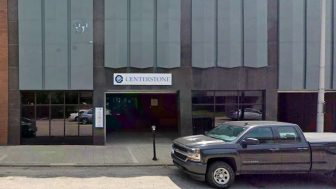
708 Magazine Street
Suite 100
Louisville, KY 40203
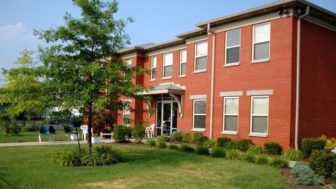
963 South 2nd Street
Louisville, KY 40203

2225 West Broadway
Louisville, KY 40211
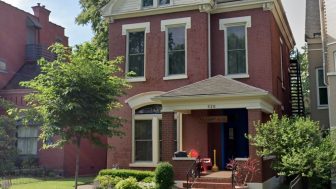
520 Saint Catherine Street
Louisville, KY 40203
Popular Kentucky Cities
More Cities View Other Kentucky CitiesFAQs
How does payment work at the Women's Campus in Louisville?
Kentucky Medicaid is accepted for Outpatient Services. The residential program works differently: no fee applies to any portion of it. Someone weighing the residential stay can expect no bill for the program itself, while the outpatient side is the part that takes Medicaid.
Which stages make up the program at The Healing Place Women's Campus?
Phase I runs on the SOBER180 curriculum, which has clients working the twelve steps used in Alcoholics Anonymous and Narcotics Anonymous. Residential care, which is inpatient rehab, runs roughly six months. Transitional living adds about three more. Continuing care staff stay involved afterward on work, housing, and legal or medical questions.
