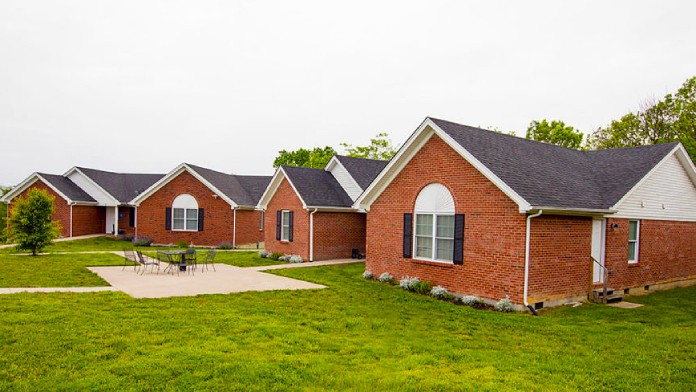
Recovery Works Georgetown
Georgetown, KY
40324

Accredited drug rehab centers available across Bowling Green.
Sliding-scale payments, financial aid, low-cost programs, and local nonprofits.
Medicare, Medicaid, TRICARE, plus local private health insurance coverage.
 Filter
| Name | Address | Description | Treatment | Insurance | Thumbnail |
|---|---|---|---|---|---|
Stepworks of Bowling Green, KY | 331 Brookwood Drive | Serving the area of Bowling Green, Kentucky, Stepworks of Bowling Green provides residential detox and inpatient drug rehab for adults. This is a modern and ... more details › | Treatment Programs Insurance Detox The process of cleansing your body of addictive substances is called detox. This is usually the first step of drug rehab in Kentucky. You’ll receive round-the-clock care during this time, including medication to alleviate withdrawal symptoms. Inpatient Inpatient rehab, also known as residential rehab, means living at the drug rehab in Kentucky while receiving 24/7 supervised medical care. Treatments typically include individual and group therapy, as well as medication and various forms of psychotherapy. Aftercare Ongoing recovery requires ongoing treatment in the form of Kentucky aftercare rehab Once you complete an initial treatment program, aftercare provides long-term support to keep you on the recovery path. 12-step groups, occasional counseling, and personal life coaching may continue for several months or a year. Sober Living Residents of Kentucky sober living homes receive peer support as they work toward independent living. This communal situation typically includes involvement in a 12-step program, participation in household responsibilities, and strict house rules. An average stay is five to eight months, but you can decide when you’re ready to move out on your own. Intervention The goal of intervention services in Kentucky is to motivate your loved one to begin their journey toward recovery. These services can help you plan and facilitate an intervention, develop a treatment plan, and choose the best type of program for your loved one. +3 | Treatment Programs Insurance Medicaid If eligible for Medicaid, you can utilize the coverage to help pay for alcohol and drug rehab in Kentucky. From detox to inpatient rehab, Medicaid typically pays for 100% of your treatment costs. Medicare In the Bluegrass State, the Medicare program is known as "MyLevels;" it typically pays for 100% of the costs associated with drug and alcohol rehab in Kentucky. However, the final amount of coverage can depend on many things, including whether you are seeking inpatient or outpatient treatment. Financial Aid For those who need help paying for alcohol and drug rehab in Kentucky financial aid is often the solution. A few examples of financial assistance are grants, scholarships, non-profit programs, personal funding, and private health insurance programs. Private Private rehab insurance provides levels of coverage for alcohol and drug rehab in Kentucky. The amount of coverage will depend on your policy and if you’ve chosen a treatment center that is in network. Costs you may be responsible for include co-payments or co-insurance fees. Check with your insurer for more information. Payment Self-pay options tend to come into play when you are under- or uninsured, or if a current insurance plan won’t cover a special type of alcohol or drug rehab in Kentucky. Forms of self-pay include cash, credit card, or personal loans. +3 | |
JourneyPure — Kentucky Alcohol & Drug Rehab | 2349 Russellville Road | JourneyPure is an addiction treatment center in Bowling Green, Kentucky for adults struggling with substance use disorders. The facility provides a full continuum of ... more details › | Treatment Programs Insurance Detox The process of cleansing your body of addictive substances is called detox. This is usually the first step of drug rehab in Kentucky. You’ll receive round-the-clock care during this time, including medication to alleviate withdrawal symptoms. Inpatient Inpatient rehab, also known as residential rehab, means living at the drug rehab in Kentucky while receiving 24/7 supervised medical care. Treatments typically include individual and group therapy, as well as medication and various forms of psychotherapy. PHP Partial hospitalization programs (PHPs) allow you to live at home while receiving onsite treatment at drug rehab facilities in Kentucky. You may receive many of the same treatment modalities of inpatient care, with the difference being that you can return home during non-treatment hours. Outpatient Kentucky outpatient rehab experts will assess your needs and create a treatment program tailored to your recovery. Treatment typically includes several hours of counseling each week as well as group therapy. You’ll probably also attend a support group such as NA or AA. Length of treatment varies based on your needs. Dual Diagnosis Kentucky dual diagnosis treatment centers focus on treating mental health disorders alongside addiction. Common methods include counseling, medication management, relapse prevention, and cognitive-behavior therapy. Aftercare Ongoing recovery requires ongoing treatment in the form of Kentucky aftercare rehab Once you complete an initial treatment program, aftercare provides long-term support to keep you on the recovery path. 12-step groups, occasional counseling, and personal life coaching may continue for several months or a year. Sober Living Residents of Kentucky sober living homes receive peer support as they work toward independent living. This communal situation typically includes involvement in a 12-step program, participation in household responsibilities, and strict house rules. An average stay is five to eight months, but you can decide when you’re ready to move out on your own. Intervention The goal of intervention services in Kentucky is to motivate your loved one to begin their journey toward recovery. These services can help you plan and facilitate an intervention, develop a treatment plan, and choose the best type of program for your loved one. +6 | Treatment Programs Insurance Financial Aid For those who need help paying for alcohol and drug rehab in Kentucky financial aid is often the solution. A few examples of financial assistance are grants, scholarships, non-profit programs, personal funding, and private health insurance programs. Tricare Administered by the Department of Defense, TRICARE offers comprehensive military health insurance plans for active and retired military members and their families. Similar to PPO programs offered by private insurance companies, TRICARE covers multiple levels of care for addiction treatment, including detox, inpatient rehab, and outpatient services. Private Private rehab insurance provides levels of coverage for alcohol and drug rehab in Kentucky. The amount of coverage will depend on your policy and if you’ve chosen a treatment center that is in network. Costs you may be responsible for include co-payments or co-insurance fees. Check with your insurer for more information. Payment Self-pay options tend to come into play when you are under- or uninsured, or if a current insurance plan won’t cover a special type of alcohol or drug rehab in Kentucky. Forms of self-pay include cash, credit card, or personal loans. +2 | |
CleanSlate Outpatient Addiction Medicine | 944 Searcy Way | CleanSlate Outpatient Addiction Medicine in Bowling Green, Kentucky serves adults across Warren County and surrounding communities. The clinic combines ... more details › | Treatment Programs Insurance Detox The process of cleansing your body of addictive substances is called detox. This is usually the first step of drug rehab in Kentucky. You’ll receive round-the-clock care during this time, including medication to alleviate withdrawal symptoms. Inpatient Inpatient rehab, also known as residential rehab, means living at the drug rehab in Kentucky while receiving 24/7 supervised medical care. Treatments typically include individual and group therapy, as well as medication and various forms of psychotherapy. Outpatient Kentucky outpatient rehab experts will assess your needs and create a treatment program tailored to your recovery. Treatment typically includes several hours of counseling each week as well as group therapy. You’ll probably also attend a support group such as NA or AA. Length of treatment varies based on your needs. Sober Living Residents of Kentucky sober living homes receive peer support as they work toward independent living. This communal situation typically includes involvement in a 12-step program, participation in household responsibilities, and strict house rules. An average stay is five to eight months, but you can decide when you’re ready to move out on your own. Intervention The goal of intervention services in Kentucky is to motivate your loved one to begin their journey toward recovery. These services can help you plan and facilitate an intervention, develop a treatment plan, and choose the best type of program for your loved one. +3 | Treatment Programs Insurance Medicaid If eligible for Medicaid, you can utilize the coverage to help pay for alcohol and drug rehab in Kentucky. From detox to inpatient rehab, Medicaid typically pays for 100% of your treatment costs. Medicare In the Bluegrass State, the Medicare program is known as "MyLevels;" it typically pays for 100% of the costs associated with drug and alcohol rehab in Kentucky. However, the final amount of coverage can depend on many things, including whether you are seeking inpatient or outpatient treatment. Financial Aid For those who need help paying for alcohol and drug rehab in Kentucky financial aid is often the solution. A few examples of financial assistance are grants, scholarships, non-profit programs, personal funding, and private health insurance programs. Employee Employee Assistance Programs (EAP) are a suite of job-based benefits and services designed to support the overall physical, mental, and emotional wellbeing of employees and their families. These often include programs related to addiction education and prevention, medical and mental health assessments, individual and family counseling, and referrals for higher-intensity mental health care or addiction treatment, the costs of which may be covered in whole or in part by EAP benefits. Tricare Administered by the Department of Defense, TRICARE offers comprehensive military health insurance plans for active and retired military members and their families. Similar to PPO programs offered by private insurance companies, TRICARE covers multiple levels of care for addiction treatment, including detox, inpatient rehab, and outpatient services. Private Private rehab insurance provides levels of coverage for alcohol and drug rehab in Kentucky. The amount of coverage will depend on your policy and if you’ve chosen a treatment center that is in network. Costs you may be responsible for include co-payments or co-insurance fees. Check with your insurer for more information. Payment Self-pay options tend to come into play when you are under- or uninsured, or if a current insurance plan won’t cover a special type of alcohol or drug rehab in Kentucky. Forms of self-pay include cash, credit card, or personal loans. +5 | |
Hilltop Counseling Services | 1721 U.S. 31 W Bypass | Hilltop Counseling Services provides therapeutic services to help adults overcome substance use disorders and mental health challenges. Their facility serves as a ... more details › | Treatment Programs Insurance Detox The process of cleansing your body of addictive substances is called detox. This is usually the first step of drug rehab in Kentucky. You’ll receive round-the-clock care during this time, including medication to alleviate withdrawal symptoms. Inpatient Inpatient rehab, also known as residential rehab, means living at the drug rehab in Kentucky while receiving 24/7 supervised medical care. Treatments typically include individual and group therapy, as well as medication and various forms of psychotherapy. Outpatient Kentucky outpatient rehab experts will assess your needs and create a treatment program tailored to your recovery. Treatment typically includes several hours of counseling each week as well as group therapy. You’ll probably also attend a support group such as NA or AA. Length of treatment varies based on your needs. Sober Living Residents of Kentucky sober living homes receive peer support as they work toward independent living. This communal situation typically includes involvement in a 12-step program, participation in household responsibilities, and strict house rules. An average stay is five to eight months, but you can decide when you’re ready to move out on your own. +2 | Treatment Programs Insurance Private Private rehab insurance provides levels of coverage for alcohol and drug rehab in Kentucky. The amount of coverage will depend on your policy and if you’ve chosen a treatment center that is in network. Costs you may be responsible for include co-payments or co-insurance fees. Check with your insurer for more information. Payment Self-pay options tend to come into play when you are under- or uninsured, or if a current insurance plan won’t cover a special type of alcohol or drug rehab in Kentucky. Forms of self-pay include cash, credit card, or personal loans. | |
AppleGate Recovery Bowling Green | 1649 Scottsville Rd | AppleGate Recovery in Bowling Green, Kentucky is an outpatient addiction treatment clinic specializing in medication assisted treatment (MAT) for adults. The clinic is ... more details › | Treatment Programs Insurance Detox The process of cleansing your body of addictive substances is called detox. This is usually the first step of drug rehab in Kentucky. You’ll receive round-the-clock care during this time, including medication to alleviate withdrawal symptoms. Inpatient Inpatient rehab, also known as residential rehab, means living at the drug rehab in Kentucky while receiving 24/7 supervised medical care. Treatments typically include individual and group therapy, as well as medication and various forms of psychotherapy. Outpatient Kentucky outpatient rehab experts will assess your needs and create a treatment program tailored to your recovery. Treatment typically includes several hours of counseling each week as well as group therapy. You’ll probably also attend a support group such as NA or AA. Length of treatment varies based on your needs. Sober Living Residents of Kentucky sober living homes receive peer support as they work toward independent living. This communal situation typically includes involvement in a 12-step program, participation in household responsibilities, and strict house rules. An average stay is five to eight months, but you can decide when you’re ready to move out on your own. Intervention The goal of intervention services in Kentucky is to motivate your loved one to begin their journey toward recovery. These services can help you plan and facilitate an intervention, develop a treatment plan, and choose the best type of program for your loved one. +3 | Treatment Programs Insurance Medicaid If eligible for Medicaid, you can utilize the coverage to help pay for alcohol and drug rehab in Kentucky. From detox to inpatient rehab, Medicaid typically pays for 100% of your treatment costs. Medicare In the Bluegrass State, the Medicare program is known as "MyLevels;" it typically pays for 100% of the costs associated with drug and alcohol rehab in Kentucky. However, the final amount of coverage can depend on many things, including whether you are seeking inpatient or outpatient treatment. Private Private rehab insurance provides levels of coverage for alcohol and drug rehab in Kentucky. The amount of coverage will depend on your policy and if you’ve chosen a treatment center that is in network. Costs you may be responsible for include co-payments or co-insurance fees. Check with your insurer for more information. Payment Self-pay options tend to come into play when you are under- or uninsured, or if a current insurance plan won’t cover a special type of alcohol or drug rehab in Kentucky. Forms of self-pay include cash, credit card, or personal loans. +2 | |
Park Place Recovery Center | 822 Woodway Street | Park Place Recovery Center is a residential substance use treatment center run by LifeSkills. You can find this CARF-accredited facility in Bowling Green, Kentucky. ... more details › | Treatment Programs Insurance Detox The process of cleansing your body of addictive substances is called detox. This is usually the first step of drug rehab in Kentucky. You’ll receive round-the-clock care during this time, including medication to alleviate withdrawal symptoms. Inpatient Inpatient rehab, also known as residential rehab, means living at the drug rehab in Kentucky while receiving 24/7 supervised medical care. Treatments typically include individual and group therapy, as well as medication and various forms of psychotherapy. Outpatient Kentucky outpatient rehab experts will assess your needs and create a treatment program tailored to your recovery. Treatment typically includes several hours of counseling each week as well as group therapy. You’ll probably also attend a support group such as NA or AA. Length of treatment varies based on your needs. Dual Diagnosis Kentucky dual diagnosis treatment centers focus on treating mental health disorders alongside addiction. Common methods include counseling, medication management, relapse prevention, and cognitive-behavior therapy. Aftercare Ongoing recovery requires ongoing treatment in the form of Kentucky aftercare rehab Once you complete an initial treatment program, aftercare provides long-term support to keep you on the recovery path. 12-step groups, occasional counseling, and personal life coaching may continue for several months or a year. Sober Living Residents of Kentucky sober living homes receive peer support as they work toward independent living. This communal situation typically includes involvement in a 12-step program, participation in household responsibilities, and strict house rules. An average stay is five to eight months, but you can decide when you’re ready to move out on your own. Intervention The goal of intervention services in Kentucky is to motivate your loved one to begin their journey toward recovery. These services can help you plan and facilitate an intervention, develop a treatment plan, and choose the best type of program for your loved one. +5 | Treatment Programs Insurance Medicaid If eligible for Medicaid, you can utilize the coverage to help pay for alcohol and drug rehab in Kentucky. From detox to inpatient rehab, Medicaid typically pays for 100% of your treatment costs. Financial Aid For those who need help paying for alcohol and drug rehab in Kentucky financial aid is often the solution. A few examples of financial assistance are grants, scholarships, non-profit programs, personal funding, and private health insurance programs. Payment Self-pay options tend to come into play when you are under- or uninsured, or if a current insurance plan won’t cover a special type of alcohol or drug rehab in Kentucky. Forms of self-pay include cash, credit card, or personal loans. +1 | |
More to Life Counseling | 351 Pascoe Boulevard | More to Life Counseling is located near Aviation Heritage Park and Museum in Bowling Green, Kentucky, and offers services to help adults recover from substance use ... more details › | Treatment Programs Insurance Outpatient Kentucky outpatient rehab experts will assess your needs and create a treatment program tailored to your recovery. Treatment typically includes several hours of counseling each week as well as group therapy. You’ll probably also attend a support group such as NA or AA. Length of treatment varies based on your needs. Dual Diagnosis Kentucky dual diagnosis treatment centers focus on treating mental health disorders alongside addiction. Common methods include counseling, medication management, relapse prevention, and cognitive-behavior therapy. Intervention The goal of intervention services in Kentucky is to motivate your loved one to begin their journey toward recovery. These services can help you plan and facilitate an intervention, develop a treatment plan, and choose the best type of program for your loved one. +1 | Treatment Programs Insurance Medicaid If eligible for Medicaid, you can utilize the coverage to help pay for alcohol and drug rehab in Kentucky. From detox to inpatient rehab, Medicaid typically pays for 100% of your treatment costs. Tricare Administered by the Department of Defense, TRICARE offers comprehensive military health insurance plans for active and retired military members and their families. Similar to PPO programs offered by private insurance companies, TRICARE covers multiple levels of care for addiction treatment, including detox, inpatient rehab, and outpatient services. Private Private rehab insurance provides levels of coverage for alcohol and drug rehab in Kentucky. The amount of coverage will depend on your policy and if you’ve chosen a treatment center that is in network. Costs you may be responsible for include co-payments or co-insurance fees. Check with your insurer for more information. Payment Self-pay options tend to come into play when you are under- or uninsured, or if a current insurance plan won’t cover a special type of alcohol or drug rehab in Kentucky. Forms of self-pay include cash, credit card, or personal loans. +2 | |
LifeSkills Haven4Change | 1500 Parkside Drive | Haven4Change is a nonprofit transitional living support program in Bowling Green, Kentucky. It serves women 18 and older with substance abuse. Their program includes ... more details › | Treatment Programs Insurance Inpatient Inpatient rehab, also known as residential rehab, means living at the drug rehab in Kentucky while receiving 24/7 supervised medical care. Treatments typically include individual and group therapy, as well as medication and various forms of psychotherapy. Dual Diagnosis Kentucky dual diagnosis treatment centers focus on treating mental health disorders alongside addiction. Common methods include counseling, medication management, relapse prevention, and cognitive-behavior therapy. Aftercare Ongoing recovery requires ongoing treatment in the form of Kentucky aftercare rehab Once you complete an initial treatment program, aftercare provides long-term support to keep you on the recovery path. 12-step groups, occasional counseling, and personal life coaching may continue for several months or a year. Sober Living Residents of Kentucky sober living homes receive peer support as they work toward independent living. This communal situation typically includes involvement in a 12-step program, participation in household responsibilities, and strict house rules. An average stay is five to eight months, but you can decide when you’re ready to move out on your own. Intervention The goal of intervention services in Kentucky is to motivate your loved one to begin their journey toward recovery. These services can help you plan and facilitate an intervention, develop a treatment plan, and choose the best type of program for your loved one. +3 | Treatment Programs Insurance Medicaid If eligible for Medicaid, you can utilize the coverage to help pay for alcohol and drug rehab in Kentucky. From detox to inpatient rehab, Medicaid typically pays for 100% of your treatment costs. Medicare In the Bluegrass State, the Medicare program is known as "MyLevels;" it typically pays for 100% of the costs associated with drug and alcohol rehab in Kentucky. However, the final amount of coverage can depend on many things, including whether you are seeking inpatient or outpatient treatment. Private Private rehab insurance provides levels of coverage for alcohol and drug rehab in Kentucky. The amount of coverage will depend on your policy and if you’ve chosen a treatment center that is in network. Costs you may be responsible for include co-payments or co-insurance fees. Check with your insurer for more information. Payment Self-pay options tend to come into play when you are under- or uninsured, or if a current insurance plan won’t cover a special type of alcohol or drug rehab in Kentucky. Forms of self-pay include cash, credit card, or personal loans. +2 | |
Rivendell Behavioral Health Services of Kentucky | 1035 Porter Pike | Rivendell Behavioral Health Hospital is located in Bowling Green, Kentucky. This is a comprehensive healthcare organization that provides care to men and women who are ... more details › | Treatment Programs Insurance Detox The process of cleansing your body of addictive substances is called detox. This is usually the first step of drug rehab in Kentucky. You’ll receive round-the-clock care during this time, including medication to alleviate withdrawal symptoms. Inpatient Inpatient rehab, also known as residential rehab, means living at the drug rehab in Kentucky while receiving 24/7 supervised medical care. Treatments typically include individual and group therapy, as well as medication and various forms of psychotherapy. PHP Partial hospitalization programs (PHPs) allow you to live at home while receiving onsite treatment at drug rehab facilities in Kentucky. You may receive many of the same treatment modalities of inpatient care, with the difference being that you can return home during non-treatment hours. Outpatient Kentucky outpatient rehab experts will assess your needs and create a treatment program tailored to your recovery. Treatment typically includes several hours of counseling each week as well as group therapy. You’ll probably also attend a support group such as NA or AA. Length of treatment varies based on your needs. Dual Diagnosis Kentucky dual diagnosis treatment centers focus on treating mental health disorders alongside addiction. Common methods include counseling, medication management, relapse prevention, and cognitive-behavior therapy. Sober Living Residents of Kentucky sober living homes receive peer support as they work toward independent living. This communal situation typically includes involvement in a 12-step program, participation in household responsibilities, and strict house rules. An average stay is five to eight months, but you can decide when you’re ready to move out on your own. Intervention The goal of intervention services in Kentucky is to motivate your loved one to begin their journey toward recovery. These services can help you plan and facilitate an intervention, develop a treatment plan, and choose the best type of program for your loved one. +5 | Treatment Programs Insurance Medicaid If eligible for Medicaid, you can utilize the coverage to help pay for alcohol and drug rehab in Kentucky. From detox to inpatient rehab, Medicaid typically pays for 100% of your treatment costs. Medicare In the Bluegrass State, the Medicare program is known as "MyLevels;" it typically pays for 100% of the costs associated with drug and alcohol rehab in Kentucky. However, the final amount of coverage can depend on many things, including whether you are seeking inpatient or outpatient treatment. Financial Aid For those who need help paying for alcohol and drug rehab in Kentucky financial aid is often the solution. A few examples of financial assistance are grants, scholarships, non-profit programs, personal funding, and private health insurance programs. Tricare Administered by the Department of Defense, TRICARE offers comprehensive military health insurance plans for active and retired military members and their families. Similar to PPO programs offered by private insurance companies, TRICARE covers multiple levels of care for addiction treatment, including detox, inpatient rehab, and outpatient services. Private Private rehab insurance provides levels of coverage for alcohol and drug rehab in Kentucky. The amount of coverage will depend on your policy and if you’ve chosen a treatment center that is in network. Costs you may be responsible for include co-payments or co-insurance fees. Check with your insurer for more information. Payment Self-pay options tend to come into play when you are under- or uninsured, or if a current insurance plan won’t cover a special type of alcohol or drug rehab in Kentucky. Forms of self-pay include cash, credit card, or personal loans. +4 | |
LifeSkills Childrens Crisis Stabilization Unit Warren County | 501 Chestnut Street | LifeSkills Children's Crisis Stabilization Unit, now part of CAYA Collaborative Care, is a children's crisis stabilization provider serving Bowling Green and Warren ... more details › | Treatment Programs Insurance Inpatient Inpatient rehab, also known as residential rehab, means living at the drug rehab in Kentucky while receiving 24/7 supervised medical care. Treatments typically include individual and group therapy, as well as medication and various forms of psychotherapy. Outpatient Kentucky outpatient rehab experts will assess your needs and create a treatment program tailored to your recovery. Treatment typically includes several hours of counseling each week as well as group therapy. You’ll probably also attend a support group such as NA or AA. Length of treatment varies based on your needs. Dual Diagnosis Kentucky dual diagnosis treatment centers focus on treating mental health disorders alongside addiction. Common methods include counseling, medication management, relapse prevention, and cognitive-behavior therapy. +1 | Treatment Programs Insurance Medicaid If eligible for Medicaid, you can utilize the coverage to help pay for alcohol and drug rehab in Kentucky. From detox to inpatient rehab, Medicaid typically pays for 100% of your treatment costs. Financial Aid For those who need help paying for alcohol and drug rehab in Kentucky financial aid is often the solution. A few examples of financial assistance are grants, scholarships, non-profit programs, personal funding, and private health insurance programs. Private Private rehab insurance provides levels of coverage for alcohol and drug rehab in Kentucky. The amount of coverage will depend on your policy and if you’ve chosen a treatment center that is in network. Costs you may be responsible for include co-payments or co-insurance fees. Check with your insurer for more information. Payment Self-pay options tend to come into play when you are under- or uninsured, or if a current insurance plan won’t cover a special type of alcohol or drug rehab in Kentucky. Forms of self-pay include cash, credit card, or personal loans. +2 | |
The Bridge To Recovery | 1745 The Bridge Road | The Bridge To Recovery is a residential addiction treatment center in Bowling Green, Kentucky, specializing in family of origin trauma and codependency as the ... more details › | Treatment Programs Insurance Detox The process of cleansing your body of addictive substances is called detox. This is usually the first step of drug rehab in Kentucky. You’ll receive round-the-clock care during this time, including medication to alleviate withdrawal symptoms. Inpatient Inpatient rehab, also known as residential rehab, means living at the drug rehab in Kentucky while receiving 24/7 supervised medical care. Treatments typically include individual and group therapy, as well as medication and various forms of psychotherapy. Dual Diagnosis Kentucky dual diagnosis treatment centers focus on treating mental health disorders alongside addiction. Common methods include counseling, medication management, relapse prevention, and cognitive-behavior therapy. Aftercare Ongoing recovery requires ongoing treatment in the form of Kentucky aftercare rehab Once you complete an initial treatment program, aftercare provides long-term support to keep you on the recovery path. 12-step groups, occasional counseling, and personal life coaching may continue for several months or a year. Sober Living Residents of Kentucky sober living homes receive peer support as they work toward independent living. This communal situation typically includes involvement in a 12-step program, participation in household responsibilities, and strict house rules. An average stay is five to eight months, but you can decide when you’re ready to move out on your own. Intervention The goal of intervention services in Kentucky is to motivate your loved one to begin their journey toward recovery. These services can help you plan and facilitate an intervention, develop a treatment plan, and choose the best type of program for your loved one. +4 | Treatment Programs Insurance Private Private rehab insurance provides levels of coverage for alcohol and drug rehab in Kentucky. The amount of coverage will depend on your policy and if you’ve chosen a treatment center that is in network. Costs you may be responsible for include co-payments or co-insurance fees. Check with your insurer for more information. Payment Self-pay options tend to come into play when you are under- or uninsured, or if a current insurance plan won’t cover a special type of alcohol or drug rehab in Kentucky. Forms of self-pay include cash, credit card, or personal loans. | |
Guesthouse | 1711 Destiny Lane | Guesthouse - Bowling Green, Kentucky (Guesthouse), located in Bowling Green, Kentucky is a residential treatment facility focused on helping you face substance use ... more details › | Treatment Programs Insurance Detox The process of cleansing your body of addictive substances is called detox. This is usually the first step of drug rehab in Kentucky. You’ll receive round-the-clock care during this time, including medication to alleviate withdrawal symptoms. Inpatient Inpatient rehab, also known as residential rehab, means living at the drug rehab in Kentucky while receiving 24/7 supervised medical care. Treatments typically include individual and group therapy, as well as medication and various forms of psychotherapy. Outpatient Kentucky outpatient rehab experts will assess your needs and create a treatment program tailored to your recovery. Treatment typically includes several hours of counseling each week as well as group therapy. You’ll probably also attend a support group such as NA or AA. Length of treatment varies based on your needs. +1 | Treatment Programs Insurance | |
Generations Family Center | 1733 Campus Plaza Court | Generations Family Center, located in Bowling Green, Kentucky, offers outpatient treatment for alcohol and substance use disorder as well as co-occurring mental health ... more details › | Treatment Programs Insurance Outpatient Kentucky outpatient rehab experts will assess your needs and create a treatment program tailored to your recovery. Treatment typically includes several hours of counseling each week as well as group therapy. You’ll probably also attend a support group such as NA or AA. Length of treatment varies based on your needs. Dual Diagnosis Kentucky dual diagnosis treatment centers focus on treating mental health disorders alongside addiction. Common methods include counseling, medication management, relapse prevention, and cognitive-behavior therapy. Aftercare Ongoing recovery requires ongoing treatment in the form of Kentucky aftercare rehab Once you complete an initial treatment program, aftercare provides long-term support to keep you on the recovery path. 12-step groups, occasional counseling, and personal life coaching may continue for several months or a year. Intervention The goal of intervention services in Kentucky is to motivate your loved one to begin their journey toward recovery. These services can help you plan and facilitate an intervention, develop a treatment plan, and choose the best type of program for your loved one. +2 | Treatment Programs Insurance Financial Aid A sliding scale payment plan may be the solution for people who are unable to afford the cost of alcohol and drug rehab in Kentucky. With sliding scale payments, your payments are based on your individual rehab needs and the amount you can afford. To qualify for this discount, you have to complete an application and provide all requested financial documentation. Payment Self-pay options tend to come into play when you are under- or uninsured, or if a current insurance plan won’t cover a special type of alcohol or drug rehab in Kentucky. Forms of self-pay include cash, credit card, or personal loans. | |
JourneyPure — Kentucky Alcohol & Drug Rehab | 2349 Russellville Road | JourneyPure is an addiction treatment center in Bowling Green, Kentucky for adults struggling with substance use disorders. The facility provides a full continuum of ... more details › | Treatment Programs Insurance Detox The process of cleansing your body of addictive substances is called detox. This is usually the first step of drug rehab in Kentucky. You’ll receive round-the-clock care during this time, including medication to alleviate withdrawal symptoms. Inpatient Inpatient rehab, also known as residential rehab, means living at the drug rehab in Kentucky while receiving 24/7 supervised medical care. Treatments typically include individual and group therapy, as well as medication and various forms of psychotherapy. PHP Partial hospitalization programs (PHPs) allow you to live at home while receiving onsite treatment at drug rehab facilities in Kentucky. You may receive many of the same treatment modalities of inpatient care, with the difference being that you can return home during non-treatment hours. Outpatient Kentucky outpatient rehab experts will assess your needs and create a treatment program tailored to your recovery. Treatment typically includes several hours of counseling each week as well as group therapy. You’ll probably also attend a support group such as NA or AA. Length of treatment varies based on your needs. Dual Diagnosis Kentucky dual diagnosis treatment centers focus on treating mental health disorders alongside addiction. Common methods include counseling, medication management, relapse prevention, and cognitive-behavior therapy. Aftercare Ongoing recovery requires ongoing treatment in the form of Kentucky aftercare rehab Once you complete an initial treatment program, aftercare provides long-term support to keep you on the recovery path. 12-step groups, occasional counseling, and personal life coaching may continue for several months or a year. Sober Living Residents of Kentucky sober living homes receive peer support as they work toward independent living. This communal situation typically includes involvement in a 12-step program, participation in household responsibilities, and strict house rules. An average stay is five to eight months, but you can decide when you’re ready to move out on your own. Intervention The goal of intervention services in Kentucky is to motivate your loved one to begin their journey toward recovery. These services can help you plan and facilitate an intervention, develop a treatment plan, and choose the best type of program for your loved one. +6 | Treatment Programs Insurance Financial Aid For those who need help paying for alcohol and drug rehab in Kentucky financial aid is often the solution. A few examples of financial assistance are grants, scholarships, non-profit programs, personal funding, and private health insurance programs. Tricare Administered by the Department of Defense, TRICARE offers comprehensive military health insurance plans for active and retired military members and their families. Similar to PPO programs offered by private insurance companies, TRICARE covers multiple levels of care for addiction treatment, including detox, inpatient rehab, and outpatient services. Private Private rehab insurance provides levels of coverage for alcohol and drug rehab in Kentucky. The amount of coverage will depend on your policy and if you’ve chosen a treatment center that is in network. Costs you may be responsible for include co-payments or co-insurance fees. Check with your insurer for more information. Payment Self-pay options tend to come into play when you are under- or uninsured, or if a current insurance plan won’t cover a special type of alcohol or drug rehab in Kentucky. Forms of self-pay include cash, credit card, or personal loans. +2 | |
Hilltop Counseling Services | 1721 U.S. 31 W Bypass | Hilltop Counseling Services provides therapeutic services to help adults overcome substance use disorders and mental health challenges. Their facility serves as a ... more details › | Treatment Programs Insurance Detox The process of cleansing your body of addictive substances is called detox. This is usually the first step of drug rehab in Kentucky. You’ll receive round-the-clock care during this time, including medication to alleviate withdrawal symptoms. Inpatient Inpatient rehab, also known as residential rehab, means living at the drug rehab in Kentucky while receiving 24/7 supervised medical care. Treatments typically include individual and group therapy, as well as medication and various forms of psychotherapy. Outpatient Kentucky outpatient rehab experts will assess your needs and create a treatment program tailored to your recovery. Treatment typically includes several hours of counseling each week as well as group therapy. You’ll probably also attend a support group such as NA or AA. Length of treatment varies based on your needs. Sober Living Residents of Kentucky sober living homes receive peer support as they work toward independent living. This communal situation typically includes involvement in a 12-step program, participation in household responsibilities, and strict house rules. An average stay is five to eight months, but you can decide when you’re ready to move out on your own. +2 | Treatment Programs Insurance Private Private rehab insurance provides levels of coverage for alcohol and drug rehab in Kentucky. The amount of coverage will depend on your policy and if you’ve chosen a treatment center that is in network. Costs you may be responsible for include co-payments or co-insurance fees. Check with your insurer for more information. Payment Self-pay options tend to come into play when you are under- or uninsured, or if a current insurance plan won’t cover a special type of alcohol or drug rehab in Kentucky. Forms of self-pay include cash, credit card, or personal loans. |
 800-783-0593
 Sponsored
