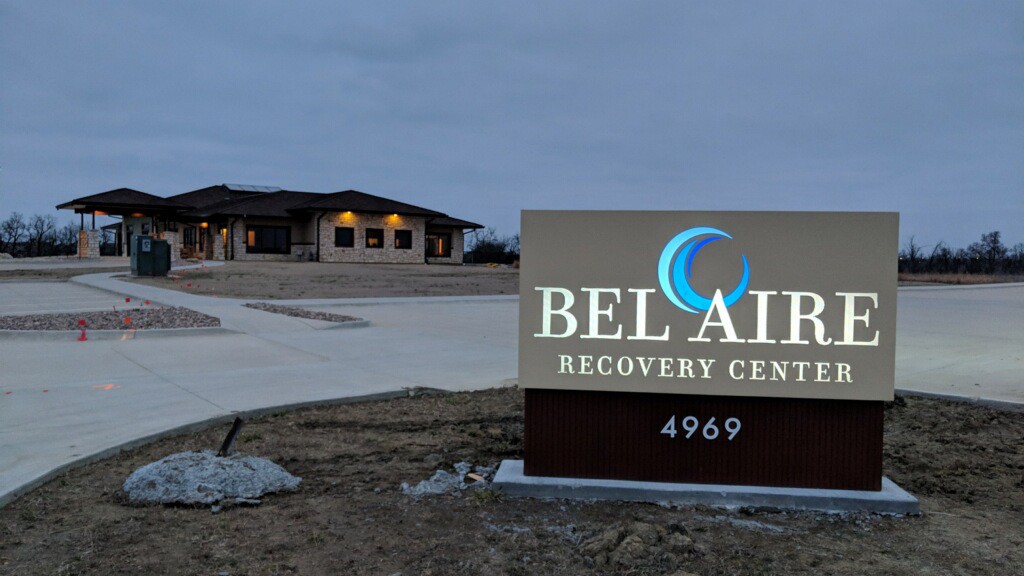
Bel Aire Recovery Center
Bel Aire, KS
67226

Accredited drug rehab centers available across Parsons.
Sliding-scale payments, financial aid, low-cost programs, and local nonprofits.
Medicare, Medicaid, TRICARE, plus local private health insurance coverage.
 Filter
| Name | Address | Description | Treatment | Insurance | Thumbnail |
|---|---|---|---|---|---|
Parsons VA Clinic | 1907 Harding Drive | At Parsons VA Clinic in Parsons, Kansas, you’ll receive the compassionate care you need to stay healthy, enhance your well-being and thrive in your community. Their ... more details › | Treatment Programs Insurance Outpatient Kansas outpatient rehab often includes several types of therapy, such as group, individual, and family. You’ll attend several sessions per week, learning new skills and how to live a sober lifestyle. This treatment will continue for weeks, months, or even years, depending on your ongoing recovery needs. Dual Diagnosis A dual diagnosis treatment program in Kansas is best suited to meet the needs of those who have co-occurring disorders. If you suffer from anxiety, mood disorder, depression, or ADHD alongside addiction, dual diagnosis treatment will effectively treat both disorders. Aftercare Once you’ve completed early phases of treatment, aftercare rehab in Kansas provides continued support. As you begin to face challenges of everyday life, this program gives you the tools you need to meet them. Ongoing counseling, support groups, and financial guidance are common aspects of aftercare, which may continue for a year or more after initial treatment. +1 | Treatment Programs Insurance Financial Aid If you need help paying for alcohol or alcohol and drug rehab in Kansas, financial aid may be a good solution. Financial assistance options include grants, scholarships, non-profit programs, personal funding, and health insurance programs. Tricare Administered by the Department of Defense, TRICARE offers comprehensive military health insurance plans for active and retired military members and their families. Similar to PPO programs offered by private insurance companies, TRICARE covers multiple levels of care for addiction treatment, including detox, inpatient rehab, and outpatient services. Private If you have private insurance, you can use it to cover part of all of the costs of alcohol and drug rehab in Kansas. Coverage amounts may vary depending on your policy, and you may be left with some costs like a co-payment, or co-insurance. Payment Paying for alcohol or drug rehab in Kansas using self-pay options means you are responsible for covering the cost of treatment. Examples of private pay include paying in cash, using a credit card, or taking out a personal medical loan. +2 | |
KISA Life Recovery | 865 KS-99 | In Sedan, Kansas, you'll find KISA Life Recovery. It’s a women's only addiction treatment center. TThey have a residential program that takes place in a private ... more details › | Treatment Programs Insurance Detox Drug rehab in Kansas typically begins with detox. This process can last up to a week. During that time, you’ll receive 24/7 supervision and medical assistance to cleanse your body of all addictive substances. Inpatient Inpatient rehab in Kansas involves participation in group, individual, and other types of therapy in a medically supervised setting. Treatment may also include medication management and holistic therapies. It requires living at the drug rehab for the duration of treatment. Outpatient Kansas outpatient rehab often includes several types of therapy, such as group, individual, and family. You’ll attend several sessions per week, learning new skills and how to live a sober lifestyle. This treatment will continue for weeks, months, or even years, depending on your ongoing recovery needs. Dual Diagnosis A dual diagnosis treatment program in Kansas is best suited to meet the needs of those who have co-occurring disorders. If you suffer from anxiety, mood disorder, depression, or ADHD alongside addiction, dual diagnosis treatment will effectively treat both disorders. Aftercare Once you’ve completed early phases of treatment, aftercare rehab in Kansas provides continued support. As you begin to face challenges of everyday life, this program gives you the tools you need to meet them. Ongoing counseling, support groups, and financial guidance are common aspects of aftercare, which may continue for a year or more after initial treatment. +3 | Treatment Programs Insurance Medicaid When covered by Medicaid, your plan might cover part or all of the costs associated with alcohol and drug rehab in Kansas (called KanCare). Tricare Administered by the Department of Defense, TRICARE offers comprehensive military health insurance plans for active and retired military members and their families. Similar to PPO programs offered by private insurance companies, TRICARE covers multiple levels of care for addiction treatment, including detox, inpatient rehab, and outpatient services. Private If you have private insurance, you can use it to cover part of all of the costs of alcohol and drug rehab in Kansas. Coverage amounts may vary depending on your policy, and you may be left with some costs like a co-payment, or co-insurance. Payment Paying for alcohol or drug rehab in Kansas using self-pay options means you are responsible for covering the cost of treatment. Examples of private pay include paying in cash, using a credit card, or taking out a personal medical loan. +2 | |
Sunflower Recovery | 29875 W 339th St. | Sunflower Wellness Retreat Osawatomie provides alcohol and drug rehab services to men and women seeking recovery in the Olathe, Kansas area. Their levels of care ... more details › | Treatment Programs Insurance Inpatient Inpatient rehab in Kansas involves participation in group, individual, and other types of therapy in a medically supervised setting. Treatment may also include medication management and holistic therapies. It requires living at the drug rehab for the duration of treatment. PHP Partial hospitalization programs (PHPs) offer many of the same treatment services as inpatient care, but you return home during non-treatment times. This type of treatment often serves as a bridge between inpatient and outpatient drug rehab in Kansas. Outpatient Kansas outpatient rehab often includes several types of therapy, such as group, individual, and family. You’ll attend several sessions per week, learning new skills and how to live a sober lifestyle. This treatment will continue for weeks, months, or even years, depending on your ongoing recovery needs. Dual Diagnosis A dual diagnosis treatment program in Kansas is best suited to meet the needs of those who have co-occurring disorders. If you suffer from anxiety, mood disorder, depression, or ADHD alongside addiction, dual diagnosis treatment will effectively treat both disorders. Aftercare Once you’ve completed early phases of treatment, aftercare rehab in Kansas provides continued support. As you begin to face challenges of everyday life, this program gives you the tools you need to meet them. Ongoing counseling, support groups, and financial guidance are common aspects of aftercare, which may continue for a year or more after initial treatment. Sober Living As a bridge between rehab and independent living, sober living in Kansas typically lasts five to eight months. However, you can decide when you’re ready to move to the next step in your recovery journey. While in this setting, you’ll reside with others in recovery at a private home, adhering to house rules and attending 12-step meetings. +4 | Treatment Programs Insurance Private If you have private insurance, you can use it to cover part of all of the costs of alcohol and drug rehab in Kansas. Coverage amounts may vary depending on your policy, and you may be left with some costs like a co-payment, or co-insurance. Payment Paying for alcohol or drug rehab in Kansas using self-pay options means you are responsible for covering the cost of treatment. Examples of private pay include paying in cash, using a credit card, or taking out a personal medical loan. | |
Arista Recovery: Addiction Treatment Center, Alcohol & Drug Rehab In Kansas | 901 E Miami St | Arista Recovery Paola is an upscale inpatient facility on 38 serene acres in Paola, Kansas. Adult residents of Paola and the surrounding areas can participate in a ... more details › | Treatment Programs Insurance Detox Drug rehab in Kansas typically begins with detox. This process can last up to a week. During that time, you’ll receive 24/7 supervision and medical assistance to cleanse your body of all addictive substances. Inpatient Inpatient rehab in Kansas involves participation in group, individual, and other types of therapy in a medically supervised setting. Treatment may also include medication management and holistic therapies. It requires living at the drug rehab for the duration of treatment. PHP Partial hospitalization programs (PHPs) offer many of the same treatment services as inpatient care, but you return home during non-treatment times. This type of treatment often serves as a bridge between inpatient and outpatient drug rehab in Kansas. Outpatient Kansas outpatient rehab often includes several types of therapy, such as group, individual, and family. You’ll attend several sessions per week, learning new skills and how to live a sober lifestyle. This treatment will continue for weeks, months, or even years, depending on your ongoing recovery needs. Dual Diagnosis A dual diagnosis treatment program in Kansas is best suited to meet the needs of those who have co-occurring disorders. If you suffer from anxiety, mood disorder, depression, or ADHD alongside addiction, dual diagnosis treatment will effectively treat both disorders. Sober Living As a bridge between rehab and independent living, sober living in Kansas typically lasts five to eight months. However, you can decide when you’re ready to move to the next step in your recovery journey. While in this setting, you’ll reside with others in recovery at a private home, adhering to house rules and attending 12-step meetings. +4 | Treatment Programs Insurance Medicaid When covered by Medicaid, your plan might cover part or all of the costs associated with alcohol and drug rehab in Kansas (called KanCare). Tricare Administered by the Department of Defense, TRICARE offers comprehensive military health insurance plans for active and retired military members and their families. Similar to PPO programs offered by private insurance companies, TRICARE covers multiple levels of care for addiction treatment, including detox, inpatient rehab, and outpatient services. Private If you have private insurance, you can use it to cover part of all of the costs of alcohol and drug rehab in Kansas. Coverage amounts may vary depending on your policy, and you may be left with some costs like a co-payment, or co-insurance. Payment Paying for alcohol or drug rehab in Kansas using self-pay options means you are responsible for covering the cost of treatment. Examples of private pay include paying in cash, using a credit card, or taking out a personal medical loan. +2 | |
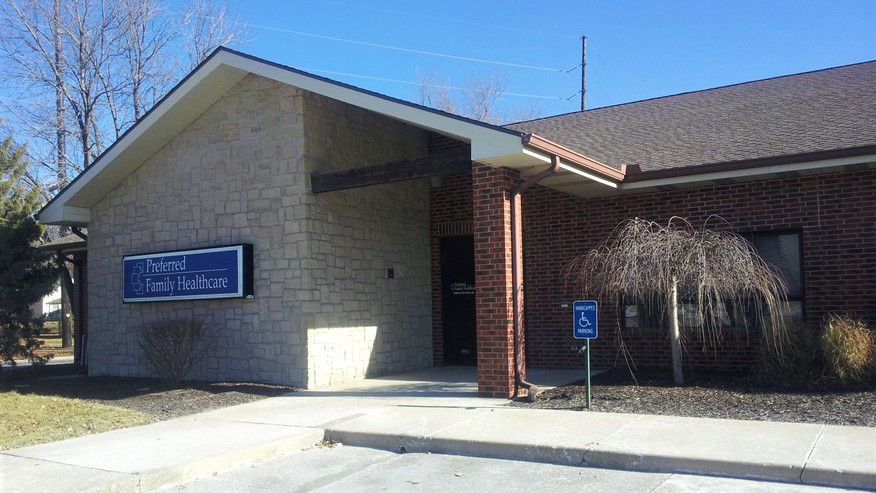
Preferred Family Healthcare | 2720 E 12th Ave | Preferred Family Healthcare is a drug and alcohol rehab in Winfield, Kansas that offers addiction treatment for adults with substance use disorders. The program ... more details › | Treatment Programs Insurance Detox Drug rehab in Kansas typically begins with detox. This process can last up to a week. During that time, you’ll receive 24/7 supervision and medical assistance to cleanse your body of all addictive substances. Inpatient Inpatient rehab in Kansas involves participation in group, individual, and other types of therapy in a medically supervised setting. Treatment may also include medication management and holistic therapies. It requires living at the drug rehab for the duration of treatment. PHP Partial hospitalization programs (PHPs) offer many of the same treatment services as inpatient care, but you return home during non-treatment times. This type of treatment often serves as a bridge between inpatient and outpatient drug rehab in Kansas. Outpatient Kansas outpatient rehab often includes several types of therapy, such as group, individual, and family. You’ll attend several sessions per week, learning new skills and how to live a sober lifestyle. This treatment will continue for weeks, months, or even years, depending on your ongoing recovery needs. Dual Diagnosis A dual diagnosis treatment program in Kansas is best suited to meet the needs of those who have co-occurring disorders. If you suffer from anxiety, mood disorder, depression, or ADHD alongside addiction, dual diagnosis treatment will effectively treat both disorders. Sober Living As a bridge between rehab and independent living, sober living in Kansas typically lasts five to eight months. However, you can decide when you’re ready to move to the next step in your recovery journey. While in this setting, you’ll reside with others in recovery at a private home, adhering to house rules and attending 12-step meetings. +4 | Treatment Programs Insurance Medicaid When covered by Medicaid, your plan might cover part or all of the costs associated with alcohol and drug rehab in Kansas (called KanCare). Financial Aid If you need help paying for alcohol or alcohol and drug rehab in Kansas, financial aid may be a good solution. Financial assistance options include grants, scholarships, non-profit programs, personal funding, and health insurance programs. Tricare Administered by the Department of Defense, TRICARE offers comprehensive military health insurance plans for active and retired military members and their families. Similar to PPO programs offered by private insurance companies, TRICARE covers multiple levels of care for addiction treatment, including detox, inpatient rehab, and outpatient services. Private If you have private insurance, you can use it to cover part of all of the costs of alcohol and drug rehab in Kansas. Coverage amounts may vary depending on your policy, and you may be left with some costs like a co-payment, or co-insurance. Payment Paying for alcohol or drug rehab in Kansas using self-pay options means you are responsible for covering the cost of treatment. Examples of private pay include paying in cash, using a credit card, or taking out a personal medical loan. +3 | |
Gold Bridge Treatment Center | 105 E Amity St. | Located in Louisburg, Kansas, Gold Bridge Treatment Center provides alcohol and drug rehab services to individuals aged 18 and older. Their services are offered ... more details › | Treatment Programs Insurance Detox Drug rehab in Kansas typically begins with detox. This process can last up to a week. During that time, you’ll receive 24/7 supervision and medical assistance to cleanse your body of all addictive substances. Outpatient Kansas outpatient rehab often includes several types of therapy, such as group, individual, and family. You’ll attend several sessions per week, learning new skills and how to live a sober lifestyle. This treatment will continue for weeks, months, or even years, depending on your ongoing recovery needs. Dual Diagnosis A dual diagnosis treatment program in Kansas is best suited to meet the needs of those who have co-occurring disorders. If you suffer from anxiety, mood disorder, depression, or ADHD alongside addiction, dual diagnosis treatment will effectively treat both disorders. Sober Living As a bridge between rehab and independent living, sober living in Kansas typically lasts five to eight months. However, you can decide when you’re ready to move to the next step in your recovery journey. While in this setting, you’ll reside with others in recovery at a private home, adhering to house rules and attending 12-step meetings. +2 | Treatment Programs Insurance Medicaid When covered by Medicaid, your plan might cover part or all of the costs associated with alcohol and drug rehab in Kansas (called KanCare). Private If you have private insurance, you can use it to cover part of all of the costs of alcohol and drug rehab in Kansas. Coverage amounts may vary depending on your policy, and you may be left with some costs like a co-payment, or co-insurance. Payment Paying for alcohol or drug rehab in Kansas using self-pay options means you are responsible for covering the cost of treatment. Examples of private pay include paying in cash, using a credit card, or taking out a personal medical loan. +1 |
 800-783-0593
 Sponsored
