
Hawaii Island Recovery
Kailua Kona, HI
96740

Accredited drug rehab centers available across Honolulu.
Sliding-scale payments, financial aid, low-cost programs, and local nonprofits.
Medicare, Medicaid, TRICARE, plus local private health insurance coverage.
 Filter
| Name | Address | Description | Treatment | Insurance | Thumbnail |
|---|---|---|---|---|---|
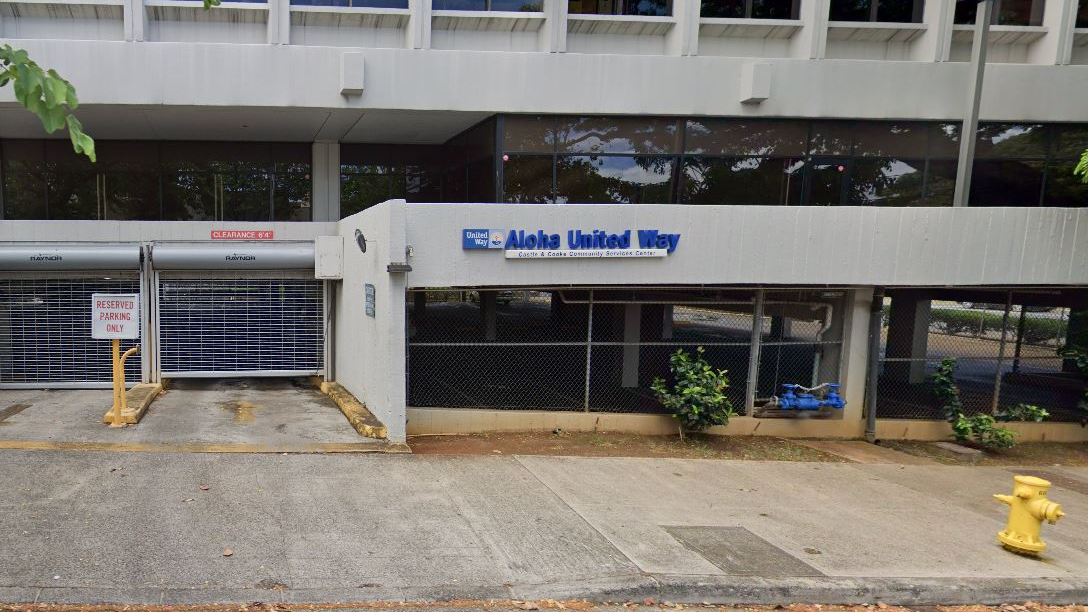
Aloha United Way | 200 North Vineyard Boulevard | Located in Honolulu, Hawaii, Action with Aloha United Way is a social service organization that provides mental health and addiction treatment services, among other ... more details › | Treatment Programs Insurance Outpatient During outpatient rehab in Hawaii, you will have more freedom and less oversight than with inpatient treatment. The goals will be to stay clean, demonstrate the ability to act responsibly, and show continual progress toward recovery. This will include attending therapy and support group sessions. Dual Diagnosis Often, substance abuse and mental health disorders are intricately linked. For successful recovery, Hawaii dual diagnosis treatment is necessary. This integrated approach provides crucial tools for improving both conditions and putting you on the path to recovery. Aftercare Aftercare rehab in Hawaii typically lasts for a year after your initial treatment. This program provides ongoing support to maintain sober living. Support may include budgeting assistance, career guidance, and continued counseling, as well as 12-step meetings. +1 | Treatment Programs Insurance Medicaid If you are eligible for Medicaid, the program may be able to assist with the cost of alcohol and drug rehab in Hawaii. Medicaid can provide financial support for all levels of care, including detox and inpatient rehab. Medicare Medicare is a federal health insurance program that helps people over the age of 65 afford quality healthcare. If eligible, there may be coverage options available to help you pay for addiction treatment, but there are rules about the providers you can use and some types of addiction treatment are not covered by Medicare. This is why it’s essential to contact Medicare directly for detailed plan information. Financial Aid Financial Aid may be available to those in Hawaii who need help paying for addiction treatment. Types of financial assistance include grants, scholarships, non-profit programs, personal funding, and health insurance programs to help you manage the expense of substance abuse treatment. Tricare Administered by the Department of Defense, TRICARE offers comprehensive military health insurance plans for active and retired military members and their families. Similar to PPO programs offered by private insurance companies, TRICARE covers multiple levels of care for addiction treatment, including detox, inpatient rehab, and outpatient services. Private If you have private rehab insurance, you may be able to use your plan to pay for alcohol and drug rehab in Hawaii. The extent of coverage varies depending on your insurance policy and a treatment center’s in- or out-of-network status. You may be responsible for co-payment or co-insurance costs. Check with your insurer for more information. Payment Self-pay options for alcohol and drug rehab in Hawaii refer to payment methods where the client is personally responsible for some or all of the costs of treatment. Examples include opting to pay out of pocket or via a personal medical loan. +4 | |
CARE Hawaii Inc | 197 Sand Island Access Rd | CARE Hawaii Inc is a behavioral health and addiction treatment provider in Honolulu, Hawaii, offering substance use disorder treatment as part of a broad statewide ... more details › | Treatment Programs Insurance PHP Partial hospitalization programs (PHPs) allow you to benefit from the different forms of a type of outpatient treatment therapy provided by inpatient drug rehabs in Hawaii. With PHPs, however, you can return home after completing each day’s sessions. Outpatient During outpatient rehab in Hawaii, you will have more freedom and less oversight than with inpatient treatment. The goals will be to stay clean, demonstrate the ability to act responsibly, and show continual progress toward recovery. This will include attending therapy and support group sessions. Dual Diagnosis Often, substance abuse and mental health disorders are intricately linked. For successful recovery, Hawaii dual diagnosis treatment is necessary. This integrated approach provides crucial tools for improving both conditions and putting you on the path to recovery. Aftercare Aftercare rehab in Hawaii typically lasts for a year after your initial treatment. This program provides ongoing support to maintain sober living. Support may include budgeting assistance, career guidance, and continued counseling, as well as 12-step meetings. Intervention Intervention services in Hawaii are often necessary to convince your loved one to get the treatment they need. Professional intervention specialists can provide pre-intervention counseling for family members, assist with staging an intervention, and provide resources to create a treatment plan. +3 | Treatment Programs Insurance Medicaid If you are eligible for Medicaid, the program may be able to assist with the cost of alcohol and drug rehab in Hawaii. Medicaid can provide financial support for all levels of care, including detox and inpatient rehab. Medicare Medicare is a federal health insurance program that helps people over the age of 65 afford quality healthcare. If eligible, there may be coverage options available to help you pay for addiction treatment, but there are rules about the providers you can use and some types of addiction treatment are not covered by Medicare. This is why it’s essential to contact Medicare directly for detailed plan information. Financial Aid Financial Aid may be available to those in Hawaii who need help paying for addiction treatment. Types of financial assistance include grants, scholarships, non-profit programs, personal funding, and health insurance programs to help you manage the expense of substance abuse treatment. Private If you have private rehab insurance, you may be able to use your plan to pay for alcohol and drug rehab in Hawaii. The extent of coverage varies depending on your insurance policy and a treatment center’s in- or out-of-network status. You may be responsible for co-payment or co-insurance costs. Check with your insurer for more information. Payment Self-pay options for alcohol and drug rehab in Hawaii refer to payment methods where the client is personally responsible for some or all of the costs of treatment. Examples include opting to pay out of pocket or via a personal medical loan. +3 | |
The Ohana | 1440 Kapiolani Blvd | If you have a family member experiencing addiction, Ho’ohana Counseling offers family counseling sessions in Honolulu, Hawaii. Substance use doesn’t just affect ... more details › | Treatment Programs Insurance Detox The first step to becoming drug-free is detox. During this initial stage of drug rehab in Hawaii, your body is cleansed of all additive substances. The length of time varies by individual, but it always involves 24/7 medical supervision for a slow, safe process. Inpatient When you enter inpatient drug rehab in Hawaii, you’ll live at the facility until completion of the program. In this setting, you will typically participate in individual, group, and family therapy sessions, and you may receive medication and additional recreational and holistic therapies. Outpatient During outpatient rehab in Hawaii, you will have more freedom and less oversight than with inpatient treatment. The goals will be to stay clean, demonstrate the ability to act responsibly, and show continual progress toward recovery. This will include attending therapy and support group sessions. Intervention Intervention services in Hawaii are often necessary to convince your loved one to get the treatment they need. Professional intervention specialists can provide pre-intervention counseling for family members, assist with staging an intervention, and provide resources to create a treatment plan. +2 | Treatment Programs Insurance Private If you have private rehab insurance, you may be able to use your plan to pay for alcohol and drug rehab in Hawaii. The extent of coverage varies depending on your insurance policy and a treatment center’s in- or out-of-network status. You may be responsible for co-payment or co-insurance costs. Check with your insurer for more information. Payment Self-pay options for alcohol and drug rehab in Hawaii refer to payment methods where the client is personally responsible for some or all of the costs of treatment. Examples include opting to pay out of pocket or via a personal medical loan. | |
The Salvation Army Addiction Treatment Services (ATS) | 3624 Waokanaka Street | Based in Honolulu, Hawaii, The Salvation Army’s Addiction Treatment Services provides accredited addiction treatment to adults aged 18 and older, including pregnant ... more details › | Treatment Programs Insurance Detox The first step to becoming drug-free is detox. During this initial stage of drug rehab in Hawaii, your body is cleansed of all additive substances. The length of time varies by individual, but it always involves 24/7 medical supervision for a slow, safe process. Inpatient When you enter inpatient drug rehab in Hawaii, you’ll live at the facility until completion of the program. In this setting, you will typically participate in individual, group, and family therapy sessions, and you may receive medication and additional recreational and holistic therapies. Outpatient During outpatient rehab in Hawaii, you will have more freedom and less oversight than with inpatient treatment. The goals will be to stay clean, demonstrate the ability to act responsibly, and show continual progress toward recovery. This will include attending therapy and support group sessions. Aftercare Aftercare rehab in Hawaii typically lasts for a year after your initial treatment. This program provides ongoing support to maintain sober living. Support may include budgeting assistance, career guidance, and continued counseling, as well as 12-step meetings. Sober Living Hawaii sober living gives you the opportunity to solidify your sobriety before living completely independently. These residential settings offer drug-free environments with structured schedules. You’ll adhere to house rules, contribute to household chores, and attend 12-step meetings. The average stay in sober living is five to eight months. Intervention Intervention services in Hawaii are often necessary to convince your loved one to get the treatment they need. Professional intervention specialists can provide pre-intervention counseling for family members, assist with staging an intervention, and provide resources to create a treatment plan. +4 | Treatment Programs Insurance Financial Aid Financial Aid may be available to those in Hawaii who need help paying for addiction treatment. Types of financial assistance include grants, scholarships, non-profit programs, personal funding, and health insurance programs to help you manage the expense of substance abuse treatment. Private If you have private rehab insurance, you may be able to use your plan to pay for alcohol and drug rehab in Hawaii. The extent of coverage varies depending on your insurance policy and a treatment center’s in- or out-of-network status. You may be responsible for co-payment or co-insurance costs. Check with your insurer for more information. Payment Self-pay options for alcohol and drug rehab in Hawaii refer to payment methods where the client is personally responsible for some or all of the costs of treatment. Examples include opting to pay out of pocket or via a personal medical loan. +1 | |
Champ Clinic | 173 S Kukui St | CHAMP Clinic is a drug and alcohol addiction treatment center in Honolulu serving adults with substance use disorders, CHAMP Clinic offers detox treatment, outpatient ... more details › | Treatment Programs Insurance Detox The first step to becoming drug-free is detox. During this initial stage of drug rehab in Hawaii, your body is cleansed of all additive substances. The length of time varies by individual, but it always involves 24/7 medical supervision for a slow, safe process. Inpatient When you enter inpatient drug rehab in Hawaii, you’ll live at the facility until completion of the program. In this setting, you will typically participate in individual, group, and family therapy sessions, and you may receive medication and additional recreational and holistic therapies. Outpatient During outpatient rehab in Hawaii, you will have more freedom and less oversight than with inpatient treatment. The goals will be to stay clean, demonstrate the ability to act responsibly, and show continual progress toward recovery. This will include attending therapy and support group sessions. Aftercare Aftercare rehab in Hawaii typically lasts for a year after your initial treatment. This program provides ongoing support to maintain sober living. Support may include budgeting assistance, career guidance, and continued counseling, as well as 12-step meetings. Sober Living Hawaii sober living gives you the opportunity to solidify your sobriety before living completely independently. These residential settings offer drug-free environments with structured schedules. You’ll adhere to house rules, contribute to household chores, and attend 12-step meetings. The average stay in sober living is five to eight months. Intervention Intervention services in Hawaii are often necessary to convince your loved one to get the treatment they need. Professional intervention specialists can provide pre-intervention counseling for family members, assist with staging an intervention, and provide resources to create a treatment plan. +4 | Treatment Programs Insurance Medicaid If you are eligible for Medicaid, the program may be able to assist with the cost of alcohol and drug rehab in Hawaii. Medicaid can provide financial support for all levels of care, including detox and inpatient rehab. Medicare Medicare is a federal health insurance program that helps people over the age of 65 afford quality healthcare. If eligible, there may be coverage options available to help you pay for addiction treatment, but there are rules about the providers you can use and some types of addiction treatment are not covered by Medicare. This is why it’s essential to contact Medicare directly for detailed plan information. Private If you have private rehab insurance, you may be able to use your plan to pay for alcohol and drug rehab in Hawaii. The extent of coverage varies depending on your insurance policy and a treatment center’s in- or out-of-network status. You may be responsible for co-payment or co-insurance costs. Check with your insurer for more information. Payment Self-pay options for alcohol and drug rehab in Hawaii refer to payment methods where the client is personally responsible for some or all of the costs of treatment. Examples include opting to pay out of pocket or via a personal medical loan. +2 | |
Sand Island Treatment Center | 1350 Sand Island Parkway | Sand Island Treatment Center is a Honolulu based substance use treatment program associated with Kline Welsh Behavioral Health, specializing in long term residential ... more details › | Treatment Programs Insurance Detox The first step to becoming drug-free is detox. During this initial stage of drug rehab in Hawaii, your body is cleansed of all additive substances. The length of time varies by individual, but it always involves 24/7 medical supervision for a slow, safe process. Inpatient When you enter inpatient drug rehab in Hawaii, you’ll live at the facility until completion of the program. In this setting, you will typically participate in individual, group, and family therapy sessions, and you may receive medication and additional recreational and holistic therapies. Outpatient During outpatient rehab in Hawaii, you will have more freedom and less oversight than with inpatient treatment. The goals will be to stay clean, demonstrate the ability to act responsibly, and show continual progress toward recovery. This will include attending therapy and support group sessions. Dual Diagnosis Often, substance abuse and mental health disorders are intricately linked. For successful recovery, Hawaii dual diagnosis treatment is necessary. This integrated approach provides crucial tools for improving both conditions and putting you on the path to recovery. Aftercare Aftercare rehab in Hawaii typically lasts for a year after your initial treatment. This program provides ongoing support to maintain sober living. Support may include budgeting assistance, career guidance, and continued counseling, as well as 12-step meetings. Sober Living Hawaii sober living gives you the opportunity to solidify your sobriety before living completely independently. These residential settings offer drug-free environments with structured schedules. You’ll adhere to house rules, contribute to household chores, and attend 12-step meetings. The average stay in sober living is five to eight months. +4 | Treatment Programs Insurance Medicaid If you are eligible for Medicaid, the program may be able to assist with the cost of alcohol and drug rehab in Hawaii. Medicaid can provide financial support for all levels of care, including detox and inpatient rehab. Financial Aid Financial Aid may be available to those in Hawaii who need help paying for addiction treatment. Types of financial assistance include grants, scholarships, non-profit programs, personal funding, and health insurance programs to help you manage the expense of substance abuse treatment. Private If you have private rehab insurance, you may be able to use your plan to pay for alcohol and drug rehab in Hawaii. The extent of coverage varies depending on your insurance policy and a treatment center’s in- or out-of-network status. You may be responsible for co-payment or co-insurance costs. Check with your insurer for more information. Payment Self-pay options for alcohol and drug rehab in Hawaii refer to payment methods where the client is personally responsible for some or all of the costs of treatment. Examples include opting to pay out of pocket or via a personal medical loan. +2 | |
Providence Treatment | 1188 Bishop St | Located in Honolulu, Hawaii, Providence Treatment is a drug and alcohol addiction treatment center for adults serving adults with substance use disorders, Providence ... more details › | Treatment Programs Insurance Detox The first step to becoming drug-free is detox. During this initial stage of drug rehab in Hawaii, your body is cleansed of all additive substances. The length of time varies by individual, but it always involves 24/7 medical supervision for a slow, safe process. Inpatient When you enter inpatient drug rehab in Hawaii, you’ll live at the facility until completion of the program. In this setting, you will typically participate in individual, group, and family therapy sessions, and you may receive medication and additional recreational and holistic therapies. Outpatient During outpatient rehab in Hawaii, you will have more freedom and less oversight than with inpatient treatment. The goals will be to stay clean, demonstrate the ability to act responsibly, and show continual progress toward recovery. This will include attending therapy and support group sessions. Intervention Intervention services in Hawaii are often necessary to convince your loved one to get the treatment they need. Professional intervention specialists can provide pre-intervention counseling for family members, assist with staging an intervention, and provide resources to create a treatment plan. +2 | Treatment Programs Insurance Private If you have private rehab insurance, you may be able to use your plan to pay for alcohol and drug rehab in Hawaii. The extent of coverage varies depending on your insurance policy and a treatment center’s in- or out-of-network status. You may be responsible for co-payment or co-insurance costs. Check with your insurer for more information. Payment Self-pay options for alcohol and drug rehab in Hawaii refer to payment methods where the client is personally responsible for some or all of the costs of treatment. Examples include opting to pay out of pocket or via a personal medical loan. | |
Pathways Honolulu | 801 South St | Pathways Honolulu is a comprehensive addiction treatment center in Honolulu, Hawaii, dedicated to helping individuals overcome substance use disorders. Located at ... more details › | Treatment Programs Insurance Detox The first step to becoming drug-free is detox. During this initial stage of drug rehab in Hawaii, your body is cleansed of all additive substances. The length of time varies by individual, but it always involves 24/7 medical supervision for a slow, safe process. Inpatient When you enter inpatient drug rehab in Hawaii, you’ll live at the facility until completion of the program. In this setting, you will typically participate in individual, group, and family therapy sessions, and you may receive medication and additional recreational and holistic therapies. Outpatient During outpatient rehab in Hawaii, you will have more freedom and less oversight than with inpatient treatment. The goals will be to stay clean, demonstrate the ability to act responsibly, and show continual progress toward recovery. This will include attending therapy and support group sessions. Intervention Intervention services in Hawaii are often necessary to convince your loved one to get the treatment they need. Professional intervention specialists can provide pre-intervention counseling for family members, assist with staging an intervention, and provide resources to create a treatment plan. +2 | Treatment Programs Insurance Private If you have private rehab insurance, you may be able to use your plan to pay for alcohol and drug rehab in Hawaii. The extent of coverage varies depending on your insurance policy and a treatment center’s in- or out-of-network status. You may be responsible for co-payment or co-insurance costs. Check with your insurer for more information. Payment Self-pay options for alcohol and drug rehab in Hawaii refer to payment methods where the client is personally responsible for some or all of the costs of treatment. Examples include opting to pay out of pocket or via a personal medical loan. | |
Teen Challenge Men’s Christian Life Center | 1146 Elm Street | Teen Challenge Men's Christian Life Center is a faith-based addiction recovery program in Honolulu, Hawaii serving adult men seeking long term healing from drug and ... more details › | Treatment Programs Insurance Outpatient During outpatient rehab in Hawaii, you will have more freedom and less oversight than with inpatient treatment. The goals will be to stay clean, demonstrate the ability to act responsibly, and show continual progress toward recovery. This will include attending therapy and support group sessions. Intervention Intervention services in Hawaii are often necessary to convince your loved one to get the treatment they need. Professional intervention specialists can provide pre-intervention counseling for family members, assist with staging an intervention, and provide resources to create a treatment plan. | Treatment Programs Insurance Free Most states offer free alcohol and drug rehabs through public mental health and addiction treatment centers. These centers often provide detox, intensive outpatient programs (IOPs), residential treatment, partial hospitalization programs (PHPs), and support groups. You must meet certain requirements in order to qualify for free alcohol and drug rehabs, such as lack of income and insurance. Medicaid If you are eligible for Medicaid, the program may be able to assist with the cost of alcohol and drug rehab in Hawaii. Medicaid can provide financial support for all levels of care, including detox and inpatient rehab. Private If you have private rehab insurance, you may be able to use your plan to pay for alcohol and drug rehab in Hawaii. The extent of coverage varies depending on your insurance policy and a treatment center’s in- or out-of-network status. You may be responsible for co-payment or co-insurance costs. Check with your insurer for more information. Payment Self-pay options for alcohol and drug rehab in Hawaii refer to payment methods where the client is personally responsible for some or all of the costs of treatment. Examples include opting to pay out of pocket or via a personal medical loan. +2 | |
O’ahu First Circuit – Drug Court | 777 Punchbowl Street | The Oahu First Circuit Drug Court in Honolulu, Hawaii, provides a variety of court diversion programs for adults, youth, families and veterans. These programs are ... more details › | Treatment Programs Insurance PHP Partial hospitalization programs (PHPs) allow you to benefit from the different forms of a type of outpatient treatment therapy provided by inpatient drug rehabs in Hawaii. With PHPs, however, you can return home after completing each day’s sessions. Outpatient During outpatient rehab in Hawaii, you will have more freedom and less oversight than with inpatient treatment. The goals will be to stay clean, demonstrate the ability to act responsibly, and show continual progress toward recovery. This will include attending therapy and support group sessions. Dual Diagnosis Often, substance abuse and mental health disorders are intricately linked. For successful recovery, Hawaii dual diagnosis treatment is necessary. This integrated approach provides crucial tools for improving both conditions and putting you on the path to recovery. Aftercare Aftercare rehab in Hawaii typically lasts for a year after your initial treatment. This program provides ongoing support to maintain sober living. Support may include budgeting assistance, career guidance, and continued counseling, as well as 12-step meetings. Intervention Intervention services in Hawaii are often necessary to convince your loved one to get the treatment they need. Professional intervention specialists can provide pre-intervention counseling for family members, assist with staging an intervention, and provide resources to create a treatment plan. +3 | Treatment Programs Insurance Financial Aid For those who are underinsured or uninsured, paying the total cost of a rehab program up front is not feasible. Fortunately, many alcohol and drug rehabs make financing available to potential clients through private loans, in-house payment plans, or partner lenders. You can choose a finance package that lets you start treatment immediately and pay for it later. Payment Self-pay options for alcohol and drug rehab in Hawaii refer to payment methods where the client is personally responsible for some or all of the costs of treatment. Examples include opting to pay out of pocket or via a personal medical loan. | |
YMCA of Honolulu – Kalihi Branch | 1335 Kalihi Street | Serving the community of Honolulu, Hawaii, the Kalihi Branch of the YMCA offers outpatient addiction treatment programs for kids and teens. For kids in grades six ... more details › | Treatment Programs Insurance Inpatient When you enter inpatient drug rehab in Hawaii, you’ll live at the facility until completion of the program. In this setting, you will typically participate in individual, group, and family therapy sessions, and you may receive medication and additional recreational and holistic therapies. Outpatient During outpatient rehab in Hawaii, you will have more freedom and less oversight than with inpatient treatment. The goals will be to stay clean, demonstrate the ability to act responsibly, and show continual progress toward recovery. This will include attending therapy and support group sessions. Aftercare Aftercare rehab in Hawaii typically lasts for a year after your initial treatment. This program provides ongoing support to maintain sober living. Support may include budgeting assistance, career guidance, and continued counseling, as well as 12-step meetings. Sober Living Hawaii sober living gives you the opportunity to solidify your sobriety before living completely independently. These residential settings offer drug-free environments with structured schedules. You’ll adhere to house rules, contribute to household chores, and attend 12-step meetings. The average stay in sober living is five to eight months. Intervention Intervention services in Hawaii are often necessary to convince your loved one to get the treatment they need. Professional intervention specialists can provide pre-intervention counseling for family members, assist with staging an intervention, and provide resources to create a treatment plan. +3 | Treatment Programs Insurance Financial Aid Financial Aid may be available to those in Hawaii who need help paying for addiction treatment. Types of financial assistance include grants, scholarships, non-profit programs, personal funding, and health insurance programs to help you manage the expense of substance abuse treatment. Tricare Administered by the Department of Defense, TRICARE offers comprehensive military health insurance plans for active and retired military members and their families. Similar to PPO programs offered by private insurance companies, TRICARE covers multiple levels of care for addiction treatment, including detox, inpatient rehab, and outpatient services. Private If you have private rehab insurance, you may be able to use your plan to pay for alcohol and drug rehab in Hawaii. The extent of coverage varies depending on your insurance policy and a treatment center’s in- or out-of-network status. You may be responsible for co-payment or co-insurance costs. Check with your insurer for more information. Payment Self-pay options for alcohol and drug rehab in Hawaii refer to payment methods where the client is personally responsible for some or all of the costs of treatment. Examples include opting to pay out of pocket or via a personal medical loan. +2 | |
Kokua Kalihi Valley | 2239 North School Street | The Kokua Kalihi Valley in Honolulu, Hawai’i has grown from a small 4-woman talk therapy practice to 50 years later growing into a large medical and community ... more details › | Treatment Programs Insurance Outpatient During outpatient rehab in Hawaii, you will have more freedom and less oversight than with inpatient treatment. The goals will be to stay clean, demonstrate the ability to act responsibly, and show continual progress toward recovery. This will include attending therapy and support group sessions. Dual Diagnosis Often, substance abuse and mental health disorders are intricately linked. For successful recovery, Hawaii dual diagnosis treatment is necessary. This integrated approach provides crucial tools for improving both conditions and putting you on the path to recovery. Aftercare Aftercare rehab in Hawaii typically lasts for a year after your initial treatment. This program provides ongoing support to maintain sober living. Support may include budgeting assistance, career guidance, and continued counseling, as well as 12-step meetings. Intervention Intervention services in Hawaii are often necessary to convince your loved one to get the treatment they need. Professional intervention specialists can provide pre-intervention counseling for family members, assist with staging an intervention, and provide resources to create a treatment plan. +2 | Treatment Programs Insurance Financial Aid If you’re unable to afford the cost of alcohol or drug rehab in Hawaii, a sliding scale payment plan may be an option. In order to qualify for this type of assistance, you'll need to fill out an application at the facility of your choice. If eligible, your replayment plan is income-based and you'll never be asked to pay more than you can reasonably afford. Payment Self-pay options for alcohol and drug rehab in Hawaii refer to payment methods where the client is personally responsible for some or all of the costs of treatment. Examples include opting to pay out of pocket or via a personal medical loan. | |
YMCA of Honolulu Kaimuki High School | 2705 Kaimuki Avenue | YMCA of Honolulu Kaimuki High School is a school based outpatient addiction treatment program in Honolulu, Hawaii, providing free substance use and mental health ... more details › | Treatment Programs Insurance Outpatient During outpatient rehab in Hawaii, you will have more freedom and less oversight than with inpatient treatment. The goals will be to stay clean, demonstrate the ability to act responsibly, and show continual progress toward recovery. This will include attending therapy and support group sessions. Dual Diagnosis Often, substance abuse and mental health disorders are intricately linked. For successful recovery, Hawaii dual diagnosis treatment is necessary. This integrated approach provides crucial tools for improving both conditions and putting you on the path to recovery. Aftercare Aftercare rehab in Hawaii typically lasts for a year after your initial treatment. This program provides ongoing support to maintain sober living. Support may include budgeting assistance, career guidance, and continued counseling, as well as 12-step meetings. Intervention Intervention services in Hawaii are often necessary to convince your loved one to get the treatment they need. Professional intervention specialists can provide pre-intervention counseling for family members, assist with staging an intervention, and provide resources to create a treatment plan. +2 | Treatment Programs Insurance Free Most states offer free alcohol and drug rehabs through public mental health and addiction treatment centers. These centers often provide detox, intensive outpatient programs (IOPs), residential treatment, partial hospitalization programs (PHPs), and support groups. You must meet certain requirements in order to qualify for free alcohol and drug rehabs, such as lack of income and insurance. Financial Aid Financial Aid may be available to those in Hawaii who need help paying for addiction treatment. Types of financial assistance include grants, scholarships, non-profit programs, personal funding, and health insurance programs to help you manage the expense of substance abuse treatment. | |
Queens Medical Center | 1301 Punchbowl street Honolulu, HI 96813 | Queens Medical Center is located in Honolulu, Hawaii, and offers comprehensive medical and mental health services, including treatment for addiction and co-occurring ... more details › | Treatment Programs Insurance Inpatient When you enter inpatient drug rehab in Hawaii, you’ll live at the facility until completion of the program. In this setting, you will typically participate in individual, group, and family therapy sessions, and you may receive medication and additional recreational and holistic therapies. PHP Partial hospitalization programs (PHPs) allow you to benefit from the different forms of a type of outpatient treatment therapy provided by inpatient drug rehabs in Hawaii. With PHPs, however, you can return home after completing each day’s sessions. Outpatient During outpatient rehab in Hawaii, you will have more freedom and less oversight than with inpatient treatment. The goals will be to stay clean, demonstrate the ability to act responsibly, and show continual progress toward recovery. This will include attending therapy and support group sessions. Dual Diagnosis Often, substance abuse and mental health disorders are intricately linked. For successful recovery, Hawaii dual diagnosis treatment is necessary. This integrated approach provides crucial tools for improving both conditions and putting you on the path to recovery. +2 | Treatment Programs Insurance Medicaid If you are eligible for Medicaid, the program may be able to assist with the cost of alcohol and drug rehab in Hawaii. Medicaid can provide financial support for all levels of care, including detox and inpatient rehab. Medicare Medicare is a federal health insurance program that helps people over the age of 65 afford quality healthcare. If eligible, there may be coverage options available to help you pay for addiction treatment, but there are rules about the providers you can use and some types of addiction treatment are not covered by Medicare. This is why it’s essential to contact Medicare directly for detailed plan information. Financial Aid Financial Aid may be available to those in Hawaii who need help paying for addiction treatment. Types of financial assistance include grants, scholarships, non-profit programs, personal funding, and health insurance programs to help you manage the expense of substance abuse treatment. Tricare Administered by the Department of Defense, TRICARE offers comprehensive military health insurance plans for active and retired military members and their families. Similar to PPO programs offered by private insurance companies, TRICARE covers multiple levels of care for addiction treatment, including detox, inpatient rehab, and outpatient services. Private If you have private rehab insurance, you may be able to use your plan to pay for alcohol and drug rehab in Hawaii. The extent of coverage varies depending on your insurance policy and a treatment center’s in- or out-of-network status. You may be responsible for co-payment or co-insurance costs. Check with your insurer for more information. Payment Self-pay options for alcohol and drug rehab in Hawaii refer to payment methods where the client is personally responsible for some or all of the costs of treatment. Examples include opting to pay out of pocket or via a personal medical loan. +4 | |
O’ahu First Circuit | 777 Punchbowl street 2nd Floor Honolulu, HI 96813 | O'ahu First Circuit is a Hawai'i State Judiciary court location in downtown Honolulu that hosts court based substance use programs including Drug Court and Family ... more details › | Treatment Programs Insurance PHP Partial hospitalization programs (PHPs) allow you to benefit from the different forms of a type of outpatient treatment therapy provided by inpatient drug rehabs in Hawaii. With PHPs, however, you can return home after completing each day’s sessions. Outpatient During outpatient rehab in Hawaii, you will have more freedom and less oversight than with inpatient treatment. The goals will be to stay clean, demonstrate the ability to act responsibly, and show continual progress toward recovery. This will include attending therapy and support group sessions. Dual Diagnosis Often, substance abuse and mental health disorders are intricately linked. For successful recovery, Hawaii dual diagnosis treatment is necessary. This integrated approach provides crucial tools for improving both conditions and putting you on the path to recovery. Aftercare Aftercare rehab in Hawaii typically lasts for a year after your initial treatment. This program provides ongoing support to maintain sober living. Support may include budgeting assistance, career guidance, and continued counseling, as well as 12-step meetings. +2 | Treatment Programs Insurance Financial Aid Financial Aid may be available to those in Hawaii who need help paying for addiction treatment. Types of financial assistance include grants, scholarships, non-profit programs, personal funding, and health insurance programs to help you manage the expense of substance abuse treatment. Payment Self-pay options for alcohol and drug rehab in Hawaii refer to payment methods where the client is personally responsible for some or all of the costs of treatment. Examples include opting to pay out of pocket or via a personal medical loan. |
 800-783-0593
 Sponsored
