
Hawaii Island Recovery
Kailua Kona, HI
96740

Accredited drug rehab centers available across Kailua Kona.
Sliding-scale payments, financial aid, low-cost programs, and local nonprofits.
Medicare, Medicaid, TRICARE, plus local private health insurance coverage.
 Filter
| Name | Address | Description | Treatment | Insurance | Thumbnail |
|---|---|---|---|---|---|
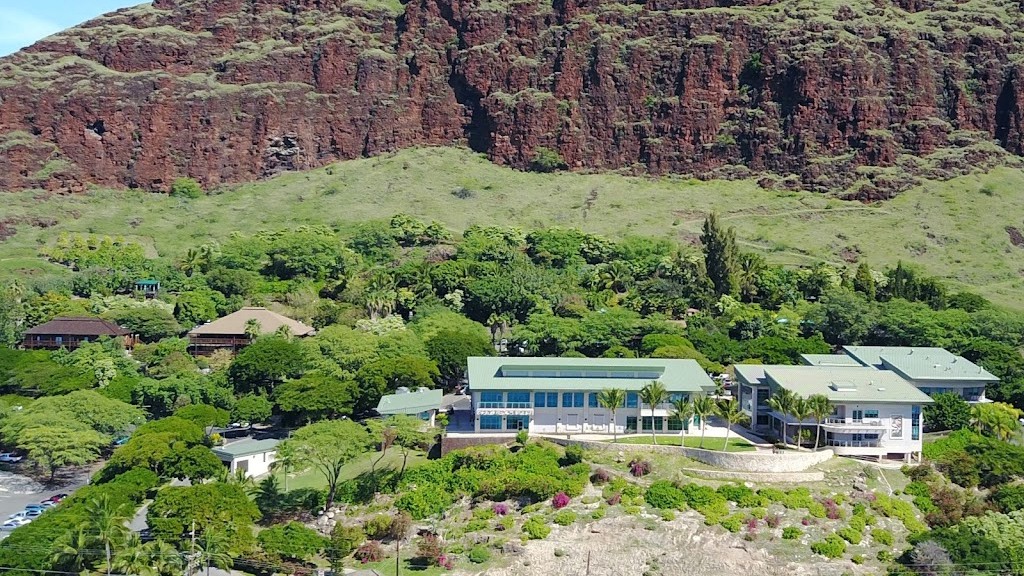
Hawaii Island Recovery | 75-170 Hualalai Road | Hawaii Island Recovery is a CARF accredited drug and alcohol treatment center located in Kailua Kona, Hawaii, offering a full continuum of care to adults (aged 18+), ... more details › | Treatment Programs Insurance Detox The first step to becoming drug-free is detox. During this initial stage of drug rehab in Hawaii, your body is cleansed of all additive substances. The length of time varies by individual, but it always involves 24/7 medical supervision for a slow, safe process. Inpatient When you enter inpatient drug rehab in Hawaii, you’ll live at the facility until completion of the program. In this setting, you will typically participate in individual, group, and family therapy sessions, and you may receive medication and additional recreational and holistic therapies. Outpatient During outpatient rehab in Hawaii, you will have more freedom and less oversight than with inpatient treatment. The goals will be to stay clean, demonstrate the ability to act responsibly, and show continual progress toward recovery. This will include attending therapy and support group sessions. Dual Diagnosis Often, substance abuse and mental health disorders are intricately linked. For successful recovery, Hawaii dual diagnosis treatment is necessary. This integrated approach provides crucial tools for improving both conditions and putting you on the path to recovery. Aftercare Aftercare rehab in Hawaii typically lasts for a year after your initial treatment. This program provides ongoing support to maintain sober living. Support may include budgeting assistance, career guidance, and continued counseling, as well as 12-step meetings. Sober Living Hawaii sober living gives you the opportunity to solidify your sobriety before living completely independently. These residential settings offer drug-free environments with structured schedules. You’ll adhere to house rules, contribute to household chores, and attend 12-step meetings. The average stay in sober living is five to eight months. Intervention Intervention services in Hawaii are often necessary to convince your loved one to get the treatment they need. Professional intervention specialists can provide pre-intervention counseling for family members, assist with staging an intervention, and provide resources to create a treatment plan. +5 | Treatment Programs Insurance Tricare Administered by the Department of Defense, TRICARE offers comprehensive military health insurance plans for active and retired military members and their families. Similar to PPO programs offered by private insurance companies, TRICARE covers multiple levels of care for addiction treatment, including detox, inpatient rehab, and outpatient services. Private If you have private rehab insurance, you may be able to use your plan to pay for alcohol and drug rehab in Hawaii. The extent of coverage varies depending on your insurance policy and a treatment center’s in- or out-of-network status. You may be responsible for co-payment or co-insurance costs. Check with your insurer for more information. Payment Self-pay options for alcohol and drug rehab in Hawaii refer to payment methods where the client is personally responsible for some or all of the costs of treatment. Examples include opting to pay out of pocket or via a personal medical loan. +1 | |
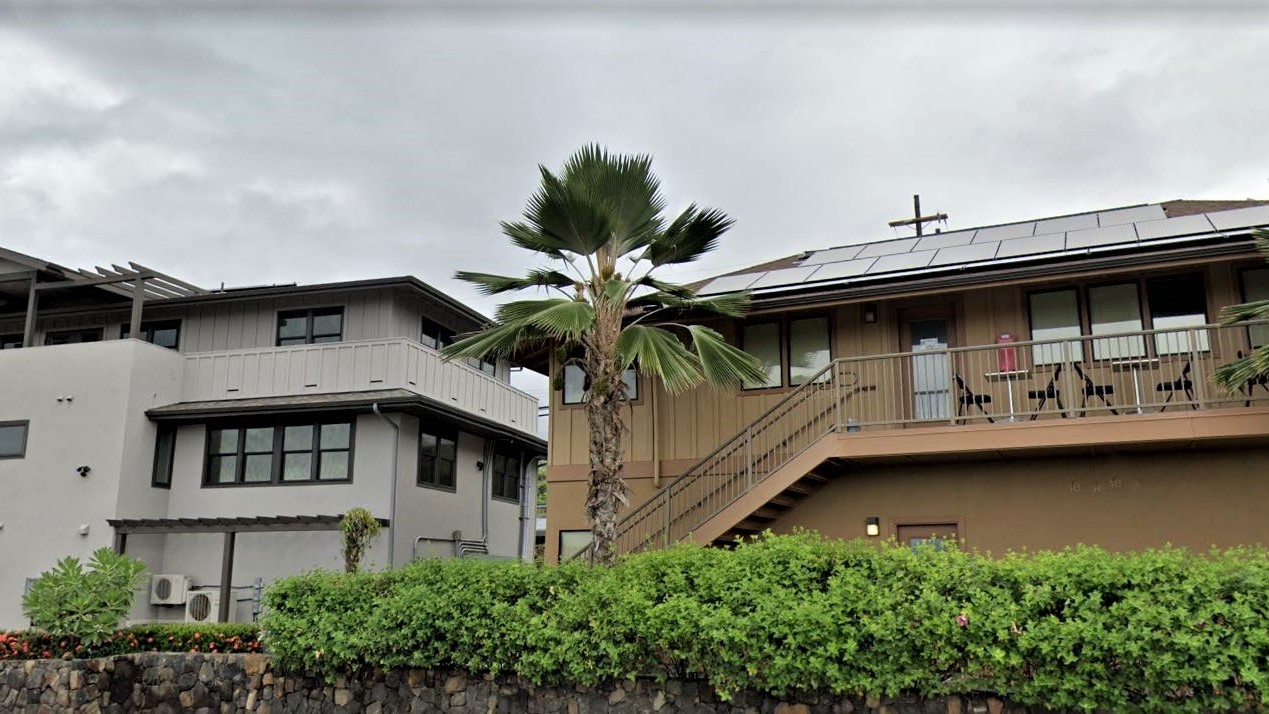
The Ohana Addiction Treatment Center | 75-5915 Walua Road | The Ohana Addiction Treatment Center is an accredited drug and alcohol addiction treatment center, located in Kailua Kona, Hawaii. Offering a full continuum of care to ... more details › | Treatment Programs Insurance Detox The first step to becoming drug-free is detox. During this initial stage of drug rehab in Hawaii, your body is cleansed of all additive substances. The length of time varies by individual, but it always involves 24/7 medical supervision for a slow, safe process. Inpatient When you enter inpatient drug rehab in Hawaii, you’ll live at the facility until completion of the program. In this setting, you will typically participate in individual, group, and family therapy sessions, and you may receive medication and additional recreational and holistic therapies. PHP Partial hospitalization programs (PHPs) allow you to benefit from the different forms of a type of outpatient treatment therapy provided by inpatient drug rehabs in Hawaii. With PHPs, however, you can return home after completing each day’s sessions. Outpatient During outpatient rehab in Hawaii, you will have more freedom and less oversight than with inpatient treatment. The goals will be to stay clean, demonstrate the ability to act responsibly, and show continual progress toward recovery. This will include attending therapy and support group sessions. Dual Diagnosis Often, substance abuse and mental health disorders are intricately linked. For successful recovery, Hawaii dual diagnosis treatment is necessary. This integrated approach provides crucial tools for improving both conditions and putting you on the path to recovery. Aftercare Aftercare rehab in Hawaii typically lasts for a year after your initial treatment. This program provides ongoing support to maintain sober living. Support may include budgeting assistance, career guidance, and continued counseling, as well as 12-step meetings. Sober Living Hawaii sober living gives you the opportunity to solidify your sobriety before living completely independently. These residential settings offer drug-free environments with structured schedules. You’ll adhere to house rules, contribute to household chores, and attend 12-step meetings. The average stay in sober living is five to eight months. Intervention Intervention services in Hawaii are often necessary to convince your loved one to get the treatment they need. Professional intervention specialists can provide pre-intervention counseling for family members, assist with staging an intervention, and provide resources to create a treatment plan. +6 | Treatment Programs Insurance Financial Aid If you’re unable to afford the cost of alcohol or drug rehab in Hawaii, a sliding scale payment plan may be an option. In order to qualify for this type of assistance, you'll need to fill out an application at the facility of your choice. If eligible, your replayment plan is income-based and you'll never be asked to pay more than you can reasonably afford. Tricare Administered by the Department of Defense, TRICARE offers comprehensive military health insurance plans for active and retired military members and their families. Similar to PPO programs offered by private insurance companies, TRICARE covers multiple levels of care for addiction treatment, including detox, inpatient rehab, and outpatient services. Private If you have private rehab insurance, you may be able to use your plan to pay for alcohol and drug rehab in Hawaii. The extent of coverage varies depending on your insurance policy and a treatment center’s in- or out-of-network status. You may be responsible for co-payment or co-insurance costs. Check with your insurer for more information. Payment Self-pay options for alcohol and drug rehab in Hawaii refer to payment methods where the client is personally responsible for some or all of the costs of treatment. Examples include opting to pay out of pocket or via a personal medical loan. +2 | |
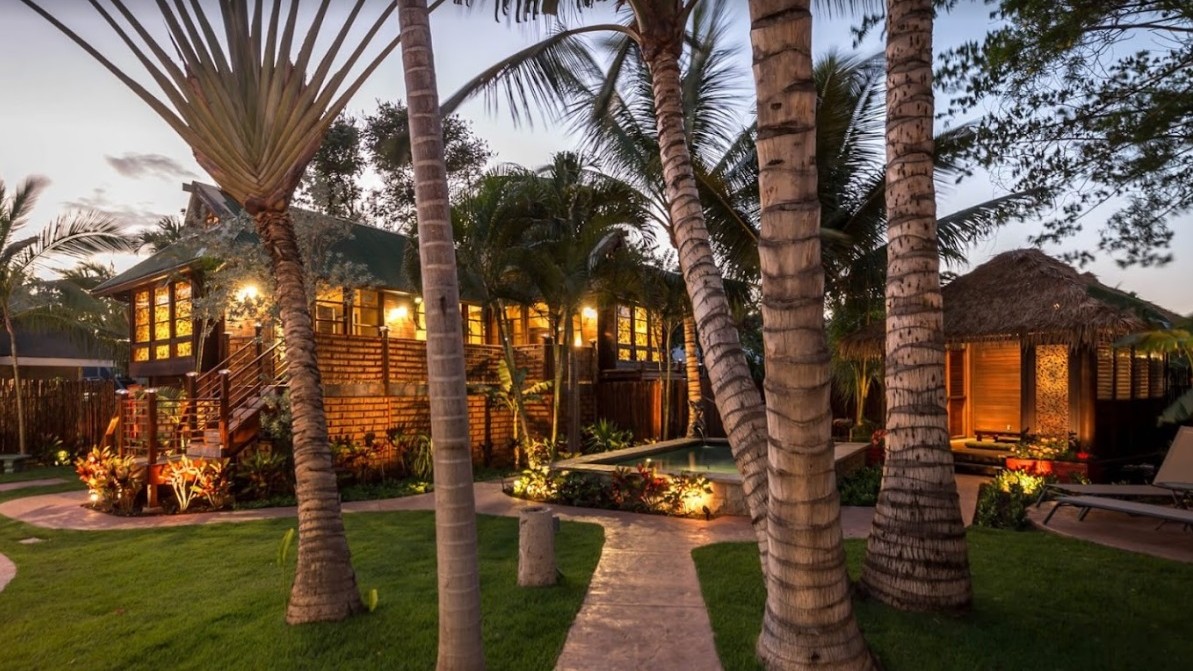
Bridge House | P.O. Box 2489 | Bridge House is a drug and alcohol addiction treatment center, located in Kailua Kona, Hawaii, serving adults with substance use disorders. Bridge House offers a sober ... more details › | Treatment Programs Insurance Inpatient When you enter inpatient drug rehab in Hawaii, you’ll live at the facility until completion of the program. In this setting, you will typically participate in individual, group, and family therapy sessions, and you may receive medication and additional recreational and holistic therapies. Intervention Intervention services in Hawaii are often necessary to convince your loved one to get the treatment they need. Professional intervention specialists can provide pre-intervention counseling for family members, assist with staging an intervention, and provide resources to create a treatment plan. | Treatment Programs Insurance Payment Self-pay options for alcohol and drug rehab in Hawaii refer to payment methods where the client is personally responsible for some or all of the costs of treatment. Examples include opting to pay out of pocket or via a personal medical loan. | |
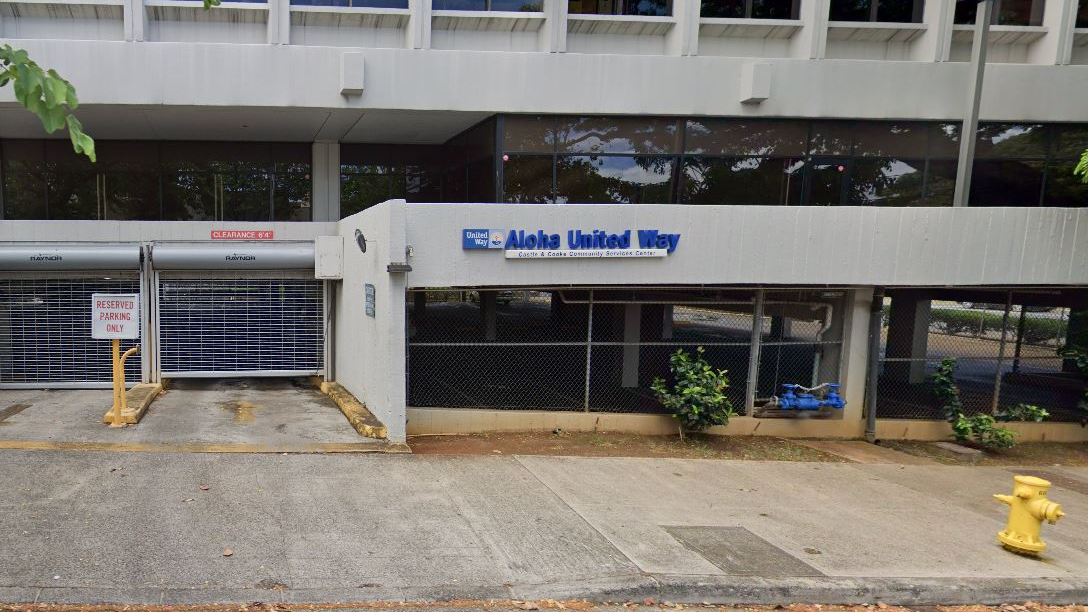
ACCESS Capabilities | 75-184 Hualalai Rd | ACCESS (Assess, Counsel, Consult, Educate, Service) provides substance use and mental health treatment for adults. They’re based out in Kailua Kona, Hawaii. The ... more details › | Treatment Programs Insurance Outpatient During outpatient rehab in Hawaii, you will have more freedom and less oversight than with inpatient treatment. The goals will be to stay clean, demonstrate the ability to act responsibly, and show continual progress toward recovery. This will include attending therapy and support group sessions. Dual Diagnosis Often, substance abuse and mental health disorders are intricately linked. For successful recovery, Hawaii dual diagnosis treatment is necessary. This integrated approach provides crucial tools for improving both conditions and putting you on the path to recovery. Aftercare Aftercare rehab in Hawaii typically lasts for a year after your initial treatment. This program provides ongoing support to maintain sober living. Support may include budgeting assistance, career guidance, and continued counseling, as well as 12-step meetings. Intervention Intervention services in Hawaii are often necessary to convince your loved one to get the treatment they need. Professional intervention specialists can provide pre-intervention counseling for family members, assist with staging an intervention, and provide resources to create a treatment plan. +2 | Treatment Programs Insurance Medicaid If you are eligible for Medicaid, the program may be able to assist with the cost of alcohol and drug rehab in Hawaii. Medicaid can provide financial support for all levels of care, including detox and inpatient rehab. Financial Aid Financial Aid may be available to those in Hawaii who need help paying for addiction treatment. Types of financial assistance include grants, scholarships, non-profit programs, personal funding, and health insurance programs to help you manage the expense of substance abuse treatment. Private If you have private rehab insurance, you may be able to use your plan to pay for alcohol and drug rehab in Hawaii. The extent of coverage varies depending on your insurance policy and a treatment center’s in- or out-of-network status. You may be responsible for co-payment or co-insurance costs. Check with your insurer for more information. Payment Self-pay options for alcohol and drug rehab in Hawaii refer to payment methods where the client is personally responsible for some or all of the costs of treatment. Examples include opting to pay out of pocket or via a personal medical loan. +2 | |
Honu House Hawaii | 73-4592 Hawaii Belt Road | Hawaii Island Sober Living Honu House is a recovery facility located in Kailua Kona, Hawaii. They provide mental health and drug rehab services to men, women and young ... more details › | Treatment Programs Insurance Detox The first step to becoming drug-free is detox. During this initial stage of drug rehab in Hawaii, your body is cleansed of all additive substances. The length of time varies by individual, but it always involves 24/7 medical supervision for a slow, safe process. Inpatient When you enter inpatient drug rehab in Hawaii, you’ll live at the facility until completion of the program. In this setting, you will typically participate in individual, group, and family therapy sessions, and you may receive medication and additional recreational and holistic therapies. Dual Diagnosis Often, substance abuse and mental health disorders are intricately linked. For successful recovery, Hawaii dual diagnosis treatment is necessary. This integrated approach provides crucial tools for improving both conditions and putting you on the path to recovery. Aftercare Aftercare rehab in Hawaii typically lasts for a year after your initial treatment. This program provides ongoing support to maintain sober living. Support may include budgeting assistance, career guidance, and continued counseling, as well as 12-step meetings. Sober Living Hawaii sober living gives you the opportunity to solidify your sobriety before living completely independently. These residential settings offer drug-free environments with structured schedules. You’ll adhere to house rules, contribute to household chores, and attend 12-step meetings. The average stay in sober living is five to eight months. Intervention Intervention services in Hawaii are often necessary to convince your loved one to get the treatment they need. Professional intervention specialists can provide pre-intervention counseling for family members, assist with staging an intervention, and provide resources to create a treatment plan. +4 | Treatment Programs Insurance Medicaid If you are eligible for Medicaid, the program may be able to assist with the cost of alcohol and drug rehab in Hawaii. Medicaid can provide financial support for all levels of care, including detox and inpatient rehab. Private If you have private rehab insurance, you may be able to use your plan to pay for alcohol and drug rehab in Hawaii. The extent of coverage varies depending on your insurance policy and a treatment center’s in- or out-of-network status. You may be responsible for co-payment or co-insurance costs. Check with your insurer for more information. Payment Self-pay options for alcohol and drug rehab in Hawaii refer to payment methods where the client is personally responsible for some or all of the costs of treatment. Examples include opting to pay out of pocket or via a personal medical loan. +1 | |
CARE Hawaii Kona Office | 74-5620 Palani Road | CARE Hawaii Kona Office offers behavioral health in Kailua Kona with addiction and mental health services as part of CARE Hawaii's statewide network. This ... more details › | Treatment Programs Insurance Outpatient During outpatient rehab in Hawaii, you will have more freedom and less oversight than with inpatient treatment. The goals will be to stay clean, demonstrate the ability to act responsibly, and show continual progress toward recovery. This will include attending therapy and support group sessions. Dual Diagnosis Often, substance abuse and mental health disorders are intricately linked. For successful recovery, Hawaii dual diagnosis treatment is necessary. This integrated approach provides crucial tools for improving both conditions and putting you on the path to recovery. Aftercare Aftercare rehab in Hawaii typically lasts for a year after your initial treatment. This program provides ongoing support to maintain sober living. Support may include budgeting assistance, career guidance, and continued counseling, as well as 12-step meetings. Intervention Intervention services in Hawaii are often necessary to convince your loved one to get the treatment they need. Professional intervention specialists can provide pre-intervention counseling for family members, assist with staging an intervention, and provide resources to create a treatment plan. +2 | Treatment Programs Insurance Medicaid If you are eligible for Medicaid, the program may be able to assist with the cost of alcohol and drug rehab in Hawaii. Medicaid can provide financial support for all levels of care, including detox and inpatient rehab. Medicare Medicare is a federal health insurance program that helps people over the age of 65 afford quality healthcare. If eligible, there may be coverage options available to help you pay for addiction treatment, but there are rules about the providers you can use and some types of addiction treatment are not covered by Medicare. This is why it’s essential to contact Medicare directly for detailed plan information. Financial Aid Financial Aid may be available to those in Hawaii who need help paying for addiction treatment. Types of financial assistance include grants, scholarships, non-profit programs, personal funding, and health insurance programs to help you manage the expense of substance abuse treatment. Tricare Administered by the Department of Defense, TRICARE offers comprehensive military health insurance plans for active and retired military members and their families. Similar to PPO programs offered by private insurance companies, TRICARE covers multiple levels of care for addiction treatment, including detox, inpatient rehab, and outpatient services. Private If you have private rehab insurance, you may be able to use your plan to pay for alcohol and drug rehab in Hawaii. The extent of coverage varies depending on your insurance policy and a treatment center’s in- or out-of-network status. You may be responsible for co-payment or co-insurance costs. Check with your insurer for more information. Payment Self-pay options for alcohol and drug rehab in Hawaii refer to payment methods where the client is personally responsible for some or all of the costs of treatment. Examples include opting to pay out of pocket or via a personal medical loan. +4 | |
Lokahi Treatment Centers | 76-6225 Kuakini Hwy Suite B105 Kailua Kona, HI 96740 | Lokahi Treatment Centers is a substance use treatment program in Kailua Kona, Hawaiʻi offering outpatient addiction and behavioral health care for a wide range of ... more details › | Treatment Programs Insurance Inpatient When you enter inpatient drug rehab in Hawaii, you’ll live at the facility until completion of the program. In this setting, you will typically participate in individual, group, and family therapy sessions, and you may receive medication and additional recreational and holistic therapies. Outpatient During outpatient rehab in Hawaii, you will have more freedom and less oversight than with inpatient treatment. The goals will be to stay clean, demonstrate the ability to act responsibly, and show continual progress toward recovery. This will include attending therapy and support group sessions. Dual Diagnosis Often, substance abuse and mental health disorders are intricately linked. For successful recovery, Hawaii dual diagnosis treatment is necessary. This integrated approach provides crucial tools for improving both conditions and putting you on the path to recovery. +1 | Treatment Programs Insurance Medicaid If you are eligible for Medicaid, the program may be able to assist with the cost of alcohol and drug rehab in Hawaii. Medicaid can provide financial support for all levels of care, including detox and inpatient rehab. Medicare Medicare is a federal health insurance program that helps people over the age of 65 afford quality healthcare. If eligible, there may be coverage options available to help you pay for addiction treatment, but there are rules about the providers you can use and some types of addiction treatment are not covered by Medicare. This is why it’s essential to contact Medicare directly for detailed plan information. Tricare Administered by the Department of Defense, TRICARE offers comprehensive military health insurance plans for active and retired military members and their families. Similar to PPO programs offered by private insurance companies, TRICARE covers multiple levels of care for addiction treatment, including detox, inpatient rehab, and outpatient services. Private If you have private rehab insurance, you may be able to use your plan to pay for alcohol and drug rehab in Hawaii. The extent of coverage varies depending on your insurance policy and a treatment center’s in- or out-of-network status. You may be responsible for co-payment or co-insurance costs. Check with your insurer for more information. Payment Self-pay options for alcohol and drug rehab in Hawaii refer to payment methods where the client is personally responsible for some or all of the costs of treatment. Examples include opting to pay out of pocket or via a personal medical loan. +3 | |
Hawaii Island Recovery | 75-170 Hualalai Road | Hawaii Island Recovery is a CARF accredited drug and alcohol treatment center located in Kailua Kona, Hawaii, offering a full continuum of care to adults (aged 18+), ... more details › | Treatment Programs Insurance Detox The first step to becoming drug-free is detox. During this initial stage of drug rehab in Hawaii, your body is cleansed of all additive substances. The length of time varies by individual, but it always involves 24/7 medical supervision for a slow, safe process. Inpatient When you enter inpatient drug rehab in Hawaii, you’ll live at the facility until completion of the program. In this setting, you will typically participate in individual, group, and family therapy sessions, and you may receive medication and additional recreational and holistic therapies. Outpatient During outpatient rehab in Hawaii, you will have more freedom and less oversight than with inpatient treatment. The goals will be to stay clean, demonstrate the ability to act responsibly, and show continual progress toward recovery. This will include attending therapy and support group sessions. Dual Diagnosis Often, substance abuse and mental health disorders are intricately linked. For successful recovery, Hawaii dual diagnosis treatment is necessary. This integrated approach provides crucial tools for improving both conditions and putting you on the path to recovery. Aftercare Aftercare rehab in Hawaii typically lasts for a year after your initial treatment. This program provides ongoing support to maintain sober living. Support may include budgeting assistance, career guidance, and continued counseling, as well as 12-step meetings. Sober Living Hawaii sober living gives you the opportunity to solidify your sobriety before living completely independently. These residential settings offer drug-free environments with structured schedules. You’ll adhere to house rules, contribute to household chores, and attend 12-step meetings. The average stay in sober living is five to eight months. Intervention Intervention services in Hawaii are often necessary to convince your loved one to get the treatment they need. Professional intervention specialists can provide pre-intervention counseling for family members, assist with staging an intervention, and provide resources to create a treatment plan. +5 | Treatment Programs Insurance Tricare Administered by the Department of Defense, TRICARE offers comprehensive military health insurance plans for active and retired military members and their families. Similar to PPO programs offered by private insurance companies, TRICARE covers multiple levels of care for addiction treatment, including detox, inpatient rehab, and outpatient services. Private If you have private rehab insurance, you may be able to use your plan to pay for alcohol and drug rehab in Hawaii. The extent of coverage varies depending on your insurance policy and a treatment center’s in- or out-of-network status. You may be responsible for co-payment or co-insurance costs. Check with your insurer for more information. Payment Self-pay options for alcohol and drug rehab in Hawaii refer to payment methods where the client is personally responsible for some or all of the costs of treatment. Examples include opting to pay out of pocket or via a personal medical loan. +1 | |
The Ohana Addiction Treatment Center | 75-5915 Walua Road | The Ohana Addiction Treatment Center is an accredited drug and alcohol addiction treatment center, located in Kailua Kona, Hawaii. Offering a full continuum of care to ... more details › | Treatment Programs Insurance Detox The first step to becoming drug-free is detox. During this initial stage of drug rehab in Hawaii, your body is cleansed of all additive substances. The length of time varies by individual, but it always involves 24/7 medical supervision for a slow, safe process. Inpatient When you enter inpatient drug rehab in Hawaii, you’ll live at the facility until completion of the program. In this setting, you will typically participate in individual, group, and family therapy sessions, and you may receive medication and additional recreational and holistic therapies. PHP Partial hospitalization programs (PHPs) allow you to benefit from the different forms of a type of outpatient treatment therapy provided by inpatient drug rehabs in Hawaii. With PHPs, however, you can return home after completing each day’s sessions. Outpatient During outpatient rehab in Hawaii, you will have more freedom and less oversight than with inpatient treatment. The goals will be to stay clean, demonstrate the ability to act responsibly, and show continual progress toward recovery. This will include attending therapy and support group sessions. Dual Diagnosis Often, substance abuse and mental health disorders are intricately linked. For successful recovery, Hawaii dual diagnosis treatment is necessary. This integrated approach provides crucial tools for improving both conditions and putting you on the path to recovery. Aftercare Aftercare rehab in Hawaii typically lasts for a year after your initial treatment. This program provides ongoing support to maintain sober living. Support may include budgeting assistance, career guidance, and continued counseling, as well as 12-step meetings. Sober Living Hawaii sober living gives you the opportunity to solidify your sobriety before living completely independently. These residential settings offer drug-free environments with structured schedules. You’ll adhere to house rules, contribute to household chores, and attend 12-step meetings. The average stay in sober living is five to eight months. Intervention Intervention services in Hawaii are often necessary to convince your loved one to get the treatment they need. Professional intervention specialists can provide pre-intervention counseling for family members, assist with staging an intervention, and provide resources to create a treatment plan. +6 | Treatment Programs Insurance Financial Aid If you’re unable to afford the cost of alcohol or drug rehab in Hawaii, a sliding scale payment plan may be an option. In order to qualify for this type of assistance, you'll need to fill out an application at the facility of your choice. If eligible, your replayment plan is income-based and you'll never be asked to pay more than you can reasonably afford. Tricare Administered by the Department of Defense, TRICARE offers comprehensive military health insurance plans for active and retired military members and their families. Similar to PPO programs offered by private insurance companies, TRICARE covers multiple levels of care for addiction treatment, including detox, inpatient rehab, and outpatient services. Private If you have private rehab insurance, you may be able to use your plan to pay for alcohol and drug rehab in Hawaii. The extent of coverage varies depending on your insurance policy and a treatment center’s in- or out-of-network status. You may be responsible for co-payment or co-insurance costs. Check with your insurer for more information. Payment Self-pay options for alcohol and drug rehab in Hawaii refer to payment methods where the client is personally responsible for some or all of the costs of treatment. Examples include opting to pay out of pocket or via a personal medical loan. +2 | |
Bridge House | P.O. Box 2489 | Bridge House is a drug and alcohol addiction treatment center, located in Kailua Kona, Hawaii, serving adults with substance use disorders. Bridge House offers a sober ... more details › | Treatment Programs Insurance Inpatient When you enter inpatient drug rehab in Hawaii, you’ll live at the facility until completion of the program. In this setting, you will typically participate in individual, group, and family therapy sessions, and you may receive medication and additional recreational and holistic therapies. Intervention Intervention services in Hawaii are often necessary to convince your loved one to get the treatment they need. Professional intervention specialists can provide pre-intervention counseling for family members, assist with staging an intervention, and provide resources to create a treatment plan. | Treatment Programs Insurance Payment Self-pay options for alcohol and drug rehab in Hawaii refer to payment methods where the client is personally responsible for some or all of the costs of treatment. Examples include opting to pay out of pocket or via a personal medical loan. | |
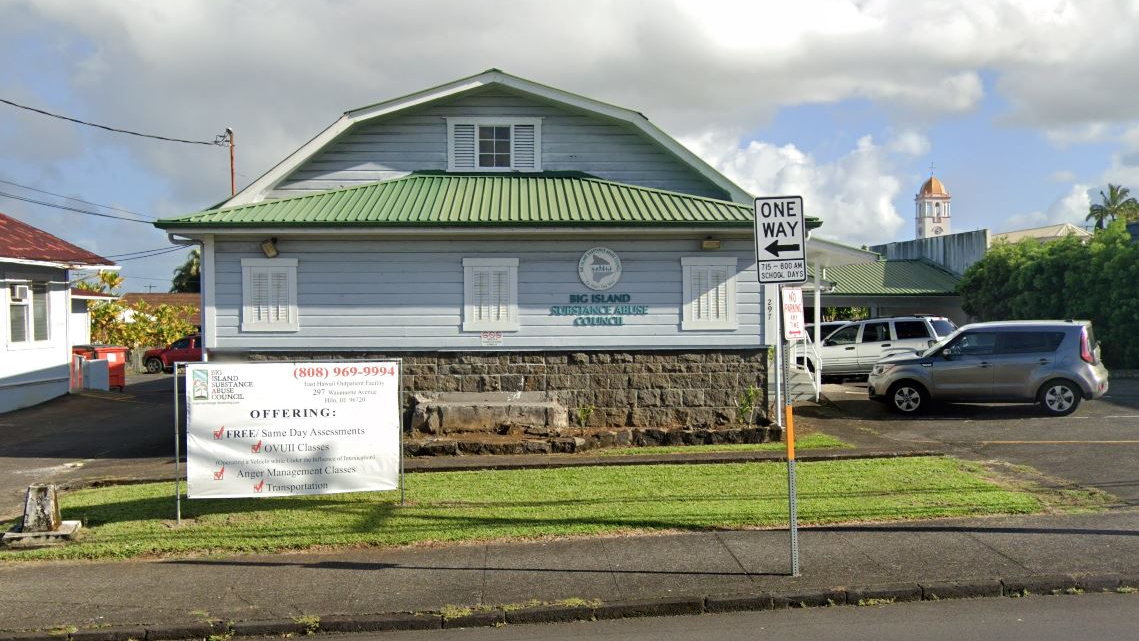
Big Island Substance Abuse Council | 297 Waianuenue Avenue | Big Island Substance Abuse Council is a nonprofit addiction treatment center in Hilo, Hawaii offering outpatient substance use and behavioral health services for ... more details › | Treatment Programs Insurance Inpatient When you enter inpatient drug rehab in Hawaii, you’ll live at the facility until completion of the program. In this setting, you will typically participate in individual, group, and family therapy sessions, and you may receive medication and additional recreational and holistic therapies. Outpatient During outpatient rehab in Hawaii, you will have more freedom and less oversight than with inpatient treatment. The goals will be to stay clean, demonstrate the ability to act responsibly, and show continual progress toward recovery. This will include attending therapy and support group sessions. Dual Diagnosis Often, substance abuse and mental health disorders are intricately linked. For successful recovery, Hawaii dual diagnosis treatment is necessary. This integrated approach provides crucial tools for improving both conditions and putting you on the path to recovery. Aftercare Aftercare rehab in Hawaii typically lasts for a year after your initial treatment. This program provides ongoing support to maintain sober living. Support may include budgeting assistance, career guidance, and continued counseling, as well as 12-step meetings. Sober Living Hawaii sober living gives you the opportunity to solidify your sobriety before living completely independently. These residential settings offer drug-free environments with structured schedules. You’ll adhere to house rules, contribute to household chores, and attend 12-step meetings. The average stay in sober living is five to eight months. Intervention Intervention services in Hawaii are often necessary to convince your loved one to get the treatment they need. Professional intervention specialists can provide pre-intervention counseling for family members, assist with staging an intervention, and provide resources to create a treatment plan. +4 | Treatment Programs Insurance Medicaid If you are eligible for Medicaid, the program may be able to assist with the cost of alcohol and drug rehab in Hawaii. Medicaid can provide financial support for all levels of care, including detox and inpatient rehab. Financial Aid Financial Aid may be available to those in Hawaii who need help paying for addiction treatment. Types of financial assistance include grants, scholarships, non-profit programs, personal funding, and health insurance programs to help you manage the expense of substance abuse treatment. Employee Employee Assistance Programs (EAP) are a suite of job-based benefits and services designed to support the overall physical, mental, and emotional wellbeing of employees and their families. These often include programs related to addiction education and prevention, medical and mental health assessments, individual and family counseling, and referrals for higher-intensity mental health care or addiction treatment, the costs of which may be covered in whole or in part by EAP benefits. Private If you have private rehab insurance, you may be able to use your plan to pay for alcohol and drug rehab in Hawaii. The extent of coverage varies depending on your insurance policy and a treatment center’s in- or out-of-network status. You may be responsible for co-payment or co-insurance costs. Check with your insurer for more information. Payment Self-pay options for alcohol and drug rehab in Hawaii refer to payment methods where the client is personally responsible for some or all of the costs of treatment. Examples include opting to pay out of pocket or via a personal medical loan. +3 | |
Lokahi Treatment Centers | 400 Hualani Street | Lokahi Treatment Centers is a CARF-accredited outpatient addiction and behavioral health provider in Hilo, Hawaii, serving adolescents, adults and older adults. ... more details › | Treatment Programs Insurance Outpatient During outpatient rehab in Hawaii, you will have more freedom and less oversight than with inpatient treatment. The goals will be to stay clean, demonstrate the ability to act responsibly, and show continual progress toward recovery. This will include attending therapy and support group sessions. Dual Diagnosis Often, substance abuse and mental health disorders are intricately linked. For successful recovery, Hawaii dual diagnosis treatment is necessary. This integrated approach provides crucial tools for improving both conditions and putting you on the path to recovery. Intervention Intervention services in Hawaii are often necessary to convince your loved one to get the treatment they need. Professional intervention specialists can provide pre-intervention counseling for family members, assist with staging an intervention, and provide resources to create a treatment plan. +1 | Treatment Programs Insurance Medicaid If you are eligible for Medicaid, the program may be able to assist with the cost of alcohol and drug rehab in Hawaii. Medicaid can provide financial support for all levels of care, including detox and inpatient rehab. Medicare Medicare is a federal health insurance program that helps people over the age of 65 afford quality healthcare. If eligible, there may be coverage options available to help you pay for addiction treatment, but there are rules about the providers you can use and some types of addiction treatment are not covered by Medicare. This is why it’s essential to contact Medicare directly for detailed plan information. Financial Aid If you’re unable to afford the cost of alcohol or drug rehab in Hawaii, a sliding scale payment plan may be an option. In order to qualify for this type of assistance, you'll need to fill out an application at the facility of your choice. If eligible, your replayment plan is income-based and you'll never be asked to pay more than you can reasonably afford. Tricare Administered by the Department of Defense, TRICARE offers comprehensive military health insurance plans for active and retired military members and their families. Similar to PPO programs offered by private insurance companies, TRICARE covers multiple levels of care for addiction treatment, including detox, inpatient rehab, and outpatient services. Private If you have private rehab insurance, you may be able to use your plan to pay for alcohol and drug rehab in Hawaii. The extent of coverage varies depending on your insurance policy and a treatment center’s in- or out-of-network status. You may be responsible for co-payment or co-insurance costs. Check with your insurer for more information. Payment Self-pay options for alcohol and drug rehab in Hawaii refer to payment methods where the client is personally responsible for some or all of the costs of treatment. Examples include opting to pay out of pocket or via a personal medical loan. +4 | |
ACCESS Capabilities Inc | 15-2874 Pahoa Village Road | ACCESS Capabilities Inc is a substance use treatment provider in Pahoa, Hawaii offering outpatient drug and alcohol rehab for adults across the East Hawaii ... more details › | Treatment Programs Insurance Detox The first step to becoming drug-free is detox. During this initial stage of drug rehab in Hawaii, your body is cleansed of all additive substances. The length of time varies by individual, but it always involves 24/7 medical supervision for a slow, safe process. PHP Partial hospitalization programs (PHPs) allow you to benefit from the different forms of a type of outpatient treatment therapy provided by inpatient drug rehabs in Hawaii. With PHPs, however, you can return home after completing each day’s sessions. Outpatient During outpatient rehab in Hawaii, you will have more freedom and less oversight than with inpatient treatment. The goals will be to stay clean, demonstrate the ability to act responsibly, and show continual progress toward recovery. This will include attending therapy and support group sessions. Dual Diagnosis Often, substance abuse and mental health disorders are intricately linked. For successful recovery, Hawaii dual diagnosis treatment is necessary. This integrated approach provides crucial tools for improving both conditions and putting you on the path to recovery. Aftercare Aftercare rehab in Hawaii typically lasts for a year after your initial treatment. This program provides ongoing support to maintain sober living. Support may include budgeting assistance, career guidance, and continued counseling, as well as 12-step meetings. Sober Living Hawaii sober living gives you the opportunity to solidify your sobriety before living completely independently. These residential settings offer drug-free environments with structured schedules. You’ll adhere to house rules, contribute to household chores, and attend 12-step meetings. The average stay in sober living is five to eight months. Intervention Intervention services in Hawaii are often necessary to convince your loved one to get the treatment they need. Professional intervention specialists can provide pre-intervention counseling for family members, assist with staging an intervention, and provide resources to create a treatment plan. +5 | Treatment Programs Insurance Medicaid If you are eligible for Medicaid, the program may be able to assist with the cost of alcohol and drug rehab in Hawaii. Medicaid can provide financial support for all levels of care, including detox and inpatient rehab. Financial Aid Financial Aid may be available to those in Hawaii who need help paying for addiction treatment. Types of financial assistance include grants, scholarships, non-profit programs, personal funding, and health insurance programs to help you manage the expense of substance abuse treatment. Private If you have private rehab insurance, you may be able to use your plan to pay for alcohol and drug rehab in Hawaii. The extent of coverage varies depending on your insurance policy and a treatment center’s in- or out-of-network status. You may be responsible for co-payment or co-insurance costs. Check with your insurer for more information. Payment Self-pay options for alcohol and drug rehab in Hawaii refer to payment methods where the client is personally responsible for some or all of the costs of treatment. Examples include opting to pay out of pocket or via a personal medical loan. +2 | |
Maui Recovery | 120 Punakea Loop | Maui Recovery Center is a drug rehab for adults, located in Kihei, Hawaii, offering a full continuum of care, programs include residential inpatient treatment and ... more details › | Treatment Programs Insurance Detox The first step to becoming drug-free is detox. During this initial stage of drug rehab in Hawaii, your body is cleansed of all additive substances. The length of time varies by individual, but it always involves 24/7 medical supervision for a slow, safe process. Inpatient When you enter inpatient drug rehab in Hawaii, you’ll live at the facility until completion of the program. In this setting, you will typically participate in individual, group, and family therapy sessions, and you may receive medication and additional recreational and holistic therapies. Outpatient During outpatient rehab in Hawaii, you will have more freedom and less oversight than with inpatient treatment. The goals will be to stay clean, demonstrate the ability to act responsibly, and show continual progress toward recovery. This will include attending therapy and support group sessions. Dual Diagnosis Often, substance abuse and mental health disorders are intricately linked. For successful recovery, Hawaii dual diagnosis treatment is necessary. This integrated approach provides crucial tools for improving both conditions and putting you on the path to recovery. Aftercare Aftercare rehab in Hawaii typically lasts for a year after your initial treatment. This program provides ongoing support to maintain sober living. Support may include budgeting assistance, career guidance, and continued counseling, as well as 12-step meetings. +3 | Treatment Programs Insurance Private If you have private rehab insurance, you may be able to use your plan to pay for alcohol and drug rehab in Hawaii. The extent of coverage varies depending on your insurance policy and a treatment center’s in- or out-of-network status. You may be responsible for co-payment or co-insurance costs. Check with your insurer for more information. Payment Self-pay options for alcohol and drug rehab in Hawaii refer to payment methods where the client is personally responsible for some or all of the costs of treatment. Examples include opting to pay out of pocket or via a personal medical loan. | |
Aloha House, Inc. | 200 Ike Drive | Aloha House provides comprehensive addiction treatment for adults in Makawao, Hawaii. CARF-accredited inpatient and outpatient services are customized based on your ... more details › | Treatment Programs Insurance Detox The first step to becoming drug-free is detox. During this initial stage of drug rehab in Hawaii, your body is cleansed of all additive substances. The length of time varies by individual, but it always involves 24/7 medical supervision for a slow, safe process. Inpatient When you enter inpatient drug rehab in Hawaii, you’ll live at the facility until completion of the program. In this setting, you will typically participate in individual, group, and family therapy sessions, and you may receive medication and additional recreational and holistic therapies. Outpatient During outpatient rehab in Hawaii, you will have more freedom and less oversight than with inpatient treatment. The goals will be to stay clean, demonstrate the ability to act responsibly, and show continual progress toward recovery. This will include attending therapy and support group sessions. Dual Diagnosis Often, substance abuse and mental health disorders are intricately linked. For successful recovery, Hawaii dual diagnosis treatment is necessary. This integrated approach provides crucial tools for improving both conditions and putting you on the path to recovery. Aftercare Aftercare rehab in Hawaii typically lasts for a year after your initial treatment. This program provides ongoing support to maintain sober living. Support may include budgeting assistance, career guidance, and continued counseling, as well as 12-step meetings. Sober Living Hawaii sober living gives you the opportunity to solidify your sobriety before living completely independently. These residential settings offer drug-free environments with structured schedules. You’ll adhere to house rules, contribute to household chores, and attend 12-step meetings. The average stay in sober living is five to eight months. Intervention Intervention services in Hawaii are often necessary to convince your loved one to get the treatment they need. Professional intervention specialists can provide pre-intervention counseling for family members, assist with staging an intervention, and provide resources to create a treatment plan. +5 | Treatment Programs Insurance Medicaid If you are eligible for Medicaid, the program may be able to assist with the cost of alcohol and drug rehab in Hawaii. Medicaid can provide financial support for all levels of care, including detox and inpatient rehab. Financial Aid Financial Aid may be available to those in Hawaii who need help paying for addiction treatment. Types of financial assistance include grants, scholarships, non-profit programs, personal funding, and health insurance programs to help you manage the expense of substance abuse treatment. Tricare Administered by the Department of Defense, TRICARE offers comprehensive military health insurance plans for active and retired military members and their families. Similar to PPO programs offered by private insurance companies, TRICARE covers multiple levels of care for addiction treatment, including detox, inpatient rehab, and outpatient services. Private If you have private rehab insurance, you may be able to use your plan to pay for alcohol and drug rehab in Hawaii. The extent of coverage varies depending on your insurance policy and a treatment center’s in- or out-of-network status. You may be responsible for co-payment or co-insurance costs. Check with your insurer for more information. Payment Self-pay options for alcohol and drug rehab in Hawaii refer to payment methods where the client is personally responsible for some or all of the costs of treatment. Examples include opting to pay out of pocket or via a personal medical loan. +3 |
 800-783-0593
 Sponsored
