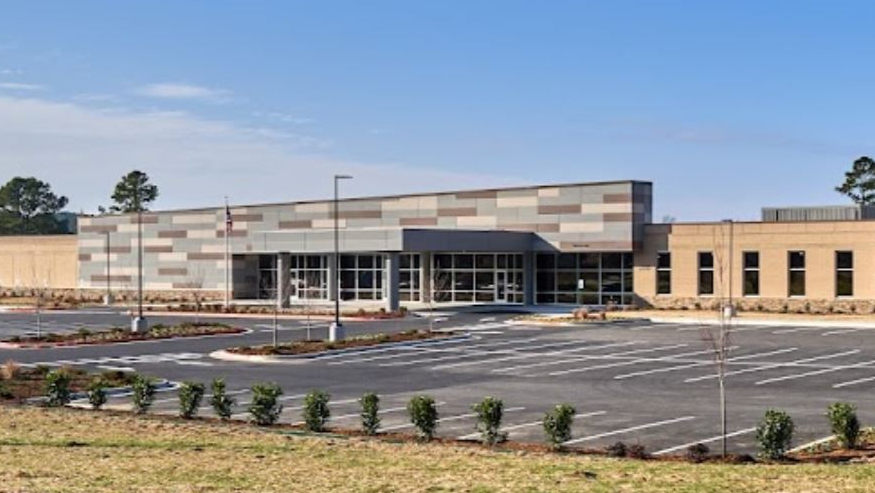
Conway Behavioral Health Hospital
Conway, AR
72034

Accredited drug rehab centers available across Morrilton.
Sliding-scale payments, financial aid, low-cost programs, and local nonprofits.
Medicare, Medicaid, TRICARE, plus local private health insurance coverage.
 Filter
| Name | Address | Description | Treatment | Insurance | Thumbnail |
|---|---|---|---|---|---|
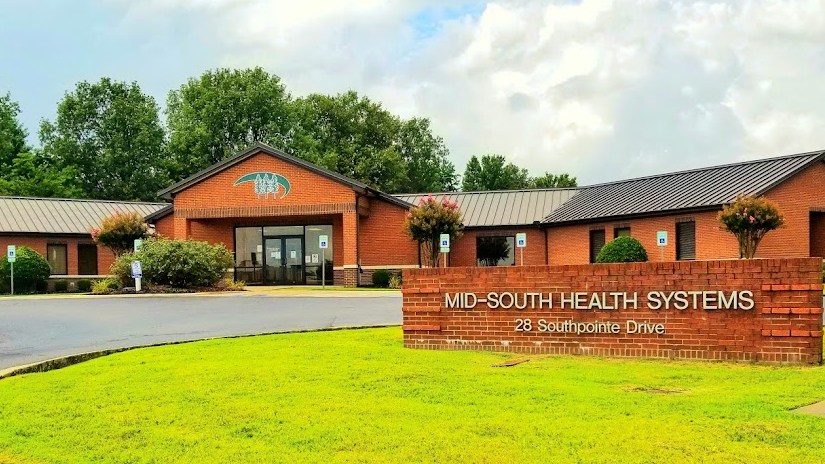
Counseling Associates | 8 Hospital Drive | Counseling Associates has locations in 10 Arkansas counties, including the Morrilton clinic in Conway County. The clinic provides mental health and addiction ... more details › | Treatment Programs Insurance Detox Detox is typically the first step of drug rehab in Arkansas. Addictive substances are slowly removed from your system, and you're monitored by medical professionals around the clock during the detox process. Outpatient Many people in drug rehab in Arkansas transition to an outpatient rehab program after completing a residential or partial hospitalization program. This transition allows them to return to their life and responsibilities while still meeting with recovery experts and attending support groups. Dual Diagnosis Many people who struggle with addiction also experience co-occurring disorders such as depression or anxiety. Dual diagnosis programs in Arkansas specialize in treating both disorders, which is essential for recovery. Aftercare Once you’ve completed your initial rehab treatment, you’ll need additional support to prevent relapse. This is where aftercare rehab in Alaska steps in. Through continued access to counselors, support groups, and assistance with job-finding, education, and finances, you’ll get the support you need to maintain sobriety. Intervention Staff members offer intervention services as a way to help family members plan and facilitate interventions as well as provide resources to develop a treatment plan. They also offer assistance with admission to drug rehab in Arkansas. This professional support can prove invaluable in guiding people toward the help they need. +3 | Treatment Programs Insurance Medicaid (also known as Arkansas Health and Opportunity for Me Program): If you’re struggling to pay for rehab, you may be eligible for Medicaid. Coverage varies, but can help pay for alcohol and drug rehab in Arkansas. Medicare Arkansas Medicare may have coverage options available to assist you with the cost of alcohol and drug rehab in Arkansas. The amount of coverage will depend on many things, including whether you are seeking inpatient or outpatient treatment for substance abuse. Financial Aid Paying for alcohol and drug rehab in Arkansas may be a reality with sliding scale payment options. For those who qualify for this payment option, you’re only asked to pay what you can reasonably afford. Clients must complete an application and provide supporting financial documentation to determine eligibility. Employee Employee Assistance Programs (EAP) are a suite of job-based benefits and services designed to support the overall physical, mental, and emotional wellbeing of employees and their families. These often include programs related to addiction education and prevention, medical and mental health assessments, individual and family counseling, and referrals for higher-intensity mental health care or addiction treatment, the costs of which may be covered in whole or in part by EAP benefits. Tricare Administered by the Department of Defense, TRICARE offers comprehensive military health insurance plans for active and retired military members and their families. Similar to PPO programs offered by private insurance companies, TRICARE covers multiple levels of care for addiction treatment, including detox, inpatient rehab, and outpatient services. Private If you have a private insurance policy, it can significantly lower the cost of alcohol and drug rehab in Arkansas. The coverage tends to vary based on specific rehab insurance terms, and you may be left with out-of-pocket costs like a copayment or co-insurance. Check with your insurer for more information. Payment Self-pay options for drug rehab in Arkansas, also known as private pay, let you pay out-of-pocket or via personal or medical loans. There are usually different fee structures for different levels of care. +5 | |
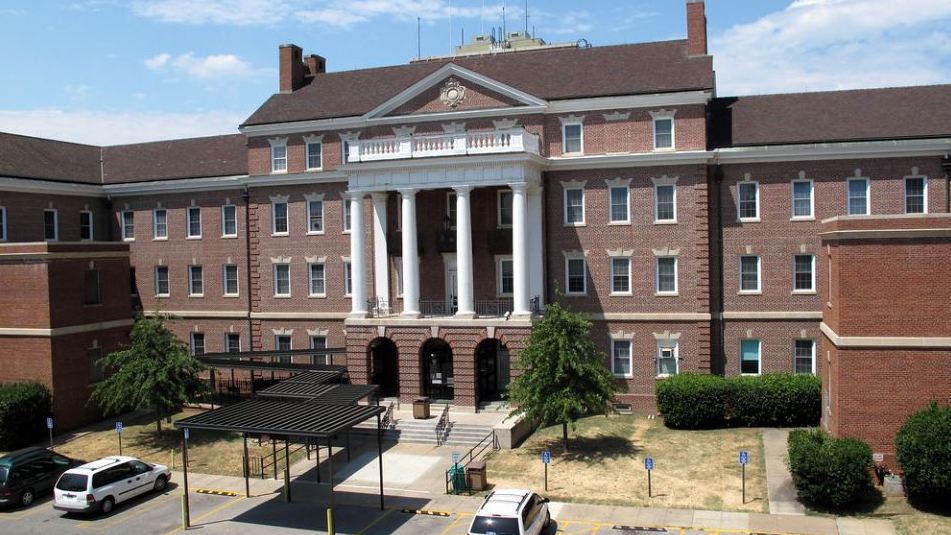
Conway Behavioral Health Hospital | 2255 Sturgis Road | Based in Arkanas, Conway Behavioral Health Hospital specializes in substance abuse and dual diagnosis mental health treatment. Support is available to teens and adults ... more details › | Treatment Programs Insurance Detox Detox is typically the first step of drug rehab in Arkansas. Addictive substances are slowly removed from your system, and you're monitored by medical professionals around the clock during the detox process. Inpatient Inpatient rehab in Arkansas is designed primarily for clients exiting detox, people in early recovery, and those at an elevated risk of relapse. Participants reside at the treatment facility until they complete their recovery program, which gives them access to medical providers and therapeutic tools. . PHP Partial hospitalization programs (PHPs) in Arkansas allow residents to live at home while receiving this specialized type of outpatient treatment at a drug rehab facility. PHPs are best suited for those who don’t need emergency intervention or continuous medical supervision to treat substance use disorder. Outpatient Many people in drug rehab in Arkansas transition to an outpatient rehab program after completing a residential or partial hospitalization program. This transition allows them to return to their life and responsibilities while still meeting with recovery experts and attending support groups. Dual Diagnosis Many people who struggle with addiction also experience co-occurring disorders such as depression or anxiety. Dual diagnosis programs in Arkansas specialize in treating both disorders, which is essential for recovery. Aftercare Once you’ve completed your initial rehab treatment, you’ll need additional support to prevent relapse. This is where aftercare rehab in Alaska steps in. Through continued access to counselors, support groups, and assistance with job-finding, education, and finances, you’ll get the support you need to maintain sobriety. +4 | Treatment Programs Insurance Medicaid (also known as Arkansas Health and Opportunity for Me Program): If you’re struggling to pay for rehab, you may be eligible for Medicaid. Coverage varies, but can help pay for alcohol and drug rehab in Arkansas. Medicare Arkansas Medicare may have coverage options available to assist you with the cost of alcohol and drug rehab in Arkansas. The amount of coverage will depend on many things, including whether you are seeking inpatient or outpatient treatment for substance abuse. Financial Aid If you need help paying for alcohol and drug rehab in Arkansas, financial aid may be an option. Financial assistance options include grants, scholarships, non-profit programs, personal funding, and health insurance programs to help you manage the expense of substance abuse treatment. Tricare Administered by the Department of Defense, TRICARE offers comprehensive military health insurance plans for active and retired military members and their families. Similar to PPO programs offered by private insurance companies, TRICARE covers multiple levels of care for addiction treatment, including detox, inpatient rehab, and outpatient services. Private If you have a private insurance policy, it can significantly lower the cost of alcohol and drug rehab in Arkansas. The coverage tends to vary based on specific rehab insurance terms, and you may be left with out-of-pocket costs like a copayment or co-insurance. Check with your insurer for more information. Payment Self-pay options for drug rehab in Arkansas, also known as private pay, let you pay out-of-pocket or via personal or medical loans. There are usually different fee structures for different levels of care. +4 | |
Natural State Recovery Centers | 10025 Oakland Dr | Natural State Recovery Centers is a full-continuum addiction treatment center in North Little Rock, Arkansas. The program takes a whole-person approach, blending ... more details › | Treatment Programs Insurance Detox Detox is typically the first step of drug rehab in Arkansas. Addictive substances are slowly removed from your system, and you're monitored by medical professionals around the clock during the detox process. Inpatient Inpatient rehab in Arkansas is designed primarily for clients exiting detox, people in early recovery, and those at an elevated risk of relapse. Participants reside at the treatment facility until they complete their recovery program, which gives them access to medical providers and therapeutic tools. . Outpatient Many people in drug rehab in Arkansas transition to an outpatient rehab program after completing a residential or partial hospitalization program. This transition allows them to return to their life and responsibilities while still meeting with recovery experts and attending support groups. Sober Living When you choose sober living in Arkansas, you’ll live in a housing environment that encourages sobriety. Residents follow a structured schedule that includes contributing to chores, working, and abstaining from all drugs and alcohol. This structure is often helpful during the first few months of sobriety, when you’re most vulnerable. Intervention Staff members offer intervention services as a way to help family members plan and facilitate interventions as well as provide resources to develop a treatment plan. They also offer assistance with admission to drug rehab in Arkansas. This professional support can prove invaluable in guiding people toward the help they need. +3 | Treatment Programs Insurance Private If you have a private insurance policy, it can significantly lower the cost of alcohol and drug rehab in Arkansas. The coverage tends to vary based on specific rehab insurance terms, and you may be left with out-of-pocket costs like a copayment or co-insurance. Check with your insurer for more information. Payment Self-pay options for drug rehab in Arkansas, also known as private pay, let you pay out-of-pocket or via personal or medical loans. There are usually different fee structures for different levels of care. | |
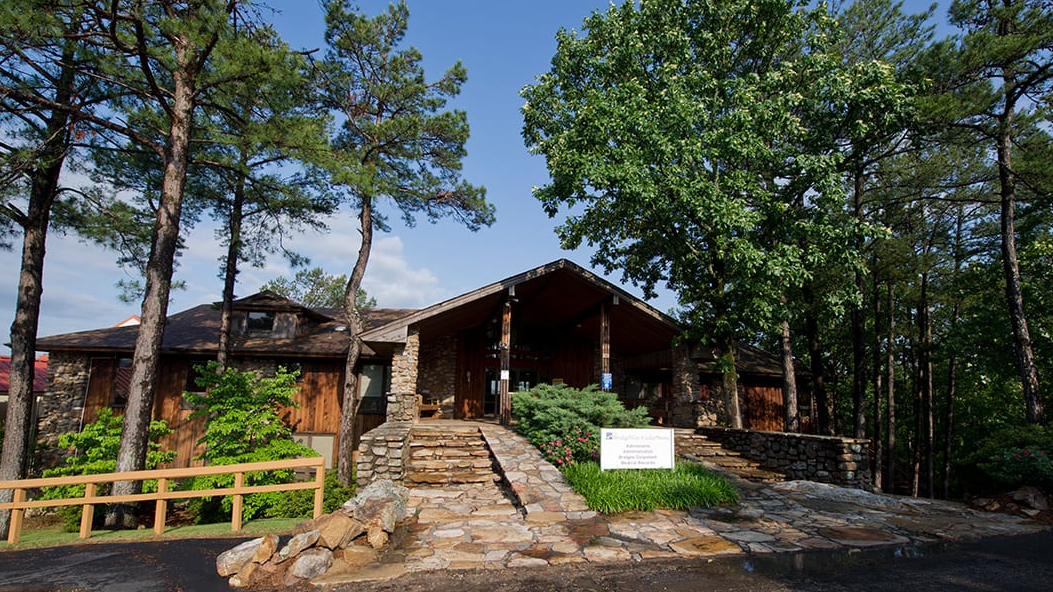
The BridgeWay | 21 Bridgeway Road | The BridgeWay is located in North Little Rock, Arkansas. This is a treatment facility that serves children, adolescents, and adults. They provide services if you’re ... more details › | Treatment Programs Insurance Detox Detox is typically the first step of drug rehab in Arkansas. Addictive substances are slowly removed from your system, and you're monitored by medical professionals around the clock during the detox process. Inpatient Inpatient rehab in Arkansas is designed primarily for clients exiting detox, people in early recovery, and those at an elevated risk of relapse. Participants reside at the treatment facility until they complete their recovery program, which gives them access to medical providers and therapeutic tools. . PHP Partial hospitalization programs (PHPs) in Arkansas allow residents to live at home while receiving this specialized type of outpatient treatment at a drug rehab facility. PHPs are best suited for those who don’t need emergency intervention or continuous medical supervision to treat substance use disorder. Outpatient Many people in drug rehab in Arkansas transition to an outpatient rehab program after completing a residential or partial hospitalization program. This transition allows them to return to their life and responsibilities while still meeting with recovery experts and attending support groups. Dual Diagnosis Many people who struggle with addiction also experience co-occurring disorders such as depression or anxiety. Dual diagnosis programs in Arkansas specialize in treating both disorders, which is essential for recovery. Aftercare Once you’ve completed your initial rehab treatment, you’ll need additional support to prevent relapse. This is where aftercare rehab in Alaska steps in. Through continued access to counselors, support groups, and assistance with job-finding, education, and finances, you’ll get the support you need to maintain sobriety. Sober Living When you choose sober living in Arkansas, you’ll live in a housing environment that encourages sobriety. Residents follow a structured schedule that includes contributing to chores, working, and abstaining from all drugs and alcohol. This structure is often helpful during the first few months of sobriety, when you’re most vulnerable. Intervention Staff members offer intervention services as a way to help family members plan and facilitate interventions as well as provide resources to develop a treatment plan. They also offer assistance with admission to drug rehab in Arkansas. This professional support can prove invaluable in guiding people toward the help they need. +6 | Treatment Programs Insurance Medicaid (also known as Arkansas Health and Opportunity for Me Program): If you’re struggling to pay for rehab, you may be eligible for Medicaid. Coverage varies, but can help pay for alcohol and drug rehab in Arkansas. Medicare Arkansas Medicare may have coverage options available to assist you with the cost of alcohol and drug rehab in Arkansas. The amount of coverage will depend on many things, including whether you are seeking inpatient or outpatient treatment for substance abuse. Tricare Administered by the Department of Defense, TRICARE offers comprehensive military health insurance plans for active and retired military members and their families. Similar to PPO programs offered by private insurance companies, TRICARE covers multiple levels of care for addiction treatment, including detox, inpatient rehab, and outpatient services. Private If you have a private insurance policy, it can significantly lower the cost of alcohol and drug rehab in Arkansas. The coverage tends to vary based on specific rehab insurance terms, and you may be left with out-of-pocket costs like a copayment or co-insurance. Check with your insurer for more information. Payment Self-pay options for drug rehab in Arkansas, also known as private pay, let you pay out-of-pocket or via personal or medical loans. There are usually different fee structures for different levels of care. +3 | |
Oasis Renewal Center | 14913 Cooper Orbit Road | Oasis Renewal Center offers co-occurring mental health and substance use disorder treatment in Little Rock, Arizona. Adult men and women can get access to their ... more details › | Treatment Programs Insurance Detox Detox is typically the first step of drug rehab in Arkansas. Addictive substances are slowly removed from your system, and you're monitored by medical professionals around the clock during the detox process. Inpatient Inpatient rehab in Arkansas is designed primarily for clients exiting detox, people in early recovery, and those at an elevated risk of relapse. Participants reside at the treatment facility until they complete their recovery program, which gives them access to medical providers and therapeutic tools. . PHP Partial hospitalization programs (PHPs) in Arkansas allow residents to live at home while receiving this specialized type of outpatient treatment at a drug rehab facility. PHPs are best suited for those who don’t need emergency intervention or continuous medical supervision to treat substance use disorder. Outpatient Many people in drug rehab in Arkansas transition to an outpatient rehab program after completing a residential or partial hospitalization program. This transition allows them to return to their life and responsibilities while still meeting with recovery experts and attending support groups. Dual Diagnosis Many people who struggle with addiction also experience co-occurring disorders such as depression or anxiety. Dual diagnosis programs in Arkansas specialize in treating both disorders, which is essential for recovery. Aftercare Once you’ve completed your initial rehab treatment, you’ll need additional support to prevent relapse. This is where aftercare rehab in Alaska steps in. Through continued access to counselors, support groups, and assistance with job-finding, education, and finances, you’ll get the support you need to maintain sobriety. +4 | Treatment Programs Insurance Financial Aid If you need help paying for alcohol and drug rehab in Arkansas, financial aid may be an option. Financial assistance options include grants, scholarships, non-profit programs, personal funding, and health insurance programs to help you manage the expense of substance abuse treatment. Tricare Administered by the Department of Defense, TRICARE offers comprehensive military health insurance plans for active and retired military members and their families. Similar to PPO programs offered by private insurance companies, TRICARE covers multiple levels of care for addiction treatment, including detox, inpatient rehab, and outpatient services. Private If you have a private insurance policy, it can significantly lower the cost of alcohol and drug rehab in Arkansas. The coverage tends to vary based on specific rehab insurance terms, and you may be left with out-of-pocket costs like a copayment or co-insurance. Check with your insurer for more information. Payment Self-pay options for drug rehab in Arkansas, also known as private pay, let you pay out-of-pocket or via personal or medical loans. There are usually different fee structures for different levels of care. +2 | |
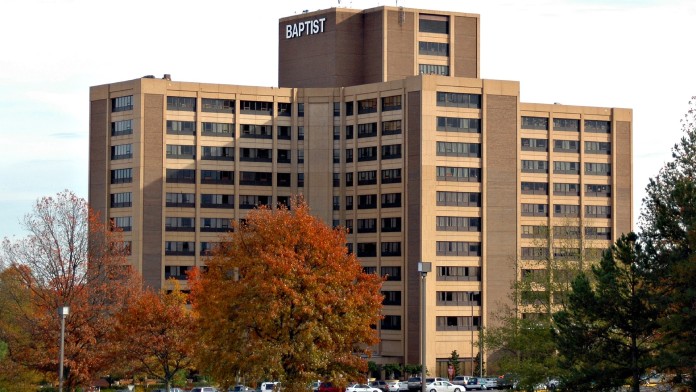
Baptist Health – B HEALTHY | 9601 Baptist Health Drive, Little Rock, AR 72205 | Baptist Health has a behavioral health clinic located in Little Rock, Arkansas. This is an outpatient clinic that works with adults and families. There are services ... more details › | Treatment Programs Insurance Inpatient Inpatient rehab in Arkansas is designed primarily for clients exiting detox, people in early recovery, and those at an elevated risk of relapse. Participants reside at the treatment facility until they complete their recovery program, which gives them access to medical providers and therapeutic tools. . Outpatient Many people in drug rehab in Arkansas transition to an outpatient rehab program after completing a residential or partial hospitalization program. This transition allows them to return to their life and responsibilities while still meeting with recovery experts and attending support groups. Dual Diagnosis Many people who struggle with addiction also experience co-occurring disorders such as depression or anxiety. Dual diagnosis programs in Arkansas specialize in treating both disorders, which is essential for recovery. Aftercare Once you’ve completed your initial rehab treatment, you’ll need additional support to prevent relapse. This is where aftercare rehab in Alaska steps in. Through continued access to counselors, support groups, and assistance with job-finding, education, and finances, you’ll get the support you need to maintain sobriety. +2 | Treatment Programs Insurance Medicaid (also known as Arkansas Health and Opportunity for Me Program): If you’re struggling to pay for rehab, you may be eligible for Medicaid. Coverage varies, but can help pay for alcohol and drug rehab in Arkansas. Medicare Arkansas Medicare may have coverage options available to assist you with the cost of alcohol and drug rehab in Arkansas. The amount of coverage will depend on many things, including whether you are seeking inpatient or outpatient treatment for substance abuse. Financial Aid If you need help paying for alcohol and drug rehab in Arkansas, financial aid may be an option. Financial assistance options include grants, scholarships, non-profit programs, personal funding, and health insurance programs to help you manage the expense of substance abuse treatment. Tricare Administered by the Department of Defense, TRICARE offers comprehensive military health insurance plans for active and retired military members and their families. Similar to PPO programs offered by private insurance companies, TRICARE covers multiple levels of care for addiction treatment, including detox, inpatient rehab, and outpatient services. Private If you have a private insurance policy, it can significantly lower the cost of alcohol and drug rehab in Arkansas. The coverage tends to vary based on specific rehab insurance terms, and you may be left with out-of-pocket costs like a copayment or co-insurance. Check with your insurer for more information. Payment Self-pay options for drug rehab in Arkansas, also known as private pay, let you pay out-of-pocket or via personal or medical loans. There are usually different fee structures for different levels of care. +4 | |
Methodist Family Health Arkansas CARES | 2002 S Fillmore St | Methodist Family Health Arkansas CARES is a substance use treatment program in Little Rock, Arkansas, offering a family-centered residential model for mothers facing ... more details › | Treatment Programs Insurance Inpatient Inpatient rehab in Arkansas is designed primarily for clients exiting detox, people in early recovery, and those at an elevated risk of relapse. Participants reside at the treatment facility until they complete their recovery program, which gives them access to medical providers and therapeutic tools. . Dual Diagnosis Many people who struggle with addiction also experience co-occurring disorders such as depression or anxiety. Dual diagnosis programs in Arkansas specialize in treating both disorders, which is essential for recovery. Aftercare Once you’ve completed your initial rehab treatment, you’ll need additional support to prevent relapse. This is where aftercare rehab in Alaska steps in. Through continued access to counselors, support groups, and assistance with job-finding, education, and finances, you’ll get the support you need to maintain sobriety. Intervention Staff members offer intervention services as a way to help family members plan and facilitate interventions as well as provide resources to develop a treatment plan. They also offer assistance with admission to drug rehab in Arkansas. This professional support can prove invaluable in guiding people toward the help they need. +2 | Treatment Programs Insurance Free Most states offer free alcohol and drug rehabs through public mental health and addiction treatment centers. These centers often provide detox, intensive outpatient programs (IOPs), residential treatment, partial hospitalization programs (PHPs), and support groups. You must meet certain requirements in order to qualify for free alcohol and drug rehabs, such as lack of income and insurance. Medicaid (also known as Arkansas Health and Opportunity for Me Program): If you’re struggling to pay for rehab, you may be eligible for Medicaid. Coverage varies, but can help pay for alcohol and drug rehab in Arkansas. Medicare Arkansas Medicare may have coverage options available to assist you with the cost of alcohol and drug rehab in Arkansas. The amount of coverage will depend on many things, including whether you are seeking inpatient or outpatient treatment for substance abuse. Financial Aid If you need help paying for alcohol and drug rehab in Arkansas, financial aid may be an option. Financial assistance options include grants, scholarships, non-profit programs, personal funding, and health insurance programs to help you manage the expense of substance abuse treatment. Private If you have a private insurance policy, it can significantly lower the cost of alcohol and drug rehab in Arkansas. The coverage tends to vary based on specific rehab insurance terms, and you may be left with out-of-pocket costs like a copayment or co-insurance. Check with your insurer for more information. Payment Self-pay options for drug rehab in Arkansas, also known as private pay, let you pay out-of-pocket or via personal or medical loans. There are usually different fee structures for different levels of care. +4 | |
Melanie Amick | 1 Lile Ct | ARC Clinic Little Rock, is a drug and alcohol rehab in Little Rock, AR. They provide outpatient addiction treatment that includes drug screenings, medication-assisted ... more details › | Treatment Programs Insurance Detox Detox is typically the first step of drug rehab in Arkansas. Addictive substances are slowly removed from your system, and you're monitored by medical professionals around the clock during the detox process. Inpatient Inpatient rehab in Arkansas is designed primarily for clients exiting detox, people in early recovery, and those at an elevated risk of relapse. Participants reside at the treatment facility until they complete their recovery program, which gives them access to medical providers and therapeutic tools. . Outpatient Many people in drug rehab in Arkansas transition to an outpatient rehab program after completing a residential or partial hospitalization program. This transition allows them to return to their life and responsibilities while still meeting with recovery experts and attending support groups. Intervention Staff members offer intervention services as a way to help family members plan and facilitate interventions as well as provide resources to develop a treatment plan. They also offer assistance with admission to drug rehab in Arkansas. This professional support can prove invaluable in guiding people toward the help they need. +2 | Treatment Programs Insurance Private If you have a private insurance policy, it can significantly lower the cost of alcohol and drug rehab in Arkansas. The coverage tends to vary based on specific rehab insurance terms, and you may be left with out-of-pocket costs like a copayment or co-insurance. Check with your insurer for more information. Payment Self-pay options for drug rehab in Arkansas, also known as private pay, let you pay out-of-pocket or via personal or medical loans. There are usually different fee structures for different levels of care. | |
Williamsburg Transitional Housing | 6301 Father Tribou St | Williamsburg Transitional Housing is a drug and alcohol rehab in Little Rock. They offer a variety of treatment programs including inpatient addiction treatment and ... more details › | Treatment Programs Insurance Detox Detox is typically the first step of drug rehab in Arkansas. Addictive substances are slowly removed from your system, and you're monitored by medical professionals around the clock during the detox process. Inpatient Inpatient rehab in Arkansas is designed primarily for clients exiting detox, people in early recovery, and those at an elevated risk of relapse. Participants reside at the treatment facility until they complete their recovery program, which gives them access to medical providers and therapeutic tools. . Outpatient Many people in drug rehab in Arkansas transition to an outpatient rehab program after completing a residential or partial hospitalization program. This transition allows them to return to their life and responsibilities while still meeting with recovery experts and attending support groups. Dual Diagnosis Many people who struggle with addiction also experience co-occurring disorders such as depression or anxiety. Dual diagnosis programs in Arkansas specialize in treating both disorders, which is essential for recovery. Aftercare Once you’ve completed your initial rehab treatment, you’ll need additional support to prevent relapse. This is where aftercare rehab in Alaska steps in. Through continued access to counselors, support groups, and assistance with job-finding, education, and finances, you’ll get the support you need to maintain sobriety. Sober Living When you choose sober living in Arkansas, you’ll live in a housing environment that encourages sobriety. Residents follow a structured schedule that includes contributing to chores, working, and abstaining from all drugs and alcohol. This structure is often helpful during the first few months of sobriety, when you’re most vulnerable. +4 | Treatment Programs Insurance Private If you have a private insurance policy, it can significantly lower the cost of alcohol and drug rehab in Arkansas. The coverage tends to vary based on specific rehab insurance terms, and you may be left with out-of-pocket costs like a copayment or co-insurance. Check with your insurer for more information. Payment Self-pay options for drug rehab in Arkansas, also known as private pay, let you pay out-of-pocket or via personal or medical loans. There are usually different fee structures for different levels of care. | |
Bradford Health Services Drug and Alcohol Rehab Center in Little Rock | 2 Street Vincent Circle | Bradford Health Services Drug and Alcohol Rehab Center is an addiction treatment facility in Little Rock, AR. They provide inpatient addiction treatment, an intensive ... more details › | Treatment Programs Insurance Detox Detox is typically the first step of drug rehab in Arkansas. Addictive substances are slowly removed from your system, and you're monitored by medical professionals around the clock during the detox process. Inpatient Inpatient rehab in Arkansas is designed primarily for clients exiting detox, people in early recovery, and those at an elevated risk of relapse. Participants reside at the treatment facility until they complete their recovery program, which gives them access to medical providers and therapeutic tools. . PHP Partial hospitalization programs (PHPs) in Arkansas allow residents to live at home while receiving this specialized type of outpatient treatment at a drug rehab facility. PHPs are best suited for those who don’t need emergency intervention or continuous medical supervision to treat substance use disorder. Outpatient Many people in drug rehab in Arkansas transition to an outpatient rehab program after completing a residential or partial hospitalization program. This transition allows them to return to their life and responsibilities while still meeting with recovery experts and attending support groups. Dual Diagnosis Many people who struggle with addiction also experience co-occurring disorders such as depression or anxiety. Dual diagnosis programs in Arkansas specialize in treating both disorders, which is essential for recovery. Aftercare Once you’ve completed your initial rehab treatment, you’ll need additional support to prevent relapse. This is where aftercare rehab in Alaska steps in. Through continued access to counselors, support groups, and assistance with job-finding, education, and finances, you’ll get the support you need to maintain sobriety. +4 | Treatment Programs Insurance Financial Aid If you need help paying for alcohol and drug rehab in Arkansas, financial aid may be an option. Financial assistance options include grants, scholarships, non-profit programs, personal funding, and health insurance programs to help you manage the expense of substance abuse treatment. Tricare Administered by the Department of Defense, TRICARE offers comprehensive military health insurance plans for active and retired military members and their families. Similar to PPO programs offered by private insurance companies, TRICARE covers multiple levels of care for addiction treatment, including detox, inpatient rehab, and outpatient services. Private If you have a private insurance policy, it can significantly lower the cost of alcohol and drug rehab in Arkansas. The coverage tends to vary based on specific rehab insurance terms, and you may be left with out-of-pocket costs like a copayment or co-insurance. Check with your insurer for more information. Payment Self-pay options for drug rehab in Arkansas, also known as private pay, let you pay out-of-pocket or via personal or medical loans. There are usually different fee structures for different levels of care. +2 | |
UAMS Psychiatric Research Institute | 4224 Shuffield Drive, Little Rock, AR 72205 | UAMS Psychiatric Research Institute offers outpatient care at their Center for Addiction Services and Treatment in Little Rock, Arkansas. Here, they treat opioid use ... more details › | Treatment Programs Insurance Detox Detox is typically the first step of drug rehab in Arkansas. Addictive substances are slowly removed from your system, and you're monitored by medical professionals around the clock during the detox process. Inpatient Inpatient rehab in Arkansas is designed primarily for clients exiting detox, people in early recovery, and those at an elevated risk of relapse. Participants reside at the treatment facility until they complete their recovery program, which gives them access to medical providers and therapeutic tools. . Outpatient Many people in drug rehab in Arkansas transition to an outpatient rehab program after completing a residential or partial hospitalization program. This transition allows them to return to their life and responsibilities while still meeting with recovery experts and attending support groups. Dual Diagnosis Many people who struggle with addiction also experience co-occurring disorders such as depression or anxiety. Dual diagnosis programs in Arkansas specialize in treating both disorders, which is essential for recovery. Aftercare Once you’ve completed your initial rehab treatment, you’ll need additional support to prevent relapse. This is where aftercare rehab in Alaska steps in. Through continued access to counselors, support groups, and assistance with job-finding, education, and finances, you’ll get the support you need to maintain sobriety. +3 | Treatment Programs Insurance Medicaid (also known as Arkansas Health and Opportunity for Me Program): If you’re struggling to pay for rehab, you may be eligible for Medicaid. Coverage varies, but can help pay for alcohol and drug rehab in Arkansas. Financial Aid If you need help paying for alcohol and drug rehab in Arkansas, financial aid may be an option. Financial assistance options include grants, scholarships, non-profit programs, personal funding, and health insurance programs to help you manage the expense of substance abuse treatment. Private If you have a private insurance policy, it can significantly lower the cost of alcohol and drug rehab in Arkansas. The coverage tends to vary based on specific rehab insurance terms, and you may be left with out-of-pocket costs like a copayment or co-insurance. Check with your insurer for more information. Payment Self-pay options for drug rehab in Arkansas, also known as private pay, let you pay out-of-pocket or via personal or medical loans. There are usually different fee structures for different levels of care. +2 | |
Central Arkansas Veterans Healthcare System | 4300 W 7th St | John L. McClellan Memorial Veterans' Hospital is part of the Central Arkansas Veterans Healthcare System Little Rock in the river city of Little Rock, Arkansas. They ... more details › | Treatment Programs Insurance Detox Detox is typically the first step of drug rehab in Arkansas. Addictive substances are slowly removed from your system, and you're monitored by medical professionals around the clock during the detox process. Inpatient Inpatient rehab in Arkansas is designed primarily for clients exiting detox, people in early recovery, and those at an elevated risk of relapse. Participants reside at the treatment facility until they complete their recovery program, which gives them access to medical providers and therapeutic tools. . Outpatient Many people in drug rehab in Arkansas transition to an outpatient rehab program after completing a residential or partial hospitalization program. This transition allows them to return to their life and responsibilities while still meeting with recovery experts and attending support groups. Dual Diagnosis Many people who struggle with addiction also experience co-occurring disorders such as depression or anxiety. Dual diagnosis programs in Arkansas specialize in treating both disorders, which is essential for recovery. +2 | Treatment Programs Insurance Medicaid (also known as Arkansas Health and Opportunity for Me Program): If you’re struggling to pay for rehab, you may be eligible for Medicaid. Coverage varies, but can help pay for alcohol and drug rehab in Arkansas. Private If you have a private insurance policy, it can significantly lower the cost of alcohol and drug rehab in Arkansas. The coverage tends to vary based on specific rehab insurance terms, and you may be left with out-of-pocket costs like a copayment or co-insurance. Check with your insurer for more information. Payment Self-pay options for drug rehab in Arkansas, also known as private pay, let you pay out-of-pocket or via personal or medical loans. There are usually different fee structures for different levels of care. +1 | |
Better Community Development Inc. | 3604 West 12th Street | Better Community Development Inc. operates the Hoover Treatment Center, a faith-based substance use treatment provider in Little Rock, Arkansas. The center ... more details › | Treatment Programs Insurance Inpatient Inpatient rehab in Arkansas is designed primarily for clients exiting detox, people in early recovery, and those at an elevated risk of relapse. Participants reside at the treatment facility until they complete their recovery program, which gives them access to medical providers and therapeutic tools. . PHP Partial hospitalization programs (PHPs) in Arkansas allow residents to live at home while receiving this specialized type of outpatient treatment at a drug rehab facility. PHPs are best suited for those who don’t need emergency intervention or continuous medical supervision to treat substance use disorder. Outpatient Many people in drug rehab in Arkansas transition to an outpatient rehab program after completing a residential or partial hospitalization program. This transition allows them to return to their life and responsibilities while still meeting with recovery experts and attending support groups. Dual Diagnosis Many people who struggle with addiction also experience co-occurring disorders such as depression or anxiety. Dual diagnosis programs in Arkansas specialize in treating both disorders, which is essential for recovery. Aftercare Once you’ve completed your initial rehab treatment, you’ll need additional support to prevent relapse. This is where aftercare rehab in Alaska steps in. Through continued access to counselors, support groups, and assistance with job-finding, education, and finances, you’ll get the support you need to maintain sobriety. +3 | Treatment Programs Insurance Financial Aid If you need help paying for alcohol and drug rehab in Arkansas, financial aid may be an option. Financial assistance options include grants, scholarships, non-profit programs, personal funding, and health insurance programs to help you manage the expense of substance abuse treatment. Private If you have a private insurance policy, it can significantly lower the cost of alcohol and drug rehab in Arkansas. The coverage tends to vary based on specific rehab insurance terms, and you may be left with out-of-pocket costs like a copayment or co-insurance. Check with your insurer for more information. Payment Self-pay options for drug rehab in Arkansas, also known as private pay, let you pay out-of-pocket or via personal or medical loans. There are usually different fee structures for different levels of care. +1 | |
Recovery Centers of Arkansas | 1201 River Road | Recovery Centers of Arkansas provides substance abuse care in North Little Rock, Arkansas. They offer residential treatment at this location but may provide referrals ... more details › | Treatment Programs Insurance Detox Detox is typically the first step of drug rehab in Arkansas. Addictive substances are slowly removed from your system, and you're monitored by medical professionals around the clock during the detox process. Inpatient Inpatient rehab in Arkansas is designed primarily for clients exiting detox, people in early recovery, and those at an elevated risk of relapse. Participants reside at the treatment facility until they complete their recovery program, which gives them access to medical providers and therapeutic tools. . Outpatient Many people in drug rehab in Arkansas transition to an outpatient rehab program after completing a residential or partial hospitalization program. This transition allows them to return to their life and responsibilities while still meeting with recovery experts and attending support groups. Dual Diagnosis Many people who struggle with addiction also experience co-occurring disorders such as depression or anxiety. Dual diagnosis programs in Arkansas specialize in treating both disorders, which is essential for recovery. +2 | Treatment Programs Insurance Medicaid (also known as Arkansas Health and Opportunity for Me Program): If you’re struggling to pay for rehab, you may be eligible for Medicaid. Coverage varies, but can help pay for alcohol and drug rehab in Arkansas. Financial Aid Paying for alcohol and drug rehab in Arkansas may be a reality with sliding scale payment options. For those who qualify for this payment option, you’re only asked to pay what you can reasonably afford. Clients must complete an application and provide supporting financial documentation to determine eligibility. Tricare Administered by the Department of Defense, TRICARE offers comprehensive military health insurance plans for active and retired military members and their families. Similar to PPO programs offered by private insurance companies, TRICARE covers multiple levels of care for addiction treatment, including detox, inpatient rehab, and outpatient services. Private If you have a private insurance policy, it can significantly lower the cost of alcohol and drug rehab in Arkansas. The coverage tends to vary based on specific rehab insurance terms, and you may be left with out-of-pocket costs like a copayment or co-insurance. Check with your insurer for more information. Payment Self-pay options for drug rehab in Arkansas, also known as private pay, let you pay out-of-pocket or via personal or medical loans. There are usually different fee structures for different levels of care. +3 | |
Quality Living Center | 3925 Asher Avenue | Quality Living Center is an addiction treatment center with tailored residential, outpatient, and transitional living programs to support adults in recovery. It's in ... more details › | Treatment Programs Insurance Detox Detox is typically the first step of drug rehab in Arkansas. Addictive substances are slowly removed from your system, and you're monitored by medical professionals around the clock during the detox process. Inpatient Inpatient rehab in Arkansas is designed primarily for clients exiting detox, people in early recovery, and those at an elevated risk of relapse. Participants reside at the treatment facility until they complete their recovery program, which gives them access to medical providers and therapeutic tools. . Outpatient Many people in drug rehab in Arkansas transition to an outpatient rehab program after completing a residential or partial hospitalization program. This transition allows them to return to their life and responsibilities while still meeting with recovery experts and attending support groups. Dual Diagnosis Many people who struggle with addiction also experience co-occurring disorders such as depression or anxiety. Dual diagnosis programs in Arkansas specialize in treating both disorders, which is essential for recovery. Aftercare Once you’ve completed your initial rehab treatment, you’ll need additional support to prevent relapse. This is where aftercare rehab in Alaska steps in. Through continued access to counselors, support groups, and assistance with job-finding, education, and finances, you’ll get the support you need to maintain sobriety. Sober Living When you choose sober living in Arkansas, you’ll live in a housing environment that encourages sobriety. Residents follow a structured schedule that includes contributing to chores, working, and abstaining from all drugs and alcohol. This structure is often helpful during the first few months of sobriety, when you’re most vulnerable. +4 | Treatment Programs Insurance Financial Aid If you need help paying for alcohol and drug rehab in Arkansas, financial aid may be an option. Financial assistance options include grants, scholarships, non-profit programs, personal funding, and health insurance programs to help you manage the expense of substance abuse treatment. Private If you have a private insurance policy, it can significantly lower the cost of alcohol and drug rehab in Arkansas. The coverage tends to vary based on specific rehab insurance terms, and you may be left with out-of-pocket costs like a copayment or co-insurance. Check with your insurer for more information. Payment Self-pay options for drug rehab in Arkansas, also known as private pay, let you pay out-of-pocket or via personal or medical loans. There are usually different fee structures for different levels of care. +1 |
 800-783-0593
 Sponsored
