Gateway House
 Sponsored
About Gateway House
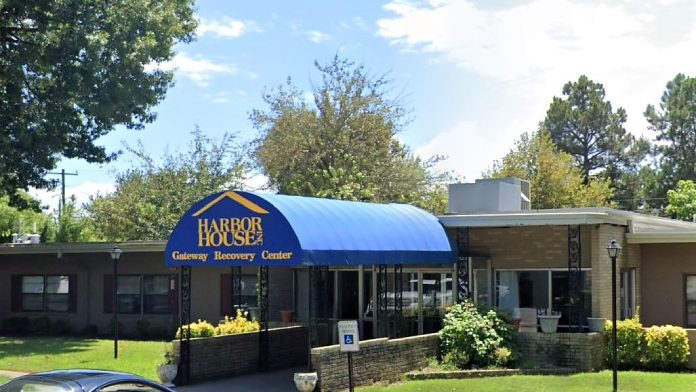
Gateway House, known as Gateway Recovery Center, is a women's addiction treatment center in Fort Smith, Arkansas, offering residential and outpatient care for adult women with substance use and cooccurring mental health needs.
I'm impressed by their full continuum of care that includes detox, outpatient, day treatment and transitional living.
I appreciate their blend of 12 step support with evidence based, trauma informed care to promote lasting recovery.
Women's Addiction Treatment Programs at Gateway House
Many clients begin with observational detox before transitioning into gender specific residential treatment, available in 30, 60 and 90 day options.
From there, women can step down into outpatient, intensive outpatient, day treatment or transitional living for ongoing support.
Programming integrates substance use and mental health treatment through approaches such as CBT, EMDR, motivational interviewing, mindfulness and 12 step facilitation.
Clients also access individual and group therapy, relapse prevention planning and specialized support for pregnant women and women with children.
Quick Facts About Gateway House
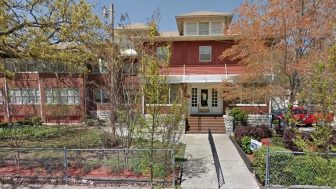
- Location: Fort Smith, Arkansas, in a secure, gated setting near community parks and green space
- Levels of care: Residential treatment, outpatient, IOP, day treatment and transitional living
- Who they treat: Adult women with substance use and cooccurring mental health disorders, including pregnant and parenting women
- Approach: Trauma informed, evidence based care combining CBT, EMDR, mindfulness and 12 step support
- Payment options: Self-pay, private insurance, Medicaid, financial aid and sliding scale fees
- Accreditation: CARF accredited within the Harbor House, Inc provider network
Getting Started at Gateway House
Beginning treatment at Gateway House in Fort Smith, Arkansas typically starts with an assessment to determine the right level of care.
The admissions team can review your needs, explain available programs and help verify insurance or payment options.
Amenities
Private drug rehab provides a comfortable, secure environment that allows you to focus on doing the work to get your life back on track. Benefits include a higher staff-to-client ratio, increased one-on-one time with therapists and healthcare providers, private rooms for clients, and customized forms of therapy.
Addiction Treatment Programs
An effective young adult program in Arkansas gives young people the skills they need to embrace recovery with confidence and the ability to make healthy choices. Treatment focuses on challenges specific to this age group.
Adults aged 18 and older who struggle with substance abuse can attend an adult program in Arkansas to receive treatment for addiction. These programs provide intervention therapies that help the individual stop using and learn ways to stay clean.
For those whose lives have been derailed by alcohol use disorder, alcohol rehab in Arkansas offers hope. Through individualized treatment, these programs address alcohol dependency and help participants recover and begin living a healthy, sober life.
For women, the experiences that lead to addiction are often very different than men. Women’s rehab in Arkansas addresses the way stress, trauma, genetics, and their environment affect women’s addiction challenges and recovery journey.
Arkansas residents who are addicted to opioids can find help at an opioid rehab in Arkansas. Opioid addiction is highly treatable with therapy and medication assisted methods. Treatment focuses on both physical and emotional aspects of the addiction.
Often used to treat dual diagnosis disorders, cognitive behavioral therapy in Arkansas addresses disroders like PTSD, ADD, anxiety, OCD, and bipolar disorder, along with substance use disorders. This method helps individuals find connections between their feelings, thoughts, and actions and understand how those things affect their recovery.
The goal of drug rehab in Arkansas is to help individuals stop using addictive substances and learn healthy ways to remain clean long-term. Participants learn vital skills to cope with cravings and manage stress, to prevent relapse.
EMDR Therapy is a neurobiological treatment modality used to address trauma disorders and related mental and behavioral health challenges. Short for eye movement desensitization and reprocessing, EMDR is designed to help clients cope with distressing memories and emotions, including fear, sadness, and anger. EMDR may help clients in addiction recovery manage the psychological and emotional triggers that contribute to substance misuse and/or addiction relapse.
Hypnotherapy is an evidence-based complementary approach to addiction treatment in which clients enter an induced state of deep relaxation. Once the client has entered this hypnotic state, the hypnotherapist uses various techniques, including guided imagery and positive affirmations, to help clients “unlearn” negative behaviors, such as substance misuse, and adopt healthy ones. The approach supports clients’ long-term mental, physical, and emotional wellbeing and reduces their risk of relapse by tapping into the power of the subconscious mind.
Levels of Care
Many people in drug rehab in Arkansas transition to an outpatient rehab program after completing a residential or partial hospitalization program. This transition allows them to return to their life and responsibilities while still meeting with recovery experts and attending support groups.
Many people who struggle with addiction also experience co-occurring disorders such as depression or anxiety. Dual diagnosis programs in Arkansas specialize in treating both disorders, which is essential for recovery.
Inpatient rehab in Arkansas is designed primarily for clients exiting detox, people in early recovery, and those at an elevated risk of relapse. Participants reside at the treatment facility until they complete their recovery program, which gives them access to medical providers and therapeutic tools. .
Detox is typically the first step of drug rehab in Arkansas. Addictive substances are slowly removed from your system, and you're monitored by medical professionals around the clock during the detox process.
When you choose sober living in Arkansas, you’ll live in a housing environment that encourages sobriety. Residents follow a structured schedule that includes contributing to chores, working, and abstaining from all drugs and alcohol. This structure is often helpful during the first few months of sobriety, when you’re most vulnerable.
Partial hospitalization programs (PHPs) in Arkansas allow residents to live at home while receiving this specialized type of outpatient treatment at a drug rehab facility. PHPs are best suited for those who don’t need emergency intervention or continuous medical supervision to treat substance use disorder.
Accreditations
Accepted Insurance









Contact Information


 Sponsored
Amy Greene’s first novel Bloodroot was a New York Times and National Bestseller and a New York Times Editor’s Choice pick. Her second novel Long Man was a Washington Post Top Book of the Year. She lives in the Smoky Mountains of East Tennessee with her husband and two children.
Rehabs.org regularly reviews this listing for accuracy but changes may occur between updates. For the most up-to-date information, please contact Gateway House.