Beacon House
 Sponsored
About Beacon House
Beacon House offers transitional residential recovery for women and women with children recovering from alcohol and other substance use disorders in Fond du Lac, Wisconsin.
I like that the program combines Twelve Step recovery, trauma informed women's programming and individualized counseling in a safe and comfortable setting.
Beacon House works to interrupt generational cycles of addiction by helping mothers build emotional, spiritual, behavioral, social and practical foundations for lasting recovery and independent living.
Transitional Recovery for Women
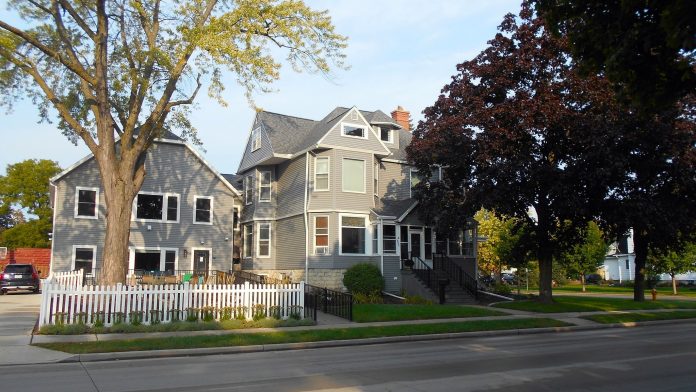
I appreciate that Beacon House offers a structured 90 to 120 day recovery experience within a 12 bed Victorian home.
You receive 24/7 supervision from professional staff and trained volunteers, individualized program planning, weekly evaluations and counseling.
Programming is built around the Twelve Steps and includes AA/NA Big Book study alongside the Women's Way approach that focuses on self-worth, relationships and coping skills.
Residents also engage in relapse prevention, goals and accountability groups and practical independence building like financial literacy and job readiness with a Transitions Group supporting continued connection after discharge.
Supporting Mothers and Children
I found that Beacon House is uniquely designed to keep mothers connected to their children throughout recovery by integrating parenting education, mother-child relationship support and childcare planning.
The home provides safe indoor and outdoor play areas and child focused resources. Trauma workshops and specialty groups address domestic violence, sexual abuse, anger management in coordination with outside community agencies.
Amenities
Private drug rehab provides a comfortable, secure environment that allows you to focus on doing the work to get your life back on track. Benefits include a higher staff-to-client ratio, increased one-on-one time with therapists and healthcare providers, private rooms for clients, and customized forms of therapy.
Residential drug rehab provides the comforts of home with the therapeutic support needed to successfully recover. Benefits of an inpatient program include increased safety, a higher success rate, and the time and distance given to focus on recovery. Residential drug rehabs are often the preferred method of treatment, as they can be tailored to meet specific needs, offer focused therapeutic care, and provide the necessary tools to sustain recovery.
In order to maintain a sense of autonomy, many private rehab facilities offer clients the ability to choose their own private rooms. The privacy and personal space ensure that the recovery process is as comfortable as possible.
Addiction Treatment Programs
Individuals in their late teens and early twenties can find help for addiction at a young adult program in Wisconsin. These settings provide a comfortable, safe atmosphere where young adults feel at ease and treatment is customized to meet their unique needs.
Each adult program in Wisconsin is unique, but most use common treatment methods. A combination of social support, medication, and therapies provide the interventions needed to help participants achieve recovery.
Alcohol rehab in Wisconsin provides treatment for alcohol use disorder. Those struggling with excessive alcohol use and related consequences receive interventions, support, and tools to address these issues and move forward on their recovery journey.
Women face different pressures and challenges than men. Women’s rehab in Wisconsin acknowledges these differences and provides addiction treatment specifically for women.
Effective opioid rehab in Wisconsin includes medical detox, co-occurring disorder treatment, behavioral therapy, and aftercare. Often, a combination of cognitive-behavioral therapy and medication assisted treatment is helpful.
Cognitive behavioral therapy in Wisconsin can be an effective treatment method for substance use disorders. Treatment techniques, which can be used in individual and group settings, include relapse prevention, motivational interventions, and coping strategies.
The goal of drug rehab in Wisconsin is to come at addiction from every angle. This complex issue involves physical, mental, and relational aspects that must be addressed. During rehab, treatment focuses on each of these areas and gives you the tools you need to manage them without substance use.
Through rational emotive behavioral therapy in Wisconsin, individuals become aware of how their beliefs affect their emotions and responses to events. Participants replace negative beliefs with positive ones so they can manage reactions and develop healthier patterns.
Levels of Care
Recovery is a life-long process. Aftercare rehab in Wisconsin sets you up for success on this journey. It begins after initial treatment ends and continues to provide support as you start on your new sober path. Ongoing counseling, career guidance, financial support, and other practical resources help you stay on the right track.
Experts in mental health and addiction integrate their services to provide dual diagnosis treatment in Wisconsin. This treatment is designed for anyone who has both a substance abuse disorder and a mental health disorder, such as depression or anxiety.
While living in a Wisconsin sober living home, you are usually required to submit to random drug tests and attend regular 12-step meetings. These policies, along with requirements to contribute to rent and other household responsibilities, provide a structured environment that helps you strengthen sobriety skills.
Accreditations
Staff
Contact Information


 Sponsored
Patti Croft is a full-time writer who writes about accessing effective addiction treatment during the day but is also pursuing her dream of penning a novel in her spare time. She enjoys copious amounts of coffee as creative fuel and sharing an office with her adorable cat, Beau. Her background is in healthcare management, and she is a passionate advocate for mental health and addiction care.
Rehabs.org regularly reviews this listing for accuracy but changes may occur between updates. For the most up-to-date information, please contact Beacon House.