Alcohol Safety Action Project
707 Minnesota Avenue
Suite M6
Kansas City, KS 66101
 Sponsored
About Alcohol Safety Action Project
The Alcohol Safety Action Project provides drivers license reinstatement services, group, individual and family counseling, and substance abuse outpatient treatment. They’re located in Kansas City, Kansas, and accept federal and government funding to cover the cost of their substance use programs. They’re open on weekdays except for Fridays. Evening sessions are available on certain days.
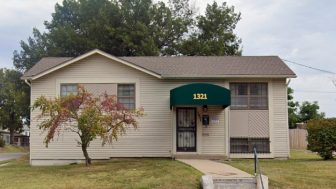
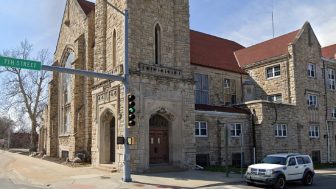
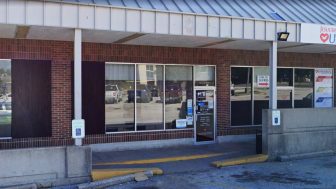
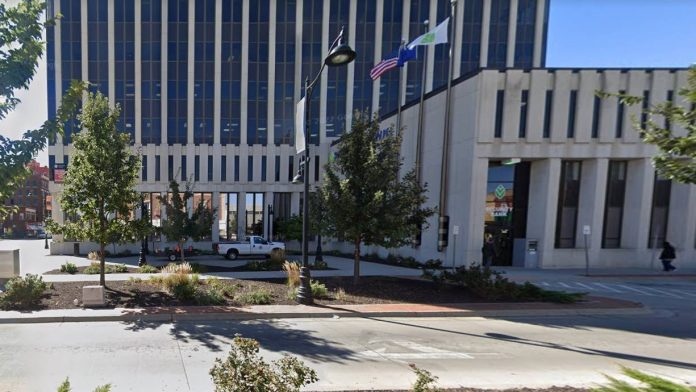
This facility is located in a commercial area of the city with street parking directly in front. I like that there are multiple bus stops at the closest intersection so that it’s easy to get there via public transit. This is especially true of folks who have had their drivers license temporarily suspended.
There are a couple of greenspace areas like Huron Park and Kaw Point Park within walking distance so that people recovering from addiction can take some time to be in nature to reduce stress and promote wellness. The banks of the Missouri River also aren’t far away.
I think it’s wonderful that they also offer primary health care access here. You can meet with a physical or health care provider for any concerns or needs you have about your health.
The Alcohol Safety Action Project offers two levels of intensity. They run an intensive outpatient program (IOP) and regular outpatient treatment. Both generally include a mix of individual and group counseling, but the IOP provides more treatment hours per week. IOP is an excellent alternative to residential treatment for people who need or prefer to live at home. It is also much more affordable than inpatient care.
Amenities
Private drug rehab provides a comfortable, secure environment that allows you to focus on doing the work to get your life back on track. Benefits include a higher staff-to-client ratio, increased one-on-one time with therapists and healthcare providers, private rooms for clients, and customized forms of therapy.
Addiction Treatment Programs
Treatment plans at a young adult program in Kansas typically encompass counseling for addiction as well as co-occurring mental health disorders. Young adults who are struggling with anxiety, depression, PTSD, or ADHD can get help for these disorders as well as substance use disorders.
When an individual needs help with an addiction, they can find support at an adult program in Kansas. These treatment programs offer recovery services for men and women ages 18 and older.
Alcohol rehab in Kansas helps individuals who are struggling with alcohol use disorder learn about recovery, its benefits, and how to achieve it. Treatment focuses on motivation to change, skills to accomplish change, and how to maintain long-term success with sobriety.
Often, men’s rehab in Kansas offers treatment for substance use disorders as well as dual diagnosis treatment. These programs can help men who are facing PTSD, ADHD, depression, anxiety, and bipolar disorder.
Women’s rehab in Kansas provides gender-specific treatment and allows participants to connect with other women who understand their challenges. This targeted support can be beneficial for long-term recovery.
The most common types of opioid rehab in Kansas are detox, inpatient, intensive outpatient, and support groups. Each use evidence-based therapies to teach strategies for overcoming addiction and maintaining long-term sobriety.
No single drug rehab in Kansas is right for everyone. Length, intensity, setting, and treatment methods vary. These can be tailored to meet each person’s needs. With the right program, individuals can successfully end their drug dependency and achieve long-term recovery.
Levels of Care
Kansas outpatient rehab often includes several types of therapy, such as group, individual, and family. You’ll attend several sessions per week, learning new skills and how to live a sober lifestyle. This treatment will continue for weeks, months, or even years, depending on your ongoing recovery needs.
Once you’ve completed early phases of treatment, aftercare rehab in Kansas provides continued support. As you begin to face challenges of everyday life, this program gives you the tools you need to meet them. Ongoing counseling, support groups, and financial guidance are common aspects of aftercare, which may continue for a year or more after initial treatment.
Contact Information


 Sponsored