Fort Smith VA Clinic
1500 Dodson Avenue
Fort Smith, AR 72901
 Sponsored
About Fort Smith VA Clinic
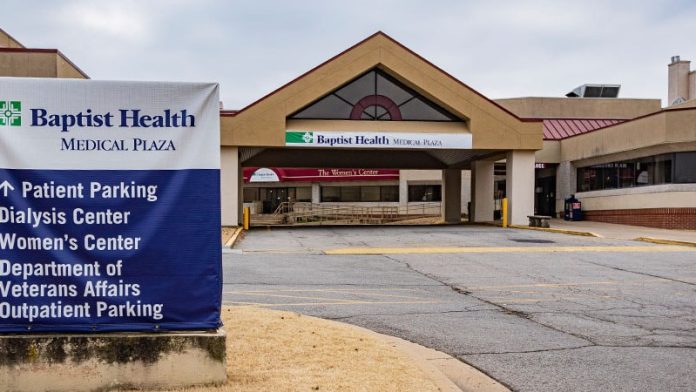
The Fort Smith VA Clinic in Fort Smith, Arkansas, provides medical care, mental health treatment, and addiction care to veterans and military members. I like that they also have a smoking cessation program and social services.
When you visit, you can use VA coverage for service connected care. Non-service connected care is covered by other insurance such as Medicare or a private plan.
Addiction and Mental Health For Veterans
All VA clinics offer crisis support and stabilization as well as substance use treatment and mental healthcare. I noticed they can also support those who have both a mental health diagnosis and substance use disorder.
Treatment includes evidence based individual and group counseling along with referrals to more intensive programs if your symptoms are acute. You may be referred to another VA location or to a Community Care Partner who can provide VA-approved treatment.
Social Work Support For Long Term Recovery
Social services from the VA help veterans live independently and productively. A social worker can connect you to housing support, job training, and financial assistance. They can also help with legal services and transportation.
By connecting vets with essential services, the VA helps them stay stable throughout treatment and recovery.
Amenities
Private drug rehab provides a comfortable, secure environment that allows you to focus on doing the work to get your life back on track. Benefits include a higher staff-to-client ratio, increased one-on-one time with therapists and healthcare providers, private rooms for clients, and customized forms of therapy.
Residential drug rehab provides the comforts of home with the therapeutic support needed to successfully recover. Benefits of an inpatient program include increased safety, a higher success rate, and the time and distance given to focus on recovery. Residential drug rehabs are often the preferred method of treatment, as they can be tailored to meet specific needs, offer focused therapeutic care, and provide the necessary tools to sustain recovery.
Transportation services are designed to ensure your addiction treatment begins and ends successfully by offering free transportation to the rehab facility, to and from your appointments during rehab, and back home upon program completion.
Addiction treatment in the metro area benefits clients by offering seamless connections from the city, around the state, and those seeking out-of-state treatment. Another benefit of attending a metro area drug rehab is that you’re close to major airports and ground transportation services.
Addiction Treatment Programs
An effective young adult program in Arkansas gives young people the skills they need to embrace recovery with confidence and the ability to make healthy choices. Treatment focuses on challenges specific to this age group.
Adults aged 18 and older who struggle with substance abuse can attend an adult program in Arkansas to receive treatment for addiction. These programs provide intervention therapies that help the individual stop using and learn ways to stay clean.
For those whose lives have been derailed by alcohol use disorder, alcohol rehab in Arkansas offers hope. Through individualized treatment, these programs address alcohol dependency and help participants recover and begin living a healthy, sober life.
Men’s rehab in Arkansas is designed exclusively for males who are struggling with an alcohol or substance use disorder. Because men and women often respond better to different types of treatment, this targeted rehab can be more effective than mixed-gender treatment.
For women, the experiences that lead to addiction are often very different than men. Women’s rehab in Arkansas addresses the way stress, trauma, genetics, and their environment affect women’s addiction challenges and recovery journey.
Arkansas residents who are addicted to opioids can find help at an opioid rehab in Arkansas. Opioid addiction is highly treatable with therapy and medication assisted methods. Treatment focuses on both physical and emotional aspects of the addiction.
Often used to treat dual diagnosis disorders, cognitive behavioral therapy in Arkansas addresses disroders like PTSD, ADD, anxiety, OCD, and bipolar disorder, along with substance use disorders. This method helps individuals find connections between their feelings, thoughts, and actions and understand how those things affect their recovery.
The goal of drug rehab in Arkansas is to help individuals stop using addictive substances and learn healthy ways to remain clean long-term. Participants learn vital skills to cope with cravings and manage stress, to prevent relapse.
Adults over the age of 65 have needs that differ from younger generations. Elderly rehab in Arkansas is tailored to meet these needs with specialized addiction treatment for seniors.
For women, their experiences that lead to addiction are often very different than men. Women’s rehab in Arkansas addresses the way stress, trauma, genetics, and their environment affect women’s addiction challenges and recovery journey.
Veteran’s rehab in Arkansas includes treatment that addresses concerns that are common to the demographic, such as PTSD and depression. These co-occurring disorders are treated along with substance use disorders through outpatient and inpatient programs.
Rational emotive behavioral therapy in Arkansas follows an ABC model to help individuals reframe irrational beliefs to help overcome addiction. The process includes A – activating event, B – beliefs, and C – consequence.
Levels of Care
Many people in drug rehab in Arkansas transition to an outpatient rehab program after completing a residential or partial hospitalization program. This transition allows them to return to their life and responsibilities while still meeting with recovery experts and attending support groups.
Many people who struggle with addiction also experience co-occurring disorders such as depression or anxiety. Dual diagnosis programs in Arkansas specialize in treating both disorders, which is essential for recovery.
Once you’ve completed your initial rehab treatment, you’ll need additional support to prevent relapse. This is where aftercare rehab in Alaska steps in. Through continued access to counselors, support groups, and assistance with job-finding, education, and finances, you’ll get the support you need to maintain sobriety.
Accreditations
Contact Information


 Sponsored